
Rosacea skincare routine: 4 gentle morning and evening steps
A rosacea skincare routine should be boring in the best way: gentle cleanse, barrier support, daily SPF, careful treatment timing, and fewer irritation experiments.
On this page
When my own skin was at its most irritated, I wanted a routine that felt impressive.
You know the kind. Several steps. Serious-looking bottles. A plan with enough ambition to deserve a small clipboard.
My skin wanted something else.
It wanted fewer arguments.
My own history is acne, oily skin, clogged pores, dehydration, and irritation. I have not had rosacea as a diagnosis, so I will not pretend otherwise. But after helping many people with redness-prone, reactive skin, one pattern keeps coming back:
A rosacea skincare routine usually works best when it is calm enough to repeat on a boring Tuesday.
Not heroic. Not aggressive. Not "I changed seven products and now my face is sending smoke signals."
Just steady.
The best rosacea skincare routine, step by step
A good rosacea skincare routine usually looks like this:
Morning
- Rinse with lukewarm water or cleanse gently if needed.
- Apply treatment only if your skin already tolerates it.
- Use a comfortable moisturiser if your skin feels tight or dry.
- Apply broad-spectrum SPF 30 or higher.
- Use shade, hat, sunglasses, and cooling habits when heat is a trigger.
Evening
- Cleanse gently to remove SPF, makeup, sweat, or daily buildup.
- Apply treatment if it is part of your plan and the skin is calm.
- Moisturise.
- Skip scrubs, harsh acids, fragrance-heavy products, and new experiments during flares.
The 2019 National Rosacea Society management update[1] treats rosacea care as individual and phenotype-based. That means the routine should match what your skin is doing: flushing, persistent redness, bumps, visible vessels, eye symptoms, burning, dryness, or a mixture.
That is why the best routine is not the longest routine.
It is the routine your skin can live with.
Start with the boring baseline
Before we talk about azelaic acid, niacinamide, moisturiser texture, sunscreen textures, or what to do when your cheeks turn red after one emotional email, we need the baseline.
Rosacea-prone skin usually needs:
- low-friction cleansing
- barrier support
- daily sun protection
- careful treatment timing
- trigger awareness without turning life into a spreadsheet
- medical help when symptoms are beyond skincare, especially persistent bumps or eye symptoms
That last one matters.
Skincare can support rosacea-prone skin. It cannot diagnose rosacea, treat eye disease, remove visible vessels, or replace prescription care when pustules, swelling, thickening skin, or persistent inflammation need a clinician.
Good skincare is the floor.
Dermatology is the door you walk through when the floor is not enough.
Morning routine for rosacea-prone skin
Morning skincare should prepare the skin for the day without starting the day with irritation.
Think: remove what needs removing, support comfort, protect from sun, leave the face alone.
Step 1: Rinse or cleanse gently
You do not always need a full cleanse in the morning.
If your skin feels calm and you only applied moisturiser the night before, a lukewarm rinse may be enough. If you wake up oily, sweaty, or with residue from night products, use a mild cleanser.
The American Academy of Dermatology's rosacea skincare advice[2] is refreshingly practical: cleanse gently, use fingertips, avoid washcloth friction, rinse with lukewarm water, and pat the skin dry.
That sounds simple because it is.
Rosacea-prone skin often reacts less to the idea of cleansing and more to the performance of cleansing:
- hot water
- rubbing
- foaming until the face feels squeaky
- cleansing brushes
- rough towels
- double-cleansing when one gentle cleanse would do
Your cleanser should leave the skin feeling clean enough, not "newly sanded."
Step 2: Apply treatment only if your skin is ready
This is where many routines become too brave.
If your dermatologist prescribed metronidazole, ivermectin, azelaic acid, brimonidine, oxymetazoline, or another rosacea treatment, follow that plan. Prescription treatment belongs in the routine because rosacea is a real inflammatory skin condition, not a personality flaw with pores.
If you are using over-the-counter treatment, go slowly.
Azelaic acid is one of the better-supported topical ingredients for papulopustular rosacea. Two randomized phase III studies of 15% azelaic acid gel[6] found reduced inflammatory lesions and improved erythema compared with vehicle. The separate azelaic acid for rosacea guide explains how I would introduce it without irritating the barrier.
That does not mean every rosacea-prone face should start azelaic acid every morning tomorrow.
Use this filter:
- If your skin is burning today, wait.
- If you already tolerate azelaic acid well, you may continue.
- If you are new to it, start on calm skin and use it less often at first.
- If it stings sharply, increases heat, or makes tightness worse, stop and reassess.
Useful treatments still need good timing.
Step 3: Moisturise if your skin feels tight, dry, or exposed
Some people with rosacea need moisturiser morning and evening.
Some need it mostly at night.
Some need a lighter layer in the morning so sunscreen does not pill, roll, or feel like facial wallpaper.
Use moisturiser to make the barrier comfortable enough that the rest of the routine behaves.
A 2005 study[3] found that a niacinamide-containing facial moisturiser improved barrier measures and benefited subjects with rosacea. A 2019 open-label study[4] also found that a night moisturiser improved hydration and reduced transepidermal water loss in dry skin, with redness and patient-reported improvements in rosacea-prone sensitive skin.
Those studies do not mean moisturiser "cures" rosacea.
They mean barrier support is not decoration.
For rosacea-prone skin, a moisturiser should usually be:
- fragrance-free
- comfortable
- non-stinging
- not too hot or occlusive for your skin
- compatible with sunscreen
- boring enough that you forget about it after applying
That last one is underrated.
If your moisturiser makes you think about your face for the next three hours, it may not be the peaceful choice. The rosacea moisturiser guide goes deeper on texture, humectants, emollients, and what to avoid when everything stings.
Step 4: Apply broad-spectrum SPF
Sun protection is not optional advice I add because every skincare article must mention SPF before it is allowed to leave the building.
For rosacea, sun and UV exposure can be real flare drivers.
The AAD recommends sun protection for rosacea-prone skin, including broad-spectrum SPF 30 or higher, shade, protective clothing, wide-brimmed hats, and sunglasses[2]. A 2021 photoprotection review[5] explains why UV exposure can matter in rosacea: it can contribute to inflammation, vascular changes, barrier stress, and visible redness.
Choose sunscreen like a person who has to wear it tomorrow, not like a person winning an online argument.
Look for:
- broad-spectrum SPF 30 or higher
- no sting
- no heavy fragrance
- comfortable texture
- easy removal
- no need for aggressive rubbing
Mineral sunscreen can be a good starting point for some rosacea-prone skin. Hybrid or chemical formulas can also work for some people. The winner is the formula your face tolerates consistently.
If sunscreen always burns, read the guide to choosing sunscreen for rosacea. Sometimes the formula is wrong. Sometimes the barrier is flared. Sometimes the face is still hot from a shower and every product is now being judged in unfair conditions.
The face has moods.
We can work with that.
Evening routine for rosacea-prone skin
Evening skincare has one main job:
remove the day without punishing the skin for having lived through it.
Step 1: Cleanse off sunscreen and daily buildup
If you wore sunscreen, makeup, heavy moisturiser, or spent the day sweating, cleanse at night.
Use lukewarm water and fingertips. Massage gently. Rinse well. Pat dry.
No scrubbing.
No "I need to get every molecule of sunscreen out of my ancestry."
If one cleanse removes the day, stop at one cleanse. If you need two because of makeup or water-resistant SPF, keep both steps mild and low-friction.
Many rosacea routines fail because the treatment is too aggressive.
Many fail because cleansing is too aggressive before treatment even starts.
Step 2: Use treatment on calm skin
Evening can be a good time for treatment because sunscreen texture is no longer part of the equation.
But the same rule applies:
Calm skin first. Treatment second.
If azelaic acid is part of your routine, you might start with a few nights per week. If your dermatologist prescribed something, follow the prescription instructions and ask where it should sit in your routine.
If your skin is flaring, burning, or unusually reactive, simplify for a few days. The rosacea flare guide walks through that reset in more detail.
I know pausing treatment can feel like going backward.
Sometimes it is what lets the routine continue next week.
Step 3: Moisturise like you are making tomorrow easier
Night moisturiser is not glamorous.
Neither is brushing your teeth.
Both are still doing useful work.
At night, moisturiser can reduce tightness, improve comfort, and make the skin less likely to wake up feeling raw. If your skin is very reactive, apply it after the face is fully dry. Damp skin can make some products feel stronger or stingier.
If you are using azelaic acid or a prescription topical and irritation appears, ask your clinician whether you can adjust frequency, moisturise before or after, or use a slower schedule.
The goal is not to prove your tolerance.
The goal is calmer skin.
What to avoid in a rosacea skincare routine
Rosacea-prone skin does not need a long enemy list.
It needs fewer avoidable irritants.
Common troublemakers include:
- hot water on the face - especially if you get a red face after showering
- scrubs
- cleansing brushes
- strong acid toners
- frequent peels
- alcohol-heavy toners
- fragrance-heavy products
- essential oils
- menthol, peppermint, eucalyptus, and "cooling" skincare
- aggressive retinoid use when the barrier is unstable
- benzoyl peroxide if it makes your rosacea burn or flush
- testing several new products at once
The AAD guidance[2] also recommends avoiding products that sting, burn, or irritate, and it specifically calls out common irritants such as alcohol, camphor, fragrance, glycolic acid, lactic acid, menthol, sodium lauryl sulfate, and urea for some rosacea-prone skin.
That does not make every ingredient on that list evil.
It means your irritated face may not be the right place to audition them.
How to introduce a new product without causing chaos
Rosacea-prone skin likes boring data.
Give it boring data.
Try this:
- Add one new product at a time.
- Test it on a small area first.
- Use it on calm skin, not during a flare.
- Start less often than the label suggests if it is an active.
- Wait several days before deciding it is fine.
- Do not change cleanser, moisturiser, SPF, and treatment in the same week unless a clinician told you to.
If your skin reacts, you want to know what caused it.
Changing four things at once turns your face into a mystery novel, and not the charming kind with tea.
What if your routine burns?
Burning is information.
It does not always mean the product is dangerous. It does mean your skin is not happy with the formula, timing, barrier state, or amount.
Ask:
- Did I apply it right after hot water?
- Was my face still damp and warm?
- Am I in a flare?
- Did I use an exfoliant, retinoid, or strong active recently?
- Is the formula fragranced?
- Did I rub too much?
- Did I apply too many layers?
If burning is mild and brief, you may be able to adjust timing or amount.
If burning is sharp, persistent, or followed by more redness, heat, swelling, bumps, or eye irritation, stop and get qualified advice.
No routine is so important that you need to negotiate with a burning face every day.
A simple weekly rhythm
Here is the calm version I would start with if the skin is not currently flaring:
Every morning
- Lukewarm rinse or gentle cleanse.
- Treatment only if already tolerated.
- Moisturiser if needed.
- Broad-spectrum SPF 30+.
Every evening
- Gentle cleanse.
- Treatment if tolerated.
- Moisturiser.
During flares
- Pause irritating actives.
- Use cool, not icy, comfort.
- Cleanse only as needed.
- Moisturise simply.
- Use sun avoidance and gentle SPF if tolerated.
- Seek medical help for eye symptoms, swelling, pain, persistent pustules, or unusual changes.
That is the routine.
Not because rosacea is simple.
Because reactive skin often needs the routine to be simple.
When skincare is not enough
Please do not try to skincare your way through symptoms that need medical care.
See a dermatologist or qualified clinician if you have:
- persistent papules or pustules
- gritty, painful, dry, swollen, red, or light-sensitive eyes
- thickening skin, especially around the nose
- painful swelling
- sudden unusual redness
- one-sided redness or spreading redness
- flares that keep returning despite a gentle routine
- symptoms that could be dermatitis, allergy, infection, lupus, acne, or another condition
The National Rosacea Society management update[1] includes prescription topical therapies, oral options, laser and light-based approaches, ocular care, and trigger management depending on the signs present.
That is reassuring, not scary.
It means you do not have to solve everything with moisturiser and hope.
The bottom line
A rosacea skincare routine should be calm, repeatable, and suspicious of drama.
Cleanse gently. Support the barrier. Wear SPF. Introduce treatment slowly. Pause during burning flares. Track triggers without turning your whole life into a restriction project. Get medical help when symptoms ask for medical help.
The routine does not need to look impressive on the shelf.
It needs to make your skin easier to live with.
That is the win.
People also ask
What is the best skincare routine for rosacea?
A good rosacea routine is usually simple: gentle cleansing, moisturiser, broad-spectrum SPF 30 or higher, and carefully introduced treatment such as azelaic acid or prescriptions when needed. The best routine is the one your skin tolerates consistently.
Should I use skincare actives if I have rosacea?
Some actives can help rosacea-prone skin, especially azelaic acid and barrier-supporting niacinamide. But introduce one product at a time, avoid starting during a burning flare, and stop if heat, stinging, or tightness gets worse.
Do I need to wash my face twice a day with rosacea?
Not always. Many people do well with a gentle evening cleanse and a lukewarm rinse in the morning. If sunscreen, makeup, sweat, or product buildup is present, cleanse gently with fingertips instead of scrubbing.
When should rosacea be treated by a dermatologist?
See a dermatologist or qualified clinician for persistent pustules, eye symptoms, painful swelling, thickening skin, frequent flares, or redness that keeps worsening despite gentle skincare and trigger management.
What order should a rosacea skincare routine follow?
In the morning, cleanse or rinse, apply tolerated treatment, moisturise if needed, then use SPF 30 or higher. At night, cleanse gently, apply treatment on calm skin, then moisturise.
The simple routine I would start with
Over the last 15 years, I have helped more than 100,000 people with problem skin, and rosacea-prone routines keep proving the same point: the routine must be calm enough to repeat. I built the Danish Skin Care Kit so the foundation stays simple: cleanse gently, support the barrier, protect with SPF, and avoid turning every morning into a product experiment.

The calm base routine I would build around rosacea-prone skin: mild cleansing, barrier support, daily SPF, and an easy structure that makes consistency more realistic.
Full transparency: Danish Skin Care is my own company — I formulated these products and earn from every sale. That's exactly why I only recommend them where they genuinely fit the guide you just read.
Real results from simple routines
A few real before-and-after cases from people using Danish Skin Care for skin concerns related to this guide. No filters, no miracle promise. Consistent skincare over time.
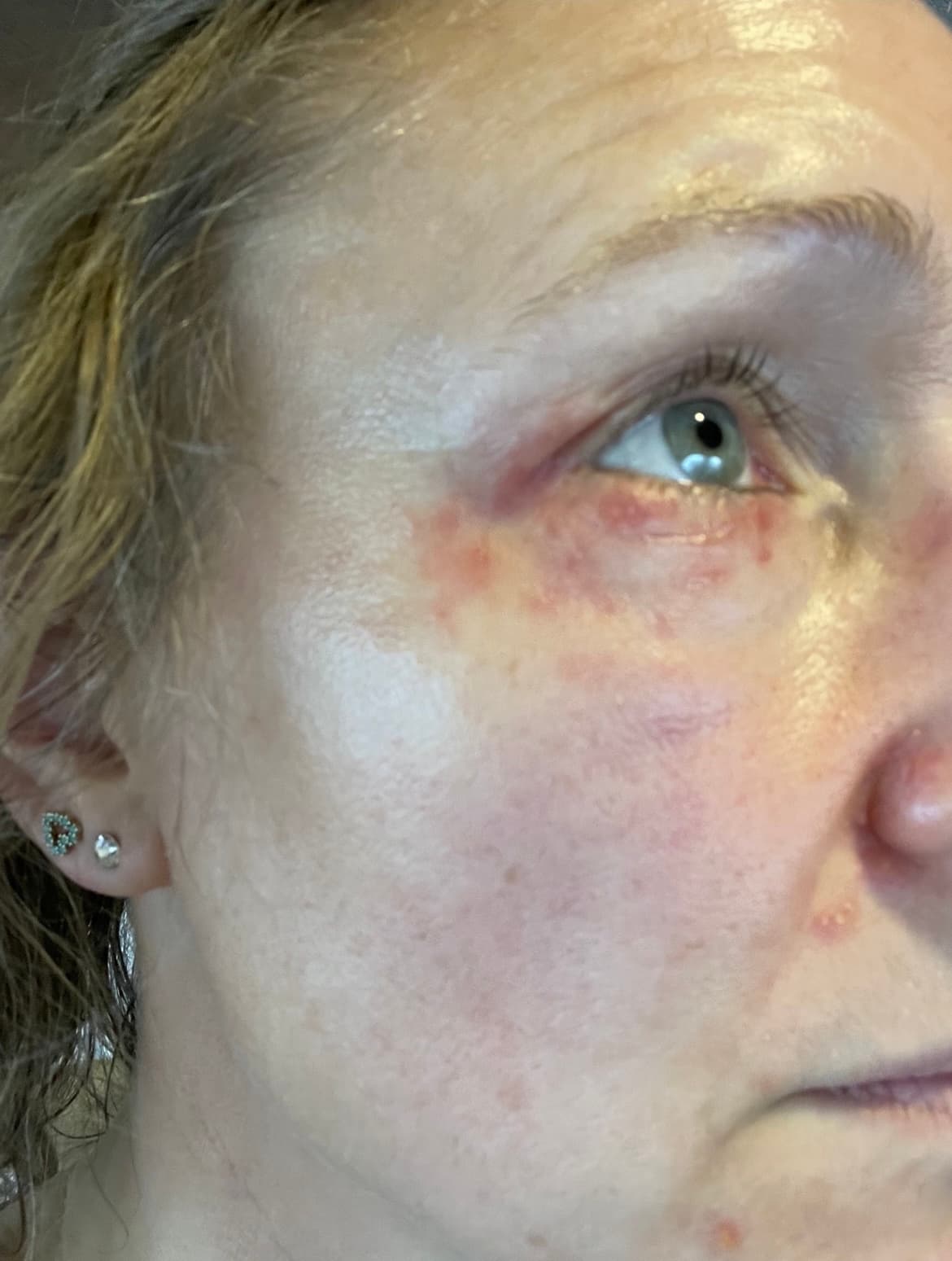 Before
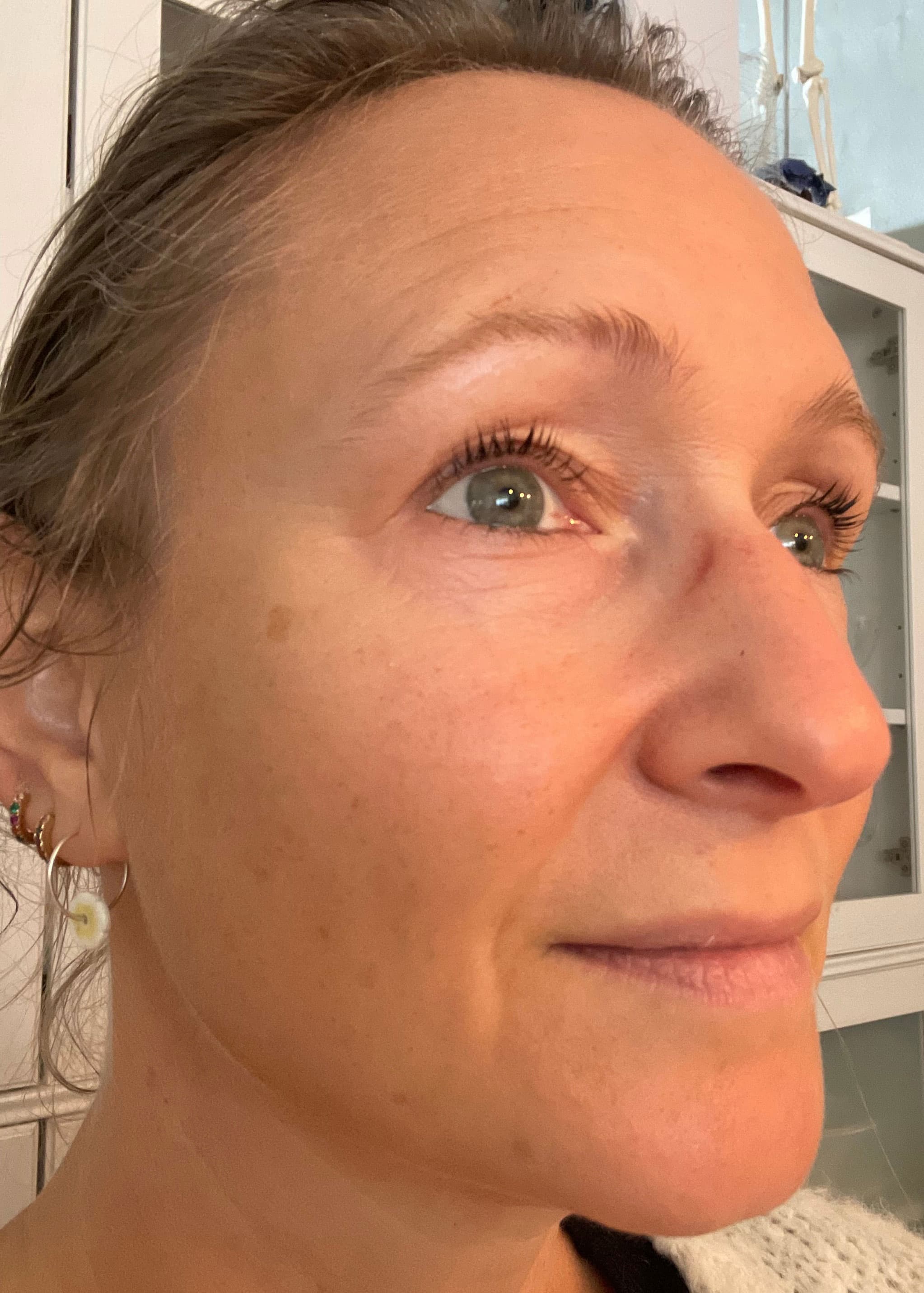 After
After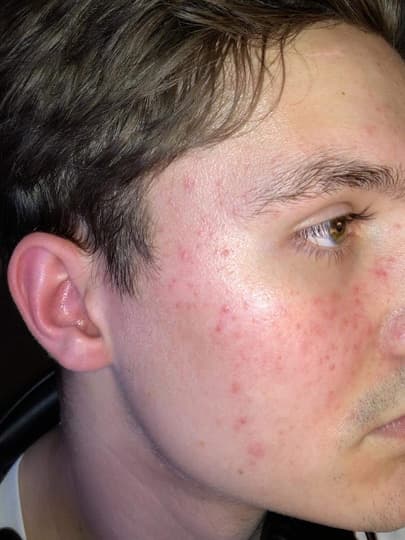 Before
 After
After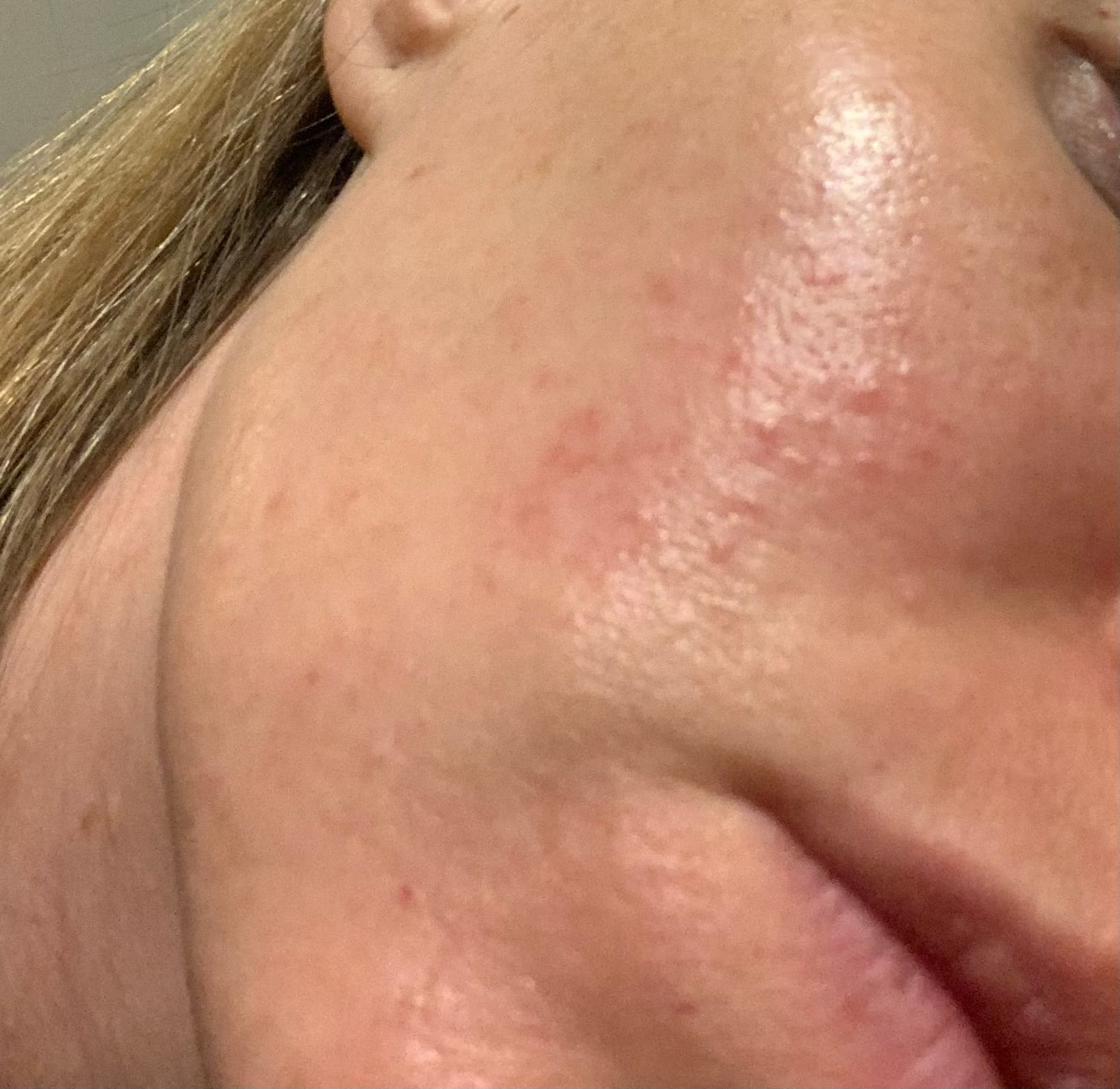 Before
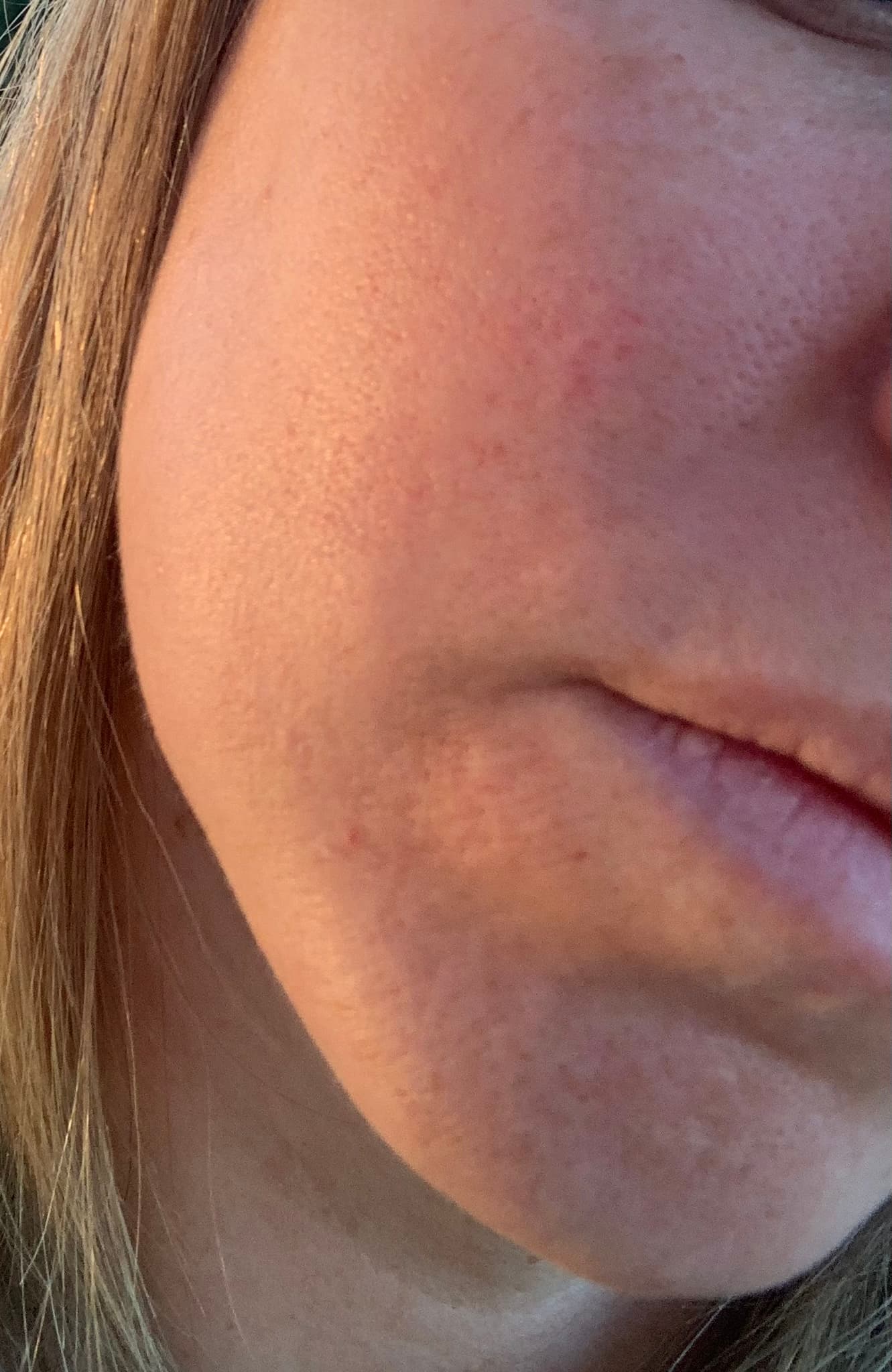 After
AfterKeep reading
- Ingredient · azelaic acid
- Ingredient · niacinamide
- Ingredient · sodium hyaluronate
- Ingredient · glycerin
- Ingredient · panthenol
- Ingredient · allantoin
- Condition · rosacea
- Condition · sensitive skin
- Condition · dry skin
- Condition · perioral dermatitis
- Read · rosacea symptoms
- Read · rosacea triggers
- Read · how to calm rosacea flare
- Read · best ingredients for rosacea
- Read · azelaic acid for rosacea
- Read · niacinamide for rosacea
- Read · rosacea moisturizer guide
- Read · redness after shower
- Read · best sunscreen for rosacea
- Read · ocular rosacea symptoms
- Read · rosacea acne
Citations
- Thiboutot D, et al. Standard management options for rosacea: The 2019 update by the National Rosacea Society Expert Committee. J Am Acad Dermatol. 2020;82(6):1501-1510.PMID 32035944
- American Academy of Dermatology Association. 7 rosacea skin care tips dermatologists recommend.AAD
- Draelos ZD, Ertel K, Berge C. Niacinamide-containing facial moisturizer improves skin barrier and benefits subjects with rosacea. Cutis. 2005;76(2):135-141.PMID 16209160
- Draelos ZD, et al. A Novel Night Moisturizer Enhances Cutaneous Barrier Function in Dry Skin and Improves Dermatological Outcomes in Rosacea-prone Skin. J Clin Aesthet Dermatol. 2019;12(1):18-23.PMID 30666273
- Morgado-Carrasco D, Piquero-Casals J, Granger C, Trullas C. Impact of ultraviolet radiation and exposome on rosacea: Key role of photoprotection in optimizing treatment. J Cosmet Dermatol. 2021;20(11):3415-3421.PMID 33626227
- Thiboutot D, Fleischer AB Jr, Del Rosso JQ, Graupe K. Efficacy and safety of azelaic acid (15%) gel as a new treatment for papulopustular rosacea: results from two vehicle-controlled, randomized phase III studies. J Am Acad Dermatol. 2003;48(6):836-845.PMID 12789172