
Niacinamide
One of the most useful, best-tolerated active ingredients in skincare, backed by repeatable clinical evidence across pigmentation, oil control, and barrier repair.
At a glance
What Niacinamide does for skin, and how to read the practical safety signals.
- Barrier Support: Suits dry, oily, sensitive, and blemish-prone skin.
- Even Tone: Visibly reduces excess shine, unevenness, and redness over time.
- Optimal Strength: Works best at 2–5% concentrations (higher 10% serums are often unnecessary).
- Type
- Vitamin
- Rating
- Pregnancy
- Considered safe
- Comedogenic rating
- 0/5 (Won't clog pores)
- Vegan
- Yes
- Suited skin types
- All skin types
On this page
The short answer
If skincare ingredients were dinner guests, niacinamide is the one who shows up on time, gets on with everyone, and quietly clears the table afterwards. It's the form of vitamin B3 that goes on your face: water-soluble, exceptionally well-tolerated, and one of the few actives with consistent clinical evidence across four different problems at once.
I get the question "where do I even start?" a lot. Usually from someone who has bought five serums in six months and feels like none of them did anything. I've stood next to that bathroom shelf. Niacinamide is almost always the first thing I take off it, then put back on, alone, and tell them to give it eight weeks.
What the evidence actually shows
Pigmentation. Hakozaki's 2002 study showed that topical 2–5% niacinamide reduced the transfer of melanin pigment from pigment-producing cells to surface skin cells by 35 to 68 percent in the lab, with visible improvement in human trials at 8 weeks. Think of it like this: most brightening ingredients try to stop the factory from making the product. Niacinamide lets the factory hum along and quietly intercepts the delivery truck. That different mechanism is why it stacks so well with vitamin C.
Anti-aging. Bissett's 2005 work tracked 50 women using 5% niacinamide twice daily for 12 weeks. Measurable improvement in fine lines, dark spots, redness, sallowness, and elasticity versus vehicle. Nothing dramatic. The dermatology equivalent of compound interest: small deposits, real balance at the end of the year.
Oil control. Draelos's 2006 study found 2% niacinamide reduced facial sebum production after 2 to 4 weeks. If your face goes from "matte at breakfast" to "deep-fried at lunch", this is one of the few ingredients with a credible mechanism for changing that. Not a blotting paper. An actual brake on the oil itself.
Barrier repair. Soma showed that 2% nicotinamide improved measured water loss in atopic dry skin. Niacinamide nudges your skin to make more of its own ceramides, the lipid mortar between skin cells. Most ceramide moisturisers paint the mortar on from outside. Niacinamide is more like teaching the bricklayer.
How to use it
- Concentration: 2–5% is the well-studied range. Higher isn't better, it is louder.
- When in the routine: after cleansing, before heavier moisturisers and oils. It plays nicely with almost everything else.
- Frequency: once or twice daily.
If your skin is the type that throws a small tantrum every time you introduce something new, start once daily and build up. A small number of people get a brief flushed feeling at higher concentrations. That's a histamine response, not damage, and it usually settles as your skin adapts.
Where it fits in a routine
Niacinamide is the diplomat of skincare. It gets along with almost everything you already own:
- L-ascorbic acid (vitamin C): the "they cancel each other out" myth is busted. They work on pigmentation from different angles.
- Salicylic acid: the combination most people with oily, congested, post-spot-pigmented skin actually need.
- Retinol: niacinamide measurably reduces retinol-related irritation in clinical studies. The bouncer at the retinol door.
- Hyaluronic acid and ceramides: the barrier-support stack. If your skin is redness-prone, the niacinamide for rosacea guide explains why formula gentleness matters more than chasing a high percentage.
- Zinc PCA: often paired with niacinamide in morning formulas for oil control.
There is no commonly cited ingredient I would actively tell most people to keep away from niacinamide. That is rare.
When it won't help
Niacinamide is a maintenance ingredient. If your problem is severe inflammatory acne, advanced sun damage, or a stubborn dermatological condition that has been bothering you for years, niacinamide alone won't solve it. See a clinician. Think of it as the rising tide that quietly improves a lot of small things at once, not a single hero act that fixes one big thing.
The practical takeaway
My goal with this guide was to gather the useful science on niacinamide in one place, so you can stop hunting for the next clever fix and do the simple, effective things your skin actually needs.
That is also why I made the Danish Skin Care Kit: a calm routine built around documented ingredients, and one that has helped more than 100,000 people with problem skin. If even the smallest question is still nagging you, send me an email at info@danishskincare.com.
Common questions
Is 10% niacinamide better than 5%?
No. Clinical studies on pigmentation, sebum, and barrier all use 2–5%. Bissett's anti-aging work used 5%. There's no published evidence that 10% performs better, and higher concentrations occasionally flush sensitive skin.
Can I use niacinamide with vitamin C?
Yes. The old internet myth that they cancel each other out came from a 1960s lab experiment with unstable nicotinic acid at high heat. Modern formulations are stable and clinically tested together. Lin's combination antioxidant work showed they're complementary.
Is niacinamide safe in pregnancy?
Niacinamide is one of the few actives generally considered safe in pregnancy. Discuss any specific concerns with your clinician.
Reading a real label?
Scan a product to see how it is formulated
Upload a photo of the ingredient list and get a quick ingredient-by-ingredient read against the evidence-led database.
Found in these Danish Skin Care products

4% niacinamide alongside zinc PCA and broad-spectrum SPF. The daily morning step.

Niacinamide plus azelaic acid. Mads's treatment serum for the redness and pigmentation overlap niacinamide alone won't fully solve.

Or get the full routine. Niacinamide arrives via the Day Protector inside the Kit.
Skin conditions it actively helps with
Where the published evidence puts Niacinamide on the short list of active ingredients worth reaching for.
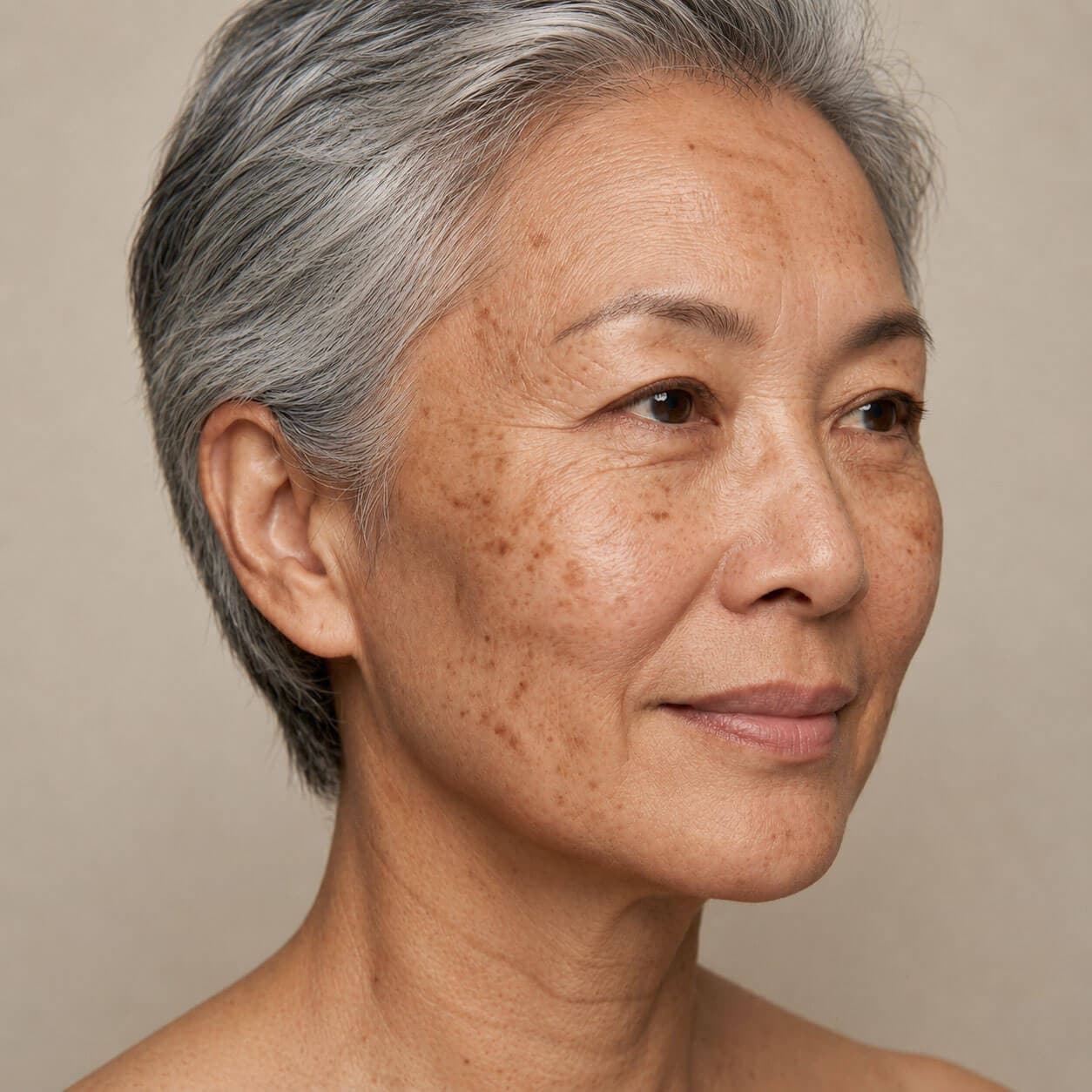
Pigmentation
Pigmentation is one of the most-asked-about, most-misunderstood skin concerns. Here's what's happening in your skin and the slow, evidence-led routine that actually fades it.
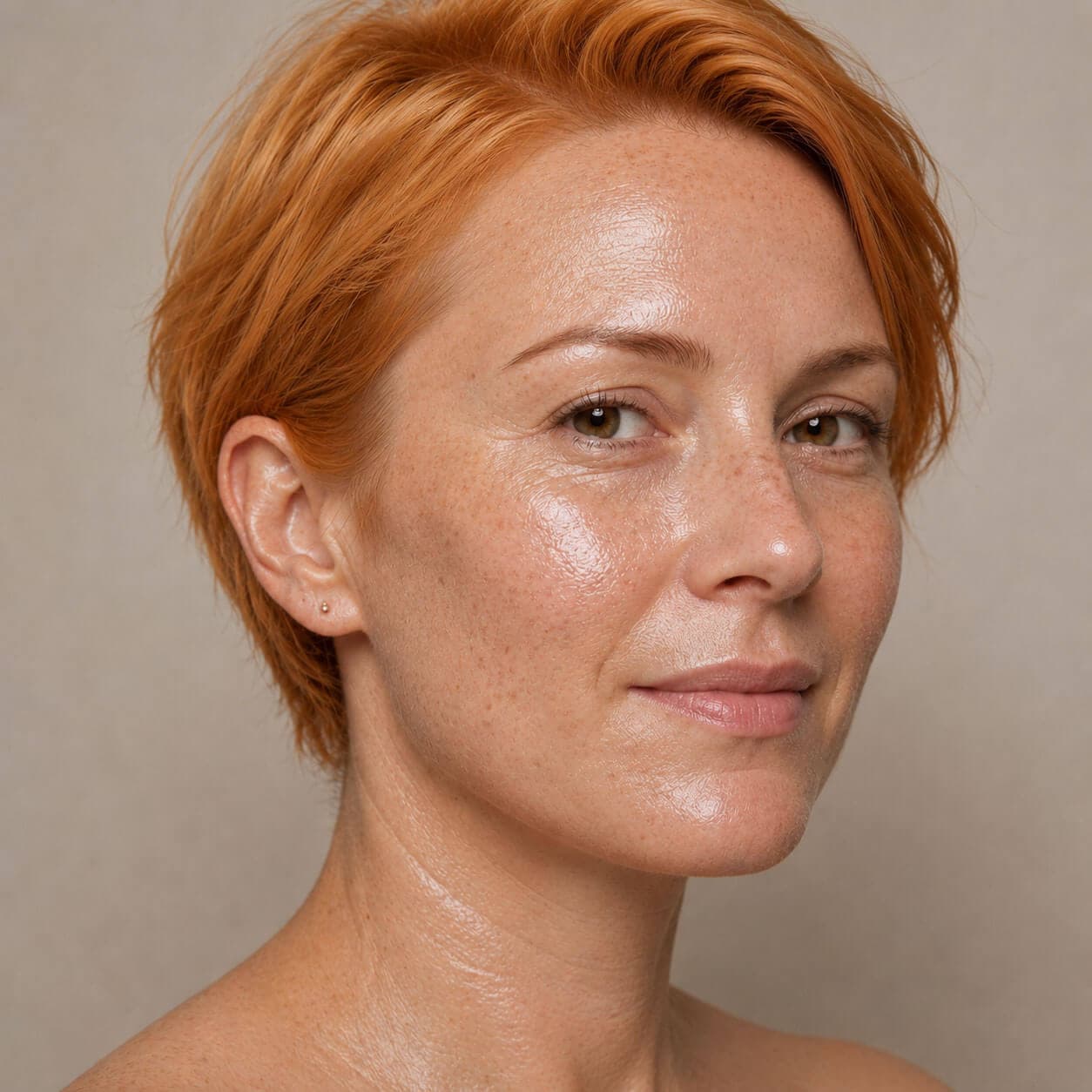
Oily skin
Oily skin isn't a problem to "fix". It's a feature with trade-offs. Here's what actually controls sebum, what doesn't, and the routine that works without stripping.
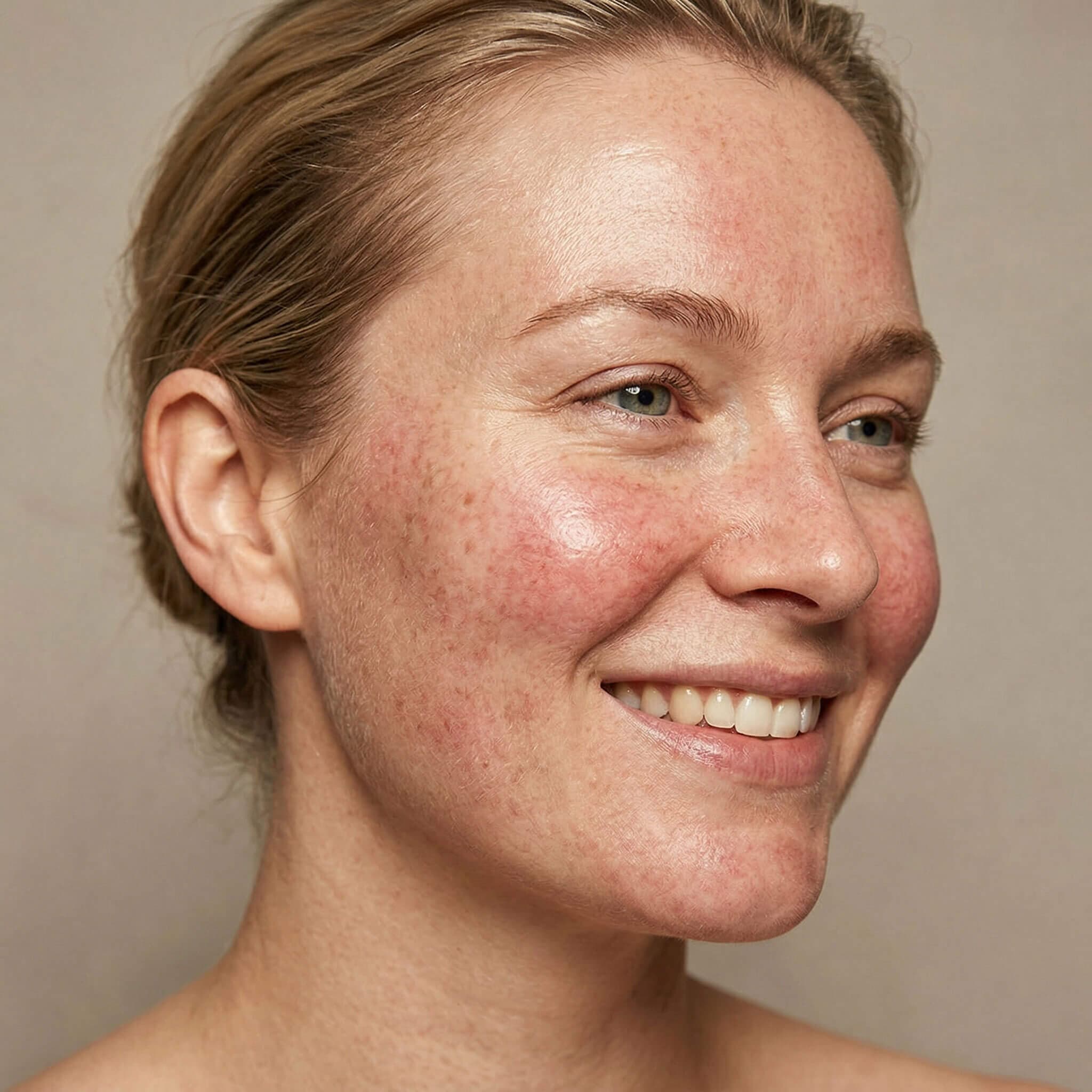
Rosacea and redness
Rosacea is a chronic inflammatory condition, not a temporary flush. Here's what causes it, what calms it, and the routine that doesn't make the reactivity worse.

Dry skin
Dry skin is usually a barrier problem, not simply a water problem. Here's the difference between dry and dehydrated, why it matters, and the routine that actually helps.
Related ingredients
Citations
- Hakozaki T, et al. The effect of niacinamide on reducing cutaneous pigmentation and suppression of melanosome transfer. Br J Dermatol. 2002;147(1):20–31. — PMID 12100180
- Bissett DL, et al. Niacinamide: A B vitamin that improves aging facial skin appearance. Dermatol Surg. 2005;31(7 Pt 2):860–5. — PMID 16029679
- Soma Y, et al. Moisturizing effects of topical nicotinamide on atopic dry skin. Int J Dermatol. 2005;44(3):197–202. — PMID 15807725
- Draelos ZD, et al. The effect of 2% niacinamide on facial sebum production. J Cosmet Laser Ther. 2006;8(2):96–101. — PMID 16766489