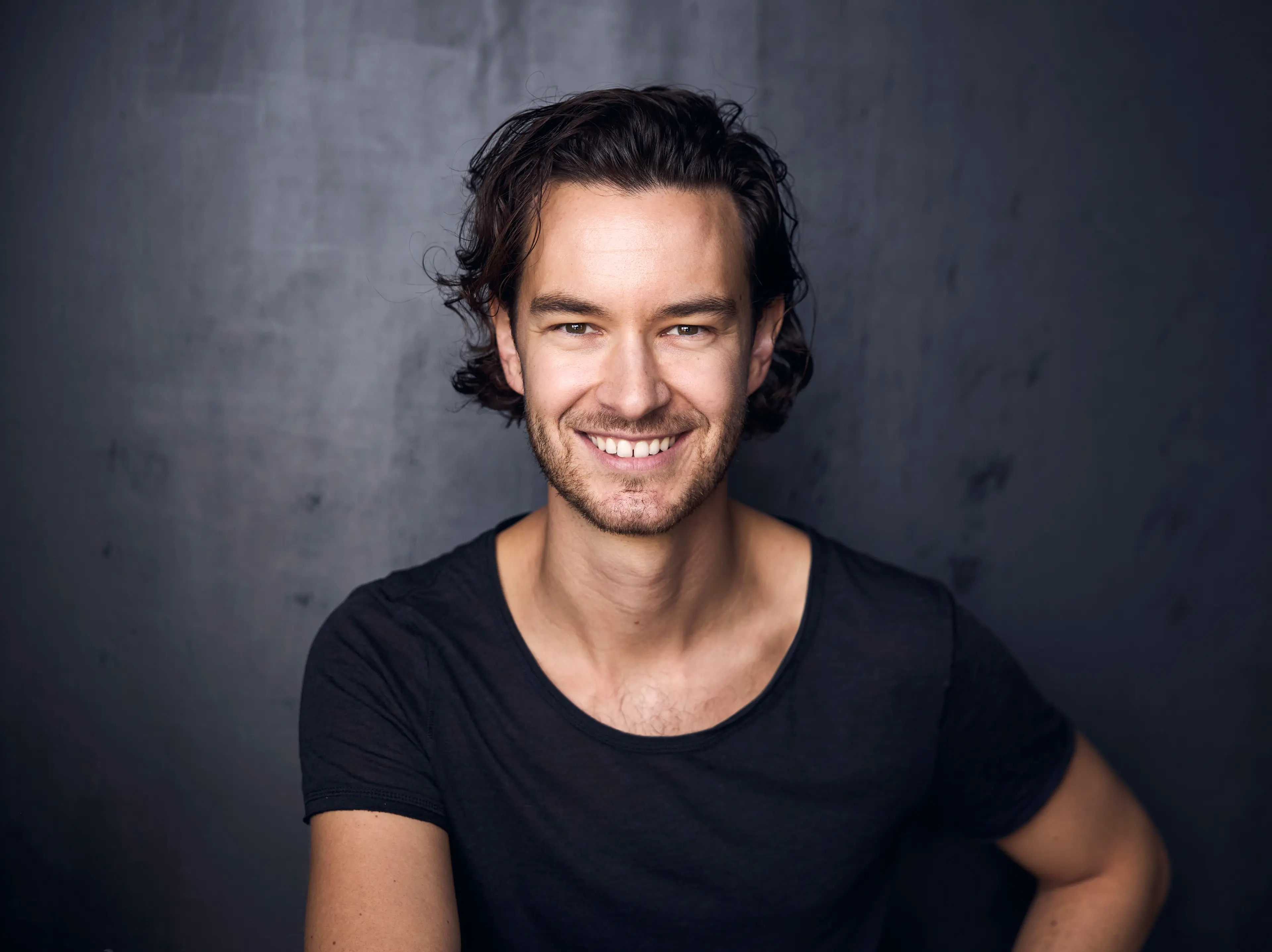
Best sunscreen for rosacea: how to choose SPF that does not sting
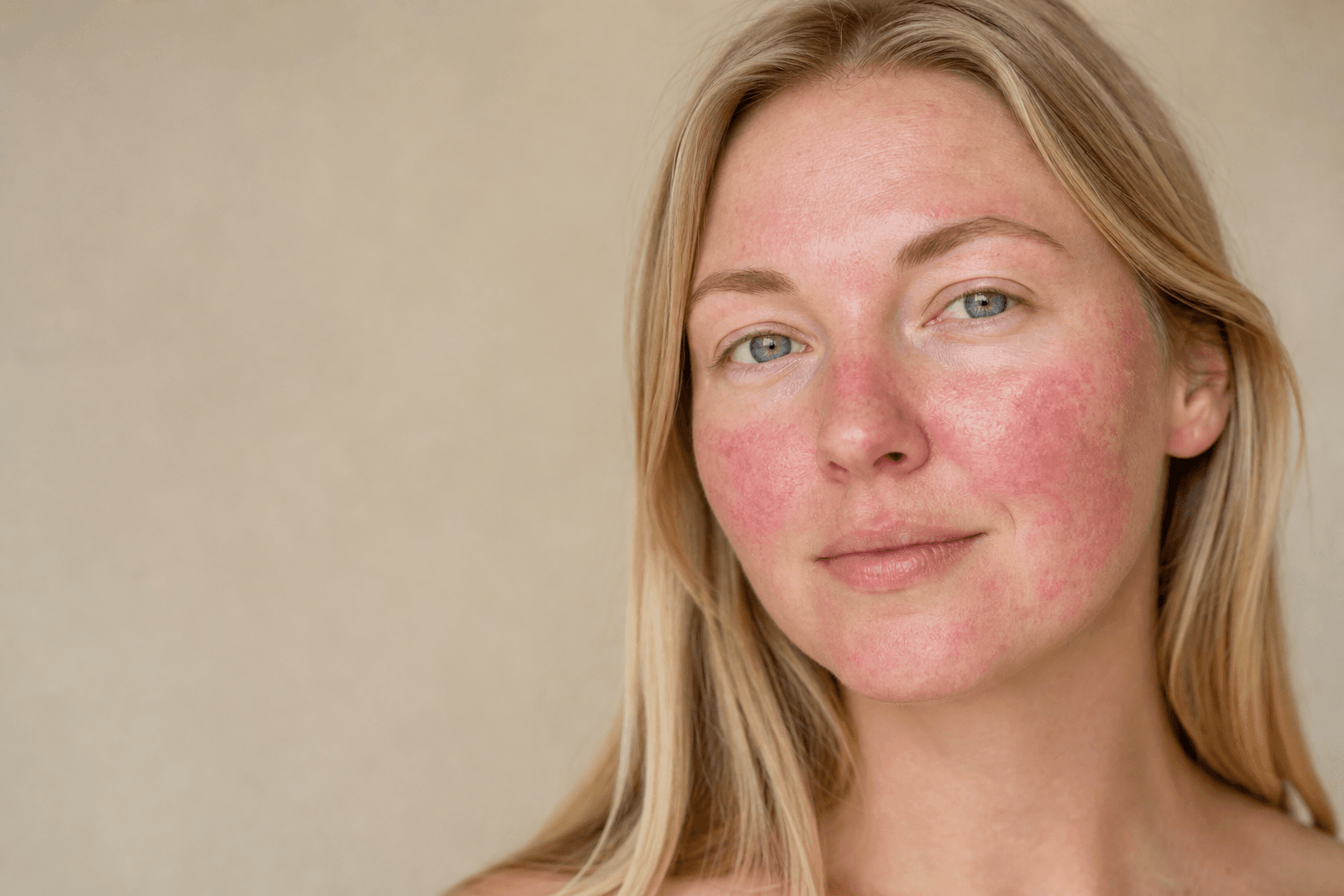
The best sunscreen for rosacea is broad-spectrum, SPF 30 or higher, gentle enough to wear daily, and comfortable enough that you keep using it.
On this page
When my own skin was at its most irritated, sunscreen felt like a betrayal.
I knew I should wear it. I understood the logic. But some formulas stung, some felt greasy, some pilled, and some made my face look like I had been lightly varnished for maritime use.
My personal skin story is acne, oily skin, dehydration, clogged pores, and irritation. I have not had rosacea as a diagnosis, so I will not pretend otherwise. But rosacea-prone skin has taught me a very practical lesson through the people I have helped:
The "best" sunscreen is not the one with the most impressive label.
It is the one your actual face can tolerate every morning.
That sounds almost too simple. It is also where most sunscreen advice goes wrong.
Dermatologist-recommended sunscreen criteria for rosacea
The best sunscreen for rosacea is usually:
- Broad-spectrum protection.
- SPF 30 or higher.
- Fragrance-free or very low-irritation.
- Comfortable around redness-prone, burning, or stinging skin.
- Easy to remove without scrubbing.
- A texture you will wear generously.
The American Academy of Dermatology recommends sun protection year-round for rosacea-prone skin and specifically suggests broad-spectrum SPF 30 or higher, shade, protective clothing, wide-brimmed hats, and sunglasses[1].
That is what “dermatologist-recommended” means in this guide: a short set of evidence-backed criteria, not one universal bottle that every reactive face must tolerate.
That is the technical answer.
The human answer is this:
Do not choose sunscreen like you are buying a trophy.
Choose it like you are choosing something that needs to live peacefully on your face through coffee, work, weather, errands, and the occasional mirror check where you think, "Hmm. Still red. Rude."
Why sunscreen matters so much for rosacea
Sun exposure is one of the most useful rosacea triggers to control.
Not because sunlight is evil. Not because you should become a vampire with a better moisturiser. But because UV exposure can push several rosacea pathways at once: heat, inflammation, visible redness, and post-flare discoloration.
The 2019 National Rosacea Society management update[2] includes education, trigger management, gentle skin care, and photoprotection as part of rosacea care. A 2021 review of UV radiation and rosacea[3] also explains why photoprotection matters: UV can contribute to inflammation, vascular changes, barrier stress, and the visible redness pattern many people are trying to calm.
So sunscreen is more than an anti-ageing step here.
For many rosacea-prone faces, it is trigger management.
The difficulty is that rosacea-prone skin can also hate sunscreen.
Wonderful. Very helpful design from the skin department.
SPF 30, SPF 50, or "whatever does not burn"?
Most dermatology advice starts at broad-spectrum SPF 30.
That is a sensible baseline. SPF 50 can be useful if you spend more time outdoors, have pigmentation after inflammation, live somewhere sunny, use photosensitising medication, or simply prefer the extra margin.
But there is a quiet trap here.
If SPF 50 makes your skin sting and you avoid applying enough, it is not better in real life than SPF 30 that you wear generously and consistently.
Sunscreen effectiveness depends on:
- the protection level
- how much you apply
- whether you reapply during long exposure
- whether the formula stays on and remains photostable
- whether your skin lets you use it daily without starting a small fire
For rosacea, adherence is not a boring detail.
It is the whole game.
Mineral vs chemical sunscreen for rosacea
This is where the internet often becomes very confident.
"Mineral is always better."
"Chemical sunscreen is always irritating."
"Zinc oxide is the only correct answer."
The calmer truth: mineral sunscreens are often a good first place to look for rosacea-prone skin, but they are not automatically perfect for everyone.
Mineral sunscreens use filters such as zinc oxide and titanium dioxide. The AAD specifically suggests looking for zinc oxide, titanium dioxide, or both if sunscreen irritates rosacea-prone skin[1].
That makes sense. Many mineral formulas sting less for sensitive skin, especially around the eyes. If the eye area is the main problem, the guide to why sunscreen stings your eyes focuses on migration, placement, and format.
But mineral formulas can also be:
- thick
- drying
- chalky
- hard to spread
- white-cast heavy
- more likely to make you rub the face, which rosacea usually files under "absolutely not"
Chemical or hybrid sunscreens can be lighter, easier to apply, and more cosmetically elegant. Filters such as avobenzone and octocrylene are examples of label names you may see in those formulas. Some people with rosacea tolerate them beautifully. Others do not.
Your face is not a debate club.
Patch-test. Wear it on a quiet day. Notice burning, flushing, eye sting, dryness, and whether you secretly avoid it by day three.
That last one counts as data.
What to look for on the label
A rosacea-friendly sunscreen does not need to have 19 calming claims on the box.
It should have a few useful traits.
1. Broad-spectrum protection
Broad-spectrum means the formula covers UVA and UVB.
UVB is more associated with burning. UVA contributes to deeper photoageing and pigment changes, and it comes through window glass more than many people expect.
Rosacea-prone skin does not need you to memorize the entire photobiology textbook.
It needs broad-spectrum protection used consistently.
2. SPF 30 or higher
Start there unless your dermatologist has told you otherwise.
If SPF 50 is comfortable, lovely. If SPF 30 is the highest protection your skin will wear daily without stinging, that may be the more realistic choice.
3. Fragrance-free
Fragrance is not morally bad.
It is one of the first things I would remove from a rosacea-prone sunscreen, because reactive skin already has enough hobbies.
The AAD also recommends avoiding fragrance and looking for fragrance-free products when rosacea-prone skin is easily irritated[1].
"Unscented" is not always the same thing. Sometimes unscented products use masking fragrance. If you react easily, "fragrance-free" is the cleaner starting point.
4. Comfortable texture
Texture sounds superficial until you remember that sunscreen only works if you wear enough.
A formula can be scientifically impressive and still fail because it feels like furniture polish.
For rosacea, I usually prefer:
- light cream, lotion, or fluid textures
- no strong alcohol smell
- no menthol, camphor, peppermint, or "cooling" sensation
- no gritty mineral drag
- no heavy occlusive film that traps heat
- no eye sting
Cooling sensation is especially suspicious.
Rosacea-prone skin does not need a product that feels like it is shouting "fresh!" in a peppermint voice.
5. Barrier-supporting extras
Helpful extras can include niacinamide, glycerin, panthenol, allantoin, aloe, squalane, dimethicone, or other skin-comfort ingredients.
Do you need all of them?
No.
A 2005 study[5] found that a niacinamide-containing facial moisturiser improved barrier measures and benefited subjects with rosacea. That does not mean every niacinamide SPF is automatically perfect. It means barrier support inside daily products can be very useful when the formula is well tolerated.
The base matters as much as the ingredient list.
What if every sunscreen stings?
First, do not keep forcing the same sunscreen because "SPF is important."
SPF is important. So is not repeatedly irritating a face that is already inflamed.
If sunscreen burns, ask these questions:
- Is my skin currently in a flare?
- Did I apply it right after hot water, exercise, or a shower?
- Did I apply it onto damp, warm, stinging skin?
- Is the formula fragranced?
- Is it alcohol-heavy?
- Does it sting only around the eyes?
- Am I using strong actives underneath?
- Am I rubbing too much to spread it?
Sometimes the sunscreen is the problem.
Sometimes the timing is the problem.
Sometimes the barrier is so irritated that almost everything stings for a while.
If your main issue is clogged pores or pimples after SPF rather than rosacea stinging, read the sunscreen breakout guide next.
During an active flare, use shade, a hat, sunglasses, and physical sun avoidance while the skin calms. Then test sunscreen again on a small area when the face is not hot and reactive.
If even gentle formulas always burn, involve a dermatologist. That can be rosacea, dermatitis, allergy, barrier damage, or another pattern that needs more than product roulette.
How to patch-test sunscreen for rosacea
Patch-testing does not have to become a laboratory ceremony.
Try this:
- Apply a small amount near the jawline or side of the neck.
- Wait a day.
- If fine, try a small area of one cheek.
- If still fine, use it for a normal morning at home.
- Only then test it on a full outdoor day.
Watch for:
- burning
- stinging
- flushing
- itching
- dryness
- eye watering
- bumps
- tightness that lasts after cleansing
Do not test three new sunscreens in three days and then wonder which one annoyed your face.
That is not testing.
That is skincare speed dating.
Tinted sunscreen can be useful
Tinted sunscreen can help in two ways.
First, it can soften the look of redness without needing a separate makeup layer.
Second, some tinted formulas use iron oxides, which can improve visible-light protection. That can be especially relevant for pigmentation-prone skin, post-inflammatory marks, melasma tendency, or darker skin tones where visible light can be part of the pigmentation picture.
For rosacea specifically, the 2021 photoprotection review[3] notes that tinted sunscreens or green-pigment camouflage may be considered because they can help neutralise visible redness while providing UV protection.
The emotional benefit matters too.
If a tinted SPF helps you feel less self-conscious without irritating your skin, that is not vanity.
That is a product making the day easier.
Keep the same rule: no sting, no heavy fragrance, no hard rubbing, no formula that looks good for one hour and makes your face angry for eight.
How much sunscreen should you use?
Enough to cover the face, ears, neck, and any exposed skin evenly.
Most people under-apply sunscreen. Rosacea-prone people often under-apply because more product can feel hotter, heavier, or stingier.
For a practical face-and-neck amount that does not require turning your bathroom into a lab, see how much sunscreen to use on your face.
So instead of pretending everyone will suddenly become perfect at measurement, use a practical approach:
- Apply a generous, even layer.
- Do not forget cheeks, nose, hairline, ears, and neck.
- Let moisturiser settle first if layering causes pilling.
- Apply in two thin layers if one thick layer feels suffocating.
- Use a hat and shade so sunscreen does not have to do all the work alone.
This is especially important on the cheeks and nose, where rosacea symptoms often show and where sun exposure hits strongly.
How to reapply without flaring your face
Reapplication is where good sunscreen advice often becomes annoying.
Yes, you should reapply during long outdoor exposure, sweating, swimming, or wiping the face.
But if rosacea makes rubbing a trigger, reapplication needs to be gentle.
Try:
- pressing sunscreen on instead of rubbing hard
- using a lighter lotion texture
- cooling down before reapplying
- blotting sweat gently instead of scrubbing
- using a hat and shade to reduce how often you need to rely on product alone
- keeping makeup minimal on days when reapplication matters
Powder SPF can be convenient over makeup, but I would not rely on it as the main protection for a full sun day. It is hard to apply enough. Think of it as a top-up, not the foundation.
Sprays can also be convenient, but avoid inhaling them and do not spray directly into the face like you are seasoning a salad. Spray into hands first if needed, then apply carefully.
What about sunscreen in the Danish Skin Care routine?
For rosacea-prone skin, I would keep the routine simple:
Morning
- Rinse with lukewarm water or cleanse gently if needed.
- Apply a calm moisturiser if your skin needs extra comfort.
- Apply broad-spectrum SPF.
- Use shade, sunglasses, and a hat for longer exposure.
Evening
- Cleanse gently to remove sunscreen.
- Apply moisturiser.
- Use treatment actives only if your skin tolerates them and is not actively flaring.
That is it.
Not 10 steps. Not three serums under SPF because the bathroom shelf got ambitious. Not exfoliating the face because sunscreen "feels stuck."
The routine should make sunscreen easier to wear, not turn it into a daily negotiation.
If you want the cleanser, treatment, moisturiser, and SPF order in one place, the rosacea skincare routine keeps the full morning and evening plan simple.
When sunscreen is not enough
Sunscreen is important, but it is not a complete rosacea treatment.
If you have persistent flushing, papules, pustules, visible vessels, eye symptoms, swelling, or thickening skin, sunscreen will not replace medical care. The National Rosacea Society management update[2] supports matching care to the signs present, including prescription options when needed.
Use sunscreen as the base habit.
Use dermatology when the pattern asks for dermatology.
That is not failure. That is using the right tool.
The bottom line
The best sunscreen for rosacea is not the fanciest sunscreen.
It is the sunscreen that gives broad-spectrum SPF 30+ protection, does not sting, does not make you flush, does not require scrubbing off, and feels comfortable enough that you use it consistently.
Mineral formulas are often a good starting point. Tinted formulas can be helpful for redness and pigmentation. Chemical or hybrid formulas may still work beautifully for some people.
The rule is calm and practical:
protect the skin, respect the barrier, reduce heat and friction, and choose the formula your face can live with.
Rosacea-prone skin rarely needs more drama.
It needs fewer reasons to complain.
People also ask
What SPF is best for rosacea?
Most dermatology guidance recommends broad-spectrum SPF 30 or higher. For rosacea-prone skin, the best SPF is also fragrance-free, comfortable, and non-stinging enough that you can wear it consistently.
Is mineral sunscreen better for rosacea?
Mineral sunscreens with zinc oxide or titanium dioxide often suit reactive skin, and dermatologists commonly suggest them when sunscreen stings. But some people tolerate chemical or hybrid formulas better, so patch-testing matters.
Why does sunscreen burn my rosacea?
Rosacea-prone skin can sting from fragrance, alcohol-heavy bases, certain filters, eye-area migration, a damaged barrier, or applying products while the face is hot and damp. Pause the irritating formula and test a gentler option slowly.
Should I wear sunscreen indoors with rosacea?
If you sit near bright windows or get regular daylight exposure, daily SPF is sensible. If you are truly away from windows all day, shade and context matter. The practical goal is consistent protection without skincare anxiety.
The simple SPF routine I would start with
When rosacea-prone skin reacts to everything, sunscreen can start to feel like one more problem to solve. I built the Danish Skin Care Kit to keep the daily routine calmer: gentle cleanse, moisturise, protect with SPF, and avoid turning redness-prone skin into a sunscreen-testing laboratory.

The simple base routine I would choose for rosacea-prone skin: gentle cleansing, barrier support, daily SPF, and fewer chances to irritate a face that already reacts easily.
Full transparency: Danish Skin Care is my own company — I formulated these products and earn from every sale. That's exactly why I only recommend them where they genuinely fit the guide you just read.
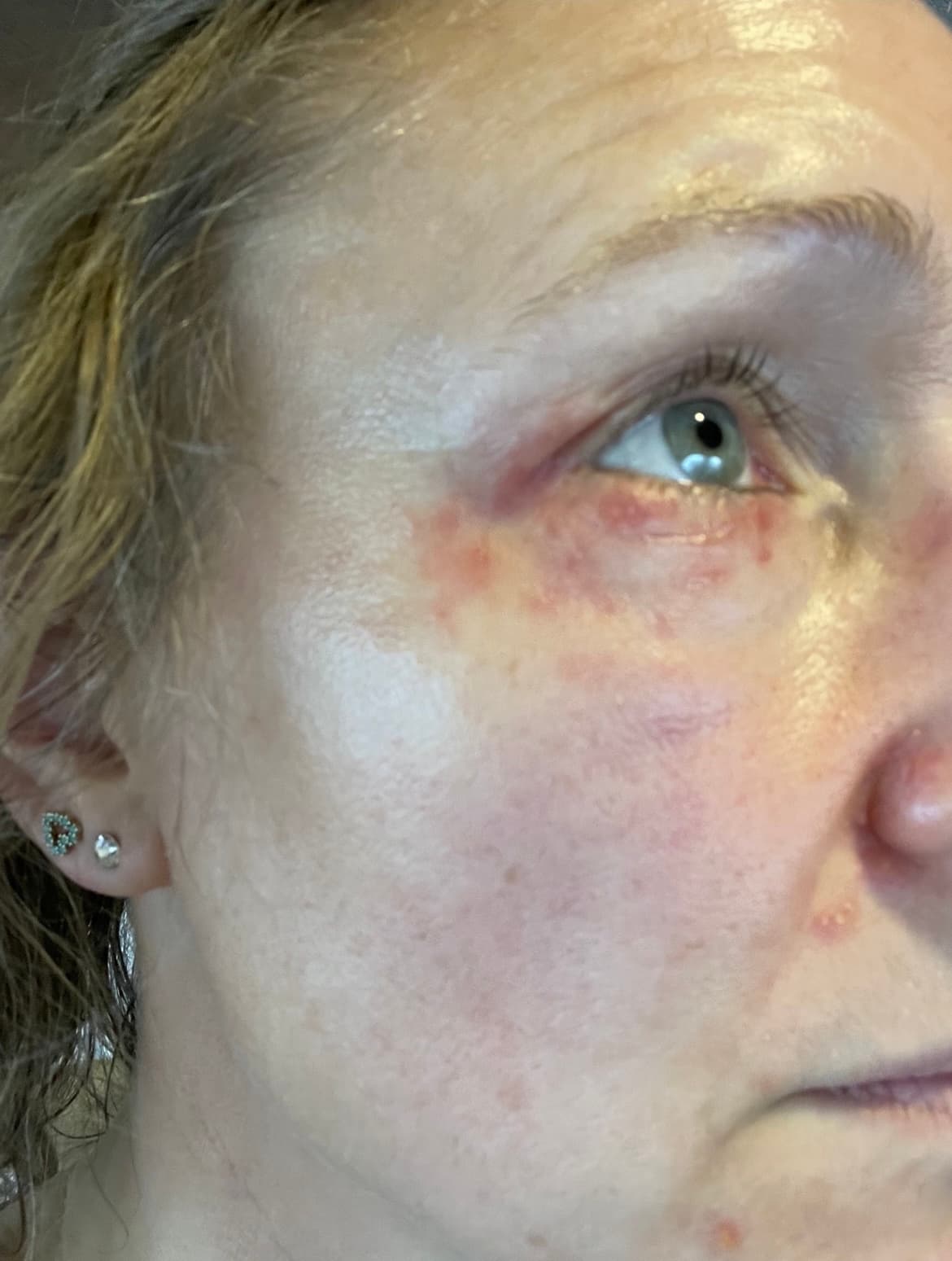
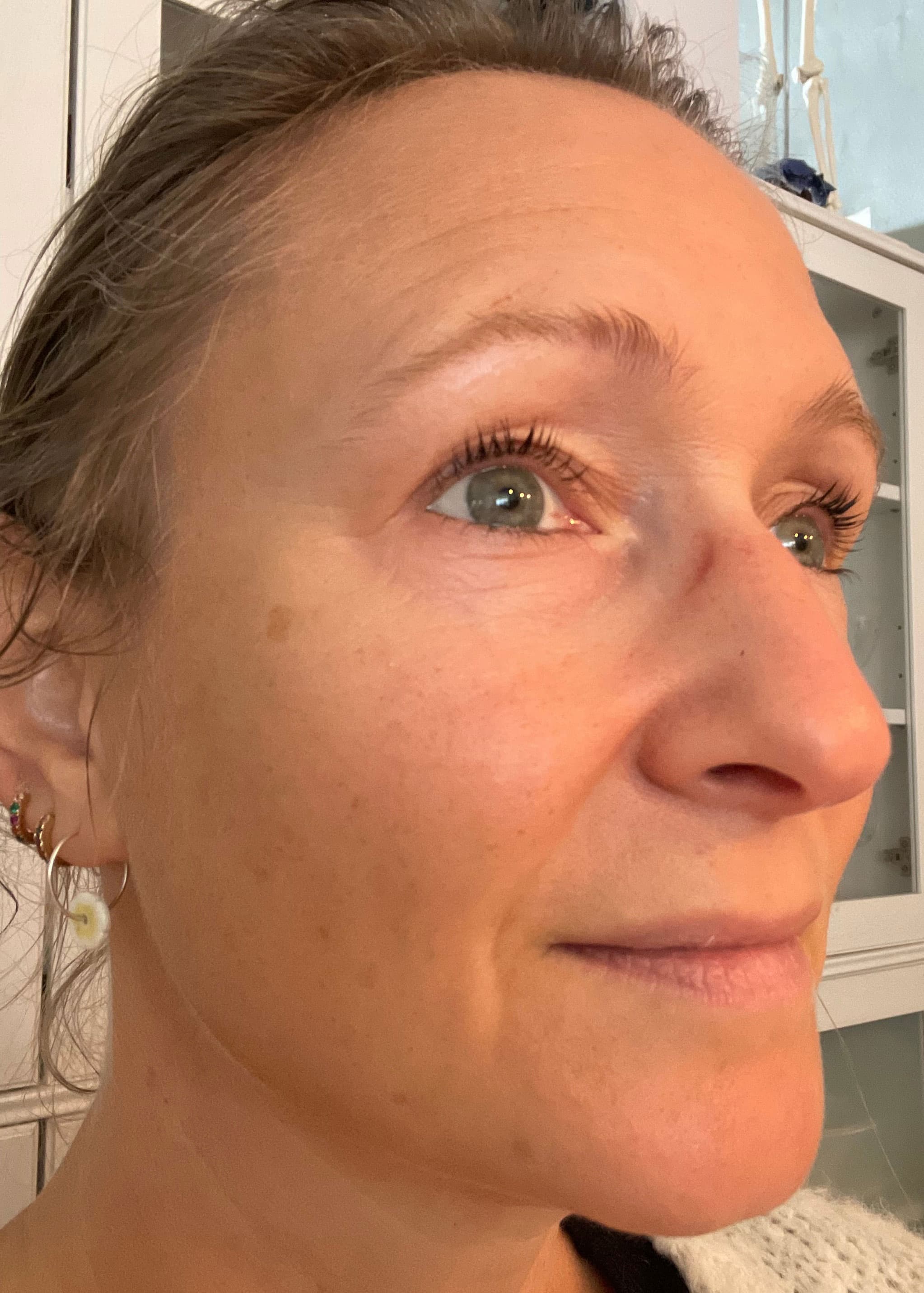
Real results from simple routines
A few real before-and-after cases from people using Danish Skin Care for skin concerns related to this guide. No filters, no miracle promise. Consistent skincare over time.
 Before
 After
After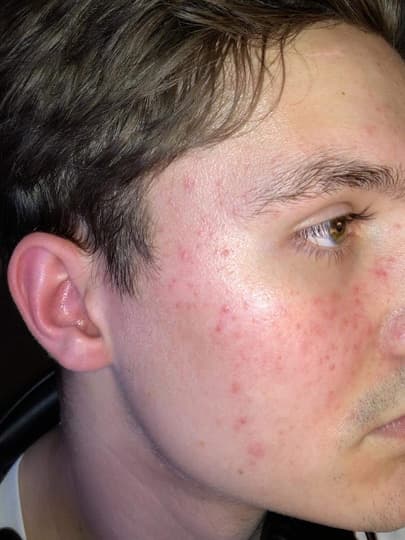 Before
 After
After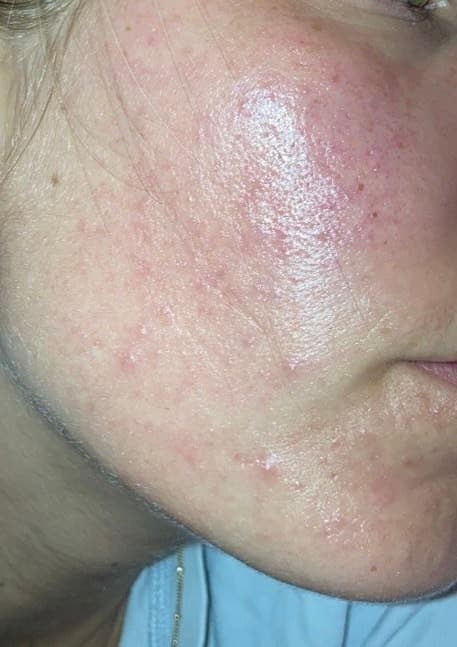 Before
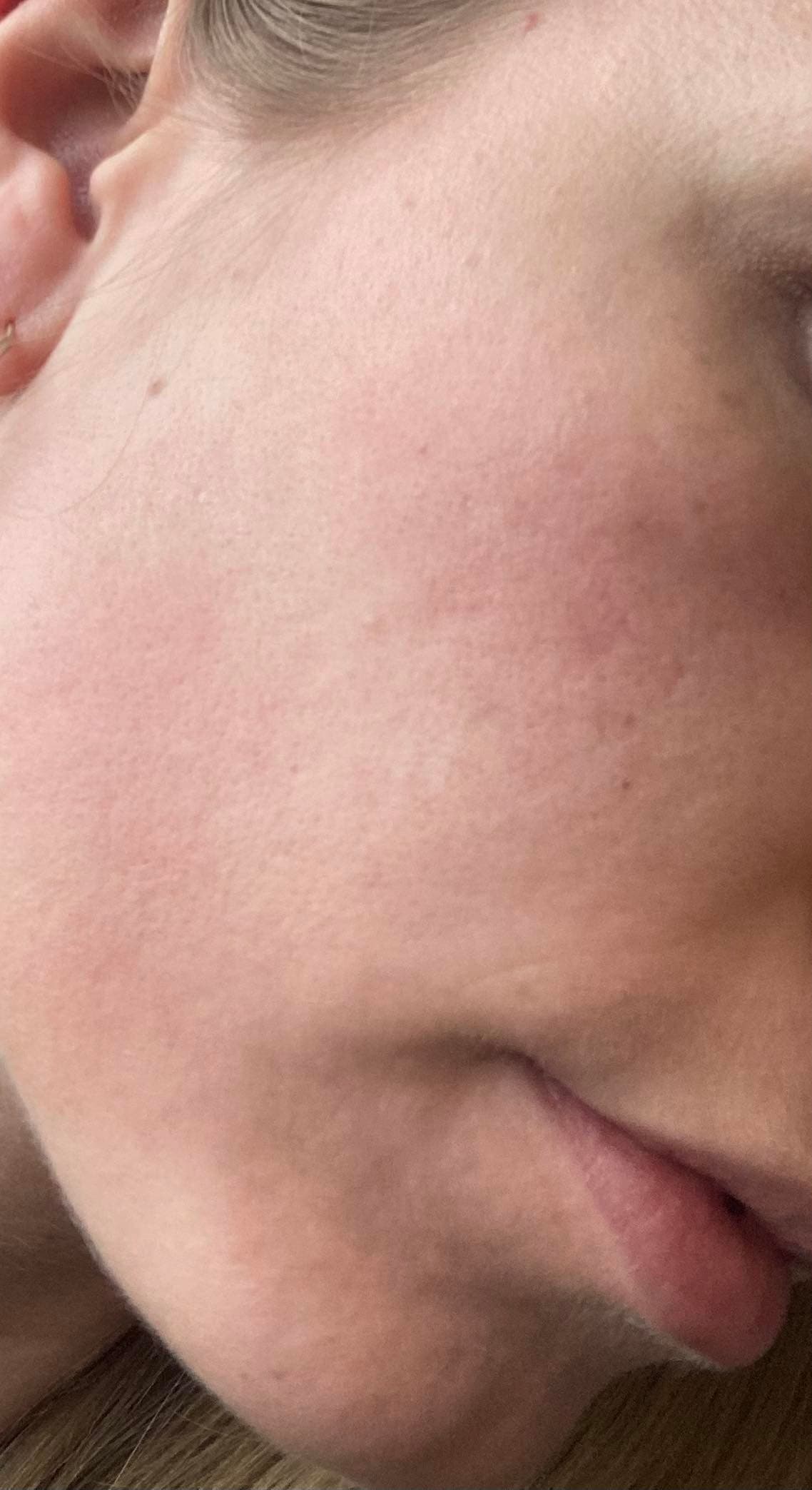 After
AfterKeep reading
- Ingredient · zinc oxide
- Ingredient · titanium dioxide
- Ingredient · niacinamide
- Ingredient · sodium hyaluronate
- Ingredient · allantoin
- Ingredient · aloe barbadensis leaf extract
- Condition · rosacea
- Condition · sensitive skin
- Condition · pigmentation
- Read · is mineral sunscreen better for acne prone skin
- Read · why does sunscreen pill on my face
- Read · rosacea triggers
- Read · how to calm rosacea flare
- Read · best ingredients for rosacea
- Read · why do i break out after sunscreen
- Read · rosacea symptoms
- Read · ocular rosacea symptoms
Citations
- American Academy of Dermatology Association. 7 rosacea skin care tips dermatologists recommend.AAD
- Thiboutot D, et al. Standard management options for rosacea: The 2019 update by the National Rosacea Society Expert Committee. J Am Acad Dermatol. 2020;82(6):1501-1510.PMID 32035944
- Morgado-Carrasco D, Piquero-Casals J, Granger C, Trullas C. Impact of ultraviolet radiation and exposome on rosacea: Key role of photoprotection in optimizing treatment. J Cosmet Dermatol. 2021;20(11):3415-3421.PMID 33626227
- Grivet-Seyve M, et al. Evaluation of a novel very high sun-protection-factor moisturizer in adults with rosacea-prone sensitive skin. Clin Cosmet Investig Dermatol. 2017;10:211-219.PMID 28652793
- Draelos ZD, Ertel K, Berge C. Niacinamide-containing facial moisturizer improves skin barrier and benefits subjects with rosacea. Cutis. 2005;76(2):135-141.PMID 16209160