Rosacea triggers: how to find yours without living in fear
Rosacea triggers are real, but they are not the same for everyone. Here is how to spot your biggest flare drivers without turning life into an elimination contest.
On this page
Rosacea trigger advice on the internet often has two equally unhelpful modes.
Mode one says, "Everything is a trigger. Good luck surviving breakfast."
Mode two says, "Just stop spicy food, alcohol, sunshine, stress, heat, exercise, hot showers, and most emotions."
Neither is a great long-term plan.
I have not had rosacea as my own diagnosis, so I will not pretend I learned this from my own face. My own skin battles were acne, oil, dehydration, and irritation. But rosacea-prone skin has shown me something very consistent through customers and readers:
Triggers matter, but fear makes people over-correct.
The better strategy is not "avoid life." It is "identify the pattern."
The short answer
Common rosacea triggers include:
- Sunlight and UV exposure.
- Heat, hot rooms, hot showers, saunas, and rapid temperature changes.
- Stress and strong emotions.
- Alcohol, especially when it clearly causes flushing.
- Spicy food and very hot drinks.
- Exercise that overheats you quickly.
- Skin care or hair care products that sting, burn, or strip the barrier.
But the crucial point is that triggers are individual.
The 2019 global ROSCO update[1] and the National Rosacea Society management update[2] both treat trigger identification as part of practical rosacea management, not as a one-size-fits-all punishment list. The American Academy of Dermatology makes the same point clearly: common triggers exist, but what flares one person may do very little to another[3].
So yes, triggers are real.
No, you do not need to build your whole personality around avoiding cinnamon and weather.
Why triggers matter in the first place
Rosacea-prone skin is reactive skin.
The vascular system in the skin dilates too easily. The inflammatory pathways are easier to switch on. The barrier is often more sensitive than average. So the same heat, stress, or irritating product that would be mildly annoying for someone else can become a full facial announcement on rosacea-prone skin.
That is why the face can feel hot, sting, flush, or stay red long after the event that set it off.
If you are still figuring out whether the overall pattern sounds like rosacea, start with the rosacea symptoms guide. This article is for the next step: you already suspect rosacea, and now you want to know what keeps poking it. Once you know the pattern, the rosacea skincare routine and guide to the best ingredients for rosacea can help you choose treatment steps without turning trigger tracking into product chaos.
The big triggers most people should check first
Sunlight
Sun is one of the least glamorous and most useful triggers to take seriously.
It is also one of the few you can actually control well.
The AAD trigger guidance[3] and the National Rosacea Society management update[2] both treat UV exposure as a major practical flare driver. In normal human language: if your skin flushes after a short walk, a patio lunch, or "just a bit of daylight", sunscreen is probably not the optional step you hoped it was. If SPF itself is the irritating part, the guide to sunscreen for rosacea explains how to choose a formula without turning your face into a test lab.
This is why I treat daily SPF as a routine habit, not as skincare theatre.
Heat and temperature swings
For many people, sunlight is only part of it. Heat itself can be the trigger.
Hot showers. Saunas. Steamy kitchens. Radiators. Summer days. Cold wind followed by a heated room. Exercise classes where the room feels like soup.
These all raise skin temperature, encourage vasodilation, and can push a rosacea-prone face into flushing mode. The practical move is not to become a weather exile. It is to notice whether overheating is a pattern and then lower the heat load where you reasonably can.
Lukewarm water helps. So does avoiding the "face directly under very hot shower water for emotional support" habit. Comforting in the moment. Rude to rosacea afterward.
Stress
This one annoys people because it sounds vague and impossible.
Unfortunately, it is still real.
Stress can worsen flushing and perceived heat because the nervous system and blood vessels are part of the same conversation. The AAD trigger guidance[3] lists stress among the common rosacea flare drivers, which matches what many patients notice in ordinary life: deadlines, conflict, poor sleep, travel, and general life chaos tend not to make rosacea more chilled.
That does not mean "just relax" is medical advice. It means if your skin flares during stressful weeks, the pattern is worth respecting.
Alcohol
Alcohol is one of the most talked-about rosacea triggers, often with a slightly moral tone that helps nobody.
The more useful version is this: alcohol may be a trigger, but not always, and not equally.
A 2018 rosacea trigger review[5] found higher rosacea severity associated with heavy alcohol consumption in one day and with jobs involving extensive sun exposure. Separate epidemiology also suggests alcohol can be associated with rosacea risk, but that does not mean one glass of wine automatically ruins everyone's face forever. The dedicated guide to alcohol and rosacea goes deeper into red wine, white wine, spirits, flushing, and how to test your own pattern without guilt.
So if alcohol clearly makes you flush, be practical. Reduce it, change the type, slow the pace, or save it for times when you can accept the tradeoff. If it does nothing obvious, do not invent a trigger out of guilt.
Spicy food and hot drinks
These tend to get grouped together because the result is similar: flushing.
A dietary rosacea review[6] describes heat-related, alcohol-related, capsaicin-related, and cinnamaldehyde-related foods and drinks as plausible flare triggers in some patients. The keyword there is some.
If your cheeks reliably start glowing after chilli, curry, or boiling-hot coffee, you do not need a randomized trial to notice the pattern. The guide to coffee and rosacea explains why heat may matter more than caffeine for some people. But if you eat spicy food happily and nothing happens, there is no need to retire your entire spice rack out of solidarity.
Exercise
Exercise is often not the trigger in the moral sense. Overheating is.
That distinction matters because the answer is usually not "stop moving your body." The answer is often:
- choose a cooler room
- take breaks sooner
- use a fan
- hydrate
- avoid peak heat
- keep the face cooler during workouts
The goal is to keep the benefit of exercise without turning every session into a flushing experiment.
If workouts are your most obvious pattern, the guide on why your face gets red after exercise goes deeper on heat, flushing, sweat, sunscreen, and post-workout cleansing.
Skin care can be a trigger too
This is the part many people miss, because the products were purchased to help.
A 2024 prospective case-control study[4] found that patients with rosacea reported trigger patterns from environmental factors as well as skin care habits and cleansing behaviors. Which is very believable if you have ever watched a reactive face meet a strong acid toner and immediately file a formal complaint.
Common product-related triggers include:
- Fragrance-heavy skin care.
- Alcohol-based toners and "oil control" products.
- Strong exfoliating acids.
- Scrubs and cleansing brushes.
- Retinoids started too fast.
- Hair spray, styling products, or fragranced conditioner sitting on the face.
If a product stings, burns, or leaves you red for hours, do not keep using it because the label said "for sensitive skin." The skin gets a vote.
How to find your own triggers without losing your mind
This is the part I care about most, because it is where people either get useful clarity or fall into obsessive skincare accounting.
Step 1: Keep a short diary
Track your flare days for at least 2 weeks.
Include:
- weather and sun exposure
- hot showers or saunas
- alcohol
- spicy food
- exercise
- stress level
- new products
- anything that made the face sting, burn, or feel hot
The AAD recommends deliberately tracking possible triggers rather than guessing from memory[3]. That is smart because memory is emotional, and rosacea days are not exactly calm analytical days.
Step 2: Change one thing at a time
If you cut coffee, wine, sunscreen, moisturizer, tomatoes, yoga, weather, and joy all in the same week, you have learned nothing.
Change one suspected trigger for 1 to 2 weeks. Watch the pattern. Then move on if needed.
Step 3: Prioritize the triggers you can control
Sun protection, lukewarm water, gentler skin care, and not overheating the face are usually higher-value than endlessly debating whether cinnamon in one biscuit counts as a flare event.
Start where the signal is strongest.
When trigger control is not enough
If your rosacea keeps flaring despite careful routine choices and sensible trigger control, that does not mean you failed. It often means you need treatment support, not better discipline.
The National Rosacea Society management update[2] supports matching treatment to the exact phenotype present, which may include topical azelaic acid, ivermectin, metronidazole, brimonidine, oxymetazoline, low-dose doxycycline, or laser-based care depending on the signs.
So if you are still getting persistent redness, acne-like bumps, burning, visible vessels, or eye symptoms, involve a dermatologist. For dry, gritty, swollen, light-sensitive, or blurry-eye patterns, read the ocular rosacea symptoms guide and consider ophthalmologist care too. Trigger management is part of rosacea care. It is not always the whole plan.
The bottom line
Rosacea triggers are real, but they are not a universal list of forbidden pleasures.
The most useful approach is calmer than that:
track the pattern, keep the routine gentle, control the obvious triggers first, and avoid unnecessary restriction unless your own skin keeps giving you the same answer.
Rosacea usually gets better with pattern recognition, not punishment.
People also ask
What are the most common rosacea triggers?
Common triggers include sunlight, heat, hot weather, stress, alcohol, spicy food, hot drinks, exercise, irritating skin care, and some hair or makeup products. The important part is that your pattern may not match someone else's exactly.
Do all people with rosacea have to avoid spicy food and alcohol?
No. Those are common triggers, not universal rules. If spicy food or alcohol clearly trigger your flushing, be strategic. If they do not, there is no prize for unnecessary restriction.
How do I figure out my rosacea triggers?
Track daily exposures and flares for at least 2 weeks, then test one suspected trigger at a time. A short diary usually teaches more than guessing based on one red day.
Can skin care products trigger rosacea?
Yes. Fragrance, alcohol-heavy toners, harsh acids, scrubs, strong retinoids used too fast, and even some hair products or makeup can flare rosacea-prone skin.
The routine I would simplify while finding triggers
When rosacea keeps flaring, I do not want you adding a new miracle product every third day. I would rather see a stable routine you can trust while you track the pattern properly. The Danish Skin Care Kit is that calm foundation: gentle cleansing, barrier support, and daily SPF while you work out whether the problem is sun, heat, stress, skin care, food, or a combination that keeps repeating.

The simple base routine for rosacea-prone skin while you figure triggers out: gentle cleansing, barrier support, and daily SPF instead of five new 'anti-redness' experiments.
Full transparency: Danish Skin Care is my own company — I formulated these products and earn from every sale. That's exactly why I only recommend them where they genuinely fit the guide you just read.
Real results from simple routines
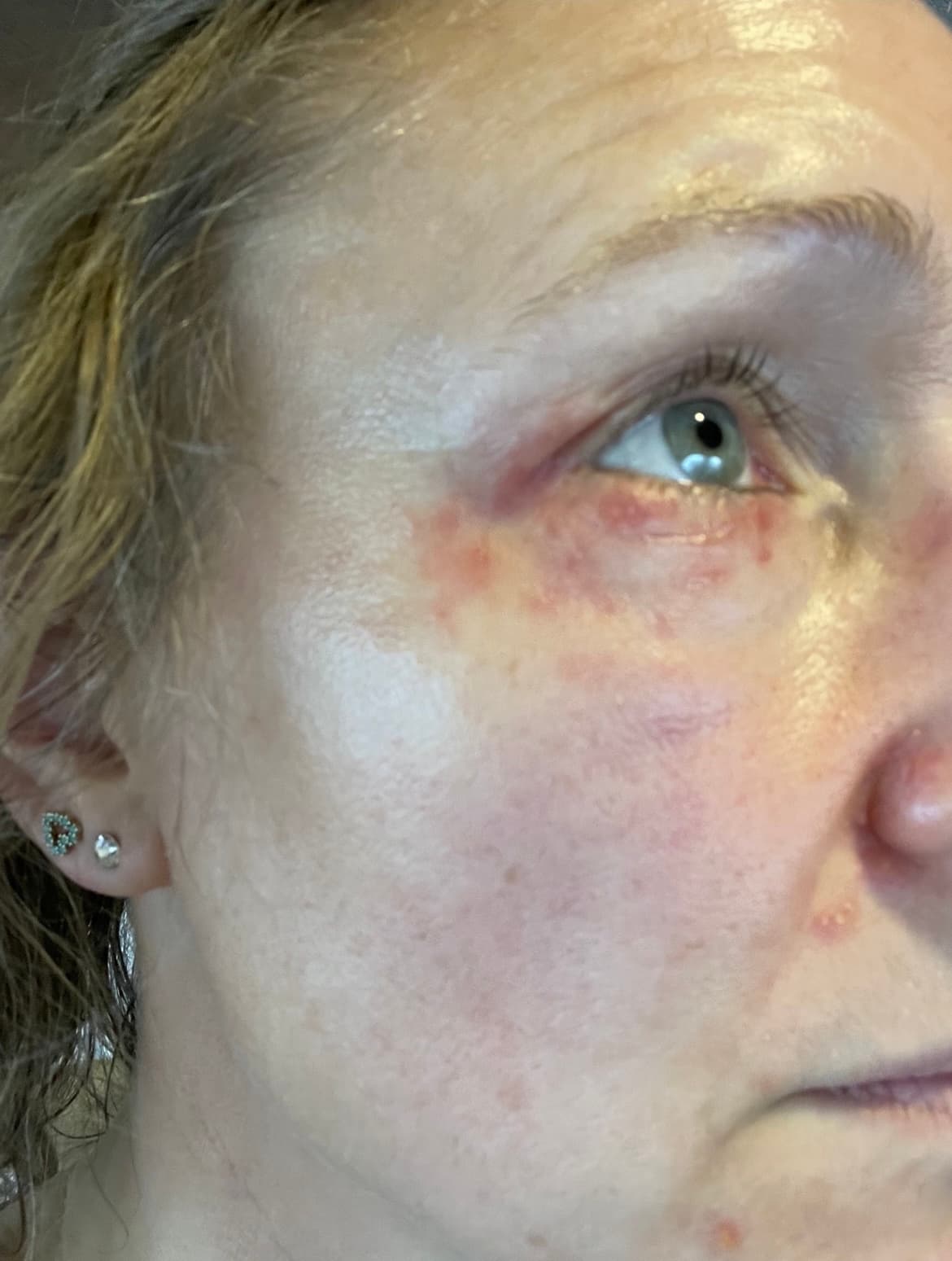
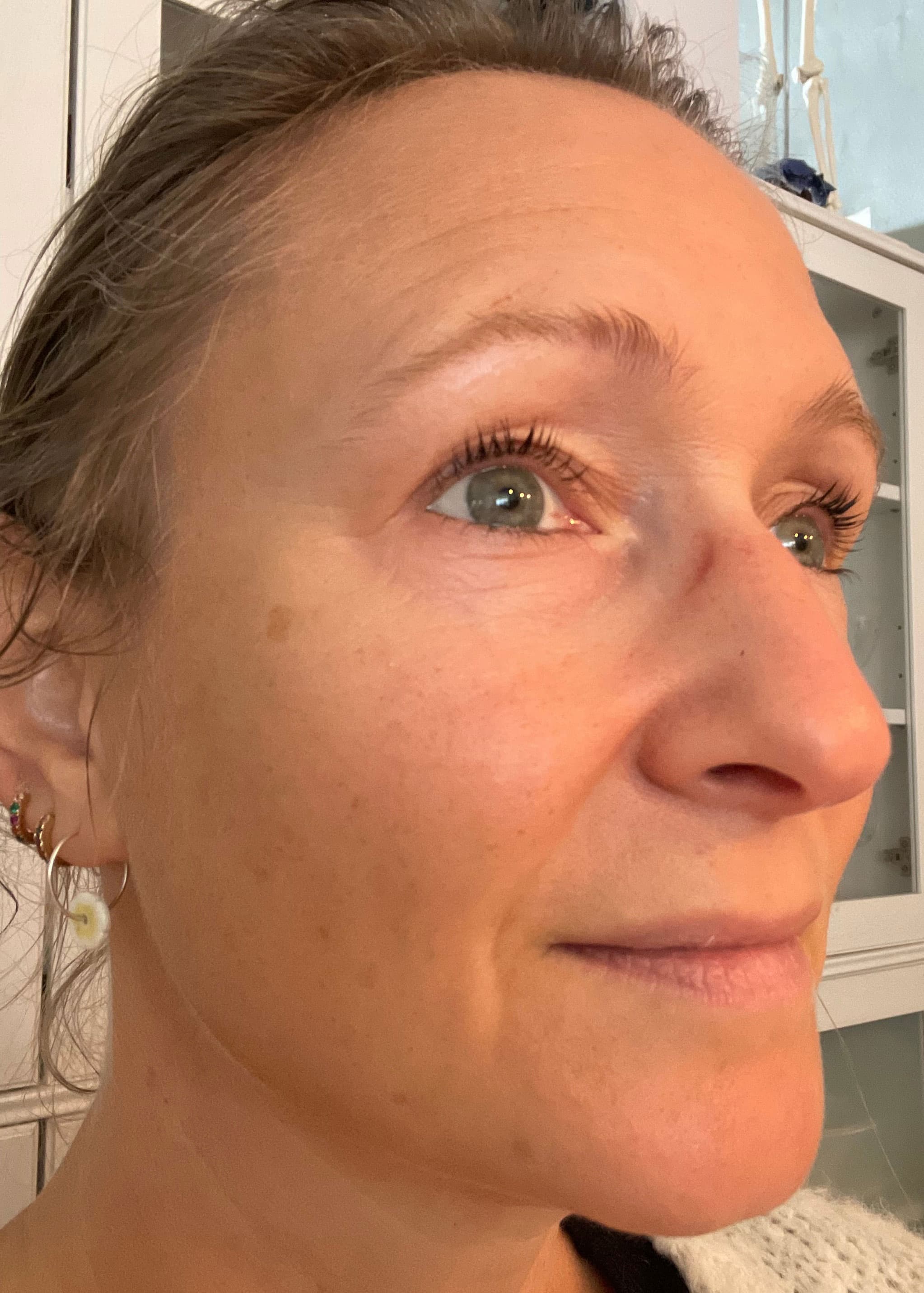
A few real before-and-after cases from people using Danish Skin Care for skin concerns related to this guide. No filters, no miracle promise. Consistent skincare over time.
 Before
 After
After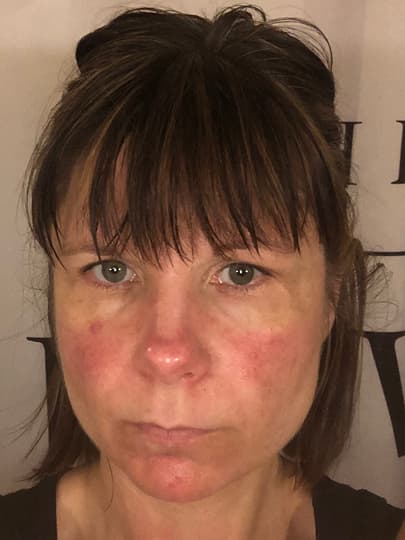 Before
 After
After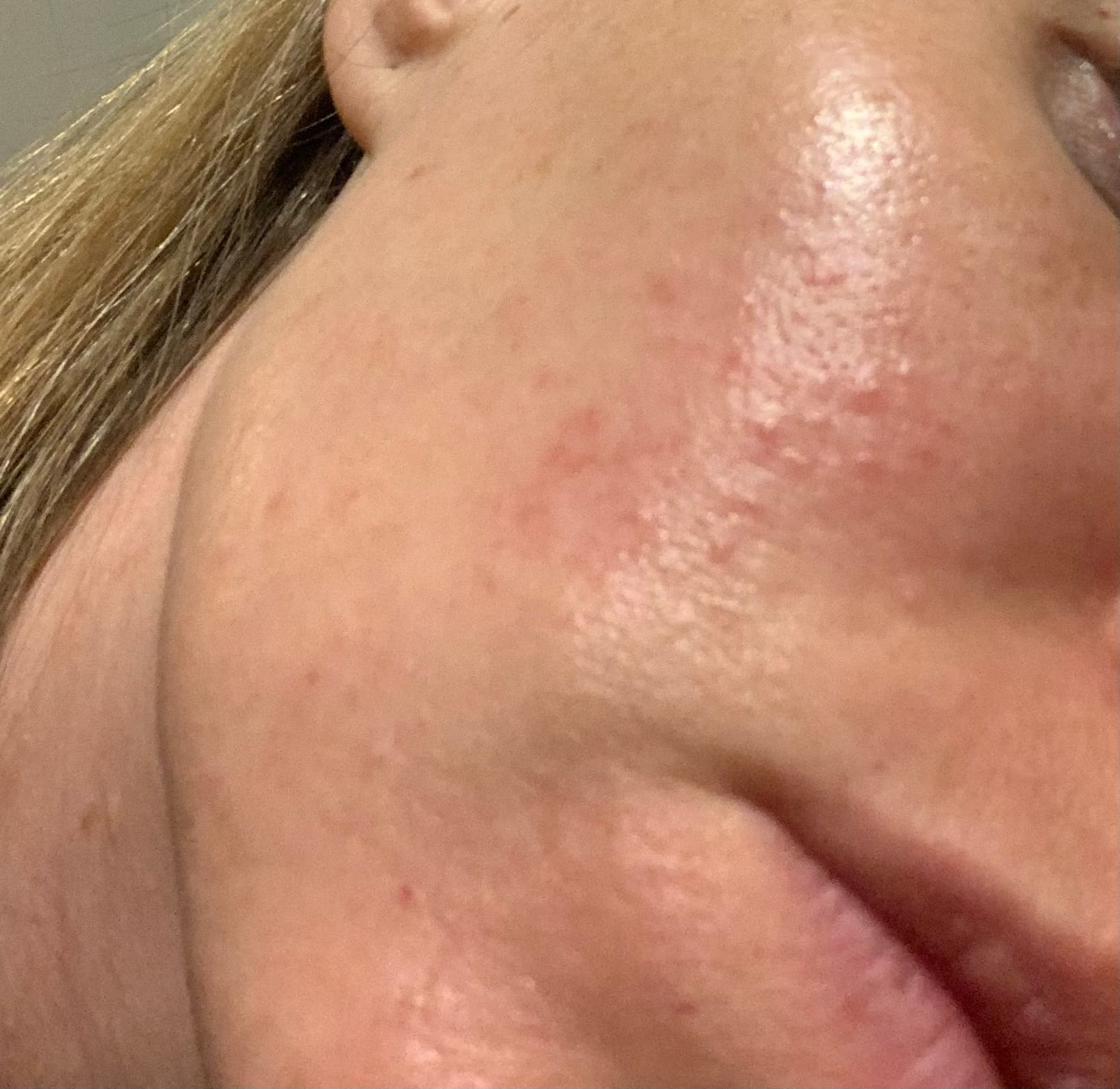 Before
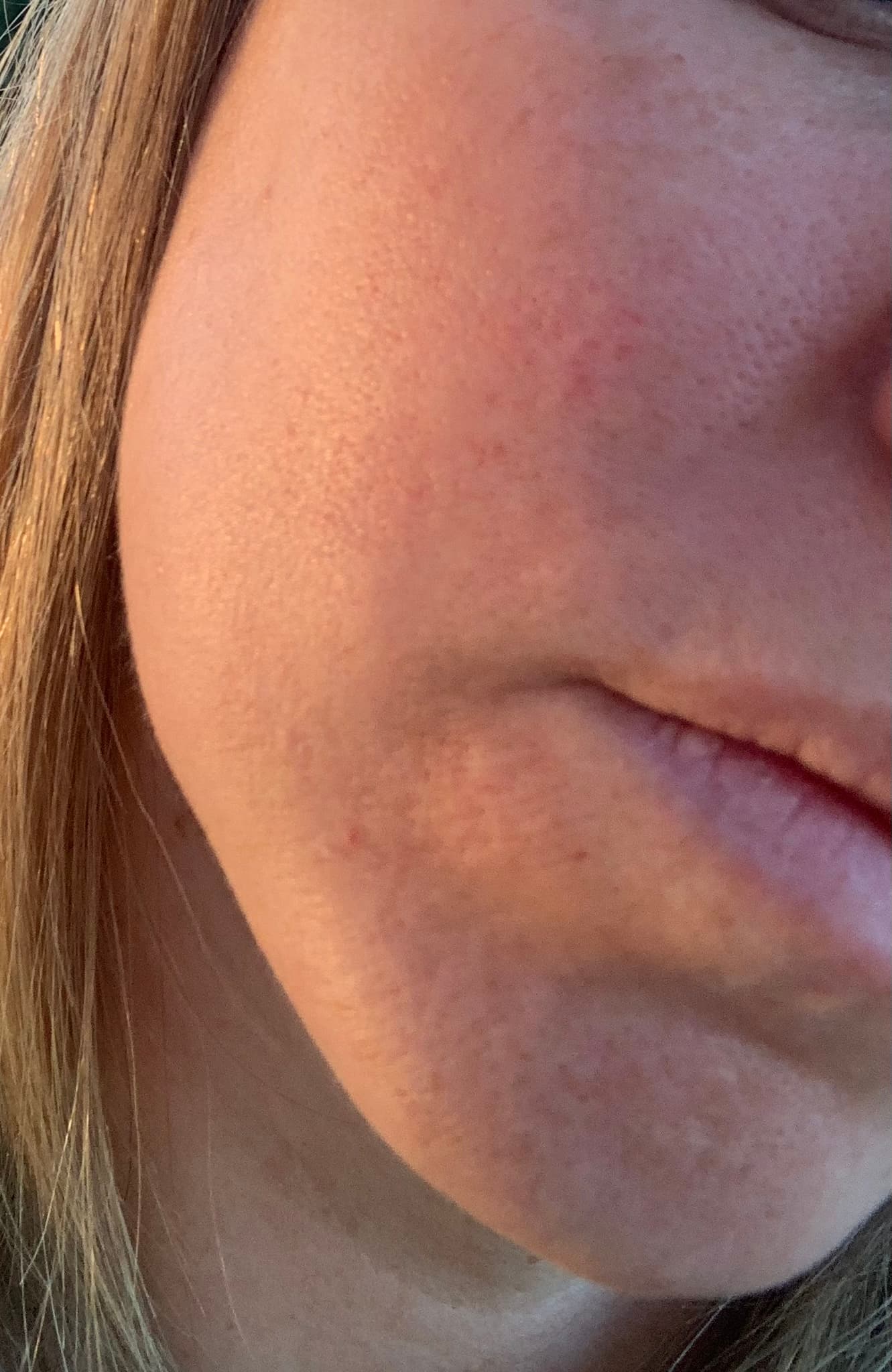 After
AfterKeep reading
- Ingredient · niacinamide
- Ingredient · sodium hyaluronate
- Ingredient · salicylic acid
- Condition · rosacea
- Condition · sensitive skin
- Condition · perioral dermatitis
- Read · why does my face get red after exercise
- Read · rosacea and coffee
- Read · rosacea and alcohol
- Read · best sunscreen for rosacea
- Read · rosacea symptoms
- Read · ocular rosacea symptoms
- Read · best ingredients for rosacea
- Read · rosacea acne
- Read · how to treat dry skin on face
Citations
- Schaller M, et al. Recommendations for rosacea diagnosis, classification and management: update from the global ROSacea COnsensus 2019 panel. Br J Dermatol. 2020;182(5):1269-1276.PMID 31392722
- Thiboutot D, et al. Standard management options for rosacea: The 2019 update by the National Rosacea Society Expert Committee. J Am Acad Dermatol. 2020;82(6):1501-1510.PMID 32035944
- American Academy of Dermatology Association. Triggers could be causing your rosacea flare-ups.AAD
- Guder H, Guder S. Investigation of skincare habits and possible rosacea triggers of patients with rosacea: A prospective case-control study. North Clin Istanb. 2024;11(1):27-37.PMID 38357320
- Alinia H, et al. Rosacea Triggers: Alcohol and Smoking. Dermatol Clin. 2018;36(2):123-126.PMID 29499795
- Buhalog B, et al. Diet and rosacea: the role of dietary change in the management of rosacea. Dermatol Pract Concept. 2018;8(1):31-37.PMID 29214107