
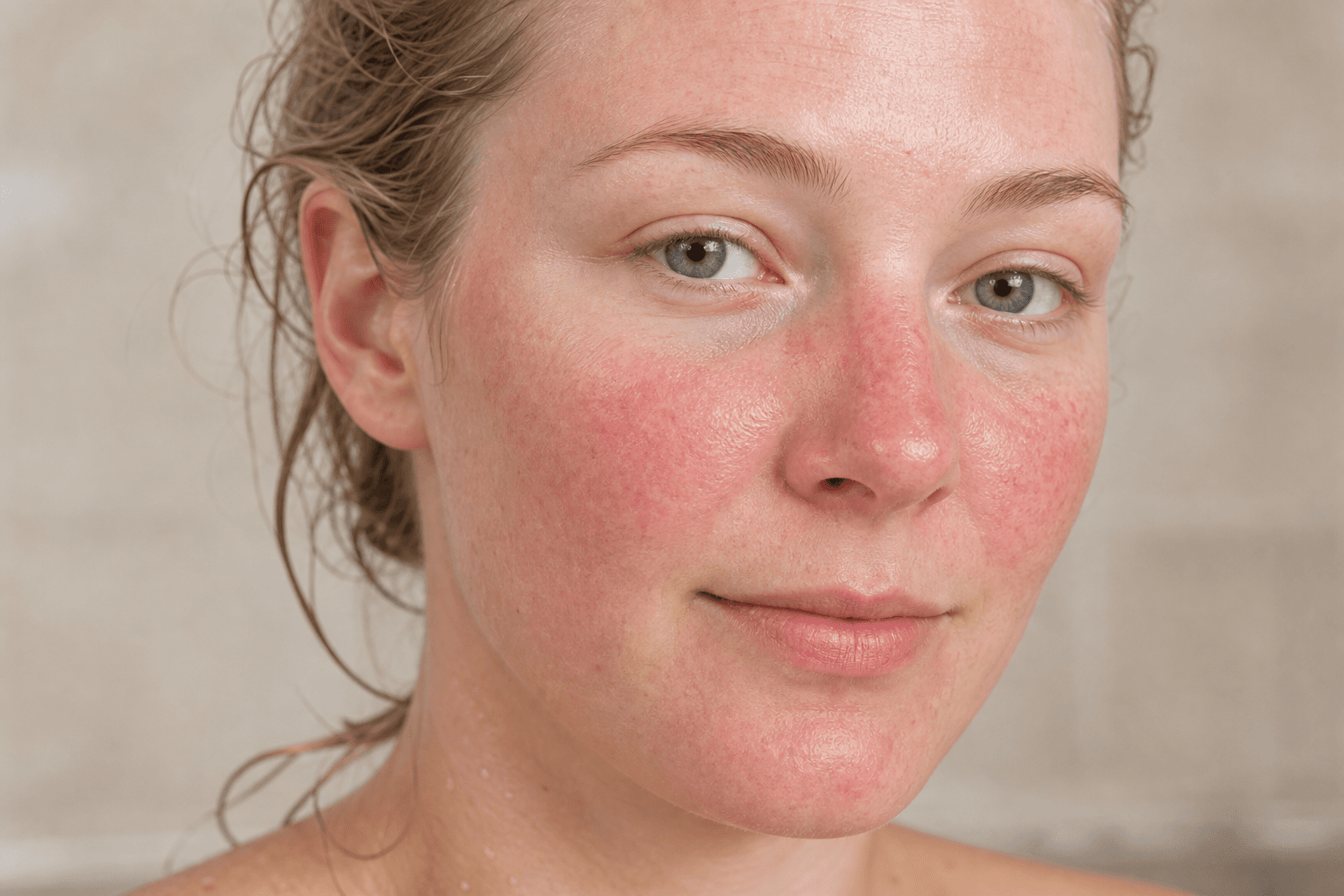
Red face after shower: why it happens and how to calm it
A red face after showering is often heat, steam, friction, or barrier stress - especially in rosacea-prone or sensitive skin. Small changes can calm the pattern without turning showers into a skincare project.
On this page
Some skincare problems feel almost insulting because they happen after normal life.
You shower. You dry your face. You look in the mirror.
Red.
Not "fresh and clean." More "why does my face look like it had a disagreement with the bathroom?"
If your skin is rosacea-prone or sensitive, shower redness is common. It also makes sense.
Why does my face turn red after a shower?
A red face after showering is often caused by heat, steam, direct water pressure, rubbing, or a stressed skin barrier.
For rosacea-prone skin, heat is a classic trigger. The AAD recommends avoiding overheating and taking warm baths and showers rather than hot ones to help prevent rosacea flare-ups[1]. The AAD also lists heat among common rosacea triggers[2].
So if hot showers turn your cheeks red, your skin is not being dramatic for sport.
It is reacting to heat.
Why showers trigger redness
Showers combine several redness triggers in one small tiled room:
- heat
- steam
- fast temperature change
- cleanser
- shampoo runoff
- water pressure
- towel friction
- moisturiser applied to already-hot skin
That is a lot for reactive skin before breakfast.
Heat can make facial blood vessels dilate. Steam keeps the warmth around your face. Then rubbing with a towel adds mechanical irritation. If your barrier is already dry or over-exfoliated, the reaction can be stronger - and even moisturiser can burn for a while.
A skin barrier review[3] describes the barrier as several linked layers that help maintain water balance and reduce permeability. When that system is disrupted, ordinary things can feel more irritating.
Ordinary things like water. Annoying, but true.
Shower habits that help
Use warm water, not hot water
You do not need to take a miserable cold shower unless you enjoy suffering as a hobby.
Warm is enough.
If the mirror fogs instantly and your skin feels hot for 20 minutes afterward, the water is probably too hot for redness-prone skin.
Keep your face out of direct spray
Direct shower pressure can be too much.
Try cleansing your face at the sink after showering instead. Lukewarm water, fingertips, no scrubbing. It sounds almost too simple, which is usually a good sign in skincare.
Pat dry
Do not polish your face with the towel.
Pat. Softly. Like you are drying something expensive and easily offended.
Moisturise before the tightness wins
If your skin feels tight after showering, apply a simple moisturiser once the face has cooled slightly but before it becomes dry and papery.
Look for boring comfort ingredients: glycerin, panthenol, sodium hyaluronate, niacinamide, and gentle emollients.
What not to do
After shower redness, avoid:
- exfoliating because the skin looks dull
- retinoids while your face is still hot
- strong vitamin C on burning skin
- alcohol-heavy toners
- scrubs
- ice directly on the face
- five layers of new calming products
If the skin is already flushed, the first job is to cool the situation down, not impress it with your full ingredient collection.
When shower redness may be rosacea
Temporary pinkness after heat can happen to many people.
Rosacea becomes more likely if you also notice:
- flushing from alcohol, spicy food, sun, stress, or exercise
- redness that lasts longer than expected
- burning or stinging
- bumps or pustules
- visible vessels
- eye dryness, burning, or grittiness
Start with the rosacea symptoms guide if those clues sound familiar. If exercise is the clearest heat trigger, the guide on redness after exercise will be more specific than shower advice.
The practical takeaway
If your face gets red after showering, lower the heat, reduce friction, cleanse gently, and moisturise without drama.
Small shower changes will not cure rosacea. But they can remove one daily trigger from the pile. Sometimes calmer skin begins with fewer small annoyances, not one heroic treatment.
People also ask
Why does my face get red after a shower?
Heat, steam, direct water pressure, cleansing friction, and barrier stress can all increase redness. Rosacea-prone skin is especially reactive to overheating.
Is a red face after shower always rosacea?
No. Temporary redness can happen from heat alone. Rosacea is more likely if redness lasts, burns, flushes repeatedly, or comes with bumps, visible vessels, or eye symptoms.
Should I wash my face in the shower if I have rosacea?
You can, but avoid hot water and strong spray. Many people do better cleansing at the sink with lukewarm water and fingertips.
What should I put on my face after shower redness?
Use a simple moisturiser and avoid strong actives while the skin is hot or burning. In the morning, use sunscreen once the skin has settled.
The routine I would use after shower redness
If your face turns red after showering, do not punish it with more treatment. The Danish Skin Care Kit is the kind of steady routine I built after helping more than 100,000 people with problem skin: gentle cleansing, barrier support, and SPF, so the skin has fewer reasons to flare after normal daily life.

A simple post-shower base: gentle cleansing, moisturising support, and daytime SPF without adding heat, friction, or extra actives.
Full transparency: Danish Skin Care is my own company — I formulated these products and earn from every sale. That's exactly why I only recommend them where they genuinely fit the guide you just read.
Real results from simple routines
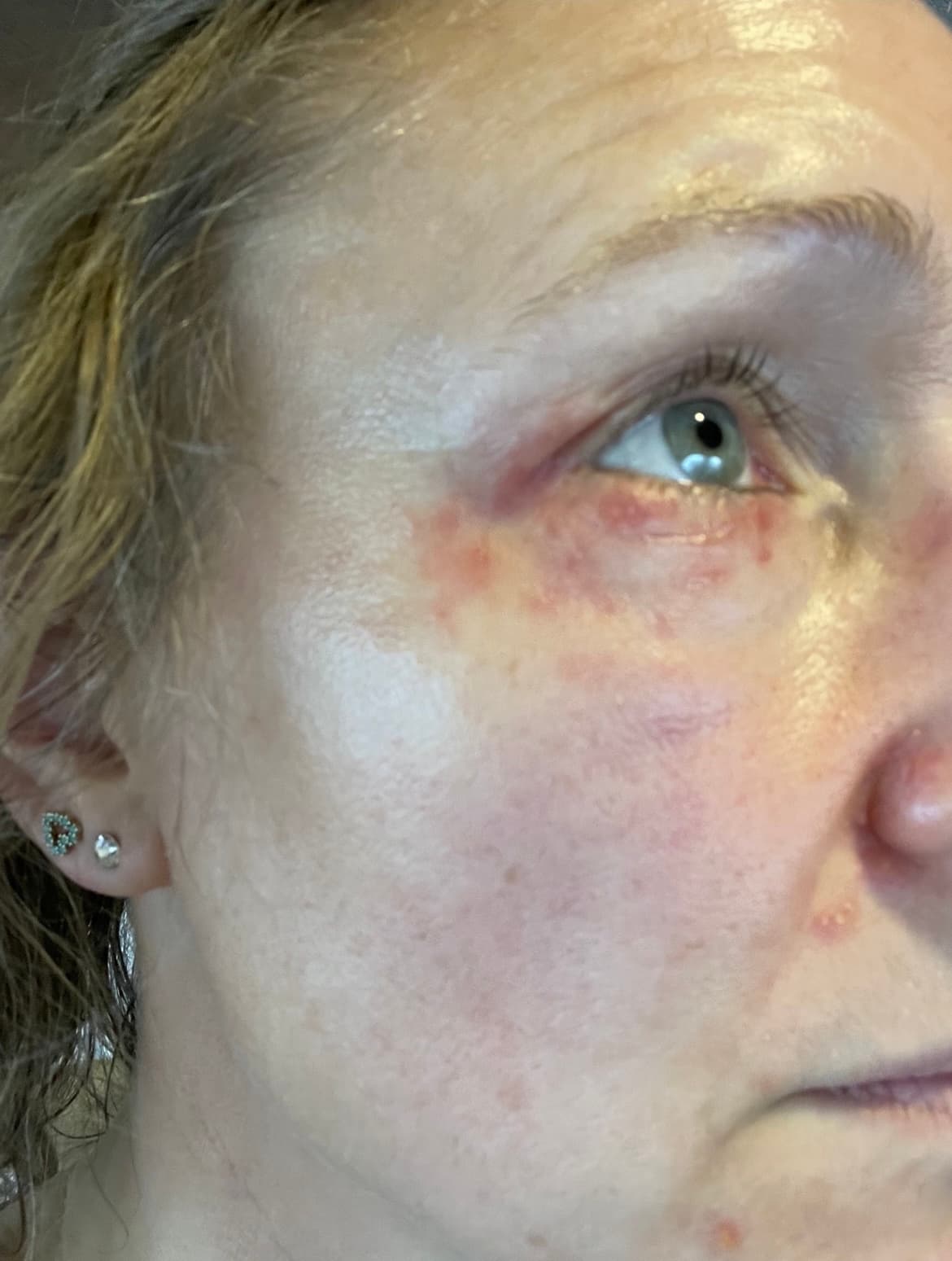
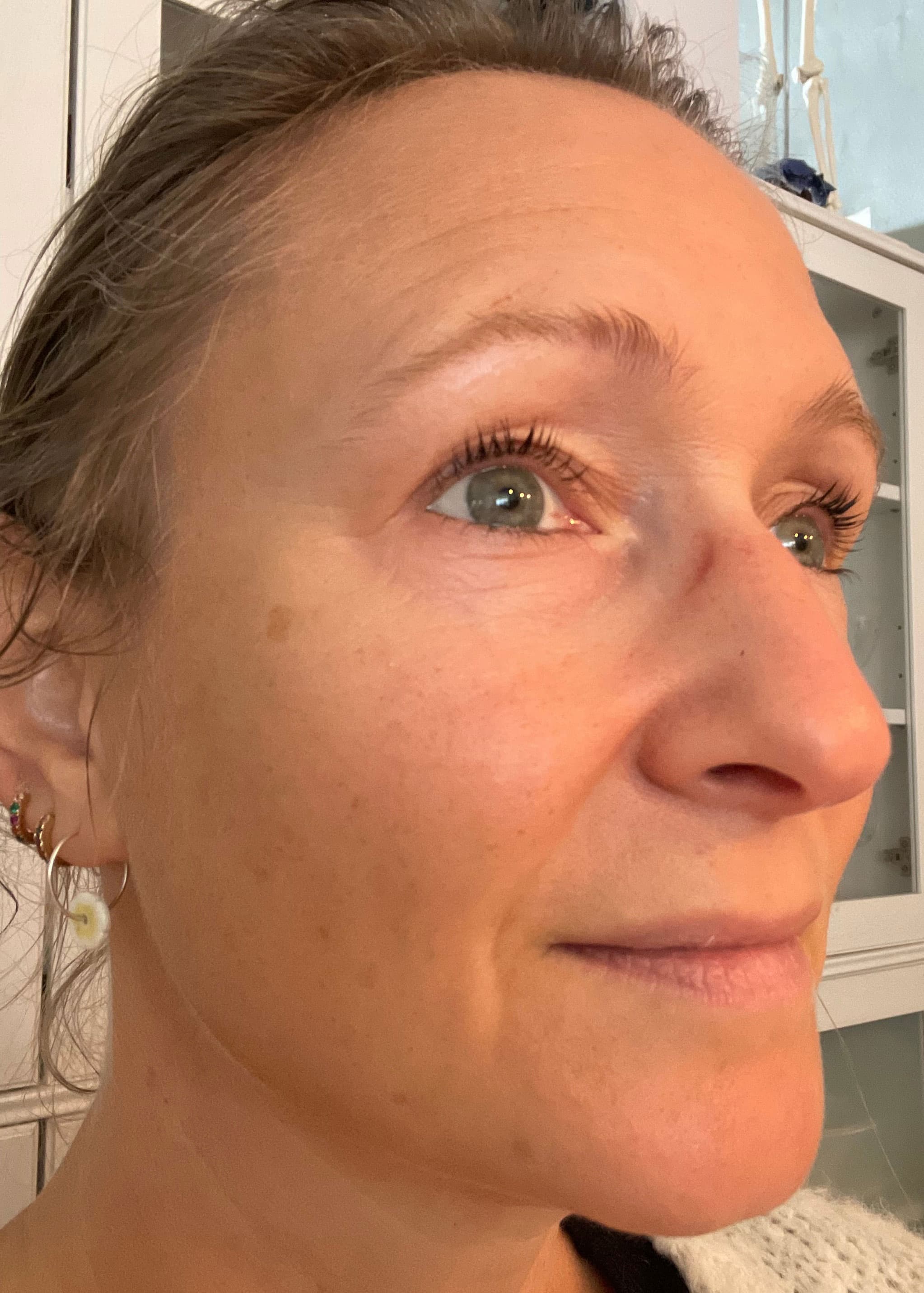
A few real before-and-after cases from people using Danish Skin Care for skin concerns related to this guide. No filters, no miracle promise. Consistent skincare over time.
 Before
 After
After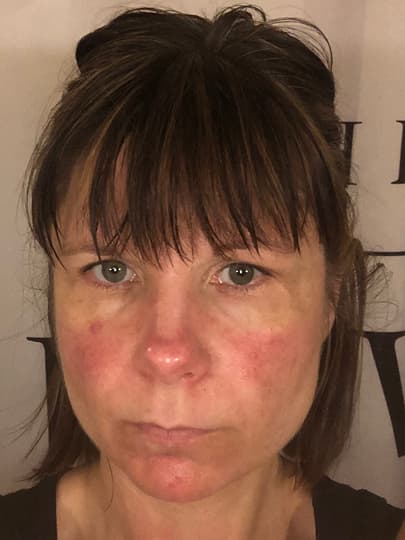 Before
 After
After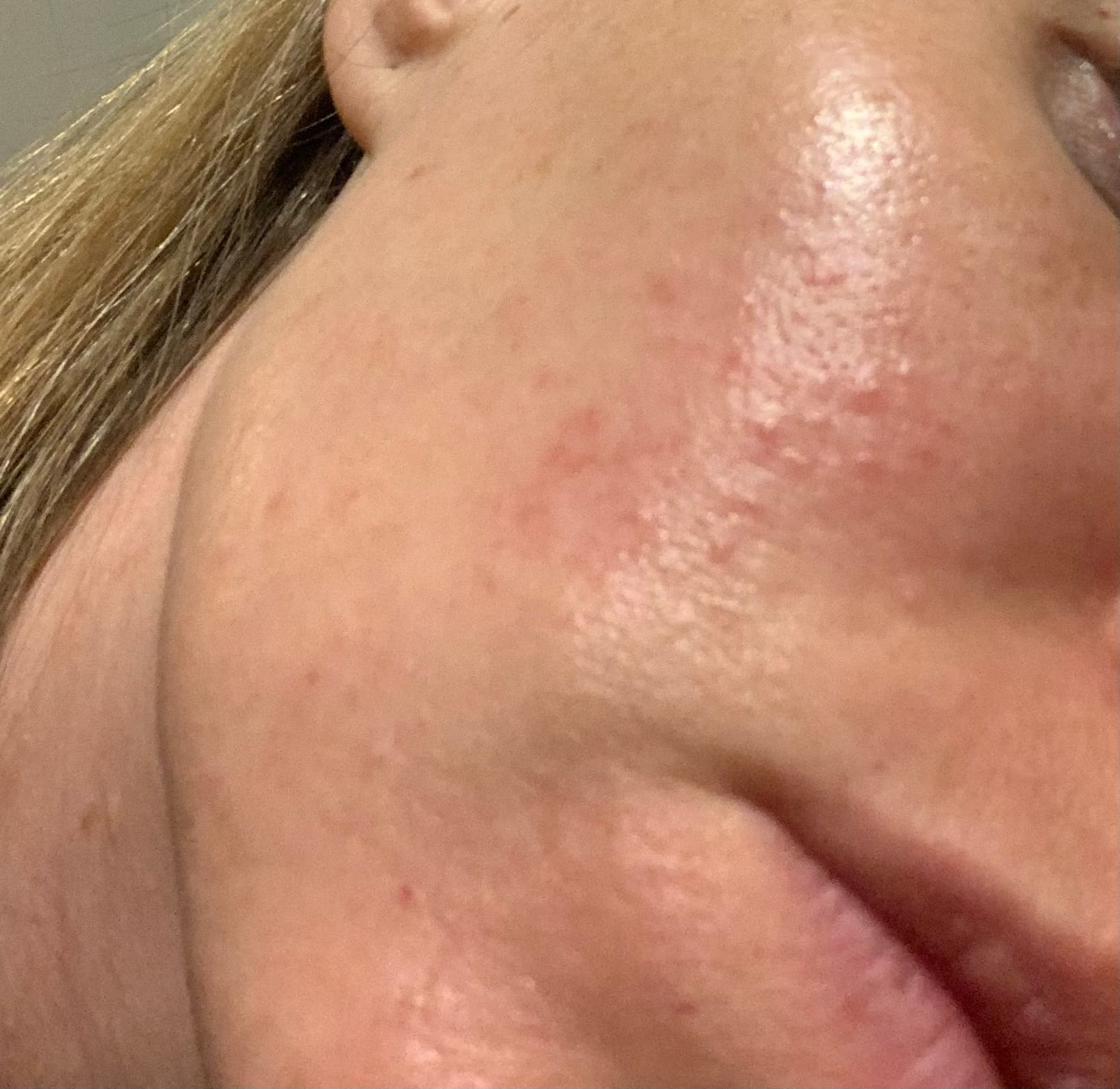 Before
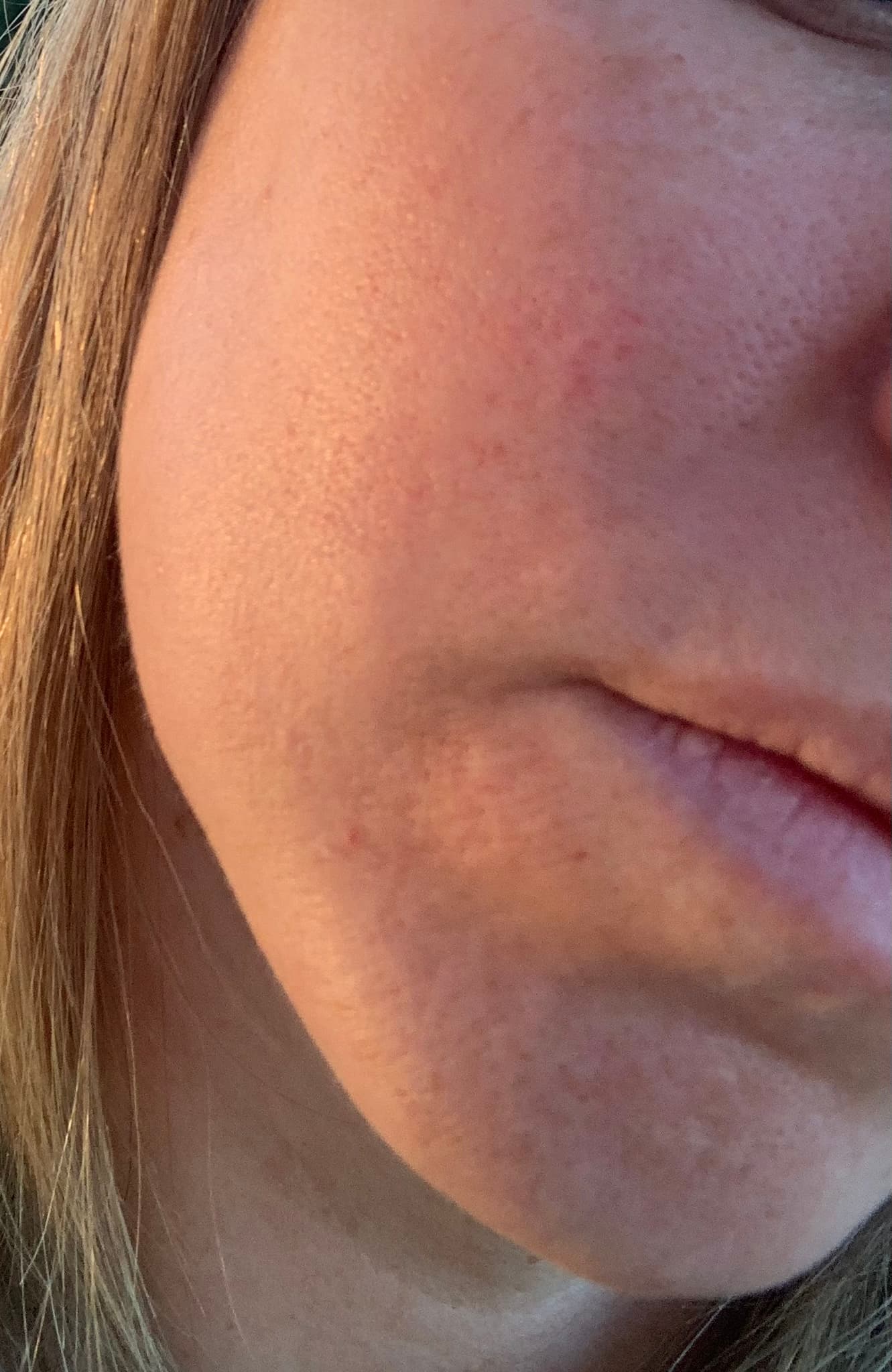 After
AfterKeep reading
- Ingredient · niacinamide
- Ingredient · glycerin
- Ingredient · sodium hyaluronate
- Ingredient · panthenol
- Ingredient · allantoin
- Condition · rosacea
- Condition · sensitive skin
- Condition · dry skin
- Read · why does my face get red after exercise
- Read · rosacea triggers
- Read · how to calm rosacea flare
- Read · rosacea skincare routine
- Read · why does my skin burn when i apply moisturizer
- Read · rosacea symptoms
- Read · best sunscreen for rosacea
Citations
- American Academy of Dermatology Association. How to prevent rosacea flare-ups.AAD
- American Academy of Dermatology Association. Triggers could be causing your rosacea flare-ups.AAD
- The Skin Barrier and Moisturization: Function, Disruption, and Mechanisms of Repair. Skin Pharmacol Physiol. 2023.PMID 37717558