Rosacea symptoms: how to spot the signs early
Rosacea symptoms can look like redness, flushing, burning, visible vessels, acne-like bumps, eye irritation, or skin thickening. Here is how to read the pattern calmly.
On this page
The most confusing thing about rosacea is that it rarely walks in and introduces itself politely.
It starts as a flush that lasts a little too long. Or cheeks that feel warm after coffee, sun, stress, or a hot shower. Or skin that used to tolerate your routine, then suddenly acts like your moisturiser has personally betrayed it.
I have not had rosacea as a personal diagnosis, so I will not pretend otherwise. My own battles were acne, oily skin, irritated skin, and dehydrated skin. But after years of helping problem skin, rosacea-prone skin has taught me one very consistent lesson:
Redness can mean several things.
Sometimes it is irritation. Sometimes it is acne inflammation. Sometimes it is perioral dermatitis, contact allergy, sun damage, eczema, medication reaction, or skin that has been pushed too hard.
And sometimes it is rosacea.
The useful skill is not diagnosing yourself from one bad mirror day. The useful skill is learning the pattern.
The short answer
The most common rosacea symptoms are:
- Flushing or easy blushing.
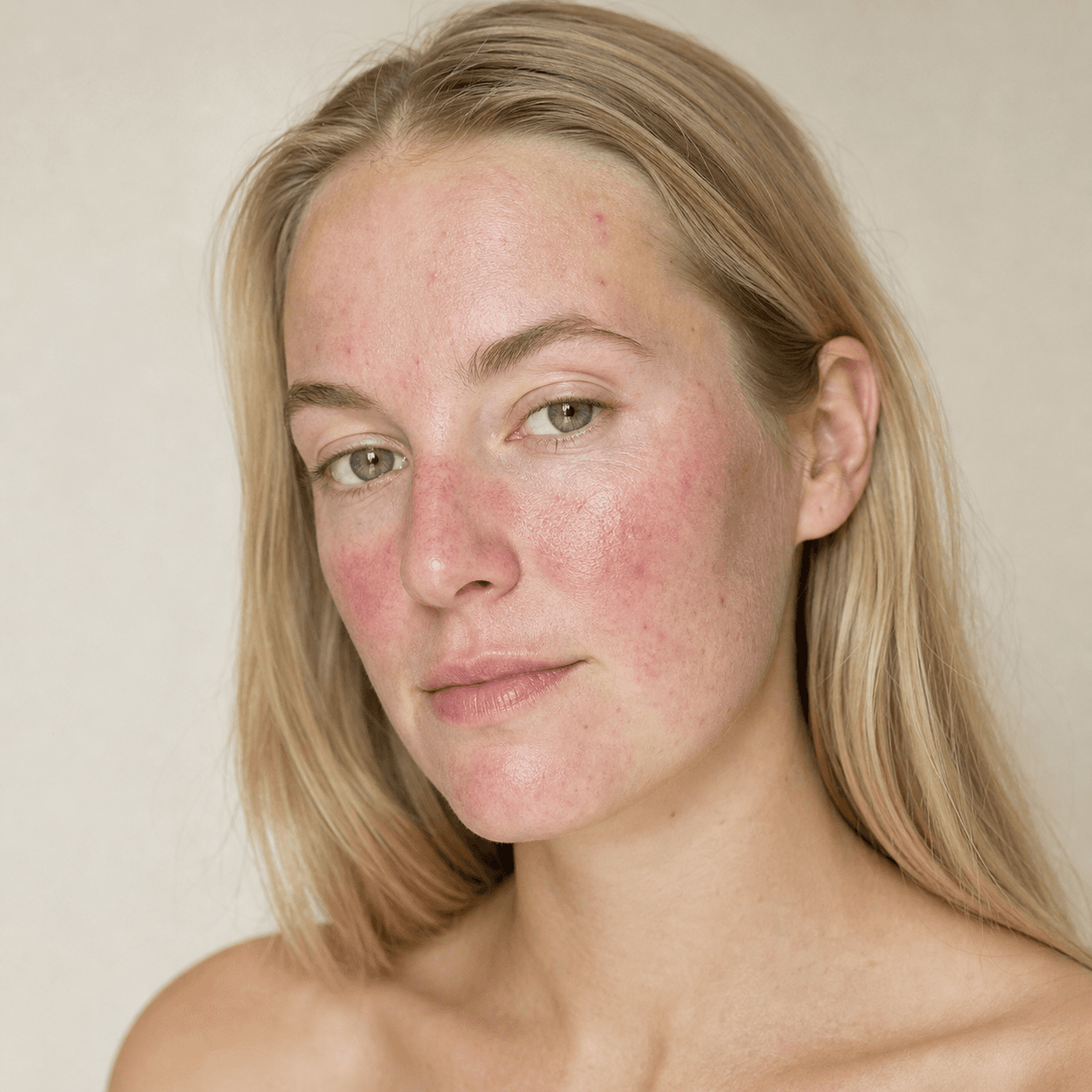
- Persistent redness or a darker red, brown, or violet tone on the central face.
- Warmth, burning, stinging, tenderness, or tightness.
- Visible small blood vessels, especially around the cheeks and nose.
- Acne-like bumps or pustules, usually without blackheads.
- Dry, rough, reactive skin.
- Eye irritation: dry, gritty, red, watery, itchy, burning, or swollen eyes.
- Thickening skin, most often on the nose, in more advanced or long-standing rosacea.
Modern rosacea guidance has moved away from treating "types" as neat boxes and toward a phenotype approach: what exact signs and symptoms does this person have, and how should those be managed? The 2019 global ROSCO panel update[1] supports that more practical way of thinking.
In plain language: you do not need to force your face into a tidy internet category.
You need to notice what is actually happening.
The classic rosacea pattern
Rosacea usually prefers the center of the face.
Think cheeks, nose, chin, and the area between the brows. Some people also notice symptoms on the forehead, ears, scalp, neck, upper chest, or back, but the central-face pattern is the usual clue.
The American Academy of Dermatology lists flushing, longer-lasting redness or discoloration, acne-like breakouts, visible vessels, eye changes, thickening skin, burning, stinging, dryness, and tightness among common signs and symptoms[2]. If the symptom list sounds familiar, the next practical step is usually the companion guide to rosacea triggers, because patterns matter as much as labels.
That is a lot, I know.
Rosacea is not a minimalist. The routine should be, but the condition itself did not get the memo.
Symptom 1: flushing that comes too easily
Flushing is often the first sign people notice.
It can feel like:
- A hot rush across the cheeks or nose.
- A blush that arrives too easily.
- Redness after heat, alcohol, spicy food, exercise, sun, stress, or embarrassment.
- A warm face even when the room is not especially warm.
- A flare that fades, then returns with the same triggers.
On lighter skin, flushing may look pink or red. On deeper skin tones, it may look more violet, brown, dusky, or simply feel hot before it looks obvious.
This is important because rosacea can be missed in darker skin when everyone is only looking for bright redness. If your cheeks feel hot, sting, or flare with classic triggers, the symptom is still worth taking seriously.
Symptom 2: redness that starts staying
Temporary flushing is one thing. Redness that stays for weeks or months is another.
Persistent central facial redness is one of the big rosacea clues. It may look like a blush that never fully leaves, a sunburn that does not make sense, or a patchy red-brown-violet tone around the cheeks and nose.
The skin may also feel:
- Warm.
- Tender.
- Tight.
- Dry.
- Easily irritated by water, cleanser, moisturiser, sunscreen, or actives.
This is where people often make the problem worse by "treating redness" with more products. Strong acids, scrubs, harsh cleansers, alcohol-heavy toners, fragranced anti-redness products, and sudden retinoid enthusiasm can all push reactive skin further.
The face is not asking for a motivational seminar.
It is asking for fewer arguments.
Symptom 3: visible small blood vessels
Those fine red lines on the cheeks or around the nose are called telangiectasia.
They are small visible vessels. They can be subtle, especially on deeper skin tones, and they may become more obvious after flushing settles. Many people first notice them around the sides of the nose, high cheeks, or nasal bridge.
Skincare can support the barrier and reduce irritation, but visible vessels usually do not disappear because you found a heroic serum. Dermatologists may use vascular laser or light-based treatments for persistent vessels when appropriate.
That is not a failure of skincare. It is simply a different tool for a different structure.
Symptom 4: acne-like bumps without classic acne clues
Rosacea can cause papules and pustules: red bumps and pus-filled spots that look acne-like.
The important difference is that rosacea bumps often arrive with:
- Background redness.
- Flushing.
- Burning or stinging.
- Heat sensitivity.
- Few or no blackheads.
- Skin that gets worse when treated like oily acne.
NIAMS includes red or pus-filled acne-like bumps among rosacea symptoms[3]. A practical clue is that rosacea bumps often arrive without the classic blackheads and whiteheads you expect from ordinary acne. That "no blackheads" clue is not perfect, but it is very useful.
If you have blackheads, whiteheads, oily congestion, and breakouts across the forehead, jaw, chest, or back, ordinary acne may also be part of the picture.
You can have both acne and rosacea, because skin enjoys paperwork.
But if your bumps live mostly on a hot, red, reactive central face, and acne treatment makes everything angrier, pause before escalating.
Symptom 5: burning, stinging, dryness, and tightness
This is the symptom that can make people feel slightly betrayed by their own face.
You apply a normal moisturiser and it stings. Sunscreen burns. Water feels uncomfortable. A product that was fine last month suddenly feels spicy in the least fun way.
Rosacea-prone skin often has vascular reactivity, immune involvement, and barrier sensitivity. A 2017 clinical review[4] describes rosacea as a chronic inflammatory condition, which helps explain why the skin can feel reactive rather than simply "red."
This is why the best first skincare move is often boring:
- Lukewarm water.
- Gentle cleanser.
- Moisturiser.
- Daily SPF.
- No scrubs.
- No hot water on the face.
- No sudden active-ingredient pile-up.
When skin is burning, boring is not lazy. Boring is strategy.
Symptom 6: eye irritation
Eye symptoms matter.
Ocular rosacea can make the eyes feel dry, gritty, itchy, watery, red, sore, burning, or light sensitive. Eyelids may look swollen or irritated. Some people get styes or crusting around the lashes. If this sounds familiar, the dedicated guide to ocular rosacea symptoms goes deeper into the eye and eyelid clues.
Eye symptoms can appear before, after, or alongside skin symptoms. This is one of the reasons I am careful with rosacea content: eyes are not a "try another serum" situation.
NIAMS specifically notes that people with eye symptoms should see a health care provider because untreated ocular rosacea can cause eye damage and vision problems[3].
So if your face is flushing and your eyes are persistently gritty, dry, red, swollen, or light-sensitive, please get proper medical advice. A dermatologist or ophthalmologist can help you avoid guessing your way through something that deserves a clinician.
Symptom 7: skin thickening
Skin thickening is less common, but it is important.
Rosacea can sometimes cause thickened, uneven, enlarged skin, most often on the nose. The nose may look larger, bumpier, or more bulb-like over time. This is called rhinophyma when it affects the nose.
This tends to be associated with long-standing rosacea and is more common in men. If you notice progressive thickening, do not wait for skincare to solve it. This is a dermatologist conversation.
Early care is kinder than late panic.
Rosacea symptoms are not the same for everyone
One person flushes intensely but has no bumps.
Another has pustules and burning but only mild visible redness.
Another has eye symptoms before the skin symptoms become obvious.
Another has darker skin where the redness is subtle, but the warmth, stinging, bumps, and hyperpigmentation tell the story.
NIAMS describes rosacea as long-lasting, often cycling between flare-ups and quieter periods, with symptoms varying from person to person[3]. That is why one photo or one bad day is rarely enough context.
Look for repetition:
- Same area.
- Same triggers.
- Same warm, flushing, reactive feeling.
- Same bumps without blackheads.
- Same worsening after harsh skincare.
- Same eye irritation alongside face symptoms.
Patterns are more useful than panic.
What can look like rosacea but is not always rosacea
A red or irritated face is not automatically rosacea.
It can also be:
- Irritation from skincare. Too many acids, retinoids, scrubs, peels, brushes, or fragrance-heavy products.
- Contact dermatitis. Allergy or irritation from a specific product, fragrance, preservative, hair product, or sunscreen.
- Perioral dermatitis. Small bumps around the mouth, nose, or eyes, often with burning, stinging, and scaling.
- Acne. Especially when blackheads, whiteheads, oily congestion, and deeper inflamed spots are present.
- Seborrheic dermatitis. Redness and flaking around the nose, brows, scalp, or ears.
- Lupus or another medical condition. Especially if redness has an unusual shape, comes with systemic symptoms, or does not behave like typical rosacea.
This is the reason I will never tell you, from an article, "Yes, you have rosacea."
That would be neat. It would also be irresponsible.
What I can say is: if the pattern fits, stop treating your face like it is simply dirty, oily, or undisciplined.
What to do if you suspect rosacea
Start with a calm two-week reset.
1. Simplify the routine
Use:
- A gentle cleanser, usually once daily if mornings make you tight.
- A barrier-supporting moisturiser.
- Daily broad-spectrum SPF.
- Optional azelaic acid or niacinamide only if your skin tolerates it.
If that last step feels confusing, the guide to the best ingredients for rosacea breaks down when azelaic acid, niacinamide, moisturiser, and SPF each make sense.
Avoid:
- Scrubs.
- Cleansing brushes.
- Hot water.
- Strong acid toners.
- Fragrance-heavy products.
- Essential oils.
- Stacking retinol, acids, benzoyl peroxide, and multiple "redness" treatments at once.
The 2019 National Rosacea Society management update[5] supports treating rosacea by the individual signs and symptoms present. Practically, that means the routine should match the skin in front of you, not someone else's before-and-after. If the signs fit, the rosacea skincare routine gives a calm morning and evening baseline to start from.
2. Track triggers without becoming obsessed
For two to four weeks, note:
- Sun exposure.
- Heat.
- Hot showers.
- Alcohol.
- Spicy food.
- Stress.
- Exercise.
- Wind or cold.
- New skincare.
- Menstrual-cycle changes.
- Flare timing and duration.
Do not turn this into a full-time administrative position. Collect enough data to see what repeats.
3. Keep actives quiet while the skin is hot
If your face is actively burning, flushing, or stinging, pause the ambitious actives.
That includes strong exfoliating acids, frequent retinoids, aggressive acne treatments, and anything that makes the face feel tighter, hotter, or more inflamed.
Once the skin is calmer for several weeks, you can reintroduce useful ingredients slowly.
4. Get medical help when the pattern is persistent
See a dermatologist, or another qualified clinician, if:
- Redness, flushing, or bumps keep returning.
- You have eye symptoms.
- Pustules or painful bumps persist.
- The skin starts thickening.
- The redness is sudden, unusual, one-sided, or spreading.
- You are not sure whether it is rosacea, acne, dermatitis, allergy, or something else.
- Over-the-counter skincare keeps making it worse.
Prescription treatments can be very helpful for rosacea. Depending on the symptoms, dermatologists may use topical metronidazole, azelaic acid, ivermectin, low-dose doxycycline, brimonidine, oxymetazoline, laser, or eye-specific treatment.
The point is not to medicalise every blush.
The point is to stop guessing when the pattern deserves a proper look.
The bottom line
Rosacea symptoms are usually a pattern, not one isolated sign.
Look for central-face flushing, redness or discoloration that lasts, visible vessels, warmth, burning, stinging, dryness, acne-like bumps without blackheads, eye irritation, or skin thickening.
Then respond calmly: simplify, protect the barrier, use SPF, track triggers, and get medical help when symptoms persist or involve the eyes.
Your skin does not need you to become a detective with a magnifying glass and a suspicious relationship with every mirror.
It needs you to notice the pattern, stop escalating irritation, and choose the next step with a little more peace.
People also ask
What are the first symptoms of rosacea?
Rosacea often starts with easy flushing, warmth, or redness in the center of the face. Over time, the redness may last longer, and some people also develop visible vessels, burning, dryness, or acne-like bumps.
Can rosacea symptoms come and go?
Yes. Rosacea is usually chronic, but symptoms often cycle through flares and quieter periods. Tracking triggers and keeping the routine gentle can help you understand the pattern.
When should I see a dermatologist for rosacea symptoms?
See a dermatologist if symptoms persist, worsen, involve your eyes, include repeated pustules, cause skin thickening, or if you are unsure whether the redness is rosacea, acne, dermatitis, allergy, or another condition.
A calm routine when rosacea symptoms are showing
When rosacea symptoms are active, I would rather see you build a boring routine you can actually keep than chase five different anti-redness miracles. The Danish Skin Care Kit is the peaceful foundation: a gentle cleanse, barrier support, daily SPF, and fewer chances to irritate skin that is already asking for calm.

The simple base routine for redness-prone, reactive skin: gentle cleansing, moisturiser, and daily SPF without turning the bathroom shelf into a laboratory.
Full transparency: Danish Skin Care is my own company — I formulated these products and earn from every sale. That's exactly why I only recommend them where they genuinely fit the guide you just read.
Real results from simple routines
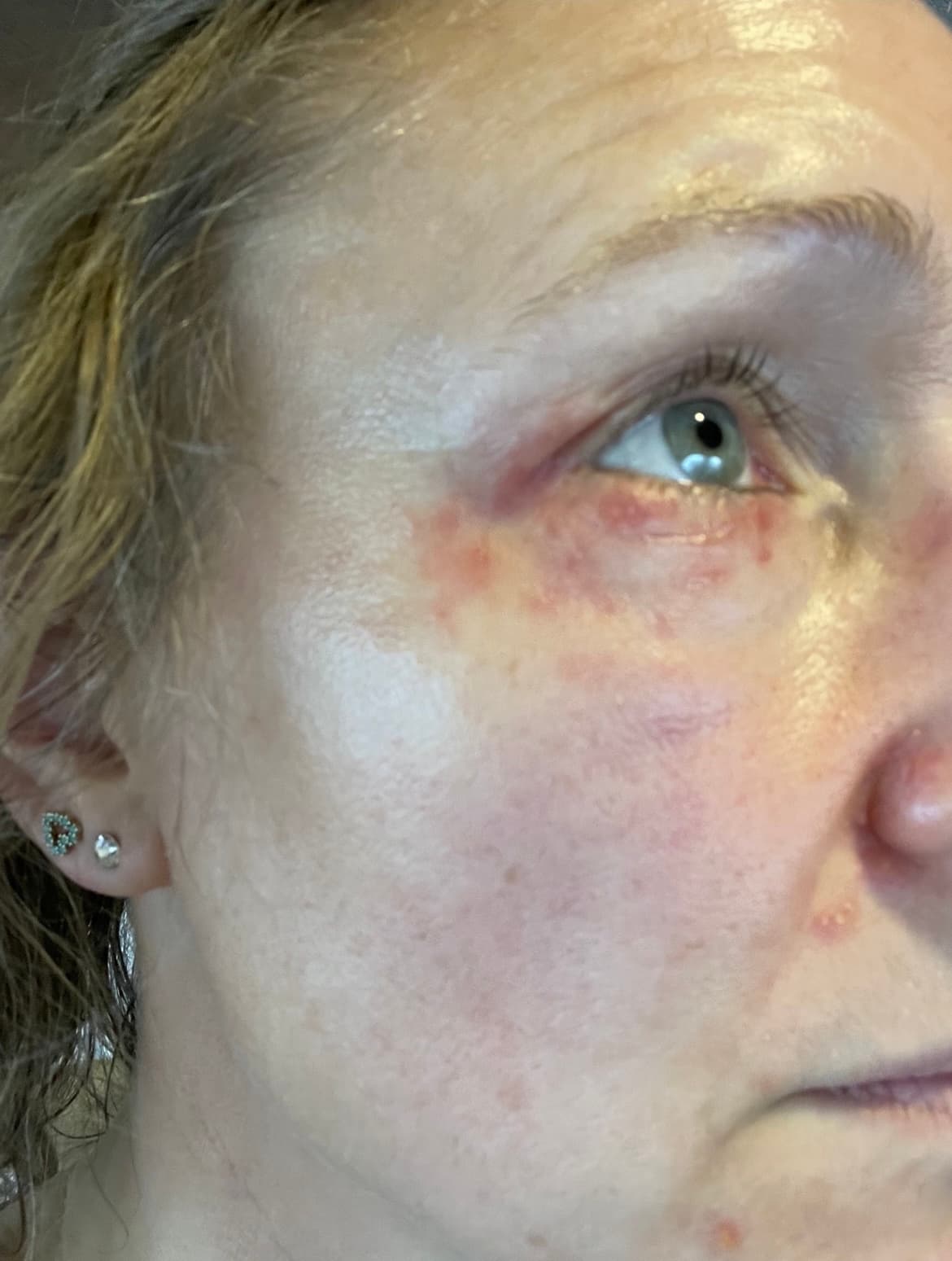
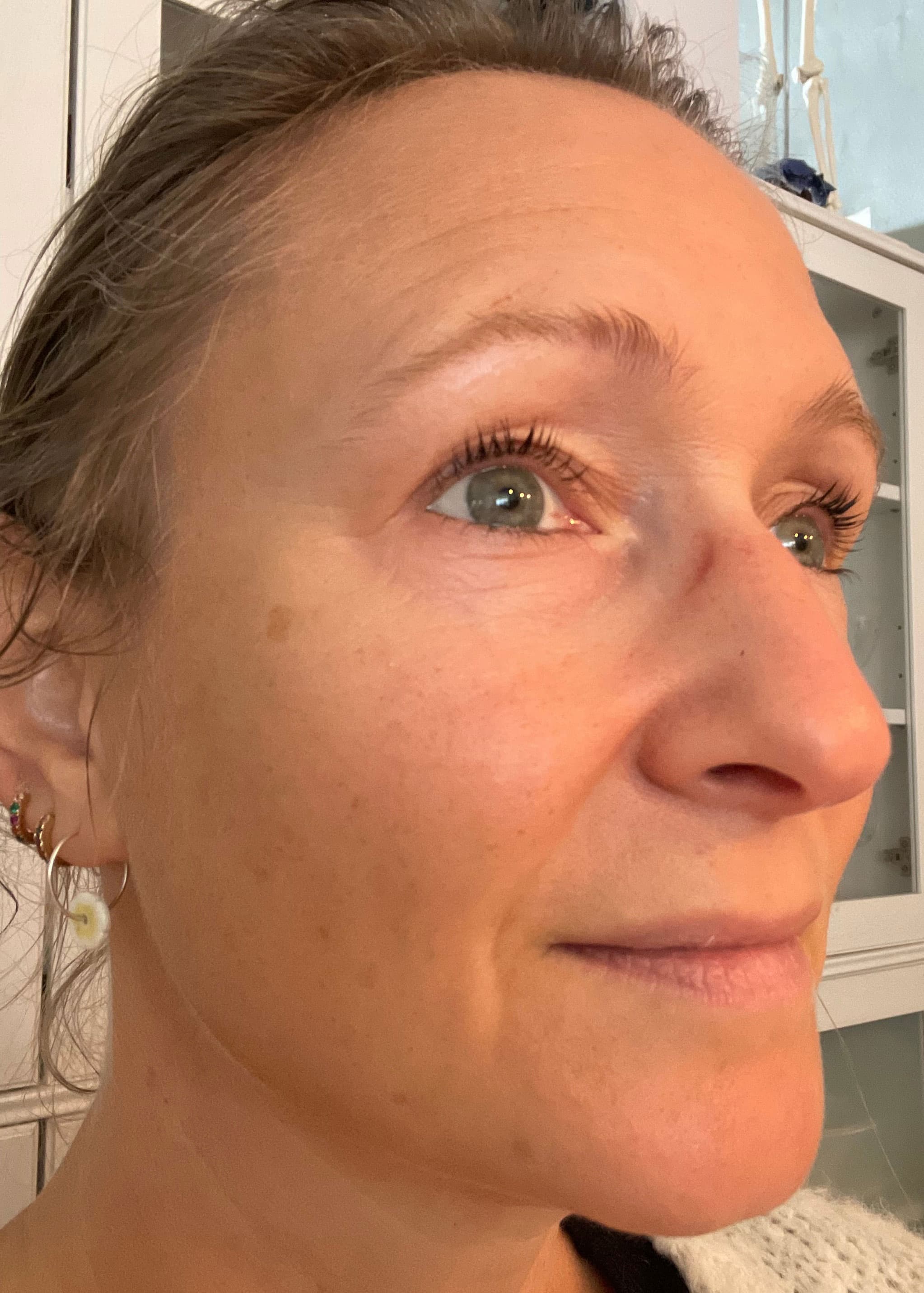
A few real before-and-after cases from people using Danish Skin Care for skin concerns related to this guide. No filters, no miracle promise. Consistent skincare over time.
 Before
 After
After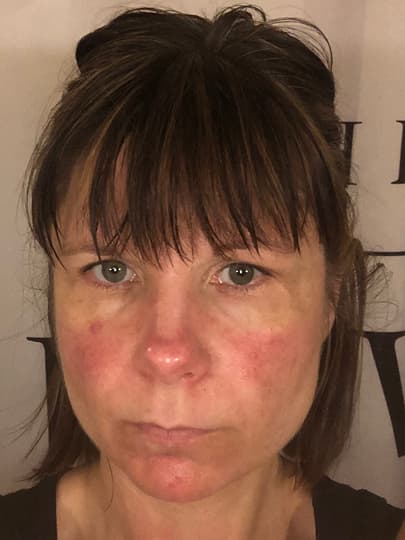 Before
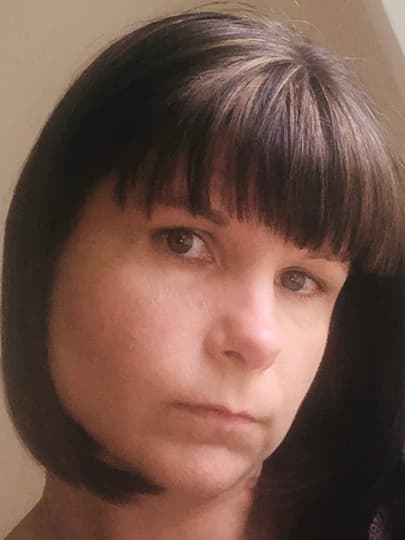 After
After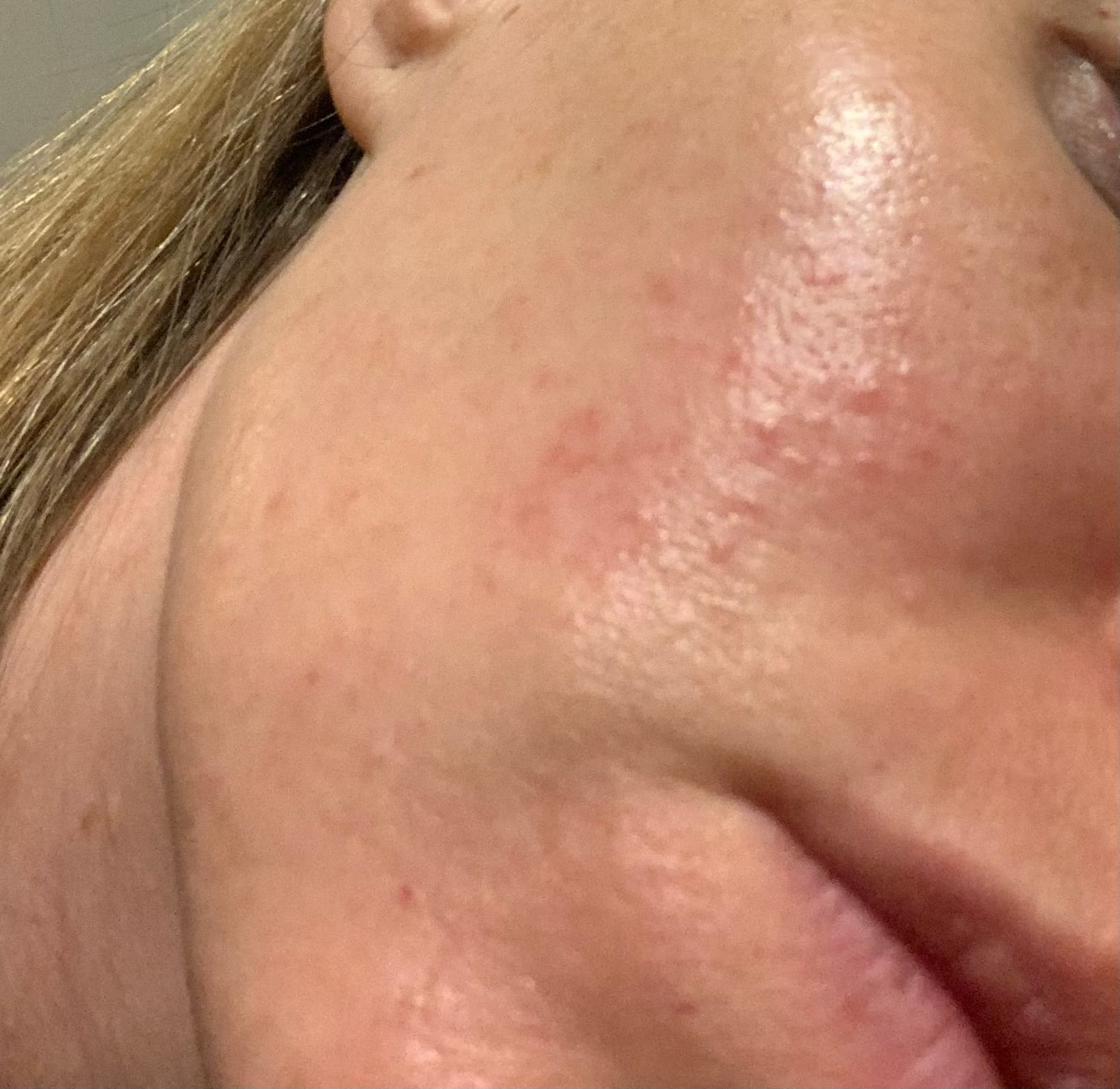 Before
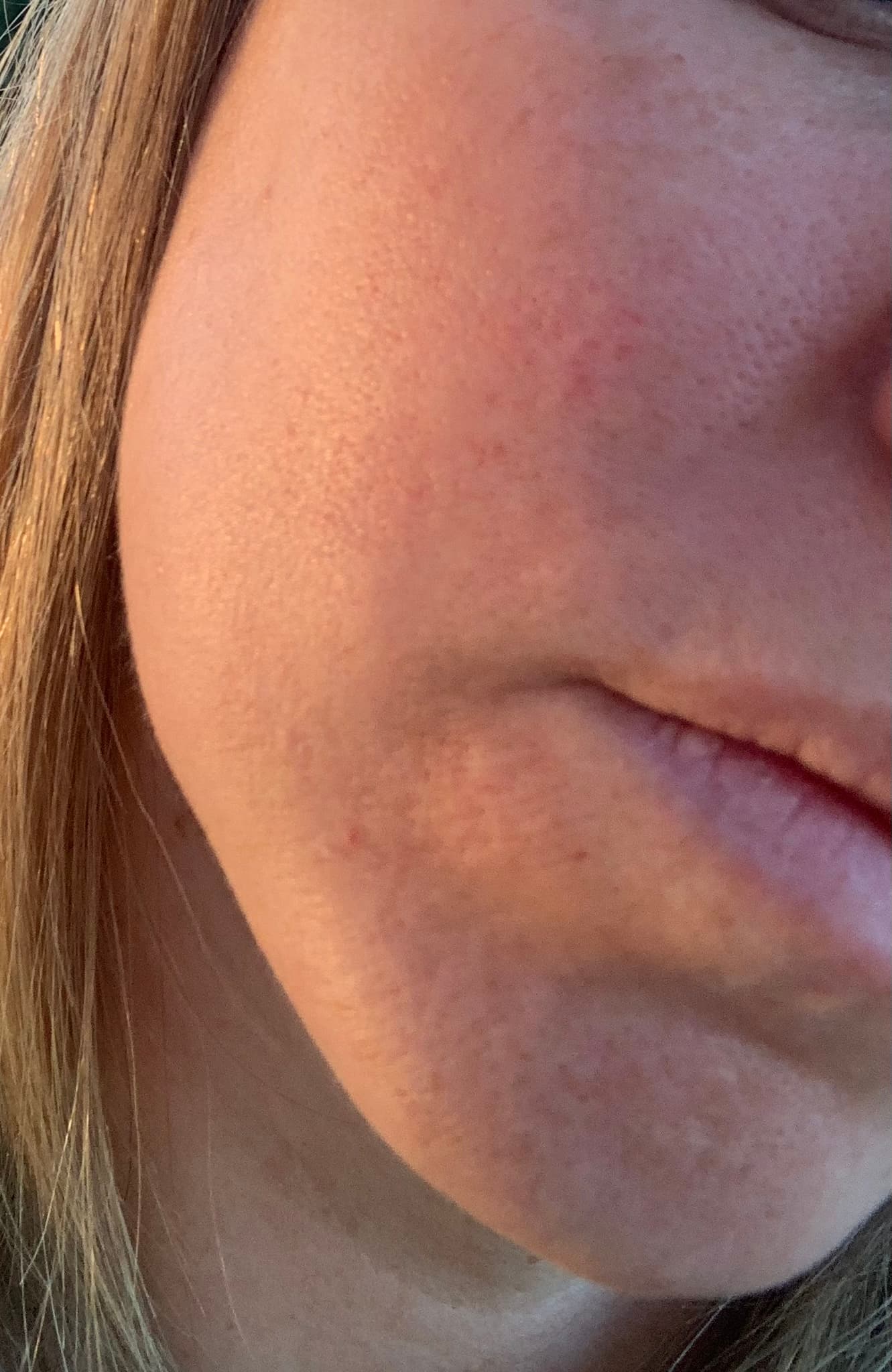 After
AfterKeep reading
- Ingredient · niacinamide
- Ingredient · sodium hyaluronate
- Ingredient · salicylic acid
- Condition · rosacea
- Condition · sensitive skin
- Condition · perioral dermatitis
- Read · best sunscreen for rosacea
- Read · ocular rosacea symptoms
- Read · best ingredients for rosacea
- Read · rosacea acne
- Read · how to treat dry skin on face
- Read · types of acne
Citations
- Schaller M, et al. Recommendations for rosacea diagnosis, classification and management: update from the global ROSacea COnsensus 2019 panel. Br J Dermatol. 2020;182(5):1269-1276.PMID 31392722
- American Academy of Dermatology Association. Rosacea: Signs and symptoms.AAD
- National Institute of Arthritis and Musculoskeletal and Skin Diseases. Rosacea.NIAMS
- van Zuuren EJ. Rosacea. N Engl J Med. 2017;377(18):1754-1764.PMID 29091565
- Thiboutot D, et al. Standard management options for rosacea: The 2019 update by the National Rosacea Society Expert Committee. J Am Acad Dermatol. 2020;82(6):1501-1510.PMID 32035944