
Allantoin
A quiet support ingredient for irritated, dry, shaving-stressed, or over-treated skin. Best inside a moisturiser or treatment base, not as a dramatic stand-alone active.
At a glance
What Allantoin does for skin, and how to read the practical safety signals.
- Soothing support: Helps formulas feel kinder on skin that is dry, tight, shaved, or easily annoyed.
- Regulated skin protectant: In the US, allantoin is listed as an OTC skin protectant active at 0.5% to 2%.
- Formula-dependent: Human wound data is humbling, so keep cosmetic claims modest.
- Type
- Skin protectant
- Rating
- Pregnancy
- Considered safe
- Comedogenic rating
- 0/5 (Won't clog pores)
- Vegan
- Yes
- Suited skin types
- All skin types
On this page
The short answer
Allantoin is a soothing, skin-conditioning ingredient used in moisturisers, after-shave products, barrier creams, and gentle treatment formulas.
It is the kind of ingredient you rarely buy by itself, but you are often happy to see on an INCI list when your skin feels dry, tight, shaved, over-exfoliated, or tired of your experiments.
Think of allantoin as comfort infrastructure. Not exciting. Very useful.
What the evidence actually shows
Regulated skin-protectant use. US skin-protectant regulation lists allantoin as an OTC skin protectant active at 0.5% to 2%[1]. That does not mean every cosmetic with allantoin is a drug product. It means allantoin has a recognised skin-protecting role when used and labelled within that regulatory category.
Wound-healing-adjacent evidence. A 2010 rat wound study[2] tested a 5% allantoin emulsion and reported histological signs linked with inflammatory regulation, fibroblast proliferation, and extracellular matrix synthesis. Useful science, but animal wound data should not be translated into "this cream will repair your face overnight." In cosmetics, the honest claim is calmer, more comfortable support inside a good formula.
Human wound data is more cautious. In a phase 3 trial of 6% allantoin cream for epidermolysis bullosa lesions[3], allantoin was well tolerated but did not beat the vehicle cream for complete wound closure or time to closure. That result matters because it keeps the promise grounded.
So the right level of excitement is simple: allantoin can make a formula more comfortable. It should not be sold as a medical repair shortcut.
How to use it
You will usually find allantoin in:
- moisturisers
- barrier-support creams
- after-shave products
- soothing gels
- acne products designed to feel less drying
- formulas for dry or sensitive skin
Use the product as directed. There is no special allantoin technique. No waiting period. No ingredient handshake.
If your skin is irritated from retinol, salicylic acid, shaving, or over-cleansing, allantoin is one of the comfort ingredients I like to see alongside panthenol, glycerin, and sodium hyaluronate.
Where it fits in a routine
Allantoin fits best in the boring steps:
- Cleanser: can help a wash feel less harsh, though rinse-off contact is short.
- Moisturiser: the most useful place for dry, sensitive, or over-treated skin.
- Treatment base: helpful around acids or retinoids when the formula needs comfort.
- After shaving: useful when skin is prone to razor bumps or friction irritation.
It does not need a dedicated serum. If you already have a moisturiser with allantoin, you have enough allantoin drama for the evening.
Who benefits most
Allantoin makes the most sense for:
- sensitive skin
- dry or tight skin
- acne-prone skin using drying actives
- skin that stings after cleansing
- shaving irritation
- seasonal barrier stress
- routines that need more comfort, not more strength
If your skin is oily but irritated, allantoin can still be useful. Oily skin does not become immune to irritation. It simply becomes shiny while complaining.
When it will not help
Allantoin will not clear acne, erase pigmentation, treat rosacea, replace sunscreen, or rebuild a routine that is too harsh from the first step.
It also will not fix contact allergy or persistent dermatitis. If a product burns, itches, swells, or causes a rash, stop using it and get medical advice if symptoms persist.
Support ingredients are helpful. They are not permission to keep overdoing acids, scrubs, and retinoids.
The practical takeaway
My goal with this guide was to gather the useful science on allantoin in one place, so you can stop hunting for the next clever fix and focus on a simple, effective routine.
That is also why I made the Danish Skin Care Kit: a calm routine built around documented ingredients, and one that has helped more than 100,000 people with problem skin. If even the smallest question is still nagging you, send me an email at info@danishskincare.com.
Common questions
Is allantoin good for sensitive skin?
Yes, as a support ingredient. It is commonly used for soothing and skin-protecting formulas, but the full formula still matters more than one INCI name.
Does allantoin treat acne?
No. Allantoin can make acne routines more comfortable, but salicylic acid, retinoids, benzoyl peroxide, or prescriptions do the acne-specific work.
Can I use allantoin with retinol or salicylic acid?
Yes. Allantoin is often useful in formulas around stronger actives because it supports comfort and helps the routine stay tolerable.
Reading a real label?
Scan a product to see how it is formulated
Upload a photo of the ingredient list and get a quick ingredient-by-ingredient read against the evidence-led database.
Found in these Danish Skin Care products

Allantoin sits beside salicylic acid and soothing botanicals so the exfoliating step stays more comfortable.

Allantoin sits in the night moisturiser formula beside humectants and barrier-support ingredients, where comfort matters most.

The Kit includes allantoin as part of a simple routine, not as another separate bottle to manage.
Skin conditions it actively helps with
Where the published evidence puts Allantoin on the short list of active ingredients worth reaching for.
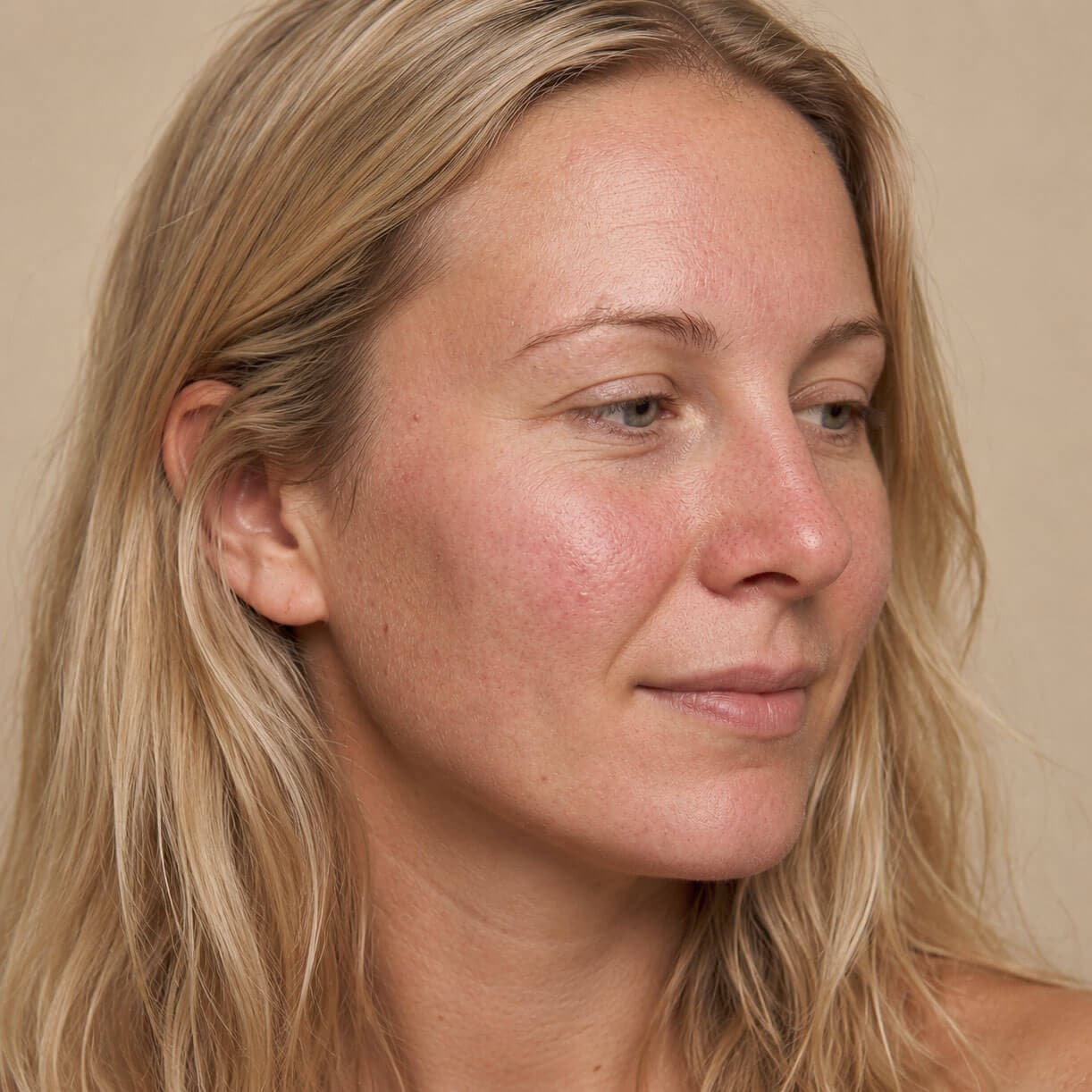
Sensitive skin
"Sensitive" is a symptom, not a diagnosis. Learn what drives reactive skin, the routine that calms it, and what to leave out.
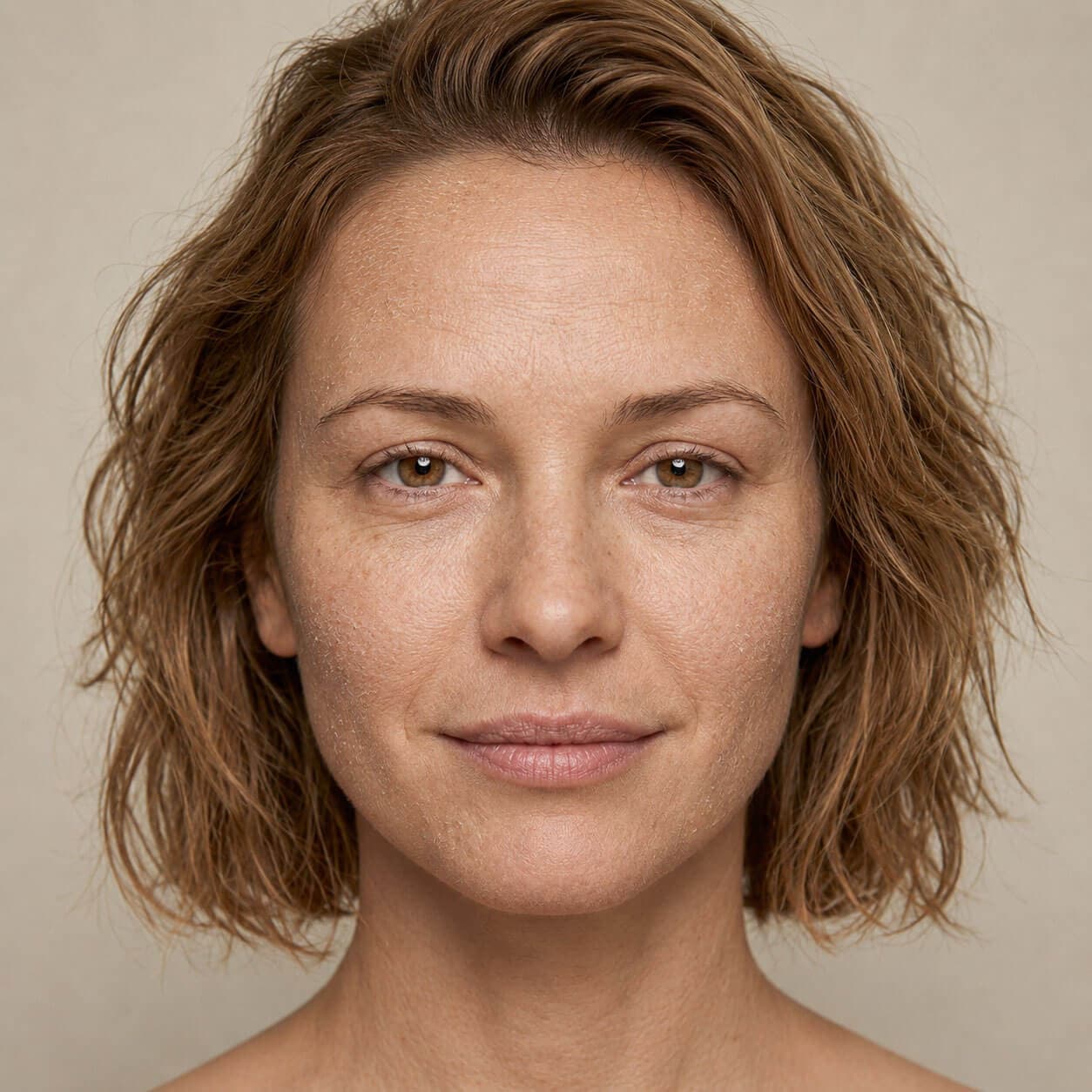
Dry skin
Dry skin is usually a barrier problem, not simply a water problem. Here's the difference between dry and dehydrated, why it matters, and the routine that actually helps.
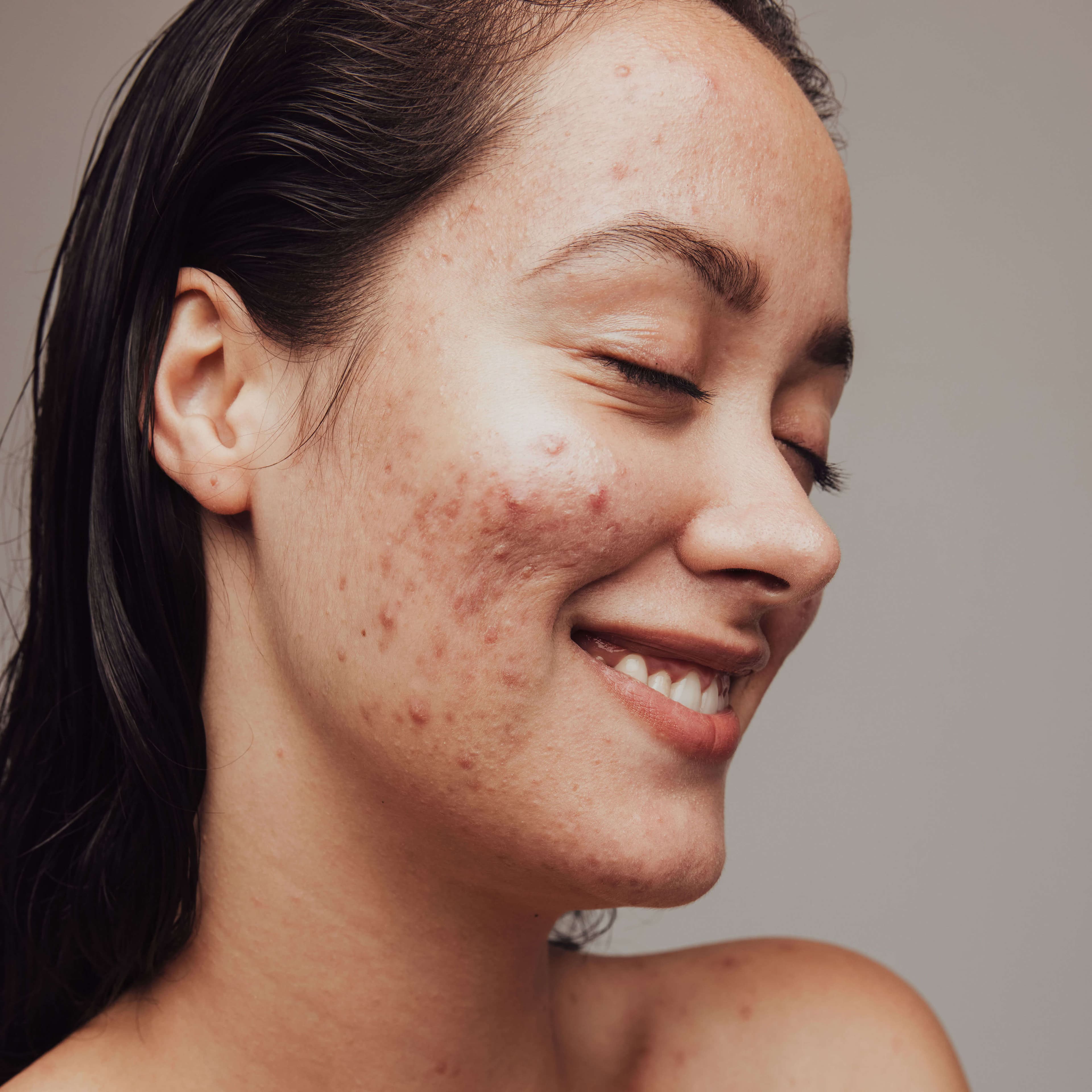
Acne and blemishes
A clear-headed guide to acne: what's actually happening in your skin, what the evidence says works, and a simple routine that doesn't make things worse.
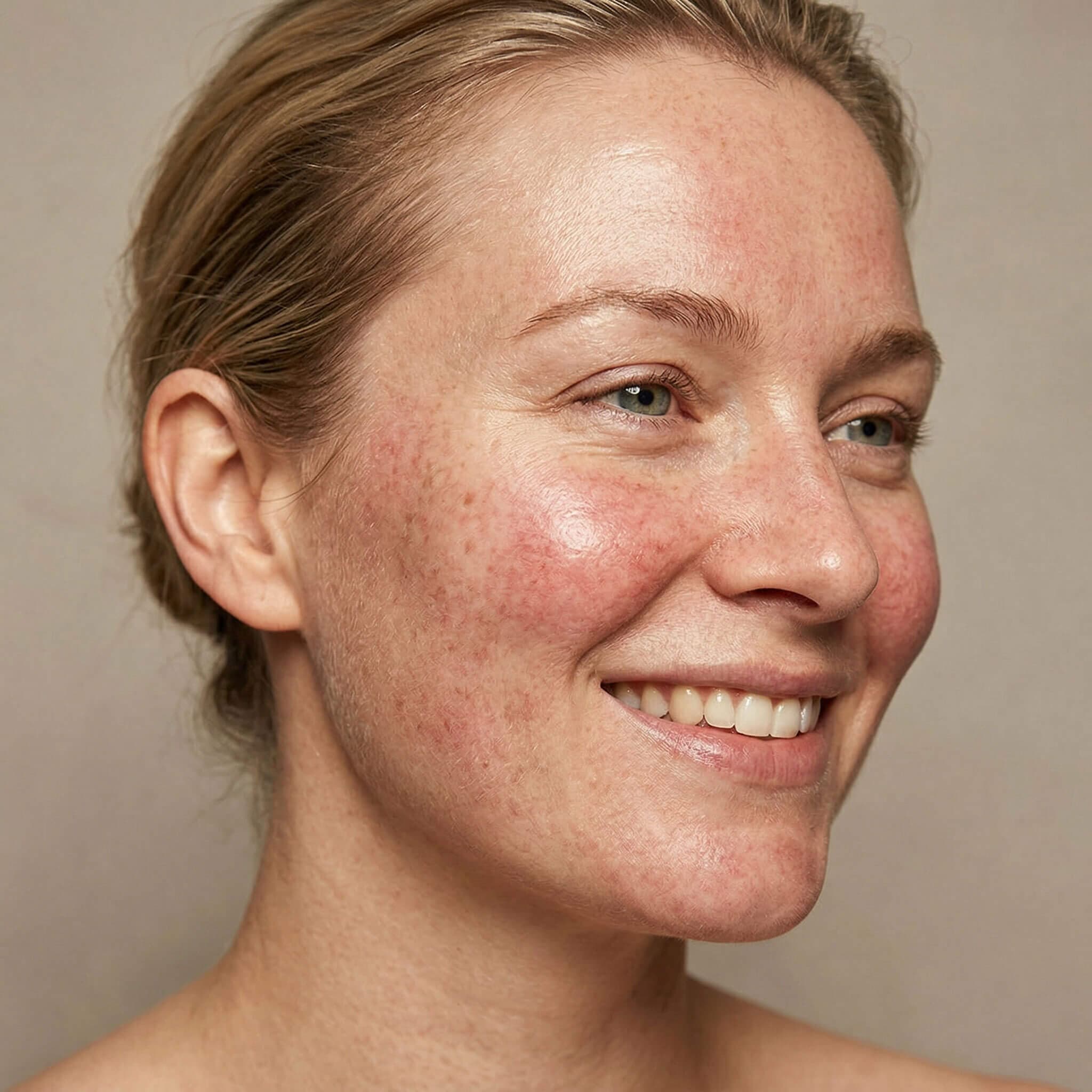
Rosacea and redness
Rosacea is a chronic inflammatory condition, not a temporary flush. Here's what causes it, what calms it, and the routine that doesn't make the reactivity worse.
Related ingredients
Citations
- 21 CFR § 347.10. Skin protectant active ingredients. Electronic Code of Federal Regulations. — 21 CFR 347.10
- Araújo LU, Grabe-Guimarães A, Mosqueira VCF, Carneiro CM, Silva-Barcellos NM. Profile of wound healing process induced by allantoin. Acta Cir Bras. 2010;25(5):460-466. — PMID 20877959
- Paller AS, Browning J, Nikolic M, et al. Efficacy and tolerability of the investigational topical cream SD-101 (6% allantoin) in patients with epidermolysis bullosa: a phase 3, randomized, double-blind, vehicle-controlled trial (ESSENCE study). Orphanet J Rare Dis. 2020;15:158. — PMID 32576219