
Azelaic acid for rosacea: what it can and cannot do
Azelaic acid can help papules, pustules, and some redness in rosacea-prone skin, but it still needs a calm routine around it. Here is how to use it without picking a fight with your barrier.
On this page
I know the temptation with rosacea.
You find one ingredient with real evidence, and suddenly it feels like the missing key. Finally. A plan. A small tube with authority.
I did this with acne ingredients when my own skin was oily, clogged, and irritated. If one active helped, surely more active energy would help faster.
My skin disagreed.
Rosacea-prone skin often disagrees even louder. That is why azelaic acid deserves both respect and restraint.
The short answer
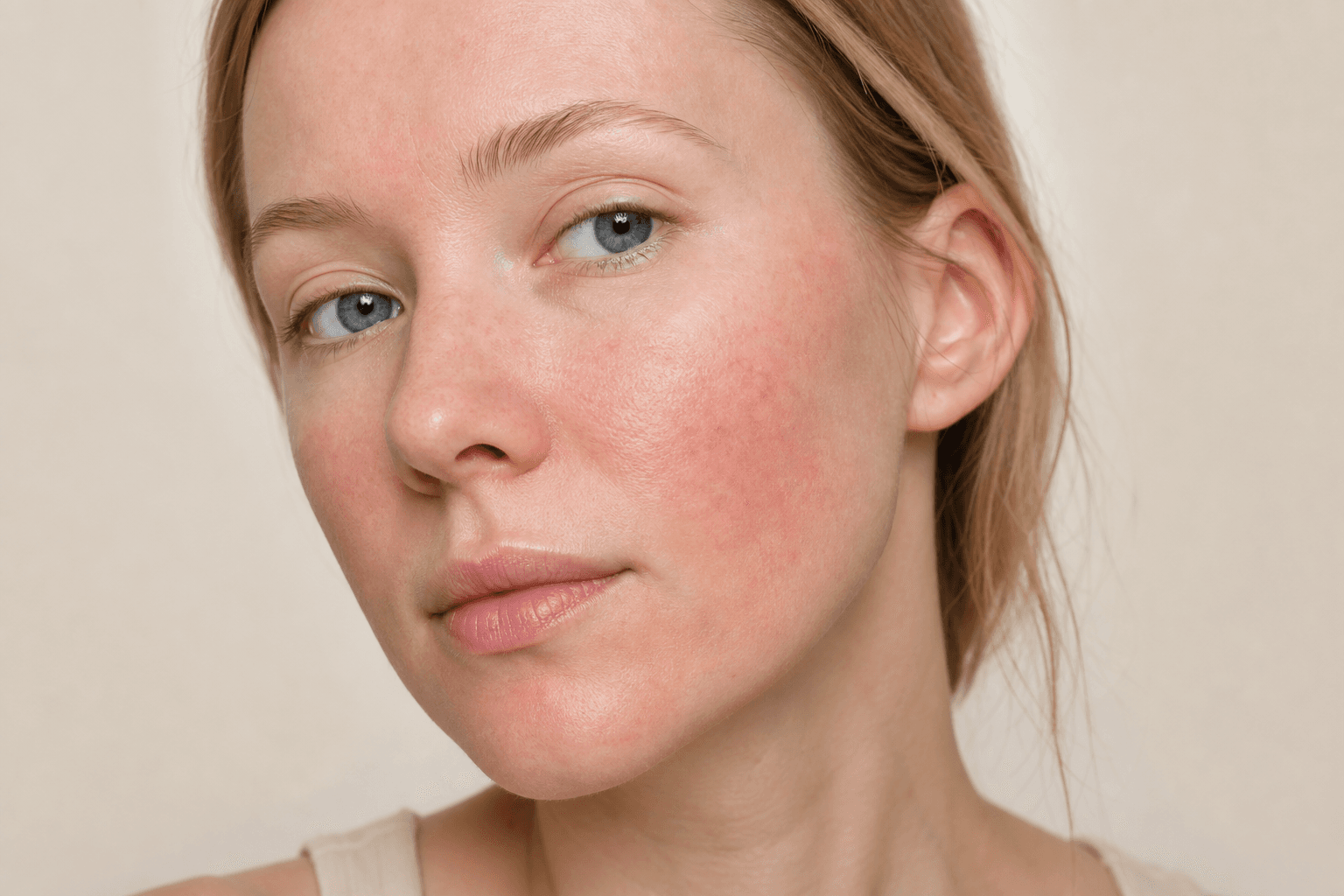
Azelaic acid can help papulopustular rosacea - the type with acne-like red bumps and pustules - and may also improve some redness.
Two randomized phase III studies of 15% azelaic acid gel found greater reductions in inflammatory lesion counts than vehicle gel, with improvement in erythema as well[1]. That is meaningful evidence.
It does not mean every redness-prone face should apply it twice daily tomorrow morning.
Rosacea care still depends on phenotype, tolerability, and the signs in front of you. The National Rosacea Society management update[2] frames treatment around the features a person has: flushing, persistent redness, papules and pustules, visible vessels, thickening, or eye symptoms.
Translation: treat your skin, not the ingredient trend.
What azelaic acid is best at
Azelaic acid is most useful when rosacea includes:
- red bumps
- pustules
- uneven redness
- sensitive, acne-like inflammation without blackheads
- post-blemish uneven tone alongside redness-prone skin
It is not a laser for visible vessels. It is not a cure for flushing. It is not a substitute for medical care if your eyes burn, your skin thickens, or the bumps keep spreading.
I like it because it sits in a rare middle ground: useful for blemish-prone skin, pigmentation-prone marks, and redness-prone bumps. Few ingredients can speak to all three without becoming ridiculous in the marketing department.
Why it can sting
Azelaic acid can feel tingly, itchy, hot, or stingy when the skin barrier is already irritated.
That does not always mean allergy. It often means the skin is overwhelmed.
The American Academy of Dermatology recommends rosacea-friendly skincare, gentle cleansing, daily moisturising, sunscreen, and testing products before applying them widely[3]. That advice sounds simple because it is. It also works because rosacea-prone skin often reacts to friction, heat, fragrance, strong actives, and too many changes at once.
Before adding azelaic acid, ask:
- Is my cleanser gentle?
- Does my moisturiser sting?
- Am I using scrubs, strong acids, retinoids, or vitamin C at the same time?
- Is sunscreen irritating me every morning?
- Is my face already burning before I apply treatment?
If the answer is yes, pause. Calm the routine first.
How I would start
Start like you are trying to keep a friendship, not win an argument.
Use a small amount at night, two or three times weekly. Apply it after cleansing and before or after moisturiser depending on how your skin tolerates it. If your face stings easily, moisturiser first can soften the landing.
Keep the rest boring:
- gentle cleanser
- moisturiser
- SPF in the morning
- no scrubs
- no extra exfoliating experiments
- no "while I am here, let me add retinol too" energy
If your skin stays comfortable for a few weeks, increase slowly. If burning, peeling, roughness, or more redness builds, reduce frequency or stop and ask a dermatologist.
Prescription vs over-the-counter
The strongest rosacea evidence is for prescription azelaic acid products, such as 15% gel or foam.
Over-the-counter azelaic acid products can still be useful, but they vary in strength, pH, texture, supporting ingredients, and how much they irritate. A gentle 10% formula may be easier to tolerate. A poorly designed formula can be annoying at any percentage.
Again, formula matters.
When to get medical help
Do not try to skincare your way through everything.
See a dermatologist if you have:
- eye burning, grittiness, swelling, or light sensitivity
- painful pustules
- thickening skin on the nose
- persistent redness that keeps worsening
- flushing that feels intense or unexplained
- symptoms that do not improve with a calm routine
Azelaic acid is a tool. Medical assessment is sometimes the better tool.
The practical takeaway
Azelaic acid is one of the better-supported ingredients for rosacea bumps, but it works best inside a calm routine.
If your skin is flaring, start with the rosacea flare reset guide. If you want the broader ingredient view, read best ingredients for rosacea and the full azelaic acid ingredient guide.
Useful skincare should make your skin less reactive, not make your bathroom counter look more impressive.
People also ask
Is azelaic acid good for rosacea?
It can be. Prescription-strength azelaic acid has clinical evidence for papulopustular rosacea, especially bumps and some redness. Burning or stinging means you should slow down or ask a clinician.
Can azelaic acid make rosacea worse?
It can irritate some rosacea-prone skin, especially if the barrier is already stressed or if you start too often. Begin slowly and keep the rest of the routine gentle.
Should I use azelaic acid every day for rosacea?
Some people tolerate daily use, but rosacea-prone skin often does better with a slow start. Comfort matters more than forcing a fixed schedule.
Is over-the-counter azelaic acid the same as prescription azelaic acid?
No. Prescription products are studied and regulated differently. Over-the-counter formulas can still be useful, but they are not identical to 15% prescription gel or foam.
The simple routine I would put around azelaic acid
Azelaic acid works best when the rest of the routine stops irritating the skin. Over the last 15 years, I have helped more than 100,000 people with problem skin, and the pattern is boring in the best way: treatment behaves better when cleansing, moisturising, and sunscreen are steady. The Danish Skin Care Kit gives you that base, while Optimizer can be the active step when your skin is ready.

A steady base routine for rosacea-prone skin: gentle cleansing, moisturising support, daily SPF, and a place for treatment without turning the whole routine into an experiment.
Full transparency: Danish Skin Care is my own company — I formulated these products and earn from every sale. That's exactly why I only recommend them where they genuinely fit the guide you just read.
Real results from simple routines
A few real before-and-after cases from people using Danish Skin Care for skin concerns related to this guide. No filters, no miracle promise. Consistent skincare over time.
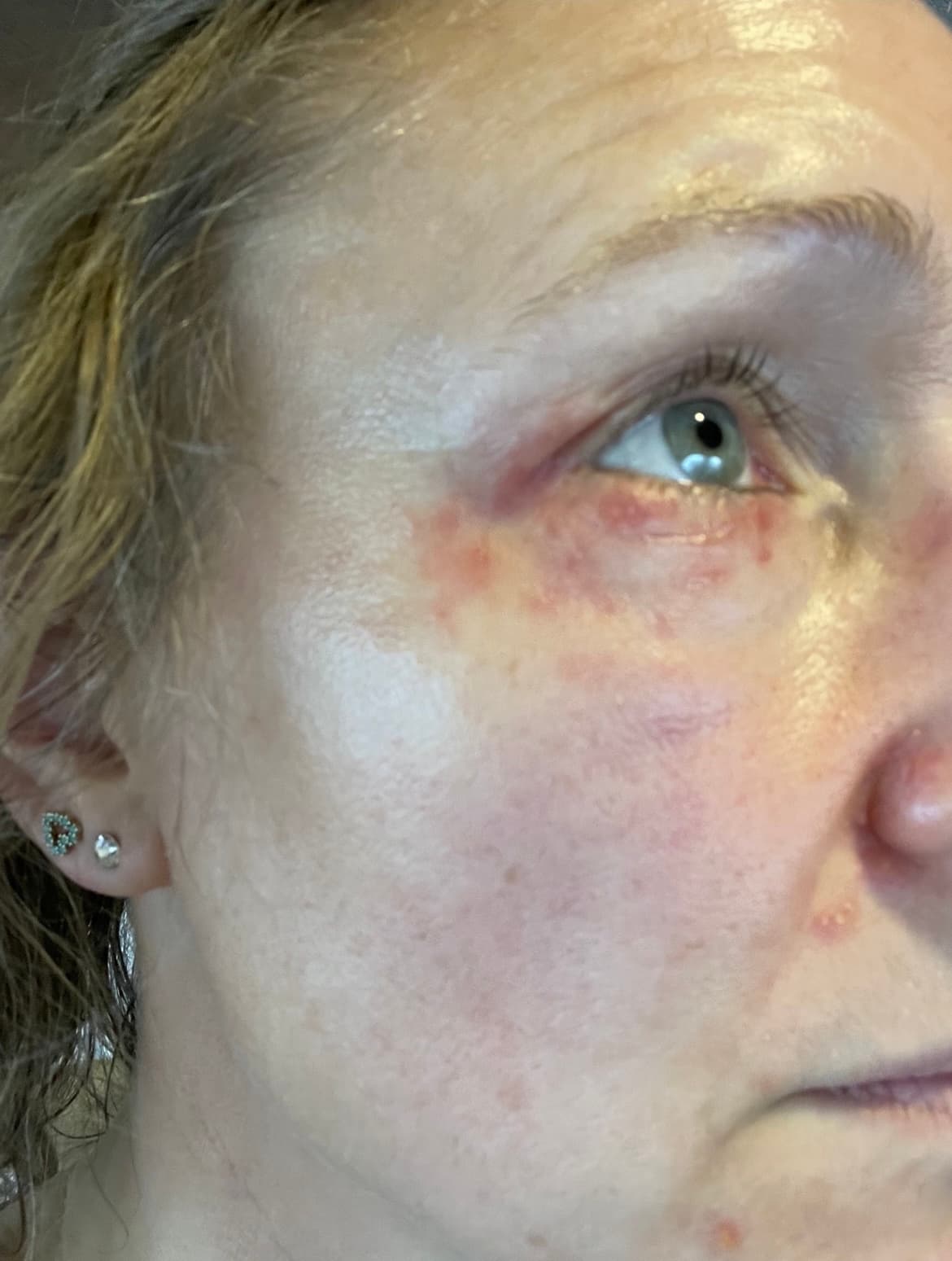 Before
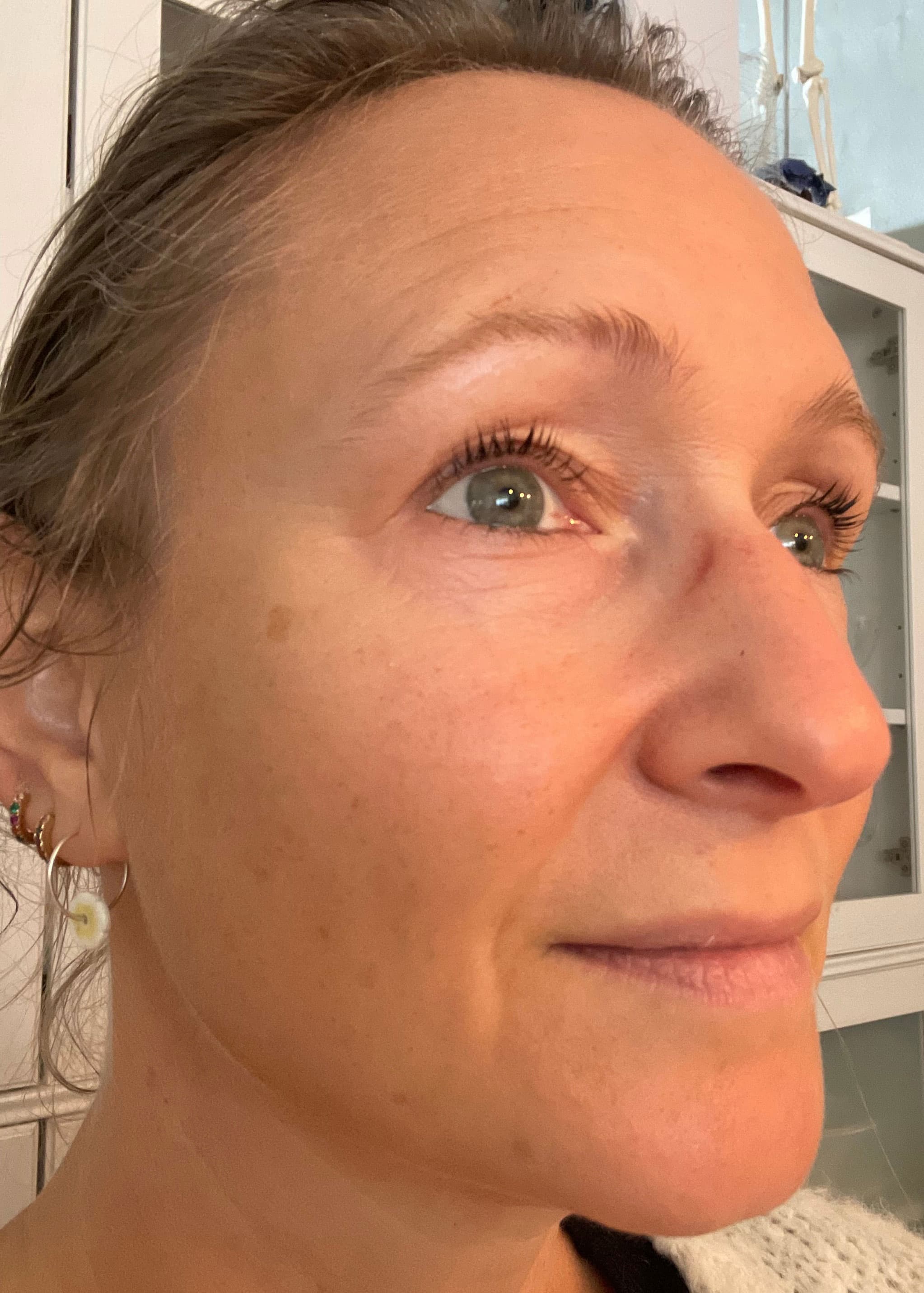 After
After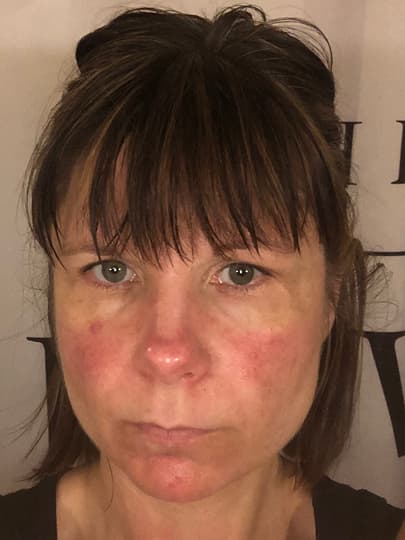 Before
 After
After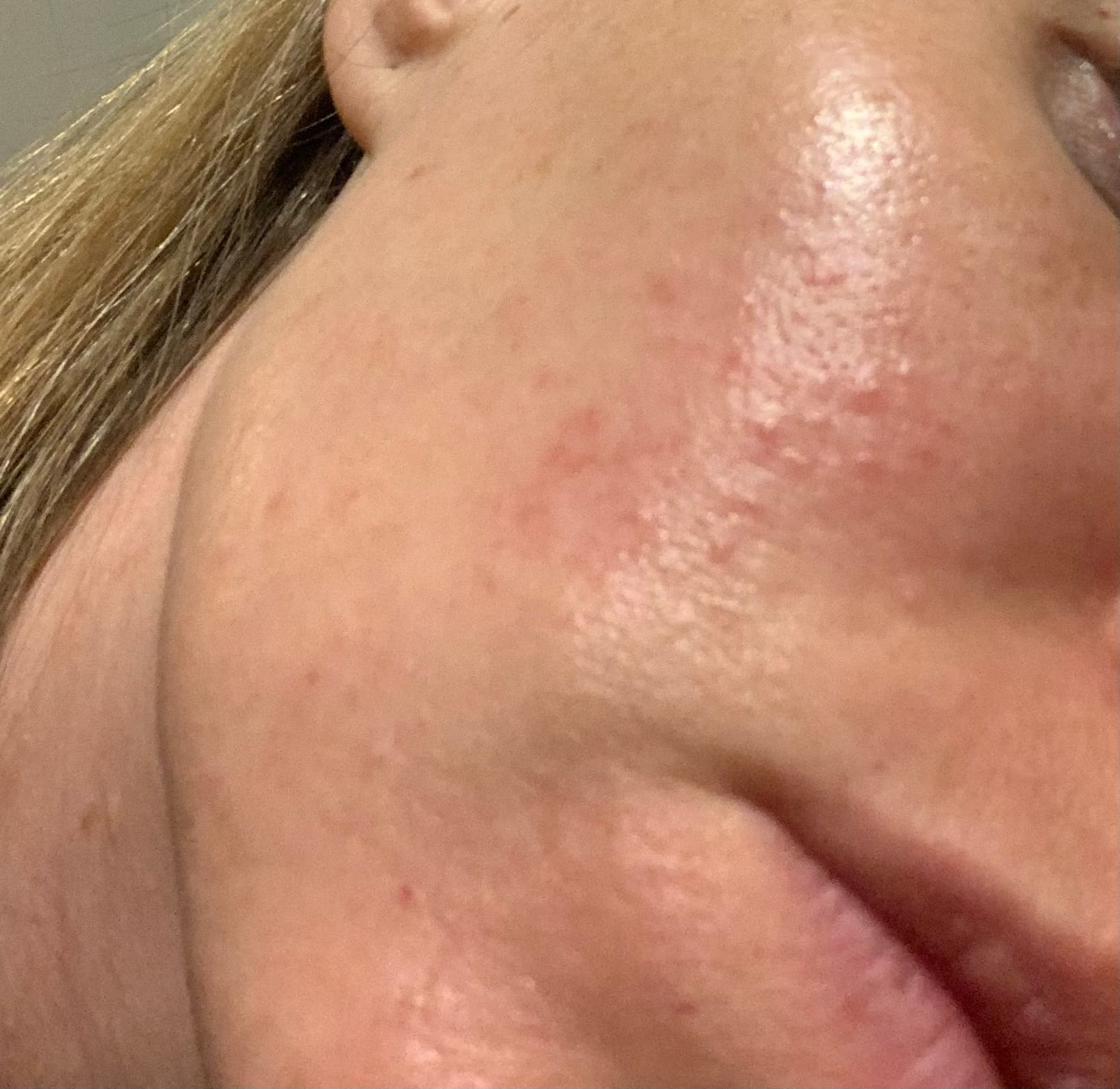 Before
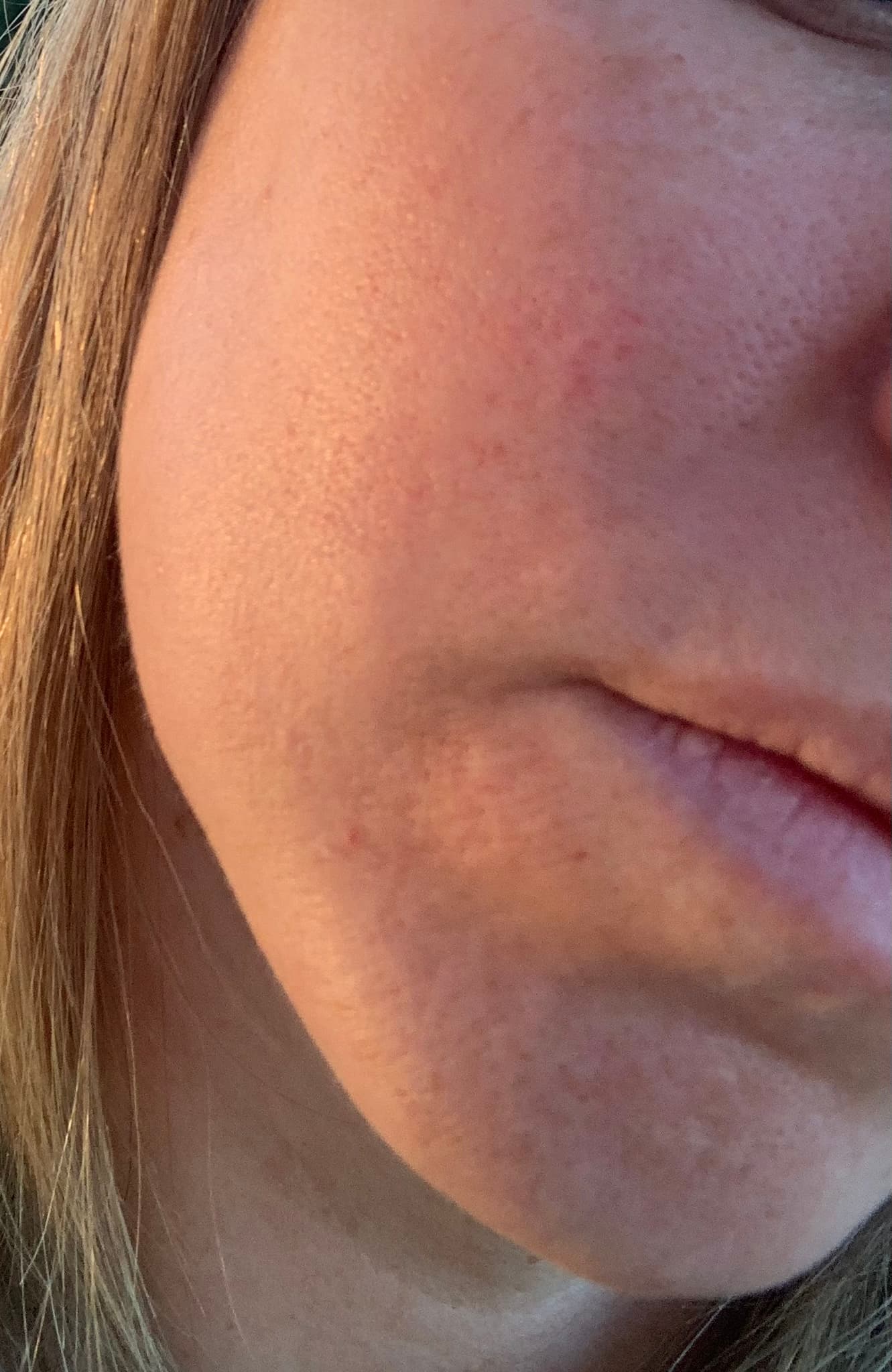 After
AfterKeep reading
- Ingredient · azelaic acid
- Ingredient · niacinamide
- Ingredient · sodium hyaluronate
- Ingredient · panthenol
- Ingredient · allantoin
- Condition · rosacea
- Condition · sensitive skin
- Condition · perioral dermatitis
- Read · how to calm rosacea flare
- Read · best ingredients for rosacea
- Read · rosacea skincare routine
- Read · rosacea symptoms
- Read · rosacea acne
Citations
- Thiboutot D, Thieroff-Ekerdt R, Graupe K. Efficacy and safety of azelaic acid (15%) gel as a new treatment for papulopustular rosacea: results from two vehicle-controlled, randomized phase III studies. J Am Acad Dermatol. 2003;48(6):836-845.PMID 12789172
- Thiboutot D, et al. Standard management options for rosacea: The 2019 update by the National Rosacea Society Expert Committee. J Am Acad Dermatol. 2020;82(6):1501-1510.PMID 32035944
- American Academy of Dermatology Association. 7 rosacea skin care tips.AAD