
Niacinamide for rosacea: benefits, irritation, and how to use it
Niacinamide can support the skin barrier and comfort in rosacea-prone routines, but it is not a redness cure. Here is how to use it without irritating sensitive skin.
On this page
Niacinamide is one of those ingredients that skincare people love so much they almost make it suspicious.
Barrier support. Oil balance. Uneven tone. Redness-prone skin. Acne routines. It gets invited everywhere.
I understand the enthusiasm. I also understand the reader who thinks: if it does all that, why did this serum make my face hot?
Both can be true.
Is niacinamide good for rosacea?
Niacinamide can be useful for rosacea-prone skin because it can support barrier function and moisturiser tolerance.
A 2005 study of a niacinamide-containing facial moisturiser in subjects with rosacea found improved stratum corneum barrier function and hydration, with investigator and self-assessment improvements in signs and symptoms over four weeks[1].
That is encouraging.
It does not make niacinamide a rosacea cure. It makes it a sensible support ingredient when the formula is kind to sensitive skin.
Why the barrier matters in rosacea
Rosacea-prone skin often behaves like it has a shorter fuse.
Heat, sun, alcohol, spicy food, stress, fragrance, scrubbing, and strong actives can all feel louder than they should. When the skin barrier is stressed, even normal products can sting.
A 2023 review describes the skin barrier as physical, chemical, microbiologic, and immunologic layers, and explains that moisturisers can support barrier function through humectants, emollients, occlusives, and pH-related effects[2].
In normal-person language: comfortable skin needs more than one famous ingredient. It needs a routine that stops irritating it every morning.
What niacinamide can realistically do
Niacinamide may help rosacea-prone routines by supporting:
- barrier comfort
- hydration
- reduced dryness
- better tolerance of treatment steps
- a calmer-looking routine over time
That last phrase is deliberate: over time.
Niacinamide is not the ingredient you apply at 8:03 and admire at 8:14. Barrier support is quiet work.
Can niacinamide irritate rosacea?
If niacinamide irritates you, do not assume your skin is broken.
The issue may be:
- a high percentage
- low pH or a sharp-feeling formula
- fragrance
- too many actives in the same product
- applying it to already-flaring skin
- using it alongside exfoliants or retinoids too soon
The AAD recommends choosing rosacea-friendly products, testing skincare before applying it broadly, cleansing gently, moisturising daily, and protecting from the sun[3]. That advice matters more than owning a niacinamide serum.
How I would use it
For rosacea-prone skin, I prefer niacinamide in a moisturiser or calm treatment formula rather than a dramatic high-strength serum.
Try this:
- Keep cleanser, moisturiser, and sunscreen stable for one week.
- Add niacinamide only once daily or every other day at first.
- Do not add a new exfoliant, retinoid, and azelaic acid in the same week.
- Watch for repeated burning, flushing, roughness, or new irritation.
- If it behaves, continue. If it argues, stop.
Skincare should not feel like forcing a cat into a travel bag.
Niacinamide and azelaic acid together
Niacinamide and azelaic acid can make sense together for redness-prone, blemish-prone skin.
Niacinamide supports the barrier. Azelaic acid has stronger evidence for papulopustular rosacea treatment. Together, in the right formula, they can be a practical pair.
But pairing does not mean layering five products.
If you want azelaic acid context, read azelaic acid for rosacea. If you are actively flaring, start with how to calm a rosacea flare.
The practical takeaway
Niacinamide is a good ingredient for many rosacea-prone routines, especially when dryness, stinging, and barrier stress are part of the story.
Choose the formula, not the hype. A calm 2-5% product you tolerate is usually more useful than an impressive percentage that makes your cheeks feel like central heating.
People also ask
Is niacinamide good for rosacea?
It can be helpful as barrier support, especially in a gentle moisturiser. It is not a cure for rosacea, and formula strength matters.
Can niacinamide irritate rosacea?
Yes, some formulas can sting or flush sensitive skin, especially high-strength serums or products with other irritating ingredients. Use a calm formula and start slowly.
What percentage of niacinamide is best for rosacea?
There is no perfect percentage for everyone. Rosacea-prone skin often does better with moderate, well-formulated niacinamide than with chasing the highest number.
Can I use niacinamide with azelaic acid?
Many people can, and the pair can make sense for redness-prone, blemish-prone skin. Start slowly and keep the rest of the routine gentle.
The routine I would keep around niacinamide
Niacinamide is most useful when the rest of the routine respects the barrier. The Danish Skin Care Kit is the steady base I built after helping more than 100,000 people with problem skin: cleanse gently, support the skin, protect in daylight, and avoid turning one helpful ingredient into five extra products.

A gentle base routine for redness-prone skin, with cleansing, moisturising, and SPF kept simple enough to repeat every day.
Full transparency: Danish Skin Care is my own company — I formulated these products and earn from every sale. That's exactly why I only recommend them where they genuinely fit the guide you just read.
Real results from simple routines
A few real before-and-after cases from people using Danish Skin Care for skin concerns related to this guide. No filters, no miracle promise. Consistent skincare over time.
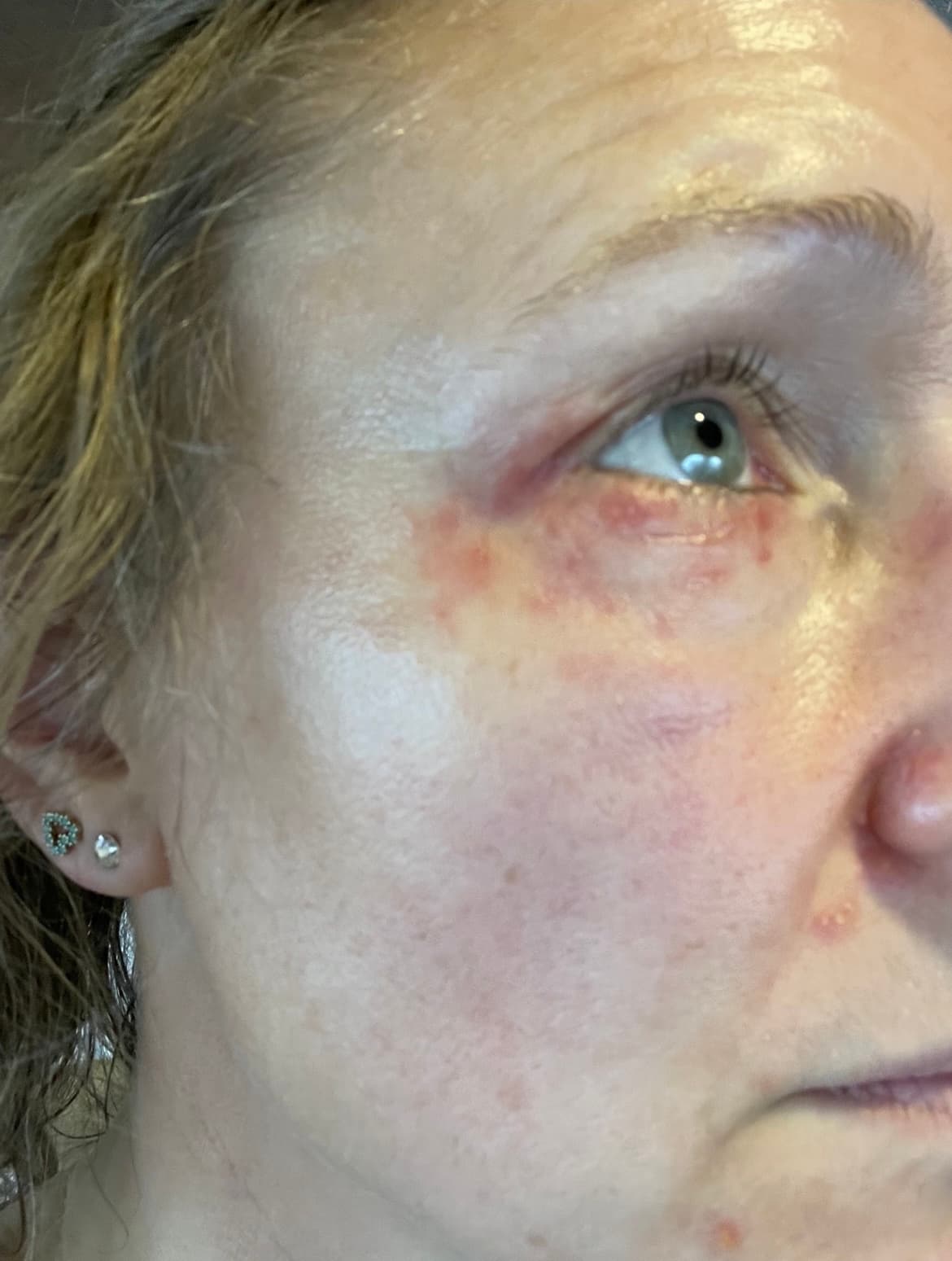 Before
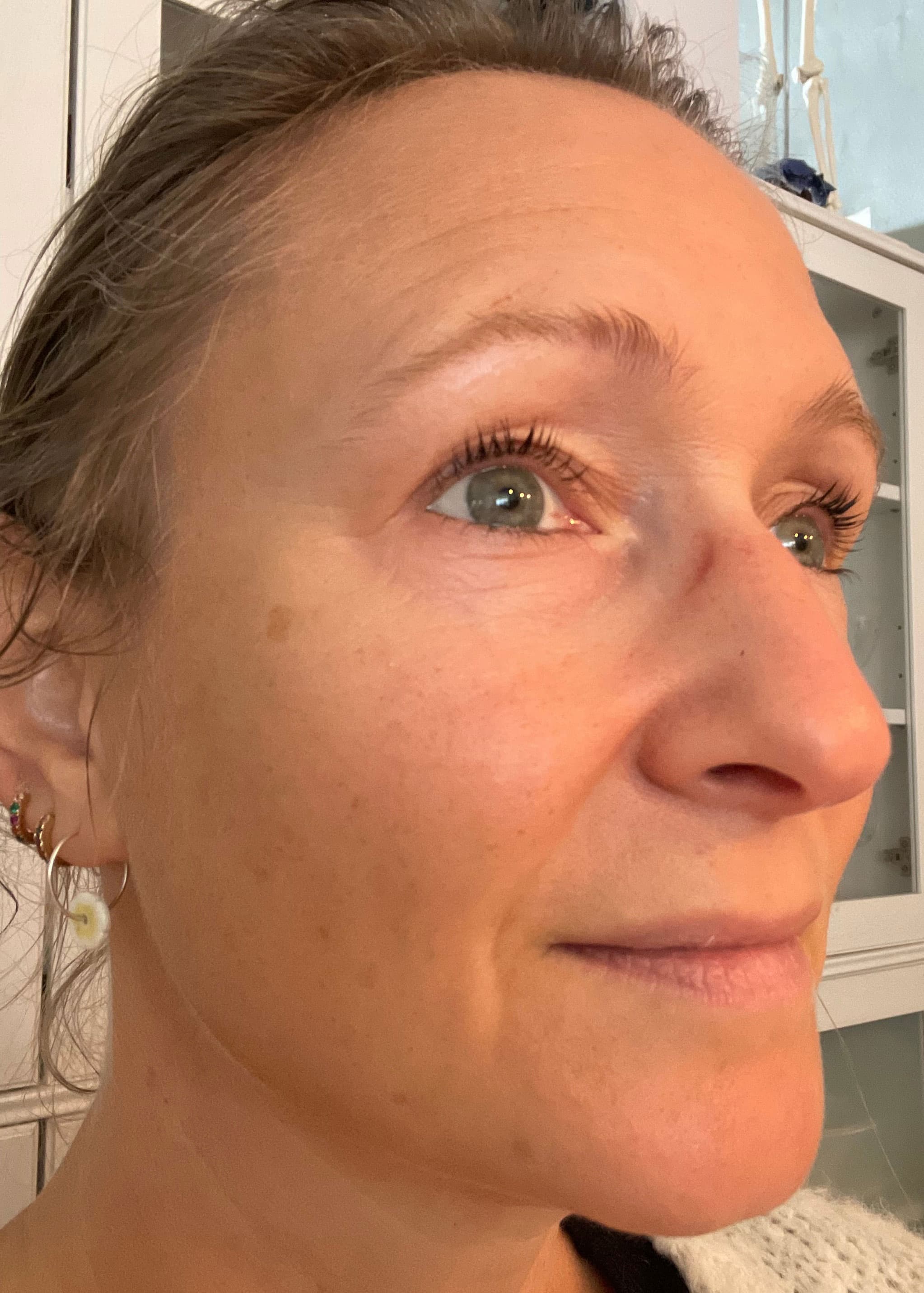 After
After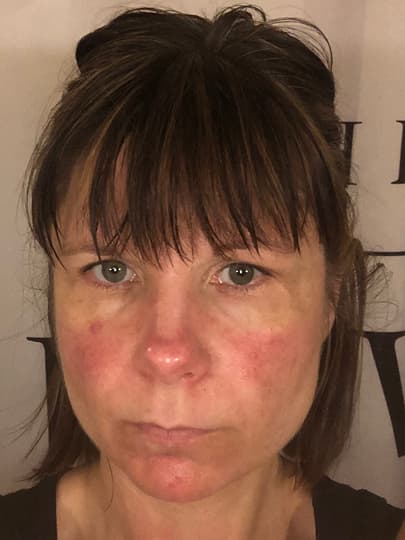 Before
 After
After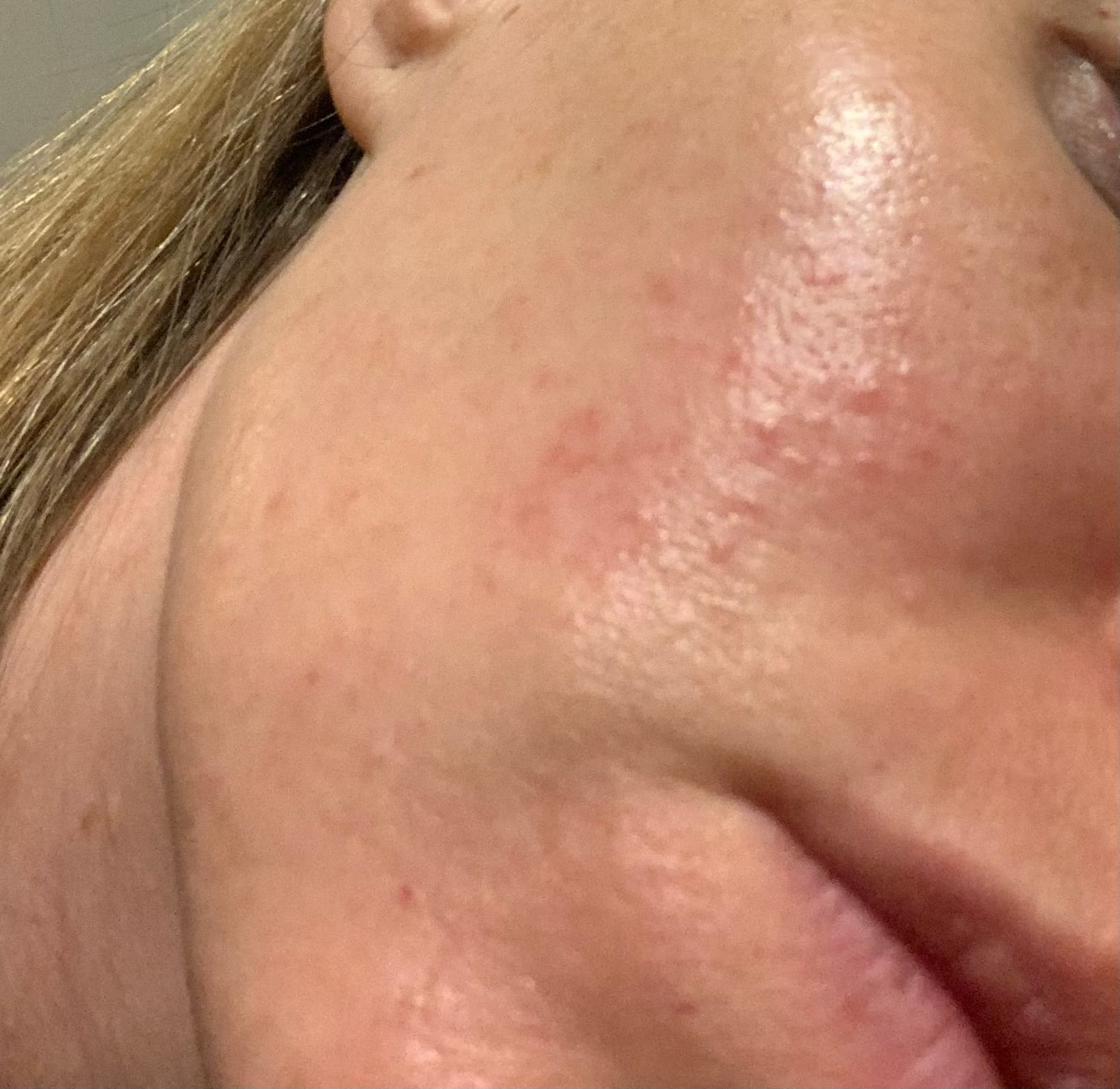 Before
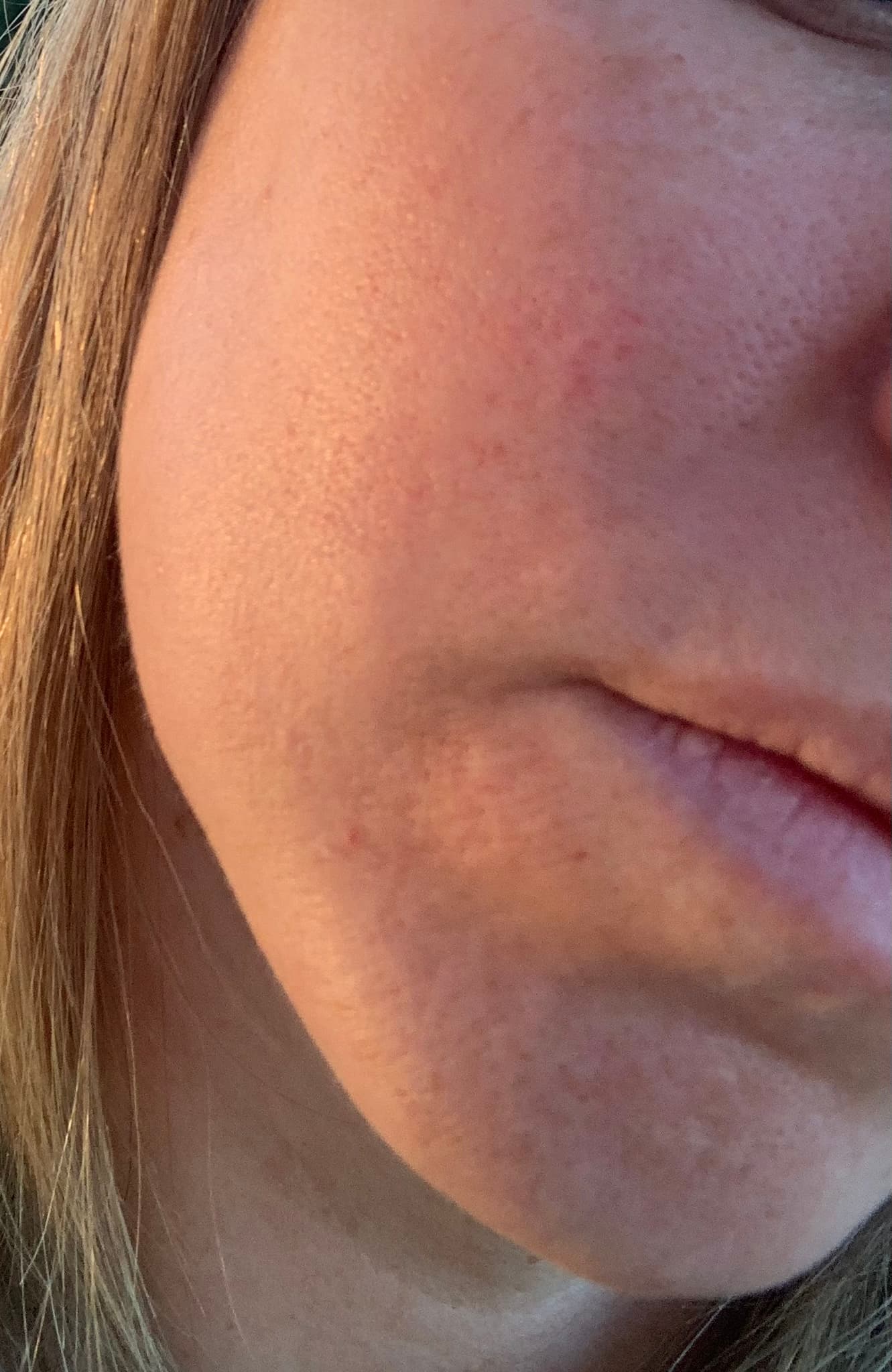 After
AfterKeep reading
- Ingredient · niacinamide
- Ingredient · azelaic acid
- Ingredient · glycerin
- Ingredient · sodium hyaluronate
- Ingredient · panthenol
- Condition · rosacea
- Condition · sensitive skin
- Condition · dry skin
- Read · azelaic acid for rosacea
- Read · best ingredients for rosacea
- Read · rosacea skincare routine
- Read · how to calm rosacea flare
- Read · best sunscreen for rosacea
Citations
- Draelos ZD, Ertel K, Berge C. Niacinamide-containing facial moisturizer improves skin barrier and benefits subjects with rosacea. Cutis. 2005;76(2):135-141.PMID 16209160
- The Skin Barrier and Moisturization: Function, Disruption, and Mechanisms of Repair. Skin Pharmacol Physiol. 2023.PMID 37717558
- American Academy of Dermatology Association. 7 rosacea skin care tips.AAD