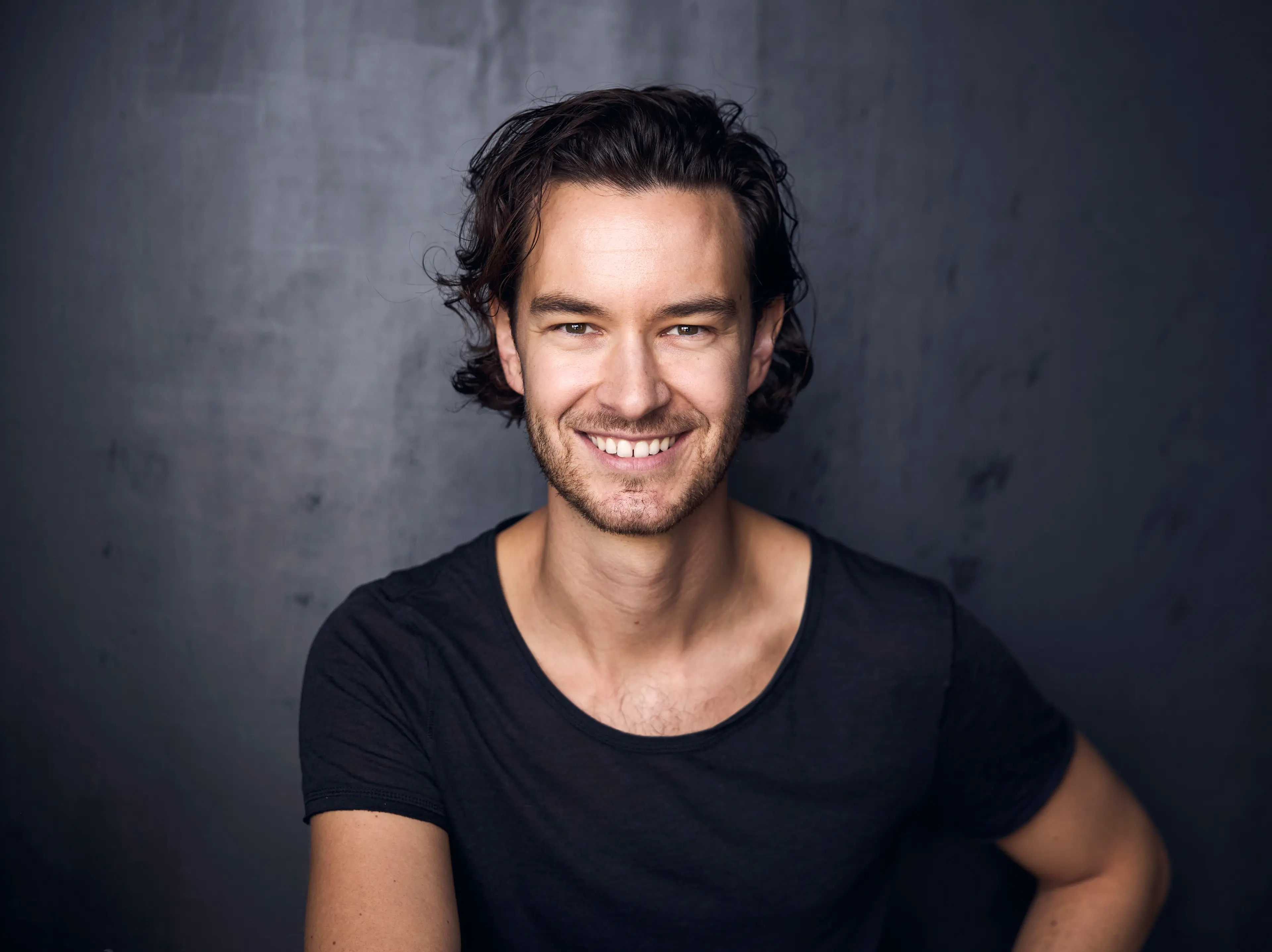
How to calm a rosacea flare without making it angrier
A rosacea flare can feel hot, tight, burning, and unpredictable. Here is a calm reset plan for the first 48 hours, what to pause, and when to get medical help.
On this page
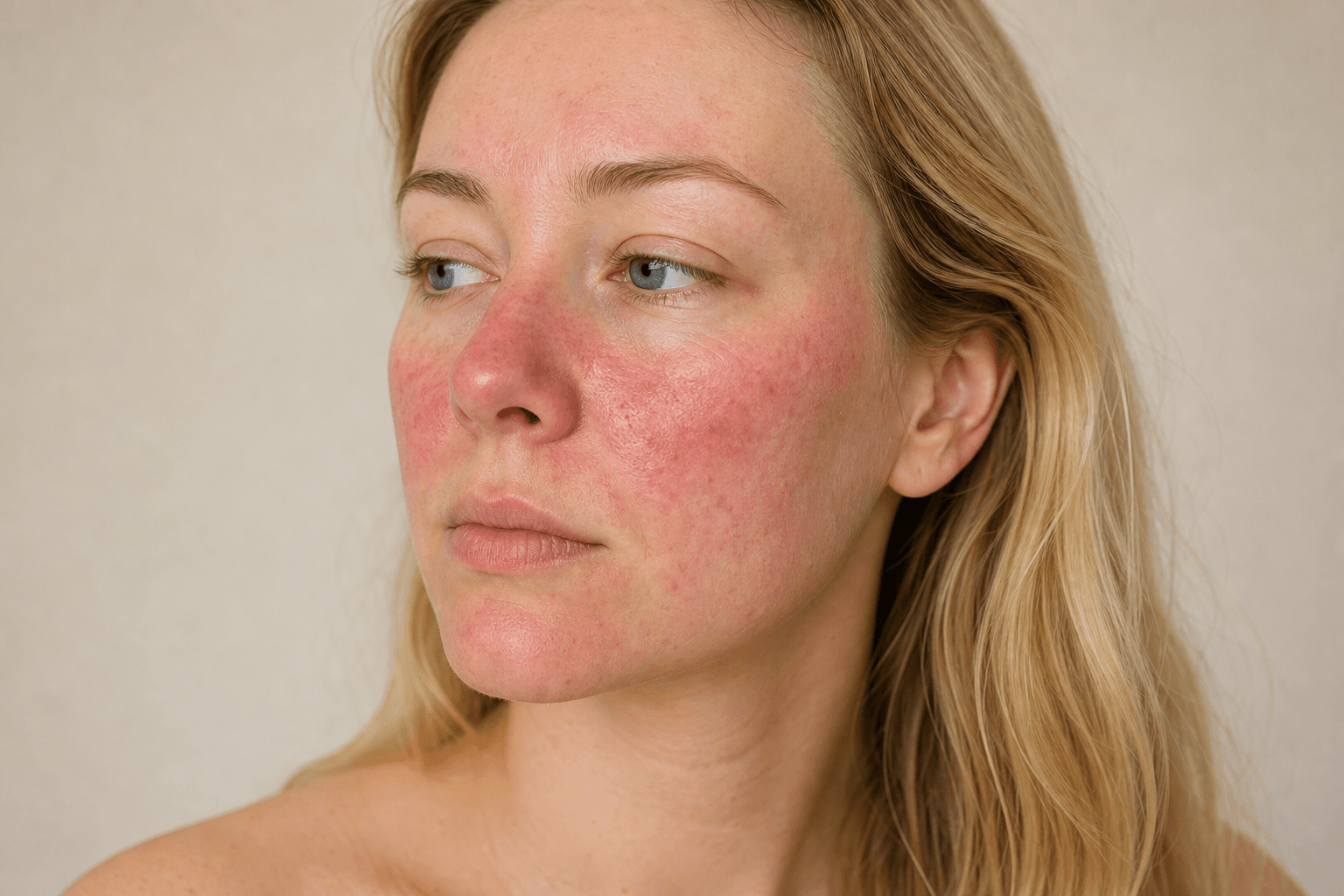
A rosacea flare has a special talent for making you feel like your face has joined a meeting you did not schedule.
Hot cheeks. Burning. Stinging. Tightness. Redness that will not take a hint. Sometimes bumps. Sometimes the feeling that even water has developed opinions.
The normal human instinct is to fix it immediately.
And that is where many people make the flare worse.
I have not had rosacea as my own diagnosis, so I will not pretend this is my personal face story. My own skin history is acne, oil, dehydration, and irritation. But reactive skin keeps teaching the same lesson in customers and readers:
When the skin is hot, do less first.
Not forever. Just long enough for the skin to stop shouting.
The short answer
To calm a rosacea flare, start with a simple 48-hour reset:
- Move away from the trigger if you know it: sun, heat, alcohol, spicy food, exercise heat, stress, hot shower, or a new product.
- Cool the skin gently with lukewarm water or a cool soft cloth for short intervals.
- Pause irritating actives: scrubs, exfoliating acids, retinoids, benzoyl peroxide, strong vitamin C, fragrance-heavy products, and anything that burns.
- Use a mild cleanser only if needed.
- Apply a simple moisturiser to support the barrier.
- Use gentle broad-spectrum SPF in the daytime, especially if sunlight is part of your flare pattern.
- Get medical help if symptoms are persistent, painful, unusual, or involve the eyes.
The 2019 National Rosacea Society management update[1] treats rosacea care as phenotype-based, which is a very medical way of saying: treat the signs in front of you. A hot flushing flare, pustules, visible vessels, and eye symptoms do not all need the same response.
So the goal is not to win against rosacea in one dramatic evening.
The goal is to lower the irritation load.
First: get out of the heat loop
Many rosacea flares are heat loops.
The face gets warm. Blood vessels dilate. The skin feels hotter. You feel stressed because the skin is hot. The stress adds more heat. Then someone says, "You look red," and now your nervous system would like to speak to a manager.
Start by removing the obvious heat signal:
- Get out of direct sun.
- Move away from the radiator, sauna, hot kitchen, or steamy bathroom.
- Stop the workout if your face is escalating quickly.
- Switch from hot water to lukewarm water.
- Sip something cool if hot drinks are part of your pattern.
- Let the face cool before applying more products.
This is not glamorous skincare. It is basic physiology.
If heat is driving the flare, another serum is not the first tool. Cooling the environment is.
Use cool, not cold
A cool compress can help the face feel less hot.
Use a soft clean cloth dampened with cool water. Hold it gently to the skin for a few minutes. Take a break. Repeat if it feels good.
Do not use ice directly on rosacea-prone skin.
Ice can feel satisfying for about 12 seconds, but extreme cold can irritate reactive skin and create another temperature shock. Rosacea-prone skin generally does not love dramatic weather, even when the weather is happening from your freezer.
Cool is calm.
Frozen is a negotiation.
Stop the products that are arguing with your face
During an active flare, pause anything that is likely to sting, strip, exfoliate, or accelerate turnover.
That usually means:
- Scrubs and cleansing brushes.
- Glycolic acid, lactic acid, strong acid toners, and peels.
- Retinoids if they are currently stinging or drying you out.
- Benzoyl peroxide if it is making the face hot or tight.
- Strong vitamin C formulas.
- Fragrance-heavy skincare.
- Essential oils.
- Alcohol-heavy toners.
- New products you started shortly before the flare.
The American Academy of Dermatology's rosacea skincare guidance[2] is very practical here: choose gentle products, avoid common irritants such as fragrance and alcohol, cleanse with fingertips instead of scrubbing, moisturise, protect from sun, and stop exfoliating if it irritates the skin.
That advice is not exciting.
It is useful, which is better.
Do not cleanse like the flare is dirt
A rosacea flare is not dirty skin.
It is inflamed, reactive, overheated, or barrier-stressed skin. Sometimes all of those at once, because skin enjoys multitasking.
If you need to cleanse, use a mild cleanser and lukewarm water. Use fingertips. Rinse thoroughly. Pat dry. No washcloth friction. No double-cleansing marathon. No "squeaky clean" finish.
If your skin is so reactive that even cleanser burns, it is reasonable to skip cleanser for a morning or use only lukewarm water, especially if you did not wear heavy sunscreen or makeup. The point is to remove what needs removing without turning the flare into a friction project.
Moisturise like you are repairing a fence
Rosacea-prone skin often feels tight, dry, rough, or stinging during and after a flare. That does not always mean the skin lacks oil. It often means the barrier is not comfortable.
A good moisturiser helps reduce water loss and makes the skin feel less exposed.
Keep it boring:
- Fragrance-free.
- Comfortable texture.
- No sting.
- No strong acids.
- No "tingle means it works" nonsense.
A 2005 randomized controlled study[3] found that a niacinamide-containing facial moisturiser improved barrier measures and benefited subjects with rosacea. That does not mean niacinamide is magic, or that every niacinamide product is gentle. It means barrier-supportive moisturising is not cosmetic decoration. It can be part of good rosacea care.
If even moisturiser stings, wait until the skin is fully dry after rinsing, use a smaller amount, and choose the simplest formula you tolerate. Wet, hot, inflamed skin can make normal products feel much spicier.
Use sunscreen, but do not turn SPF into a punishment
Sun exposure is one of the most useful rosacea triggers to control.
The AAD's trigger guidance[4] recommends tracking triggers because rosacea flare drivers vary from person to person. Sun and heat are common enough that I would treat daily SPF as one of the basic habits for redness-prone skin.
But there is a nuance.
If your sunscreen burns during a flare, do not solve that by buying five new sunscreens and testing them all on the same angry Tuesday. Use shade, a hat, and physical sun avoidance while the skin calms. Then patch-test a gentler sunscreen and reintroduce carefully; the guide to sunscreen for rosacea walks through mineral, hybrid, tinted, and stinging-prone formulas calmly.
Many rosacea-prone people prefer mineral or hybrid formulas. Some prefer chemical filters because mineral formulas can feel heavy or drying. The best sunscreen is the one your actual skin will wear consistently without drama.
The face gets a vote.
Should you use azelaic acid during a flare?
Azelaic acid is one of the more evidence-supported ingredients for rosacea, especially papules, pustules, and redness-prone uneven texture.
Two randomized phase III studies of 15% azelaic acid gel[5] found benefit for papulopustular rosacea compared with vehicle. The National Rosacea Society management update[1] also includes azelaic acid among standard topical options for appropriate rosacea signs. For the calmer ingredient hierarchy after the flare cools down, see the guide to the best ingredients for rosacea.
But that does not mean "put azelaic acid on every burning flare immediately."
Here is the practical version:
- If you already use azelaic acid comfortably, you may be able to continue.
- If it stings, burns, or makes the flare hotter, pause it.
- If you are new to azelaic acid, do not introduce it in the middle of an active burning flare.
- Restart slowly after several calm days.
Useful ingredients still need timing.
What about niacinamide?
Niacinamide can be helpful for barrier support, visible redness, uneven tone, and general skin comfort when the formula is well tolerated.
The key phrase is well tolerated.
Niacinamide itself is often gentle, but not every niacinamide serum is gentle. Some formulas are strong, sticky, fragranced, acidic, or paired with other ingredients your skin dislikes.
During a flare, I would rather see niacinamide inside a comfortable moisturiser or simple routine than as one more ambitious serum layered onto hot skin.
Skin that is burning does not need a 10-step ingredient lecture.
It needs peace and a moisturiser that does not start a fight.
The 48-hour rosacea flare reset
Here is the routine I would use for the first two days.
Morning
- Rinse with lukewarm water or use a mild cleanser if needed.
- Pat dry gently.
- Wait a few minutes if products usually sting on damp skin.
- Apply a simple moisturiser.
- Apply gentle SPF if you are going outside or sitting near bright exposure.
- Use shade, hat, and sunglasses if sun or heat is a trigger.
During the day
- Avoid overheating.
- Use a cool soft cloth for short intervals if the face feels hot.
- Do not keep touching or checking the skin.
- Skip makeup if removing it later will require rubbing.
- Drink water, eat normally, and avoid the trigger only if it is obvious.
That last line matters. Do not turn one flare into a complete lifestyle audit before dinner.
Evening
- Cleanse gently if you wore SPF, makeup, or heavy product.
- Pat dry.
- Apply moisturiser.
- Skip exfoliants, retinoids, scrubs, peels, and new treatments.
- Sleep in a cooler room if heat is part of your pattern.
Repeat for another day if needed.
If the skin is calmer after 48 hours, you can start reintroducing the routine slowly. If it is not calmer, or if it keeps flaring repeatedly, that is useful information too.
How to restart your normal routine
Do not restart everything the second your face looks less red.
That is how people end up in flare number two, also known as "the sequel nobody asked for."
Use this order:
- Keep cleanser, moisturiser, and SPF stable for several calm days.
- Reintroduce one active at a time.
- Use it less often than your confident brain wants to.
- Wait several days before adding the next active.
- Stop again if burning, heat, or tightness returns.
If azelaic acid is part of your routine, restart it slowly. If retinoids are part of your routine, be even more patient. If exfoliating acids are part of your routine, ask whether your rosacea-prone skin truly needs them right now.
Sometimes the best exfoliation schedule is "not this week."
For the calmer baseline after the flare settles, use the rosacea skincare routine instead of rebuilding from product panic.
When a flare is bigger than skincare
Please get individual medical advice if you have:
- Eye symptoms: gritty, painful, red, swollen, light-sensitive, or persistently dry eyes. Use the ocular rosacea symptoms guide for the eye-specific warning signs, but do not delay clinician care if symptoms are active.
- Painful swelling.
- Sudden unusual redness.
- Redness that is one-sided, spreading, or very different from your normal pattern.
- Persistent pustules or bumps.
- Thickening skin.
- Flares that keep returning despite gentle skincare and trigger control.
- Any uncertainty about whether this is rosacea, dermatitis, allergy, acne, infection, lupus, or another condition.
You are not being dramatic. You are choosing the right tool.
Skincare can support rosacea-prone skin. Dermatology can diagnose, prescribe, and treat the parts that skincare cannot responsibly guess at.
The bottom line
A rosacea flare is not the moment to become more aggressive.
It is the moment to become calmer than the flare.
Cool the skin gently. Remove the obvious trigger. Pause irritating actives. Moisturise. Protect from sun. Let the barrier settle. Then reintroduce useful ingredients slowly.
Your skin is not asking for a heroic rescue.
It is asking for fewer arguments.
People also ask
What is the fastest way to calm a rosacea flare?
Move away from heat, sun, or the obvious trigger; cool the skin gently with lukewarm water or a cool soft cloth; pause irritating actives; and use a simple moisturiser. Do not ice the face directly or add several new products at once.
Should I stop all active ingredients during a rosacea flare?
Usually yes for the irritating ones: exfoliating acids, scrubs, retinoids, benzoyl peroxide, strong vitamin C, fragrance-heavy products, and anything that stings. Reintroduce useful actives slowly only after the skin has been calm for several days.
Can azelaic acid help a rosacea flare?
Azelaic acid can help some rosacea symptoms, especially papules, pustules, and redness-prone uneven skin. But if your skin is actively burning or stinging, wait until the barrier is calmer before introducing or increasing it.
When should I see a dermatologist for a rosacea flare?
See a dermatologist or qualified clinician if flares are frequent, painful, suddenly unusual, involve persistent pustules, cause swelling, affect the eyes, or do not improve despite gentle skincare and trigger control.
The routine I would use while the flare cools down
When rosacea-prone skin is hot, burning, or stinging, I do not want the bathroom shelf to become a rescue mission. The Danish Skin Care Kit keeps the routine simple: gentle cleanse, moisturise, protect with SPF, and give the barrier fewer reasons to complain.

The calm base routine I would return to during and after a flare: gentle cleansing, barrier support, and daily SPF without turning a hot face into a product experiment.
Full transparency: Danish Skin Care is my own company — I formulated these products and earn from every sale. That's exactly why I only recommend them where they genuinely fit the guide you just read.
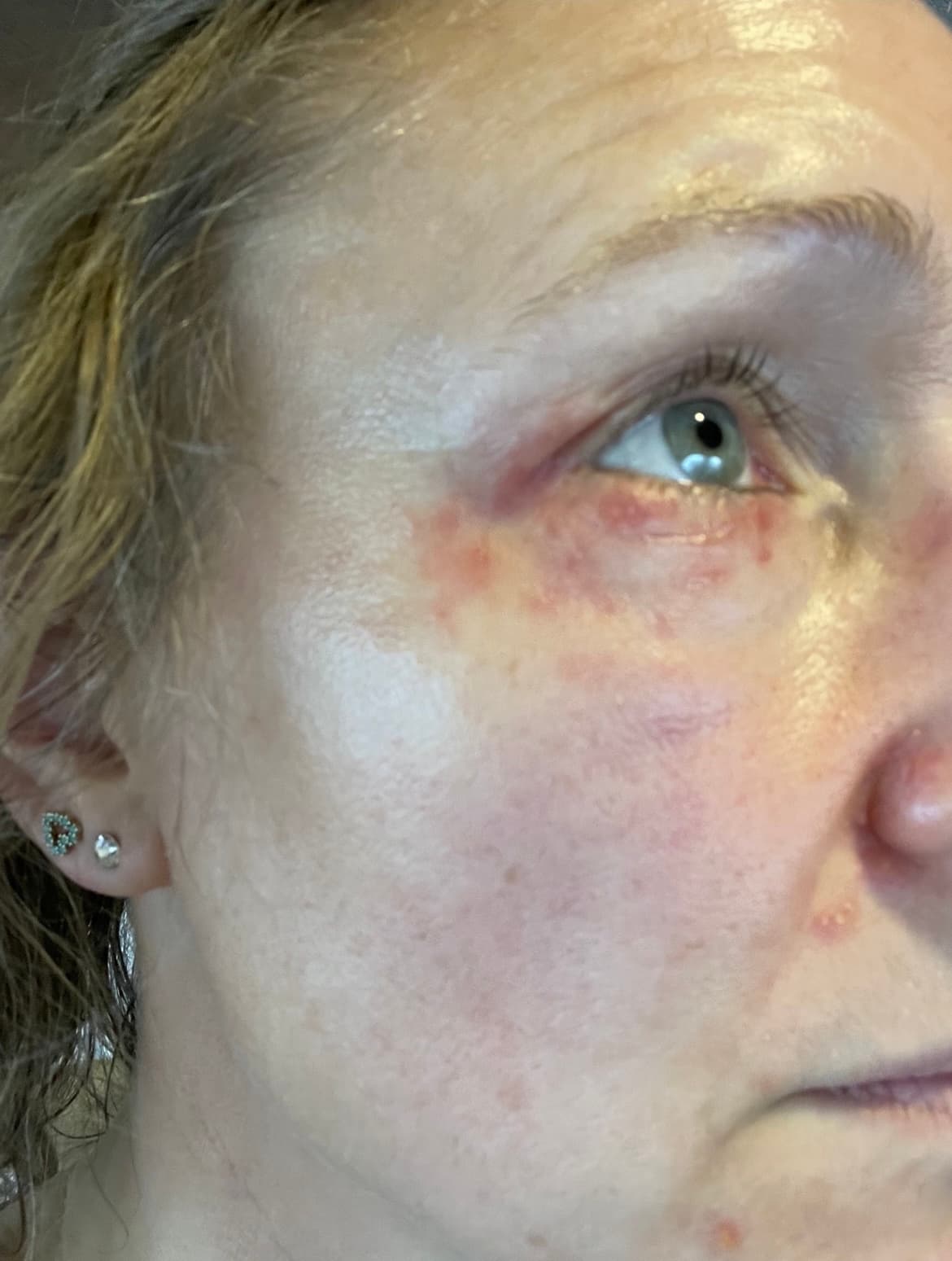
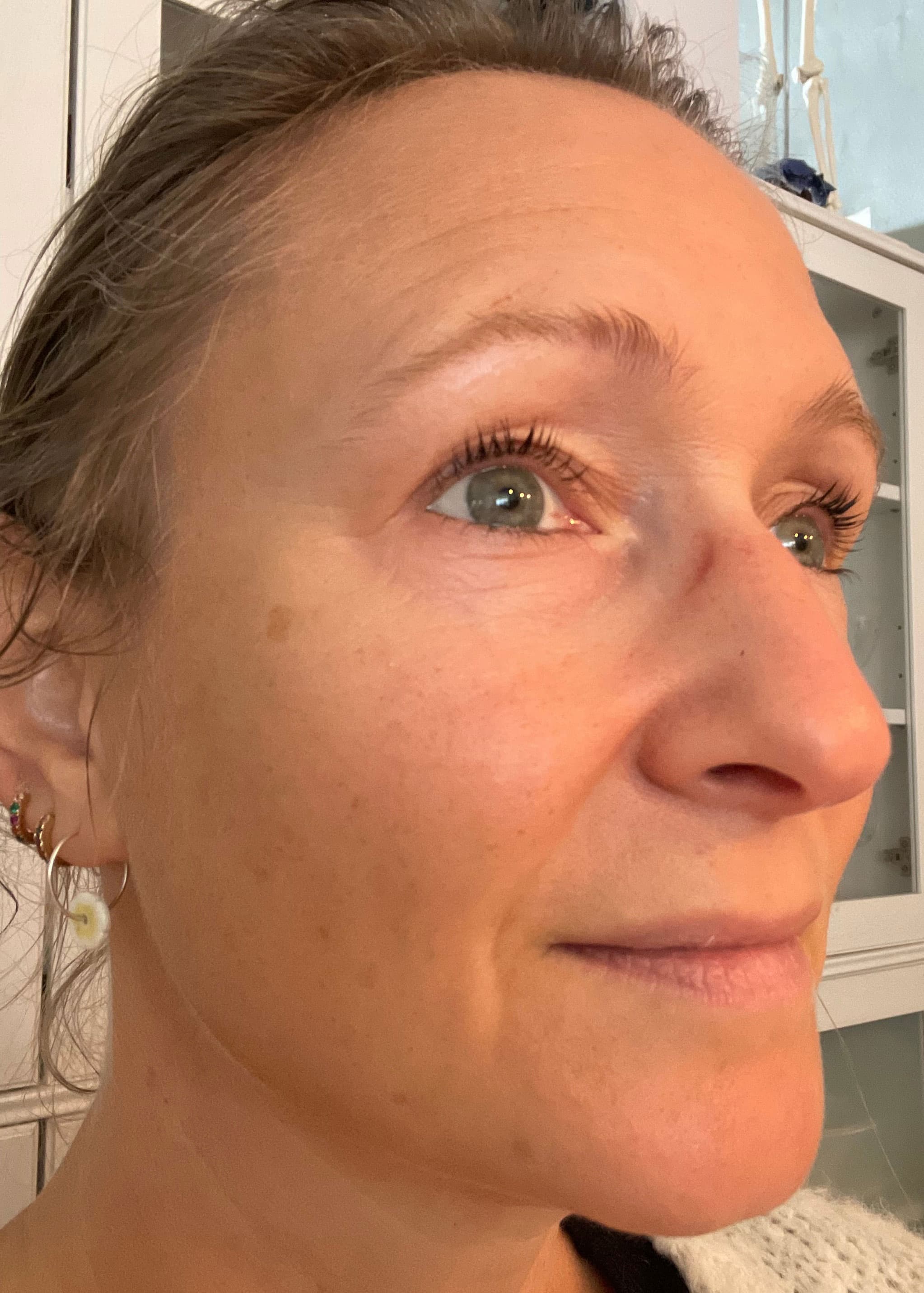
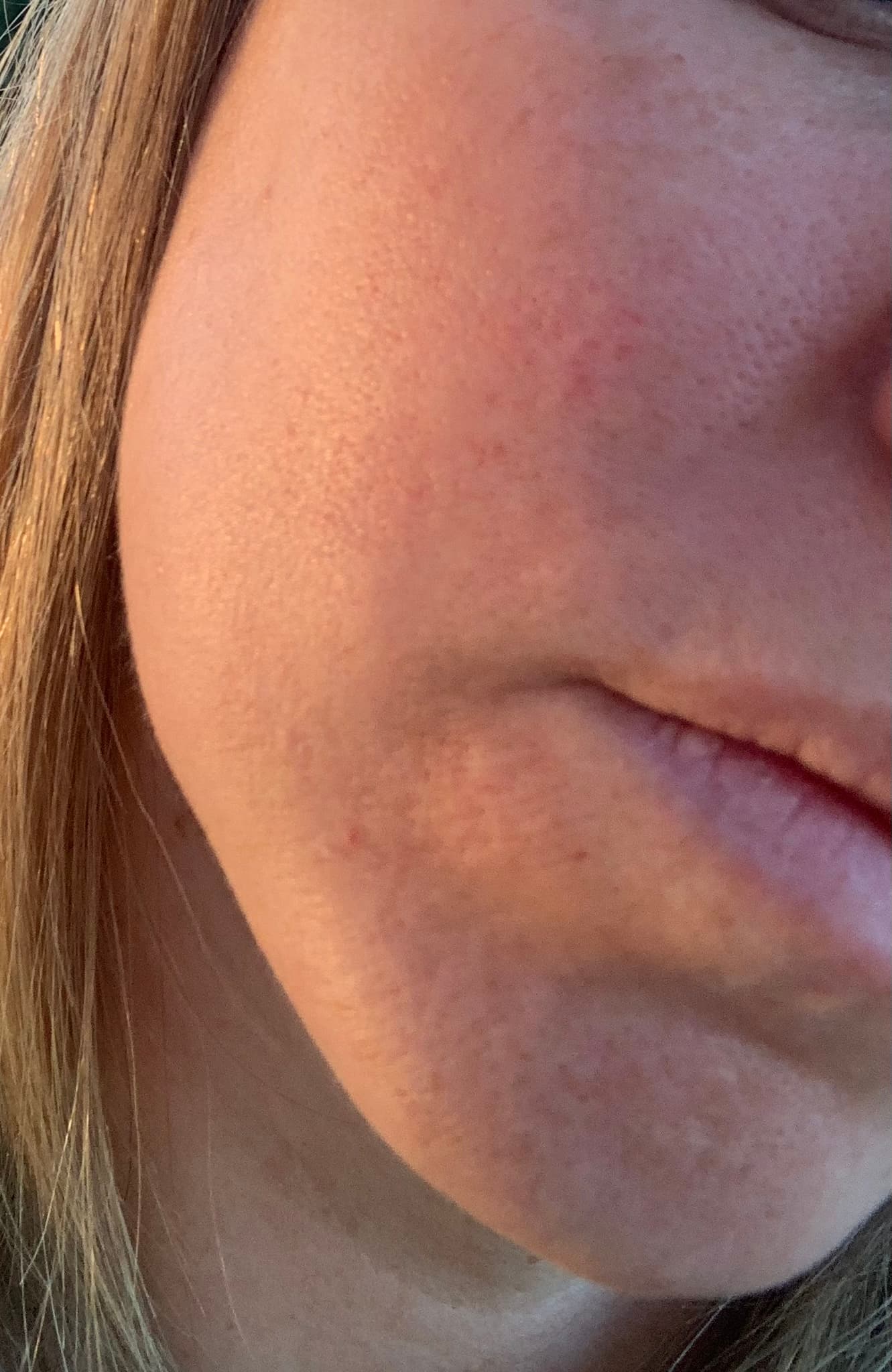
Real results from simple routines
A few real before-and-after cases from people using Danish Skin Care for skin concerns related to this guide. No filters, no miracle promise. Consistent skincare over time.
 Before
 After
After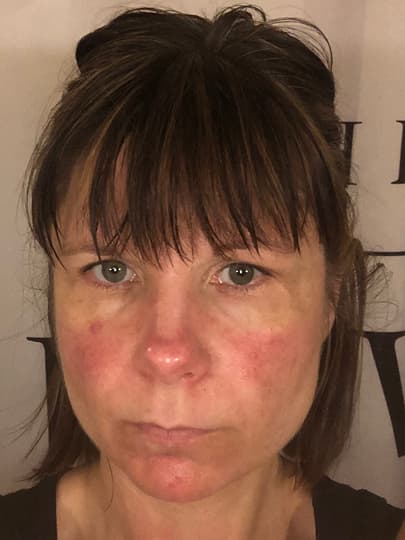 Before
 After
After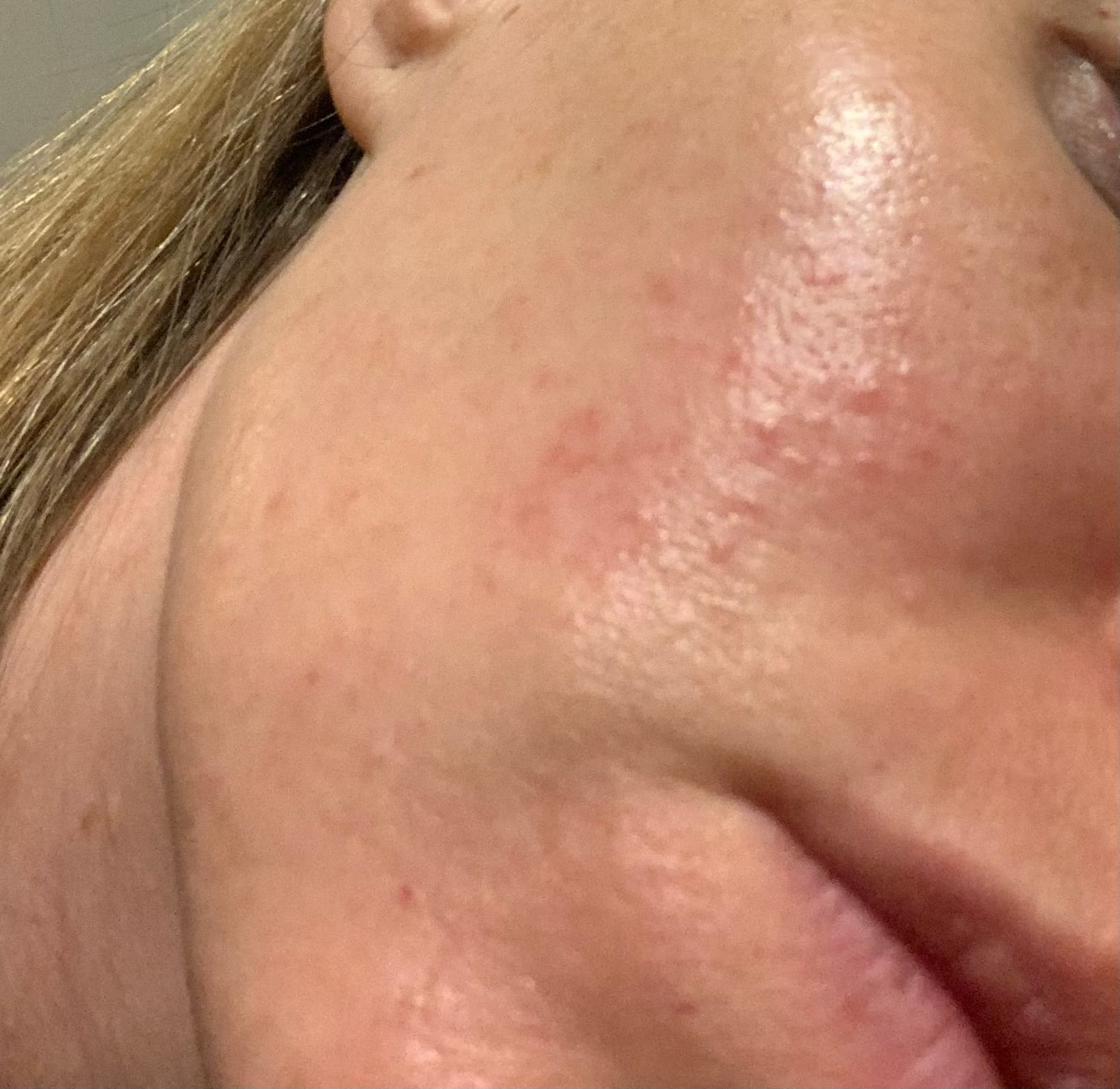 Before
 After
AfterKeep reading
- Ingredient · niacinamide
- Ingredient · sodium hyaluronate
- Ingredient · salicylic acid
- Condition · rosacea
- Condition · sensitive skin
- Condition · perioral dermatitis
- Read · best sunscreen for rosacea
- Read · rosacea symptoms
- Read · ocular rosacea symptoms
- Read · rosacea triggers
- Read · best ingredients for rosacea
- Read · rosacea acne
Citations
- Thiboutot D, et al. Standard management options for rosacea: The 2019 update by the National Rosacea Society Expert Committee. J Am Acad Dermatol. 2020;82(6):1501-1510.PMID 32035944
- American Academy of Dermatology Association. 7 rosacea skin care tips dermatologists recommend.AAD
- Draelos ZD, Ertel K, Berge C. Niacinamide-containing facial moisturizer improves skin barrier and benefits subjects with rosacea. Cutis. 2005;76(2):135-141.PMID 16209160
- American Academy of Dermatology Association. Triggers could be causing your rosacea flare-ups.AAD
- Thiboutot D, Fleischer AB Jr, Del Rosso JQ, Graupe K. Efficacy and safety of azelaic acid (15%) gel as a new treatment for papulopustular rosacea: results from two vehicle-controlled, randomized phase III studies. J Am Acad Dermatol. 2003;48(6):836-845.PMID 12789172