
Panthenol
A well-tolerated provitamin B5 support ingredient that helps moisturisers and treatments feel calmer and more hydrating — excellent in formulas, modest as a stand-alone active.
At a glance
What Panthenol does for skin, and how to read the practical safety signals.
- Provitamin B5: Converts to pantothenic acid in skin, supporting barrier lipids and hydration.
- Soothing support: Helps irritated or over-treated skin feel calmer inside sensible formulas.
- Team player: Works best alongside glycerin, niacinamide, and ceramide-supporting moisturisers.
- Type
- Vitamin
- Rating
- Pregnancy
- Considered safe
- Comedogenic rating
- 0/5 (Won't clog pores)
- Vegan
- Yes
- Suited skin types
- All skin types
On this page
The short answer
Panthenol is provitamin B5 — the stable form that skin converts into pantothenic acid, a building block for coenzyme A and barrier lipids. In plain language: it helps formulas hydrate, soothe, and feel less annoying on skin that is dry, tight, or easily upset by actives.
It is not the ingredient you buy when you want one dramatic before-and-after photo. It is the one that helps you actually stick with the routine that produces the before-and-after — because your face does not feel like it is filing a complaint every evening.
What the evidence actually shows
Barrier repair after irritation. Proksch's 2009 study[1] tested dexpanthenol cream after sodium lauryl sulphate irritation — the kind of surfactant stress many over-cleansed faces know too well. The dexpanthenol formula accelerated barrier repair, improved hydration, reduced roughness, and calmed redness compared with vehicle. That is the honest panthenol claim: recovery support, not instant transformation.
Decades of topical use. Proksch's 2017 review[2] summarises decades of dexpanthenol data for moisturising, barrier enhancement, irritation prevention, and wound-adjacent care. Much of the underlying work is clinical and formulation-focused rather than cosmetic glamour trials — which fits how panthenol actually shows up: inside creams people use every day.
Stratum corneum changes. A 2023 confocal Raman study[3] measured how topical dexpanthenol affects stratum corneum physiology in vivo — confirming measurable effects on the upper skin layers relevant to hydration and barrier behaviour. Newer tools, same conclusion: panthenol does something real at the skin surface, even if your mirror does not shout about it on week one.
How to use it
You will almost always encounter panthenol inside a moisturiser, serum, or treatment — not as a single-ingredient bottle:
- Morning and evening are both fine.
- Especially useful when starting retinol, salicylic acid, or azelaic acid.
- No special technique beyond using the product consistently.
If your skin is reactive, panthenol is one of the support ingredients I look for on an INCI list before recommending you push harder on actives.
Where it fits in a routine
Panthenol pairs naturally with:
- Glycerin and sodium hyaluronate: the hydration stack most good moisturisers already use.
- Niacinamide: barrier support from two different angles; no famous clash.
- Allantoin and aloe: the calm-support team in many fragrance-free formulas.
- Actives that need a gentle base: retinol, BHA, azelaic acid — panthenol helps the formula stay wearable.
For rosacea-prone readers I have worked with, panthenol inside a simple moisturiser is often more useful than another loud "anti-redness" serum with twelve botanical extracts and a marketing budget.
When it won't help
Panthenol will not clear acne, fade deep pigmentation, or replace prescription rosacea treatment. It is comfort and barrier infrastructure — the cushion, not the punch.
It also will not fix a routine built on stripping cleansers, daily scrubs, and four exfoliants. Support ingredients cannot outrun bad habits. Calm the routine first; then panthenol can do its quiet job.
The practical takeaway
My goal with this guide was to gather the useful science on panthenol in one place, so you can stop hunting for the next clever fix and do the simple, effective things your skin actually needs.
That is also why I made the Danish Skin Care Kit: a calm routine built around documented ingredients, and one that has helped more than 100,000 people with problem skin. If even the smallest question is still nagging you, send me an email at info@danishskincare.com.
Common questions
What is the difference between panthenol and dexpanthenol?
Panthenol is the alcohol form of provitamin B5; dexpanthenol is the biologically active D-isomer used in many studies. In skincare labels you will usually see panthenol or D-panthenol — both convert to pantothenic acid in skin.
Is panthenol good for acne-prone skin?
Yes, as a supporting ingredient. It will not clear pores by itself, but it helps treatment and moisturiser formulas feel less irritating — which matters when consistency is the whole game.
Can I use panthenol with retinol?
Yes. It is commonly included in retinol night creams for exactly that reason: hydration and comfort support while the retinoid does its slower work.
Reading a real label?
Scan a product to see how it is formulated
Upload a photo of the ingredient list and get a quick ingredient-by-ingredient read against the evidence-led database.
Found in these Danish Skin Care products

Panthenol in the morning treatment serum alongside azelaic acid, niacinamide, and glycerin.

Part of the calming, barrier-friendly day cream base with niacinamide and SPF.

Supports overnight hydration and comfort around retinol in both skin-type variants.

Panthenol appears across the Optimizer, Day Protector, and Moisturizer inside the Kit.
Skin conditions it actively helps with
Where the published evidence puts Panthenol on the short list of active ingredients worth reaching for.

Dry skin
Dry skin is usually a barrier problem, not simply a water problem. Here's the difference between dry and dehydrated, why it matters, and the routine that actually helps.
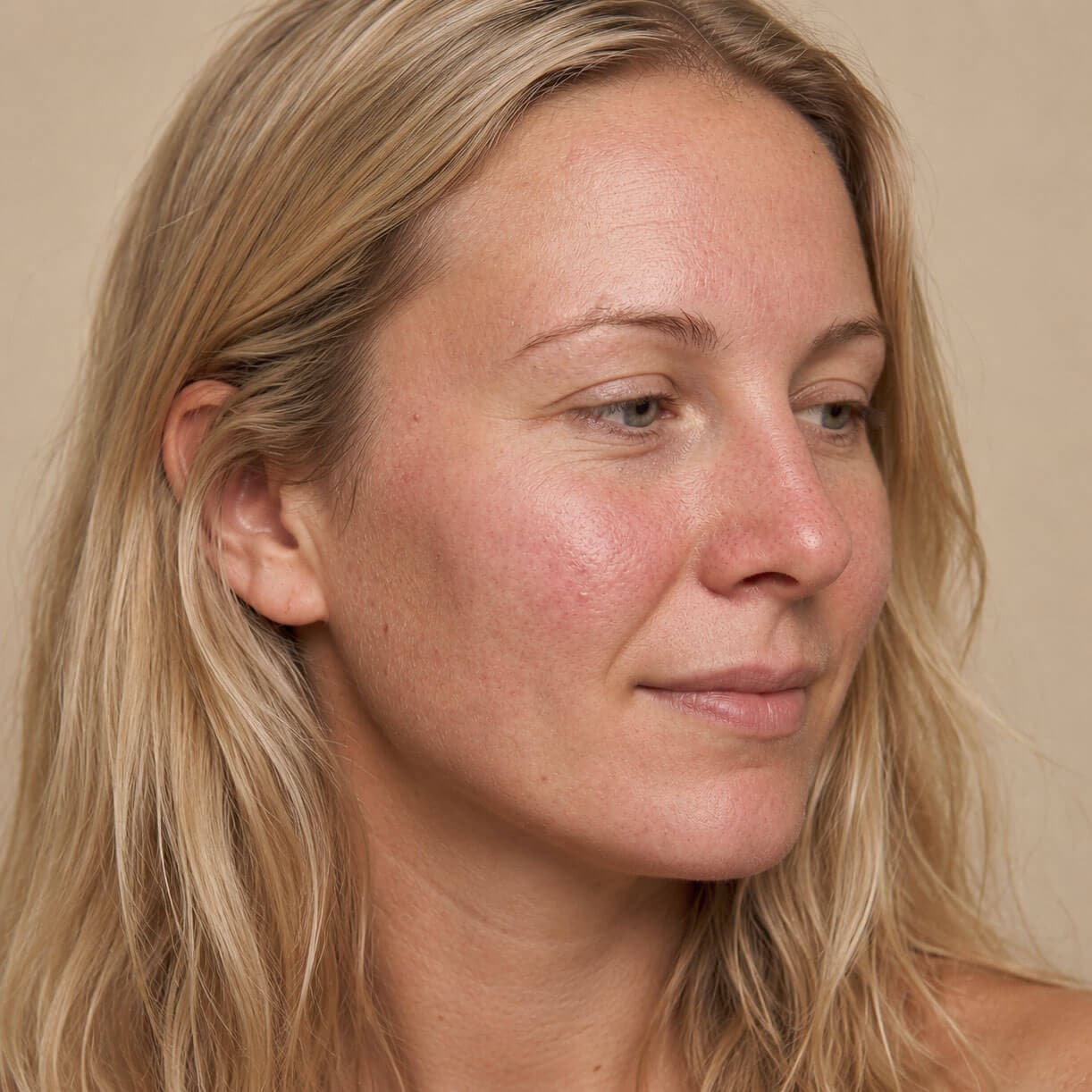
Sensitive skin
"Sensitive" is a symptom, not a diagnosis. Learn what drives reactive skin, the routine that calms it, and what to leave out.
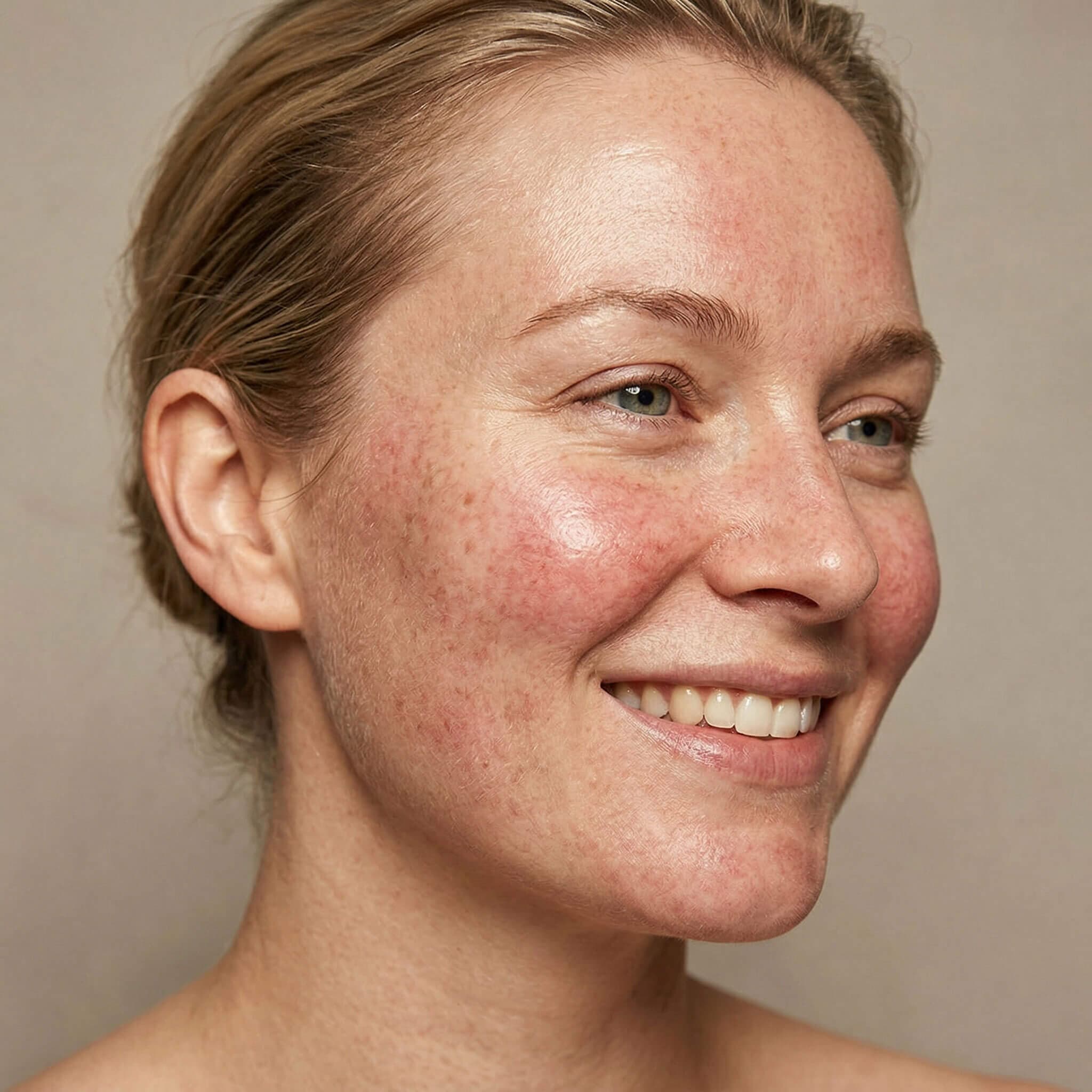
Rosacea and redness
Rosacea is a chronic inflammatory condition, not a temporary flush. Here's what causes it, what calms it, and the routine that doesn't make the reactivity worse.
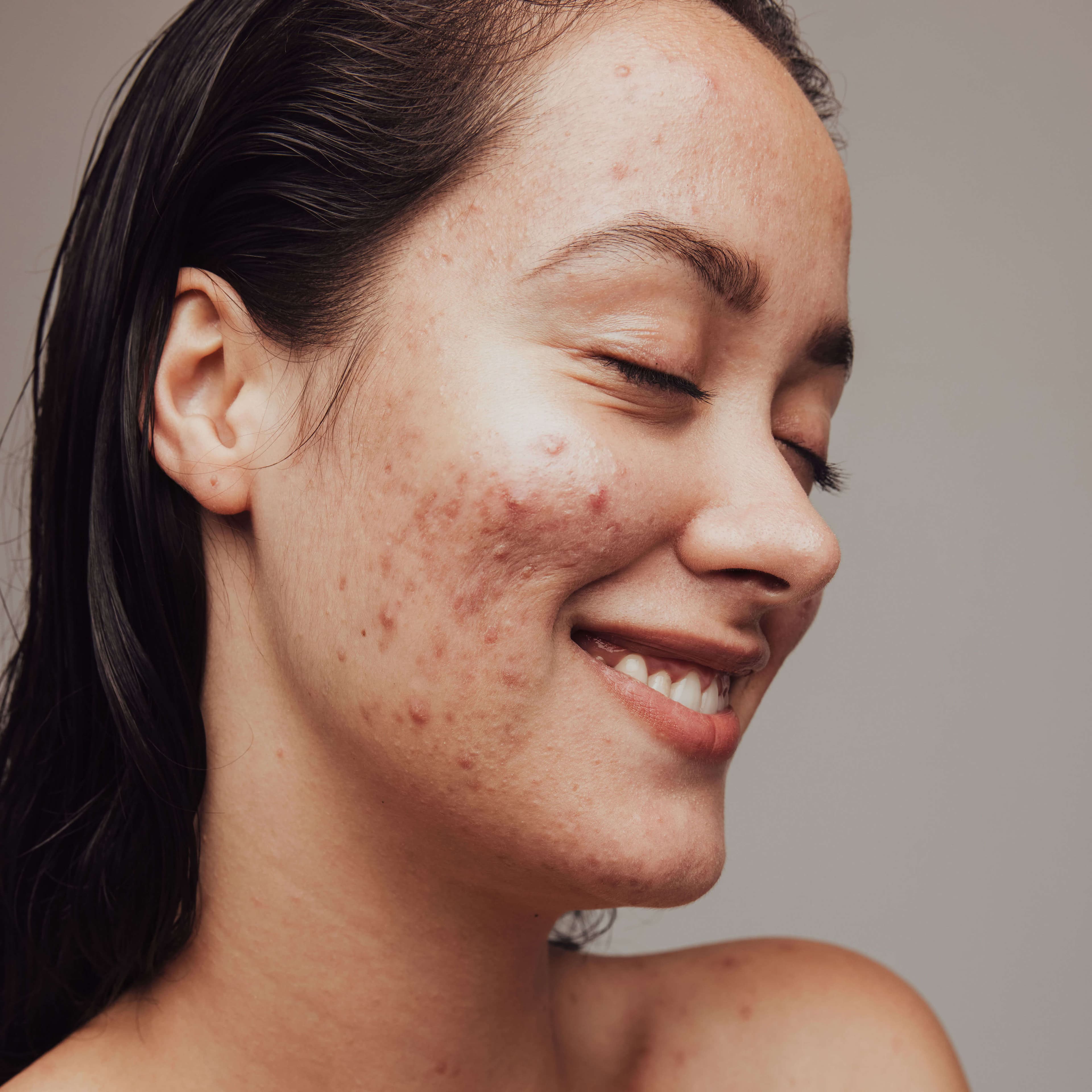
Acne and blemishes
A clear-headed guide to acne: what's actually happening in your skin, what the evidence says works, and a simple routine that doesn't make things worse.
Related ingredients
Citations
- Proksch E, Nissen HP. Dexpanthenol enhances skin barrier repair and reduces inflammation after sodium lauryl sulphate-induced irritation. J Dermatolog Treat. 2009;20(3):175–181. — PMID 19753737
- Proksch E, et al. Topical use of dexpanthenol: a 70th anniversary article. J Dermatolog Treat. 2017;28(8):766–773. — PMID 28503966
- Porto Ferreira VT, et al. Topical dexpanthenol effects on physiological parameters of the stratum corneum by Confocal Raman Microspectroscopy. Skin Res Technol. 2023;29(9):e13317. — PMID 37753694