
Azelaic acid
One of the most useful multi-tasking actives for redness, uneven tone, and blemish-prone skin — effective at modest OTC strengths and unusually well tolerated for an acid.
At a glance
What Azelaic acid does for skin, and how to read the practical safety signals.
- Redness and bumps: Strong clinical support for rosacea-prone papules, uneven tone, and post-spot marks.
- Pigmentation: Works as a tyrosinase inhibitor at higher strengths; 5% is a sensible daily-use starting point.
- Blemish-prone skin: Antibacterial and anti-inflammatory without behaving like a harsh peel.
- Type
- Acid
- Rating
- Pregnancy
- Considered safe
- Comedogenic rating
- 0/5 (Won't clog pores)
- Vegan
- Yes
- Suited skin types
- All skin types
On this page
The short answer
Azelaic acid is a dicarboxylic acid that behaves less like a peel and more like a calm, precise treatment. It can help with redness-prone bumps, uneven tone, post-spot marks, and everyday blemishes — without the drama that stronger acids sometimes bring.
I reach for it when someone's skin needs more than niacinamide alone, but still cannot tolerate a heavy-handed routine. It is one of the few actives with real clinical support across rosacea, pigmentation, and acne-adjacent concerns at once. That combination is rare.
What the evidence actually shows
Rosacea and redness-prone bumps. Two vehicle-controlled phase III studies of 15% azelaic acid gel[1] found benefit for papulopustular rosacea compared with vehicle. A 2006 systematic review[2] of randomized trials reached the same conclusion for the bump-and-pustule side of rosacea. For readers with reactive, flushing-prone skin, that matters: this is not internet folklore. Dermatology guidelines treat azelaic acid as a standard topical option when the pattern fits.
Pigmentation and uneven tone. A classic 24-week trial comparing 20% azelaic acid with 4% hydroquinone in melasma[3] found roughly two-thirds of women rated azelaic acid good or excellent, with no significant difference between the two actives on overall improvement — and without hydroquinone's more worrying long-term side-effect profile. Azelaic acid works partly by slowing tyrosinase, the enzyme that drives excess melanin production. Think of it as turning down the factory dial rather than bleaching the whole room.
Blemish-prone skin. Azelaic acid also has documented antibacterial and anti-inflammatory activity against acne-related bacteria in the follicle. It is not as punchy as salicylic acid for blackheads, but it handles the redness-and-spot overlap many people actually live with.
How to use it
- Concentration: 5–20% appears in clinical work; 5% is a practical daily OTC strength. Prescription strengths exist for rosacea and melasma when a clinician thinks they are needed.
- When in the routine: after cleansing, before moisturiser and SPF. Morning is usually the easiest slot to stay consistent.
- Frequency: start every second or third morning if your skin is reactive. Build toward daily use over two to four weeks if tolerance allows.
- SPF: non-negotiable if pigmentation is part of the picture. Azelaic acid helps existing marks; sunscreen stops new ones.
A mild tingle at first is normal. Burning that does not settle is your skin asking for a slower introduction, not proof that the ingredient is "too strong for you forever."
Where it fits in a routine
Azelaic acid sits nicely beside:
- Niacinamide: the pairing I use most. Different mechanisms, shared goal of calmer, more even skin.
- Salicylic acid: useful when congestion and post-inflammatory marks coexist. Alternate evenings if both feel active-heavy.
- Retinol: azelaic acid in the morning, retinol at night is a sustainable pigmentation-and-ageing stack for many people.
- Gentle cleansers and barrier-supporting moisturisers: reactive skin improves when the base routine stops fighting itself.
If you are in the middle of an active rosacea flare — burning, stinging, raw-feeling skin — stabilise the barrier first. Azelaic acid is excellent once the skin is calmer, not always in the hottest moment of a flare. For rosacea-specific timing, prescription-vs-OTC nuance, and irritation signs, read azelaic acid for rosacea.
When it won't help
Azelaic acid is a treatment ingredient, not a miracle reset. Severe inflammatory acne, deep cysts, widespread melasma that has resisted everything for years, or a dermatological condition you have never had properly assessed will need more than a 5% serum alone. See a clinician when the problem is persistent, painful, or clearly beyond maintenance skincare.
It also will not replace sunscreen for pigmentation. No topical active outruns daily UV exposure. Consistency beats intensity, every time.
The practical takeaway
My goal with this guide was to gather the useful science on azelaic acid in one place, so you can stop hunting for the next clever fix and do the simple, effective things your skin actually needs.
That is also why I made the Danish Skin Care Kit: a calm routine built around documented ingredients, and one that has helped more than 100,000 people with problem skin. If even the smallest question is still nagging you, send me an email at info@danishskincare.com.
Common questions
Is 5% azelaic acid enough?
Prescription rosacea formulas often use 15–20%, but 5% is a sensible daily OTC strength for maintenance, uneven tone, and blemish-prone skin. Clinical melasma work used 20%, so expectations at 5% should stay modest and measured in months, not days.
Why does azelaic acid tingle at first?
Mild tingling in the first one to two weeks is common and usually settles as your skin adapts. Persistent burning, scaling, or worsening redness means back off the frequency — every third morning, then build up slowly.
Can I use azelaic acid with niacinamide?
Yes. They are one of the best-supported pairings in skincare: azelaic acid handles redness, bumps, and pigment from one angle; niacinamide supports the barrier and melanin transfer from another. That is exactly why we combined them in the Optimizer.
Reading a real label?
Scan a product to see how it is formulated
Upload a photo of the ingredient list and get a quick ingredient-by-ingredient read against the evidence-led database.
Found in these Danish Skin Care products

5% azelaic acid paired with niacinamide — the targeted morning step for stubborn redness, uneven tone, and recurring blemishes.

Add the Optimizer when the Kit alone is not quite enough for pigmentation or redness-prone bumps.
Skin conditions it actively helps with
Where the published evidence puts Azelaic acid on the short list of active ingredients worth reaching for.
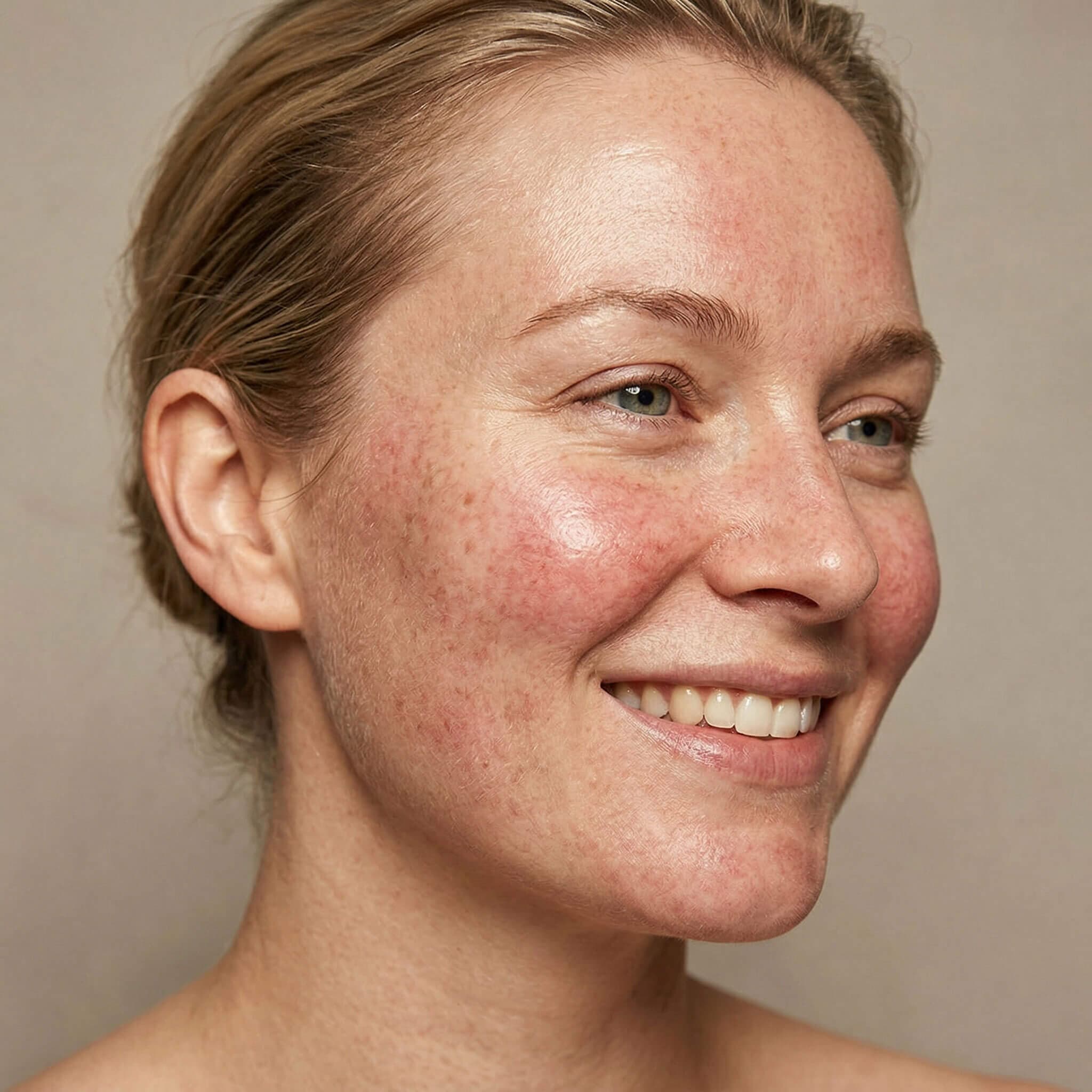
Rosacea and redness
Rosacea is a chronic inflammatory condition, not a temporary flush. Here's what causes it, what calms it, and the routine that doesn't make the reactivity worse.
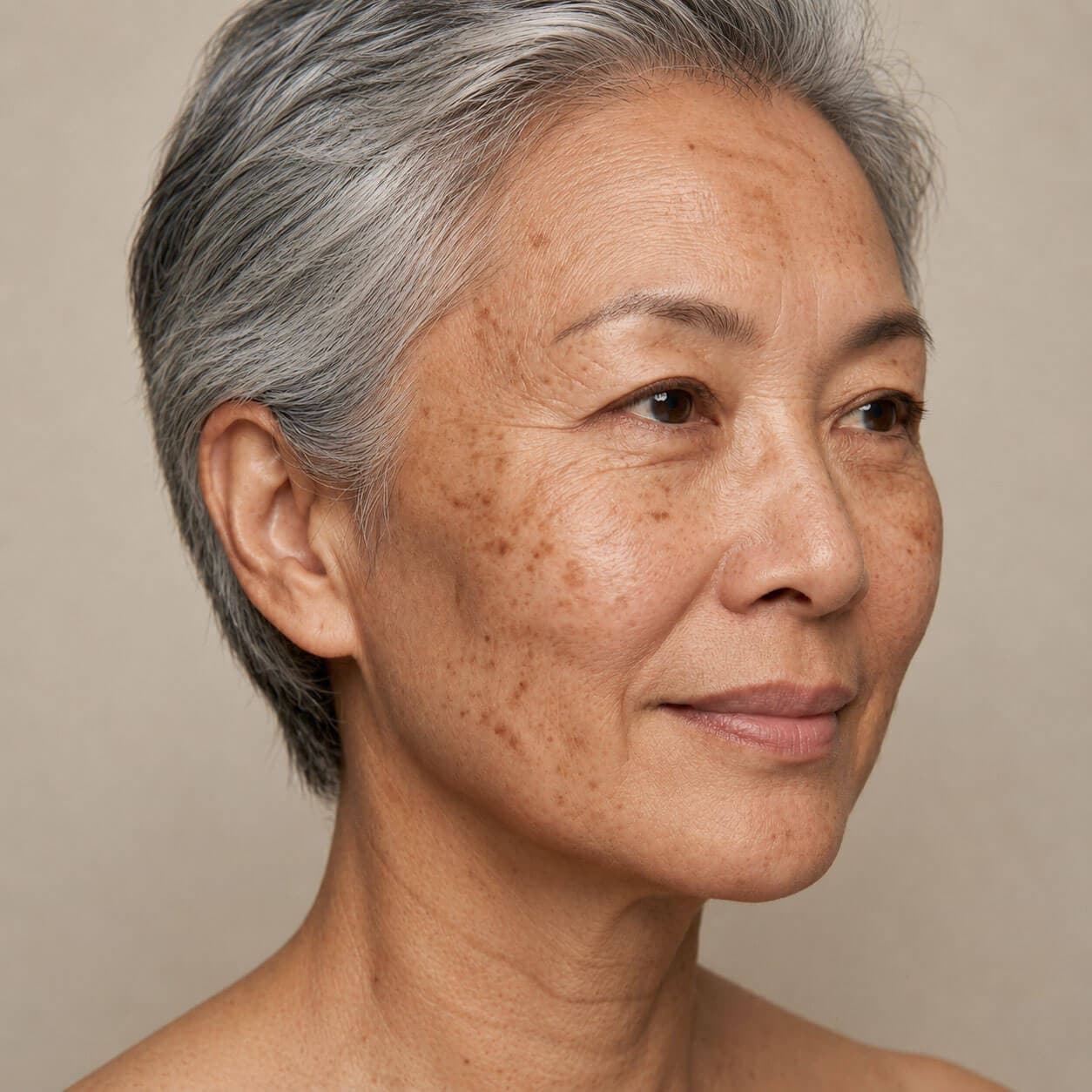
Pigmentation
Pigmentation is one of the most-asked-about, most-misunderstood skin concerns. Here's what's happening in your skin and the slow, evidence-led routine that actually fades it.
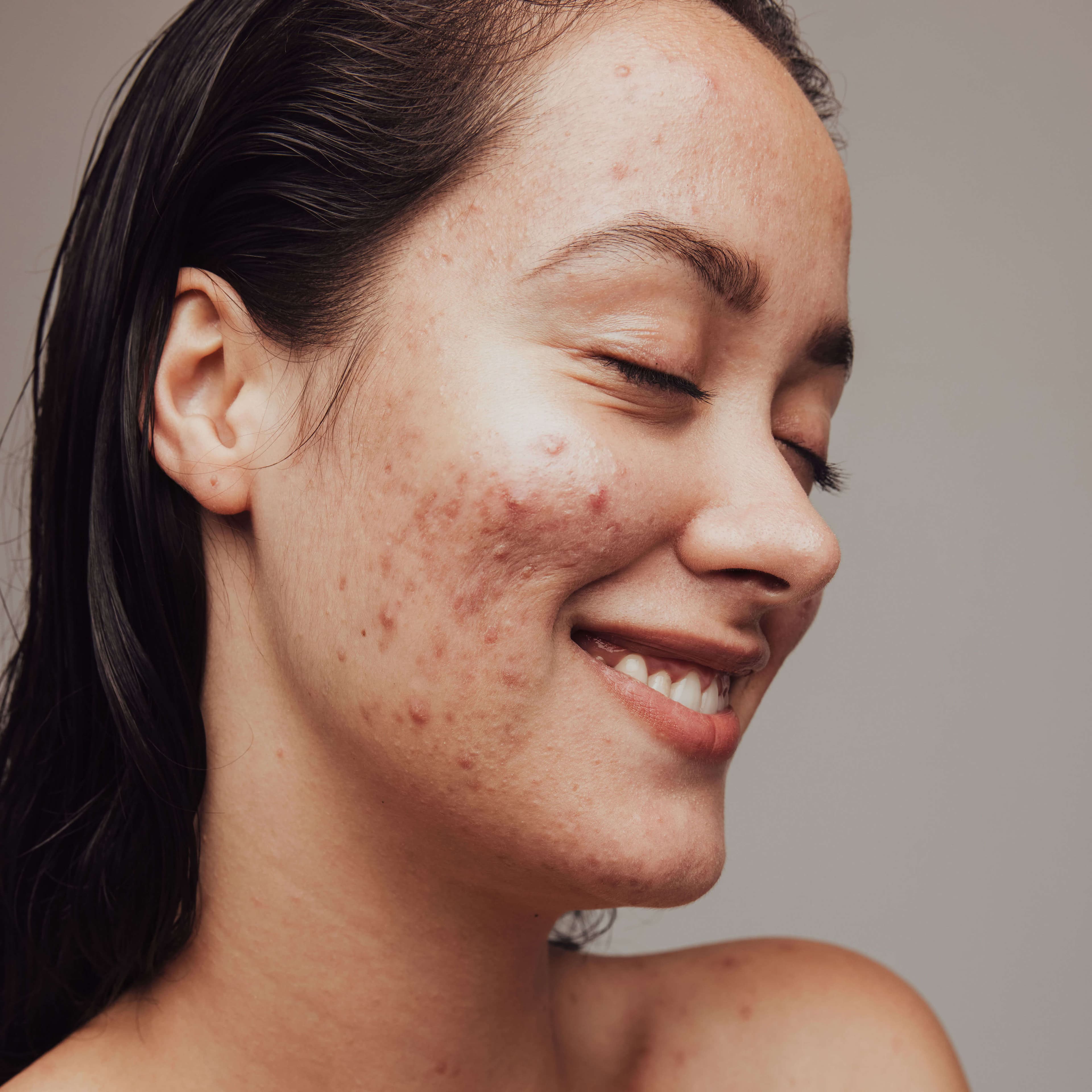
Acne and blemishes
A clear-headed guide to acne: what's actually happening in your skin, what the evidence says works, and a simple routine that doesn't make things worse.
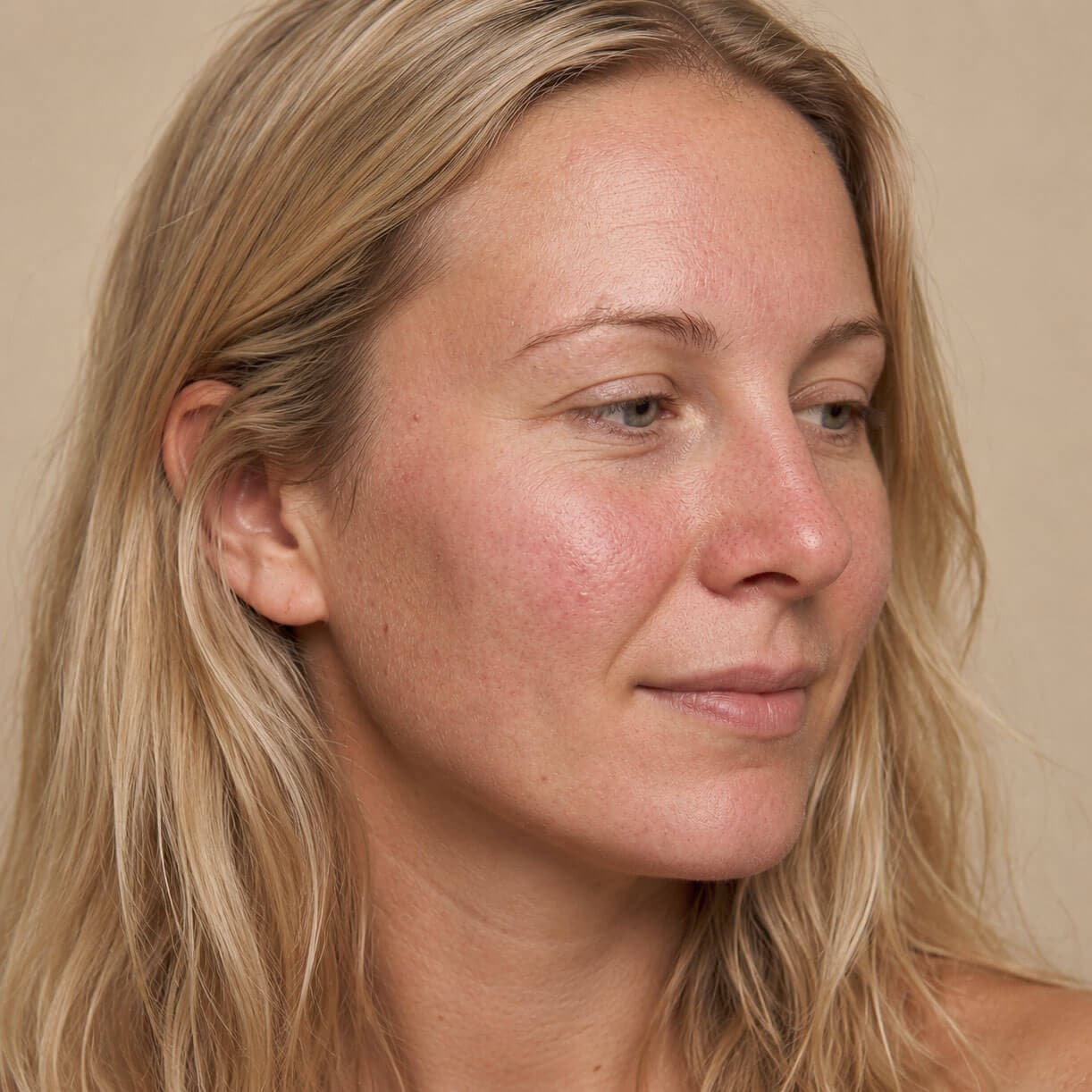
Sensitive skin
"Sensitive" is a symptom, not a diagnosis. Learn what drives reactive skin, the routine that calms it, and what to leave out.
Related ingredients
Citations
- Thiboutot D, Fleischer AB Jr, Del Rosso JQ, Graupe K. Efficacy and safety of azelaic acid (15%) gel as a new treatment for papulopustular rosacea: results from two vehicle-controlled, randomized phase III studies. J Am Acad Dermatol. 2003;48(6):836–845. — PMID 12789172
- Liu RH, et al. Azelaic acid in the treatment of papulopustular rosacea: a systematic review of randomized controlled trials. Arch Dermatol. 2006;142(8):1047–1052. — PMID 16924055
- Baliña LM, et al. The treatment of melasma. 20% azelaic acid versus 4% hydroquinone cream. Int J Dermatol. 1991;30(12):893–895. — PMID 1816137