
Rosacea acne: the bumps that are not always acne
Rosacea acne usually means acne-like bumps from papulopustular rosacea, not regular acne. Here is how to tell the difference and calm it without over-treating.
On this page
One of the most frustrating skincare mistakes is treating the right-looking bump with the wrong plan.
I learned that lesson through acne and irritated skin: when your face is bumpy, red, and uncomfortable, the emotional instinct is to do more. Stronger cleanser. Stronger active. More discipline. More mirror-checking. Very little peace.
With rosacea-prone bumps, I have seen that pattern many times in customers and readers. They think they have stubborn acne, so they keep escalating acne products. But the skin is actually flushing, burning, reacting, and asking for less aggression.
So before we talk routine, the first job is simple: make sure we are not treating rosacea like ordinary acne. If you are still mapping the bigger pattern, the rosacea symptoms guide walks through the signs before this bump-focused article gets specific.
The short answer
"Rosacea acne" is not a perfect medical term.
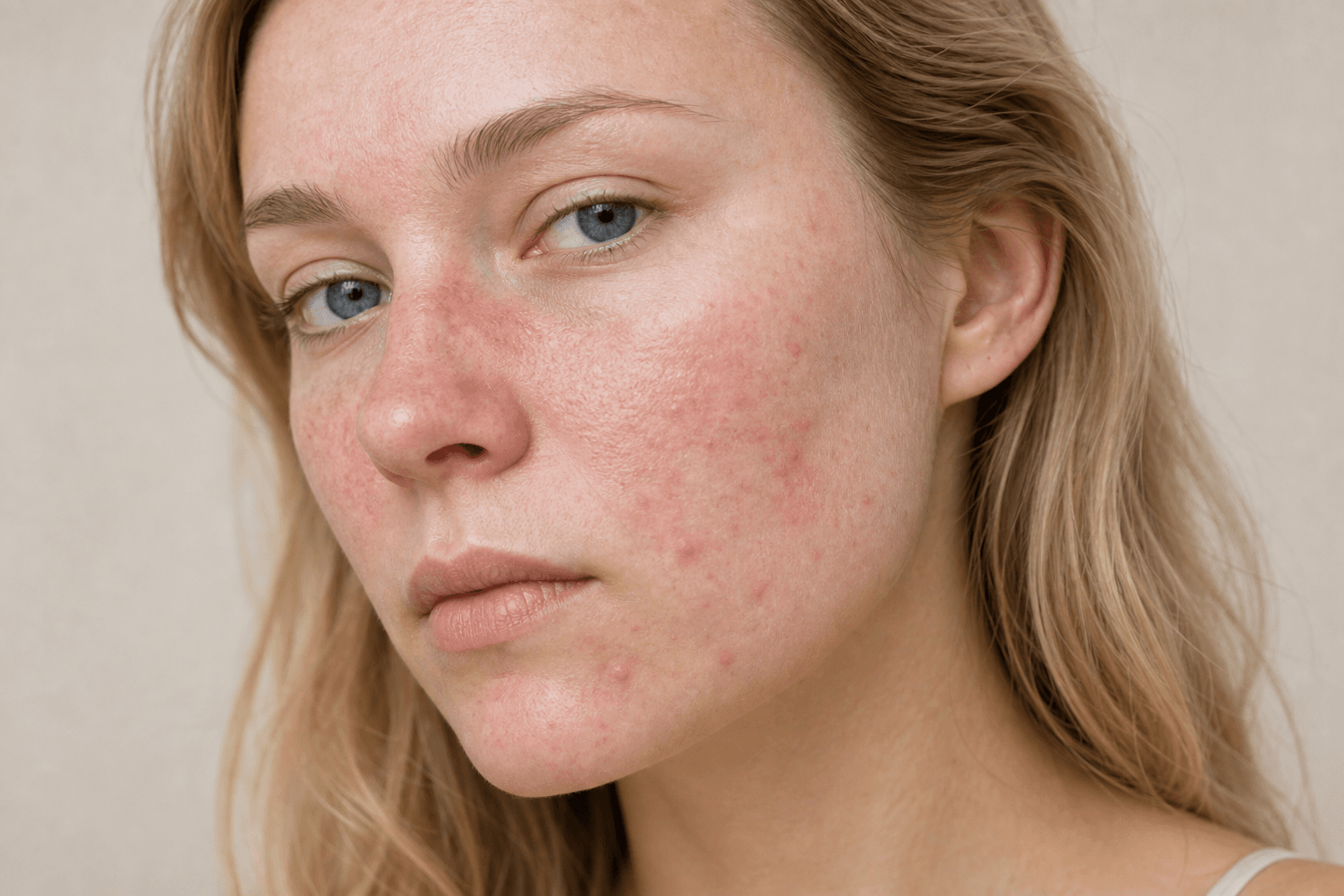
Most people use it to describe acne-like bumps caused by rosacea, especially the papulopustular type: red bumps, pustules, flushing, burning, and reactive skin that gets angry when you treat it like normal acne.
That distinction matters. Regular acne is usually driven by clogged follicles, oil, sticky dead skin cells, C. acnes, and inflammation, as described in a 2012 acne study[4]. Rosacea is more of a vascular and immune reactivity problem. The face flushes too easily. The immune system overreacts. In some people, Demodex mites and the skin microbiome may also be part of the picture.
So if you attack rosacea bumps with every acne product in the bathroom, the result is often not clearer skin.
It is redder skin with a personality problem.
The calmer route is usually:
- Confirm whether the bumps are rosacea, acne, or both.
- Remove obvious triggers and irritating products.
- Use a gentle routine with barrier support, niacinamide, SPF, and often azelaic acid.
- Use salicylic acid only when there are true clogged pores or blackheads.
- See a dermatologist if the bumps, burning, flushing, or eye symptoms keep returning.
If you want the treatment side without the acne confusion, the guide to the best ingredients for rosacea explains the calmer ingredient hierarchy.
What people mean by rosacea acne
When someone says "rosacea acne", they usually mean one of three things.
1. Papulopustular rosacea
This is the classic one.
Papulopustular rosacea can look a lot like acne because it causes red bumps and pus-filled spots, often across the cheeks, nose, chin, and central face. But it usually comes with rosacea clues:
- Easy flushing.
- Persistent redness.
- Burning or stinging.
- Heat sensitivity.
- Skin that reacts badly to strong actives.
- Flares from sun, alcohol, spicy food, hot showers, stress, or temperature swings.
A 2017 New England Journal of Medicine study[1] describes rosacea as a chronic inflammatory condition with vascular and immune involvement. That is a very different starting point from "my pores are dirty". Please let that myth retire. It has worked enough unpaid overtime.
2. Acne and rosacea at the same time
You can have both. Annoying, but biology was not designed by a minimalist.
This is more likely if you have:
- Blackheads.
- Whiteheads.
- Oily areas with clogged pores.
- Breakouts outside the central face, such as the jawline, forehead, chest, or back.
- Acne history from teenage years or adulthood.
In that case, the routine needs to respect both conditions. You may need some acne support, but not at the cost of turning rosacea into a five-alarm fire.
3. Acne treatments causing rosacea-like irritation
Sometimes the "rosacea acne" is partly self-inflicted irritation.
Too much benzoyl peroxide, strong acids, scrubs, cleansing brushes, alcohol toners, retinoids used too often, or ten products layered because the internet got persuasive at midnight. The bumps may be acne, rosacea, irritation, or a messy mixture of all three.
This is why the first step is not adding more.
It is editing.
How to tell rosacea bumps from acne
Here is the simple comparison.
Rosacea bumps often look like:
- Red papules and pustules on a red background.
- Central-face flares: cheeks, nose, chin, between the brows.
- Burning, stinging, warmth, or tightness.
- Flushing after heat, alcohol, spicy food, stress, or sun.
- Few or no blackheads.
Acne often looks like:
- Blackheads, whiteheads, clogged bumps, papules, pustules, or deeper nodules.
- Oilier skin.
- More obvious pore congestion.
- Breakouts on the jawline, forehead, chest, back, or shoulders.
- Less flushing and burning.
The fastest practical clue is this: comedones matter.
Comedones are blackheads and whiteheads. They are central to acne. They are not typical for rosacea. If your skin is red, hot, reactive, and covered in bumps but there are no blackheads or whiteheads, regular acne treatment may be the wrong hammer.
And yes, I know. Skincare would be easier if every condition wore a small name tag. Very rude that it does not.
Why acne products can make rosacea worse
Acne products are not bad. Many are excellent.
The problem is context.
Rosacea-prone skin often has a more reactive barrier and more easily triggered inflammation. A 2016 study[2] describes rosacea as involving dysregulated innate immunity, vascular reactivity, and inflammatory pathways. In plain language: the skin alarm system is easier to set off.
So products that are useful for clogged follicles can become too much when the main problem is redness and reactivity.
Common troublemakers include:
- Daily benzoyl peroxide on a reactive face.
- Strong acid toners.
- Physical scrubs.
- Cleansing brushes.
- High-strength retinoids started too fast.
- Alcohol-heavy "oil control" products.
- Fragranced products and essential oils.
This does not mean you can never use acne actives if you have rosacea. It means the routine needs a lower volume knob.
What actually helps rosacea acne
Azelaic acid
Azelaic acid is one of the most useful ingredients for papulopustular rosacea. A 2006 study[3] found azelaic acid 15% to 20% helpful for papules and pustules in rosacea.
It is also useful because it sits in a rare skincare overlap: it can help redness, bumps, uneven tone, and post-inflammatory marks without behaving like an aggressive exfoliant.
That is why our rosacea page puts azelaic acid so high in the routine.
Niacinamide
Niacinamide is not dramatic. Which is partly why I like it.
It supports the skin barrier, helps visible redness, and works well in routines where the goal is calmer skin over time. With rosacea-prone skin, that is often the whole game: fewer triggers, less irritation, more consistency.
Sunscreen
UV exposure is one of the most common rosacea triggers. Daily SPF is not glamorous. It is not a spicy TikTok routine. It is extremely useful.
If your rosacea flares with sun, SPF is not optional in practice. Choose one your skin will actually wear every day. The perfect sunscreen you hate using is mostly decorative.
Gentle cleansing and moisturising
This is the part people underestimate because it feels too simple.
But with rosacea acne, the baseline routine matters enormously. A cleanser should remove sweat, sunscreen, and makeup without leaving the face tight. A moisturiser should make the skin feel calmer, not coated in perfume and regret.
Barrier support is not a side quest. It is part of the treatment.
When salicylic acid makes sense
Salicylic acid is excellent for true acne congestion because it is oil-soluble and can help loosen clogged follicles. The 2016 acne guidelines[5] include it among over-the-counter options, which is why it makes sense for blackheads, whiteheads, and oily clogged pores.
But if your "acne" is mostly rosacea bumps with burning, flushing, and no comedones, salicylic acid may be too much at first.
Use it when:
- You have blackheads or whiteheads.
- The skin is oily and clogged, with redness and reactivity too.
- Your barrier is stable.
- You can start slowly, 1 to 2 nights per week.
Avoid or pause it when:
- Your face burns or stings easily.
- You are actively flushing.
- Your skin feels tight, raw, or hot.
- Every active makes the bumps worse.
If you do use it, keep the rest of the routine quiet. Salicylic acid plus azelaic acid plus retinol plus a scrub is not a routine. It is a committee meeting for irritation.
The calm rosacea acne routine
Morning
Keep it boring.
- Cleanse gently or rinse. If your skin is flaring, lukewarm water may be enough in the morning.
- Use azelaic acid plus niacinamide if tolerated. Start every other morning if your skin is nervous.
- Moisturise. Choose something fragrance-free and barrier-supportive.
- SPF. Every morning. Especially if sun triggers redness or pigmentation.
Evening
The evening routine should not feel like a punishment.
- Cleanse gently. No hot water. No scrubbing.
- Use treatment only if tolerated. Azelaic acid can be used here if mornings do not suit you. If you also use salicylic acid, alternate nights.
- Moisturise. Do not skip this because the skin feels oily. Oily and dehydrated can absolutely coexist, because skin enjoys being complicated.
If you also have true acne
Use a split approach:
- Azelaic acid or niacinamide support most mornings.
- Salicylic acid 1 to 2 evenings per week on clogged areas.
- Moisturiser every evening.
- No retinol until the rosacea is calm for several weeks.
If you later add retinol, do it slowly. Think twice a week, buffered with moisturiser, not "I saw a dermatologist on YouTube and now I am reborn as a lizard".
What to stop doing
If your skin is red, bumpy, and reactive, stop these first:
- Scrubbing the bumps.
- Using hot water on the face.
- Layering several actives in one routine.
- Chasing a "purge" when the skin is clearly burning.
- Using alcohol toners to dry out pustules.
- Applying steroid creams around the mouth or cheeks unless a clinician told you to.
- Changing the routine every four days.
The last one is quietly huge. Rosacea skin often needs 8 to 12 weeks of boring consistency before you can judge whether a routine helps.
When to see a dermatologist
Please get medical help if you have:
- Persistent pustules or painful bumps.
- Redness that keeps spreading or intensifying.
- Eye symptoms: gritty, dry, red, swollen, or irritated eyes.
- Thickening skin around the nose.
- Sudden adult-onset acne-like bumps.
- Scarring or dark marks that keep worsening.
- No improvement after 8 to 12 weeks of a calm routine.
Prescription treatments can be very useful for rosacea. Dermatologists may use azelaic acid, ivermectin, metronidazole, low-dose doxycycline, or vascular laser depending on the subtype. For co-existing acne, they may add acne-specific treatment carefully.
That is not a failure of skincare. It is using the right tool when the condition is medical.
The bottom line
Rosacea acne is usually not regular acne being difficult. It is often rosacea wearing an acne costume.
Look for the clues: flushing, burning, central-face redness, sensitivity, and bumps without blackheads. Then treat the skin like reactive rosacea skin first: gentle cleanse, azelaic acid, niacinamide, moisturiser, SPF, and patience.
If there are true clogged pores too, add acne treatment carefully. Slowly. With respect for the barrier.
Your face is not asking for a war plan. It is asking for fewer triggers and a routine it can trust.
People also ask
Is rosacea acne the same as regular acne?
No. People often say rosacea acne when they mean acne-like bumps from papulopustular rosacea. Regular acne is usually driven by clogged follicles, oil, bacteria, and inflammation. Rosacea is more about vascular and immune reactivity, flushing, burning, and sensitivity.
Can salicylic acid help rosacea acne?
It can help only if you also have obvious clogged pores or blackheads, but rosacea-prone skin often reacts badly to too much exfoliation. Start very slowly, use it only a few nights per week, and stop if redness, burning, or stinging increases.
When should I see a dermatologist for rosacea acne?
See a dermatologist if redness, burning, pustules, eye symptoms, or flushing keep returning, or if acne treatments make everything worse. Getting the diagnosis right matters because rosacea and acne are treated differently.
A calmer routine for rosacea-prone bumps
For rosacea-prone acne-like bumps, the goal is not to attack the skin like regular acne. The Danish Skin Care Kit gives you the gentle base routine first: a mild cleanse, barrier support, daily SPF, and a routine that is easy to keep calm. If this guide sounds like your skin, start with the foundation before adding stronger extras.

The gentle base routine for reactive skin. Choose the Normal to dry variants if your rosacea-prone skin runs dry or easily irritated.
Full transparency: Danish Skin Care is my own company — I formulated these products and earn from every sale. That's exactly why I only recommend them where they genuinely fit the guide you just read.
Real results from simple routines
A few real before-and-after cases from people using Danish Skin Care for skin concerns related to this guide. No filters, no miracle promise. Consistent skincare over time.
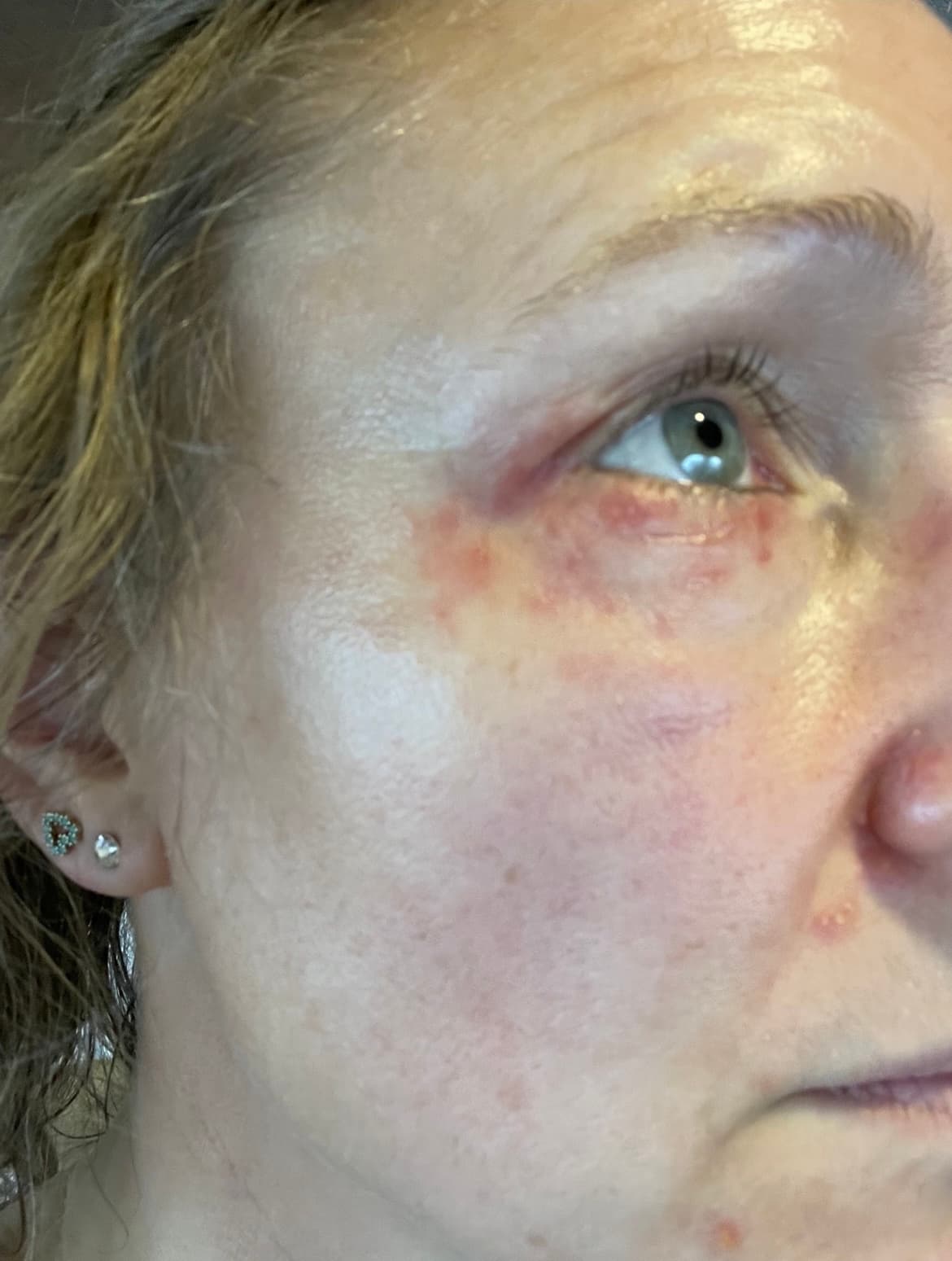 Before
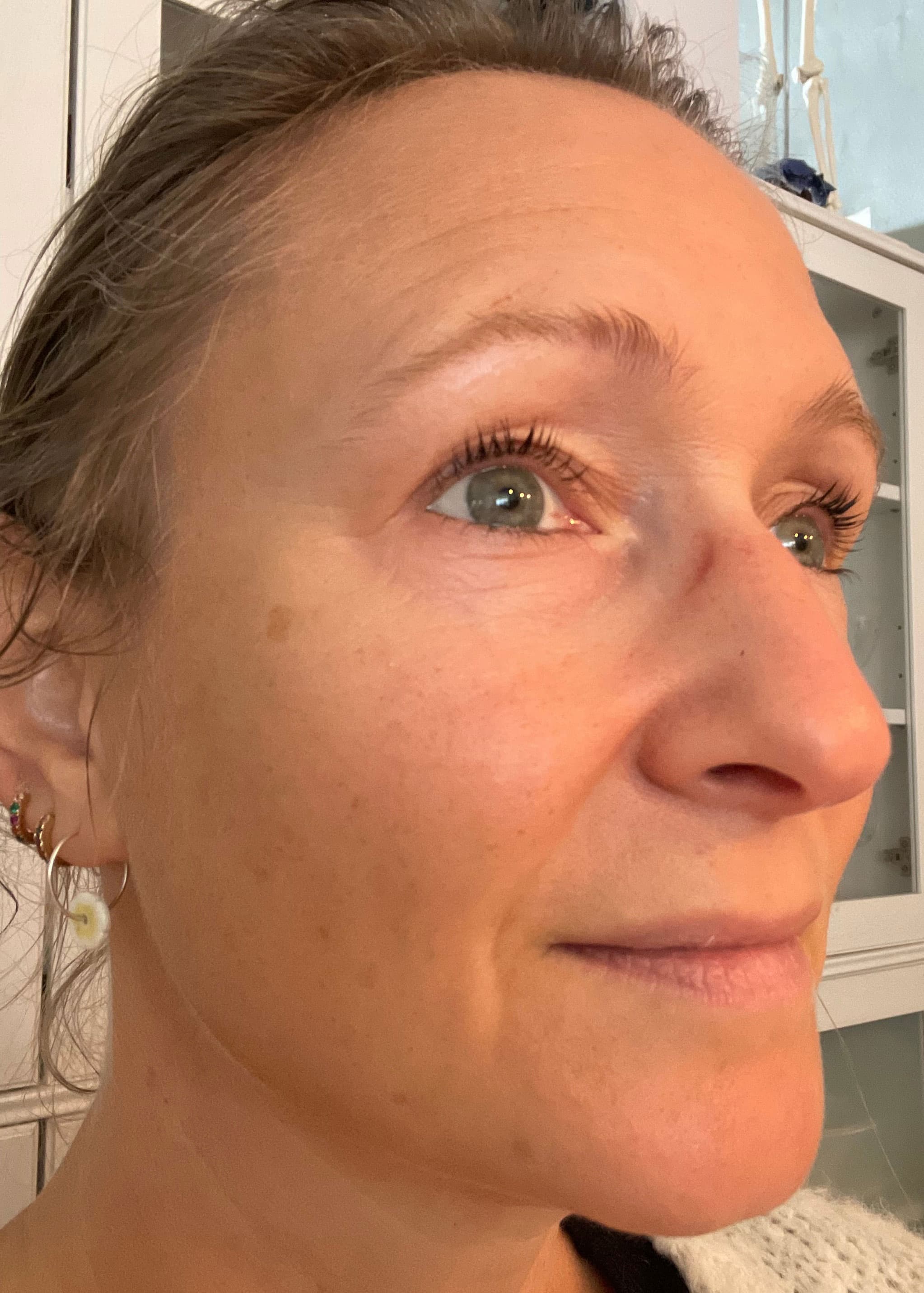 After
After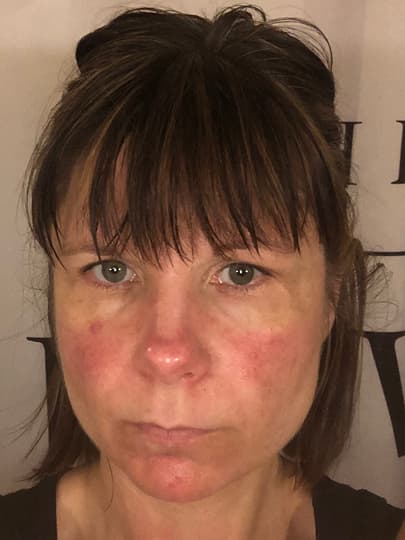 Before
 After
After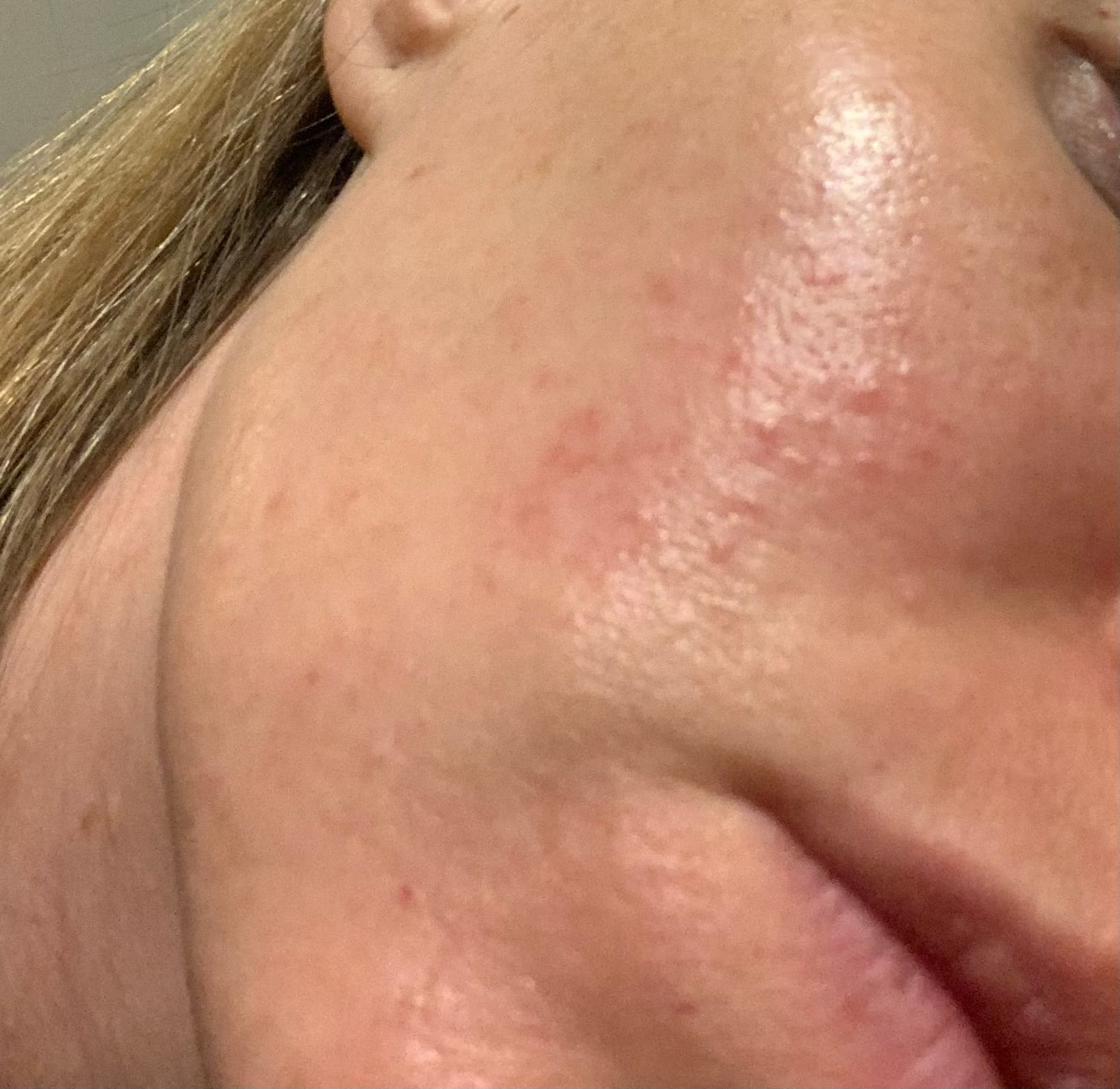 Before
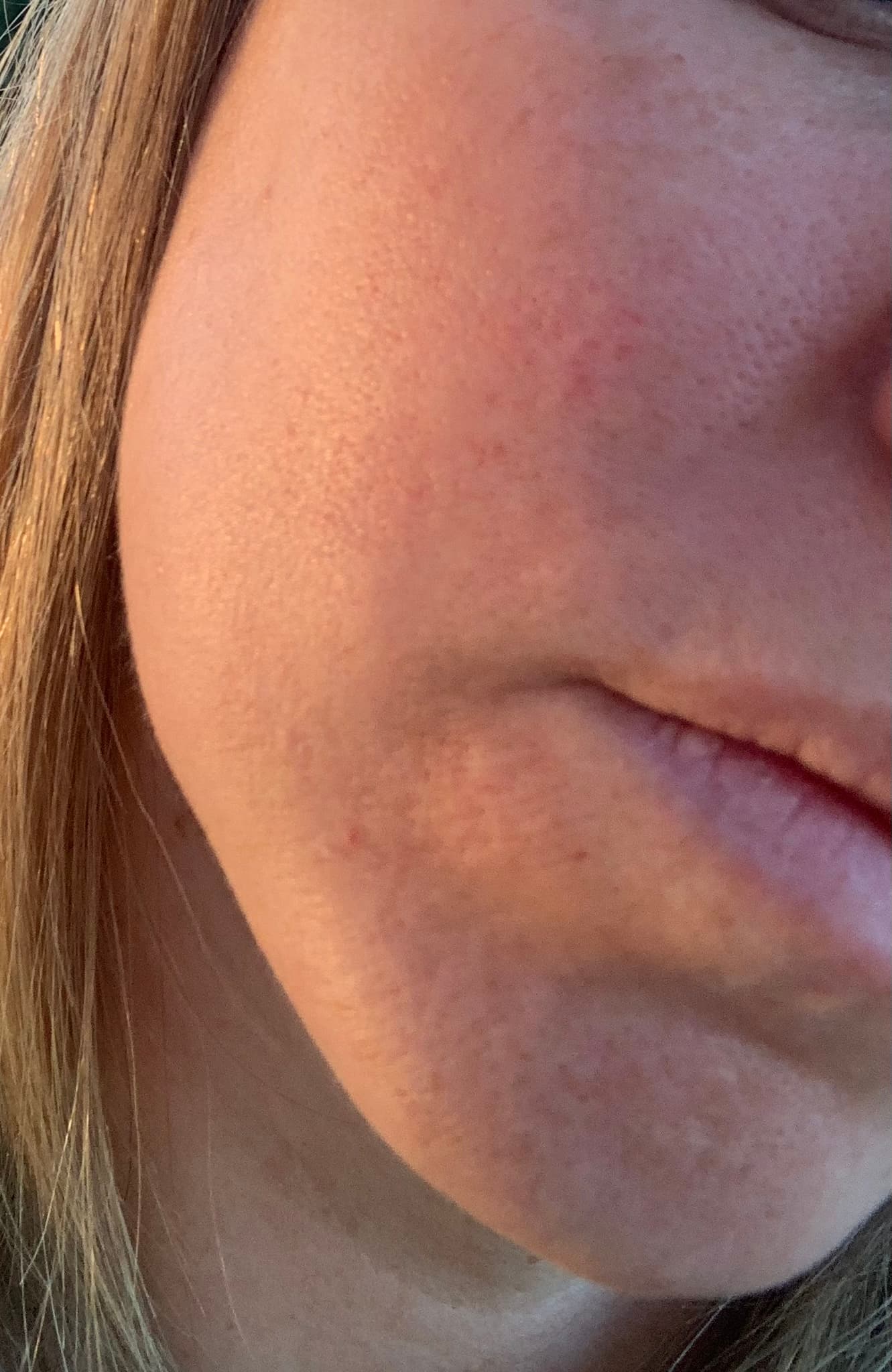 After
AfterKeep reading
- Ingredient · niacinamide
- Ingredient · salicylic acid
- Ingredient · sodium hyaluronate
- Ingredient · retinol
- Condition · rosacea
- Condition · acne and blemishes
- Condition · sensitive skin
- Condition · perioral dermatitis
- Read · best ingredients for rosacea
- Read · how to get rid of chin acne
- Read · how to get rid of pimples
- Read · how to treat dry skin on face
Citations
- van Zuuren EJ. Rosacea. N Engl J Med. 2017;377(18):1754-1764.PMID 29091565
- Reinholz M, et al. Pathogenesis and clinical presentation of rosacea as a key for a symptom-oriented therapy. J Dtsch Dermatol Ges. 2016;14 Suppl 6:4-15.PMID 28163881
- Liu RH, et al. Azelaic acid in the treatment of papulopustular rosacea: a systematic review of randomized controlled trials. Arch Dermatol. 2006;142(8):1047-52.PMID 16924055
- Williams HC, et al. Acne vulgaris. Lancet. 2012;379(9813):361-72.PMID 21880356
- Zaenglein AL, et al. Guidelines of care for the management of acne vulgaris. J Am Acad Dermatol. 2016;74(5):945-73.PMID 26897386