
Why does sunscreen pill on my face?
Sunscreen pilling usually comes from too many layers, friction, or a formula that cannot form an even film over your routine.
On this page
I used to get annoyed when sunscreen rolled into tiny grey bits on my face.
When I had acne and oily skin, I already felt like every morning routine was a negotiation. Then SPF would start pilling around my jaw and hairline, and suddenly I was doing archaeology with my fingertips at 7:40 in the morning.
After helping more than 100,000 people with problem skin, I have learned that sunscreen pilling is rarely a character flaw. It is usually a layer problem.
The short answer
Sunscreen pills when the product cannot form a smooth, even film over the skin.
That can happen because:
- You applied it over a wet or tacky moisturiser.
- You used too many serums, gels, oils, or primers underneath.
- You rubbed too much.
- The sunscreen has powdery, matte, or polymer-heavy texture that dislikes your base.
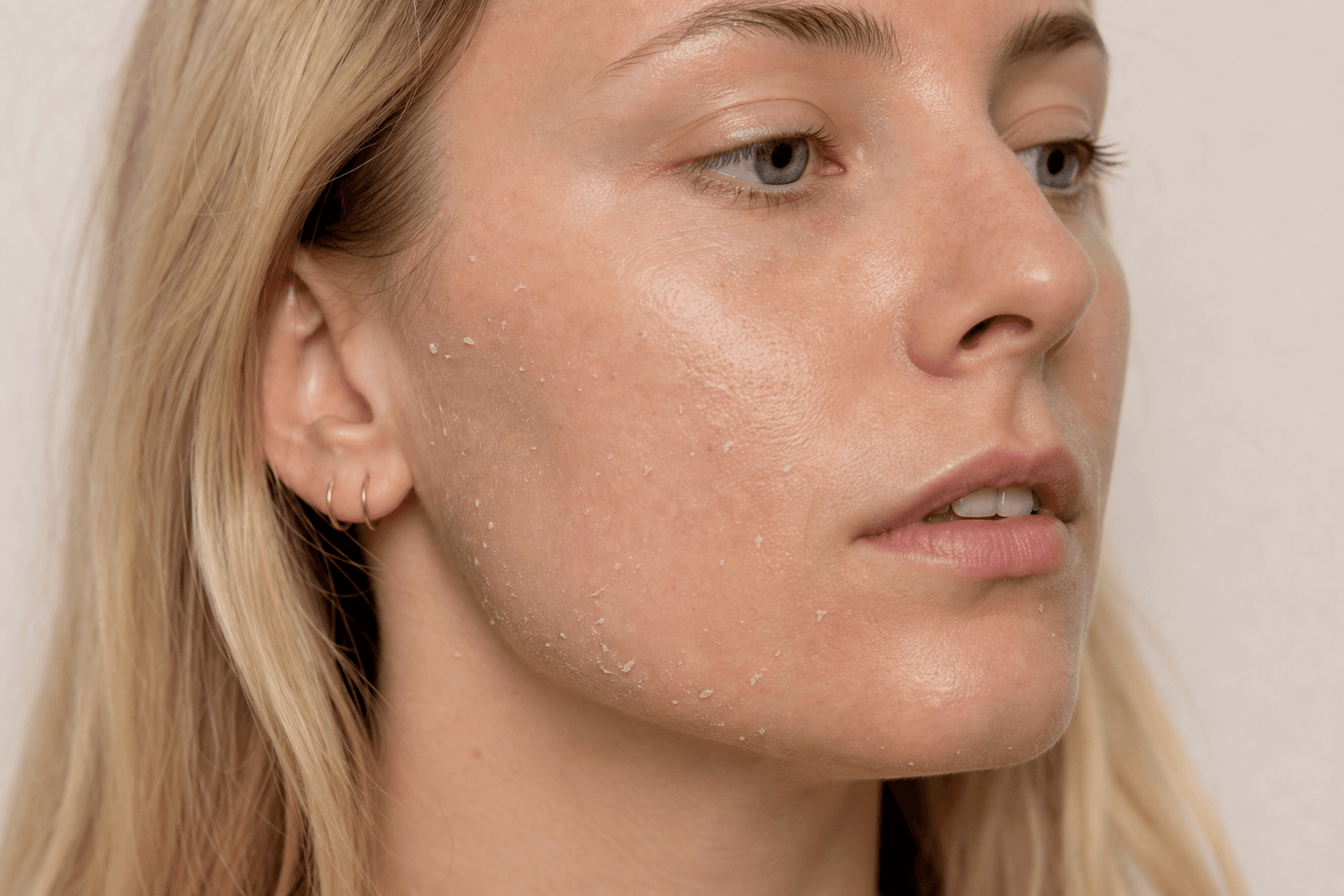
- Your skin has flakes, stubble, or dry patches catching the product.
A 2025 sunscreen formulation review[1] explains that sunscreen performance depends partly on how well UV filters adhere and form a stable film on the skin. In normal bathroom language: if the film rolls off, the coverage is not behaving beautifully.
Pilling is a texture problem, not dirty skin
Please do not scrub your face because sunscreen pills.
Pilling is usually product rolling over product. It does not mean your skin is dirty, your pores are clogged, or you need a stronger cleanser. Most of the time, you need fewer layers and less friction.
Moisturisers work by combining humectants, emollients, and occlusive or film-forming ingredients[3]. Sunscreens also need to sit as an even protective layer. When several layers all want to make their own little film, they can start arguing on your face.
Your face should not have to host a chemistry summit before breakfast.
The 3-morning test
For three mornings, make the routine boring:
- Cleanse or rinse gently.
- Apply one light moisturiser only if your skin needs it.
- Wait until the skin feels smooth, not wet.
- Apply sunscreen in sections.
- Spread once, then press.
Do not add vitamin C, hyaluronic acid serum, primer, face oil, makeup, or a second moisturiser during the test.
If the sunscreen stops pilling, the problem was layering. Add one product back at a time if you miss it.
If the sunscreen still pills over bare or nearly bare skin, the formula may not suit your skin texture, facial hair, morning speed, or application style.
How to apply sunscreen without rolling it off
Try this:
- Use enough product, but apply it in two lighter passes if one thick pass rolls.
- Warm it briefly between clean fingers if the texture is stiff.
- Apply cheeks, forehead, nose, and chin separately.
- Glide once. Press after.
- Avoid rubbing the same area until it squeaks.
- Let sunscreen set before makeup.
Daily sunscreen use is one of the clearest long-term skin-health habits, with evidence supporting UV protection and skin cancer prevention[2]. So the answer to pilling should not be "I give up on SPF." The answer is "I need an SPF routine that does not fight me."
When flakes are part of the problem
If sunscreen catches on flakes, fix the barrier before you blame the SPF.
Flaking can come from:
- over-exfoliation
- retinol introduced too fast
- harsh cleansing
- cold weather
- irritation around the mouth and nose
- dry shaving areas
Do not sand the flakes away every morning. A gentler cleanser, consistent moisturiser, and fewer actives usually help more than daily scrubbing.
My final advice
If sunscreen pills, simplify the surface it has to sit on.
Use fewer layers. Wait a little longer. Press instead of polishing. And if a sunscreen still behaves like wet eraser dust after several fair tests, choose another texture. Skincare is hard enough without negotiating with tiny SPF crumbs in the mirror.
People also ask
Why does my sunscreen pill?
Most sunscreen pilling comes from friction, applying SPF over a tacky base, using too many layers, or a formula that does not sit well over your moisturiser.
Does sunscreen pilling mean the SPF is not working?
If the sunscreen visibly rolls off, coverage is likely uneven. Wash or smooth the area, simplify the base, and reapply enough product instead of leaving patchy rolled areas.
Should I skip moisturiser under sunscreen if it pills?
If your sunscreen is moisturising enough, yes, you can skip a separate moisturiser. If your skin is dry, use a thinner moisturiser and let it settle before SPF.
Can silicone cause sunscreen pilling?
Silicones are not automatically the problem, but silicone-rich, powdery, or heavy layers can clash with some SPF formulas. The whole routine matters more than one ingredient name.
The morning routine I would make less slippery
When sunscreen pills, I do not start by adding a primer, a setting mist, and a small prayer. I simplify. The Danish Skin Care Kit keeps the morning routine light enough to repeat: cleanse gently, use the Day Protector as the SPF step, and avoid stacking so many films that the last one has nowhere to sit.

A calmer morning base when SPF keeps rolling: gentle cleanse, light moisturising support, and fewer incompatible layers under sunscreen.
Full transparency: Danish Skin Care is my own company — I formulated these products and earn from every sale. That's exactly why I only recommend them where they genuinely fit the guide you just read.
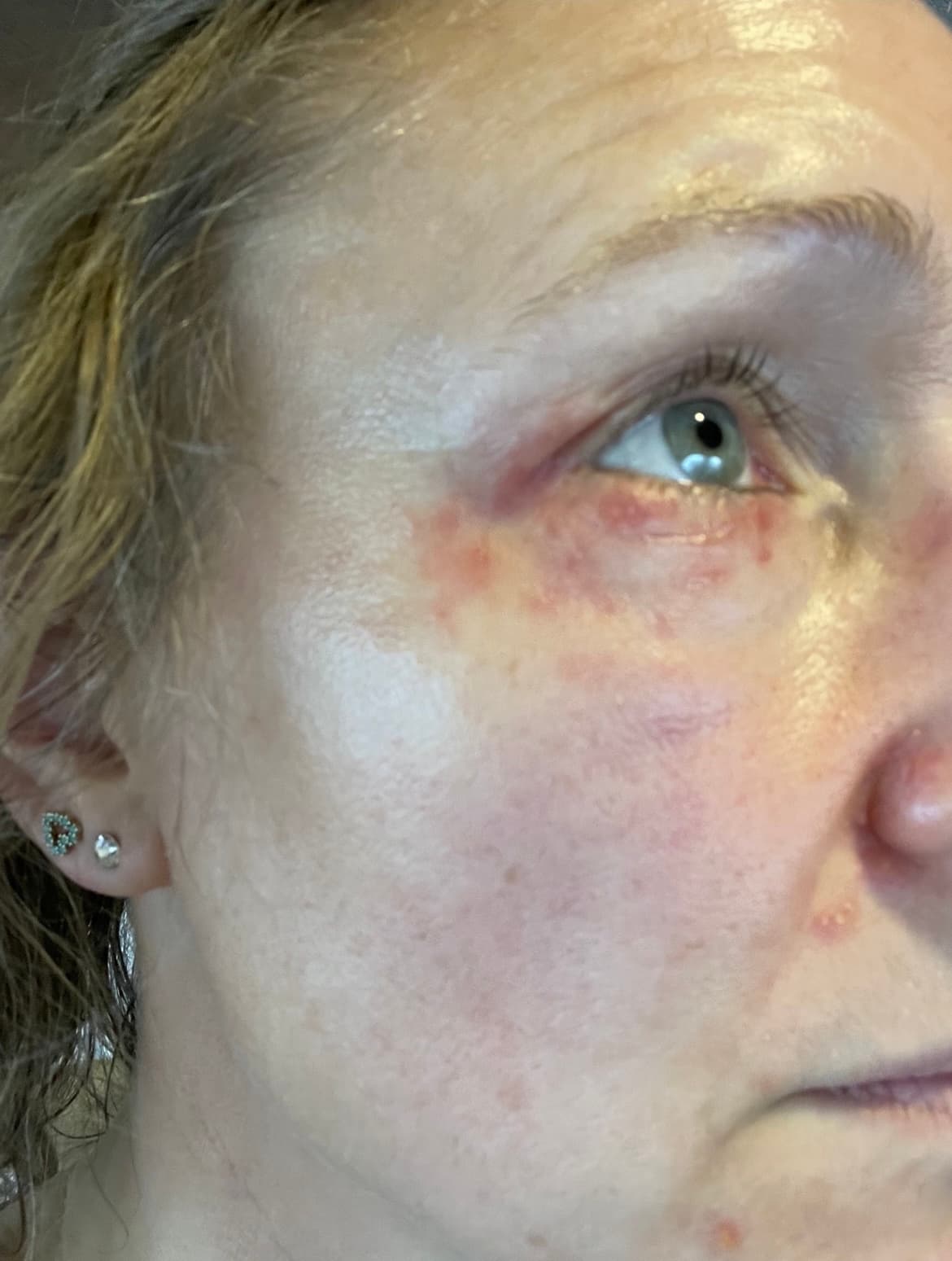
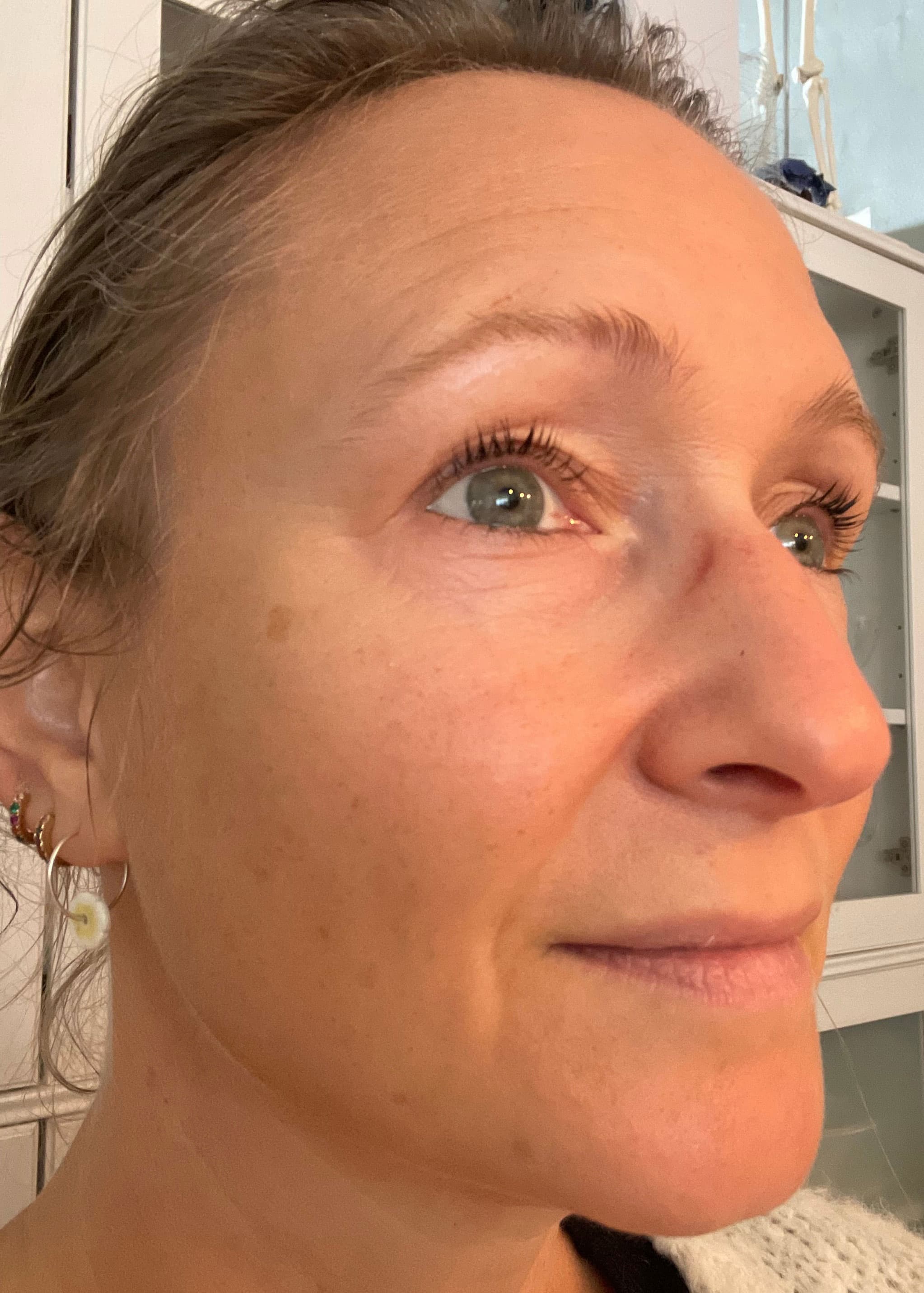
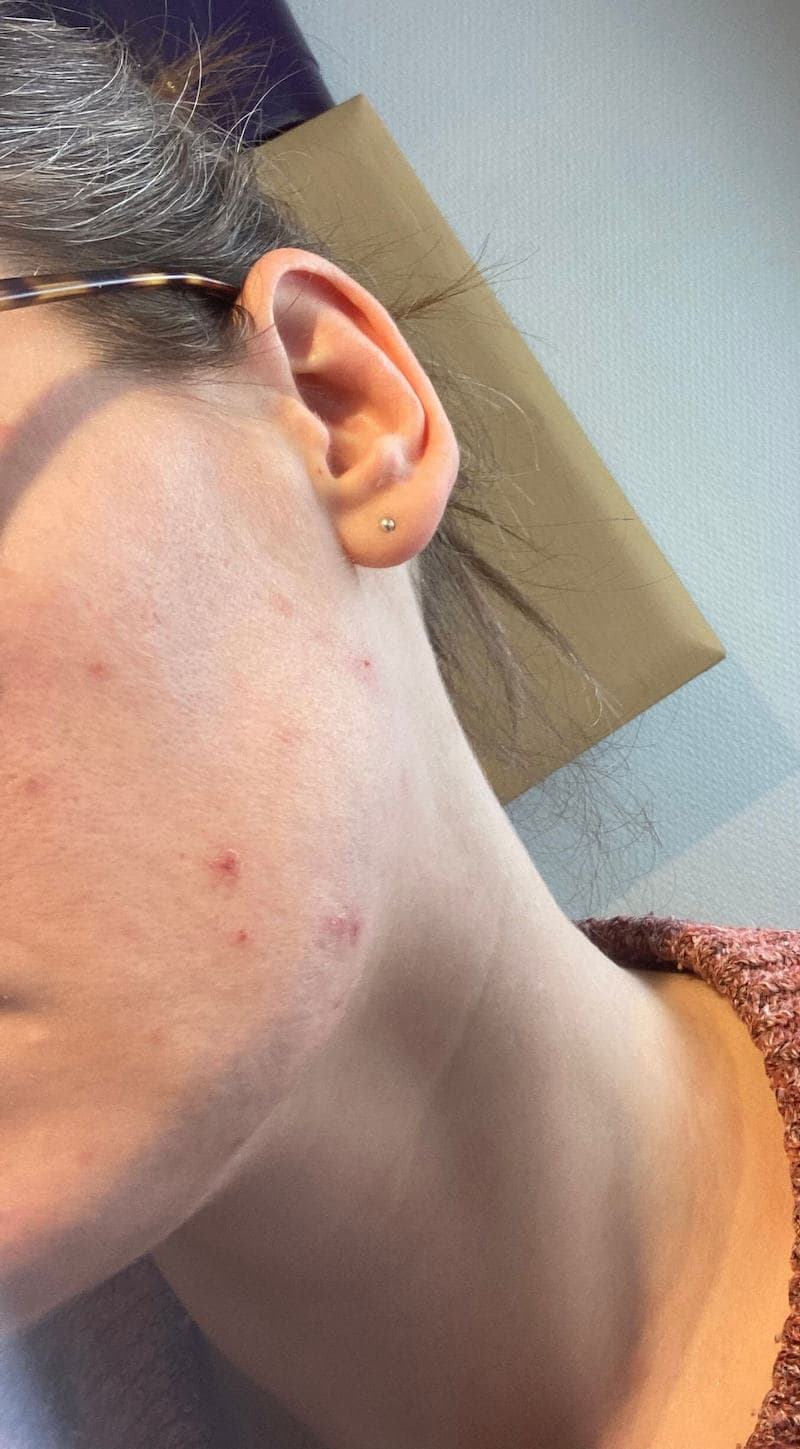
Real results from simple routines
A few real before-and-after cases from people using Danish Skin Care for skin concerns related to this guide. No filters, no miracle promise. Consistent skincare over time.
 Before
 After
After Before
 After
After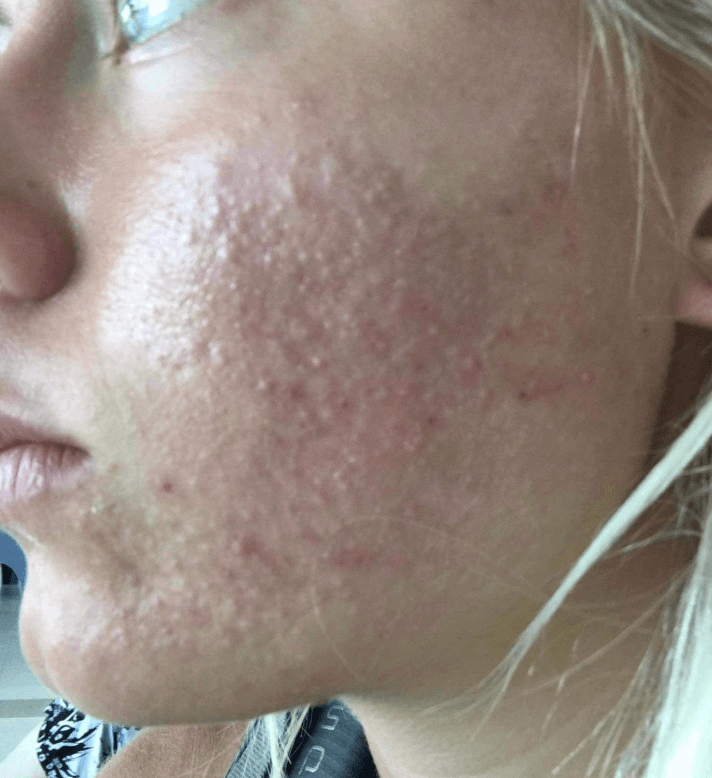 Before
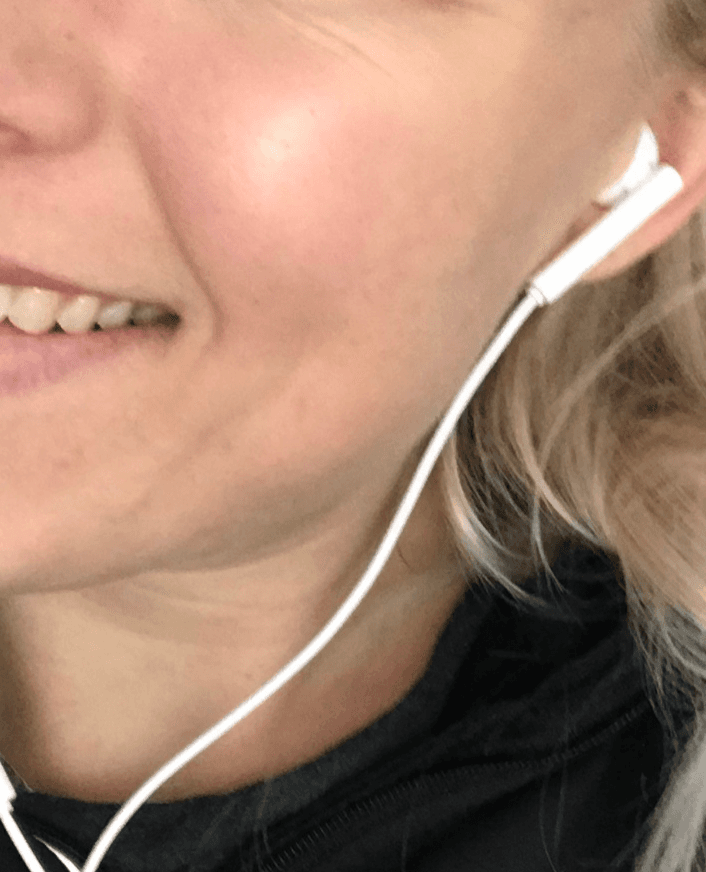 After
AfterKeep reading
- Ingredient · dimethicone
- Ingredient · dibutyl adipate
- Ingredient · zinc pca
- Ingredient · niacinamide
- Ingredient · glycerin
- Condition · sensitive skin
- Condition · rosacea
- Condition · pigmentation
- Read · why do i break out after sunscreen
- Read · best sunscreen for rosacea
- Read · redness after shower
- Read · why does my skin feel tight after washing
- Read · how to repair skin barrier after over exfoliating
Citations
- Garcia J, et al. Advances in enhancing photoprotection of sunscreens using hydrocarbon film formers and carbon nanomaterials. Int J Cosmet Sci. 2025.PMID 40374040
- Sander M, Sander M, Burbidge T, Beecker J. The efficacy and safety of sunscreen use for the prevention of skin cancer. CMAJ. 2020;192(50):E1802-E1808.PMID 33318091
- Draelos ZD. Moisturizers: reality and the skin benefits. Dermatol Ther. 2012;25(3):229-233.PMID 22913439