
Why does sunscreen break me out? 6 causes and how to fix it
Sunscreen breakouts can come from heavy texture, poor removal, sweat, irritation, or acne that was already forming. Here is how to fix it without skipping SPF.

On this page
When I had acne, sunscreen felt unfair.
Everyone said I should wear SPF. My skin said, "Interesting suggestion. Here are three new bumps." So I did what many acne-prone people do: blamed the sunscreen, skipped it, then wondered why every pimple mark stayed visible for ages.
After helping more than 100,000 people with problem skin, I would handle it differently. Sunscreen is usually not the villain. The texture, removal, layering, or irritation pattern is the clue.
Why does sunscreen make me break out?
You may break out after sunscreen because:
- The formula is too heavy for your skin.
- It is not removed well at night.
- You layer it over rich products.
- Sweat and friction trap residue.
- The product irritates your skin.
- The acne was already forming.
Acne starts inside the hair follicle and oil gland, with sebum, sticky cell shedding, bacteria, and inflammation involved[1]. Sunscreen can make that environment feel worse for some people, but it is rarely the whole acne story.
Pattern 1: small clogged bumps
Small closed comedones after sunscreen often point to texture, residue, or layering.
If the SPF also rolls into little flakes, the guide to sunscreen pilling will help you separate a texture problem from a breakout problem.
Try:
- a lighter gel-cream or fluid SPF
- less moisturiser underneath
- a proper evening cleanse
- avoiding heavy oils or occlusive balms under SPF
- giving one sunscreen at least 2 weeks before judging, unless it irritates
This is where non-comedogenic can help as a starting label, not a guarantee. Your skin gets the final vote.
If the same pattern happens with creams as well as SPF, the guide to moisturizer breakouts is the better next stop.
If you are trying to decide whether to switch filter type, the guide to mineral sunscreen for acne-prone skin explains when zinc oxide and titanium dioxide are worth testing - and when the problem is probably the base formula instead.
Pattern 2: pimples after sweaty SPF days
If breakouts happen after sport, helmets, hats, or long hot days, the issue may be sweat plus friction plus sunscreen film.
That does not mean SPF caused acne alone. It means the skin had a busy day. Rinse or cleanse after heavy sweating when practical, wash hats and straps, and avoid leaving a thick SPF-sweat layer on for hours after outdoor activity.
Pattern 3: burning, rash, or itching
Burning and rash are not clogged pores. They suggest irritation or possible allergy.
Stop the product if you get persistent stinging, swelling, hives, eyelid irritation, or rash. Consider a patch test or medical advice if reactions keep happening.
Remove sunscreen without stripping
Heavy or water-resistant sunscreen may need more careful cleansing. A cleanser review[2] explains that surfactants can disrupt the barrier when cleansing is too aggressive, so the answer is not harsher washing.
Use a gentle cleanser. If sunscreen residue remains, try double cleansing: first a balm or oil cleanser, then a gentle water-based cleanser. Your face should feel clean, not polished.
Do not quit sunscreen too quickly
The FDA explains sunscreen is part of sun protection and should be applied as directed[3]. The AAD recommends broad-spectrum, water-resistant SPF 30 or higher for exposed skin[4].
For acne-prone skin, SPF also matters because inflammation can leave red or brown marks. Skipping sunscreen to avoid pimples can make the aftermath of each pimple hang around longer.
Very annoying. Very real.
How to choose sunscreen that will not break you out
Start with the finished formula, not a blacklist of UV filters. A mineral sunscreen can still feel heavy, and a chemical or hybrid sunscreen can still suit acne-prone skin.
Look for:
- a fluid, lotion, or light gel-cream texture
- a non-comedogenic label as a starting clue, not a guarantee
- little or no fragrance if your skin also burns or itches
- no need for a rich moisturiser underneath
- comfortable removal with your normal evening cleanser
Test one sunscreen for two weeks while keeping the rest of the routine stable. Stop earlier for burning, swelling, hives, or a spreading rash. If you mainly struggle with shine, the oily-skin guide will help you adjust the layers under SPF without drying the face into rebellion.
The routine I would test
Morning
- Gentle cleanse or water rinse.
- Lightweight moisturiser only if needed.
- Lightweight SPF.
Evening
- Gentle cleanse or double cleanse if SPF is stubborn.
- Salicylic acid 2 to 4 nights per week if you clog easily.
- Moisturiser.
Keep everything else stable while testing sunscreen. If you change SPF, cleanser, moisturiser, serum, and exfoliant in one week, the breakout investigation becomes a courtroom drama with no witnesses.
When to get help
See a dermatologist if acne becomes painful, cystic, scarring, suddenly severe, or if every sunscreen causes rash, swelling, or eye irritation.
The goal is not to find the perfect sunscreen in theory. It is to find the SPF you will wear, remove comfortably, and repeat without making your skin or your morning routine miserable.
People also ask
Can sunscreen cause breakouts?
Some sunscreens can contribute to clogged pores or irritation in some people, especially if the texture is heavy, not removed well, or used with sweat and friction. Sunscreen is still important; switch strategy before skipping it.
How do I stop breaking out from sunscreen?
Try a lighter non-comedogenic formula, remove it gently at night, avoid layering too many rich products underneath, and keep acne treatment consistent.
Is sunscreen purging my skin?
Usually no. Sunscreen does not speed up cell turnover like retinoids or acids. New bumps after sunscreen are more likely clogging, irritation, sweat, friction, or acne that was already forming.
Should acne-prone skin double cleanse sunscreen?
If your sunscreen is heavy or water resistant, double cleansing can help. Keep both steps gentle so you remove residue without stripping the barrier.
The SPF routine I would test before giving up
If sunscreen breaks you out, the answer is usually adjustment, not surrender. The Danish Skin Care Kit keeps the routine simple: cleanse sunscreen off properly, use a targeted clogged-pore step, support the barrier, and wear SPF every morning in a texture you can repeat.

A simple acne-prone SPF routine: gentle cleanse at night, salicylic acid when tolerated, lightweight moisturiser support, and daily sun protection.
Full transparency: Danish Skin Care is my own company — I formulated these products and earn from every sale. That's exactly why I only recommend them where they genuinely fit the guide you just read.
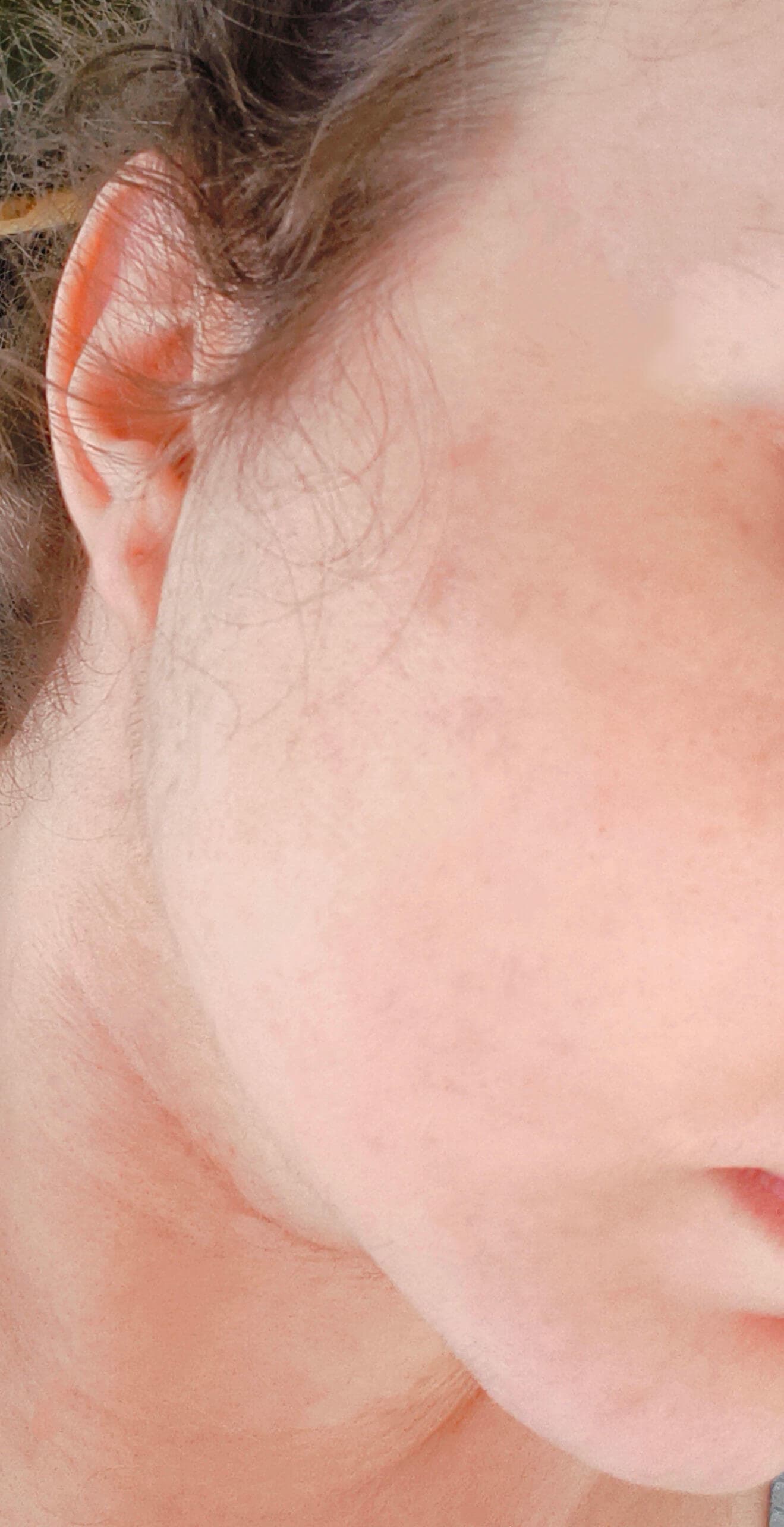
Real results from simple routines
A few real before-and-after cases from people using Danish Skin Care for skin concerns related to this guide. No filters, no miracle promise. Consistent skincare over time.
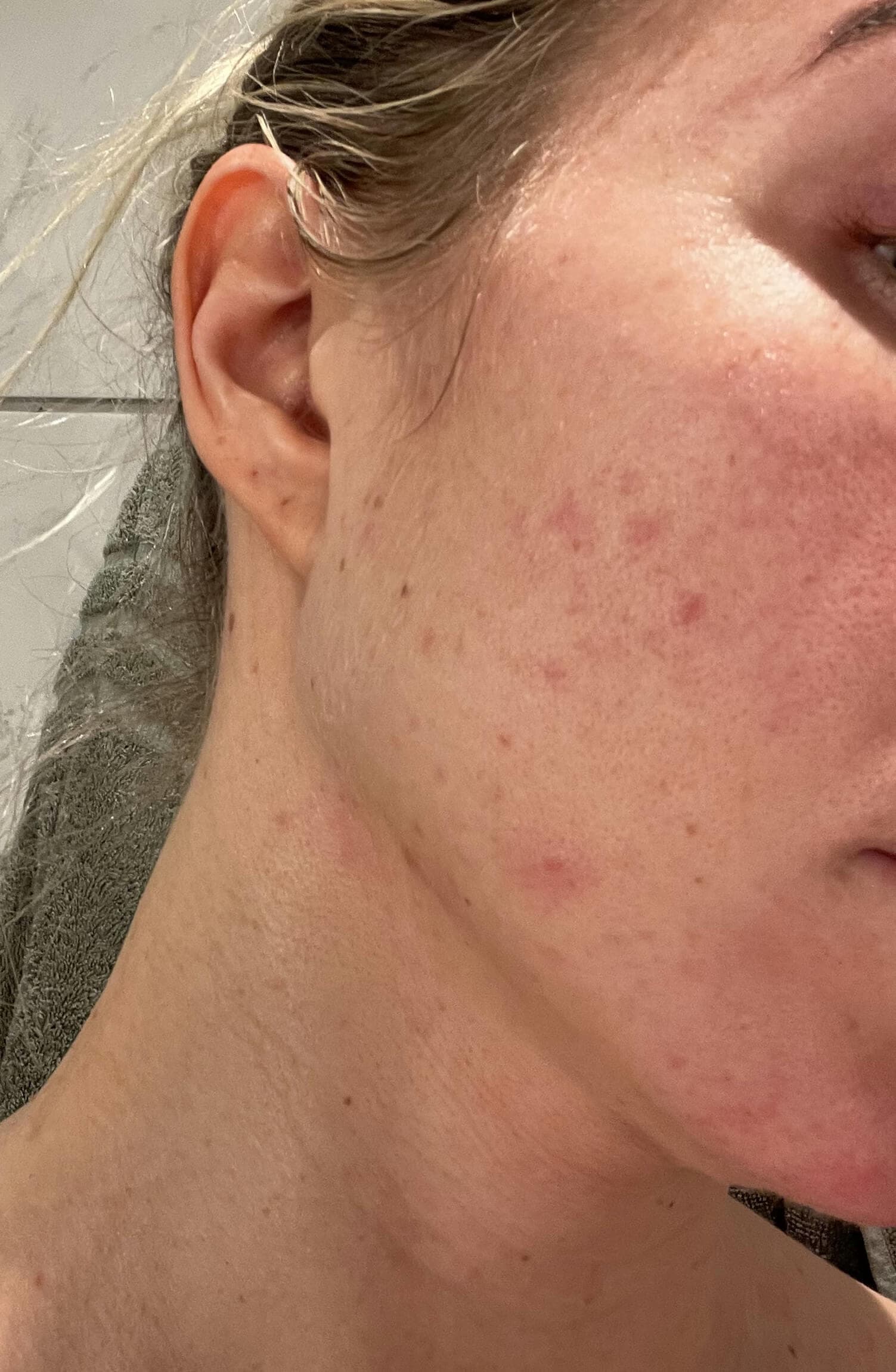 Before
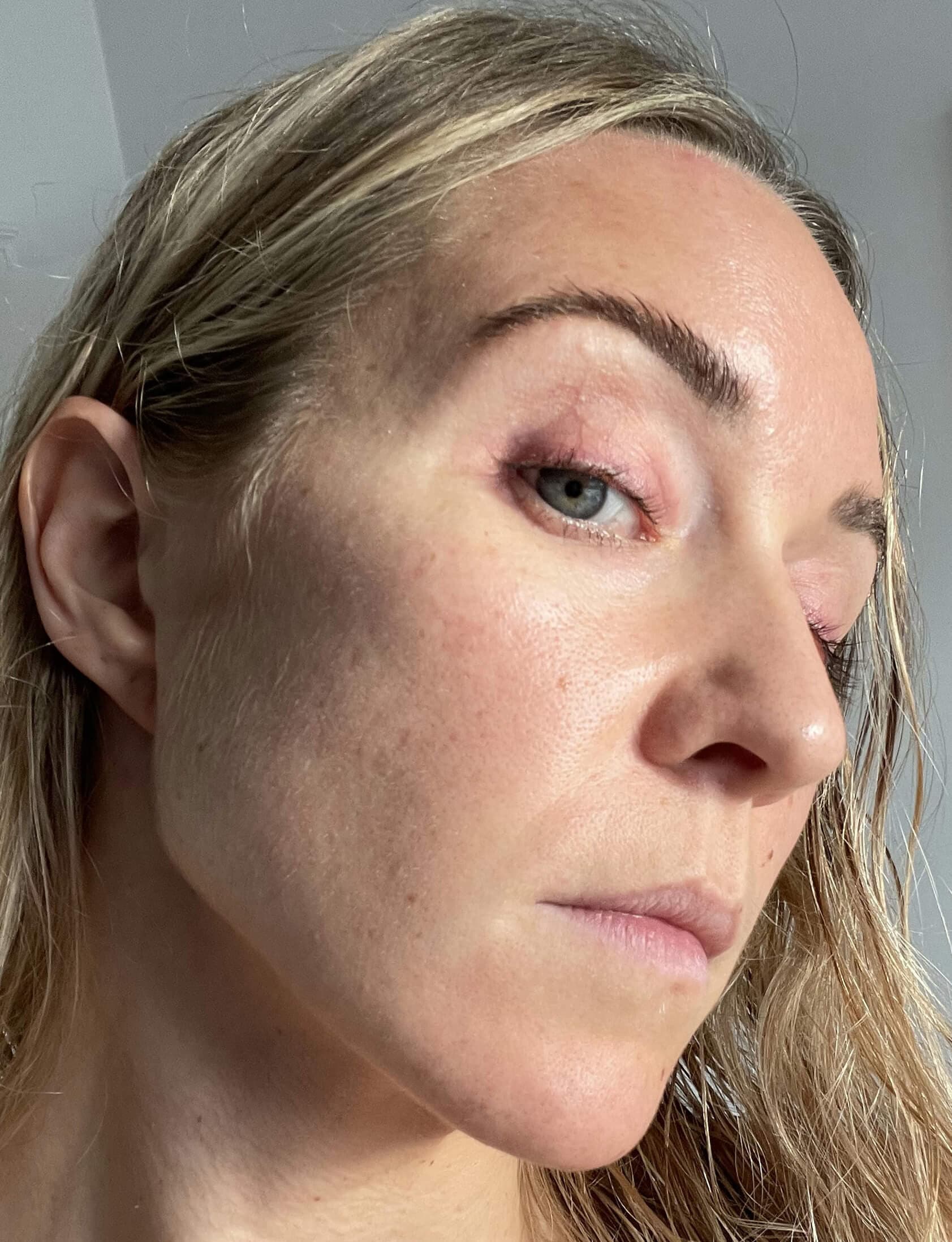 After
After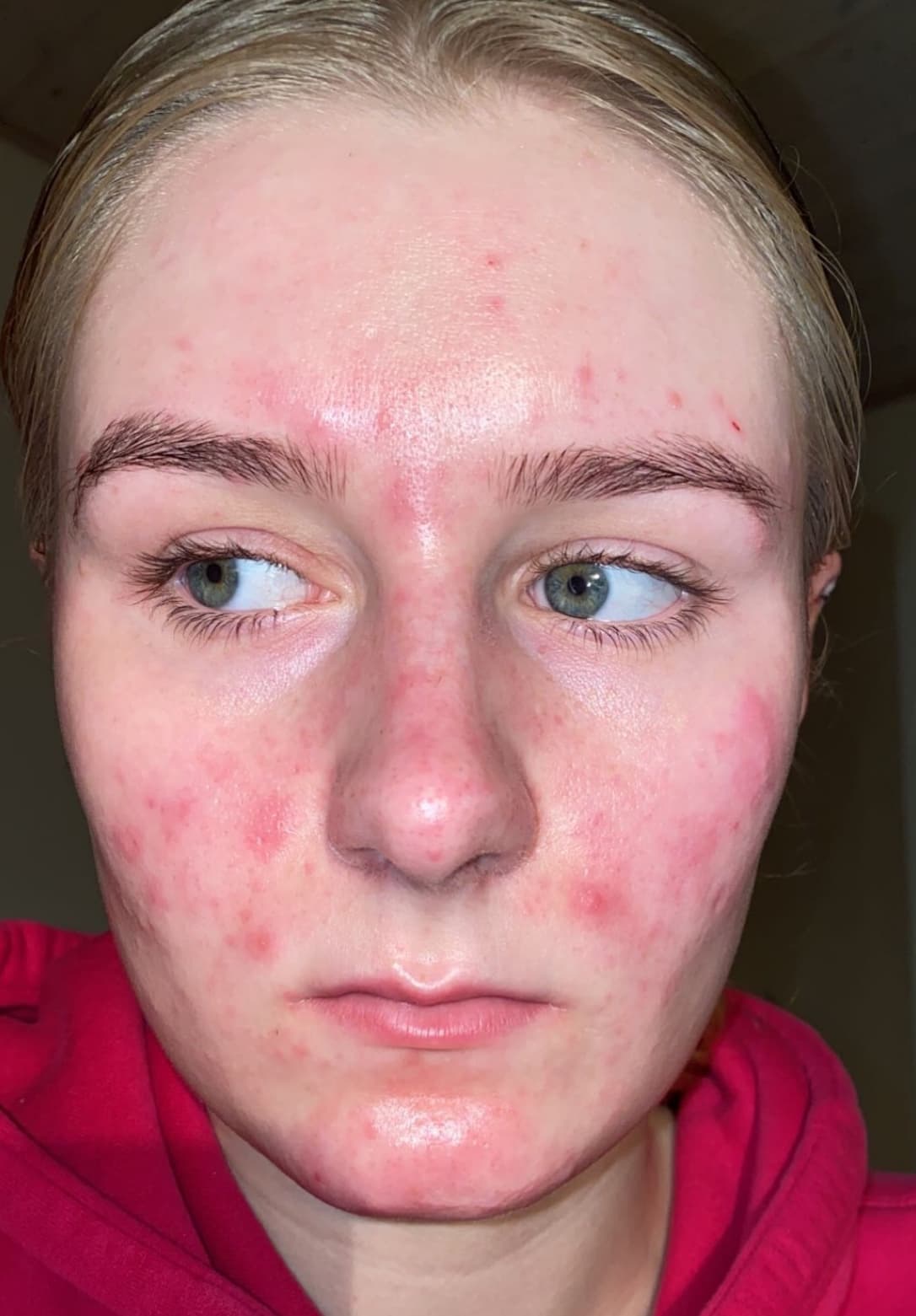 Before
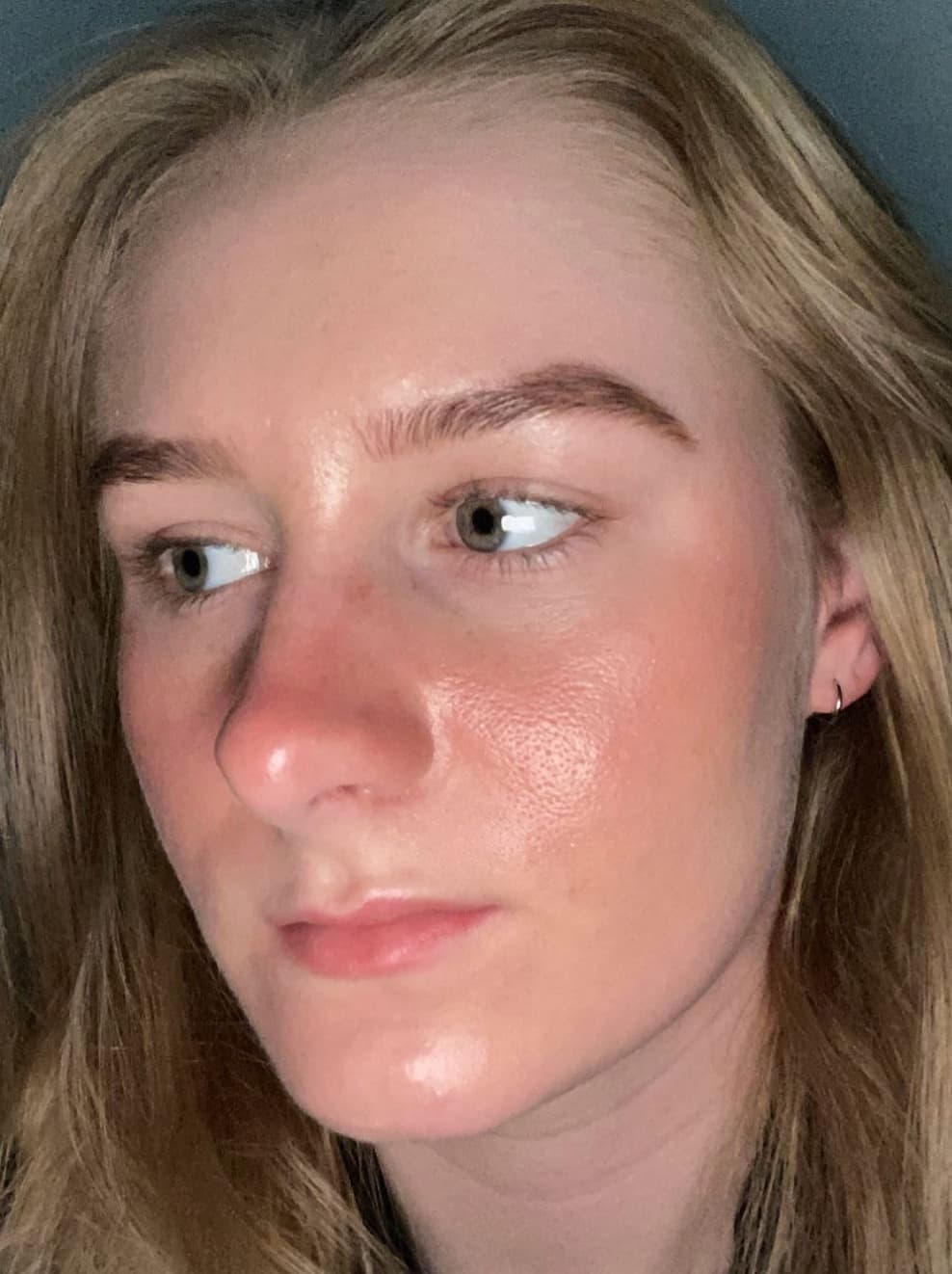 After
After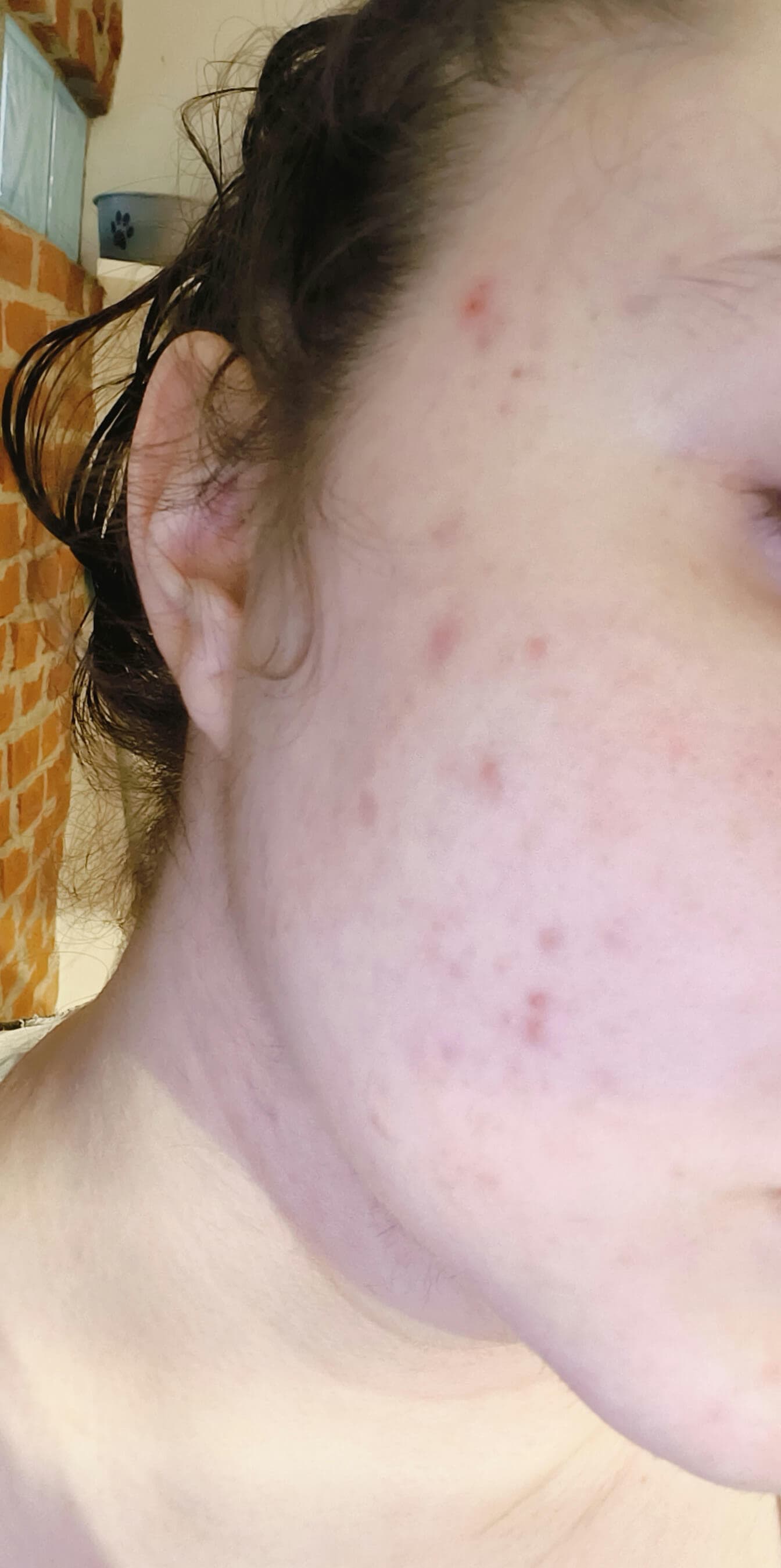 Before
 After
AfterKeep reading
- Ingredient · zinc oxide
- Ingredient · niacinamide
- Ingredient · salicylic acid
- Ingredient · zinc pca
- Ingredient · glycerin
- Ingredient · dimethicone
- Ingredient · isoamyl laurate
- Condition · acne and blemishes
- Condition · oily skin
- Condition · sensitive skin
- Condition · pigmentation
- Read · is mineral sunscreen better for acne prone skin
- Read · why does sunscreen pill on my face
- Read · why does moisturizer make me break out
- Read · best skincare routine for clogged pores
- Read · how to get rid of pimples
- Read · how to fade post acne marks
- Read · best sunscreen for rosacea
Citations
- Williams HC, Dellavalle RP, Garner S. Acne vulgaris. Lancet. 2012;379(9813):361-372.PMID 21880356
- Walters RM, Mao G, Gunn ET, Hornby S. Cleansing formulations that respect skin barrier integrity. Dermatol Res Pract. 2012;2012:495917.PMID 22927835
- FDA: Sunscreen: How to Help Protect Your Skin from the Sun.U.S. Food and Drug Administration
- American Academy of Dermatology: Sunscreen FAQs.AAD