
Octocrylene
A common organic sunscreen filter that helps with UVB protection and formula stability, with useful safety guidance from European regulators.
At a glance
What Octocrylene does for skin, and how to read the practical safety signals.
- UV filter: Used in sunscreens and some day creams for UV protection.
- Stability helper: Often paired with UVA filters such as avobenzone.
- Nuance: Regulatory reviews support use within limits, while very sensitive skin can still react to individual formulas.
- Type
- Sunscreen filter
- Rating
- Pregnancy
- Considered safe
- Comedogenic rating
- 0/5 (Won't clog pores)
- Vegan
- Yes
- Suited skin types
- All skin types
On this page
The short answer
Octocrylene is an organic sunscreen filter. It helps sunscreen formulas protect against UV and can also support the stability of certain filter systems.
In less label-language: it helps the SPF do its job and stay useful in the real world.
What octocrylene does
Octocrylene is used as a UV filter in sunscreens, day creams, and other products with sun-protection claims. The SCCS opinion describes octocrylene as a UVB filter that is often used with dibenzoylmethane derivatives to stabilise sunscreen products[1]. Avobenzone is the famous member of that UVA-filter family.
That is why you may see octocrylene and avobenzone together on a sunscreen label.
Safety, without the internet yelling
The SCCS concluded that octocrylene is safe as a UV filter up to 10% in cosmetic products when used individually, and also safe in combined use across several product types at up to 10%, with a lower safe limit for sunscreen propellant sprays in combined exposure scenarios[1]. EU Regulation 2022/1176 then updated restrictions for octocrylene and benzophenone-3 in cosmetic products[2].
That is the calm version: regulators reviewed the data and set limits.
It does not mean every octocrylene sunscreen will suit every face. Contact allergy and photoallergy are reported, but they are not the normal experience for most users.
Who may like it
Octocrylene-containing sunscreens may suit people who want:
- lighter textures than many mineral sunscreens
- broad-spectrum formulas when paired with UVA filters
- less white cast
- water-resistant or outdoor-leaning SPF textures
If you are acne-prone, the finished formula matters more than one filter. A heavy sunscreen can break you out because of texture, sweat, cleansing, or friction. The filter name is only one clue.
When to avoid it
Avoid octocrylene if you know you patch-test or photo-patch-test positive to it, or if a clinician has told you to avoid it. If every sunscreen stings, do not try to solve that by memorizing filter names alone. Look at the formula, the skin barrier, and your application habits.
The guide on sunscreen breakouts can help if SPF and pimples keep showing up together.
The practical takeaway
My goal with this guide was to gather the useful science on octocrylene in one place, so you can stop chasing the next clever fix and focus on a simple, effective routine.
That is also why I made the Danish Skin Care Kit: a calm routine built around documented ingredients, and one that has helped more than 100,000 people with problem skin. If even the smallest question is still nagging you, send me an email at info@danishskincare.com.
Common questions
What does octocrylene do in sunscreen?
It works as an organic UV filter and can also help stabilize some sunscreen formulas, especially when paired with filters that need support.
Is octocrylene safe?
European safety reviewers consider it safe as a UV filter within specified concentration limits. Individual allergies or sensitivities can still happen.
Does octocrylene cause acne?
Octocrylene itself is not automatically acne-causing. Breakouts depend on the finished sunscreen texture, your skin, removal, sweat, and routine.
Reading a real label?
Scan a product to see how it is formulated
Upload a photo of the ingredient list and get a quick ingredient-by-ingredient read against the evidence-led database.
I recommend these products

A simple routine where morning sunscreen is treated as a daily habit, not a complicated filter debate.
Skin conditions it actively helps with
Where the published evidence puts Octocrylene on the short list of active ingredients worth reaching for.
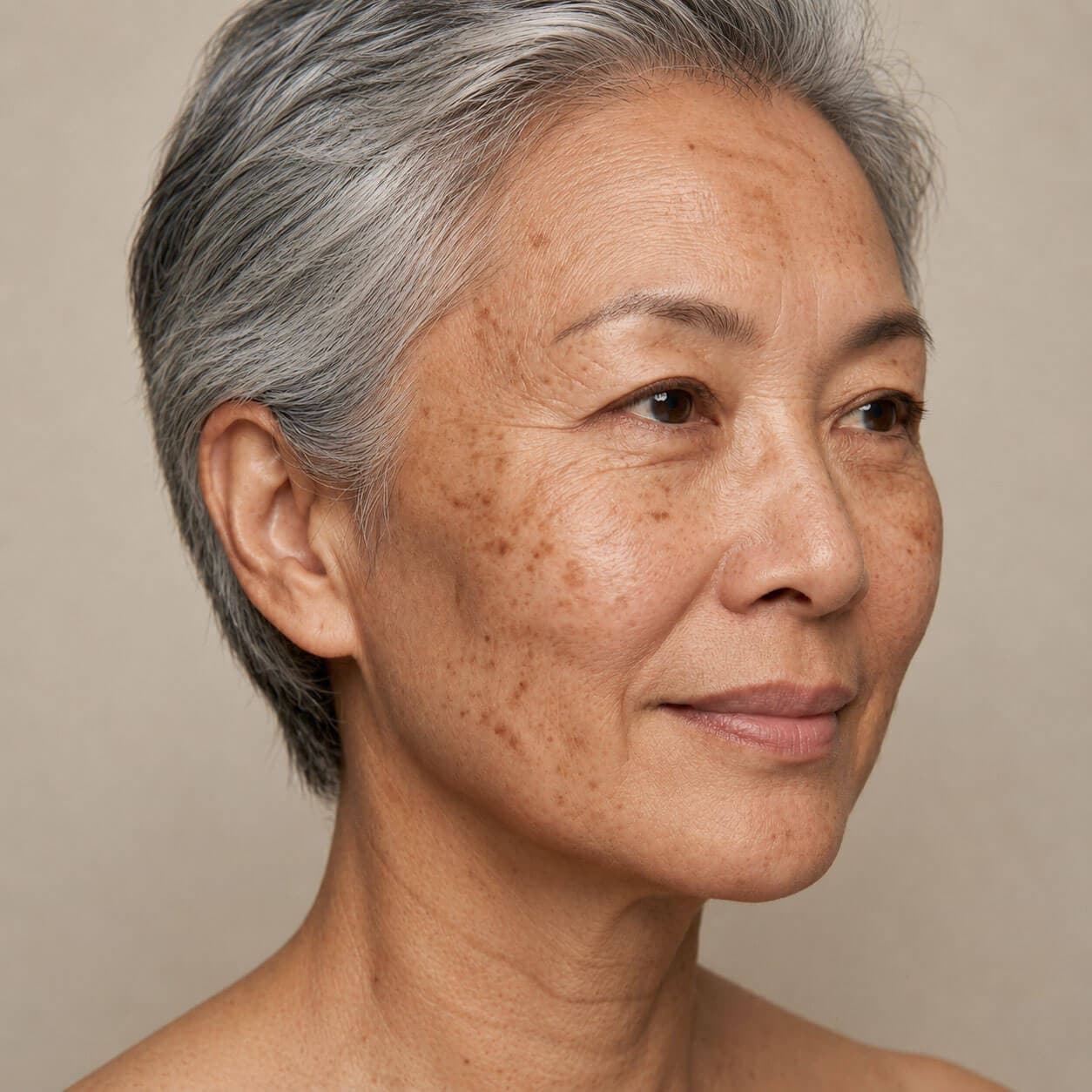
Pigmentation
Pigmentation is one of the most-asked-about, most-misunderstood skin concerns. Here's what's happening in your skin and the slow, evidence-led routine that actually fades it.
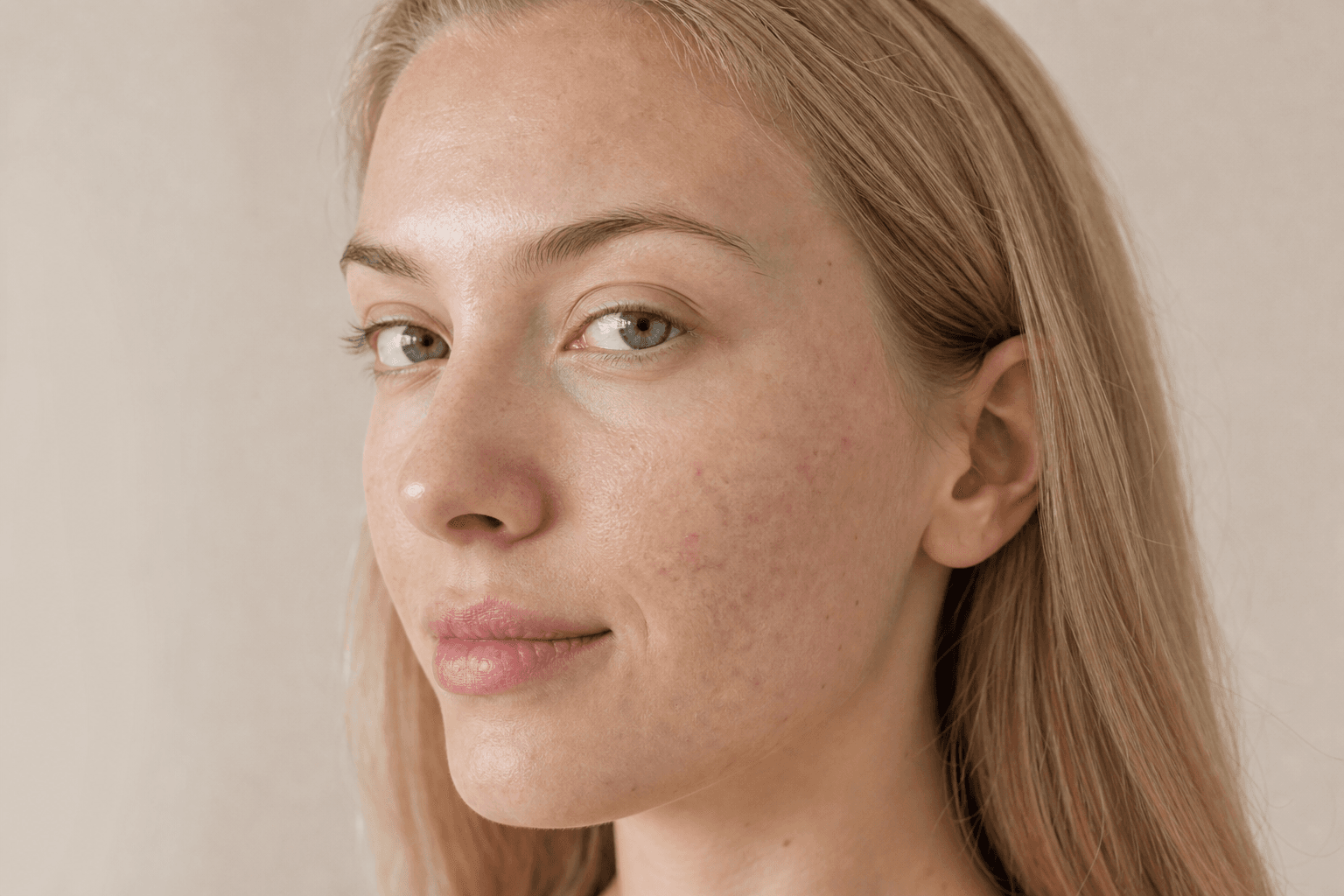
Acne scars and post-acne marks
A calm guide to what acne leaves behind: red marks, brown marks, indented scars, raised scars, and the routine that helps without making skin angrier.

Signs of ageing
Wrinkles, sallowness, slack tone, and uneven pigment all share the same drivers. Here's the unglamorous routine that genuinely slows them.