
Is mineral sunscreen better for acne-prone skin?
Mineral sunscreen can be a good choice for acne-prone skin, but it is not automatically better. Texture, removal, and the whole formula decide the real result.
On this page
When I had acne, sunscreen felt like one more person giving me sensible advice while my face did whatever it wanted.
Wear SPF. Protect your marks. Do not skip it. Very good. Then I would try a thick sunscreen, get new bumps, and quietly decide the sun was less annoying than the bathroom mirror.
I would not handle it that way now.
After helping more than 100,000 people with problem skin, I have learned that acne-prone skin rarely needs a dramatic sunscreen rule. It needs a formula that protects, feels light enough to use, and comes off without a fight.
The short answer
Mineral sunscreen can be better for acne-prone skin if your skin stings, burns, or reacts to other sunscreens.
But mineral sunscreen is not automatically better for acne.
The real question is: does the finished sunscreen suit your skin?
For acne-prone skin, breakouts can come from the whole product:
- a heavy texture
- rich oils or waxes
- too much moisturiser underneath
- sweat and friction
- poor removal at night
- irritation that looks like a breakout
Daily photoprotection still matters for acne-prone skin. A 2023 acne photoprotection review[1] explains that sun exposure can worsen acne pathways and post-inflammatory marks, while well-chosen sunscreen can support treatment and help reduce post-inflammatory hyperpigmentation or redness.
So the goal is not "mineral at all costs."
The goal is SPF your acne-prone skin can live with.
What mineral sunscreen means
Mineral sunscreen uses inorganic UV filters - mainly zinc oxide, titanium dioxide, or both.
You may also see people call it physical sunscreen. That phrase is common, although the old idea that mineral filters only reflect UV is too simple. Modern sunscreen science is more interesting and, regrettably, less tidy.
For the reader in the bathroom aisle, the practical difference is this:
- mineral sunscreens often suit sensitive or sting-prone skin
- chemical or hybrid sunscreens often feel lighter and more invisible
- either type can be brilliant or terrible depending on the formula
Skincare is rude like that.
Start with protection, not filter politics
Before you compare mineral and chemical filters, check the boring label basics.
The American Academy of Dermatology says effective sunscreen selection should include broad-spectrum protection, SPF 30 or higher, and water resistance when sweating or swimming[2]. Broad spectrum means UVA and UVB coverage. SPF mainly describes UVB sunburn protection.
That comes first.
A mineral sunscreen with poor coverage is not better than a chemical sunscreen with proper coverage. A beautiful SPF you hate wearing is not much use either, because sunscreen only works on the skin, not in the drawer.
Why mineral sunscreen can suit acne-prone skin
Mineral sunscreens can be useful when acne-prone skin is also:
- sensitive
- irritated from acne treatments
- prone to stinging around the eyes
- dealing with redness after breakouts
- tired of greasy SPF textures
A review of inorganic UV filters[3] describes zinc oxide and titanium dioxide as the two main inorganic sunscreen filters. It notes that zinc oxide has broad UVA-UVB absorption, while titanium dioxide is stronger on UVB, and that human health risk from these filters is considered very low because meaningful skin absorption is lacking.
That is reassuring.
It does not mean every mineral sunscreen feels good.
Why mineral sunscreen can still break you out
If a mineral sunscreen breaks you out, do not blame zinc oxide first.
Look at the vehicle - the cream, lotion, balm, tint, powders, oils, waxes, silicones, film formers, and everything else that turns UV filters into a product people can spread on a face.
Mineral sunscreens can be:
- thick
- pasty
- drying
- hard to spread
- heavy on white cast
- stubborn to remove
- more likely to pill if layered badly
Acne-prone skin may not enjoy that. Especially if you rub hard to make a white cast disappear, then leave the film on through sweat, then cleanse too aggressively at night.
That is not a mineral-sunscreen failure. That is a routine friction problem.
If this sounds familiar, read the guide to why sunscreen breaks you out next. It helps separate clogging, irritation, sweat, and removal.
How I would test mineral sunscreen
Keep the test boring. Boring tests give useful answers.
1. Change one sunscreen at a time
Do not switch cleanser, moisturiser, exfoliant, foundation, and sunscreen in the same week.
If new bumps appear, you will have five suspects and no witnesses.
2. Use enough, but avoid unnecessary layers
Apply sunscreen generously, but keep the layers underneath simple.
If your moisturiser is rich and the mineral SPF is rich, acne-prone skin may feel like it is wearing a duvet in July.
3. Remove it properly
At night, cleanse gently. If the sunscreen is water-resistant or stubborn, try a gentle double cleanse rather than scrubbing.
Your skin should feel clean after washing, not polished like kitchenware.
4. Give it a fair trial
If the sunscreen does not burn, itch, or rash, give it a couple of weeks before judging clogged pores.
If it stings badly, swells, gives hives, or causes a rash, stop sooner. That is irritation territory, not "wait and see" skincare.
Mineral, chemical, or hybrid?
Here is my practical ranking:
- Best: the broad-spectrum SPF 30+ you wear enough of.
- Also good: the formula you can remove without irritating your barrier.
- Useful test: mineral sunscreen if your skin stings from other SPF formulas.
- Not useful: choosing mineral only because the internet made chemical filters sound scary.
Do not turn sunscreen into a moral category. Skin does not need that kind of drama before breakfast.
My final advice
If you have acne-prone skin, mineral sunscreen is worth testing - especially if your skin is sensitive, reactive, or sting-prone.
But zinc oxide is not an acne treatment. Titanium dioxide is not a personality trait. And "mineral" on the front of a tube does not guarantee your pores will applaud.
Choose sunscreen like a real person has to use it: enough protection, comfortable texture, no obvious irritation, and a removal routine your skin tolerates.
That is the sunscreen that wins.
People also ask
Is mineral sunscreen better for acne-prone skin?
Sometimes. Mineral sunscreen can be a good option if chemical sunscreens sting or irritate, but acne-prone skin still needs a lightweight, non-comedogenic-feeling formula that removes cleanly.
Can mineral sunscreen clog pores?
The mineral filters themselves are rarely the whole issue. A thick base, heavy oils, waxes, sweat, poor removal, or too many layers underneath can still contribute to clogged pores.
Is zinc oxide good for acne-prone skin?
Zinc oxide is a useful mineral UV filter, especially for people who prefer low-sting sunscreen. It does not treat acne by itself, so keep your acne routine consistent.
Should I choose mineral or chemical sunscreen for acne?
Choose the sunscreen you will wear enough of and remove comfortably. Mineral is a sensible test if your skin is reactive, but a light chemical or hybrid sunscreen may suit some acne-prone skin better.
The acne-prone SPF routine I would keep simple
If sunscreen keeps making you nervous, do not build a bigger routine around the anxiety. I created the Danish Skin Care Kit to keep acne-prone skin on a repeatable base: cleanse properly, use a pore-clearing step when your skin tolerates it, moisturise without heaviness, and wear SPF every morning.

A simple acne-prone daytime routine: gentle cleansing, salicylic acid when tolerated, light barrier support, and SPF without turning sunscreen testing into a second hobby.
Full transparency: Danish Skin Care is my own company — I formulated these products and earn from every sale. That's exactly why I only recommend them where they genuinely fit the guide you just read.
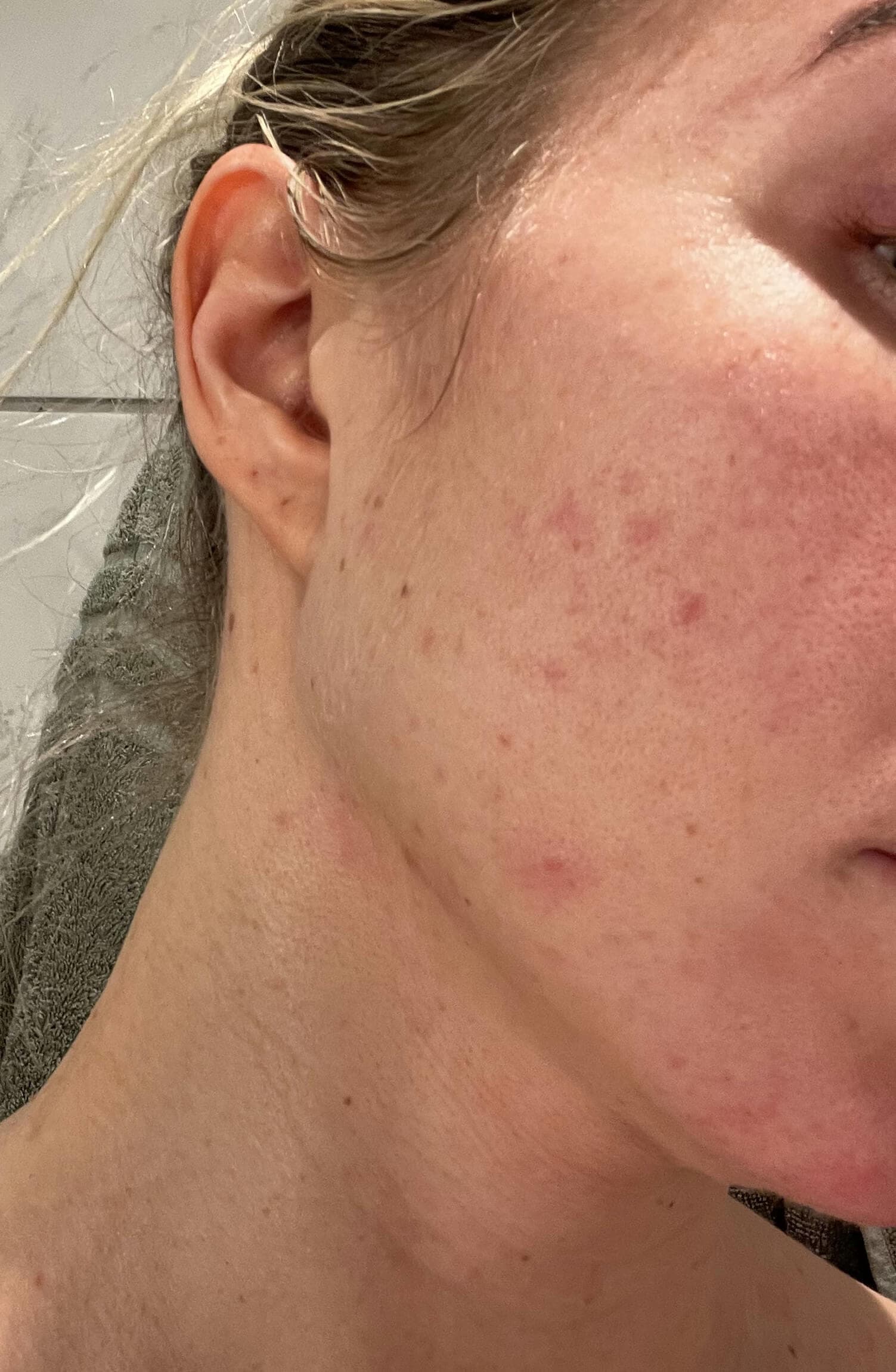
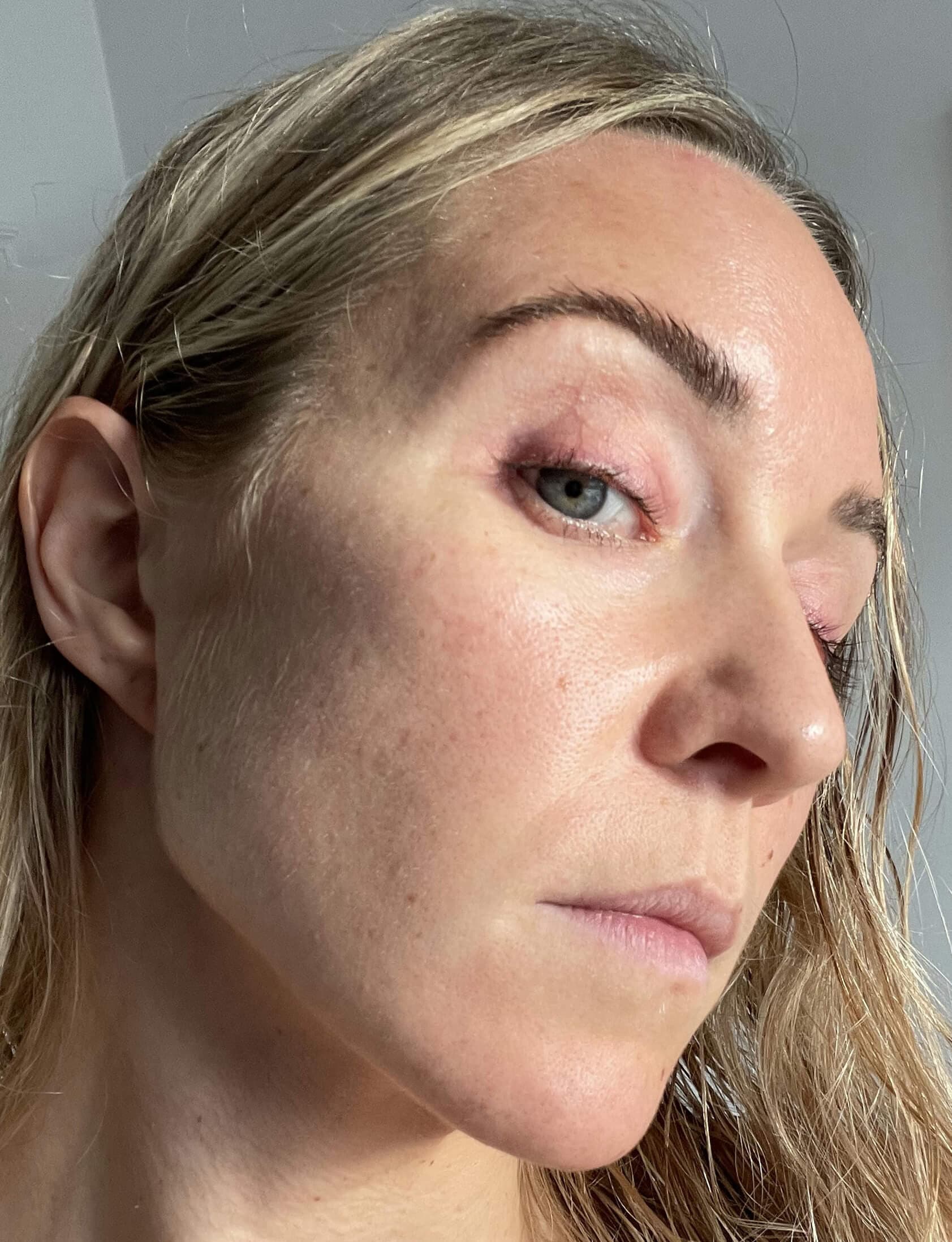
Real results from simple routines
A few real before-and-after cases from people using Danish Skin Care for skin concerns related to this guide. No filters, no miracle promise. Consistent skincare over time.
 Before
 After
After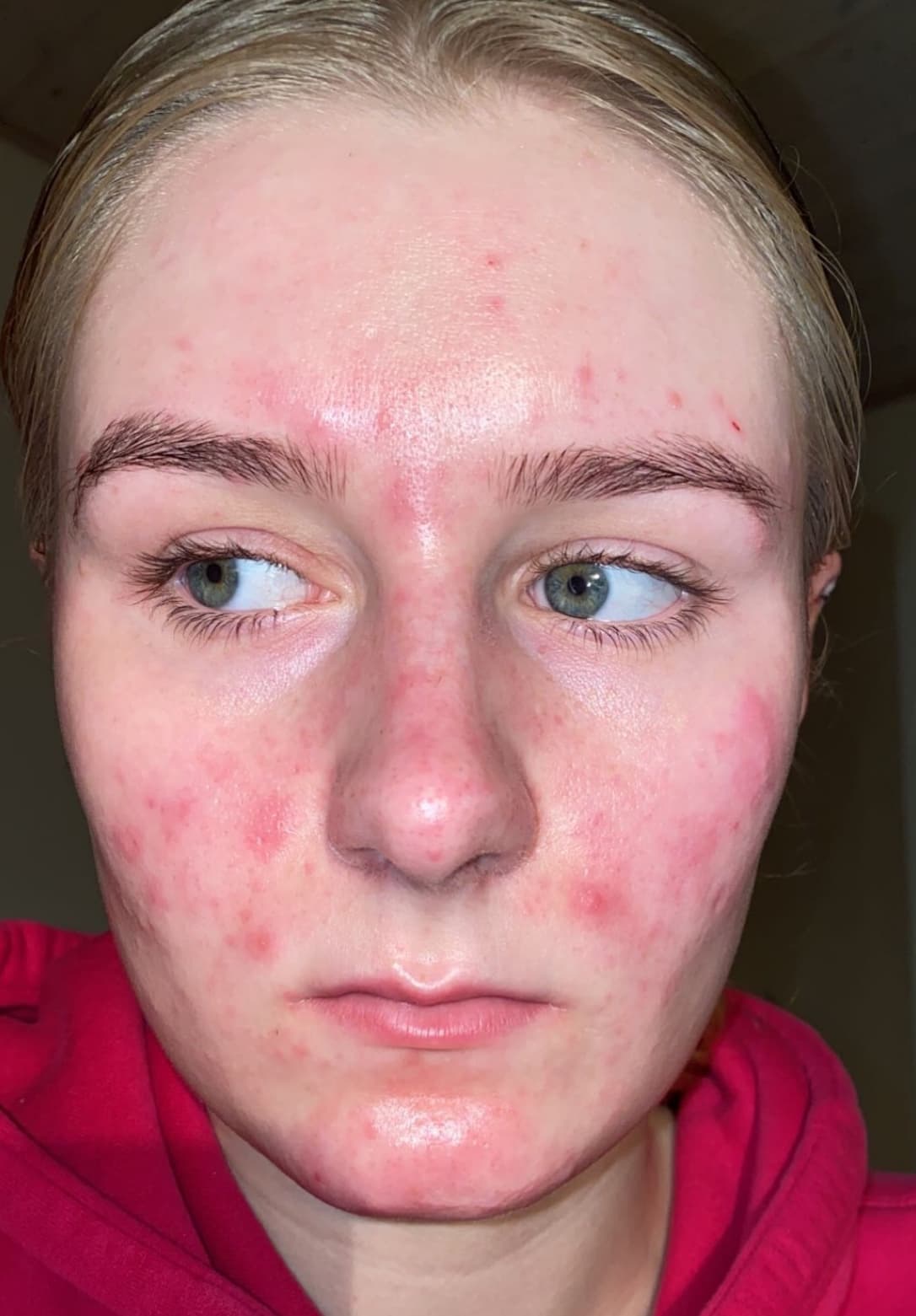 Before
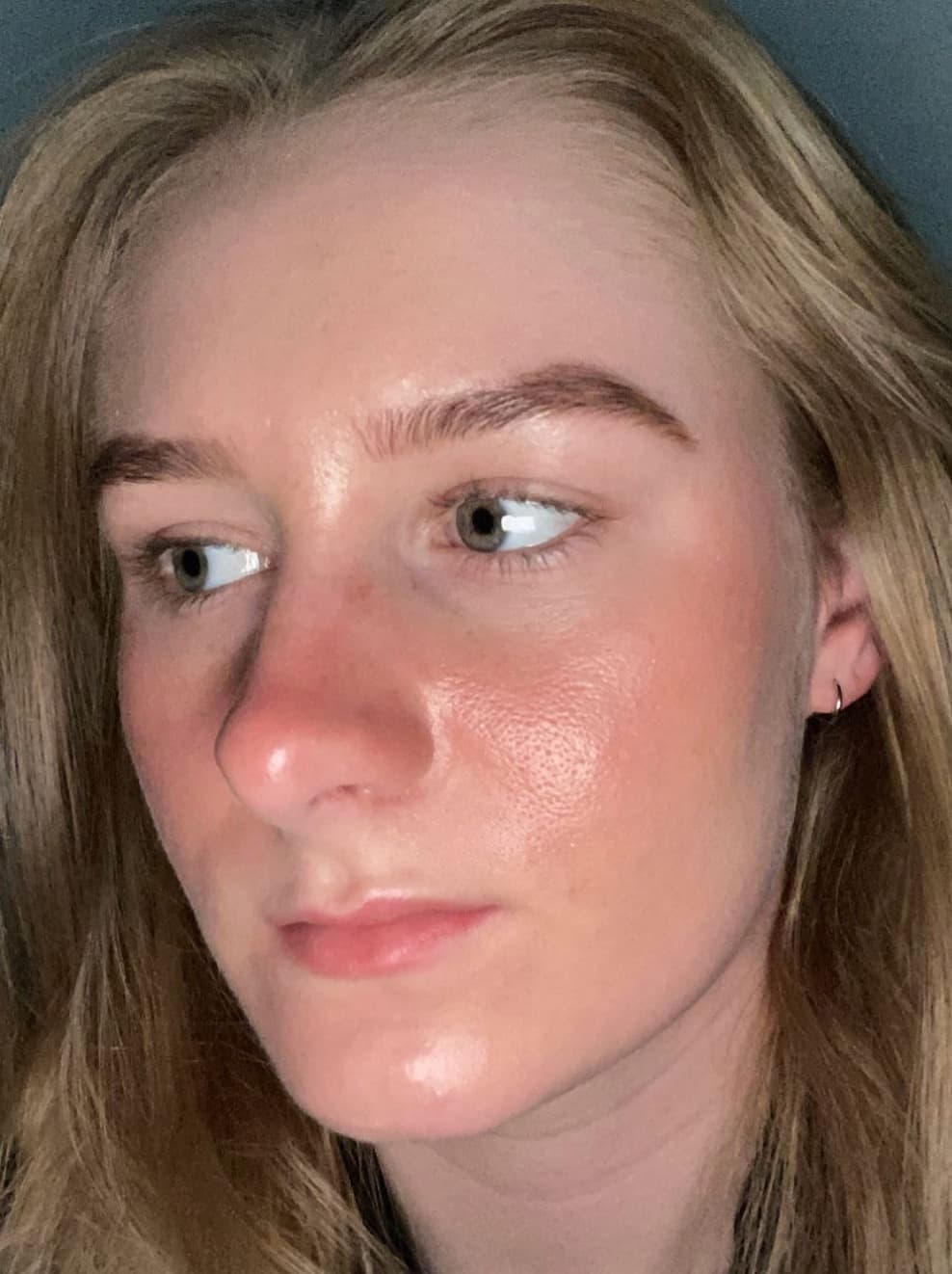 After
After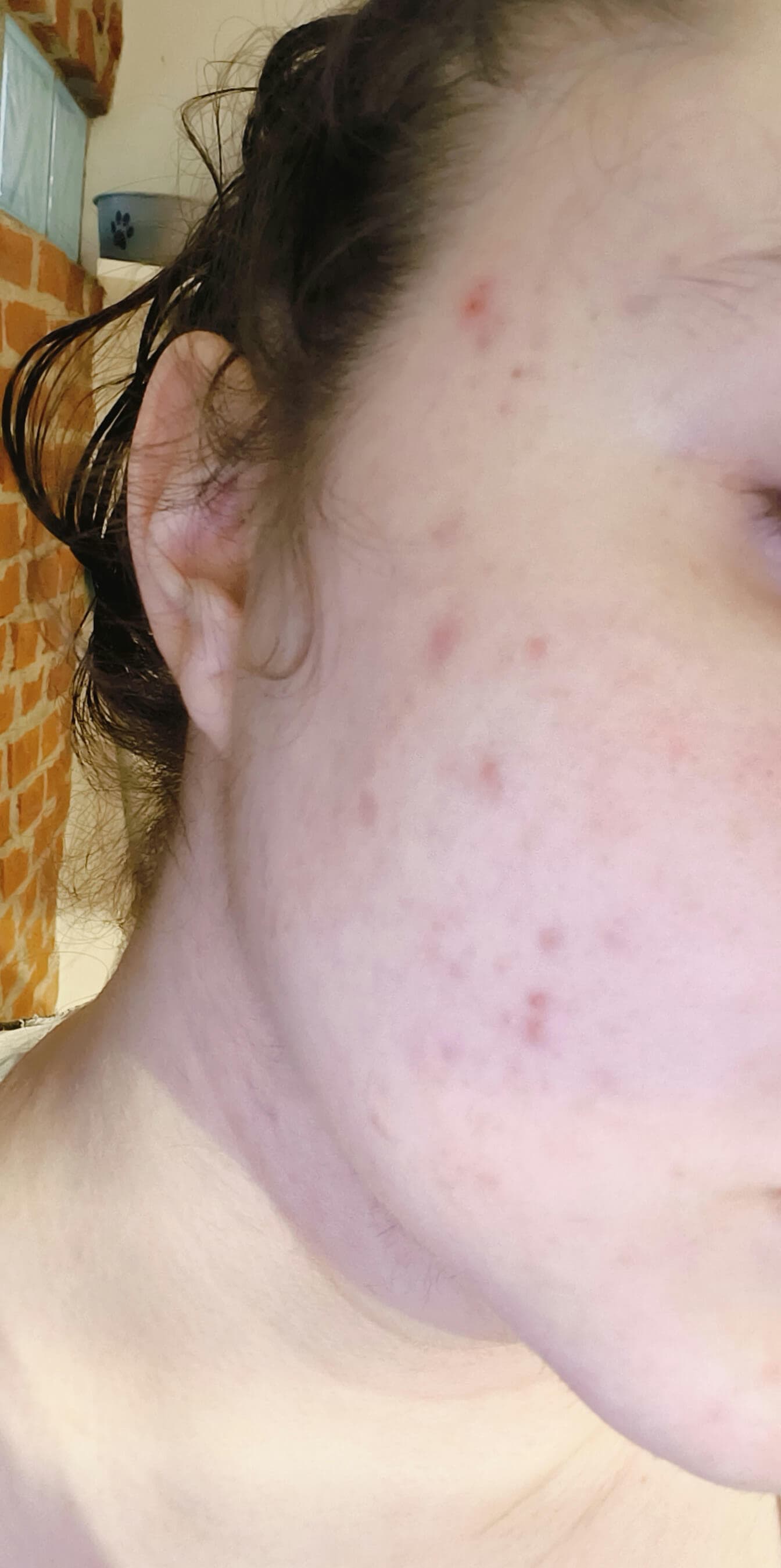 Before
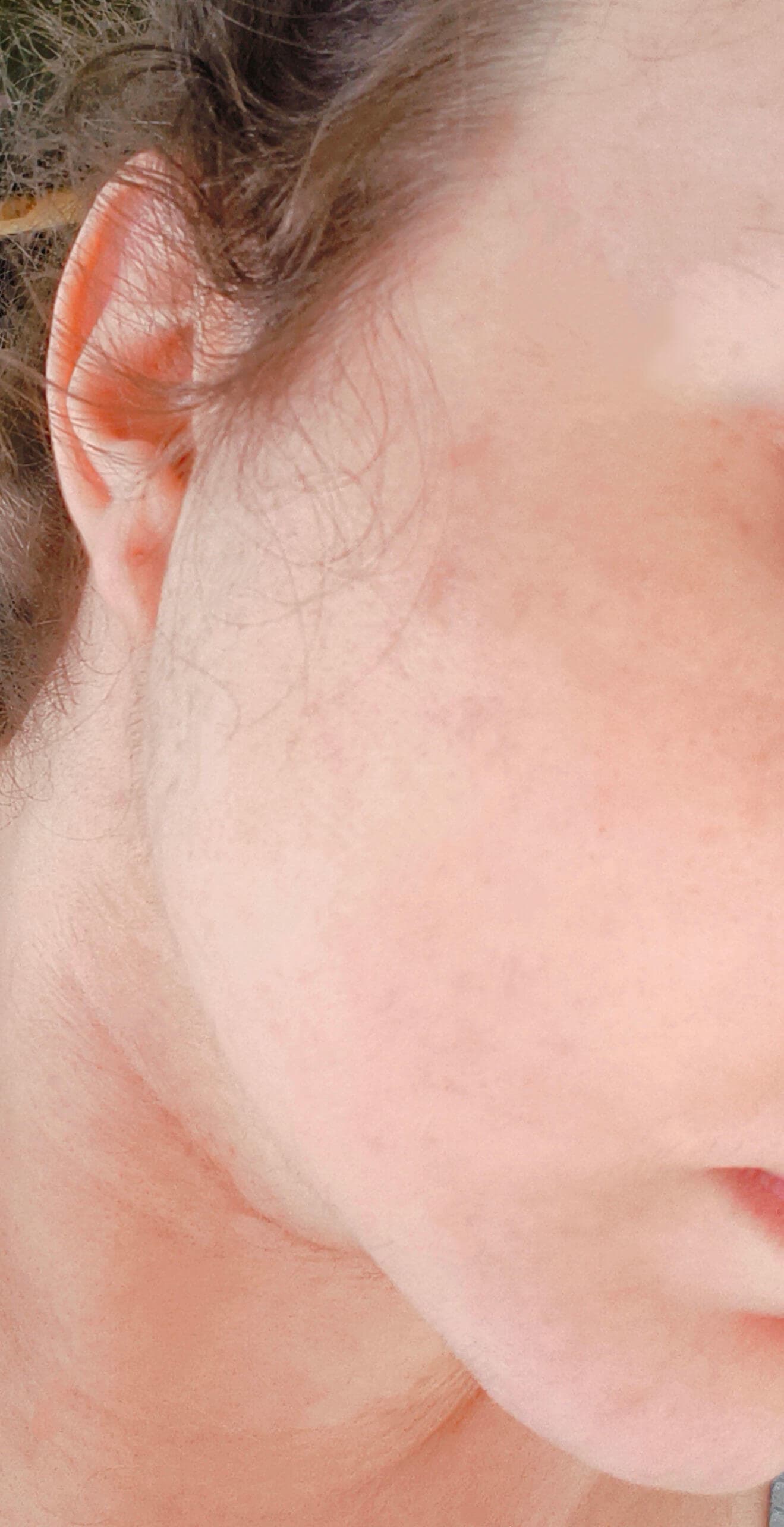 After
AfterKeep reading
- Ingredient · zinc oxide
- Ingredient · titanium dioxide
- Ingredient · niacinamide
- Ingredient · dimethicone
- Ingredient · silica
- Condition · acne and blemishes
- Condition · oily skin
- Condition · sensitive skin
- Condition · pigmentation
- Read · why do i break out after sunscreen
- Read · best sunscreen for rosacea
- Read · why does sunscreen pill on my face
- Read · how to fade post acne marks
- Read · best skincare routine for clogged pores
- Read · why do i get pimples on my cheeks
Citations
- Piquero-Casals J, Morgado-Carrasco D, Rozas-Muñoz E, et al. Sun exposure, a relevant exposome factor in acne patients and how photoprotection can improve outcomes. J Cosmet Dermatol. 2023;22(6):1919-1928.PMID 36946555
- American Academy of Dermatology Association. How to decode sunscreen labels.AAD
- Schneider SL, Lim HW. A review of inorganic UV filters zinc oxide and titanium dioxide. Photodermatol Photoimmunol Photomed. 2019;35(6):442-446.PMID 30444533