
Aloe Barbadensis Leaf Extract
A well-tolerated botanical support ingredient for comfort, light hydration, and irritated-feeling skin. Helpful inside a good formula, but not a magic burn cure or acne treatment.
At a glance
What Aloe Barbadensis Leaf Extract does for skin, and how to read the practical safety signals.
- Helps formulas feel more soothing and comfortable on irritated-feeling skin.
- Adds light hydration support, especially when used inside a proper moisturising base.
- Has interesting wound-care research, but everyday skincare claims should stay modest and formula-dependent.
- Type
- Botanical extract
- Rating
- Pregnancy
- Considered safe
- Comedogenic rating
- 0/5 (Won't clog pores)
- Vegan
- Yes
- Suited skin types
- All skin types
On this page
The short answer
Aloe vera is one of the few skincare ingredients your grandmother, a pharmacist, and an after-sun bottle can all agree exists.
That does not mean every claim about it is true.
In skincare, Aloe Barbadensis Leaf Extract is best understood as a supportive botanical ingredient. It can help formulas feel more soothing, hydrating, and comfortable, especially when the rest of the product is designed for sensitive or problem skin.
It is not a replacement for proper burn care. It is not an acne treatment. And it is definitely not a reason to buy a neon-green fragranced gel that smells like a tropical cocktail pretending to be medicine.
Used well, though, aloe is a lovely support act.
What the evidence actually shows
A 2019 systematic review of clinical trials[1] found that aloe vera has been studied for burn wounds, postoperative wounds, pressure ulcers, psoriasis, cracked nipples, and other skin or mucosal problems. The review concluded that aloe can help retain skin moisture and integrity and may support wound healing as a complementary measure.
That sounds encouraging, but the skincare translation should stay humble. Wound studies are not the same as "this face cream will repair your barrier overnight." They tell us aloe has biologically interesting properties and a long clinical history, not that it should be sold as a miracle.
A 2020 pharmacology review[2] describes aloe vera constituents with anti-inflammatory, antioxidant, antimicrobial, and wound-related activity. Again: useful background, but the final result on your face depends on the finished formula, concentration, preservation system, and what else is in the product.
This is why I see aloe as a comfort ingredient. It helps the routine feel kinder. That matters, especially for people who quit active products because the surrounding formula is too harsh.
Why it works well in simple routines
Aloe can bring a few practical benefits:
- Soothing feel: useful when skin feels hot, tight, or easily annoyed.
- Light hydration support: aloe gels and extracts contain water-binding polysaccharides.
- Formula comfort: it sits nicely next to actives without making the routine more complicated.
- Sensitive-skin fit: generally well tolerated when the formula avoids fragrance and harsh extras.
In real life, that last part matters most.
People rarely fail skincare because they did not buy enough heroic ingredients. They fail because the routine stings, dries them out, becomes too many steps, and then quietly disappears into the bathroom drawer.
Where it fits in a routine
Aloe is easy to combine:
- Allantoin: soothing plus softness.
- Niacinamide: barrier support and redness-prone routine tolerance.
- Sodium hyaluronate and glycerin: hydration support that makes aloe feel more complete.
- Salicylic acid: aloe can help make pore-focused routines less drying.
- Retinol: useful inside a moisturising base while the skin builds tolerance.
- Chamomile flower water: another gentle botanical support ingredient.
There is no major ingredient conflict with aloe. If aloe products irritate you, look at the whole ingredient list: fragrance, essential oils, alcohol-heavy gels, dyes, or an overloaded active formula are often the actual problem.
Who should consider it
Aloe makes sense if your skin is:
- sensitive or easily red
- dry but dislikes heavy creams
- acne-prone and using stronger actives
- oily but dehydrated
- trying to keep a routine simple and comfortable
It is a good example of the Danish Skin Care philosophy: not everything in a formula needs to be dramatic. Some ingredients simply make the useful routine easier to keep using.
And that is not a small thing. In skincare, consistency is often where the magic was hiding all along.
The practical takeaway
My goal with this guide was to gather the useful science on aloe vera in one place, so you can stop hunting for the next clever fix and do the simple, effective things your skin actually needs.
That is also why I made the Danish Skin Care Kit: a calm routine built around documented ingredients, and one that has helped more than 100,000 people with problem skin. If even the smallest question is still nagging you, send me an email at info@danishskincare.com.
Common questions
Is aloe vera good for sensitive skin?
Often yes, when the formula is fragrance-free and well preserved. Aloe can be soothing, but people can still react to botanical extracts, so patch test if your skin is very reactive.
Does aloe vera treat acne?
Not by itself. Aloe may help the skin feel calmer in an acne routine, but clogged pores usually need ingredients such as salicylic acid, retinoids, or prescription care depending on severity.
Can I use aloe vera with retinol or salicylic acid?
Yes. Aloe is commonly used in formulas that sit around stronger actives because it can support comfort and hydration.
Reading a real label?
Scan a product to see how it is formulated
Upload a photo of the ingredient list and get a quick ingredient-by-ingredient read against the evidence-led database.
Found in these Danish Skin Care products

Aloe helps keep the salicylic acid treatment calmer and more comfortable on problem skin.

Used in the day cream for lightweight comfort alongside niacinamide, SPF filters, panthenol, green tea, and oat.

Part of the soothing night-cream base around retinol, urea, sodium hyaluronate, panthenol, and allantoin.

The Kit includes aloe across several steps, where it supports a calmer daily routine.
Skin conditions it actively helps with
Where the published evidence puts Aloe Barbadensis Leaf Extract on the short list of active ingredients worth reaching for.
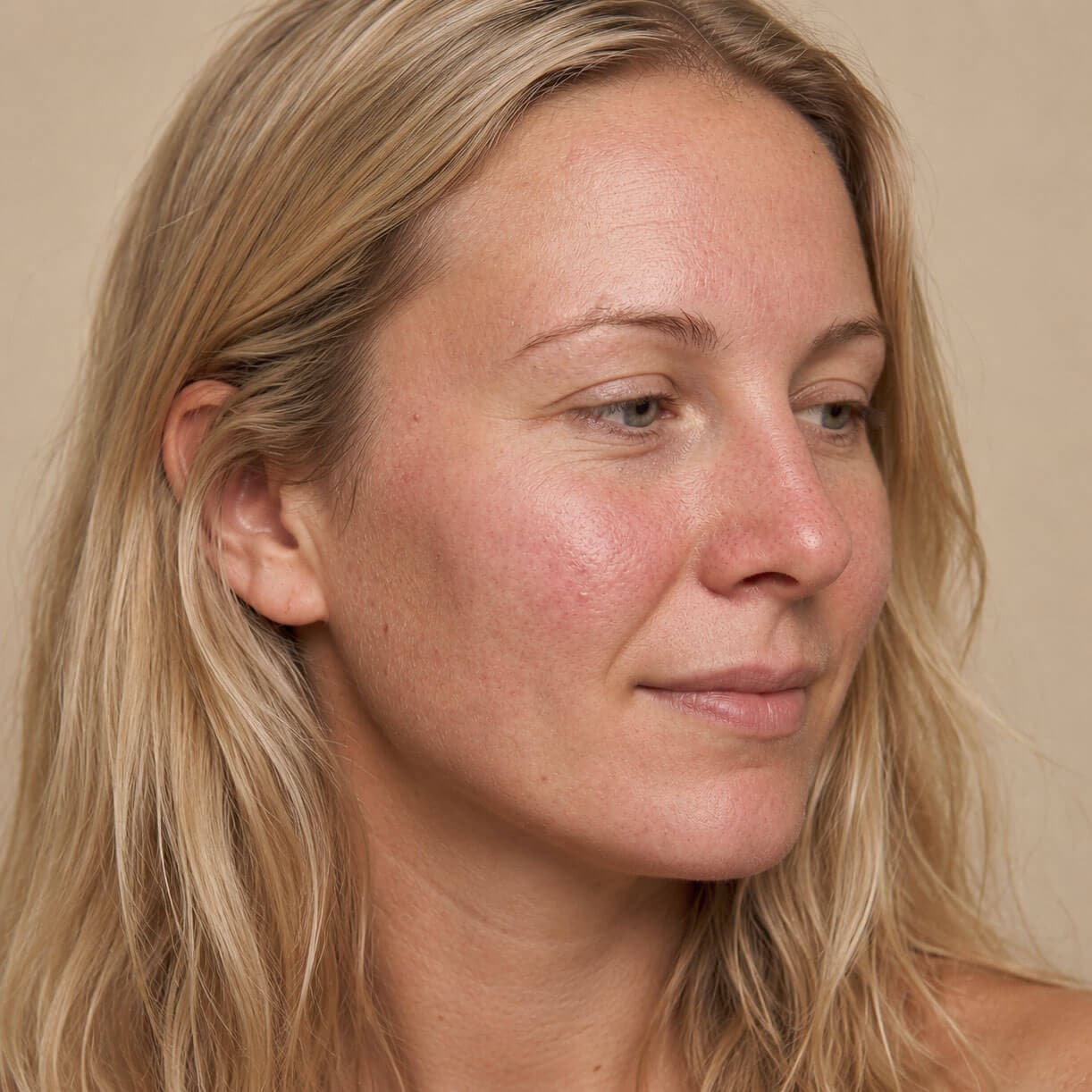
Sensitive skin
"Sensitive" is a symptom, not a diagnosis. Learn what drives reactive skin, the routine that calms it, and what to leave out.

Dry skin
Dry skin is usually a barrier problem, not simply a water problem. Here's the difference between dry and dehydrated, why it matters, and the routine that actually helps.
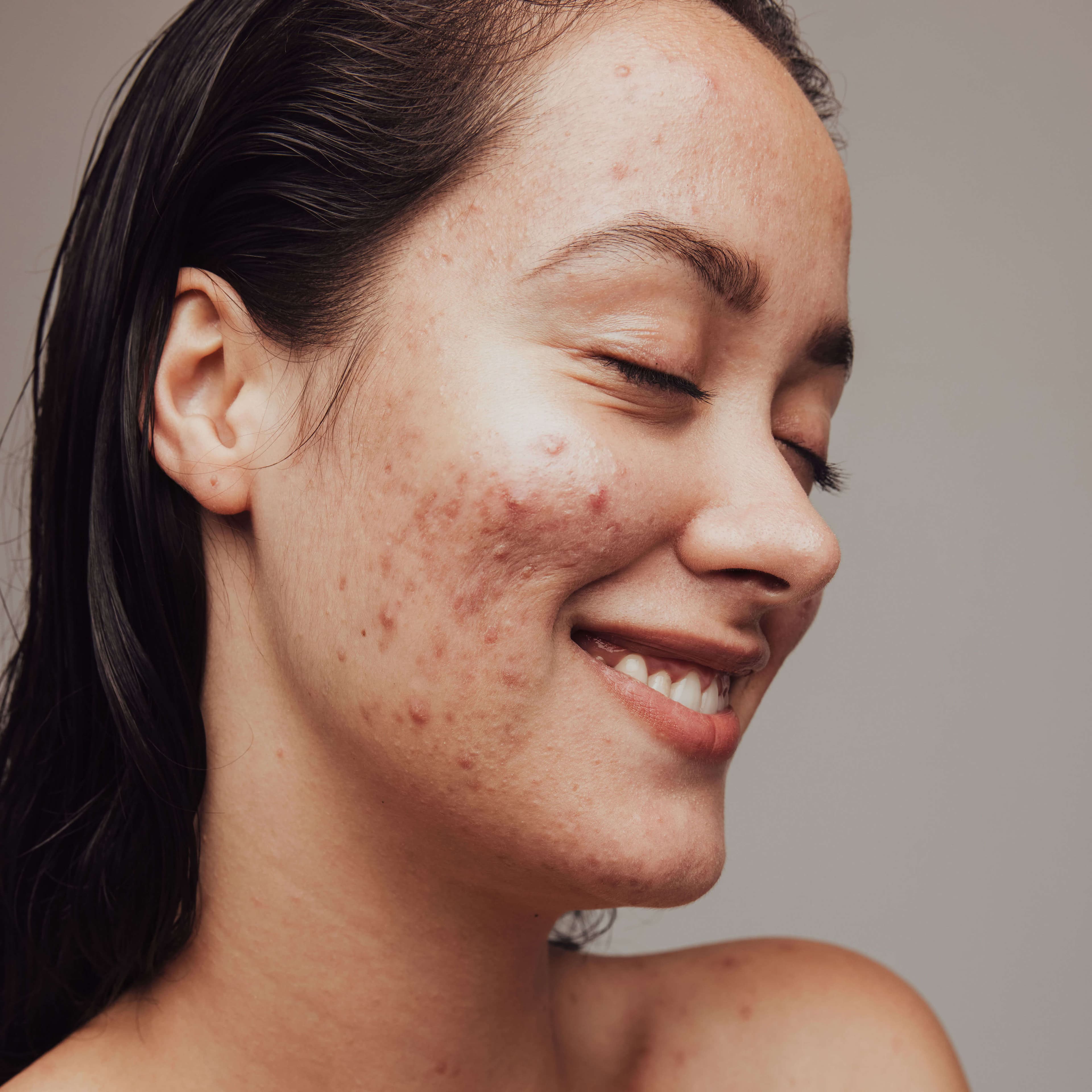
Acne and blemishes
A clear-headed guide to acne: what's actually happening in your skin, what the evidence says works, and a simple routine that doesn't make things worse.
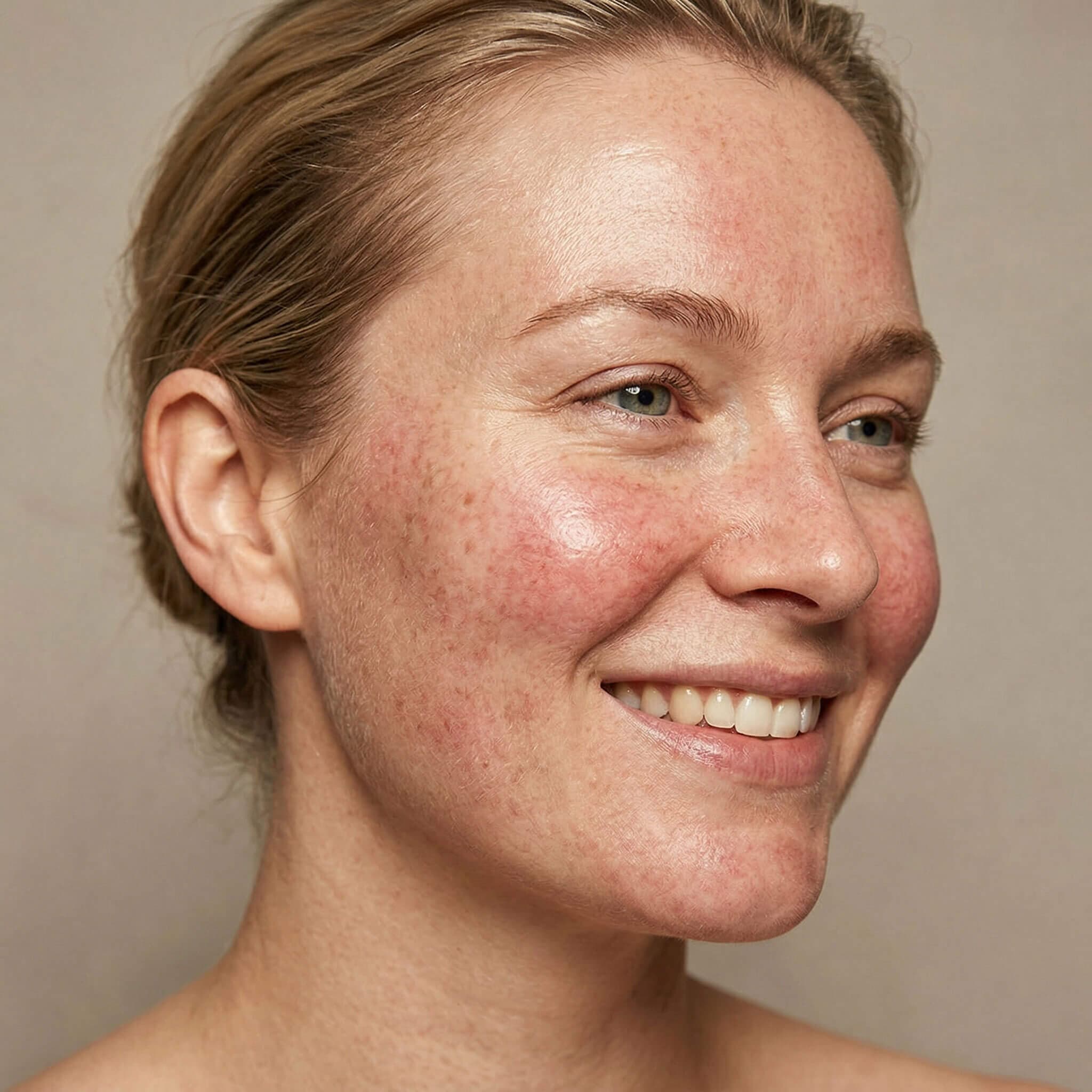
Rosacea and redness
Rosacea is a chronic inflammatory condition, not a temporary flush. Here's what causes it, what calms it, and the routine that doesn't make the reactivity worse.
Related ingredients
Citations
- Hekmatpou D, Mehrabi F, Rahzani K, Aminiyan A. The Effect of Aloe Vera Clinical Trials on Prevention and Healing of Skin Wound: A Systematic Review. Iran J Med Sci. 2019;44(1):1-9. — PMID 30666070
- Sanchez M, Gonzalez-Burgos E, Iglesias I, Gomez-Serranillos MP. Pharmacological Update Properties of Aloe Vera and its Major Active Constituents. Molecules. 2020;25(6):1324. — PMID 32183224