
Petrolatum
One of the strongest cosmetic occlusives available: slows water loss, protects compromised skin, and supports barrier recovery. Heavy feel and acne-prone preferences are the main reasons people skip it, not safety scares.
At a glance
What Petrolatum does for skin, and how to read the practical safety signals.
- Petrolatum is a purified semi-solid mixture widely sold as Vaseline or mineral oil jelly.
- It reduces transepidermal water loss strongly, which is why dermatologists reach for it on dry, cracked, or post-procedure skin.
- Refined cosmetic-grade petrolatum is not the same as industrial crude oil on your face; purity standards matter.
- Type
- Occlusive
- Rating
- Pregnancy
- Considered safe
- Comedogenic rating
- 0/5 (Won't clog pores)
- Vegan
- No
On this page
The short answer
Petrolatum is the INCI name for what most people call Vaseline or petroleum jelly.
It is one of the most effective cosmetic occlusives we have: it slows water escaping from the skin, protects a damaged barrier, and gives cracked or stingy skin a chance to calm down. It is also heavy, shiny, and not everyone's idea of a elegant night cream.
That trade-off is the whole story.
Danish Skin Care does not build our core moisturisers around petrolatum because many people with acne and combination skin will not use a greasy slug every night. We lean on urea, glycerin, squalane, and sodium hyaluronate instead. Petrolatum still deserves respect when the barrier is genuinely wrecked.
What the evidence actually shows
Stratum corneum structure and function. A 1992 study[1] on petrolatum applied to the stratum corneum reported effects on barrier structure and function, supporting its role in reducing water loss and supporting recovery in compromised skin. This is the classic "occlusives work" evidence people mean when they defend slugging.
Therapeutic moisturiser design. A moisturiser review[2] explains how effective products combine humectants with occlusives such as petrolatum to hold water in the outer skin. Petrolatum is not trendy, but it is extremely good at that specific job.
Hydration in complete formulas. A 2018 clinical study[3] of a cream built to mimic natural moisturising systems found significantly improved skin hydration. Petrolatum is often the heavy occlusive in pharmacy balms, while lighter creams use a mix of humectants and semi-occlusives like dimethicone.
What petrolatum does not do well is act as a stand-alone active for acne, pigmentation, or rosacea redness. It protects and hydrates. Other ingredients treat.
How to use it
Think targeted occlusion, not mandatory full-face slugging for everyone.
- Very dry or compromised skin: a thin layer on dry patches or over your usual moisturiser at night.
- After irritating procedures or windburn: short-term barrier protection when your skin feels raw.
- Body and lips: where heaviness is less of a daily annoyance.
- Acne-prone skin: many people do better with lighter night creams full-face and petrolatum only where dryness is real.
Apply to slightly damp skin when using it over moisturiser so you are trapping water instead of sealing dryness in place.
Where it fits in a routine
Petrolatum works best after:
- Glycerin, urea, or sodium hyaluronate: humectants that put water in the upper skin before you lock it in.
- Ceramides and panthenol: barrier-repair support underneath the occlusive layer.
- Retinol: some people buffer retinoid dryness with a tiny petrolatum seal on flaky areas only.
Be cautious stacking petrolatum over strong acids or on active blackhead zones if you are congestion-prone. Occlusion can make some people feel more clogged even when the ingredient itself is not highly comedogenic on paper.
When it won't help
Petrolatum will not replace acne treatment, SPF, or retinoids for signs of ageing.
Very oily skin may hate the feel and stop using it, which defeats the purpose of any skincare product.
Fear-based "petroleum is toxic" messaging usually confuses cosmetic-grade refined petrolatum and ingredients like mineral oil with industrial petroleum products. If you dislike petrolatum for texture, that is valid. If you dislike it because of a scare meme, that is a different conversation.
And if petrolatum makes your skin worse, check for fragrance or lanolin in the same jar. Pure petrolatum is boring on purpose.
The practical takeaway
My goal with this guide was to gather the useful science on petrolatum in one place, so you can stop hunting for the next clever fix and do the simple, effective things your skin actually needs.
That is also why I made the Danish Skin Care Kit: a calm routine built around documented ingredients, and one that has helped more than 100,000 people with problem skin. If even the smallest question is still nagging you, send me an email at info@danishskincare.com.
Common questions
Is petrolatum the same as Vaseline?
Yes in everyday language. Vaseline is a well-known brand of petrolatum jelly. INCI lists usually say Petrolatum.
Does petrolatum clog pores?
Refined petrolatum is rated non-comedogenic in standard references, but the heavy occlusive feel can bother congestion-prone skin. Many acne-prone people prefer lighter moisturisers for full-face use.
When should I use petrolatum on my face?
Best on very dry, compromised, or post-procedure skin, or as a thin slugging layer over moisturiser on dry patches. Less ideal as an all-over strategy for very oily or clog-prone faces.
Reading a real label?
Scan a product to see how it is formulated
Upload a photo of the ingredient list and get a quick ingredient-by-ingredient read against the evidence-led database.
I recommend these products

Our night cream uses lighter humectants and emollients such as urea, glycerin, and squalane rather than a petrolatum-heavy finish, so daily use stays comfortable on problem skin.

The Kit is a sensible foundation if you add petrolatum as a occasional slugging layer on very dry patches while keeping the rest of the routine simple.
Skin conditions it actively helps with
Where the published evidence puts Petrolatum on the short list of active ingredients worth reaching for.

Dry skin
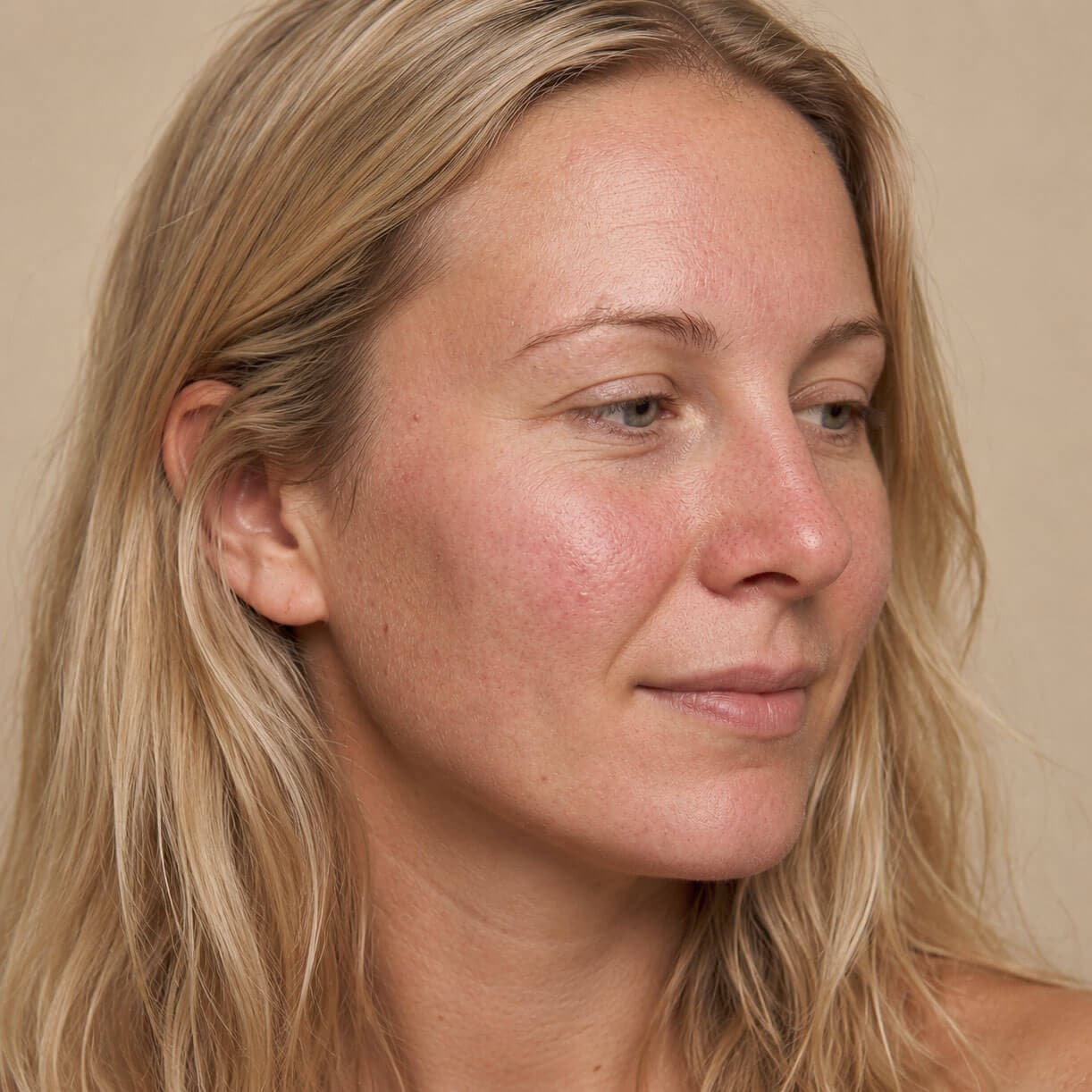
Dry skin is usually a barrier problem, not simply a water problem. Here's the difference between dry and dehydrated, why it matters, and the routine that actually helps.
Sensitive skin
"Sensitive" is a symptom, not a diagnosis. Learn what drives reactive skin, the routine that calms it, and what to leave out.

Signs of ageing
Wrinkles, sallowness, slack tone, and uneven pigment all share the same drivers. Here's the unglamorous routine that genuinely slows them.
Keratosis pilaris ("chicken skin")
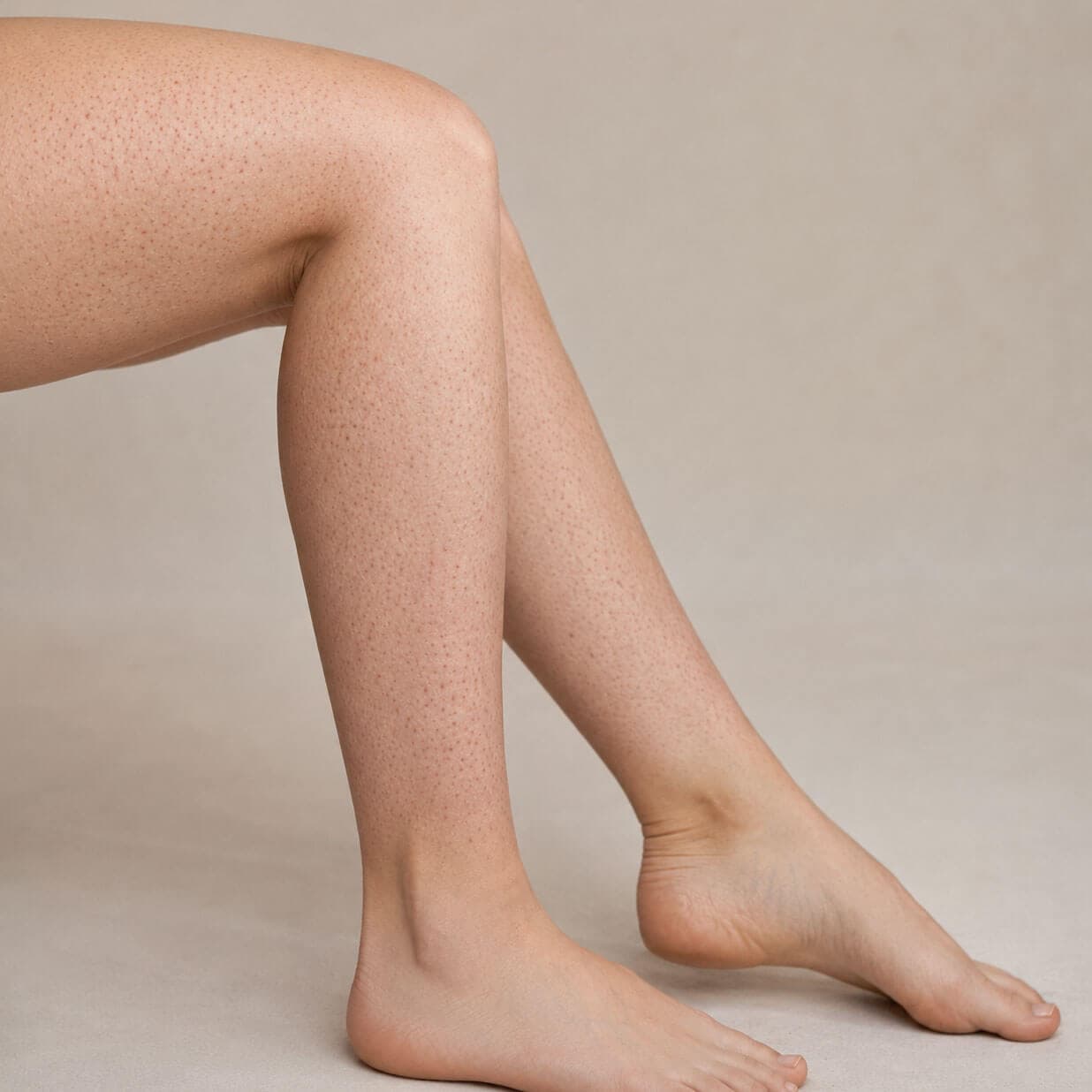
Keratosis pilaris (KP) is the small bumps on the backs of arms, thighs, and sometimes face. Here's what causes it, why scrubs make it worse, and what actually softens it.
Related ingredients
Citations
- Ghadially R, Halkier-Sorensen L, Elias PM. Effects of petrolatum on stratum corneum structure and function. J Am Acad Dermatol. 1992;26(3 Pt 2):387-396. — PMID 1564142
- Draelos ZD. Therapeutic moisturizers. Dermatol Clin. 2000;18(4):597-607. — DOI 10.1016/S0733-8635(05)70210-2
- Spada F, Barnes TM, Greive KA. Skin hydration is significantly increased by a cream formulated to mimic the skin's own natural moisturizing systems. Clin Cosmet Investig Dermatol. 2018;11:491-497. — PMID 30323645