
Dimethicone
A silicone that smooths texture, reduces friction, and helps slow water loss without the greasy feel of heavy oils. Excellent formula support for sensitive or dry skin when the rest of the product is sensible.
At a glance
What Dimethicone does for skin, and how to read the practical safety signals.
- Dimethicone is a silicone polymer widely used to give creams slip, spreadability, and a smooth skin feel.
- It acts partly as an occlusive, slowing transepidermal water loss without the heavy finish of petrolatum.
- Non-comedogenic in standard references and common in SPF, primers, and barrier-friendly moisturisers.
- Type
- Emollient
- Rating
- Pregnancy
- Considered safe
- Comedogenic rating
- 0/5 (Won't clog pores)
- Vegan
- Yes
- Suited skin types
- All skin types
On this page
The short answer
Dimethicone is a silicone you have almost certainly already used, even if you swear you "avoid silicones."
It gives creams and sunscreens their spreadability, reduces friction on the skin, and helps slow water loss with a smooth finish that is usually lighter than heavy oils or petrolatum. On an INCI list it is infrastructure: the reason a product feels usable every morning instead like a kitchen experiment.
It is not a treatment for acne, rosacea, or pigmentation. It is the quiet reason many barrier-friendly formulas stay on your face long enough to matter.
What the evidence actually shows
What moisturisers actually do. A 2012 review[1] on moisturisers and real skin benefits explains how finished products combine humectants, emollients, and occlusives, including silicones, to improve hydration and tolerability. Dimethicone's role in that world is practical: reduce transepidermal water loss and improve sensory feel so people keep applying the product.
Hydration support in atopic dermatitis. A 2024 study[2] of a moisturiser with anti-inflammatory support in mild to moderate atopic dermatitis reported improved skin hydration. Silicones often sit in exactly these kinds of derms-approved bases because they protect without the greasiness that makes patients quit after three days.
Therapeutic moisturiser design. A classic moisturiser review[3] describes how effective products hold water in the stratum corneum using humectants plus occlusive and semi-occlusive ingredients. Dimethicone fits the semi-occlusive lane: helpful water retention with a cosmetically elegant finish.
The internet argument that silicones "suffocate" skin is mostly folklore. Dimethicone forms a permeable film; it is not plastic wrap. The real question is whether you like how the product feels and whether your barrier improves with consistent use.
How to use it
You do not need a dimethicone-only product.
It already does its job inside:
- sunscreens that need spreadability without white cast chaos
- moisturisers for dry or sensitive skin
- primers and barrier balms that reduce friction on irritated cheeks
If you dislike a slippery finish, choose lighter textures rather than treating all silicones as the same thing. Dimethicone, cyclomethicone, and phenyl trimethicone behave differently in formulas.
Where it fits in a routine
Dimethicone pairs naturally with:
- Glycerin and sodium hyaluronate: pull water in; dimethicone helps keep it from leaving immediately.
- Squalane and ceramides: lipid support for barrier repair routines.
- Niacinamide and panthenol: common co-stars in gentle daily creams and SPF.
- Petrolatum: when you need stronger occlusion on very dry patches; dimethicone is often the lighter daily option.
Danish Skin Care does not centre dimethicone in our core INCI lists, but I still mention it because readers see it constantly in SPF and pharmacy moisturisers. Understanding it helps you stop fearing half your bathroom shelf.
When it won't help
Dimethicone will not clear breakouts, fade dark marks, or replace retinoids, acids, or prescription care.
Some people simply dislike silicone slip. That is a preference issue, not a medical allergy epidemic.
It also will not fix dehydration if you use a silicone-heavy primer but skip actual moisturiser and sunscreen. Film formers are not a substitute for a complete routine.
The practical takeaway
My goal with this guide was to gather the useful science on dimethicone in one place, so you can stop hunting for the next clever fix and do the simple, effective things your skin actually needs.
That is also why I made the Danish Skin Care Kit: a calm routine built around documented ingredients, and one that has helped more than 100,000 people with problem skin. If even the smallest question is still nagging you, send me an email at info@danishskincare.com.
Common questions
Is dimethicone bad for skin?
For most people, no. It is an inert silicone that smooths products and supports barrier comfort. Problems usually come from the full formula, not dimethicone alone.
Does dimethicone clog pores?
Standard cosmetic references rate dimethicone as non-comedogenic. Very congestion-prone skin should still patch test new products because texture and overall formula matter.
Can acne-prone skin use dimethicone?
Often yes. Many acne-friendly SPFs and moisturisers use dimethicone for slip without heavy oils. If you dislike the feel, choose a lighter texture rather than blaming silicones by default.
Reading a real label?
Scan a product to see how it is formulated
Upload a photo of the ingredient list and get a quick ingredient-by-ingredient read against the evidence-led database.
I recommend these products

We do not list dimethicone as a headline ingredient in our core formulas. The Day Protector focuses on niacinamide, oat, panthenol, and SPF filters with a light emulsion feel.

The Kit is a practical base if you want to keep the rest of your routine simple while using a separate dimethicone-rich primer, balm, or SPF you already tolerate.
Skin conditions it actively helps with
Where the published evidence puts Dimethicone on the short list of active ingredients worth reaching for.

Dry skin
Dry skin is usually a barrier problem, not simply a water problem. Here's the difference between dry and dehydrated, why it matters, and the routine that actually helps.
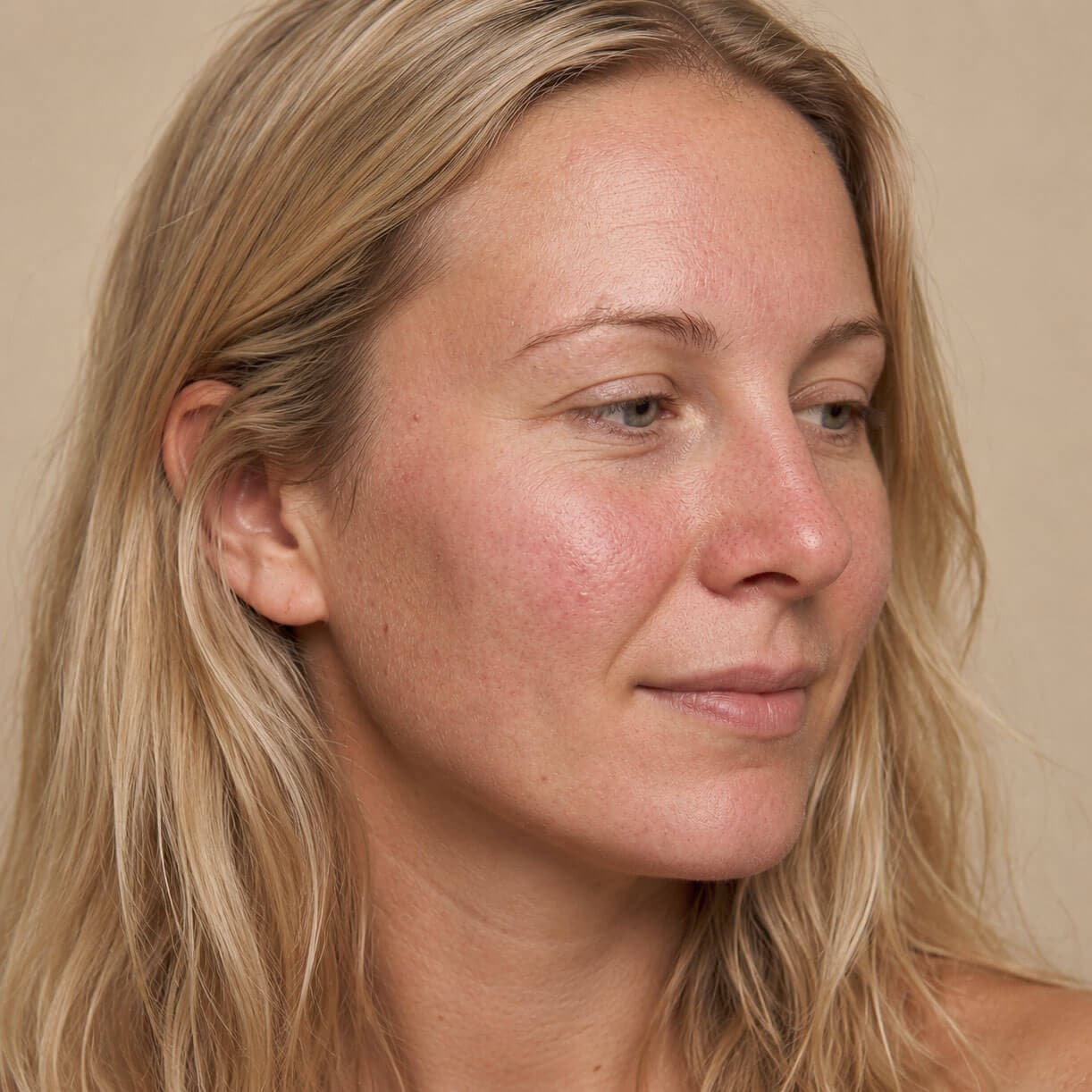
Sensitive skin
"Sensitive" is a symptom, not a diagnosis. Learn what drives reactive skin, the routine that calms it, and what to leave out.
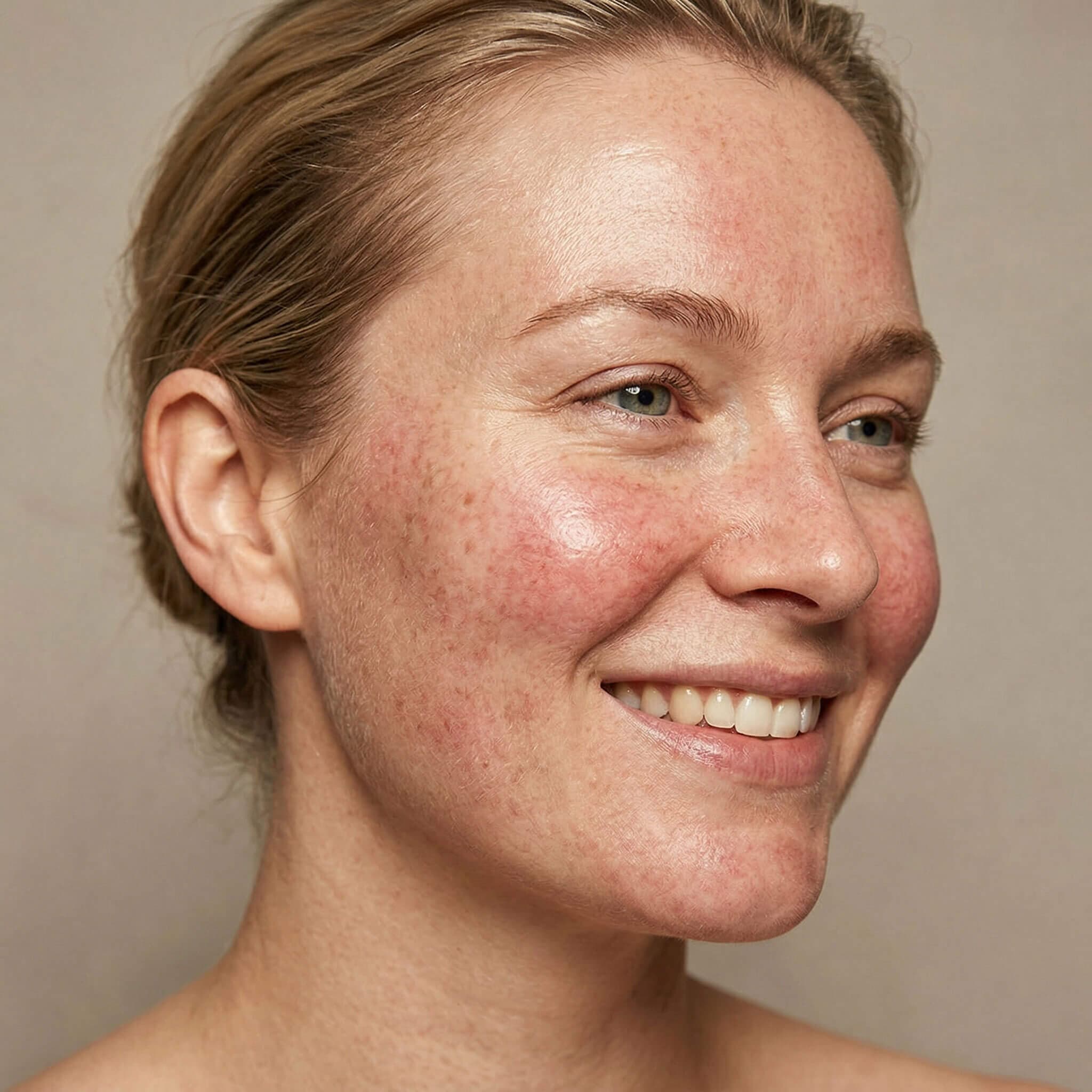
Rosacea and redness
Rosacea is a chronic inflammatory condition, not a temporary flush. Here's what causes it, what calms it, and the routine that doesn't make the reactivity worse.
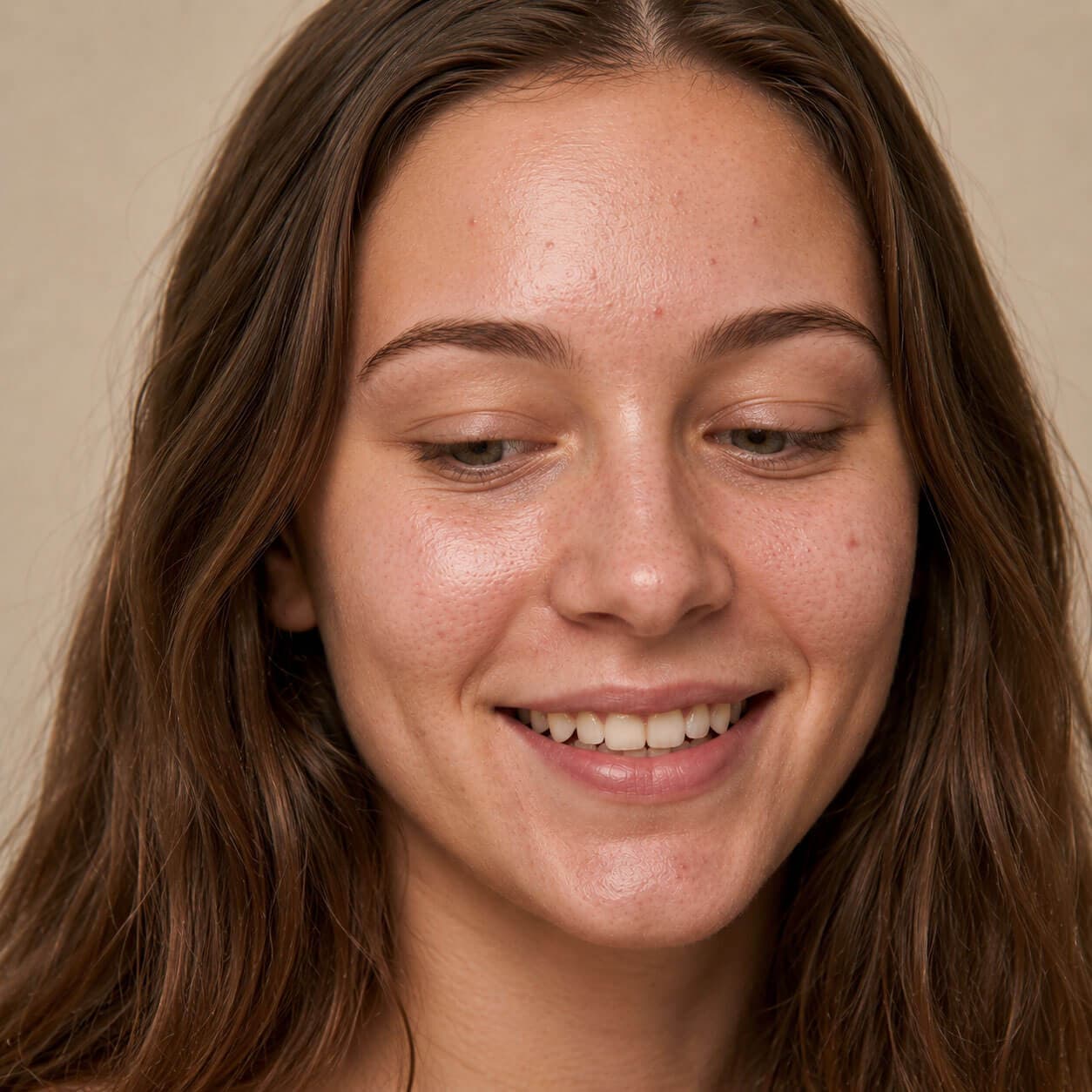
Combination skin
Oily T-zone, drier or normal cheeks, and a routine that has to address both without making either worse. Here's how to actually balance combination skin.
Related ingredients
Citations
- Nolan K, Marmur E. Moisturizers: reality and the skin benefits. Dermatol Ther. 2012;25(3):229-233. — PMID 22913439
- Prakoeswa CRS, et al. The Role of Moisturizer Containing Anti-inflammatory on Skin Hydration in Mild-Moderate Atopic Dermatitis Patients. Dermatol Res Pract. 2024;2024:3586393. — PMID 39741562
- Draelos ZD. Therapeutic moisturizers. Dermatol Clin. 2000;18(4):597-607. — DOI 10.1016/S0733-8635(05)70210-2