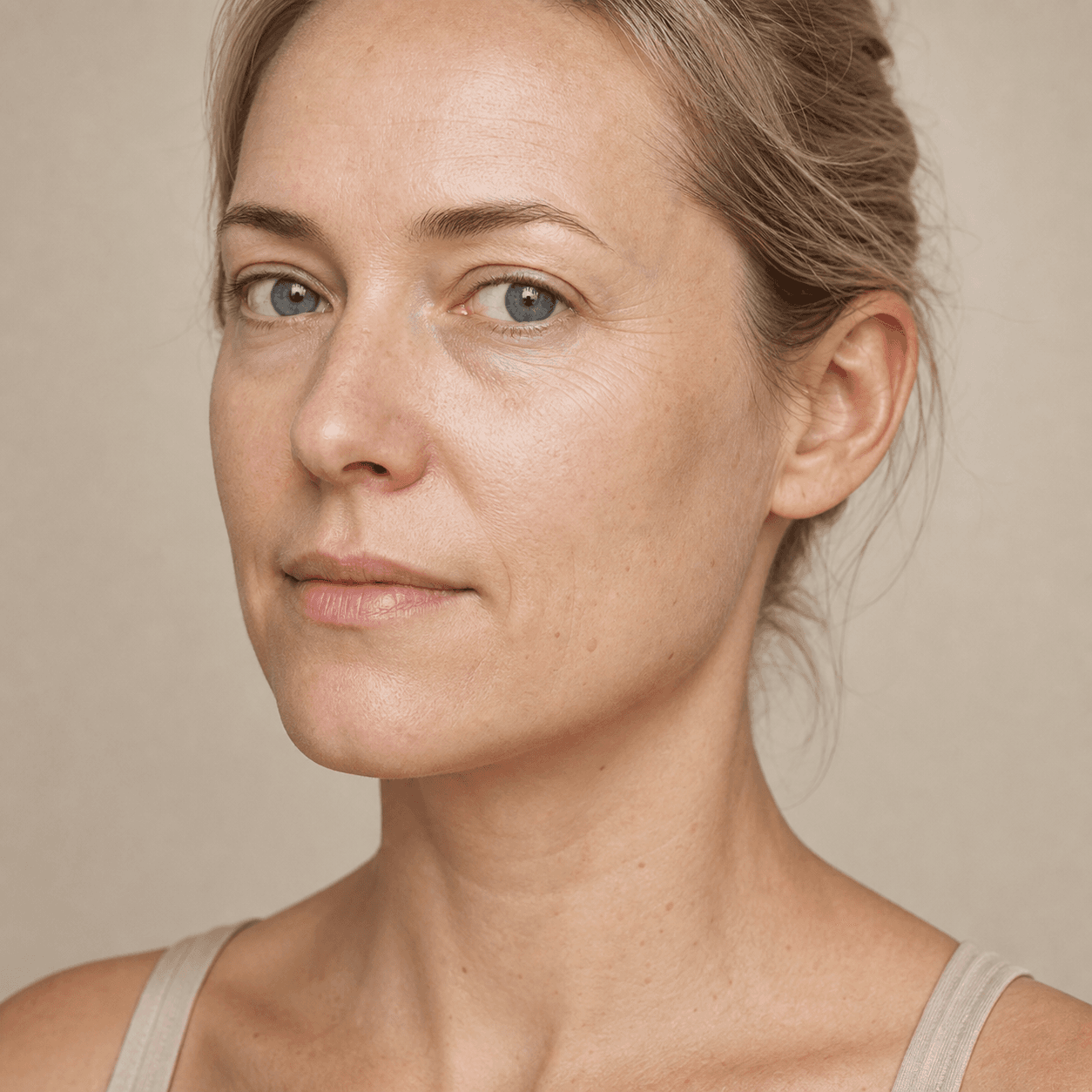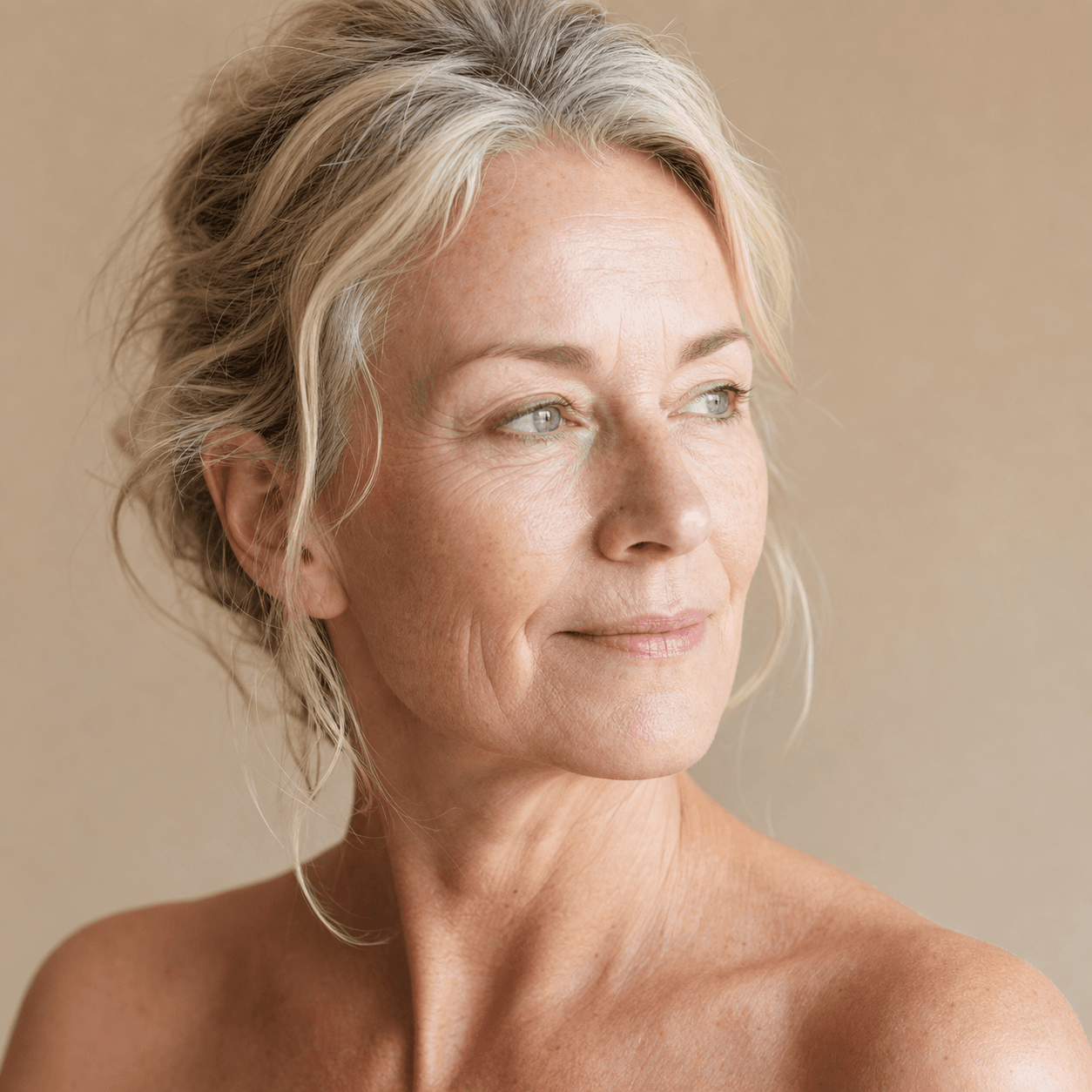
Signs of ageing
Wrinkles, sallowness, slack tone, and uneven pigment all share the same drivers. Here's the unglamorous routine that genuinely slows them.
On this page
What's actually happening as you age
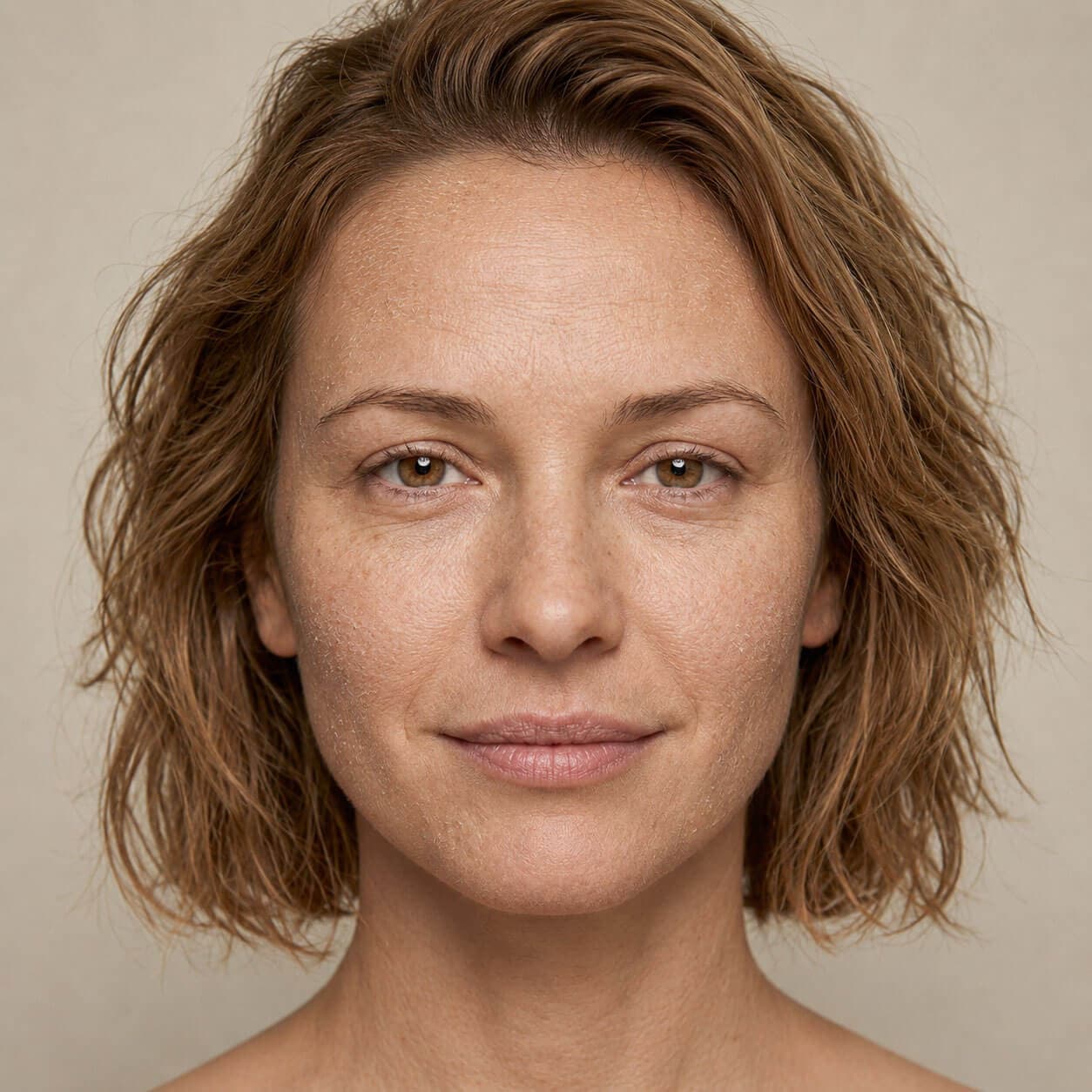
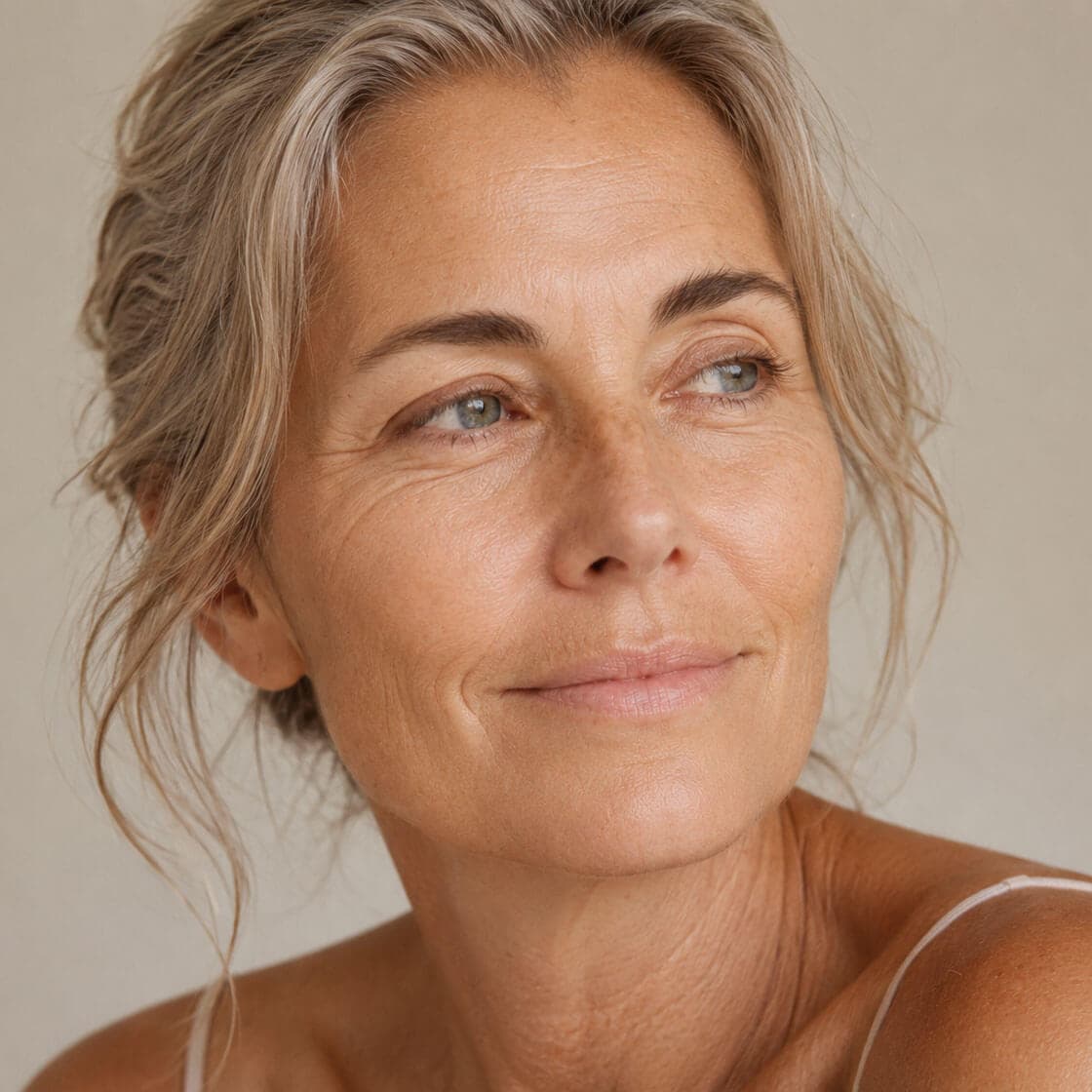
Two processes run in parallel: intrinsic ageing (collagen production drops as fibroblasts and the surrounding dermal matrix lose some of their youthful support, described clearly in Varani 2006) and photoageing (UV-driven collagen and elastin breakdown through matrix metalloproteinases). The Fisher 2002 review on the mechanisms is canonical here.
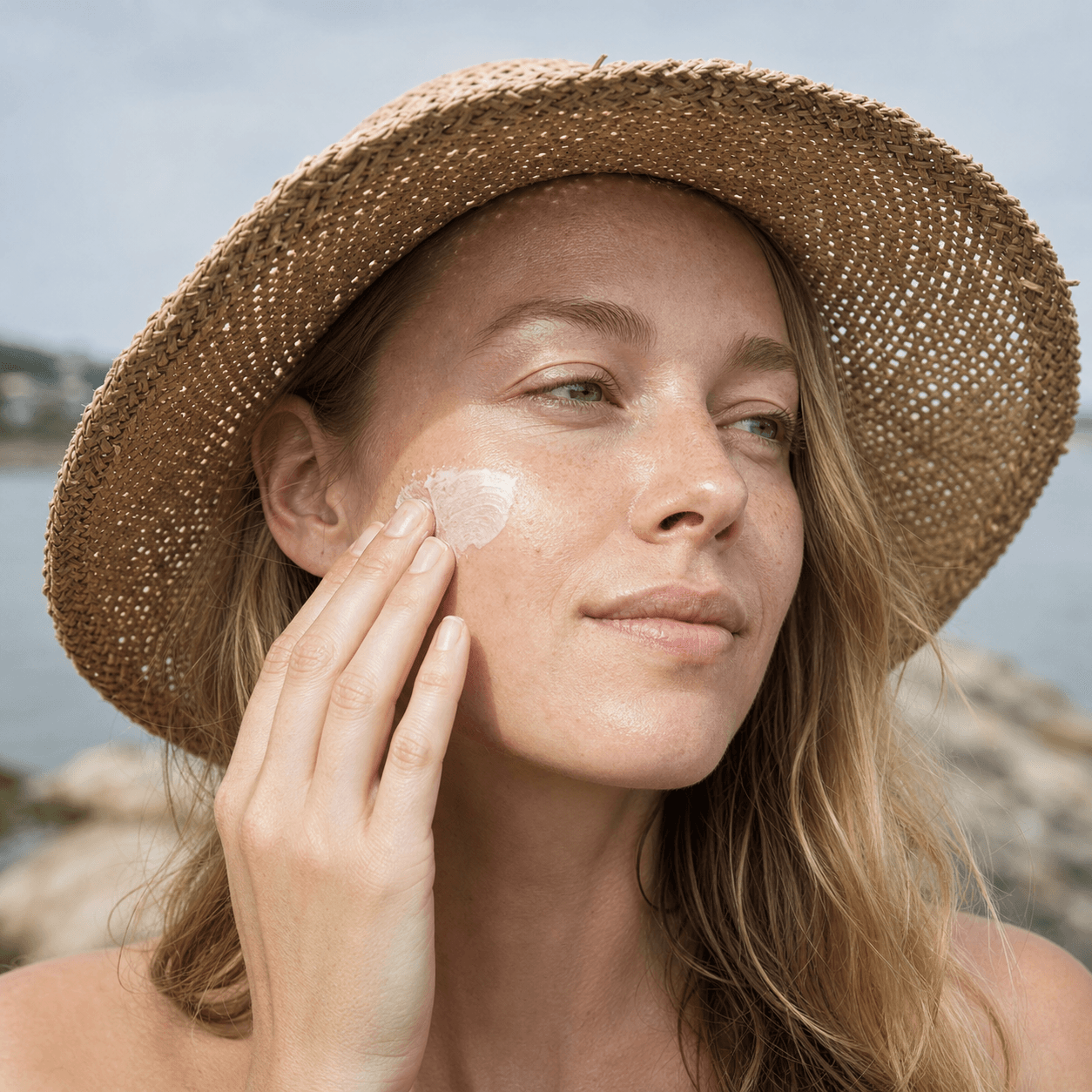
Photoageing is the biggest driver you can change. Flament 2013 estimated that UV exposure accounted for about 80% of visible facial ageing signs in Caucasian women, especially pigmentation and texture changes. The exact percentage will not be identical for every face, but the practical point holds: your sunscreen routine is doing more for your skin in five years than any anti-ageing serum on the market.
There are supporting drivers too. Wang 2024 reviews how advanced glycation end-products can alter skin proteins and feed oxidative stress, while Parrado 2019 covers pollution and other environmental stressors. Useful to know, but not a reason to build a panicked 12-step anti-ageing routine. SPF, retinol, a steady moisturiser, and patience still do most of the useful work.
For lines that seem to change from one dry day to the next, start with dehydration lines vs wrinkles. If your routine needs rethinking around menopause, read about menopause skin changes. For a closer look at pigment, texture and sun protection across skin tones, see skin ageing in darker skin.
What works: the four-active axis
The published evidence consistently points at the same four things, in this rough order of impact:
- Daily broad-spectrum SPF. Hughes 2013 was a randomised controlled trial. Daily sunscreen users had measurably less skin ageing at 4.5 years versus the discretionary group. Nothing else in cosmetics has this level of evidence.
- Retinol. Kafi 2007 and Mukherjee 2006 between them document fine-line improvement, glycosaminoglycan/procollagen changes, and better elasticity over 12–24 weeks. The Moisturizer is our retinol product.
- Niacinamide. Bissett 2005 measured improvements in hyperpigmentation, redness, sallowness, and skin elasticity at 5% over 12 weeks. Modest but real.
- Topical antioxidants. L-ascorbic acid under SPF is the canonical pairing; our Optimizer uses azelaic acid + niacinamide as an alternative antioxidant axis if vitamin C doesn't suit your routine.
What doesn't make this list, and why
Collagen drinks, snail mucin facials, peptide creams, jade rollers. Either weak evidence, no measurable mechanism, or far less proof than SPF and retinoids. Not bad, not where I would start.
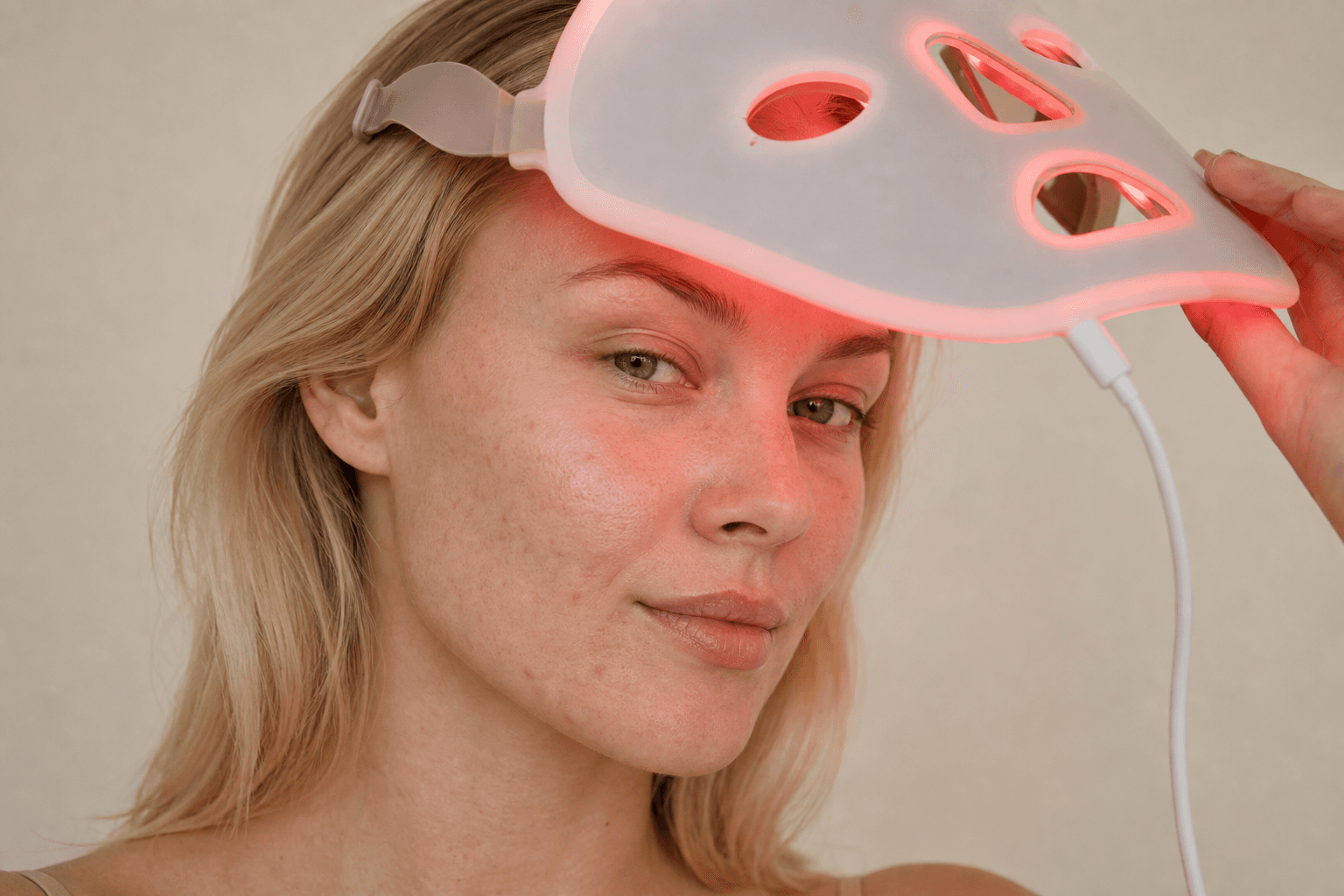
Red light therapy. More interesting than many trends, but still an add-on. Get SPF and retinol consistent before asking an LED mask to do the main work.
Aggressive in-office "anti-ageing" treatments if your topical routine isn't already dialled in. The investment-to-result ratio is much better in retinol + SPF than in another laser session.
Picking one hero product and skipping the rest. Retinol alone without SPF is a worse routine than SPF alone without retinol. UV damage you don't prevent will outpace any retinoid's collagen-building.
A simple routine
Morning
- Gentle cleanse
- Antioxidant + niacinamide layer — Optimizer's azelaic acid + niacinamide pair as the daytime antioxidant axis.
- Moisturiser
- Broad-spectrum SPF 30+, the single most-evidenced anti-ageing step
Evening
- Cleanse
- Retinol at night, the gold-standard topical for visible ageing — Moisturizer carries retinol. Start 2 nights/week, build slowly. Pick "Normal to dry" if your skin runs dry.
What to avoid
- Skipping SPF on overcast days
- Tanning beds (known carcinogens and accelerators of photoageing)
- Over-exfoliating in pursuit of "glow": barrier damage adds years
- Stacking retinol + AHA + vitamin C nightly in pursuit of faster results
Recommended Danish Skin Care routine

Retinol Moisturizer + niacinamide SPF + Power Treat. The four-product axis the published evidence actually supports.

Retinol, the gold-standard non-prescription anti-ageing active. Pick "Normal to dry" if your skin is mature and dryer.

SPF + niacinamide + tocopherol. Sun protection is the single highest-leverage anti-ageing step you can do.
Full transparency: Danish Skin Care is my own company — I formulated these products and earn from every sale. That's exactly why I only recommend them where they genuinely fit the condition described above.
Key ingredients to look for
Common questions
What's the single most effective anti-ageing product?
SPF. Hughes 2013 was a randomised controlled trial showing daily sunscreen use slowed measurable skin ageing by ~24% over 4.5 years. Nothing else in cosmetics has this level of evidence.
When should I start using retinol?
There is no magic birthday. If fine lines, texture, breakouts, or pigmentation are becoming part of your routine concerns, retinol can make sense. Kafi 2007 also showed measurable improvement in already-aged skin, so starting later is still useful.
Do peptides work?
Some do, modestly. The evidence base is much thinner than retinol or vitamin C. Don't expect peptide creams to replace a retinol. They're a supporting cast, not a lead.
Citations
- Varani J, et al. Decreased collagen production in chronologically aged skin: roles of age-dependent alteration in fibroblast function and defective mechanical stimulation. Am J Pathol. 2006;168(6):1861–8. — PMID 16723701
- Flament F, et al. Effect of the sun on visible clinical signs of aging in Caucasian skin. Clin Cosmet Investig Dermatol. 2013;6:221–32. — PMID 24101874
- Wang L, Jiang Y, Zhao C. The effects of advanced glycation end-products on skin and potential anti-glycation strategies. Exp Dermatol. 2024;33:e15065. — PMID 38563644
- Parrado C, et al. Environmental Stressors on Skin Aging. Mechanistic Insights. Front Pharmacol. 2019;10:759. — PMID 31354480
- Kafi R, et al. Improvement of naturally aged skin with vitamin A (retinol). Arch Dermatol. 2007;143(5):606–12. — PMID 17515510
- Mukherjee S, et al. Retinoids in the treatment of skin aging: an overview of clinical efficacy and safety. Clin Interv Aging. 2006;1(4):327–48. — PMID 18046911
- Fisher GJ, et al. Mechanisms of photoaging and chronological skin aging. Arch Dermatol. 2002;138(11):1462–70. — PMID 12437452
- Hughes MCB, et al. Sunscreen and prevention of skin aging: a randomized trial. Ann Intern Med. 2013;158(11):781–90. — PMID 23732711
- Bissett DL, et al. Niacinamide: A B vitamin that improves aging facial skin appearance. Dermatol Surg. 2005;31(7 Pt 2):860–5. — PMID 16029679