
Squalane
A stable, lightweight emollient that mimics a lipid your skin already makes. Excellent for dry or easily irritated skin, and unusually well tolerated even by many acne-prone faces.
At a glance
What Squalane does for skin, and how to read the practical safety signals.
- Skin-native feel: Squalane is the stable form of squalene, a natural component of human sebum that declines with age.
- Light but effective: Softens skin and reduces water loss without the greasy finish many heavier oils leave behind.
- Low clog risk: Comedogenic rating 0 in standard references; often tolerated by oily and blemish-prone skin when the rest of the formula is sensible.
- Type
- Emollient
- Rating
- Pregnancy
- Considered safe
- Comedogenic rating
- 0/5 (Won't clog pores)
- Vegan
- Yes
- Suited skin types
- All skin types
On this page
The short answer
Squalane is one of those ingredients that sounds suspiciously fancy until you realise your skin already knows what it is.
Your sebaceous glands produce squalene, a natural lipid that helps keep the surface soft and protected. Skincare uses squalane, the hydrogenated, stable version, because squalene oxidises too quickly in a jar on your bathroom shelf. Same family. Better shelf life.
It is an emollient: it softens skin, supports the lipid barrier, and helps reduce water loss without feeling like you dipped your face in cooking oil. That makes it especially useful for dry skin, sensitive skin, and anyone buffering a retinol routine that has started to feel a bit sandpapery.
What the evidence actually shows
Why it exists in skincare at all. A 2012 review[1] of plant-based squalene in cosmetology explains that squalene in human skin physiology acts as an antioxidant, moisturiser, and vehicle ingredient, with interest in conditions like seborrheic dermatitis and atopic dermatitis. Because raw squalene is unstable, squalane is the practical cosmetic form.
Sebum and antioxidant context. A 2020 review[2] describes squalene as making up a meaningful share of human sebum and notes antioxidant roles alongside its place in the sterol biosynthesis pathway. Production declines with age, which is one reason drier skin often shows up in your thirties even if your acne years are behind you.
Lab evidence on collagen and UV stress. A 2025 in vitro study[3] found that squalane at low concentrations counteracted UVA-related oxidative stress and supported collagen-related signalling in human dermal fibroblasts. That is promising mechanistic work, not proof that a squalane serum erases wrinkles. It supports the idea that squalane is more than inert filler.
The honest line: squalane's strongest real-world case is comfort, barrier support, and tolerability, not dramatic anti-aging transformation on its own.
How to use it
- When: morning or night, usually inside a moisturiser or SPF rather than as a standalone step you forget.
- Skin prep: works well on slightly damp skin if used as an oil; in creams it is already balanced with humectants.
- Amount: a little goes a long way. More is not more here.
- Patience: emollients improve how skin feels quickly; deeper barrier change still takes consistency.
If you are the person who skipped moisturiser for years because you were scared of breakouts, squalane is often one of the first emollients I suggest trying because it feels light enough to keep using.
Where it fits in a routine
Squalane pairs naturally with:
- Sodium hyaluronate: pulls water in; squalane helps keep it from evaporating straight back out.
- Retinol: buffers dryness in night creams so renewal stays tolerable.
- Niacinamide and ceramides: the barrier-support stack for dry or irritated skin.
- Panthenol and allantoin: comfort ingredients that make emollient-rich formulas easier to live with daily.
There is no famous ingredient war involving squalane. The bigger question is whether the overall formula suits your skin, not whether squalane itself is the villain.
If you are comparing lightweight emollients, jojoba oil is the more wax-ester-rich plant option. Squalane is usually the cleaner "almost invisible" feel; jojoba can feel more cushiony depending on the formula.
When it won't help
Squalane will not clear acne, fade pigmentation, or replace sunscreen for signs of ageing prevention. It also will not fix dehydrated skin if you never use humectants or if your cleanser strips the barrier every morning.
It is support staff, not the headline act.
The practical takeaway
My goal with this guide was to gather the useful science on squalane in one place, so you can stop hunting for the next clever fix and do the simple, effective things your skin actually needs.
That is also why I made the Danish Skin Care Kit: a calm routine built around documented ingredients, and one that has helped more than 100,000 people with problem skin. If even the smallest question is still nagging you, send me an email at info@danishskincare.com.
Common questions
What is the difference between squalane and squalene?
Squalene is the unsaturated lipid your sebaceous glands produce. Squalane is its hydrogenated, shelf-stable cousin—the form used in skincare because it resists oxidation.
Is squalane good for oily skin?
Often yes. It is lightweight, non-comedogenic in standard references, and helps restore lipids without the occlusive feel of heavier oils. Still patch test if you are very congestion-prone.
Can I use pure squalane oil?
You can, but you do not have to. In a balanced moisturiser it works alongside humectants and actives. Pure oil can be lovely for very dry patches; a full routine usually needs more than oil alone.
Reading a real label?
Scan a product to see how it is formulated
Upload a photo of the ingredient list and get a quick ingredient-by-ingredient read against the evidence-led database.
Found in these Danish Skin Care products

Squalane sits in the Normal to dry Moisturizer alongside urea, sodium hyaluronate, retinol, and panthenol. Pick that variant if dryness is the main issue.

The Normal to dry Day Protector also includes squalane under broad-spectrum SPF for daytime softness without heaviness.

Both products above are inside the Kit. Choose the Normal to dry variants when squalane's emollient support matters most.
Skin conditions it actively helps with
Where the published evidence puts Squalane on the short list of active ingredients worth reaching for.
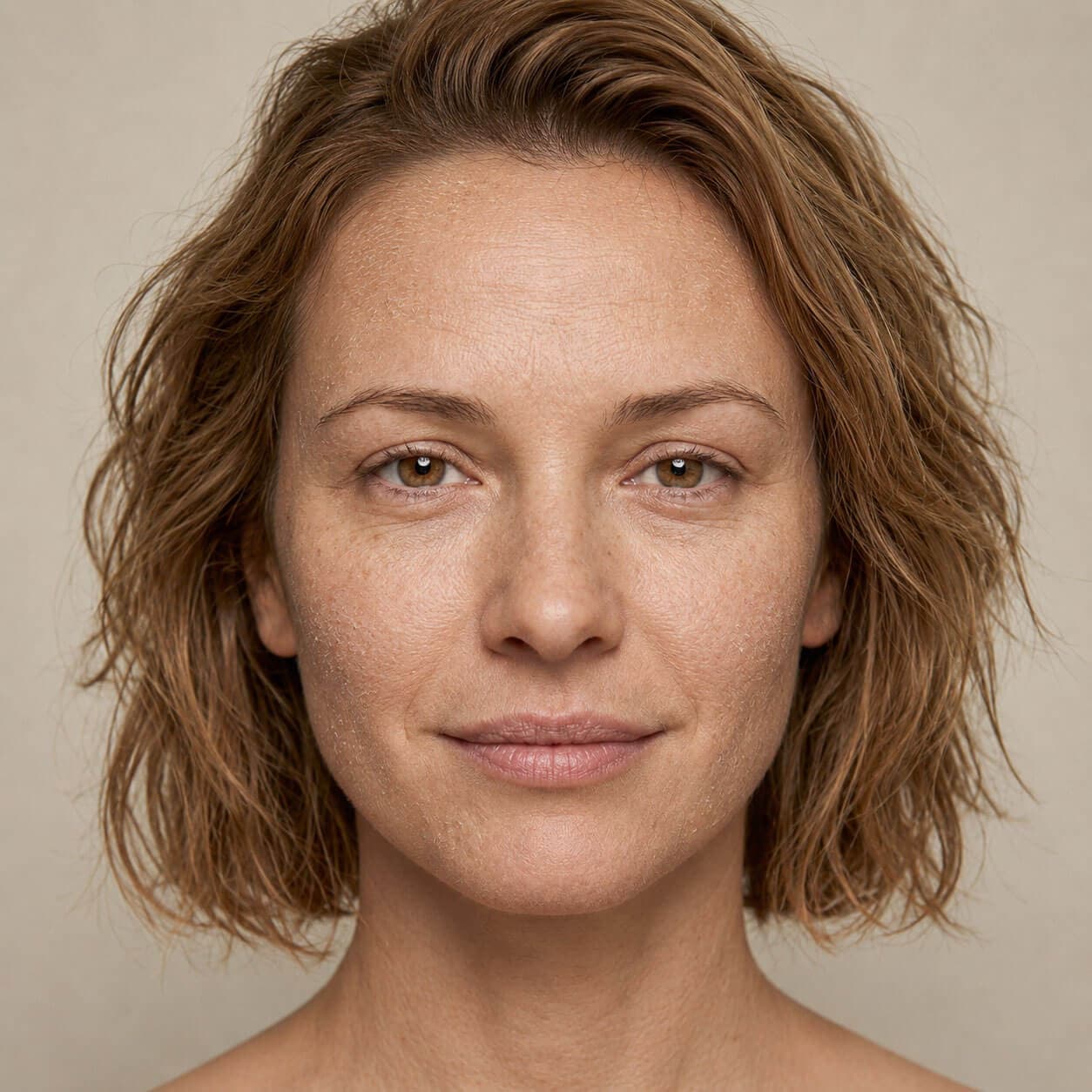
Dry skin
Dry skin is usually a barrier problem, not simply a water problem. Here's the difference between dry and dehydrated, why it matters, and the routine that actually helps.
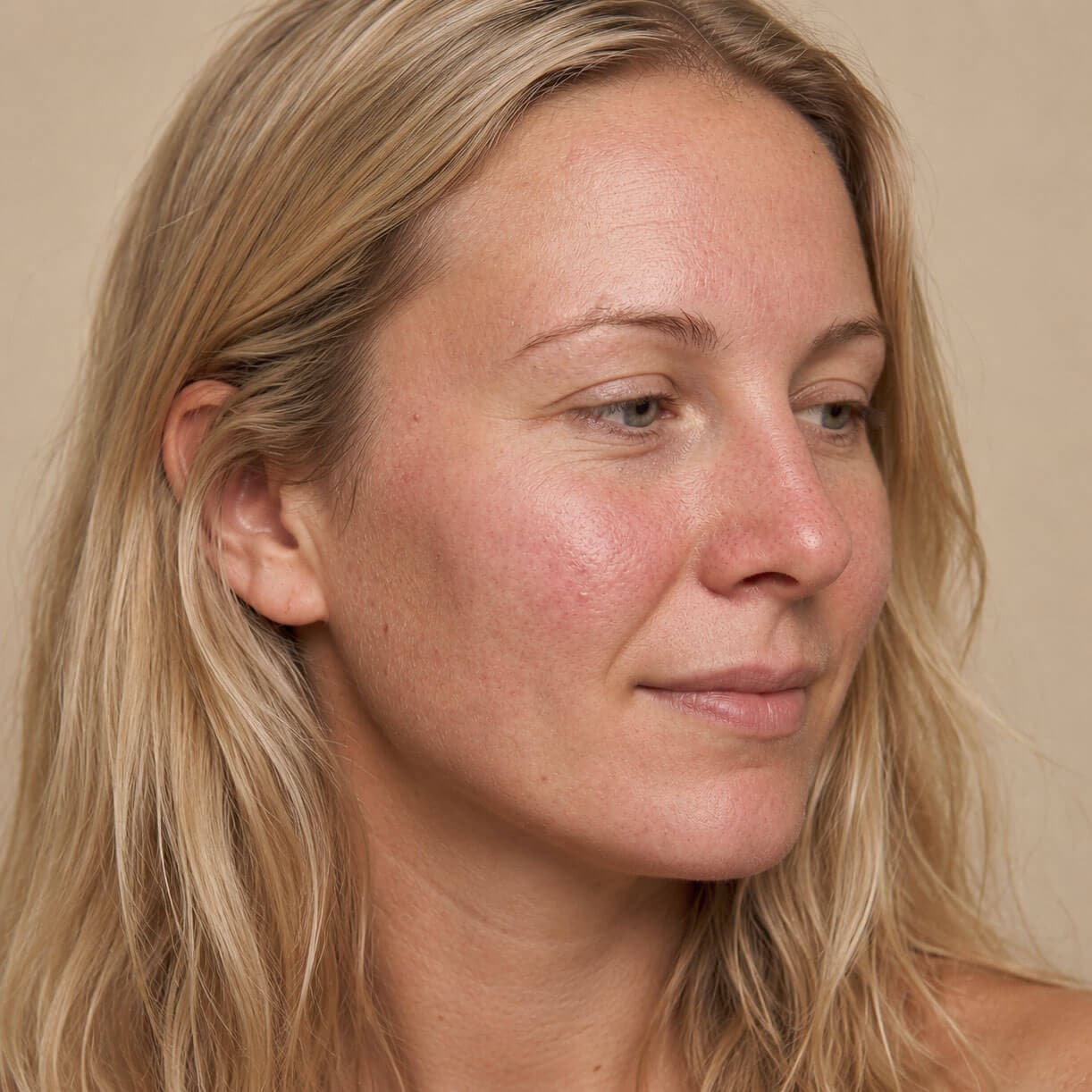
Sensitive skin
"Sensitive" is a symptom, not a diagnosis. Learn what drives reactive skin, the routine that calms it, and what to leave out.

Signs of ageing
Wrinkles, sallowness, slack tone, and uneven pigment all share the same drivers. Here's the unglamorous routine that genuinely slows them.
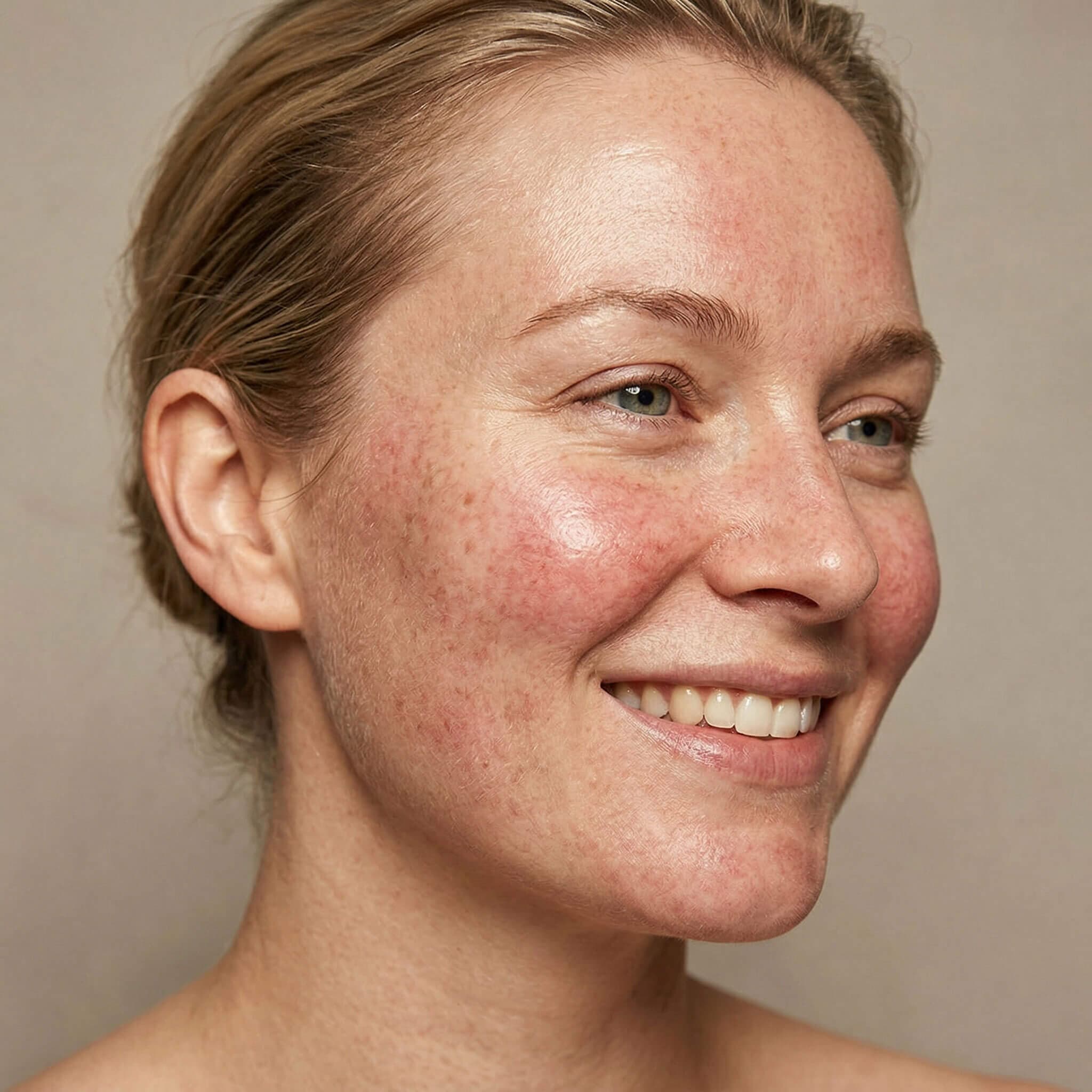
Rosacea and redness
Rosacea is a chronic inflammatory condition, not a temporary flush. Here's what causes it, what calms it, and the routine that doesn't make the reactivity worse.
Related ingredients
Citations
- Kim SK, Karadeniz F. The importance and perspective of plant-based squalene in cosmetology. Adv Food Nutr Res. 2012;65:223–234. — PMID 23449131
- Micera M, et al. Squalene: more than a step toward sterols. Antioxidants (Basel). 2020;9(8):688. — PMID 32748847
- Wolosik K, et al. Squalane as a Promising Agent Protecting UV-Induced Inhibition of Collagen Biosynthesis and Wound Healing in Human Dermal Fibroblast. Int J Mol Sci. 2025;26(9):4134. — PMID 40363772