Blackheads
Blackheads are oxidised sebum, not dirt. Here's what they actually are, why pore strips and squeezing make them worse, and the routine that genuinely clears them.

On this page
What blackheads actually are
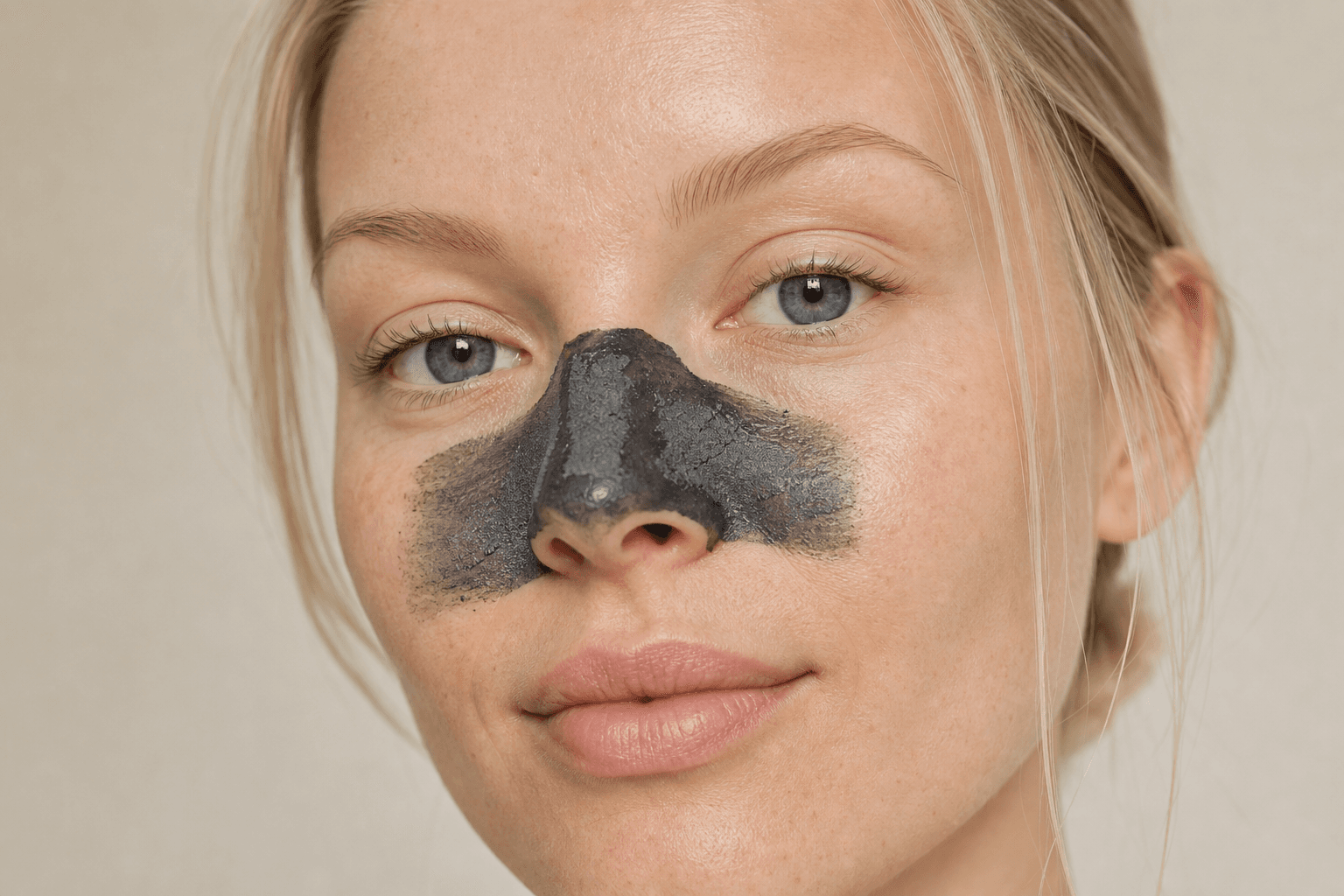
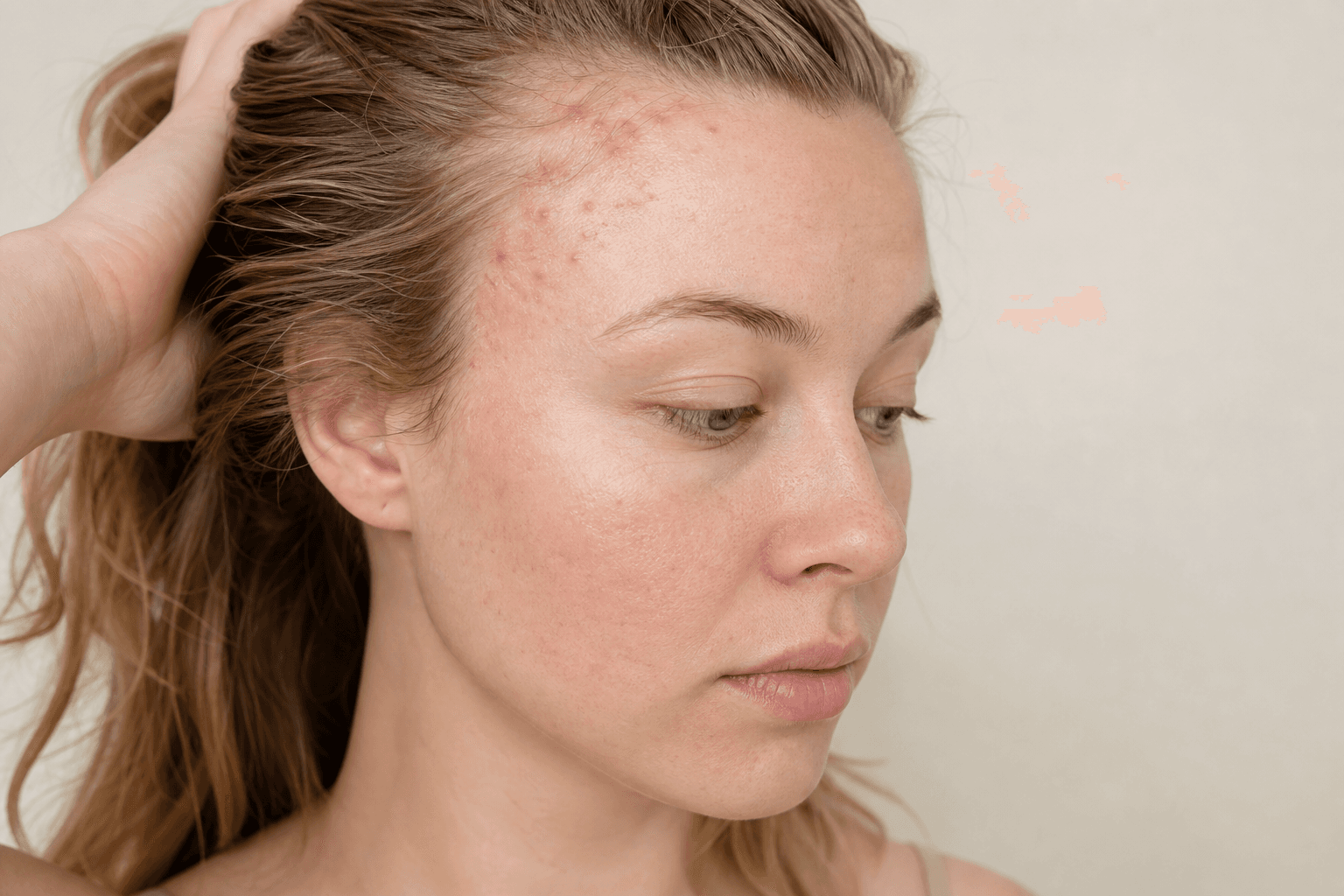
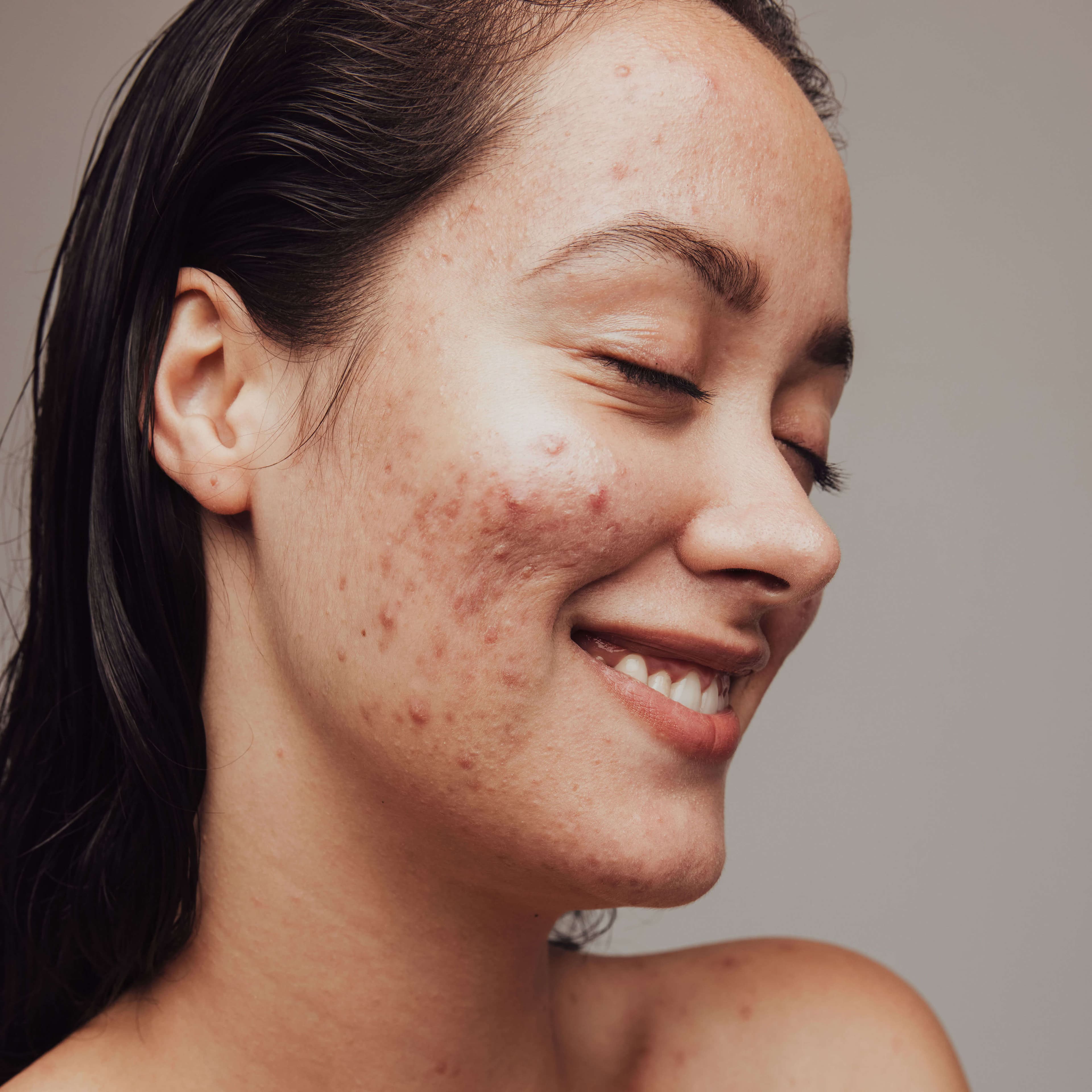
A blackhead is a follicle that has filled up with sebum and dead skin cells and stayed open at the surface. When you see the dark dot, you're not seeing dirt. You're seeing the trapped material oxidising in the air, exactly like a sliced apple browning.
This matters because the popular treatments (scrubs, pore strips, ridiculous tooth-paste-and-cling-film "extractions" on TikTok) all assume the problem is something on the surface to be removed. It isn't. The problem is inside the follicle.
What works
For visible blackheads, salicylic acid is the over-the-counter ingredient I trust most because it can work inside the oily follicle instead of only polishing the surface. The 2015 Arif review and decades of clinical practice line up here. It's oil-soluble, so it penetrates sebum. It loosens the bonds between the dead cells in the pore. The contents come out gradually instead of through brute force.
Pair it with niacinamide and you also support the oily-skin side of the problem. A 2006 clinical study of 2% niacinamide found lower facial sebum measures over 4 to 6 weeks, depending on the group studied. That does not make niacinamide a blackhead remover on its own, but it makes sense beside salicylic acid.
If you are deciding between pore strips, squeezing, salicylic acid, or professional extraction, start with the full blackheads removal decision guide. It separates safe home care from the removal methods that usually create more redness and marks.

The evidence-backed blackhead step. 2% salicylic acid plus niacinamide, the single product most people would keep if they could only keep one.
What doesn't work, and why
Pore strips. They tear off the surface plug. Much of the material deeper in the follicle stays put, so the dark dots often return quickly. Repeated tugging also irritates the surrounding skin. Long-term you usually get more redness, not clearer pores.
Daily scrubs. Abrasion doesn't reach inside the follicle. It does reach the surface skin, and it tears it.
Squeezing. Even when something comes out, you've created a micro-wound that the skin responds to with pigmentation, sometimes lasting months. In medium and deep skin tones, this is the leading cause of "I had blackheads, now I have dark spots."
The minimalist philosophy
The routine that follows is deliberately short. The most common mistake when blackheads show up is to react with more products: harsher cleansers, exfoliating wipes, "detox" masks. The right answer is almost always fewer products, one that actually does something (salicylic acid), and the patience to give it 6 to 8 weeks.
Pore size is genetic
This is the unwelcome truth. Pore contents are entirely treatable. Pore size is genetic, and is also enlarged by chronic sun damage, which retinoids can partly walk back, but not eliminate. Treat blackheads as a maintenance condition, not a one-time fix.
A simple routine
Morning
- Gentle cleanser
- Light moisturiser, non-comedogenic
- SPF
Evening
- Gentle cleanser (double cleanse if heavy SPF)
- Salicylic acid 2% treat, 3 to 4 nights per week
- Niacinamide-containing moisturiser
What to avoid
- Coconut oil and cocoa butter on the central face
- Isopropyl myristate and isopropyl palmitate in "weightless" moisturisers
- Wax-heavy pomades and styling creams along the hairline
- D&C red dyes (Red 6, 7, 30) in tinted balms and stick concealers
- Silicone primers layered under occlusive SPF for all-day wear
Real results
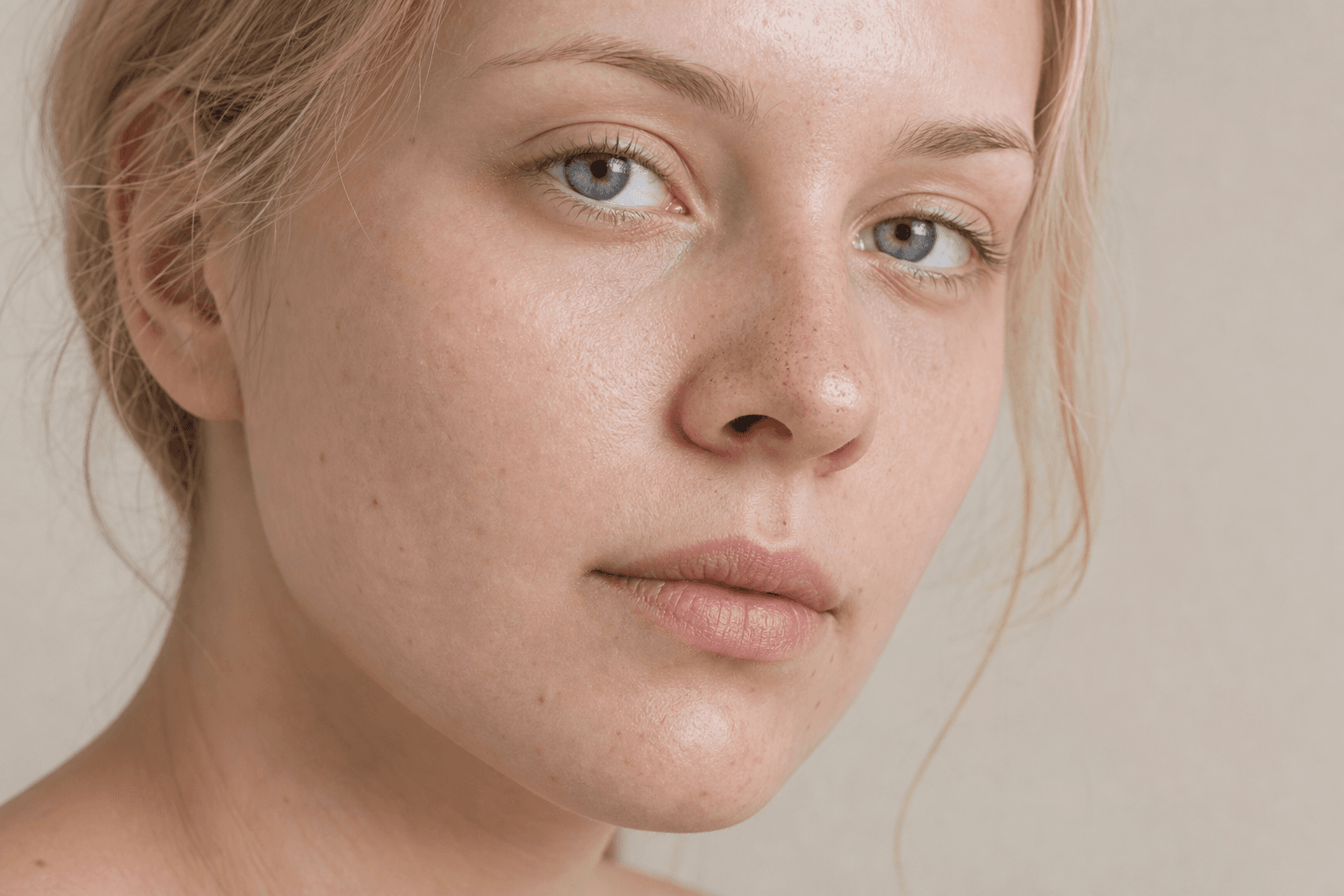
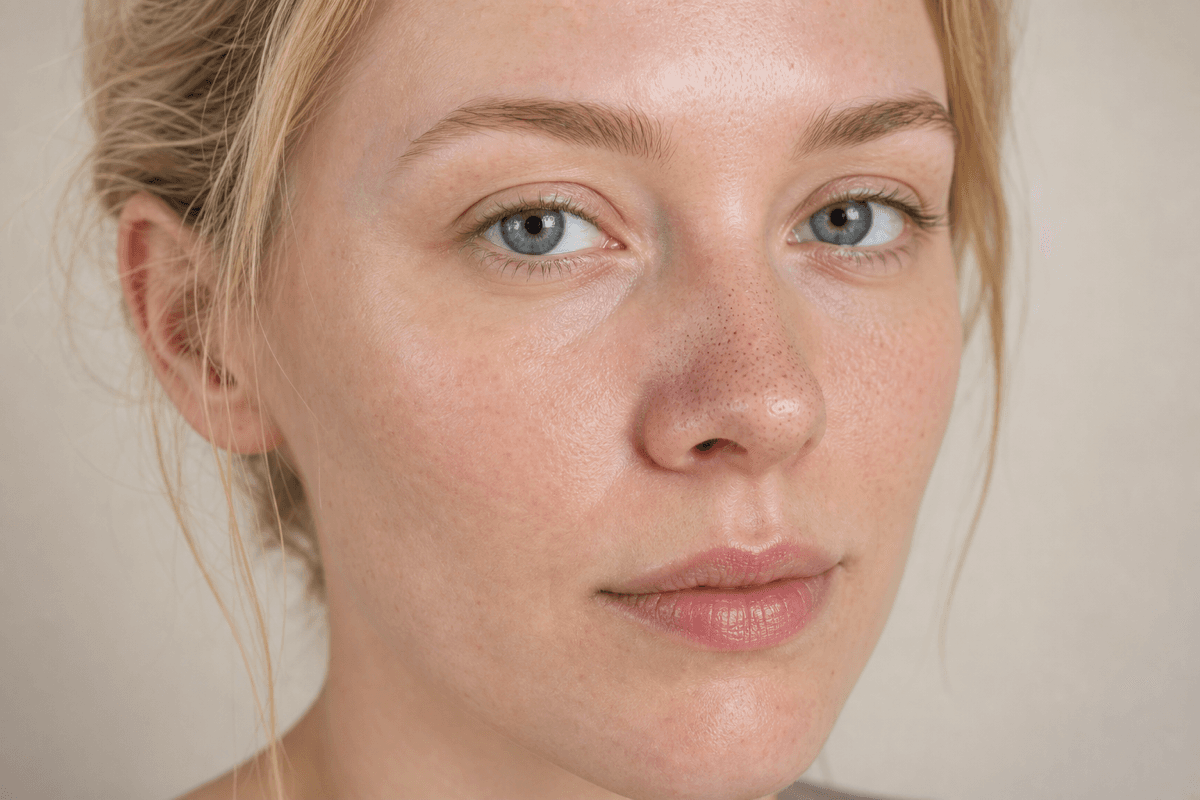
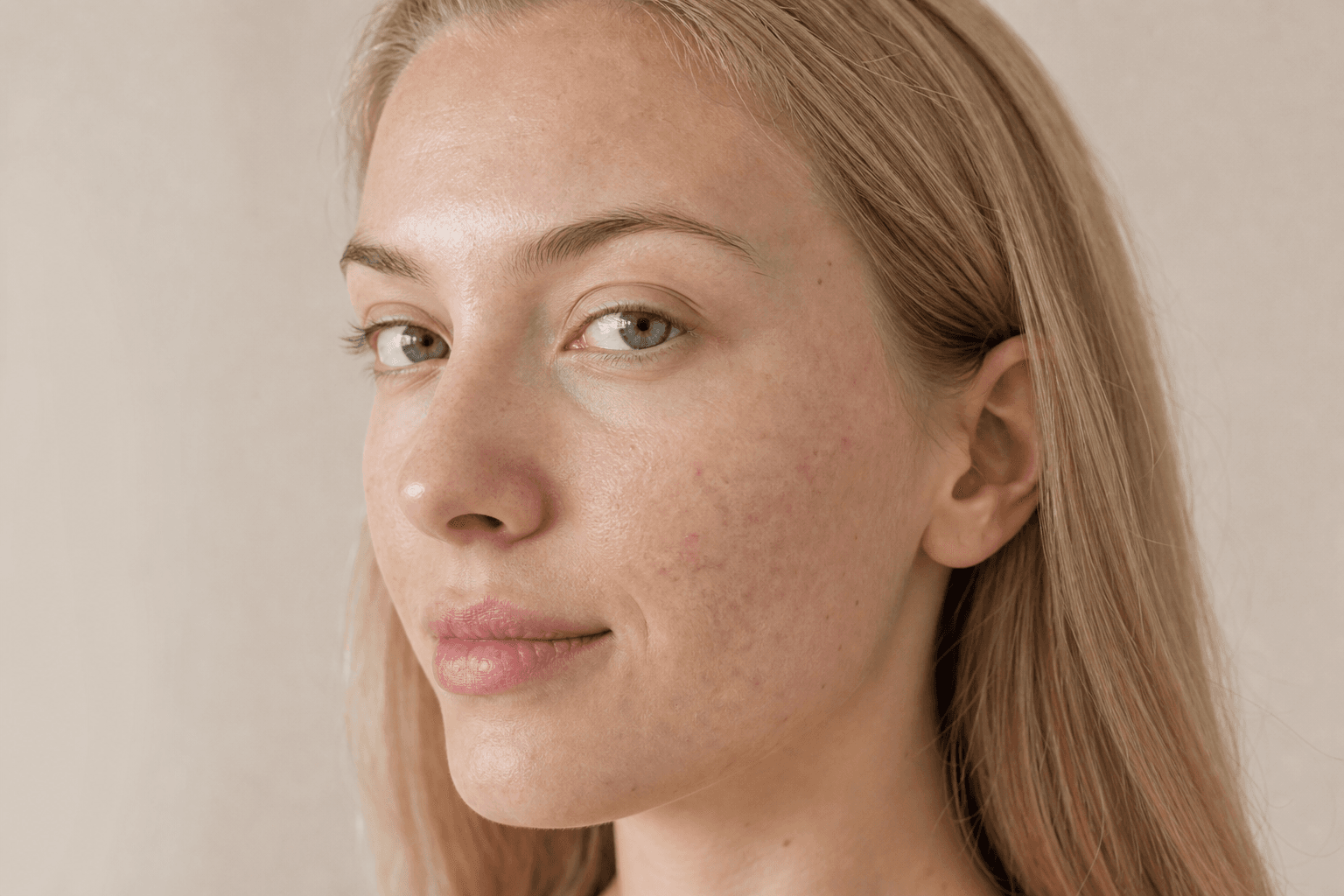
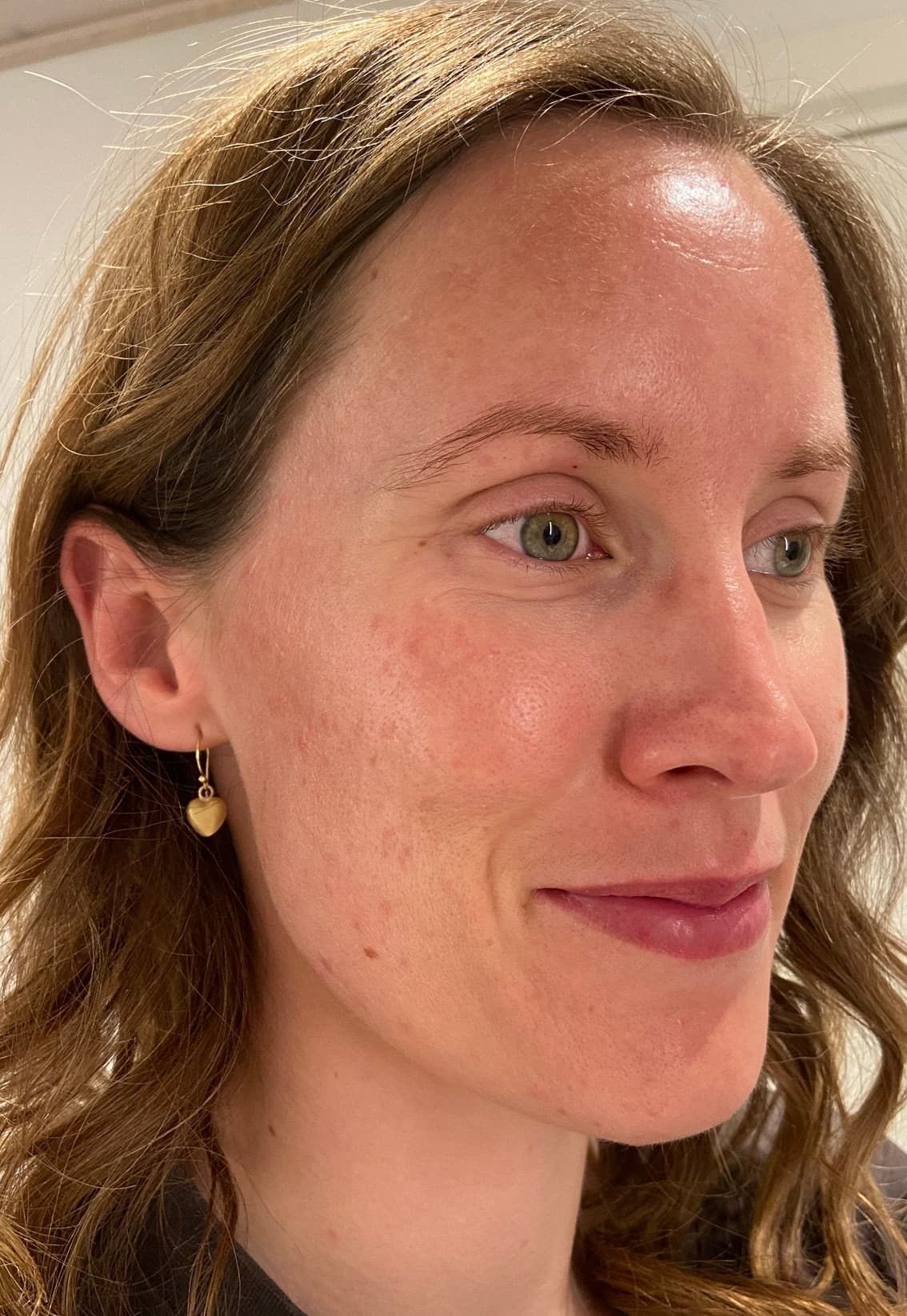
From the Danish Skin Care community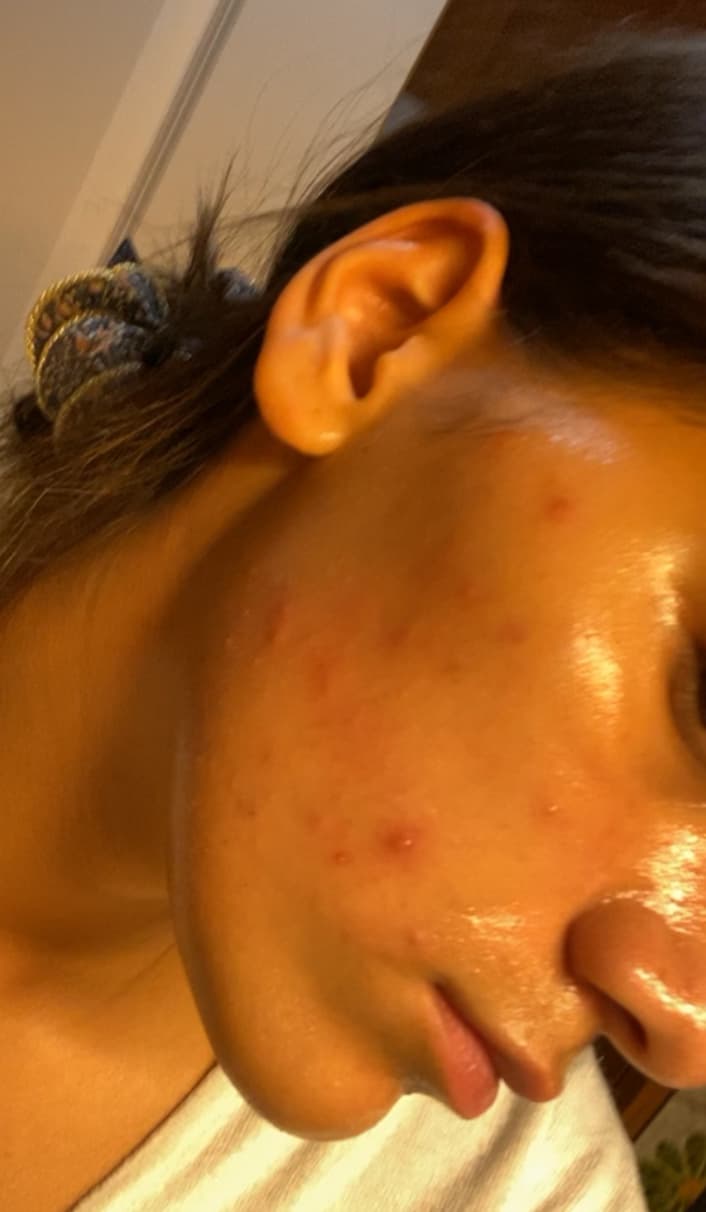 Before
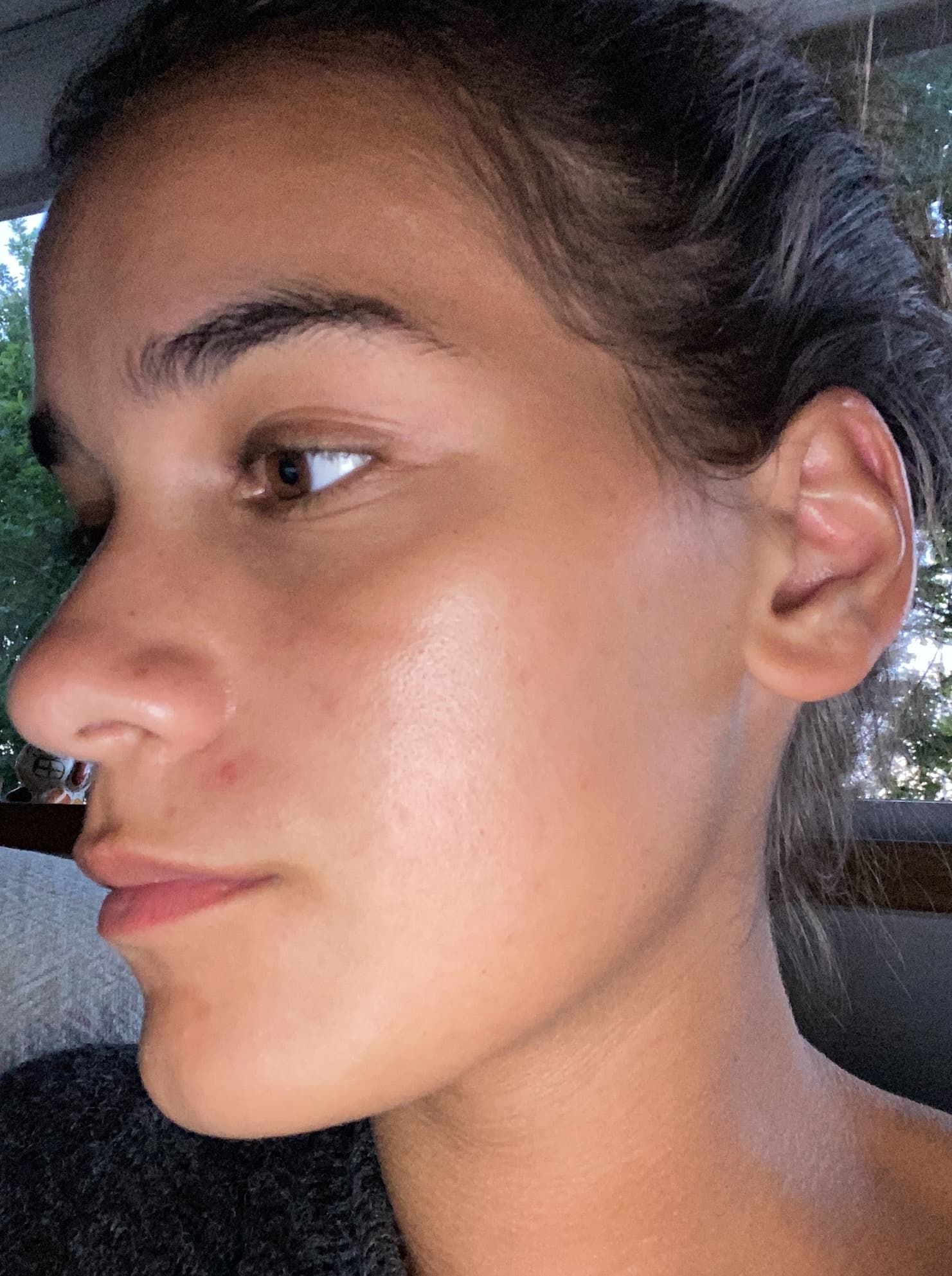 After
After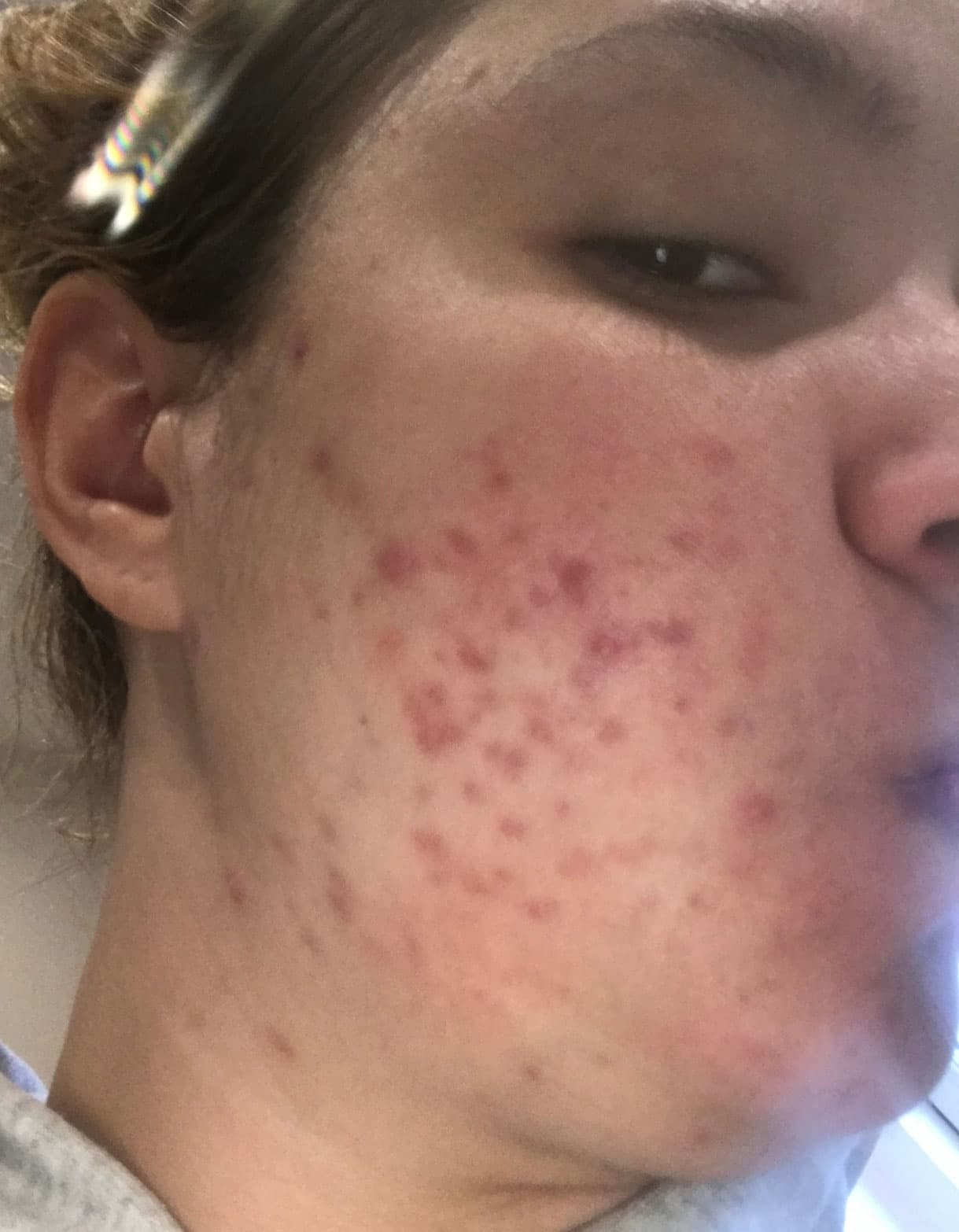 Before
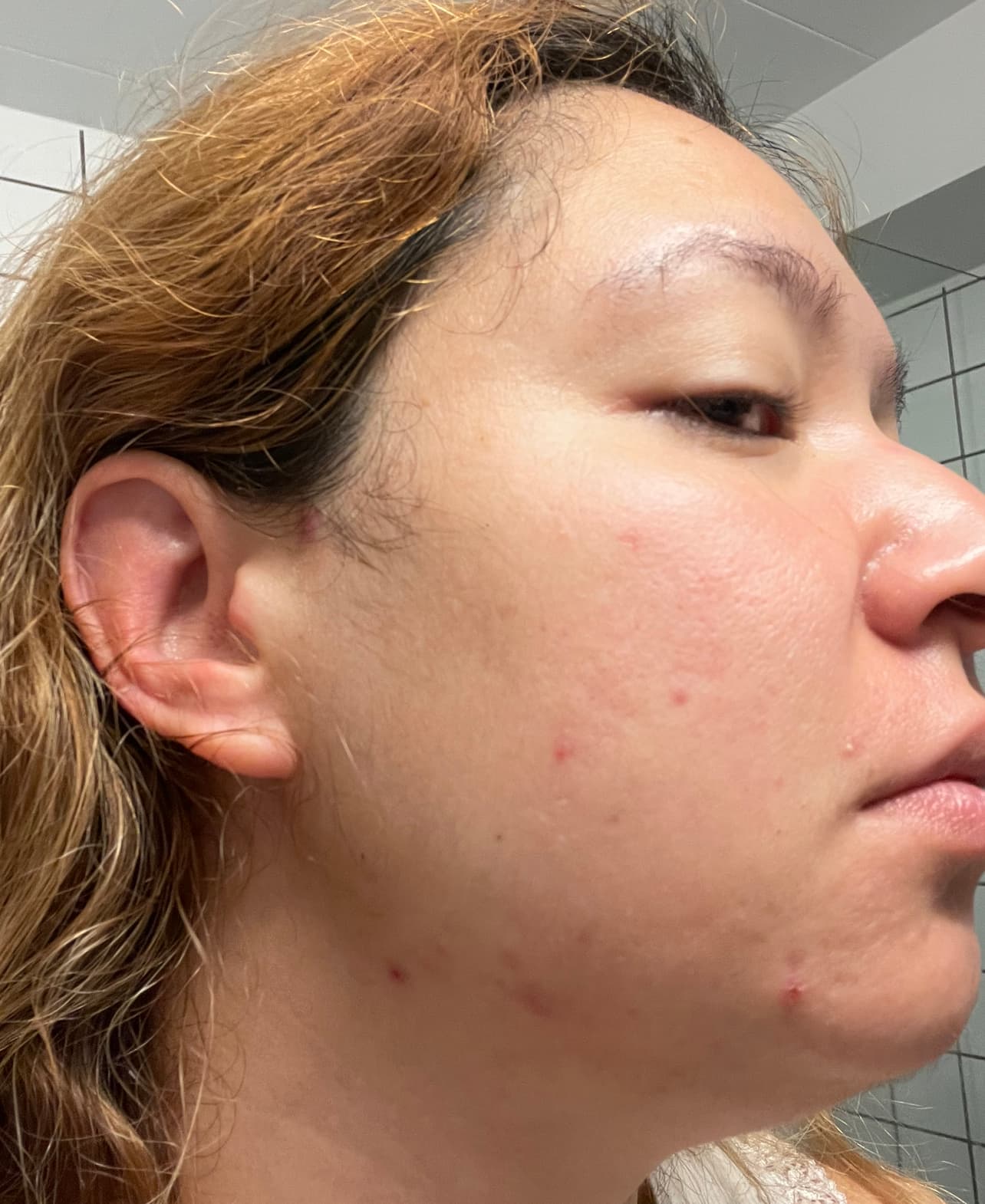 After
After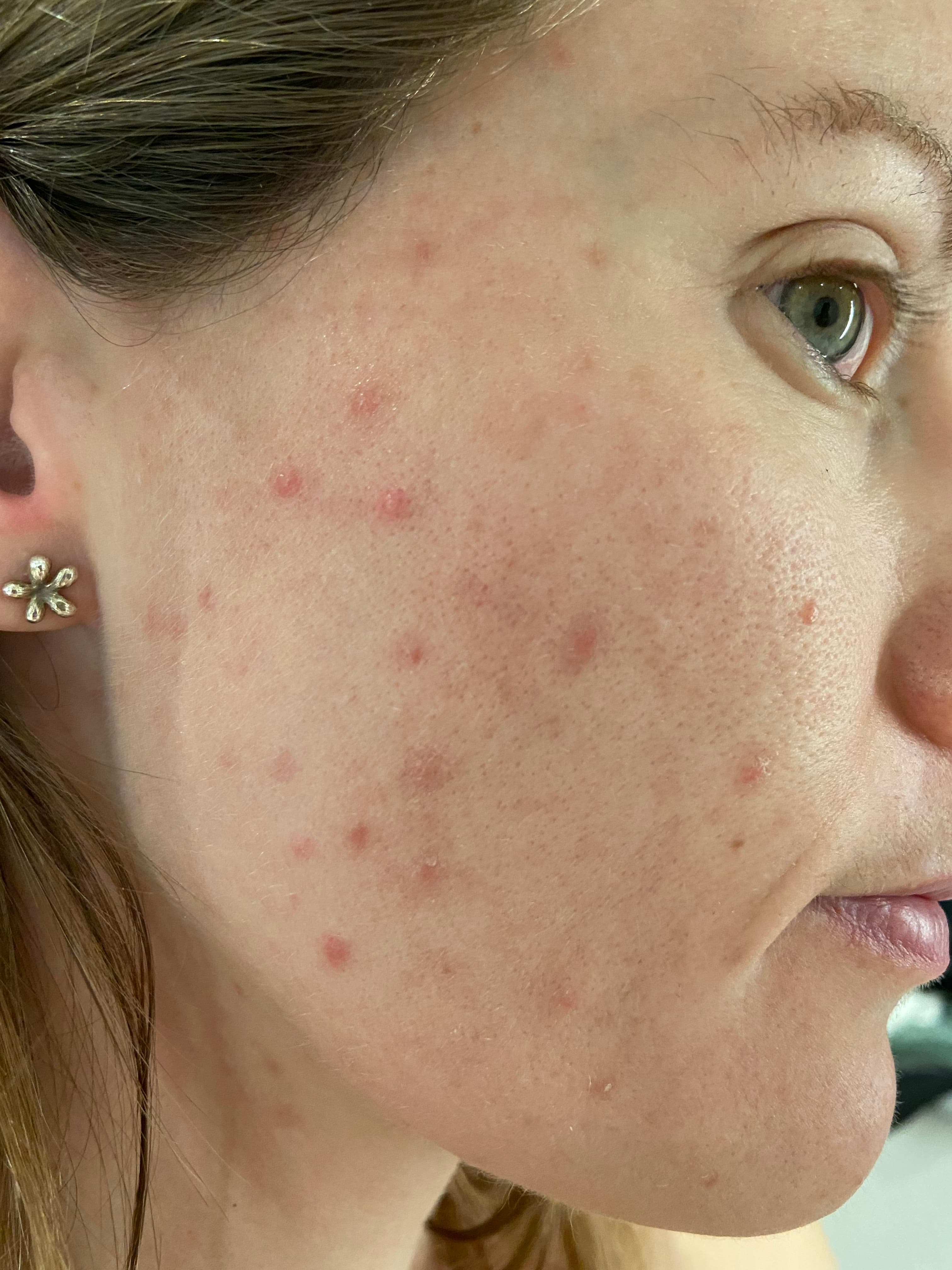 Before
 After
AfterRecommended Danish Skin Care routine

The complete routine in one box. Most people start here.
The main product. Salicylic acid penetrates inside the follicle.

Daily cleanser that removes SPF and sebum without stripping.

Lightweight, niacinamide-supported moisturiser for AM and PM.

Daily SPF + niacinamide. The morning step the routine needs.
Full transparency: Danish Skin Care is my own company — I formulated these products and earn from every sale. That's exactly why I only recommend them where they genuinely fit the condition described above.
Key ingredients to look for
Common questions
Why don't pore strips work?
They remove the surface plug, leaving the rest of the contents behind. The pore often refills quickly because the oil-and-cell buildup inside the follicle has not been treated. Salicylic acid is the better home option because it works inside the pore instead of pulling at the surface.
Can I extract them at home?
No. Even experienced dermatologists use sterile instruments, post-extraction antiseptic, and judgment about which lesions can be safely extracted. Squeezing at home causes micro-tears that pigment dark for months, especially in skin of colour.
How long until they go away?
A consistent salicylic acid + niacinamide routine clears visible blackheads in 6–8 weeks for most people. Pore *size* is genetic. You can keep them clear, but you can't make them disappear permanently.
Citations
- Decker A, Graber EM. Over-the-counter Acne Treatments: A Review. J Clin Aesthet Dermatol. 2012;5(5):32–40. — PMID 22808307
- Arif T. Salicylic acid as a peeling agent: a comprehensive review. Clin Cosmet Investig Dermatol. 2015;8:455–61. — PMID 26347269
- Draelos ZD, Matsubara A, Smiles K. The effect of 2% niacinamide on facial sebum production. J Cosmet Laser Ther. 2006;8(2):96–101. — PMID 16766489