
Ceramides
The structural lipids your skin barrier is literally made of. Excellent support for dry, sensitive, or compromised skin when used consistently in a well-formulated moisturiser—not a single-ingredient miracle.
At a glance
What Ceramides does for skin, and how to read the practical safety signals.
- Barrier mortar: Ceramides are the lipid glue between skin cells; depleted levels mean dryness, tightness, and easier irritation.
- Formula matters: They work best alongside cholesterol and fatty acids in balanced moisturiser systems, not as isolated drops.
- Clinical proof: Randomised studies show ceramide creams can reduce water loss and improve hydration in dry, eczema-prone skin.
- Type
- Barrier lipid
- Rating
- Pregnancy
- Considered safe
- Comedogenic rating
- 0/5 (Won't clog pores)
- Vegan
- No
- Suited skin types
- All skin types
On this page
The short answer
Ceramides are the lipid mortar between your skin cells. Without enough of them, the barrier leaks water, feels tight, and gets irritated more easily. That is why dry, sensitive, and eczema-prone skin so often shows up with depleted ceramide levels.
In skincare, ceramides are used to replenish that mortar from the outside. They are not flashy. They do not tingle. They do not promise overnight transformation. What they do is quietly rebuild the surface architecture so hydration stays put and irritation has less room to move.
If your skin feels like it drinks moisturiser and is still thirsty ten minutes later, ceramides belong on your radar.
What the evidence actually shows
Barrier repair in dry, eczema-prone skin. A 2022 randomised study[1] compared a cream containing ceramides, triglycerides, and cholesterol with a reference emollient on adults with dry, eczema-prone skin. After four weeks, the test cream improved barrier integrity, reduced sensitivity to a standard irritant, lowered transepidermal water loss, and increased hydration versus the reference.
Moderate eczema regimens. A 2021 randomised trial[2] of a ceramide-dominant moisturiser and cleanser in adults with moderate eczema found that transepidermal water loss and hydration improved significantly in the active group over 28 days, even though overall eczema severity scores did not separate dramatically from placebo. Patient satisfaction for itch relief, dryness, and skin softness was higher with the ceramide system.
Sustained moisturisation. The RESTORE study[3] tested ceramide-containing cream and lotion in people with dry, eczema-prone skin. A single application sustained meaningful hydration improvements for at least 24 hours compared with commonly prescribed reference emollients.
The honest takeaway: ceramides shine in barrier support and hydration, not as a stand-alone fix for inflammatory skin disease. They help the routine you already need become more tolerable.
How to use them
- Format: look for them in moisturisers, not as a lone drop you hope will save a stripped routine.
- Pairing: the best evidence uses ceramides alongside cholesterol and fatty acids in balanced ratios. Think complete repair cream, not ingredient bingo. Support ingredients such as lecithin can also matter when the formula is built around comfort and texture.
- Frequency: once or twice daily on clean skin, especially after cleansing or active treatments.
- Expectation: barrier repair is cumulative. Give it several weeks before judging.
If you have been over-exfoliating, over-washing, or chasing every new active on the internet, ceramides are less a hero ingredient and more a ceasefire negotiation with your skin.
Where it fits in a routine
Ceramides sit naturally beside:
- Niacinamide: helps skin produce more of its own ceramides while you also apply them topically.
- Sodium hyaluronate and glycerin: humectants that pull water in; ceramides help keep it there.
- Squalane: an emollient that softens and seals without heaviness.
- Panthenol and allantoin: comfort ingredients that make barrier repair routines easier to stick with.
For dry skin, ceramides are often the difference between a moisturiser that feels nice for an hour and one that actually changes how your face behaves through the day. For sensitive skin and rosacea, they support tolerance rather than treating the underlying condition.
When it won't help
Ceramides will not replace prescription care for moderate-to-severe eczema, rosacea flares, or inflammatory acne. They also will not undo damage from a routine built on harsh scrubs, high-strength acids every night, and no sunscreen.
Think of them as infrastructure, not demolition crew.
The practical takeaway
My goal with this guide was to gather the useful science on ceramides in one place, so you can stop hunting for the next clever fix and do the simple, effective things your skin actually needs.
That is also why I made the Danish Skin Care Kit: a calm routine built around documented ingredients, and one that has helped more than 100,000 people with problem skin. If even the smallest question is still nagging you, send me an email at info@danishskincare.com.
Common questions
Do I need a separate ceramide serum?
Usually no. Clinical studies use complete moisturiser systems with ceramides, cholesterol, and fatty acids together. A well-formulated cream often beats stacking another single-ingredient serum.
Can ceramides help rosacea-prone skin?
They can support a compromised barrier, which many people with rosacea need. They are not a rosacea treatment on their own, but barrier repair often makes other steps easier to tolerate.
Are plant ceramides as good as skin-identical ones?
Pseudo-ceramides and skin-identical ceramides both appear in effective formulas. What matters most is the finished product: balance, tolerability, and whether you will actually use it daily.
Reading a real label?
Scan a product to see how it is formulated
Upload a photo of the ingredient list and get a quick ingredient-by-ingredient read against the evidence-led database.
I recommend these products

The Normal to dry Moisturizer pairs squalane, urea, and sodium hyaluronate with barrier-friendly support actives. A practical nightly step when ceramide-style repair is the goal.

The Normal to dry Day Protector layers niacinamide, squalane, and panthenol under broad-spectrum SPF for daytime barrier support.

The Kit packages both steps so barrier care stays simple and consistent.
Skin conditions it actively helps with
Where the published evidence puts Ceramides on the short list of active ingredients worth reaching for.

Dry skin
Dry skin is usually a barrier problem, not simply a water problem. Here's the difference between dry and dehydrated, why it matters, and the routine that actually helps.
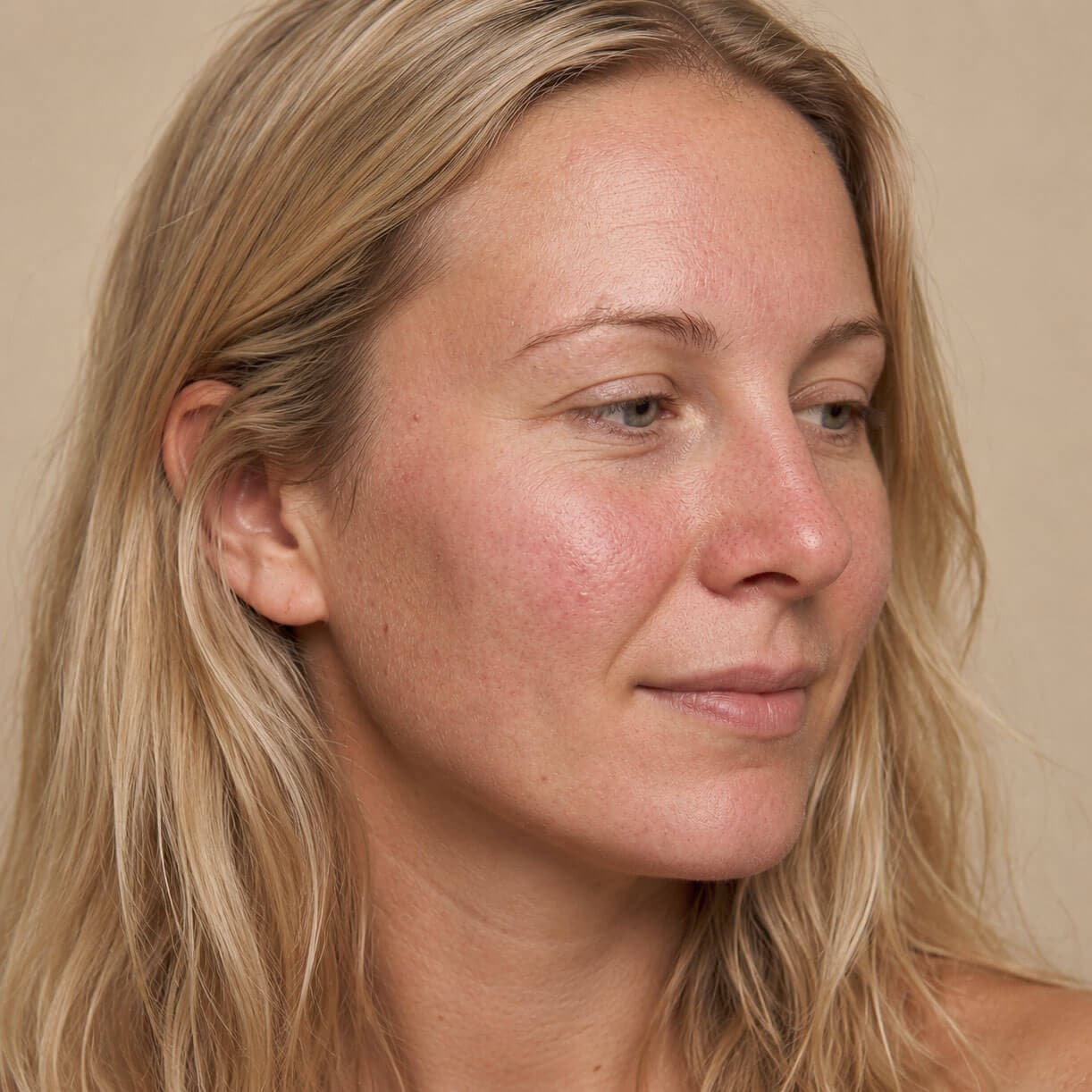
Sensitive skin
"Sensitive" is a symptom, not a diagnosis. Learn what drives reactive skin, the routine that calms it, and what to leave out.
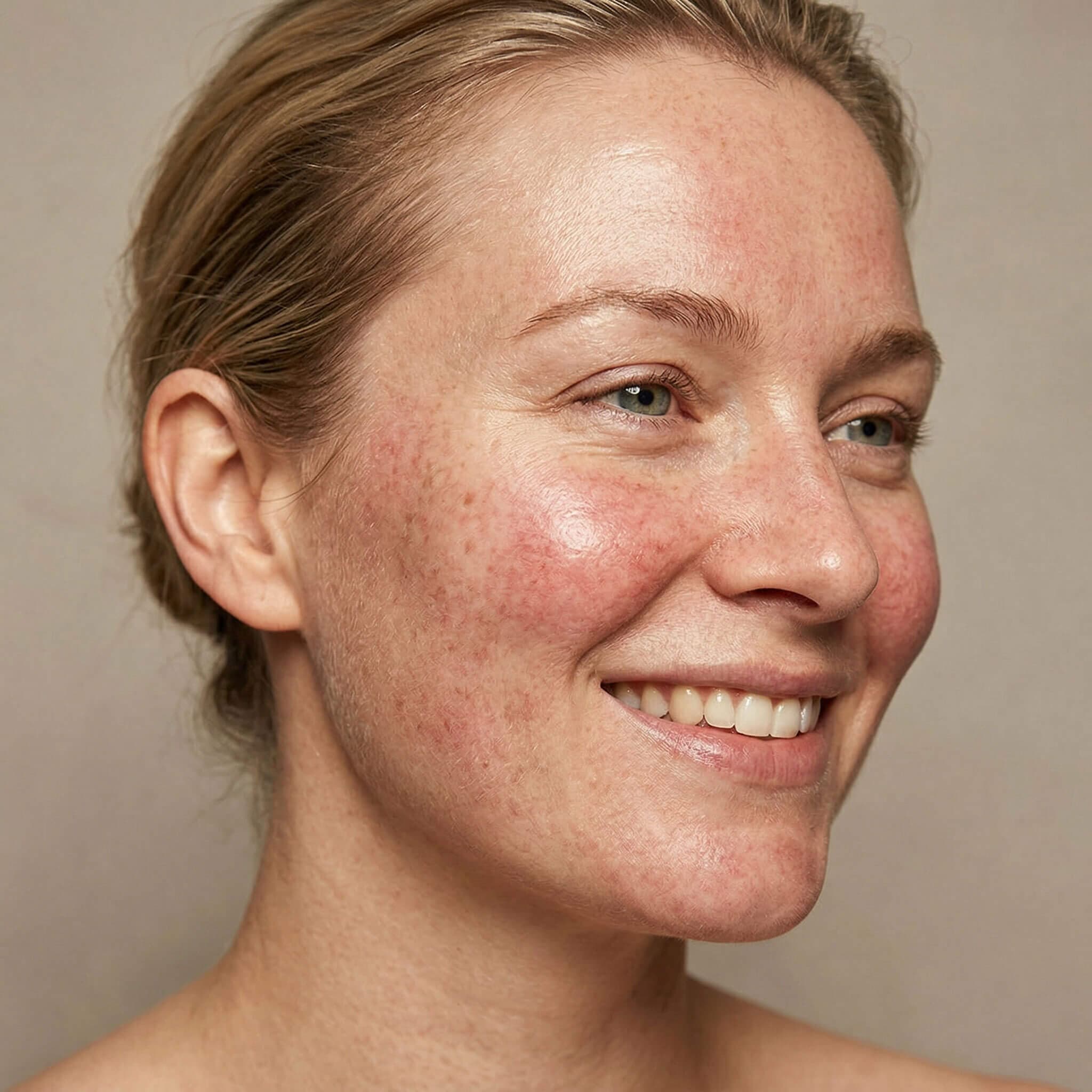
Rosacea and redness
Rosacea is a chronic inflammatory condition, not a temporary flush. Here's what causes it, what calms it, and the routine that doesn't make the reactivity worse.

Signs of ageing
Wrinkles, sallowness, slack tone, and uneven pigment all share the same drivers. Here's the unglamorous routine that genuinely slows them.
Related ingredients
Citations
- Danby SG, et al. Enhancement of stratum corneum lipid structure improves skin barrier function and protects against irritation in adults with dry, eczema-prone skin. Br J Dermatol. 2022;186(3):514–524. — PMID 34921679
- Spada F, et al. A daily regimen of a ceramide-dominant moisturizing cream and cleanser restores the skin permeability barrier in adults with moderate eczema: A randomized trial. Dermatol Ther (Heidelb). 2021;11(3):887–896. — PMID 33984185
- Danby SG, et al. An Investigation of the Skin Barrier Restoring Effects of a Cream and Lotion Containing Ceramides in a Multi-vesicular Emulsion in People with Dry, Eczema-Prone, Skin: The RESTORE Study Phase 1. Dermatol Ther (Heidelb). 2020;10(4):757–767. — PMID 32671664