
Retinol
The gold standard for visible signs of aging and a serious supporting act for acne and pigmentation, provided you start low and build up.
At a glance
What Retinol does for skin, and how to read the practical safety signals.
- Helps improve the look of blemish-prone skin by keeping pores from clogging as easily.
- Reduces the look of fine lines, uneven texture, and photoaging with consistent long-term use.
- Converts in skin to retinoic acid, the active vitamin A form that drives visible renewal.
- Type
- Retinoid
- Rating
- Pregnancy
- Discuss with a clinician
- Comedogenic rating
- 1/5 (Low clogging risk)
- Vegan
- Yes
- Suited skin types
- All skin types
On this page
The short answer
Retinol is a cosmetic form of vitamin A that the skin converts into retinoic acid, the molecule that actually does the work. It supports cell turnover, collagen signalling, and smoother texture over months. Prescription tretinoin still has the strongest anti-ageing evidence, but retinol is one of the better-studied non-prescription retinoids and is usually easier to tolerate.
It also earns its results slowly and punishes impatience like a personal trainer who's seen too many people quit in week three. Almost every person who's told me "retinol doesn't work for me" was using it too often, too soon, with no buffer, and a face that was already mildly upset before they started.
If that's been you: you weren't doing it wrong. You were given the wrong protocol.
What the evidence actually shows
Photoaging and fine lines. Kafi's 2007 controlled study used 0.4% retinol lotion three nights a week on elderly forearm skin for 24 weeks. The retinol-treated arms showed significantly fewer fine wrinkles, better elasticity, and more glycosaminoglycan synthesis than vehicle. One of the cleaner trials in cosmetic dermatology: small, properly randomised, controlled, and long enough to mean something.
Mechanism. Mukherjee 2006 and the 2022 retinoid review cover the molecular picture. Topical retinoids help keratinocytes mature properly, support procollagen production, and reduce the enzymes that break collagen apart (the demolition crew that runs riot with age and sun). That's a remarkable amount of work from one molecule. Like hiring a plumber who, on the way out, also fixes the electrics and waters the plants.
Acne and pigmentation. The 2024 AAD acne guideline strongly recommends topical retinoids for acne because they are comedolytic, anti-inflammatory, help maintain clearance, and can improve dyspigmentation. Cosmetic retinol is gentler than prescription acne retinoids, so I treat it as useful routine support, not a replacement for prescription care when acne is stubborn, scarring, or painful.
How to start (the only part that matters)
Most people don't fail with retinol because retinol is broken. They fail because they hit retinization - dryness, peeling, redness - in week two and assume they've ruined their face. They haven't. If the peeling is your main issue, the guide to retinol peeling explains when to slow down and when to pause. The protocol that gets you through that window:
- Pick a low concentration. 0.1 to 0.3 percent retinol is plenty for a first run. Skip anything with "extra strength" or "1%" on the label while you're starting out. That's not bravery, it's peeling.
- Twice a week for the first 2 to 3 weeks. Apply at night on dry skin, after cleansing and before moisturiser.
- Buffer if needed. Apply moisturiser, wait 10 to 15 minutes, then a pea-sized amount of retinol on top. The moisturiser is a speed bump for absorption. It almost always prevents the worst of the early peeling.
- Increase frequency, not strength. Go to 3 nights, then alternate, then daily, over 2 to 3 months. Only bump up the percentage when you can use the current one nightly without complaint from your skin.
The reward at the end of all this patience is the kind of skin change that doesn't look "done". The kind where a friend asks if you've been on holiday.
How to keep retinol comfortable
Support the barrier:
- Niacinamide in the same routine can support barrier comfort, but do not expect it to neutralise retinol irritation by itself. A 2024 patch test found 3% niacinamide did not relieve retinol discomfort, while physiologic lipid blends performed better. Think barrier support, not a magic cushion.
- Hyaluronic acid, ceramides, and a simple moisturiser during the build-up. Your barrier is doing overtime. Pay it.
Avoid in the same application:
- L-ascorbic acid (vitamin C): vitamin C in the morning, retinol at night. Stacking them in one go is a known irritation trigger, and vitamin C's low pH can knock retinol off-balance chemically.
- Salicylic acid the same night: alternate evenings instead.
- Strong AHAs (glycolic, lactic above 5%) the same night.
When not to use retinol
- Pregnancy: avoid topical retinoids as a precaution. Williams 2020 found the available human data reassuring after accidental exposure, but still recommends avoidance because the evidence is limited. Switch to bakuchiol or azelaic acid, and ask your clinician about any acne treatment during pregnancy. Retinaldehyde is also off the table.
- Compromised barrier or active inflammation: heal first. You wouldn't sand a wall that's still wet.
- Without SPF in your morning routine: retinol makes you more photosensitive. Non-negotiable.
The practical takeaway
My goal with this guide was to gather the useful science on retinol in one place, so you can stop hunting for the next clever fix and do the simple, effective things your skin actually needs.
That is also why I made the Danish Skin Care Kit: a calm routine built around documented ingredients, and one that has helped more than 100,000 people with problem skin. If even the smallest question is still nagging you, send me an email at info@danishskincare.com.
Common questions
How long until I see results from retinol?
Skin texture and breakouts tend to respond first, usually around 4–8 weeks. Fine lines and pigmentation are slower: published trials show measurable improvement at 12–24 weeks of consistent use.
Can I use retinol every night?
Eventually, yes, if your skin tolerates it. Start 2 nights a week for 2–3 weeks, then 3 nights, then alternate, then daily. Rushing this step is the single most common reason people abandon retinol.
Why can't I use retinol in pregnancy?
Oral retinoids are known teratogens. Topical retinoid absorption is much lower, and Williams 2020 found accidental exposure data reassuring, but the recommendation is still to avoid topical retinoids during pregnancy because the evidence is limited. Ask your clinician about safer acne or pigmentation options for that window.
Reading a real label?
Scan a product to see how it is formulated
Upload a photo of the ingredient list and get a quick ingredient-by-ingredient read against the evidence-led database.
Found in these Danish Skin Care products

Our nightly retinol moisturiser, buffered with squalane, urea, and sodium hyaluronate. Pick the "Normal to dry" variant if your skin runs dry.

The Kit packages this Moisturizer with the morning routine. Start here if retinol is new to you.
Skin conditions it actively helps with
Where the published evidence puts Retinol on the short list of active ingredients worth reaching for.
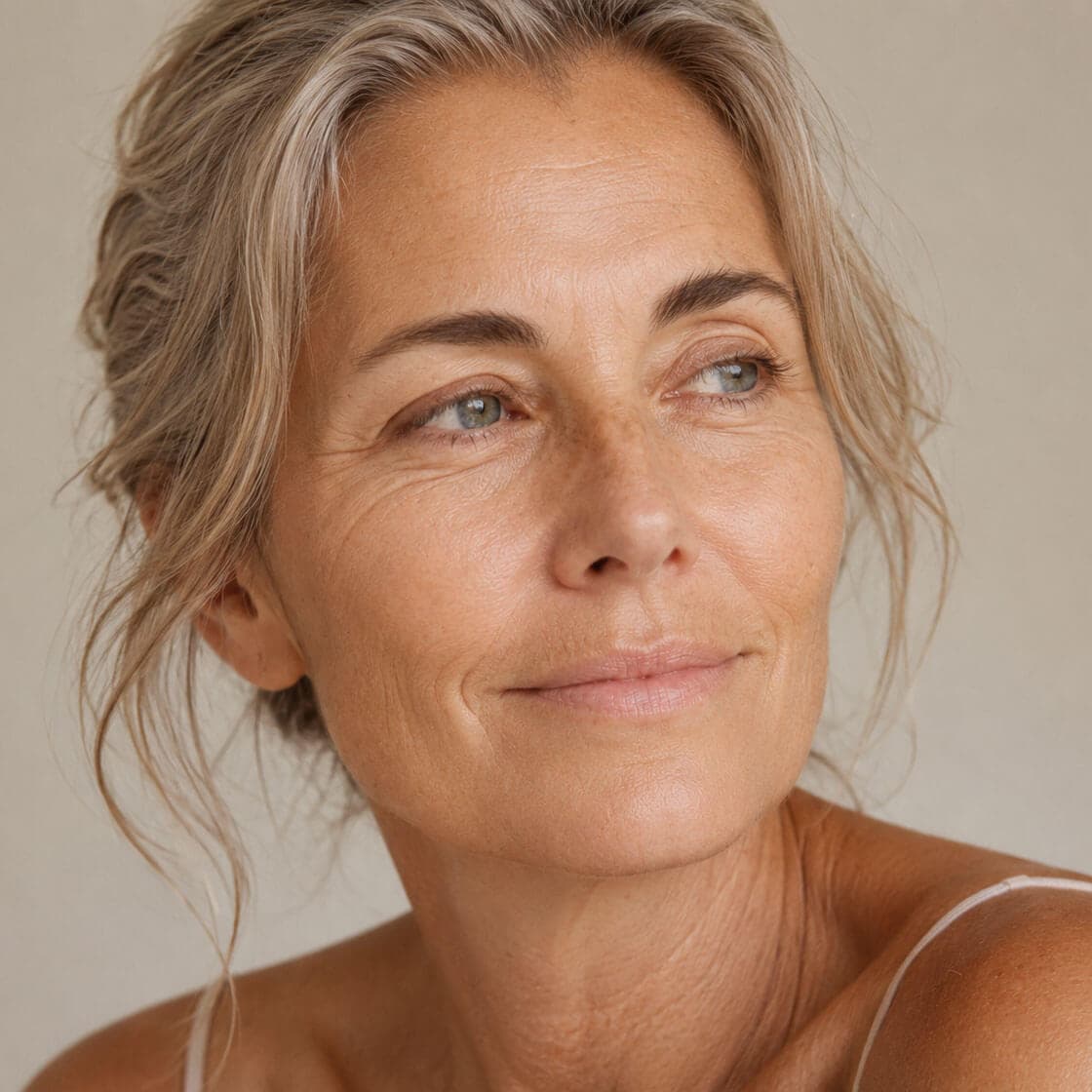
Signs of ageing
Wrinkles, sallowness, slack tone, and uneven pigment all share the same drivers. Here's the unglamorous routine that genuinely slows them.
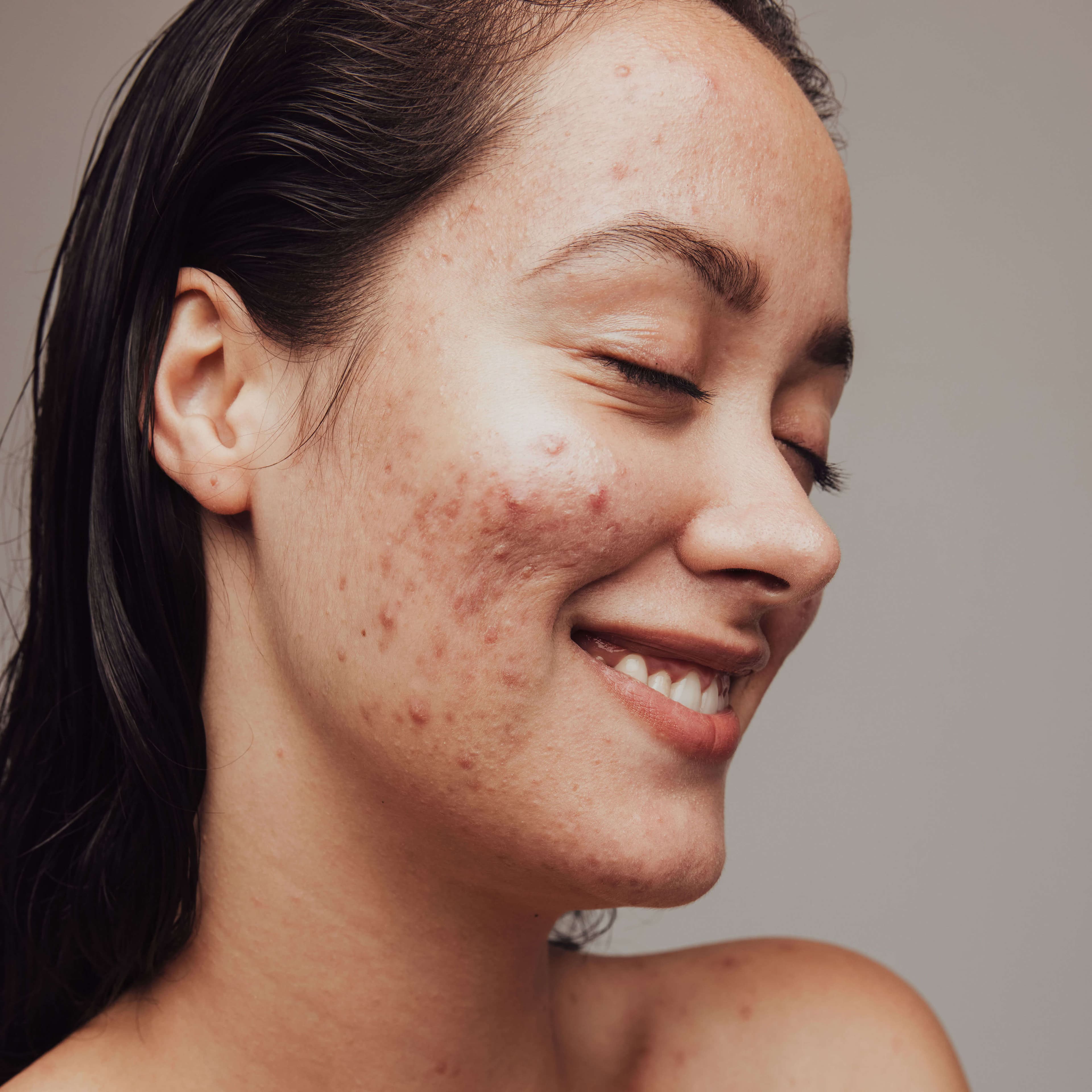
Acne and blemishes
A clear-headed guide to acne: what's actually happening in your skin, what the evidence says works, and a simple routine that doesn't make things worse.

Blackheads
Blackheads are oxidised sebum, not dirt. Here's what they actually are, why pore strips and squeezing make them worse, and the routine that genuinely clears them.
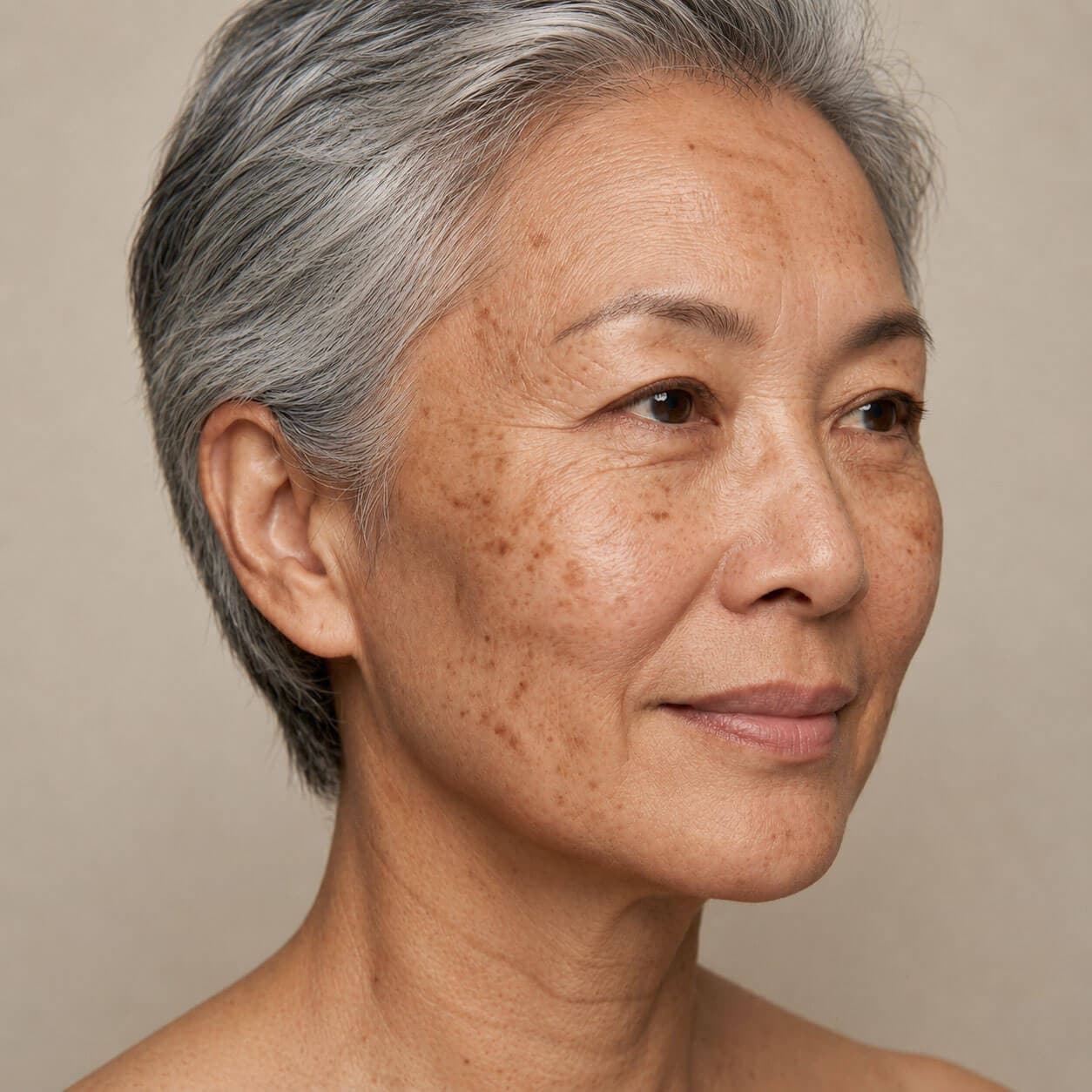
Pigmentation
Pigmentation is one of the most-asked-about, most-misunderstood skin concerns. Here's what's happening in your skin and the slow, evidence-led routine that actually fades it.
Related ingredients
Citations
- Mukherjee S, et al. Retinoids in the treatment of skin aging: an overview of clinical efficacy and safety. Clin Interv Aging. 2006;1(4):327–48. — PMID 18046911
- Kafi R, et al. Improvement of naturally aged skin with vitamin A (retinol). Arch Dermatol. 2007;143(5):606–12. — PMID 17515510
- Ferreira MS, et al. Use of Retinoids in Topical Antiaging Treatments: A Focused Review of Clinical Evidence for Conventional and Nanoformulations. Adv Ther. 2022;39(12):5351–5375. — PMID 36220974
- Reynolds RV, et al. Guidelines of care for the management of acne vulgaris. J Am Acad Dermatol. 2024;90(5):1006.e1–1006.e30. — PMID 38300170
- Williams AL, et al. Teratogen update: Topical use and third-generation retinoids. Birth Defects Res. 2020;112(15):1105–1117. — PMID 32643315
- Ye F, et al. Mitigation of retinol-induced skin irritation by physiologic lipids: Evidence from patch testing. J Cosmet Dermatol. 2024;23(8):2743–2749. — PMID 38628085