
Urea
One of the most useful humectants in dermatology skincare: hydrates, softens rough texture, and supports retinoid routines at sensible cosmetic strengths. Too much, too strong, or on very reactive skin can sting.
At a glance
What Urea does for skin, and how to read the practical safety signals.
- Urea binds water in the stratum corneum and, at higher strengths, loosens surface keratin for softer texture.
- Listed early in our Perfect Skin Moisturizer INCI, which signals a meaningful cosmetic level rather than trace dust.
- Often used around 5-10% in clinical moisturiser work; our night cream pairs it with retinol, glycerin, and sodium hyaluronate.
- Type
- Humectant
- Rating
- Pregnancy
- Considered safe
- Comedogenic rating
- 0/5 (Won't clog pores)
- Vegan
- Yes
- Suited skin types
- All skin types
On this page
The short answer
Urea is one of those ingredients that sounds like it belongs in a fertiliser bag until you see what it does on skin.
In skincare, urea is mainly a humectant: it helps bind water in the outer skin so the surface feels softer, more flexible, and less tight. At higher concentrations it also acts as a keratolytic, loosening stubborn surface keratin. That is why dermatology moisturiser aisles love it for dry legs, rough elbows, and bumpy keratosis pilaris.
In our Perfect Skin Moisturizer, urea is not a background whisper. It sits early in the INCI list in both variants, which in cosmetic labeling usually means a meaningful concentration, not a marketing sprinkle. We built the cream around that idea: nightly hydration and texture support that can sit beside retinol without the usual dryness drama.
What the evidence actually shows
Medium-concentration urea in clinical use. A 2021 review[1] of clinical evidence for urea at medium concentration summarises its role in moisturising dry skin, supporting barrier function, and improving rough texture at strengths commonly used in dermatology products. That is the honest frame for our night cream: sensible cosmetic urea in a balanced base, not a prescription keratolytic peel.
Keratosis pilaris and chemical exfoliation. A 2022 systematic review[2] of keratosis pilaris treatments consistently favours chemical approaches, including urea, over mechanical scrubbing. For bumpy arms or stubborn follicular texture, urea plus a targeted salicylic acid step is usually more useful than attacking your skin with a mitt.
Hydration inside a complete moisturising system. A 2018 study[3] of a cream designed to mimic the skin's natural moisturising systems found significantly improved hydration compared with control. Urea is often part of that kind of sensible formula logic: humectants pull water in, emollients soften, and the product actually gets used twice a day.
The nuance: urea's strength matters. Low percentages feel mostly hydrating. Higher percentages get more keratolytic and can sting on broken or very reactive skin. Face creams usually live in the gentler middle lane; foot creams live somewhere else entirely.
For thick, dry heel skin, the guide to dry, cracked heels explains cream choice, footwear and when a crack needs professional care.
How to use it
You rarely need a separate urea serum if your moisturiser already carries it at a useful level.
Practical habits:
- Apply to slightly damp skin after cleansing so humectants have water to bind.
- Use at night when urea sits beside retinol, unless your morning product also includes it and your skin is happy.
- Start once daily if you are new to retinoids or your barrier feels fragile.
- Do not chase stinging as proof something is working. Mild tingle can happen with higher urea; sustained burning means back off.
For dry skin, pick the Normal to dry Moisturizer variant when you also want squalane and extra emollient support.
Where it fits in a routine
Urea pairs naturally with:
- Glycerin and sodium hyaluronate: the hydration stack that keeps urea from feeling like a one-note trick.
- Retinol: urea in the same night cream can make renewal more tolerable over weeks.
- Panthenol and allantoin: comfort support when actives are in the mix.
- Salicylic acid: complementary angle for congestion and KP when used on different nights or areas, not layered aggressively on the same angry patch.
There is no famous war between urea and niacinamide. If irritation shows up, look at total active load, fragrance, over-cleansing, or using too many exfoliants at once.
When it won't help
Urea will not replace prescription acne care, rosacea treatment, or medical management of severe eczema.
Very sensitive skin during a flare may prefer simpler barrier creams without keratolytic pressure. High-strength urea on cracked or weeping skin can sting badly.
It also will not fix pigmentation or deep signs of ageing alone. It makes the routine more livable so actives and SPF can do their slower work.
And urea is not an excuse to skip sunscreen. Soft, hydrated skin that burns daily is not winning.
The practical takeaway
My goal with this guide was to gather the useful science on urea in one place, so you can stop hunting for the next clever fix and do the simple, effective things your skin actually needs.
That is also why I made the Danish Skin Care Kit: a calm routine built around documented ingredients, and one that has helped more than 100,000 people with problem skin. If even the smallest question is still nagging you, send me an email at info@danishskincare.com.
Common questions
What does urea do in a face moisturiser?
It hydrates the upper skin, softens rough texture, and helps formulas feel more comfortable on dry or retinoid-treated skin. Strength and the rest of the formula decide how much keratolytic action you notice.
Will urea sting?
It can, especially above roughly 10% or on very compromised, cracked skin. Cosmetic face creams at medium levels are usually well tolerated, but patch test if your barrier is angry right now.
Can I use urea with retinol?
Yes, and that pairing is common in night creams built for renewal without sandpaper dryness. If irritation appears, reduce retinol frequency before blaming urea alone.
Reading a real label?
Scan a product to see how it is formulated
Upload a photo of the ingredient list and get a quick ingredient-by-ingredient read against the evidence-led database.
Found in these Danish Skin Care products

Urea is listed early in both Moisturizer variants alongside glycerin, sodium hyaluronate, retinol, panthenol, and allantoin. Pick Normal to dry when dryness or rough texture is the main issue.

The Kit packages the night moisturiser with the morning routine so urea hydration and retinol renewal stay in one simple system.
Skin conditions it actively helps with
Where the published evidence puts Urea on the short list of active ingredients worth reaching for.

Dry skin
Dry skin is usually a barrier problem, not simply a water problem. Here's the difference between dry and dehydrated, why it matters, and the routine that actually helps.
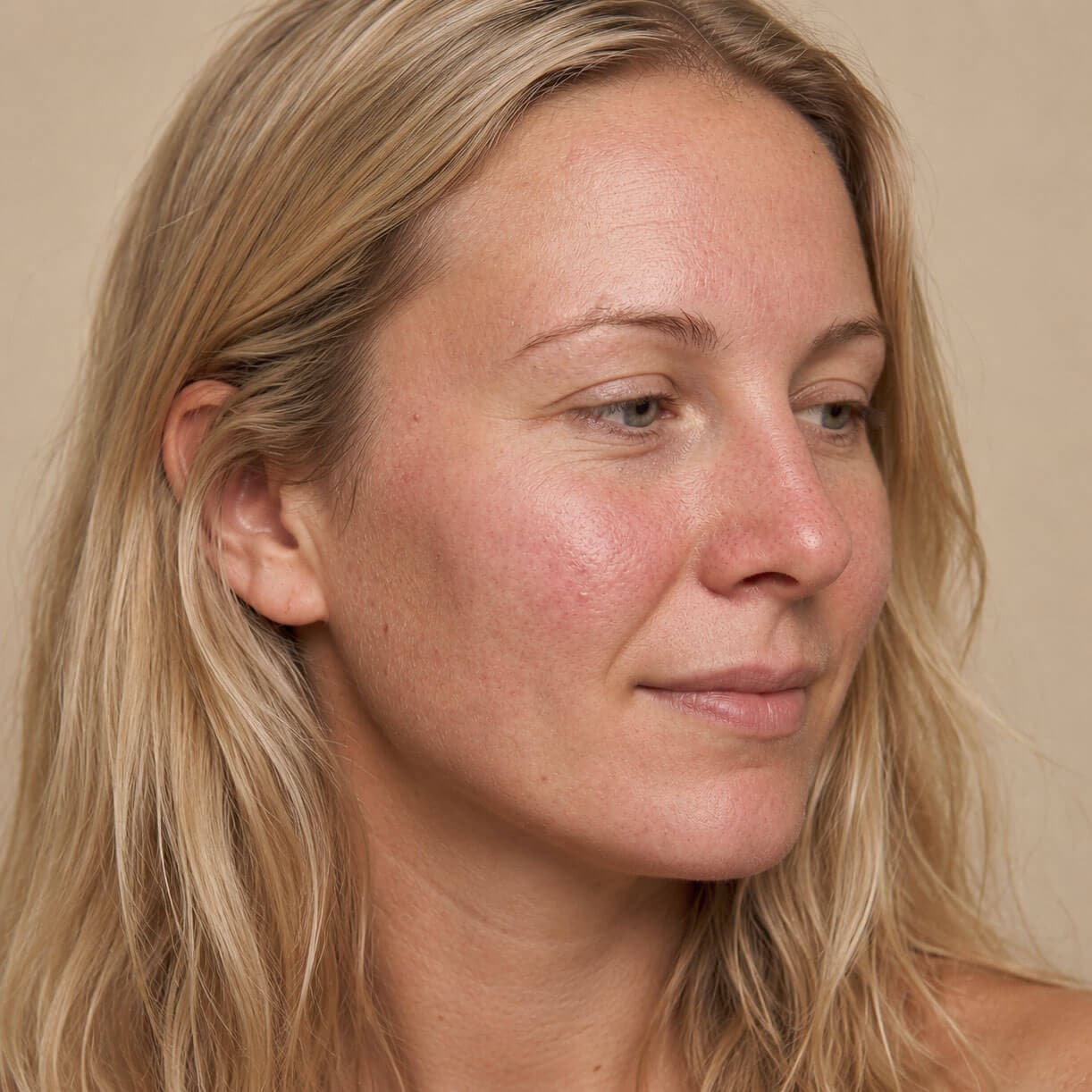
Sensitive skin
"Sensitive" is a symptom, not a diagnosis. Learn what drives reactive skin, the routine that calms it, and what to leave out.
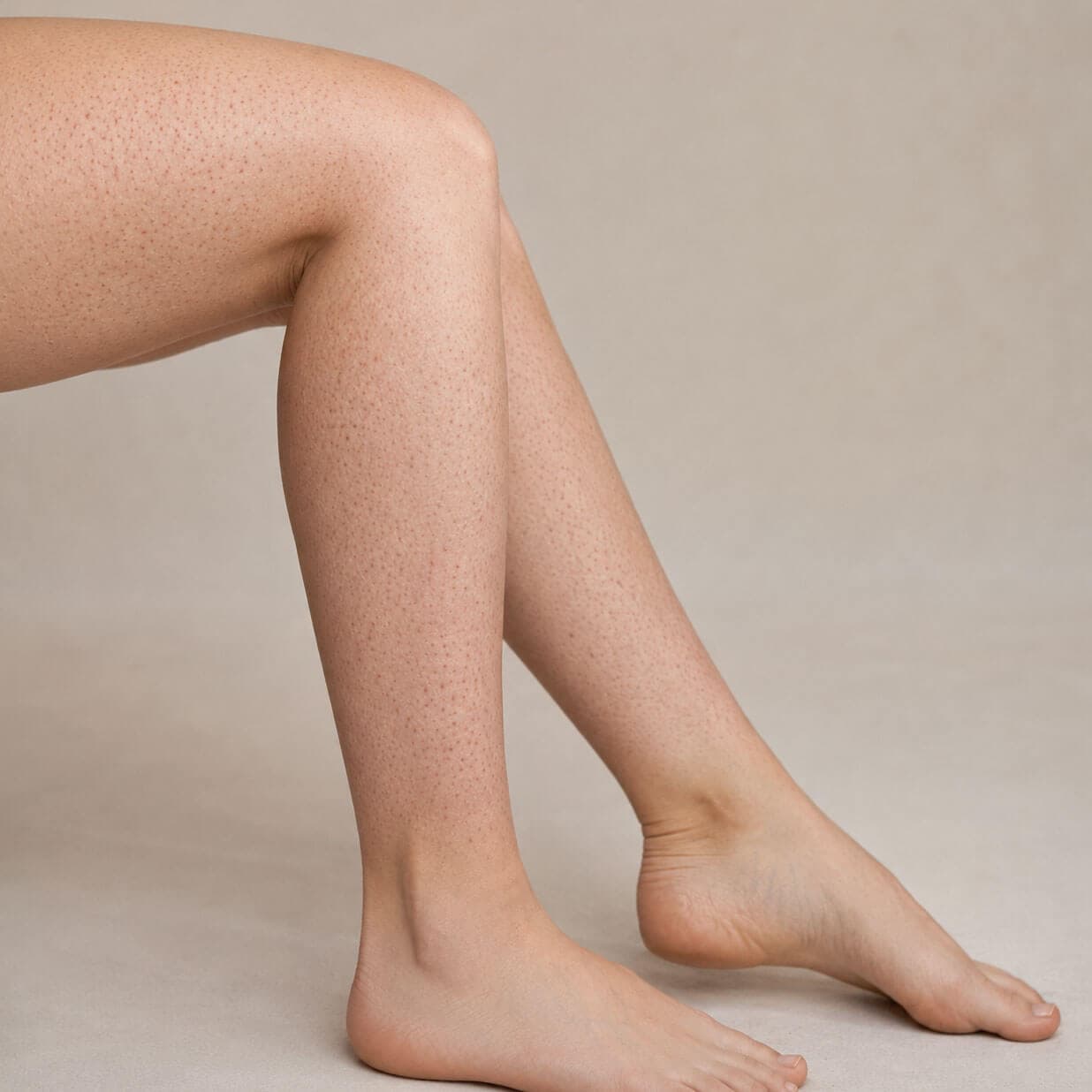
Keratosis pilaris ("chicken skin")
Keratosis pilaris (KP) is the small bumps on the backs of arms, thighs, and sometimes face. Here's what causes it, why scrubs make it worse, and what actually softens it.

Signs of ageing
Wrinkles, sallowness, slack tone, and uneven pigment all share the same drivers. Here's the unglamorous routine that genuinely slows them.
Related ingredients
Citations
- Panosky J, et al. Clinical evidences of urea at medium concentration. Int J Clin Pract. 2021;75(12):e14898. — PMID 33249708
- Maghfour J, et al. Treatment of keratosis pilaris and its variants: a systematic review. J Eur Acad Dermatol Venereol. 2022;36(9):1421-1431. — PMID 32886029
- Spada F, Barnes TM, Greive KA. Skin hydration is significantly increased by a cream formulated to mimic the skin's own natural moisturizing systems. Clin Cosmet Investig Dermatol. 2018;11:491-497. — PMID 30323645