
Best skincare routine for clogged pores
Clogged pores need oil-soluble exfoliation, gentle cleansing, barrier support, and consistency. Here is the simple routine I would test first.
On this page
When I had clogged pores, I treated my face like a project that needed better management.
More steps. More mirrors. More "quick checks" with hands that had no business being near my skin. The clogged pores did not appreciate my leadership style.
After helping more than 100,000 people with problem skin, I trust a calmer routine much more than a clever one. Clogged pores respond to boring repetition.
The short answer
The best skincare routine for clogged pores is:
Morning
- Gentle cleanse if you are oily or sweaty.
- Lightweight moisturiser or niacinamide support.
- SPF.
Evening
- Gentle cleanse.
- 2% salicylic acid 2 to 4 nights per week.
- Moisturiser.
Acne is a disorder of the hair follicle and oil gland, involving sebum, abnormal shedding, bacteria, and inflammation[1]. Clogged pores live inside that system. The acne and blemishes guide explains the full pattern. They are not dirt waiting for a more punishing cleanser.
Why pores get clogged
Clogged pores form when oil and dead skin cells become sticky inside the follicle. The exit narrows, material builds up, and you see:
- closed comedones
- blackheads
- whiteheads
- bumpy texture
- tiny forehead or chin bumps
- recurring oily congestion
If the follicle gets inflamed, you move from "clogged pore" to pimple territory.
That is why the routine has two jobs: keep the follicle clearing and keep the barrier calm.
The main active: salicylic acid
Salicylic acid is the most practical first active for clogged pores because it is oil-soluble. It can work in the oily follicle environment where congestion forms.
A clinical study[2] found salicylic acid pads improved acne lesions, including comedonal lesions. That is why salicylic acid is often described as comedolytic. It is not instant. It is a steady unclogging tool.
Use it like this:
- Start 2 nights per week.
- Apply after cleansing.
- Moisturise after.
- Increase to 3 or 4 nights only if your skin stays comfortable.
- Stop increasing if you get burning, tightness, or peeling.
The right frequency is the one your skin can repeat.
The support step: niacinamide
Niacinamide is useful when clogged pores come with oiliness and barrier stress. A 2006 study[3] found that 2% niacinamide reduced facial sebum measures over several weeks.
That does not mean niacinamide empties a pore by itself. It supports the environment around the problem: oiliness, barrier function, and tone.
What not to do
Avoid:
- scrubbing
- squeezing
- pore strips every week
- daily acid plus retinol from day one
- drying masks as the main plan
- skipping moisturiser because you are oily
- changing the routine every five days
Acne guidelines[4] include several effective topical options, but the real-world issue is tolerability. If you irritate your skin until you quit, the best ingredient on paper becomes bathroom clutter.
When to add retinol
If salicylic acid helps but clogged pores remain, retinol can be useful later. Add it on non-salicylic nights and start slowly.
For example:
- Monday: salicylic acid
- Tuesday: moisturiser only
- Wednesday: retinol
- Thursday: moisturiser only
- Friday: salicylic acid
This is skincare, not interval training. Recovery nights count.
When to see a dermatologist
Get help if clogged pores become painful, cystic, scarring, suddenly severe, or do not improve after 8 to 12 weeks of consistent care.
The best clogged-pore routine is not the most impressive shelf. It is the one your skin can live with long enough to change.
People also ask
What is the best routine for clogged pores?
Start with gentle cleansing, 2% salicylic acid a few nights weekly, moisturiser, and daily SPF. Keep the routine stable for 8 to 12 weeks unless irritation forces you to slow down.
Should I use retinol or salicylic acid for clogged pores?
Both can help, but do not start both aggressively. Salicylic acid is the simplest first step for oily clogged pores. Retinol can be added later if your skin tolerates it.
Why do my pores clog even when I wash my face?
Clogged pores form inside follicles from oil, sticky dead cells, and inflammation. Washing removes surface residue, but it does not automatically correct the follicle process.
Can moisturiser clog pores?
A heavy or poorly matched formula can make some acne-prone skin feel more congested, but skipping moisturiser can also worsen irritation. Choose lightweight barrier support.
The clogged-pore routine I would keep boring
The Danish Skin Care Kit is built for exactly the routine pattern clogged pores need: cleanse gently, use salicylic acid consistently, moisturise enough that the barrier stays calm, and protect the skin every morning. It is not glamorous. That is why people can repeat it.

A simple clogged-pore routine: gentle cleanser, 2% salicylic acid treatment, moisturiser, and SPF in one repeatable system.
Full transparency: Danish Skin Care is my own company — I formulated these products and earn from every sale. That's exactly why I only recommend them where they genuinely fit the guide you just read.
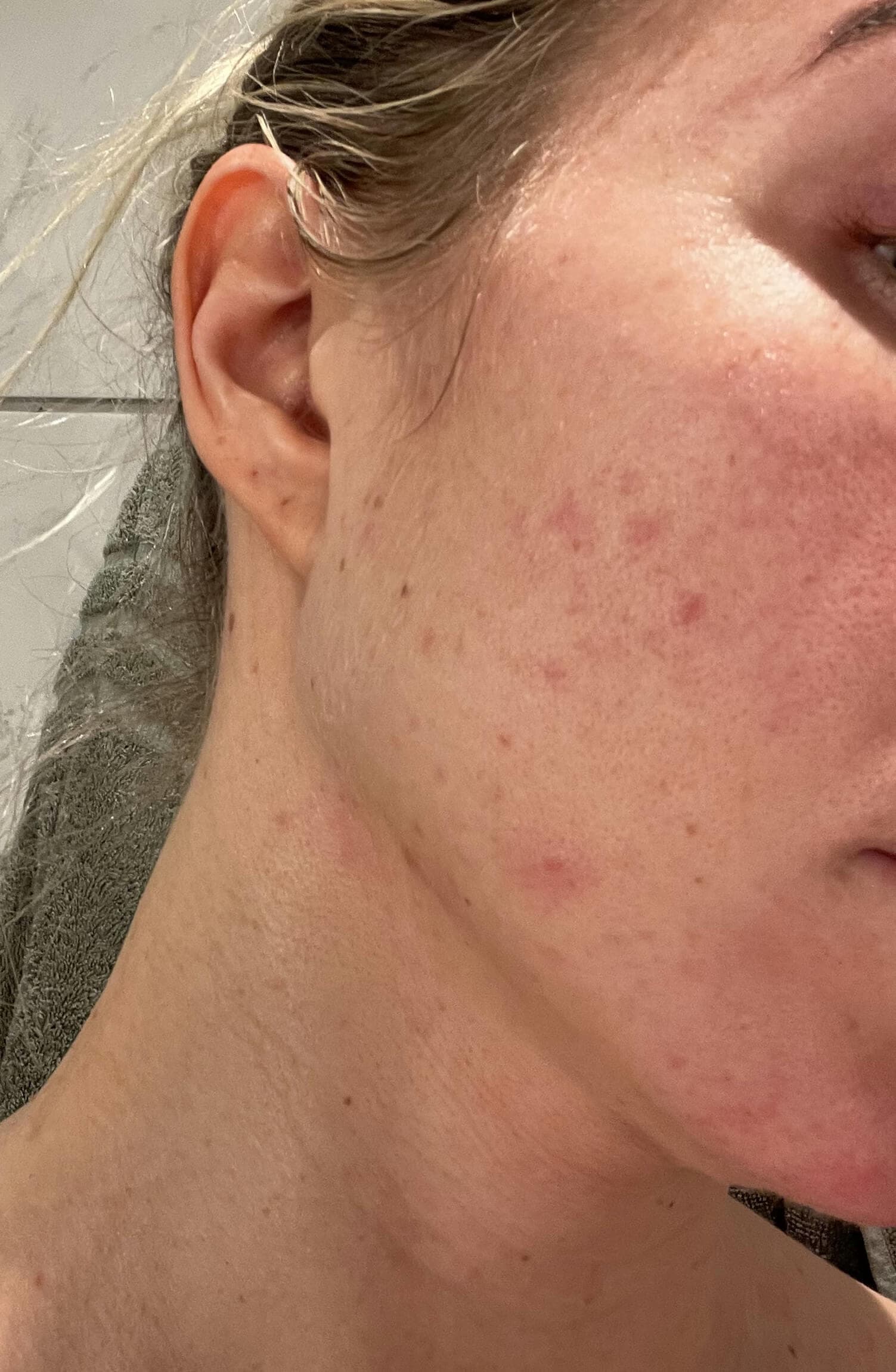
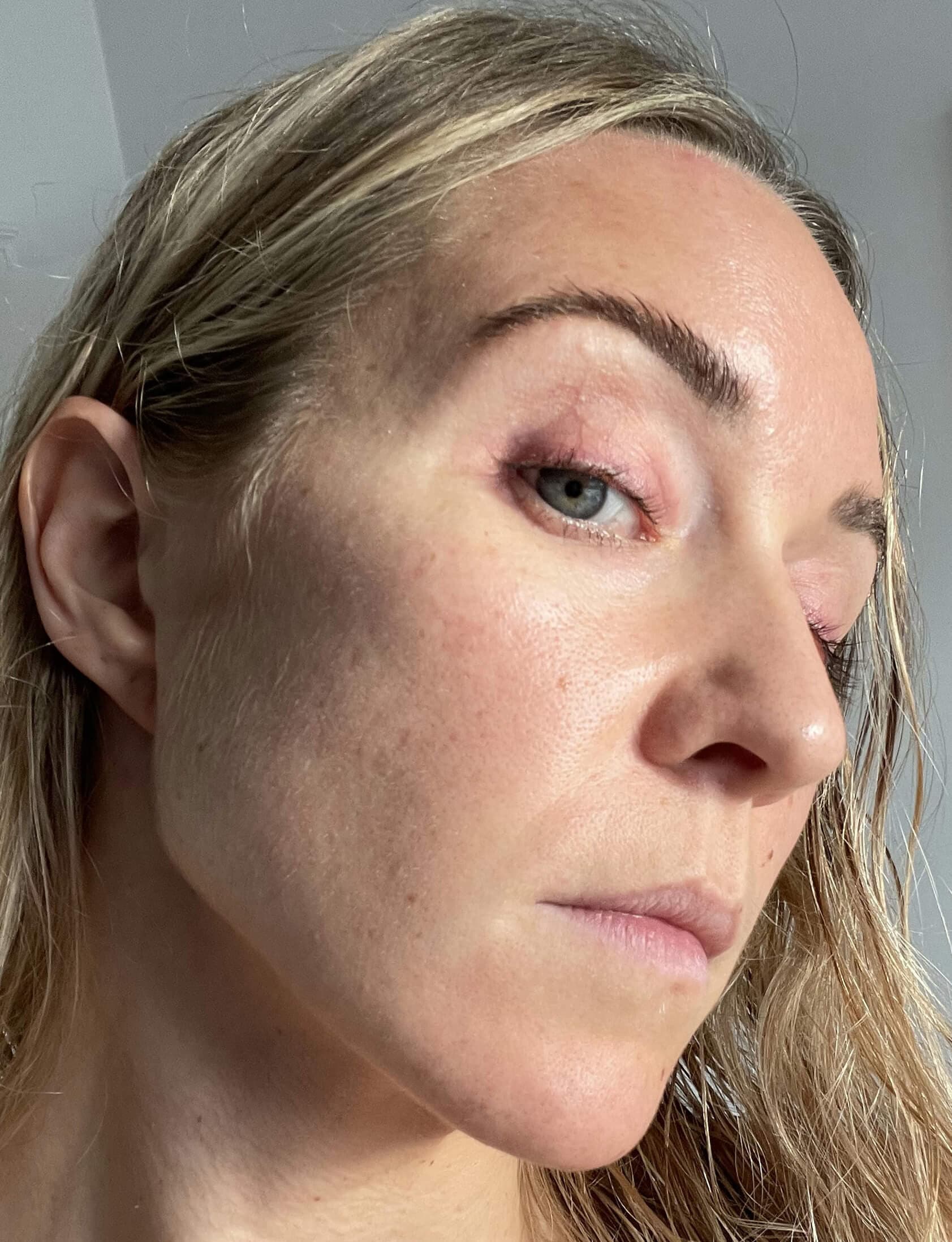
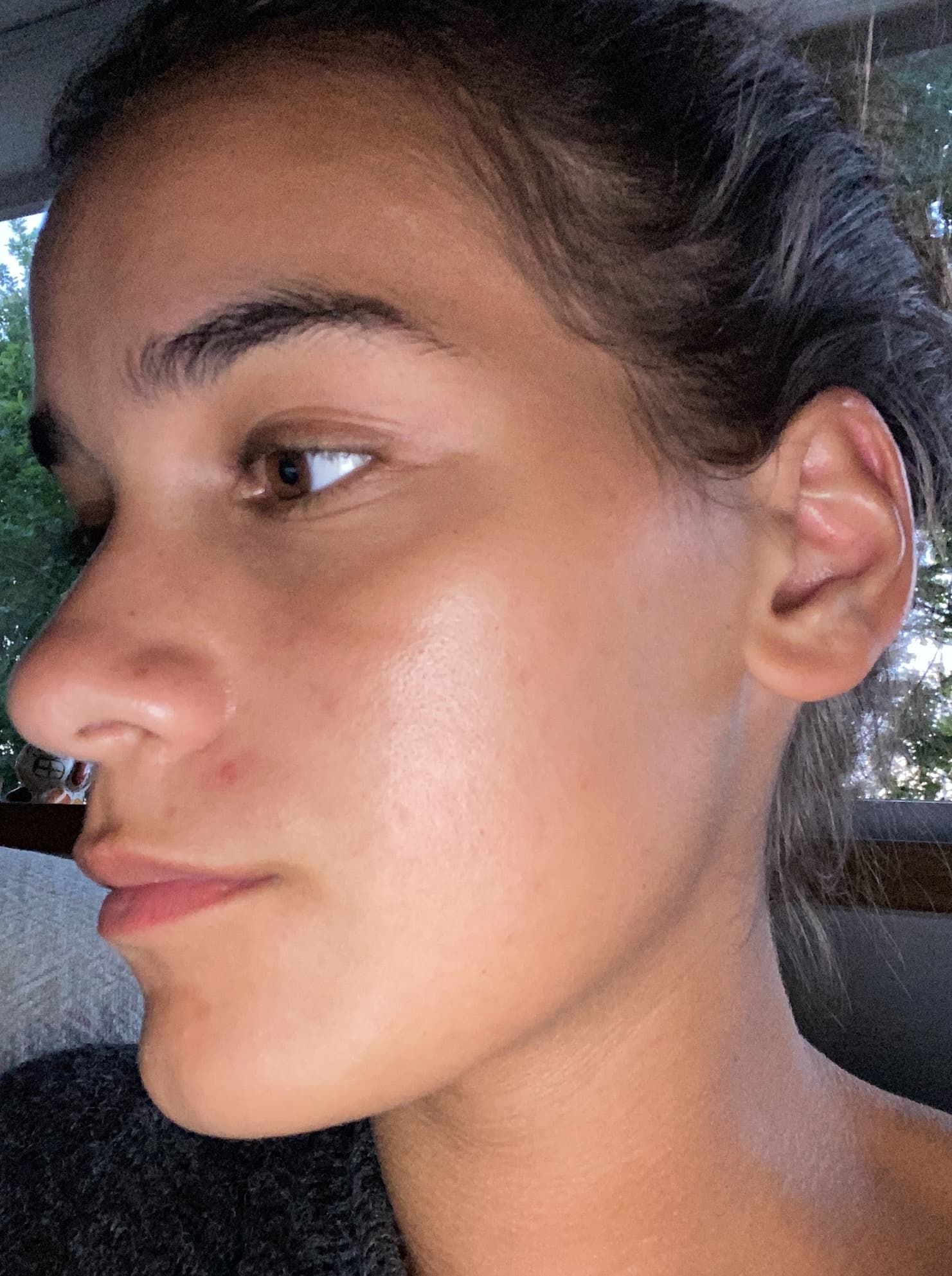
Real results from simple routines
A few real before-and-after cases from people using Danish Skin Care for skin concerns related to this guide. No filters, no miracle promise. Consistent skincare over time.
 Before
 After
After Before
 After
After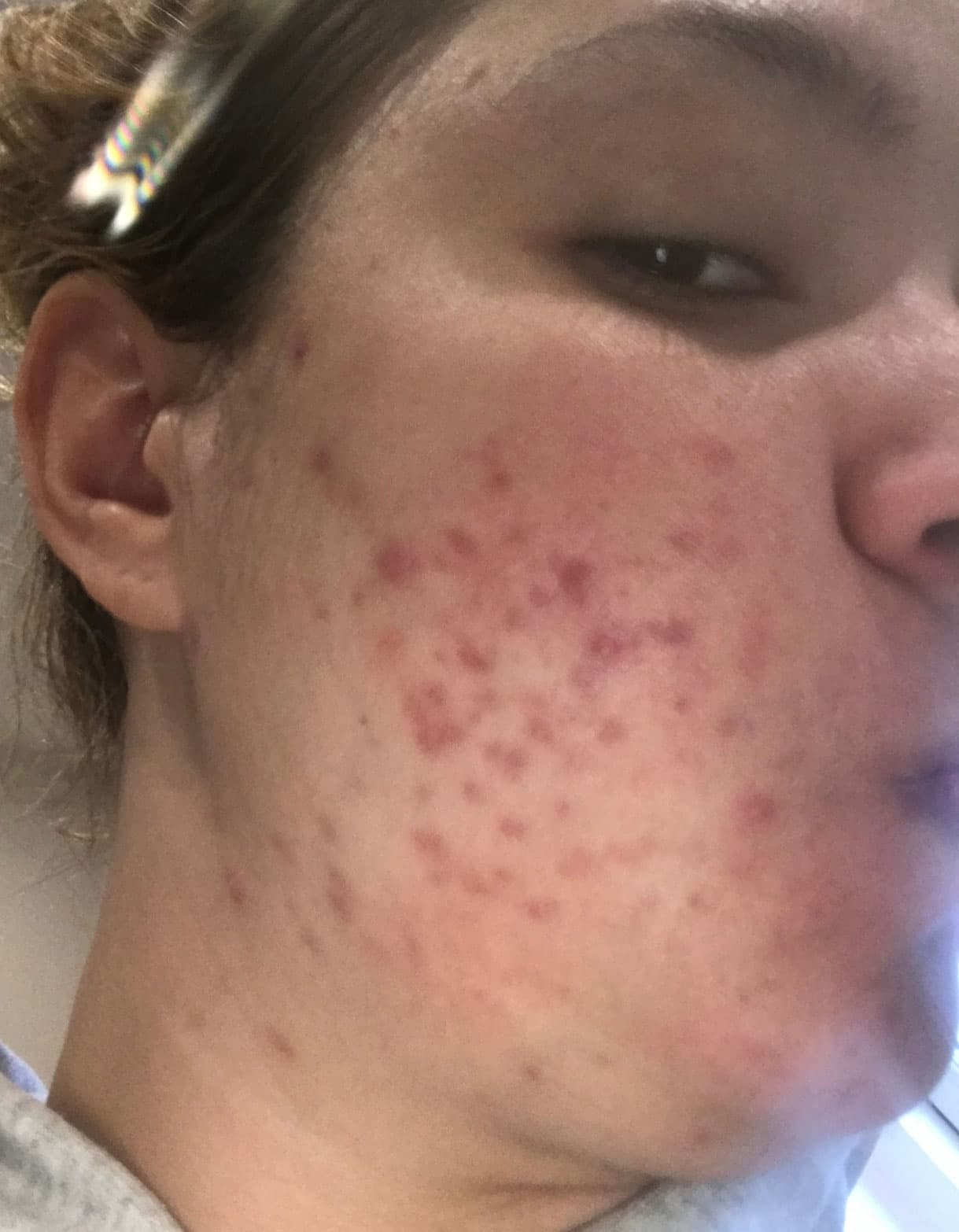 Before
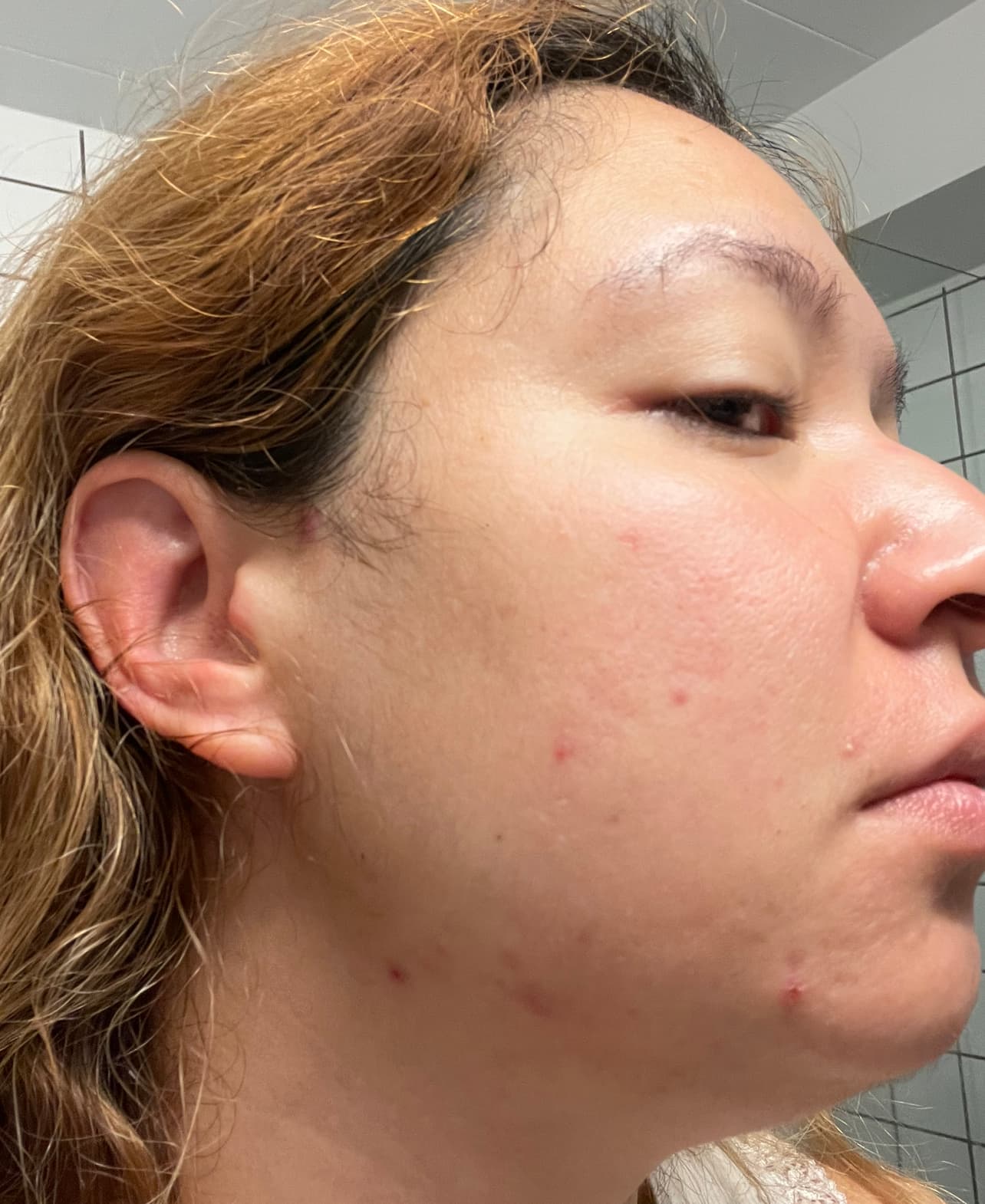 After
AfterKeep reading
- Ingredient · salicylic acid
- Ingredient · niacinamide
- Ingredient · retinol
- Ingredient · linoleic acid
- Ingredient · glycerin
- Condition · acne and blemishes
- Condition · blackheads
- Condition · oily skin
- Condition · combination skin
- Read · blackheads removal
- Read · what are blackheads
- Read · how to get rid of pimples
- Read · how to get rid of oily skin
- Read · how to get rid of forehead acne
Citations
- Williams HC, Dellavalle RP, Garner S. Acne vulgaris. Lancet. 2012;379(9813):361-372.PMID 21880356
- Zander E, Weisman S. Treatment of acne vulgaris with salicylic acid pads. Clin Ther. 1992;14(2):247-253.PMID 1535349
- Draelos ZD, Matsubara A, Smiles K. The effect of 2% niacinamide on facial sebum production. J Cosmet Laser Ther. 2006;8(2):96-101.PMID 16766489
- Zaenglein AL, et al. Guidelines of care for the management of acne vulgaris. J Am Acad Dermatol. 2016;74(5):945-973.PMID 26897386