
Isoamyl Laurate
A lightweight ester emollient that helps formulas feel smooth, silky, and less greasy. Useful for texture and comfort, not a treatment active.
At a glance
What Isoamyl Laurate does for skin, and how to read the practical safety signals.
- Texture helper: Gives creams, sunscreens, and makeup a smoother, lighter glide.
- Support ingredient: Helps the finished formula feel elegant, but it does not treat acne, pigmentation, or wrinkles by itself.
- Formula-dependent: Acne-prone skin should judge the whole product, not the ingredient name alone.
- Type
- Lightweight emollient
- Rating
- Pregnancy
- Considered safe
- Comedogenic rating
- 1/5 (Low clogging risk)
- Vegan
- Yes
- Suited skin types
- All skin types
On this page
The short answer
Isoamyl laurate is a lightweight emollient used to make skincare, sunscreen, and makeup feel smoother and less greasy.
It is not an acne treatment. It is not a brightening active. It is one of those quiet formula ingredients that can make a product more pleasant to use.
That sounds small until you remember how many good routines fail because the texture feels annoying.
What it does in a formula
Isoamyl laurate can help with:
- slip
- spreadability
- lighter emollience
- a silky skin feel
- dissolving or dispersing certain formula components
PubChem lists isoamyl laurate with cosmetic functions including emollient and skin conditioning[2]. In normal routine language, it helps the product move over the skin without feeling as heavy as some richer oils or waxy emollients.
It belongs in the same texture conversation as dibutyl adipate, squalane, dimethicone, and caprylic/capric triglyceride.
What the safety evidence says
A Cosmetic Ingredient Review safety assessment of alkyl esters included isoamyl laurate and concluded that the reviewed ingredients are safe in cosmetics in present practices of use and concentration when formulated to be non-irritating[1].
That is useful safety context.
It is not proof that isoamyl laurate improves a skin condition. Good skincare gets much easier to understand when we separate formula comfort from treatment evidence.
Is it comedogenic?
I would not judge isoamyl laurate by name alone.
Acne-prone skin reacts to finished products: the emollient blend, powders, waxes, fragrance, film formers, how much you apply, what you layer underneath, and whether you remove the product well.
If a moisturizer seems to clog you, the better next step is a proper product test. The guide to moisturizer breakouts explains how to separate a heavy texture from irritation and from acne that was already forming.
Who may like it
Isoamyl laurate makes the most sense when a formula wants softness without a greasy finish.
That can be useful for:
- oily skin that still needs comfort
- combination skin
- sunscreen textures
- makeup textures
- moisturizers that need slip without heaviness
If your skin hates rich balms but still feels tight after cleansing, lightweight emollients are worth understanding. They are not glamorous. They are practical.
The practical takeaway
My goal with this guide was to gather the useful science on isoamyl laurate in one place, so you can stop hunting for the next clever fix and focus on a simple, effective routine.
That is also why I made the Danish Skin Care Kit: a calm routine built around documented ingredients, and one that has helped more than 100,000 people with problem skin. If even the smallest question is still nagging you, send me an email at info@danishskincare.com.
Common questions
What does isoamyl laurate do in skincare?
It works mainly as a lightweight emollient, skin-conditioning ingredient, texture helper, and solvent in cosmetic formulas.
Is isoamyl laurate an active ingredient?
No. It is a formulation ingredient. It can improve feel and spread, but it does not directly treat acne, pigmentation, or signs of ageing.
Is isoamyl laurate good for acne-prone skin?
It can be fine in a well-made lightweight formula, but acne-prone skin should judge the finished product. One ingredient name cannot guarantee whether a product will clog you.
Reading a real label?
Scan a product to see how it is formulated
Upload a photo of the ingredient list and get a quick ingredient-by-ingredient read against the evidence-led database.
I recommend these products

Lightweight emollient thinking matters because a routine is easier to repeat when the texture feels comfortable, not greasy or heavy.
Skin conditions it actively helps with
Where the published evidence puts Isoamyl Laurate on the short list of active ingredients worth reaching for.
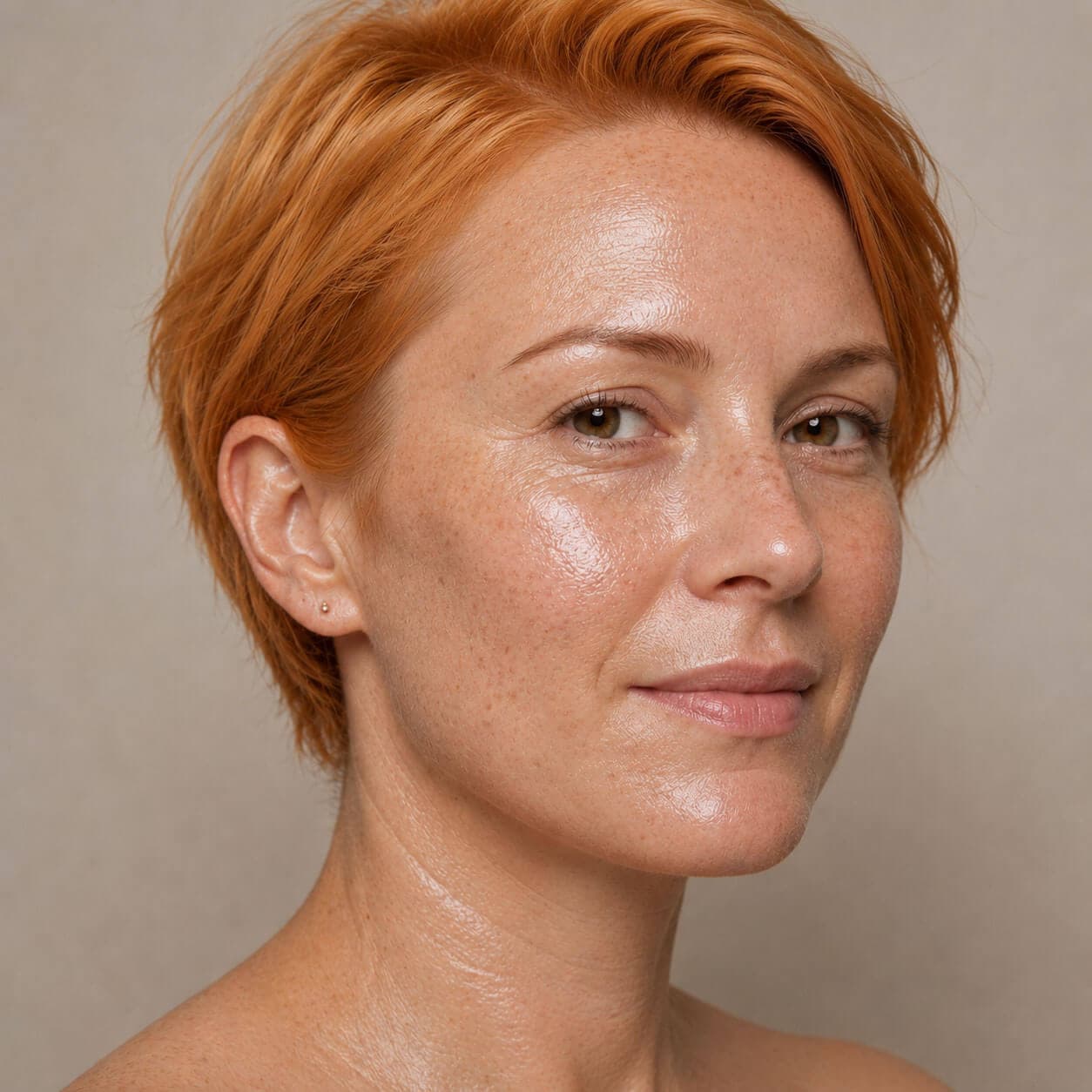
Oily skin
Oily skin isn't a problem to "fix". It's a feature with trade-offs. Here's what actually controls sebum, what doesn't, and the routine that works without stripping.

Combination skin
Oily T-zone, drier or normal cheeks, and a routine that has to address both without making either worse. Here's how to actually balance combination skin.
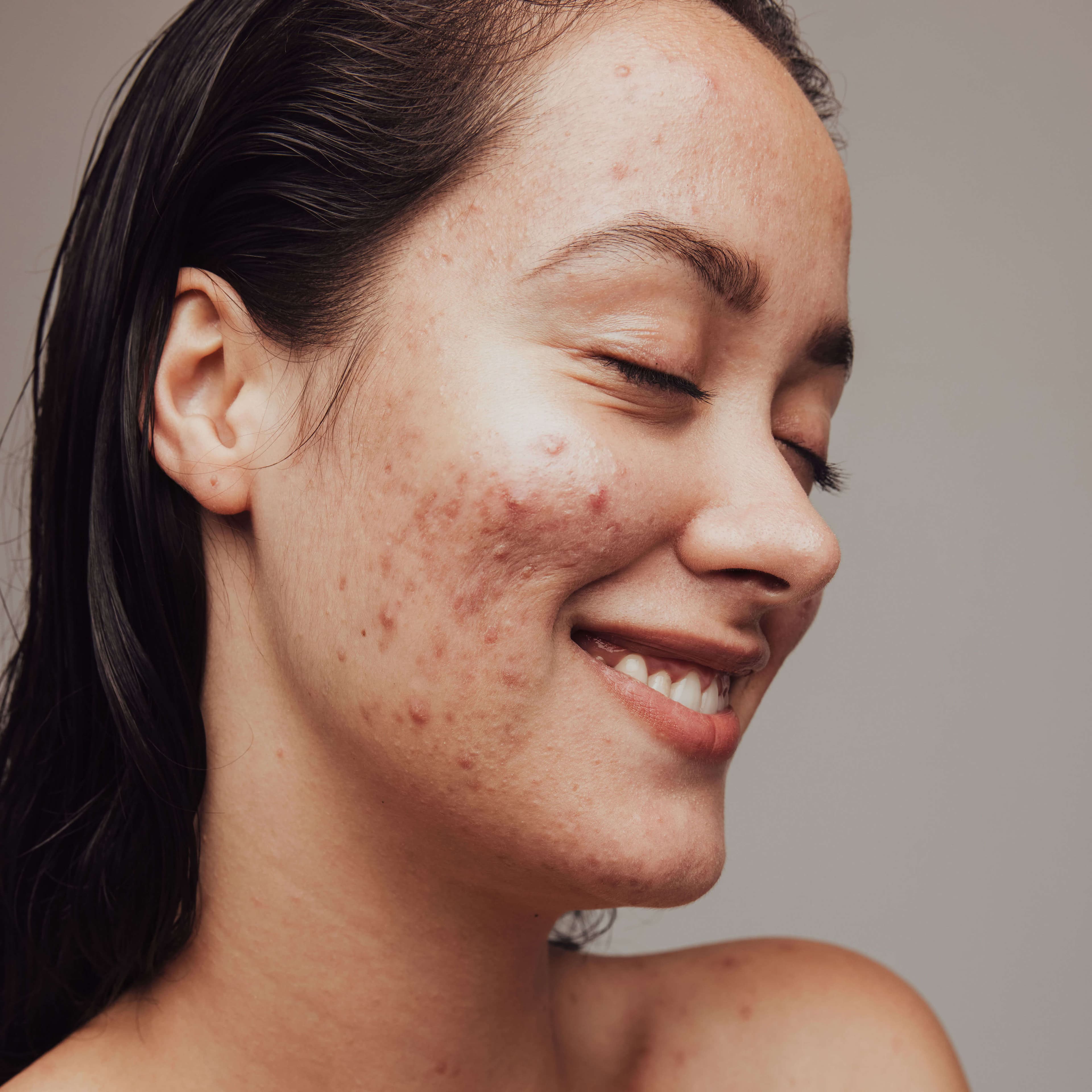
Acne and blemishes
A clear-headed guide to acne: what's actually happening in your skin, what the evidence says works, and a simple routine that doesn't make things worse.
Related ingredients
Citations
- Safety Assessment of Alkyl Esters as Used in Cosmetics. Int J Toxicol. 2015;34(2 Suppl):5S-69S. — DOI 10.1177/1091581815594027
- PubChem Compound Summary for CID 61386, Isoamyl Laurate. — PubChem CID 61386