
Why does every moisturizer break me out?
Moisturizer can trigger new bumps when the texture is too heavy, the formula irritates your skin, or you change too many products at once.
On this page
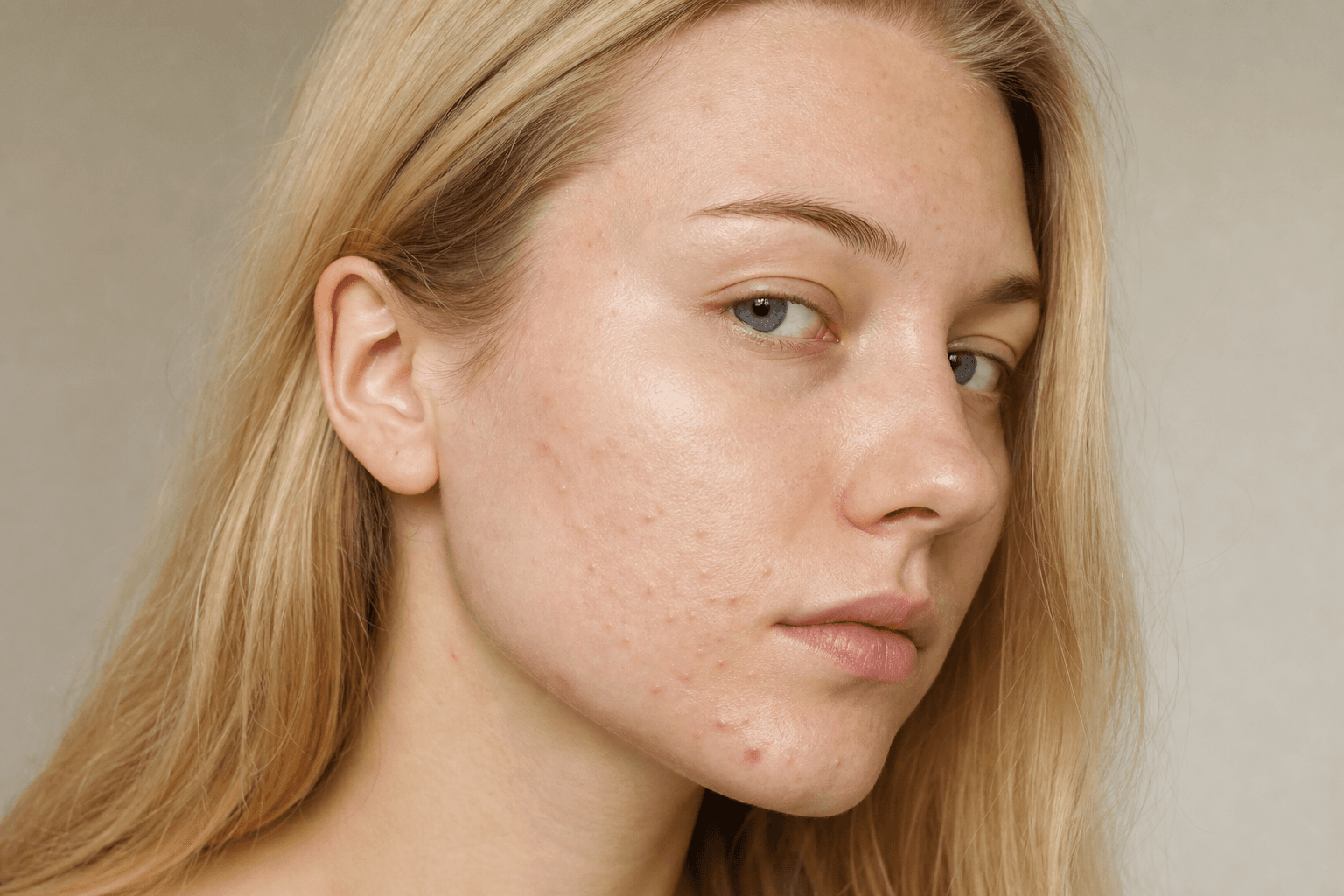
When I had acne and oily skin, moisturizer felt like a trap.
If I skipped it, my skin felt tight and angry. If I used the wrong one, I stared at three new bumps two days later and thought, brilliant, I have paid money to clog my own face.
After helping more than 100,000 people with problem skin, I still see this exact confusion. Moisturizer should make the routine easier. For acne-prone skin, the wrong texture can make it feel like one more suspect.
Why does every moisturizer break me out?
Moisturizer can make you break out if:
- The texture is too rich for your clog-prone areas.
- The formula leaves residue your skin dislikes.
- You apply too much.
- It irritates your barrier and creates inflamed bumps.
- You changed several products at once and blamed the moisturizer.
- Your acne was already forming before the new cream arrived.
The old term acne cosmetica came from research linking some cosmetic use with acne-like breakouts[1]. That does not mean every cream is dangerous. It means leave-on products can matter when acne-prone follicles are already easy to annoy.
First: is it clogging or irritation?
This distinction saves a lot of guessing.
Clogging usually looks like:
- small closed bumps
- more blackheads or whiteheads
- a pattern in oily or product-heavy areas
- slow build-up over days or weeks
Irritation usually feels like:
- burning
- itching
- heat
- rash
- sudden redness
- stinging every time you apply the product
If the moisturizer burns, use the guide to why moisturizer stings. That is a different problem from quiet little clogs.
Is the moisturizer making you purge?
Usually no. A plain moisturizer does not speed up cell turnover, so it should not cause purging in the way a retinoid or exfoliating acid can.
If the formula contains retinol, salicylic acid, glycolic acid, or another turnover-focused active, the active may complicate the picture. With a basic moisturizer, new bumps are more likely to be clogging, irritation, coincidence, or acne that was already developing before you opened the jar.
The finished formula matters more than one scary ingredient
Skincare loves ingredient blame.
One person says coconut derivatives are the problem. Someone else says silicones. Then a third person arrives with a spreadsheet and suddenly your moisturizer looks like a criminal lineup.
Finished formulas are more complicated than that. A 2006 study on comedogenicity found that finished cosmetic products containing ingredients once considered comedogenic were not necessarily comedogenic as complete products[2].
In bathroom language: an ingredient list can give clues, but your face reacts to the whole formula.
That is why "non-comedogenic" helps as a starting point, not a promise. The label is useful. Your skin still gets the final vote.
Why acne-prone skin still needs moisture
Skipping moisturizer can feel logical when every cream seems suspicious.
But acne routines often include drying or irritating steps: salicylic acid, benzoyl peroxide, retinoids, stronger cleansing, or too many experiments in one week. A moisturizer review explains that moisturizers support the stratum corneum through humectants, emollients, and occlusive ingredients[3].
Translation: moisture support helps the outer layer stay comfortable enough to keep going.
Comfort is not cosmetic laziness. It is how you stay consistent.
The 2-week moisturizer test
If you suspect your moisturizer, make the test boring.
For two weeks:
- Keep your cleanser the same.
- Keep your acne treatment the same.
- Keep SPF the same.
- Use the moisturizer only once daily at first.
- Apply a thin layer, especially on oily zones.
- Do not add new serums, masks, oils, or exfoliants.
Stop sooner if you get burning, swelling, hives, or a rash.
If small bumps steadily increase in the same areas, the formula may be too heavy for you. If your skin feels calmer and acne does not worsen, the moisturizer was probably not the villain.
This test is not glamorous. It is useful. Glamour is welcome back after the investigation has witnesses.
What texture to try next
For acne-prone skin, I usually start lighter:
- lotion
- gel-cream
- fluid moisturizer
- fragrance-free formula
- non-comedogenic starting point
- enough slip to feel comfortable, not a waxy coat
If your skin is oily and tight at the same time, read why skin can be oily and dry together. That pattern often needs water support and barrier comfort, not a heavy balm.
Useful ingredient families include humectants such as glycerin, emollients that soften without a greasy finish, and small amounts of occlusive support if your barrier is dry.
What to avoid while testing
Avoid making the test impossible.
Do not test a new moisturizer while you also:
- start retinol
- increase salicylic acid
- change cleanser
- add face oil
- add a primer
- start a new sunscreen
- sleep in makeup
- begin slugging over acne-prone areas
If you change six things, the breakout has six alibis.
When acne treatment still matters
A good moisturizer can make acne-prone skin easier to live with. It does not replace acne treatment.
The 2024 acne guidelines strongly recommend treatments such as benzoyl peroxide and topical retinoids, with conditional recommendations for salicylic acid and azelaic acid depending on the case[4]. You do not need every active at once. You do need the right level of treatment for your acne pattern.
For clogged pores, salicylic acid can be useful when your skin tolerates it. For a full routine, use the guide to the best skincare routine for clogged pores.
My final advice
Do not let one bad moisturizer convince you that acne-prone skin should stay dry.
Use a lighter texture. Test one variable. Apply less. Keep acne treatment steady. And if every moisturizer creates burning, rash, or stubborn new bumps, get help instead of turning your face into a laboratory with rent.
The goal is calm, repeatable skincare. Not a moisturizer trial that needs a legal team.
People also ask
Why does every moisturizer break me out?
If every moisturizer seems to cause bumps, the common thread may be rich texture, too much product, irritation, another new product, or acne that was already forming. Test one lightweight formula while keeping the rest of the routine stable.
Should I stop using moisturizer if I have acne?
Usually no. Acne-prone skin can still need moisture, especially if you use drying acne treatments. Try a lighter, non-comedogenic texture before skipping moisturizer completely.
How do I know if moisturizer is breaking me out?
Keep the rest of your routine stable and watch the pattern. Small bumps in the same areas after repeated use suggest clogging; burning, itching, or rash suggest irritation or allergy.
Is non-comedogenic moisturizer guaranteed not to clog pores?
No. Non-comedogenic is a useful starting label, not a guarantee. Your skin's reaction to the finished formula matters more than the front-label promise.
The moisturizer test I would keep boring
When moisturizer seems to break you out, I would not start buying five lighter creams and applying them like a confused sandwich. I would simplify the whole routine. The Danish Skin Care Kit is the kind of steady baseline I built after helping more than 100,000 people with problem skin: cleanse gently, treat clogged pores calmly, moisturize without heaviness, and protect in the morning.

A simple baseline for acne-prone skin that still needs comfort: gentle cleanse, lightweight treatment support, moisturizer, and SPF without turning the bathroom shelf into a guessing game.
Full transparency: Danish Skin Care is my own company — I formulated these products and earn from every sale. That's exactly why I only recommend them where they genuinely fit the guide you just read.
Real results from simple routines
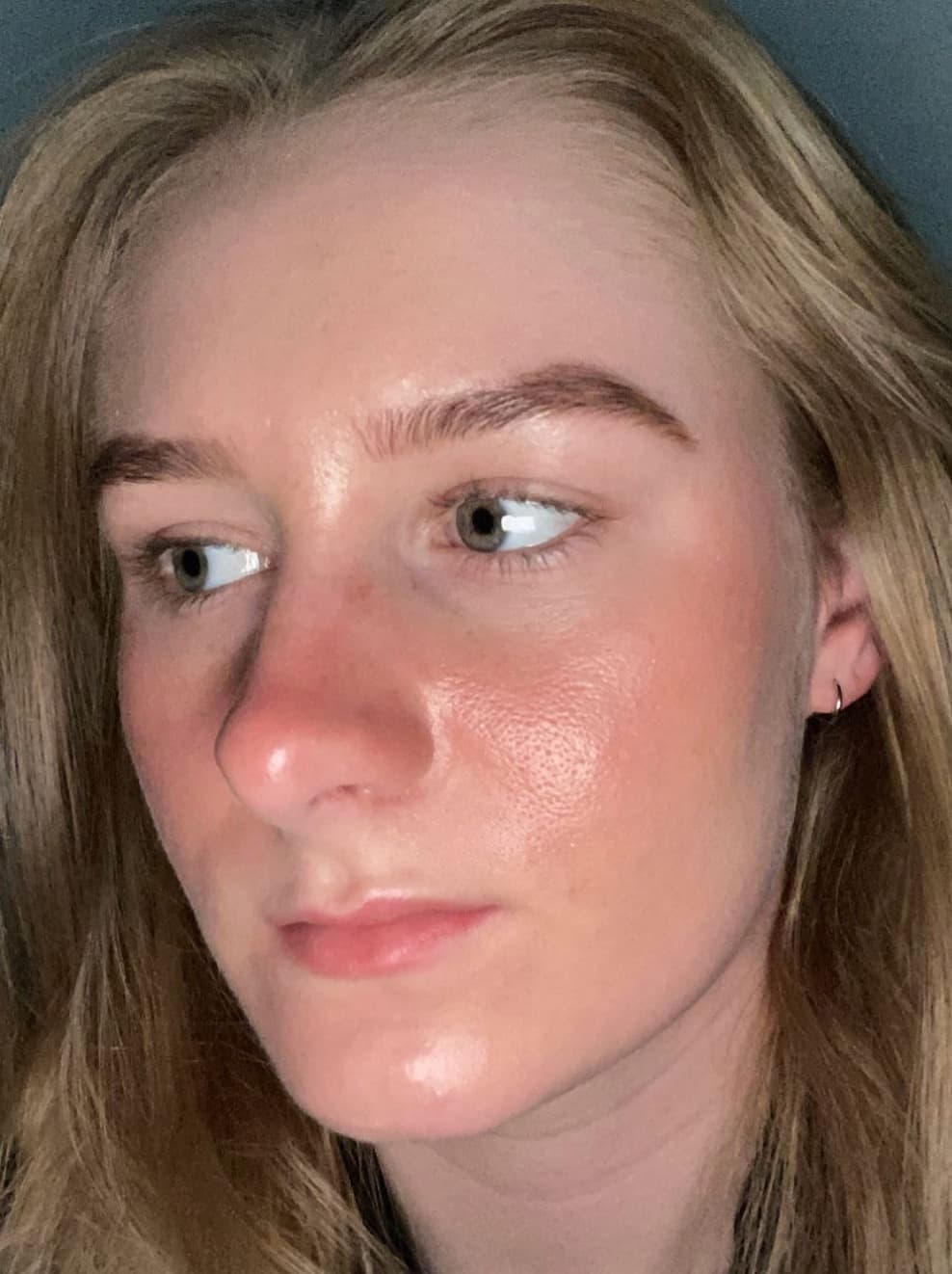
A few real before-and-after cases from people using Danish Skin Care for skin concerns related to this guide. No filters, no miracle promise. Consistent skincare over time.
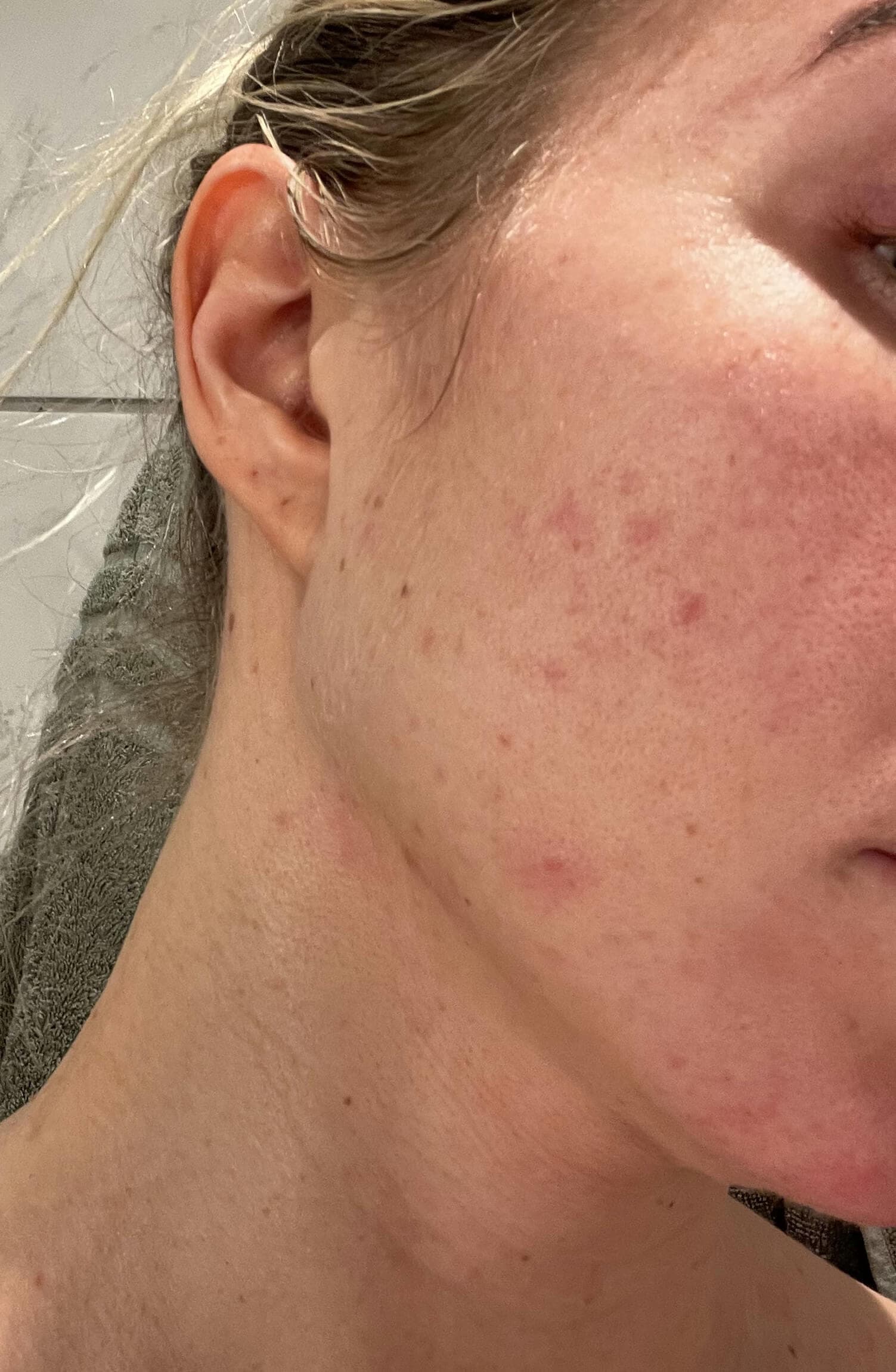 Before
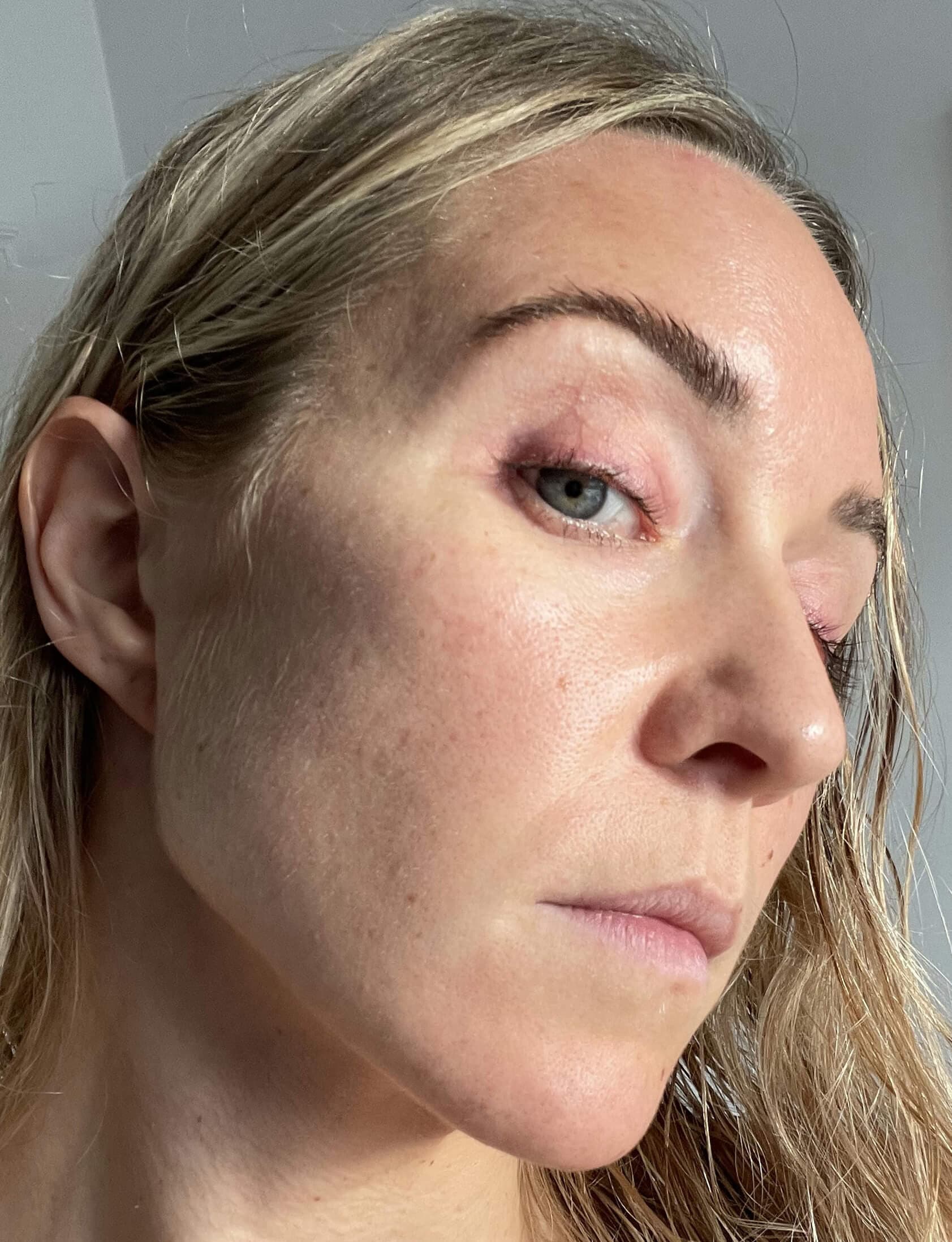 After
After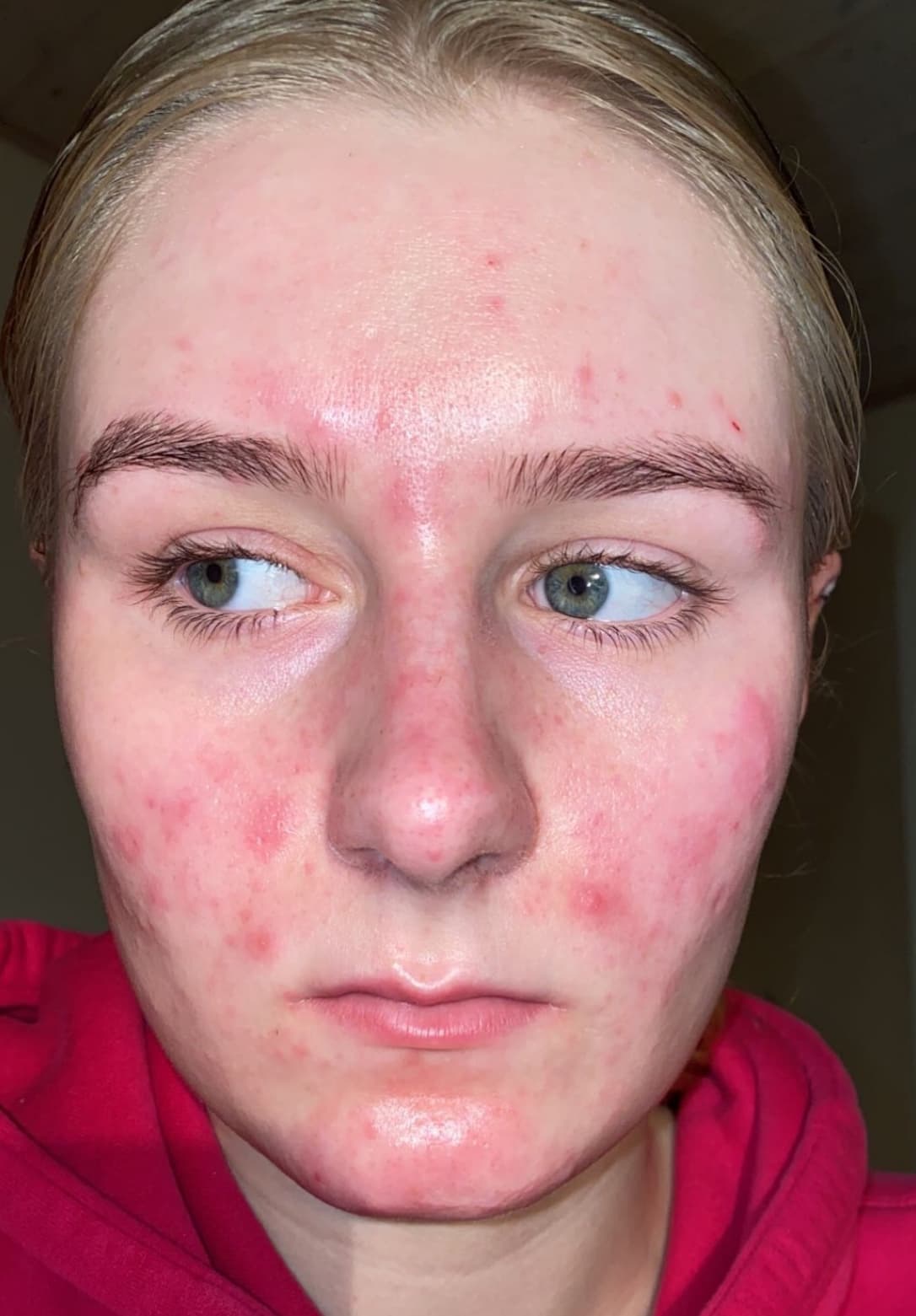 Before
 After
AfterKeep reading
- Ingredient · glycerin
- Ingredient · niacinamide
- Ingredient · salicylic acid
- Ingredient · dimethicone
- Ingredient · squalane
- Ingredient · isoamyl laurate
- Condition · acne and blemishes
- Condition · oily skin
- Condition · sensitive skin
- Condition · combination skin
- Read · why do i break out after sunscreen
- Read · why does makeup break me out
- Read · best skincare routine for clogged pores
- Read · why is my skin oily and dry at the same time
- Read · why does my skin burn when i apply moisturizer
Citations
- Kligman AM, Mills OH Jr. Acne cosmetica. Arch Dermatol. 1972;106(6):843-850.PMID 4264346
- Draelos ZD, DiNardo JC. A re-evaluation of the comedogenicity concept. J Am Acad Dermatol. 2006;54(3):507-512.PMID 16488305
- Draelos ZD. Moisturizers: reality and the skin benefits. Dermatol Ther. 2012;25(3):229-233.PMID 22913439
- Reynolds RV, Yeung H, Cheng CE, et al. Guidelines of care for the management of acne vulgaris. J Am Acad Dermatol. 2024;90(5):1006.e1-1006.e30.PMID 38300170