
How to fade post-acne marks without irritating your skin
Post-acne marks fade best when you stop new breakouts, protect the skin from UV, and use pigment-supporting ingredients without turning your face into a chemistry experiment.
On this page
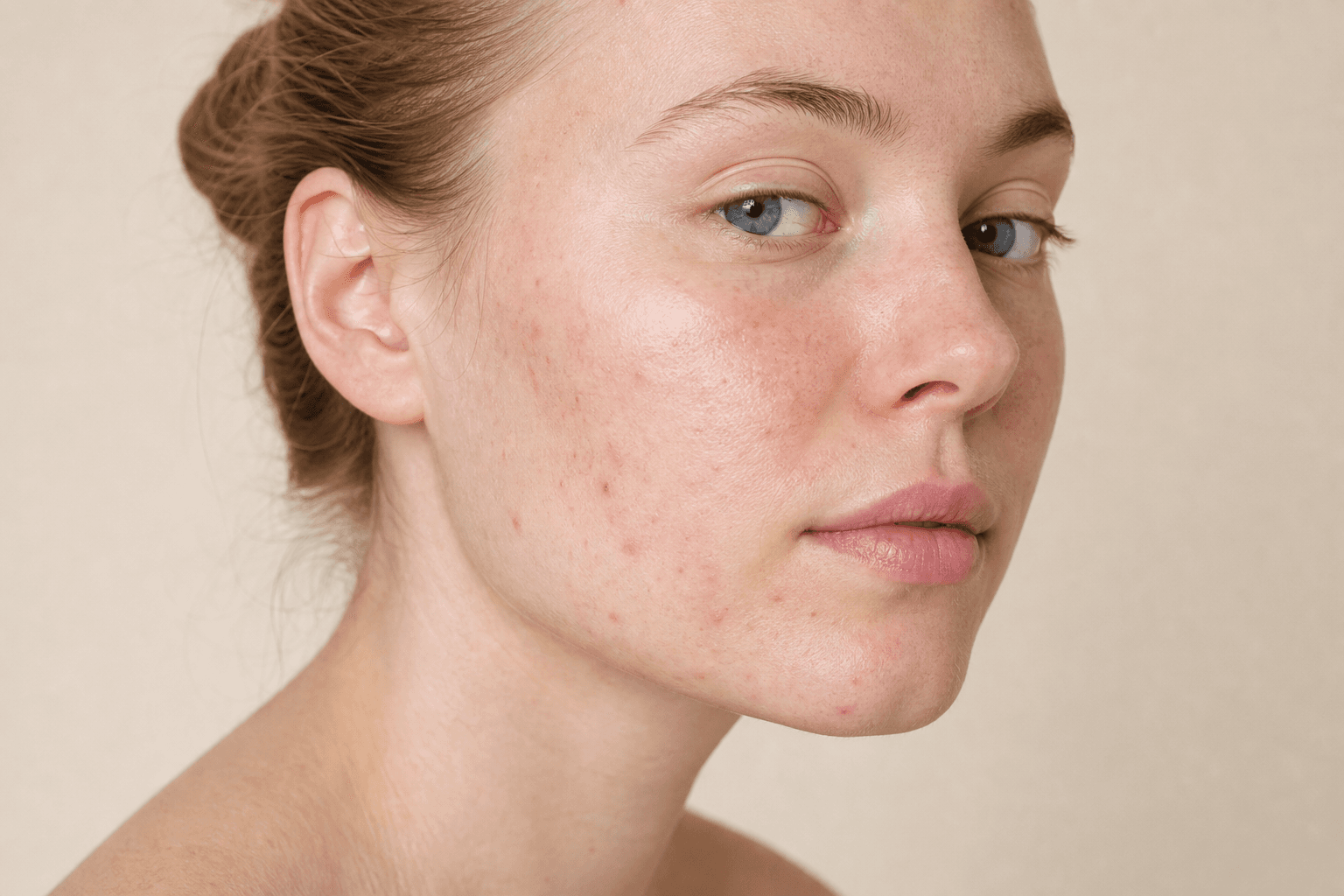
When I struggled with acne, I remember the strange unfairness of the after-party.
The pimple calmed down. The swelling left. Technically, the breakout was over. Then the mirror still showed a red or brown mark sitting there like it had signed a lease.
That is the part many people underestimate. Acne can be emotionally tiring, but post-acne marks make it feel like your skin is moving on in slow motion.
Over the last 15 years, I have helped more than 100,000 people with problem skin, and the pattern is very consistent: marks fade best when the routine becomes calmer, not harsher.
The short answer
To fade post-acne marks, focus on four things:
- Stop new inflamed breakouts from forming.
- Use sunscreen every morning.
- Do not pick healing spots.
- Use tolerated ingredients that support pigment, redness, and turnover.
That sounds almost disappointingly sensible. Good. Post-acne marks are not impressed by panic.
Flat marks are usually either red/pink post-acne erythema or brown/grey post-inflammatory hyperpigmentation. The broader acne scars and post-acne marks guide explains the difference between marks and true texture scars. This article is about the flat leftovers.
If the skin has pits, dents, rolling shadows, or raised scar tissue, skincare can support the skin, but professional scar treatment may be needed.
First, stop making new marks
This is the boring step people want to skip.
If new acne keeps appearing every week, you are asking the skin to fade old marks while creating new ones. That is like cleaning a floor while someone keeps walking through with muddy boots. Emotionally relatable. Practically inefficient.
So the first mark-fading routine is really an acne-control routine:
- Cleanse gently.
- Use a tolerated acne active, such as salicylic acid, if clogged pores are part of the pattern.
- Moisturise enough that the skin does not become tight and irritated.
- Avoid picking.
- Get medical help for deep, painful, scarring, or persistent acne.
Inflammation is the beginning of many marks. Reduce the inflammation, and you reduce the future cleanup.
Sunscreen is not optional for brown marks
Brown or grey post-acne marks are pigment-related. UV exposure can make that pigment darker and more stubborn.
A 2010 review[1] on post-inflammatory hyperpigmentation describes photoprotection as a central part of treatment, especially in skin of colour where PIH is more common and can be more persistent.
In normal language: if you are trying to fade brown marks without daily SPF, you are making the job harder.
You do not need a dramatic sunscreen lecture. You need one you will wear:
- Broad-spectrum.
- Comfortable enough for daily use.
- Non-greasy enough that you do not avoid it.
- Reapplied when you are outdoors for longer periods.
Many dermatologists prefer SPF 30 or higher. For stubborn pigmentation or melasma-prone skin, tinted sunscreens with iron oxides can be useful because visible light can also matter.
Red marks need calm, time, and sometimes a clinician
Red or pink post-acne marks often come from lingering inflammation and tiny surface blood vessels after acne heals.
These can fade, but they can be slow. A 2022 systematic review[2] on post-acne erythema found that light and laser devices are commonly studied for persistent red marks, while also noting there is no single gold-standard treatment. If red is the main issue, the guide to why pimples leave red marks goes deeper on PIE without mixing it up with brown pigment.
That means two things can be true:
- Many red marks improve with time and a calm routine.
- Stubborn red marks may respond better to professional options than to another serum.
Do not scrub red marks. Do not chase them with daily strong acids. Redness is often a sign the skin wants less drama, not more commitment.
Ingredients that can help
Niacinamide
Niacinamide is useful because it sits in the calm middle of skincare: barrier support, visible redness support, sebum support, and pigmentation support.
A 2002 study[3] found that topical niacinamide reduced visible pigmentation over several weeks. It is not a magic eraser, but it is a sensible ingredient for post-acne marks because it tends to be easier to tolerate than many stronger brightening actives.
Azelaic acid
Azelaic acid is one of my favourite ingredients when acne and marks overlap.
It has anti-inflammatory activity, helps acne-prone skin, and can support uneven tone by interfering with pigment production. It is also often better tolerated than very aggressive brightening routines, though it can tingle at first.
Retinoids
Retinoids help acne, cell turnover, and long-term texture. The catch is irritation.
The 2025 acne-induced PIH paper[4] discusses retinoids as useful in acne and PIH management, but also notes the practical problem: irritation from topical regimens can worsen pigment in susceptible skin.
Translation: retinoids can help. Too much retinoid too quickly can backfire.
Vitamin C, tranexamic acid, and dermatologist options
Vitamin C, tranexamic acid, kojic acid, and prescription options such as hydroquinone may all be relevant for pigmentation in the right context.
But the best ingredient is not the strongest one. It is the strongest one your skin can tolerate repeatedly without creating new irritation.
The 12-week plan
Weeks 1 to 2: calm the routine
Stop changing products every few days. Keep cleansing gentle. Remove harsh scrubs, drying masks, strong peel pads, and anything that leaves the skin hot or shiny.
Your skin should feel boringly comfortable.
Weeks 3 to 6: add one active
Choose one main support active:
- Azelaic acid or niacinamide for marks and redness.
- Salicylic acid if clogged pores and new pimples are still the bigger issue.
- Retinoid support if your skin already tolerates it.
Do not start all of them in one heroic evening. Heroic evenings create emails to customer service.
Weeks 7 to 12: judge the trend
Look for fewer new breakouts first. Then look for softer colour.
Marks often fade gradually enough that your brain misses it day to day. Take photos in similar light every 3 or 4 weeks if you want a fair comparison.
What not to do
Avoid:
- Picking scabs or "almost ready" pimples.
- Lemon juice, apple cider vinegar, baking soda, or toothpaste.
- Daily strong acids because you are frustrated.
- At-home deep peels.
- Dermarolling active acne or fresh marks.
- Skipping sunscreen and blaming the serum.
If a treatment makes the skin sting, peel, darken, or stay red, it may be creating more inflammation than progress.
When to see a dermatologist
Book proper advice if:
- Marks are not improving after 3 to 4 months.
- Acne is deep, painful, or leaving dents.
- You are developing raised scars.
- Pigmentation is very dark, widespread, or worsening.
- You are prone to keloids or pigment changes.
There is no shame in needing more than skincare. There is only a problem when marketing pretends every scar and mark belongs in the same little bottle.
My final advice
Post-acne marks fade when your routine gives the skin fewer reasons to stay inflamed.
Treat active acne. Wear sunscreen. Pick one or two useful ingredients. Protect the barrier. Wait longer than your impatience would prefer.
It is not glamorous advice. But it is the advice I would give a friend, and it is the advice I wish more people heard before buying their fourth "dark spot emergency" product.
People also ask
What fades post-acne marks fastest?
The fastest sensible plan is acne control, daily SPF, no picking, and a tolerated tone-supporting ingredient such as azelaic acid, niacinamide, retinoids, or vitamin C. Aggressive peels and scrubs often slow progress by adding irritation.
Do post-acne marks go away on their own?
Many flat red or brown marks fade with time, but the timeline can be weeks to months. UV exposure, picking, irritation, and new breakouts can make them last longer.
Can sunscreen fade acne marks?
Sunscreen does not bleach marks, but it prevents UV from darkening brown post-acne pigmentation while the skin sheds pigment naturally. For PIH, SPF is one of the highest-leverage steps.
Are post-acne marks permanent?
Flat colour marks are usually not permanent. Indented or raised acne scars are structural changes and may need professional treatment.
A simple routine while marks fade
Post-acne marks need consistency more than aggression. I built the Danish Skin Care Kit around that idea: cleanse gently, keep pores clearer with salicylic acid, support the barrier, and protect the skin every morning. Add the Optimizer when uneven tone or redness needs extra support, but keep the whole routine calm enough to repeat.

A simple foundation for fewer new breakouts and better mark fading: cleanser, salicylic acid treatment, moisturiser, and daily SPF.
Full transparency: Danish Skin Care is my own company — I formulated these products and earn from every sale. That's exactly why I only recommend them where they genuinely fit the guide you just read.
Real results from simple routines
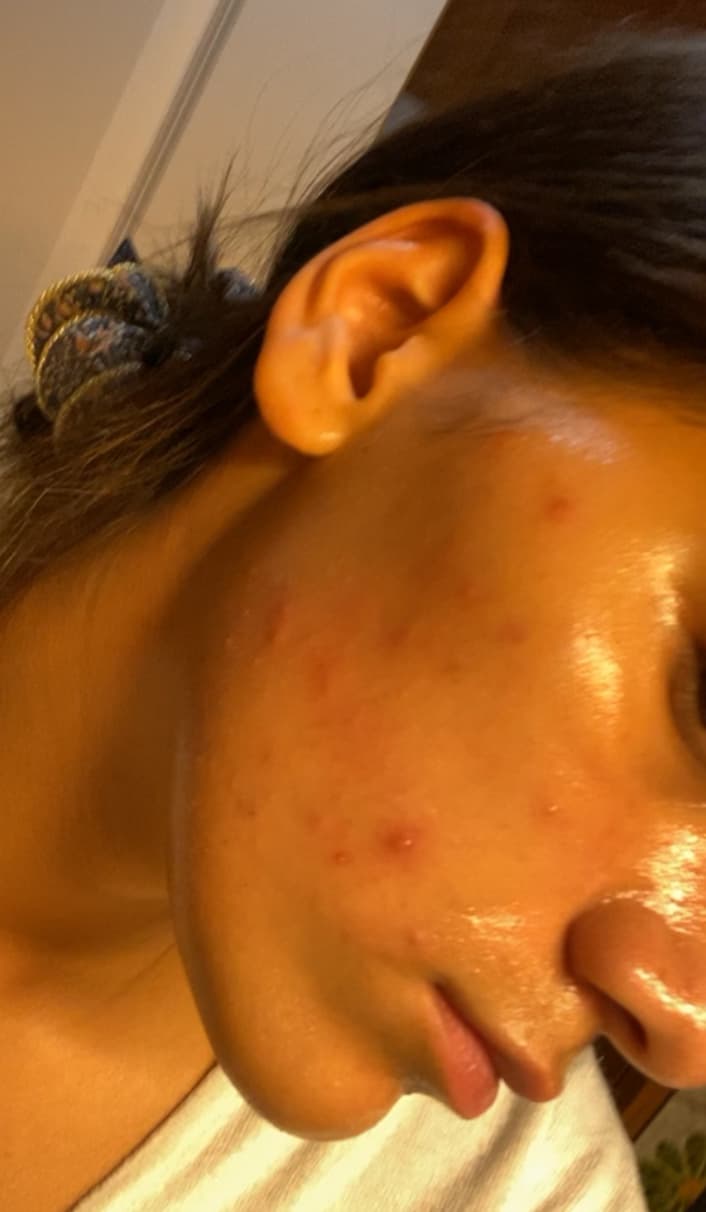
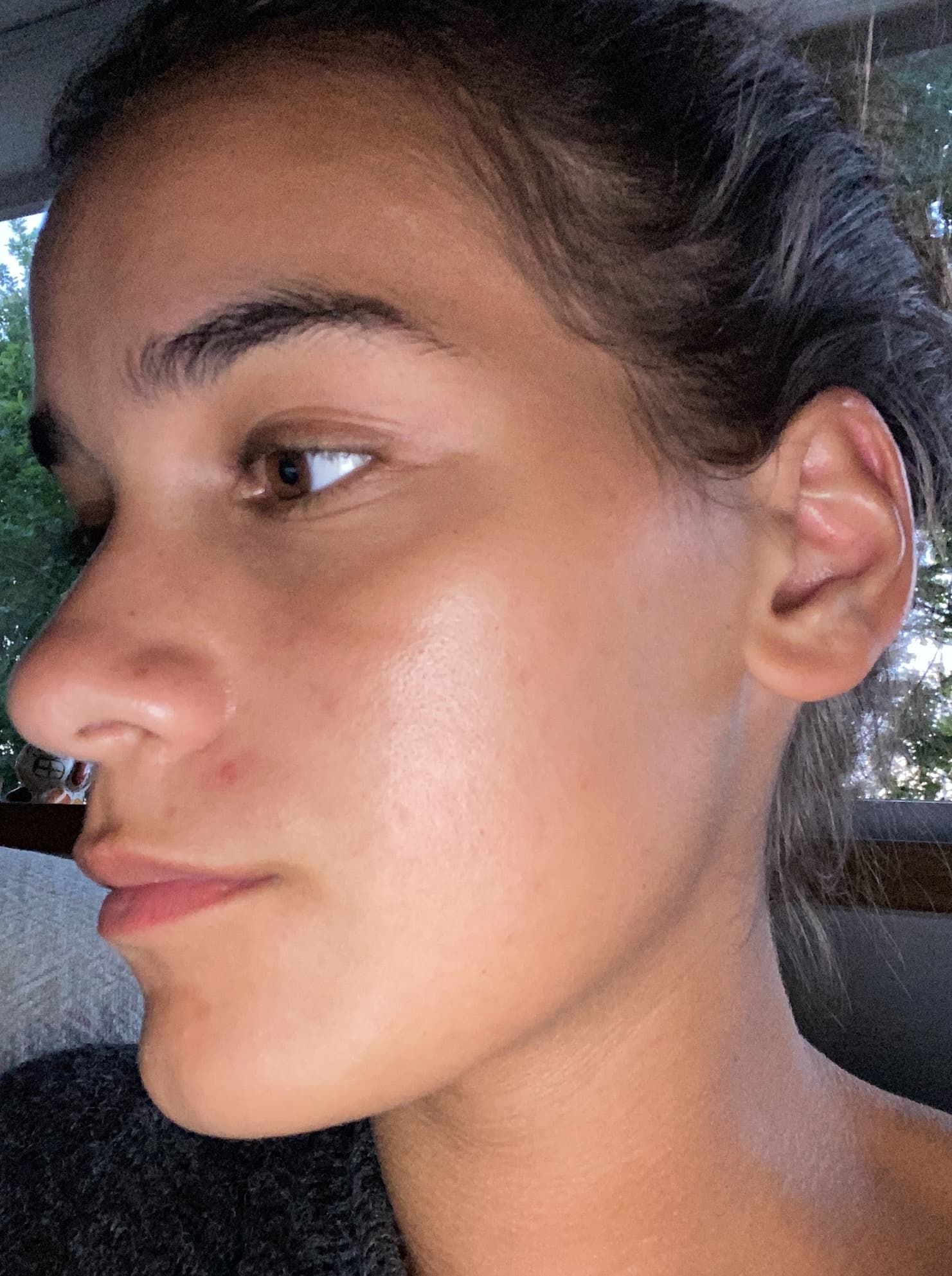
A few real before-and-after cases from people using Danish Skin Care for skin concerns related to this guide. No filters, no miracle promise. Consistent skincare over time.
 Before
 After
After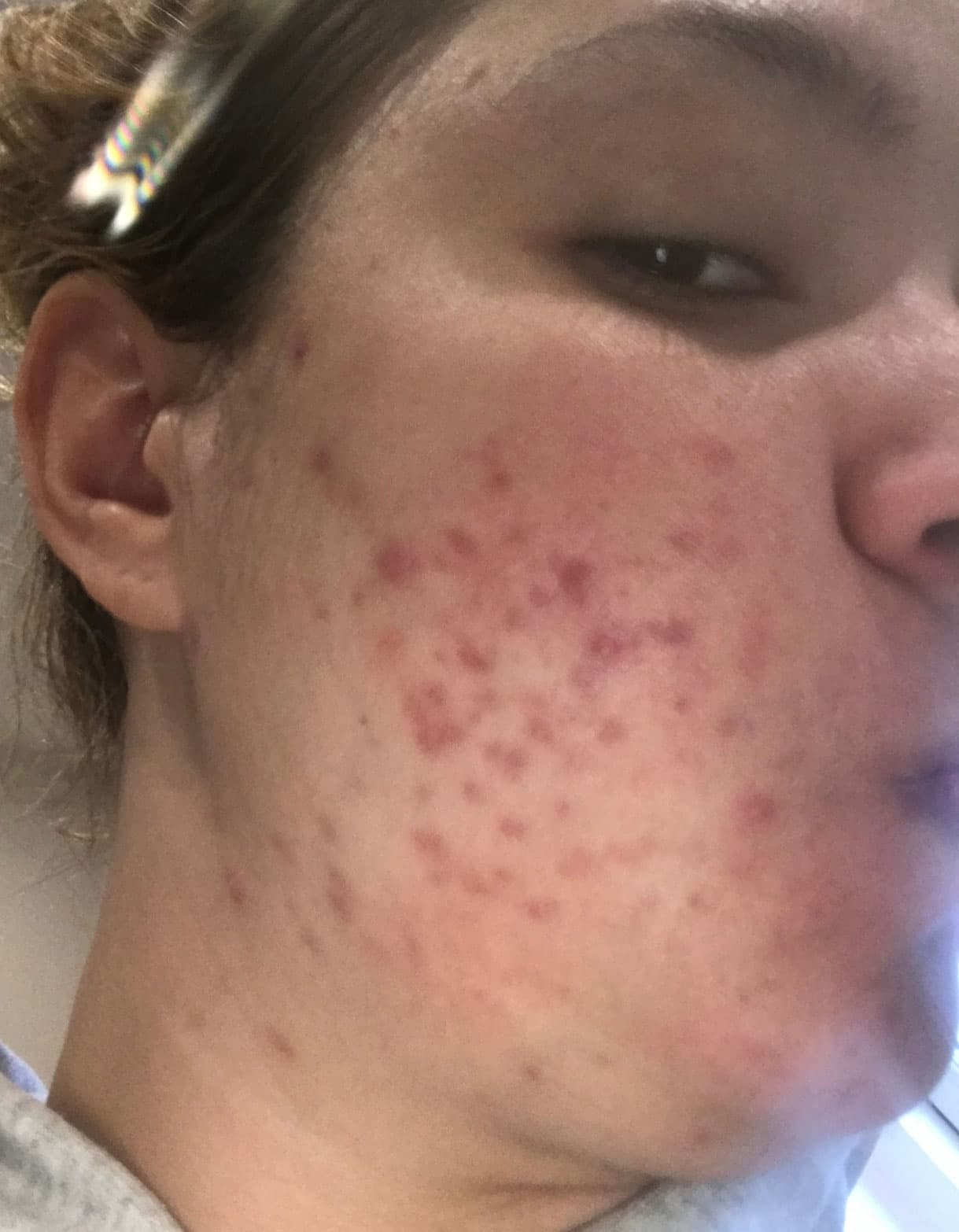 Before
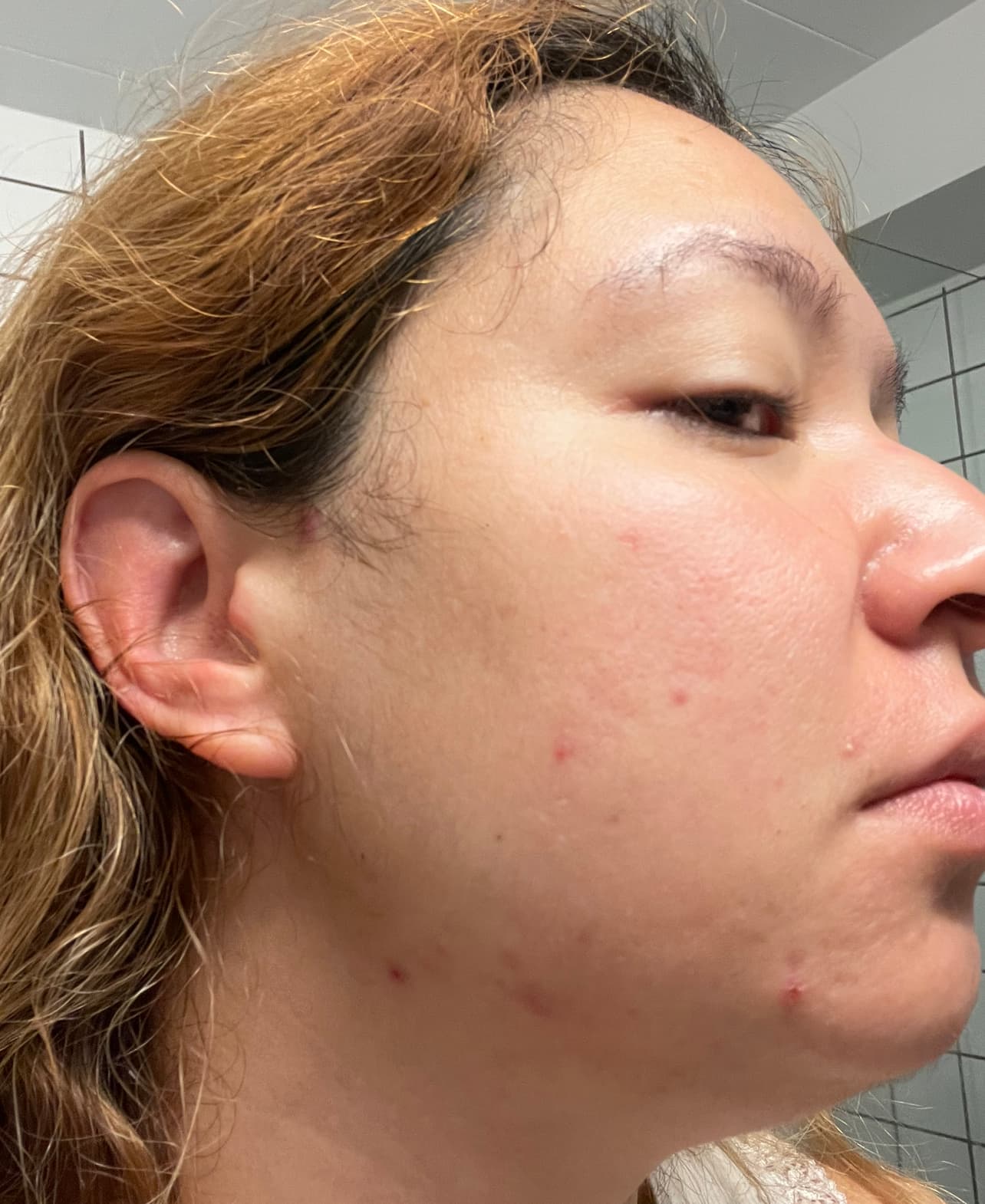 After
After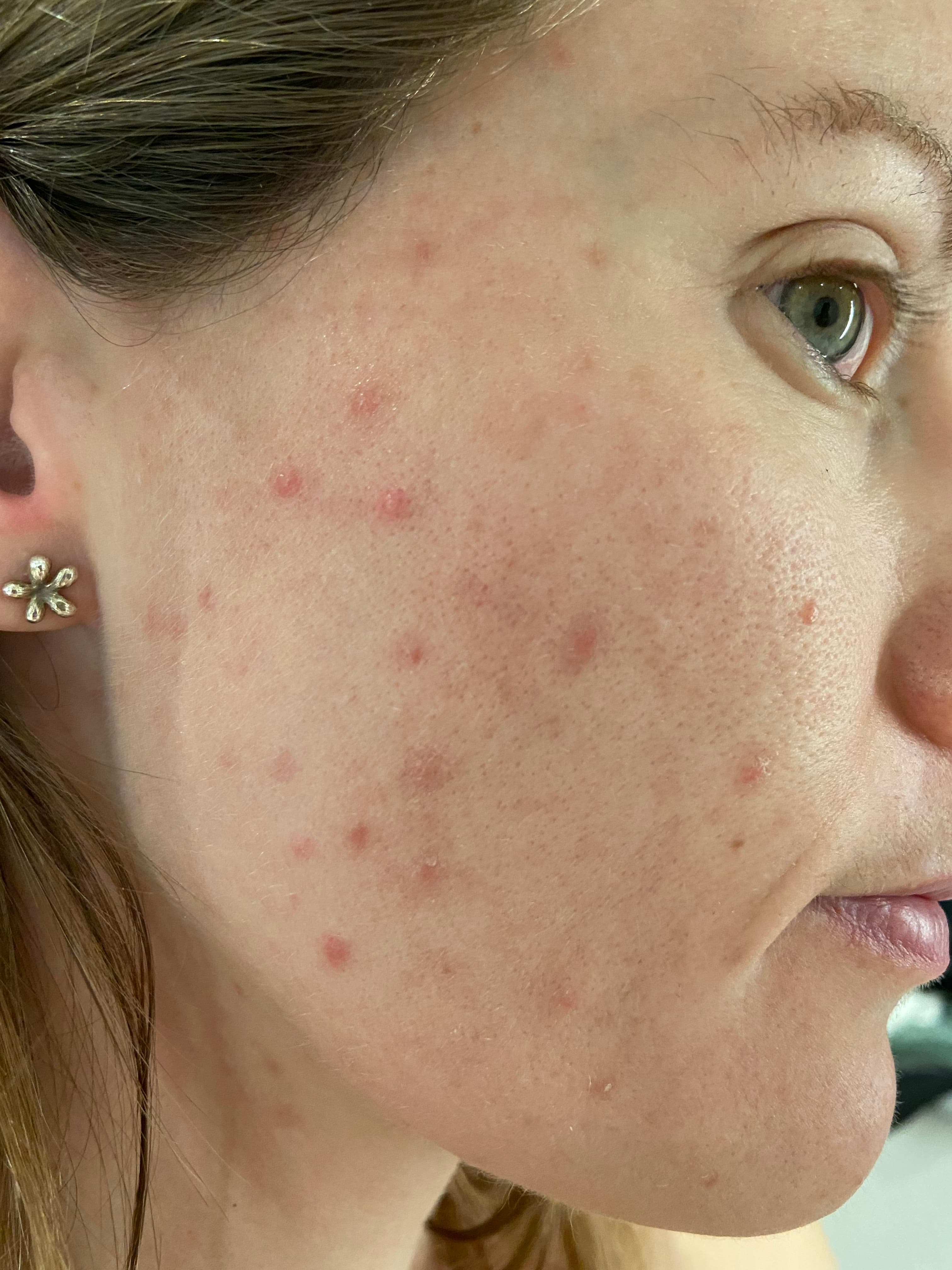 Before
 After
AfterKeep reading
- Ingredient · azelaic acid
- Ingredient · niacinamide
- Ingredient · retinol
- Ingredient · salicylic acid
- Ingredient · tranexamic acid
- Condition · acne scars and marks
- Condition · acne and blemishes
- Condition · pigmentation
- Condition · sensitive skin
- Read · acne scars
- Read · pie vs pih acne marks
- Read · best ingredients for acne scars and marks
- Read · how to get rid of pimples
- Read · microneedling
Citations
- Davis EC, Callender VD. Postinflammatory hyperpigmentation: a review of the epidemiology, clinical features, and treatment options in skin of color. J Clin Aesthet Dermatol. 2010;3(7):20-31.PMID 20725554
- Madan S, et al. Post-acne erythema treatment: A systematic review of the literature. J Cosmet Dermatol. 2022;21(4):1379-1392.PMID 35076997
- Hakozaki T, et al. The effect of niacinamide on reducing cutaneous pigmentation. Br J Dermatol. 2002;147(1):20-31.PMID 12100180
- Acne-induced Post-inflammatory Hyperpigmentation: From Grading to Treatment. Dermatol Ther (Heidelb). 2025.PMID 40263971