
Salicylic acid
The oil-soluble exfoliant that gets inside clogged pores. The right tool for blackheads, whiteheads, and the kind of acne that lives at the surface of the follicle.
At a glance
What Salicylic acid does for skin, and how to read the practical safety signals.
- Gets inside oily pores to help loosen the dead-skin-and-sebum plugs behind blackheads.
- Helps improve the look of blemish-prone, congested, and shiny skin when used at sensible strength.
- Can dry or irritate if overused, so frequency matters more than aggressive layering.
- Type
- Acid
- Rating
- Pregnancy
- Considered safe
- Comedogenic rating
- 0/5 (Won't clog pores)
- Vegan
- Yes
- Suited skin types
- Oily,Acne-prone,Combination
On this page
The short answer
If you've ever tried to clean a greasy pan with water, you know how that goes. Water beads up, oil shrugs, nothing gets clean. That's roughly the problem with most exfoliants and a clogged pore: glycolic and lactic acid (AHAs) are water-loving. They tidy the surface beautifully. Inside a pore, where the clog is essentially a wax plug of sebum and dead cells, they don't get a look in.
Salicylic acid is the oil-loving version. It dissolves into sebum, gets inside the follicle, and breaks the plug apart from within. If your concern is blackheads, whiteheads, or the small bumpy congestion that no amount of concealer ever quite covers, this is the molecule built for the job.
If you've been scrubbing harder, switching cleansers monthly, or buying every pore strip in the shop and still seeing the same little dots on your nose: it isn't because you're not trying. It's because you've been using the wrong tool. Salicylic acid is the right one.
What the evidence actually shows
Comedonal acne. Zander's 1992 review of clinical studies and a comedolytic assay supported 0.5% and 2% salicylic acid pads for mild to moderate acne, with irritation usually limited to mild local reactions. The 2024 American Academy of Dermatology acne guideline now gives salicylic acid a conditional recommendation for acne, which is exactly the right level of enthusiasm: useful, accessible, not a miracle.
Peels and pigmentation nuance. Kessler 2008 compared 30% salicylic acid peels with 30% glycolic acid peels for mild to moderately severe facial acne; both helped, while the salicylic side had more sustained effect and fewer early adverse events. Arif's 2015 review also describes salicylic acid peels across Fitzpatrick skin types, including use for post-inflammatory hyperpigmentation. That is peel territory, though. It should not make a daily 2% leave-on product sound like a dermatologist peel.
Mechanism. Salicylic acid is keratolytic: it loosens the bonds between dead skin cells inside the follicle, the way a long soak loosens grime off a baking tray. It's also directly anti-inflammatory (it's a chemical cousin of aspirin), which is why it calms inflamed pimples as well as clearing the surface congestion.
How to use it
Two formats matter:
- Cleansers (0.5 to 2 percent): rinse-off, gentle. Daily use is generally fine. A good entry point if you've never used an acid before and the word "acid" makes you nervous.
- Leave-on (2 percent serum, treat, or toner): more potent because contact time is longer. Start 2 nights per week, build to 3 or 4 over a month.
Apply on clean, dry skin. Don't pile on a glycolic acid the same evening. Pick one acid per slot. Always SPF the next morning. Acids without sunscreen is like washing your car and then driving it straight into a mud field.
How to keep it comfortable
- Niacinamide in the same routine: calms the dryness and flakiness salicylic acid can trigger, and it works on overlapping problems (sebum, pigmentation).
- Hyaluronic acid and a barrier moisturiser afterwards. Exfoliating without rehydrating is like sanding a piece of wood and never oiling it. A leave-on BHA such as our Power Treat also includes aloe, allantoin, and green tea extract so the treatment step stays more comfortable.
If BHA already leaves your face tight or flaky, use the guide to salicylic-acid dryness before increasing frequency.
What to avoid in the same application
- Retinol the same night: both accelerate turnover. Stacking them tends to irritate almost everyone. Alternate evenings.
- L-ascorbic acid (vitamin C): keep vitamin C for mornings.
- Other strong acids (glycolic, mandelic) the same evening: pick one.
When salicylic acid is the wrong tool
If your acne is mostly deep, cystic, hormonally-driven nodules (the kind that hurt before they show), salicylic acid will help a little but it isn't the headline act. That's a conversation for a dermatologist, often with prescription retinoids or hormonal management. BHA shines on surface congestion. Don't expect it to solve cystic acne by itself. That's asking a plunger to fix a burst pipe.
The practical takeaway
My goal with this guide was to gather the useful science on salicylic acid in one place, so you can stop hunting for the next clever fix and do the simple, effective things your skin actually needs.
That is also why I made the Danish Skin Care Kit: a calm routine built around documented ingredients, and one that has helped more than 100,000 people with problem skin. If even the smallest question is still nagging you, send me an email at info@danishskincare.com.
Common questions
What's the right percentage of salicylic acid?
Leave-on products are 0.5–2%. The FDA-monograph cap for over-the-counter acne is 2%. Higher concentrations (15–30%) are peeling agents used by clinicians, not daily-use products.
How often can I use a salicylic acid product?
Daily for low-strength (0.5–1%) cleansers; 2–4 times per week for 2% leave-on treatments. Listen to your skin. If it gets tight or peels, dial it back.
Is salicylic acid safe in pregnancy?
Topical salicylic acid in cosmetic concentrations (up to 2%) is generally considered safe in pregnancy when used on small areas. Avoid high-concentration peels and large-surface use. Discuss with your clinician.
Reading a real label?
Scan a product to see how it is formulated
Upload a photo of the ingredient list and get a quick ingredient-by-ingredient read against the evidence-led database.
Found in these Danish Skin Care products

A leave-on salicylic acid treatment with aloe and allantoin to calm. The brand's hero step for congestion and blackheads.

Not a salicylic acid product itself, but the right cleansing step before a leave-on BHA.

The Power Treat sits inside the Kit alongside the cleanser and morning plus nightly moisturisers.
Skin conditions it actively helps with
Where the published evidence puts Salicylic acid on the short list of active ingredients worth reaching for.

Blackheads
Blackheads are oxidised sebum, not dirt. Here's what they actually are, why pore strips and squeezing make them worse, and the routine that genuinely clears them.
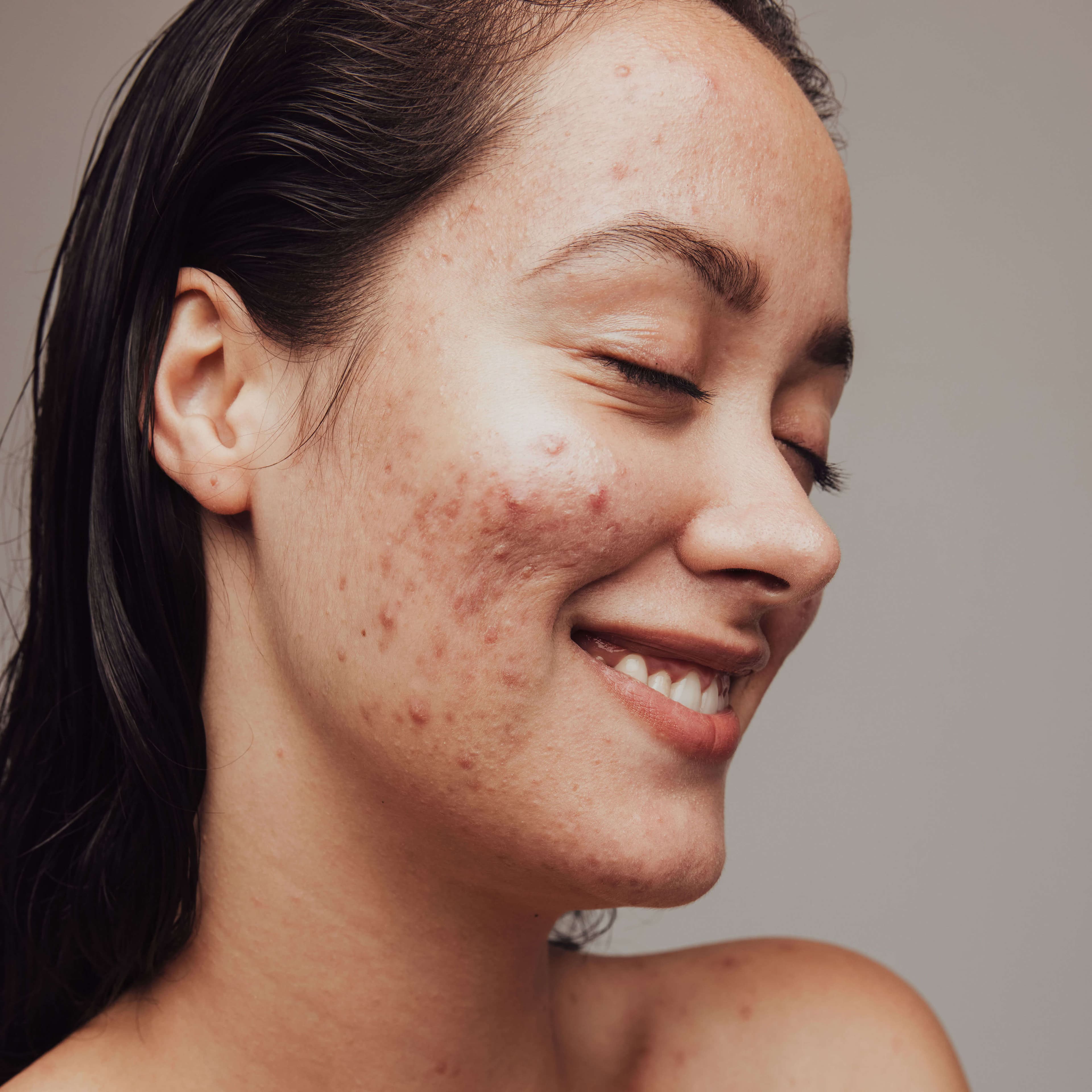
Acne and blemishes
A clear-headed guide to acne: what's actually happening in your skin, what the evidence says works, and a simple routine that doesn't make things worse.
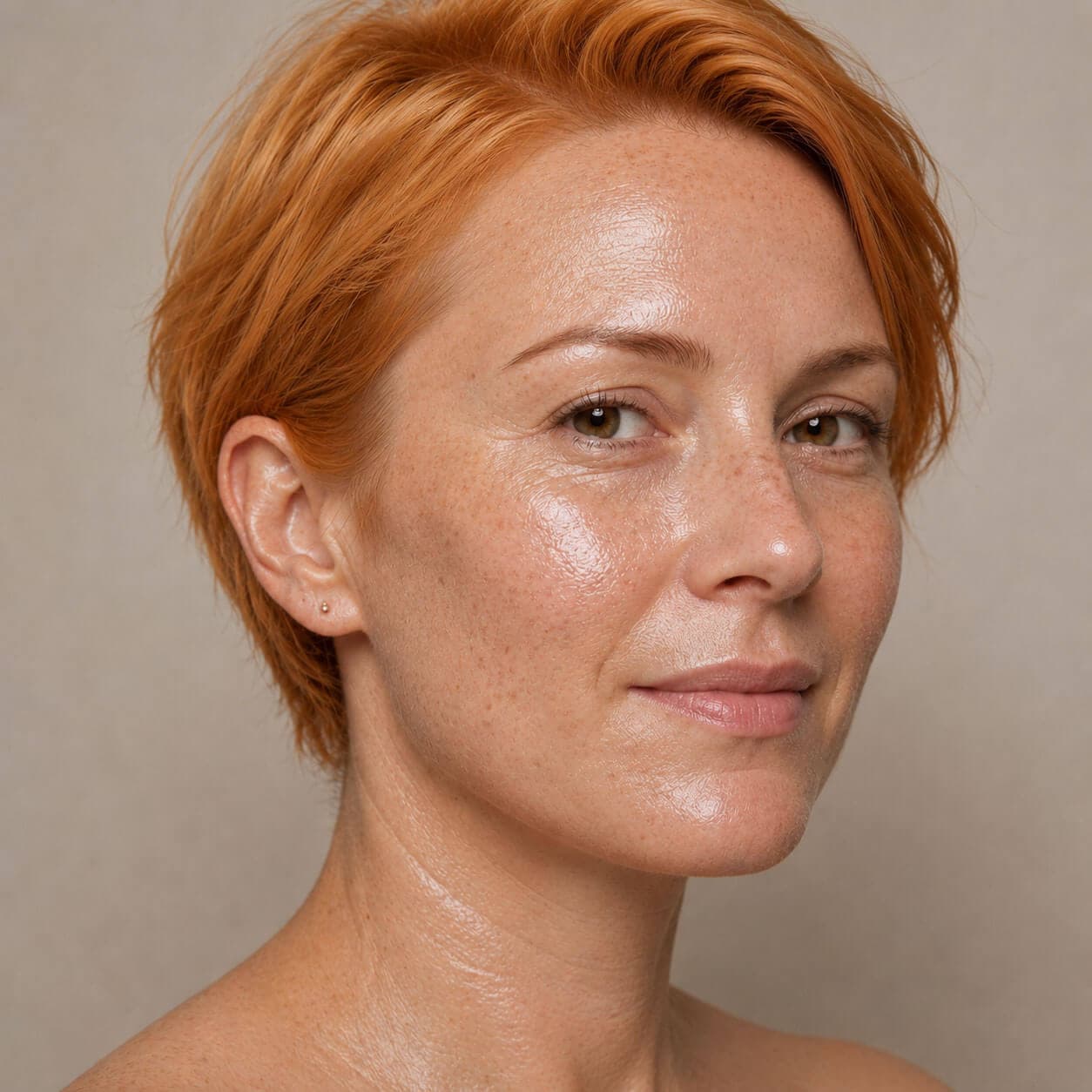
Oily skin
Oily skin isn't a problem to "fix". It's a feature with trade-offs. Here's what actually controls sebum, what doesn't, and the routine that works without stripping.
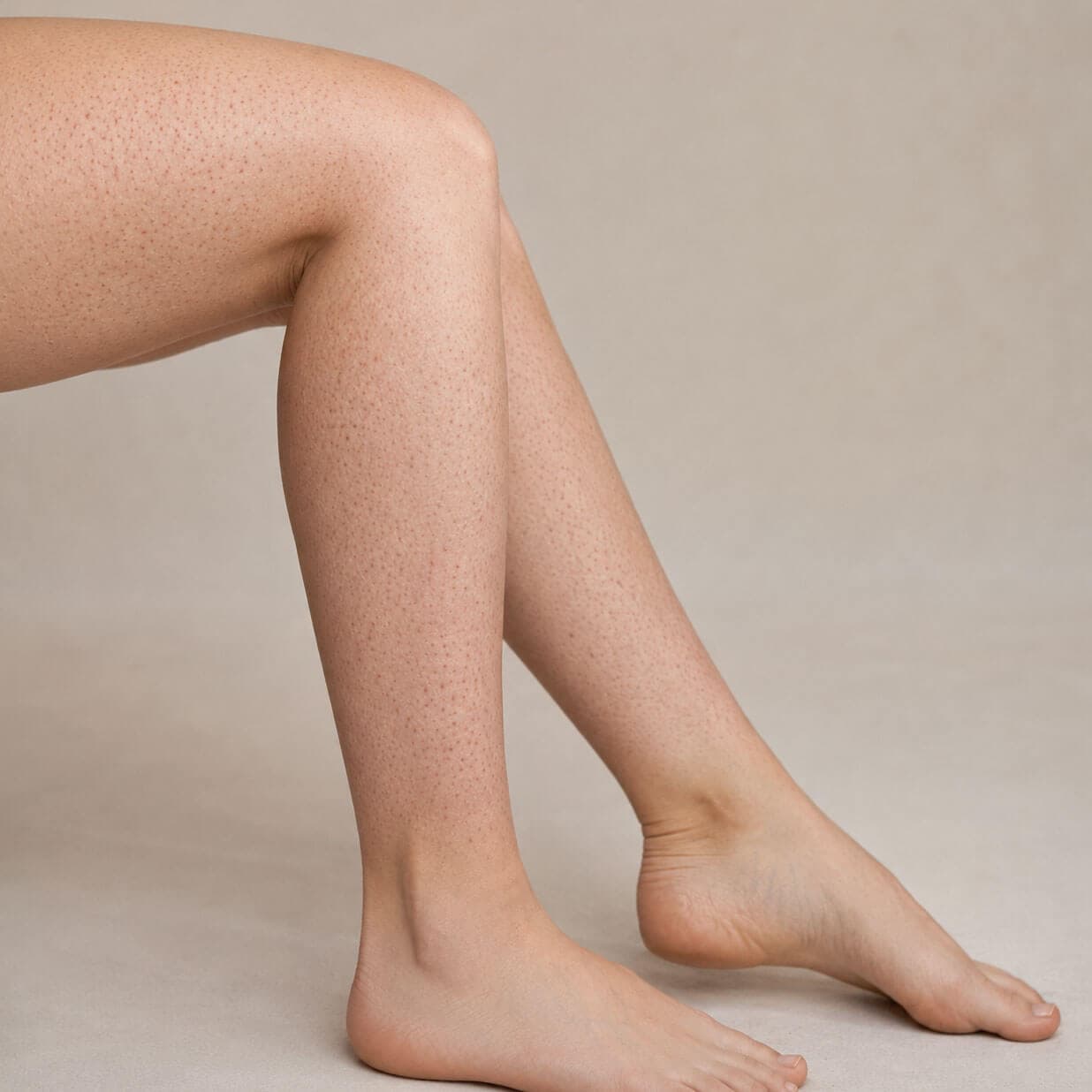
Keratosis pilaris ("chicken skin")
Keratosis pilaris (KP) is the small bumps on the backs of arms, thighs, and sometimes face. Here's what causes it, why scrubs make it worse, and what actually softens it.
Related ingredients
Citations
- Zander E, Weisman S. Treatment of acne vulgaris with salicylic acid pads. Clin Ther. 1992;14(2):247–53. — PMID 1535287
- Reynolds RV, et al. Guidelines of care for the management of acne vulgaris. J Am Acad Dermatol. 2024;90(5):1006.e1–1006.e30. — PMID 38300170
- Kessler E, et al. Comparison of alpha- and beta-hydroxy acid chemical peels in the treatment of mild to moderately severe facial acne vulgaris. Dermatol Surg. 2008;34(1):45–50. — PMID 18053051
- Arif T. Salicylic acid as a peeling agent: a comprehensive review. Clin Cosmet Investig Dermatol. 2015;8:455–61. — PMID 26347269