
Blackheads removal: the safe decision guide
A calm, evidence-backed blackheads removal decision guide: identify the dot, choose the safest method, test the routine, and know when extraction should be professional.

On this page
I understand why blackheads make people impatient.
When I struggled with acne and clogged pores, blackheads felt like the most removable problem on my face. You can see the little dark plug. It looks as if the solution should be simple: push, pull, rip, scrub, done.
Then the skin gets red. The dot comes back. Now you have the original blackhead plus a mark from the rescue mission.
I have seen this pattern again and again after helping more than 100,000 people with problem skin. Most blackhead-removal mistakes happen because the treatment feels logical in the mirror, but not in the follicle.
Blackheads do not need violence. They need a decision.
Quick answer
The safest blackheads removal plan is:
- Confirm that the dot is a true blackhead.
- Stop squeezing, scrubbing, and ripping at the skin.
- Use a 2% leave-on salicylic acid product 2 to 4 nights per week.
- Keep cleansing gentle.
- Moisturise enough that the barrier stays calm.
- Use SPF every morning.
- Give the routine 6 to 8 weeks before judging it.
- Use professional extraction for stubborn plugs, inflamed acne, scarring risk, or anything suspicious.
A blackhead is an open clogged follicle. A 2012 acne study[1] describes acne as a disorder of the pilosebaceous unit - the hair follicle plus oil gland - involving sebum, abnormal cell shedding, bacteria, and inflammation. A blackhead is the open, less inflamed version of that clogged-follicle process.
So blackheads removal is not really about cleaning dirt out of a pore.
It is about helping a blocked follicle empty safely, then making it less likely to clog again.
This guide is evidence-backed and reviewed by Mads Timmermann, skincare specialist and founder of Danish Skin Care. It is educational skincare guidance, not a diagnosis. If a spot is changing, bleeding, irregular, painful, or unlike your normal pores, let a qualified clinician check it before you treat it as a blackhead.
The decision rules
If you only remember one part, make it this:
- True blackhead: use salicylic acid consistently, then consider professional extraction if the plug stays stubborn.
- Sebaceous filament: manage visibility; do not try to remove it permanently.
- Inflamed acne: treat the whole acne pattern, not one dot.
- Flat dark mark: use SPF and pigment-supporting ingredients; there is no plug to extract.
- Changing or unusual spot: stop the skincare experiment and get medical advice.
That is the safest blackheads removal algorithm. Boring wording, useful outcome.
Blackheads removal decision guide
Use this before you touch your skin.
| What you see | Most likely | Best next step | Avoid |
|---|---|---|---|
| Dark, distinct plug in a visible pore | True blackhead | Salicylic acid routine for 6 to 8 weeks; professional extraction if stubborn | Squeezing with nails or tools |
| Tiny grey or yellow dots evenly spread on the nose | Sebaceous filaments | Manage oil and visibility with salicylic acid, niacinamide, and gentle cleansing | Trying to remove them permanently |
| Small inflamed red bumps with some blackheads or whiteheads | Acne with comedones | Treat as acne: salicylic acid, barrier support, SPF, dermatologist if painful or scarring | Scrubs, toothpaste, daily masks |
| Dark flat marks after old spots | Post-inflammatory pigmentation | SPF, time, niacinamide or azelaic acid support | Extraction - there is no plug to remove |
| A changing, bleeding, irregular, or growing dark spot | Not a blackhead until proven otherwise | Get it checked by a qualified clinician | Treating it as a pore problem |
That last row matters.
Most dark dots on the nose are harmless pore-related things. But skincare advice should never teach you to ignore a changing spot because you want it to be a blackhead.
Step 1: Decide if it is really a blackhead
True blackheads are open comedones. They usually look like darker, more defined plugs sitting in pores.
Sebaceous filaments are different. They are normal oil-flow structures inside pores. They often look like tiny grey, tan, or yellow dots on the nose and central face. They come back quickly after squeezing because they are not a disease. They are more like the skin's oil plumbing.
If the dots are:
- Very evenly spaced.
- Mostly on the nose.
- Pale grey or yellow rather than black.
- Back again the next day.
- Not inflamed or raised.
you may be looking at sebaceous filaments, not blackheads.
You can make them look less obvious. You cannot remove them forever. This is one of the kindest things you can learn about your nose.
If your main concern is the nose, the nose blackheads guide gives the routine and filament check in a more focused way.
Step 2: Stop the removal methods that create more problems
Some blackhead methods give instant theatre and long-term annoyance.
Squeezing
Squeezing can push inflammation deeper, tear the follicle wall, and leave red or brown marks. If you have medium or deep skin tone, irritation and picking can turn one blackhead into months of pigmentation.
This is where many people accidentally move from "blackheads removal" to "mark management."
Pore strips
Pore strips can pull off surface oil, tiny hairs, sebaceous filament material, or the top of a plug. That is why the strip looks so satisfying.
But they do not treat the deeper clogging process. The follicle can refill, and repeated stripping can irritate the barrier. If you want the full explanation, the black mask and pore-strip guide covers why the visual proof can be misleading.
Scrubs and cleansing brushes
Blackheads sit inside follicles. Scrubs work mostly on the surface.
That mismatch is the problem. You can sand the opening, irritate the surrounding skin, and still leave the plug forming underneath.
Extraction tools at home
Metal tools look professional because professionals use tools.
That does not make the bathroom version professional. Trained skin professionals know which lesions can be extracted, how much pressure is safe, how to reduce infection risk, and when to stop. Most home extractions have one setting: more pressure.
Your skin deserves better equipment than panic.
Blackheads removal methods ranked by safety
| Method | Best for | Safety verdict | What to watch |
|---|---|---|---|
| 2% leave-on salicylic acid | True blackheads, oily clogged pores, mild comedonal acne | Best home starting point | Dryness, stinging, overuse |
| Gentle cleansing | SPF, makeup, sweat, and oil on the surface | Necessary support step | Tight or squeaky skin means too harsh |
| Niacinamide and moisturiser | Oiliness, barrier support, irritation control | Useful routine support | It will not pull out a plug by itself |
| Professional extraction | Large, stubborn, clearly visible plugs | Useful when done cleanly and selectively | Raw skin, aggressive pressure, poor hygiene |
| Pore strips | Temporary surface debris removal | Occasional at most, not treatment | Irritation, broken capillaries, quick refill |
| Clay or charcoal wash-off mask | Temporary oil control | Fine if gentle and occasional | Tightness, flaking, treating it as the main fix |
| Scrubs and cleansing brushes | Almost never needed for blackheads | Poor match for the problem | Surface irritation while the follicle keeps clogging |
| Home metal tools or needle picking | Nothing worth the risk | Skip | Infection, marks, scarring, broken skin |
The ranking is simple: methods that work with the follicle are safer than methods that fight the surface.
Step 3: Use salicylic acid as the main home removal tool
Salicylic acid is the most sensible over-the-counter starting point for blackheads.
A 2012 study[2] of over-the-counter acne treatments includes salicylic acid as a common acne-care ingredient, and a 2015 salicylic acid study[3] explains the useful chemistry: salicylic acid is lipophilic, meaning it can work in the oil-rich environment of the follicle.
In plain English, it can get where blackheads live.
A 1992 clinical study[4] found salicylic acid pads improved acne lesions, including comedonal clogging. That does not mean every blackhead vanishes overnight. It means salicylic acid has the right job description for the problem.
Use it like this:
- Cleanse gently.
- Apply a 2% leave-on salicylic acid product to blackhead-prone areas.
- Moisturise.
- Start 2 nights per week.
- Build to 3 or 4 nights per week only if the skin stays comfortable.
Do not combine it with a scrub, mask, retinoid, and extraction session on the same evening. That is not a routine. That is a committee meeting your barrier did not attend.
Step 4: Keep the skin barrier calm
Blackhead-prone skin still has a barrier.
This sounds obvious, but many blackhead routines behave as if the barrier is a decorative feature. It is not. If the skin becomes red, flaky, stingy, or tight, you will either quit the routine or create more inflammation around the pores.
A 2009 study[5] on sebaceous gland lipids explains that sebum is part of the skin's surface environment, not waste. The goal is not to remove every trace of oil. The goal is to stop oil and dead skin from building up into plugs.
Niacinamide can help here because it supports the barrier and can be useful in oily-skin routines. A 2006 controlled study[6] on 2% niacinamide found reductions in facial sebum measures over several weeks, which is relevant when blackheads come with shine and oiliness.
This is why the boring support steps matter:
- Gentle cleanser.
- Lightweight moisturiser.
- SPF every morning.
- Fewer active nights when skin feels irritated.
The barrier is not slowing you down. It is what lets you continue.
The safest at-home blackheads removal routine
Morning
- Cleanse gently, or rinse if your skin is dry.
- Use a lightweight moisturiser, preferably with barrier-supporting ingredients like niacinamide.
- Apply SPF.
SPF is not a blackhead treatment, but it protects irritated or picked skin from marks becoming more stubborn. It also keeps the routine adult and responsible, which is annoying but useful.
Evening, 2 to 4 nights per week
- Cleanse.
- Apply a 2% salicylic acid leave-on product to blackhead-prone areas.
- Moisturise.
Other evenings
- Cleanse.
- Moisturise.
That is enough for most home routines.
If your skin is very sensitive, start with salicylic acid once weekly. If your skin is oily and resilient, 3 to 4 nights per week may work well. The right frequency is the one your skin can tolerate for 6 to 8 weeks.
How to test a blackhead-removal routine
This is where real routine testing matters. Not lab-coat theatre. Normal bathroom testing with fewer variables.
Run the routine for 8 weeks:
- Keep the cleanser, moisturiser, and SPF stable.
- Add one blackhead active: a 2% leave-on salicylic acid product.
- Start 2 nights per week.
- Increase only if the skin stays comfortable.
- Take photos every 2 weeks in the same light.
- Track three things: fewer new plugs, less roughness, and less irritation.
Do not test pore strips, a new cleanser, a clay mask, retinol, and salicylic acid in the same month and then ask which one worked. That is not testing. That is skincare soup.
In Danish Skin Care's real customer cases, the useful pattern is rarely one dramatic extraction. It is a routine people can repeat long enough for the follicle to behave differently: gentle cleansing, salicylic acid, barrier support, and SPF. That pattern is also why our before-and-after library is more useful than a single close-up of a pore strip.
When professional extraction makes sense
Professional extraction can be useful when:
- A true blackhead is large and stubborn.
- The plug is deep.
- You keep damaging the skin trying to remove it.
- Blackheads sit beside inflamed acne.
- You scar or mark easily.
- You are not sure what the spot is.
Professional extraction should be clean, targeted, and boring. Boring is good here. If an extraction treatment leaves your whole face raw, shiny, and sore for days, that is not a badge of seriousness.
For frequent blackheads, extraction alone is not enough. It removes what is there today. It does not fix the pattern that creates tomorrow's plugs.
That is why the best plan is usually:
- Professional extraction if needed.
- Salicylic acid maintenance.
- Barrier support.
- SPF.
- No home squeezing comeback tour.
What to use depending on your blackhead pattern
If blackheads are mostly on the nose
The nose has many visible, oil-rich follicles, so blackheads and sebaceous filaments both love living there rent-free.
Use salicylic acid on the nose 2 to 4 nights per week, but be realistic: perfectly poreless noses are camera fiction. If the dots are evenly spaced and return quickly, you are probably managing filaments rather than removing blackheads forever. The deeper explainer on what blackheads are can help you separate the two.
If blackheads come with oily skin
Build the routine around oil management without stripping.
Use gentle cleansing, niacinamide, salicylic acid, lightweight moisturiser, and SPF. The oily skin routine goes deeper on shine, sebum, and why drying your face into a crisp usually backfires.
If blackheads come with pimples
Treat it as acne-prone skin, not isolated pore dirt.
Blackheads, whiteheads, inflamed pimples, and deeper spots all belong to the broader acne family. Salicylic acid may be enough for mild clogged pores. If acne is painful, spreading, scarring, or not improving after 8 to 12 weeks, involve a dermatologist.
If the acne pattern is broader than blackheads, read the guide to getting rid of pimples next. If the bumps cluster on the forehead or hairline, forehead acne has its own triggers: sweat, hats, hair products, and friction.
If blackheads appear after heavy products
Check leave-on products first:
- Thick balms on the central face.
- Heavy makeup or sunscreen that is difficult to remove.
- Hair oils or styling creams touching the forehead, temples, or nose area.
- Very occlusive night routines.
You do not need to fear every rich ingredient. Finished formulas matter. But if blackheads started after a new heavy product, that is a useful clue.
Safe blackheads removal: do and do not
Do:
- Use leave-on salicylic acid consistently.
- Start slowly.
- Cleanse without scrubbing.
- Moisturise even if your skin is oily.
- Use SPF.
- Photograph the area every 2 weeks in the same light if you need proof.
- Get help for deep, painful, unusual, or changing spots.
Do not:
- Squeeze with nails.
- Use metal tools at home.
- Use pore strips as your main treatment.
- Scrub daily.
- Stack acids, retinoids, masks, and extractions.
- Chase every sebaceous filament as if it is a flaw.
- Judge the routine after 3 days.
Skin improves faster when you stop creating new problems beside the old one.
The blackhead topical cluster
Use the cluster like a map, not a rabbit hole:
- Start with what blackheads are if you are unsure whether the dots are dirt, filaments, pores, or true plugs.
- Read black masks for blackheads before using charcoal masks, peel-off masks, or pore strips.
- Use the oily skin routine if blackheads come with midday shine and heavy sebum.
- Use the pimples guide if blackheads sit beside inflamed spots.
- Read salicylic acid when you want the ingredient details without the internet drama.
How long blackheads removal takes
Give a good routine 6 to 8 weeks.
That timeline is not there to annoy you, though I admit it often does. Blackheads form through a repeated follicle process. You are not waiting for one product to "pull everything out." You are helping plugs loosen, reducing new clog formation, and keeping the surrounding skin calm.
You may see:
- Less roughness in 2 to 4 weeks.
- Softer plugs around 4 to 6 weeks.
- Clearer-looking pores around 6 to 8 weeks.
- Better maintenance after that if you keep the routine steady.
If nothing changes after 8 weeks, reassess. Maybe the dots are sebaceous filaments. Maybe the product is too irritating to use consistently. Maybe the routine has a pore-clogging step hiding in plain sight. Maybe you need professional extraction or acne treatment.
That is not failure. That is information.
The bottom line
Blackheads removal should be safe before it is satisfying.
The best home plan is not dramatic: identify the dot, stop squeezing, use salicylic acid consistently, support the barrier, and give the skin enough time to respond.
If a plug needs extraction, let a trained professional do it. If the spot looks unusual, let a clinician check it.
The calm routine wins because it solves the real problem: the follicle keeps clogging.
And once you understand that, blackheads become much less tempting to attack.
People also ask
What is the safest way to remove blackheads at home?
The safest home approach is gentle cleansing, a leave-on 2% salicylic acid product used a few nights per week, moisturiser, and daily SPF. Avoid squeezing, scrubs, and metal tools because they can irritate the follicle and leave marks.
Can I squeeze blackheads out?
It is better not to. Squeezing may remove some material, but it can also tear the follicle wall, trigger inflammation, and leave red or brown marks. Stubborn blackheads are safer with a trained professional.
Do pore strips remove blackheads permanently?
No. Pore strips can pull off surface oil, filaments, or the top of a plug, but they do not stop the follicle from clogging again. Repeated stripping can also irritate sensitive skin.
How long does blackhead removal take with salicylic acid?
Most people should give salicylic acid 6 to 8 weeks. Some plugs soften earlier, but blackheads form inside follicles, so lasting improvement comes from repeated gentle care rather than one aggressive removal session.
When should blackheads be professionally removed?
Consider professional extraction if blackheads are deep, stubborn, inflamed, painful, scarring, or hard to distinguish from other spots. A changing, bleeding, irregular, or growing dark spot should be checked medically.
The blackhead-removal routine I would test first
After helping more than 100,000 people with problem skin, I trust the boring routine more than the dramatic one. The Danish Skin Care Kit keeps blackhead removal calm: cleanse gently, use salicylic acid consistently, support the barrier, and protect the skin every morning. That is the routine pattern we see working in real customer cases - fewer clogs, less squeezing, and skin that does not feel punished.

The safest starting routine when blackheads come with oily skin, clogged pores, and too many product experiments: cleanser, salicylic acid treatment, moisturiser, and SPF.
Full transparency: Danish Skin Care is my own company — I formulated these products and earn from every sale. That's exactly why I only recommend them where they genuinely fit the guide you just read.
Real results from simple routines
A few real before-and-after cases from people using Danish Skin Care for skin concerns related to this guide. No filters, no miracle promise. Consistent skincare over time.
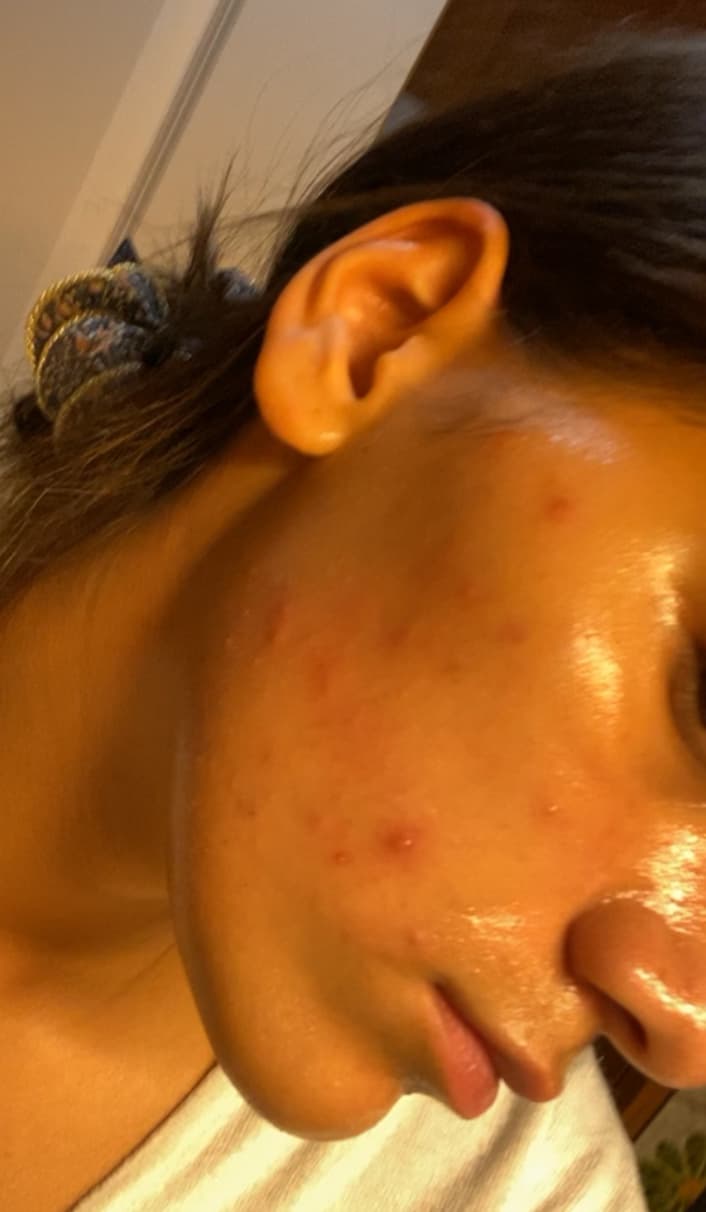 Before
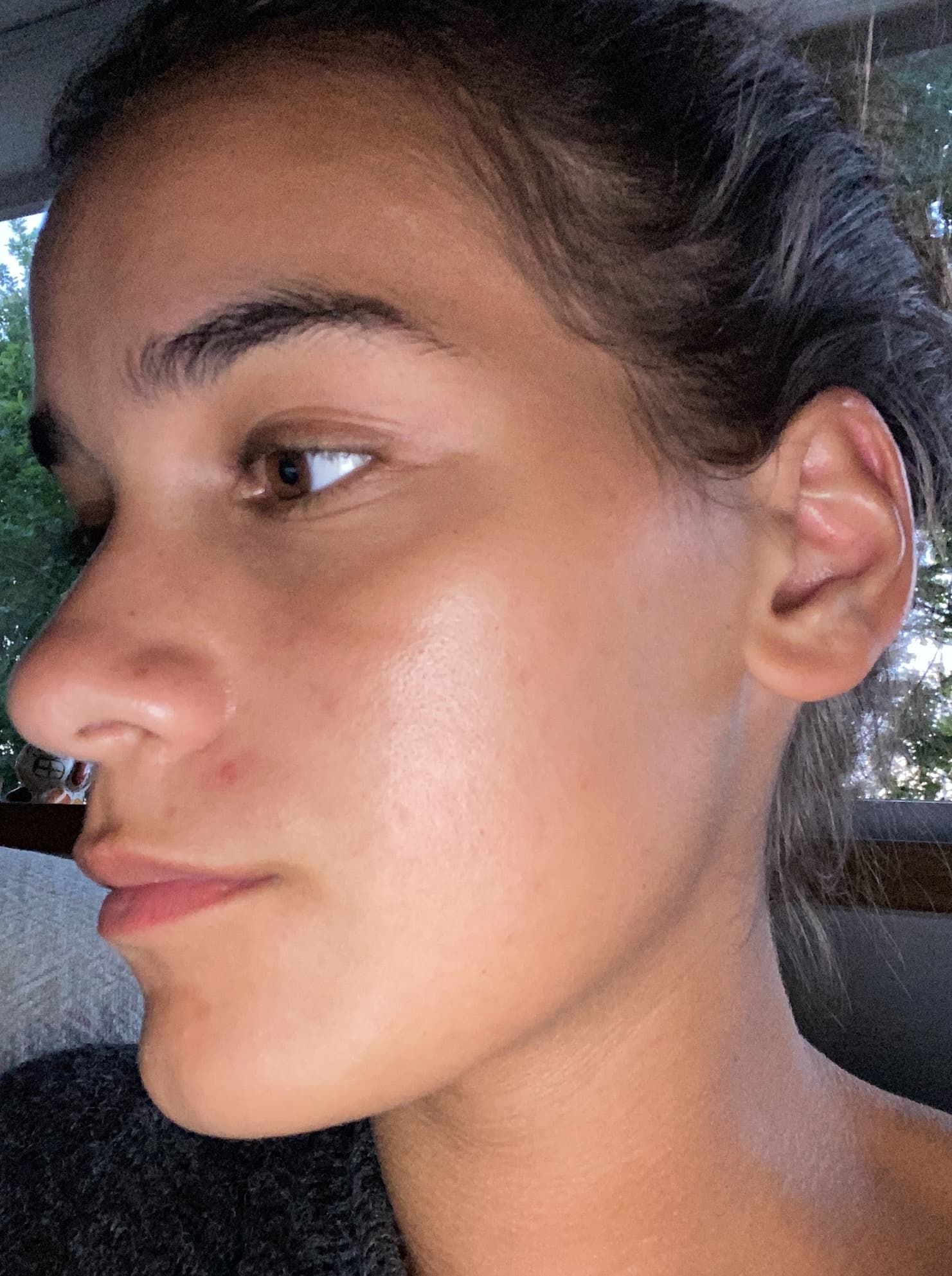 After
After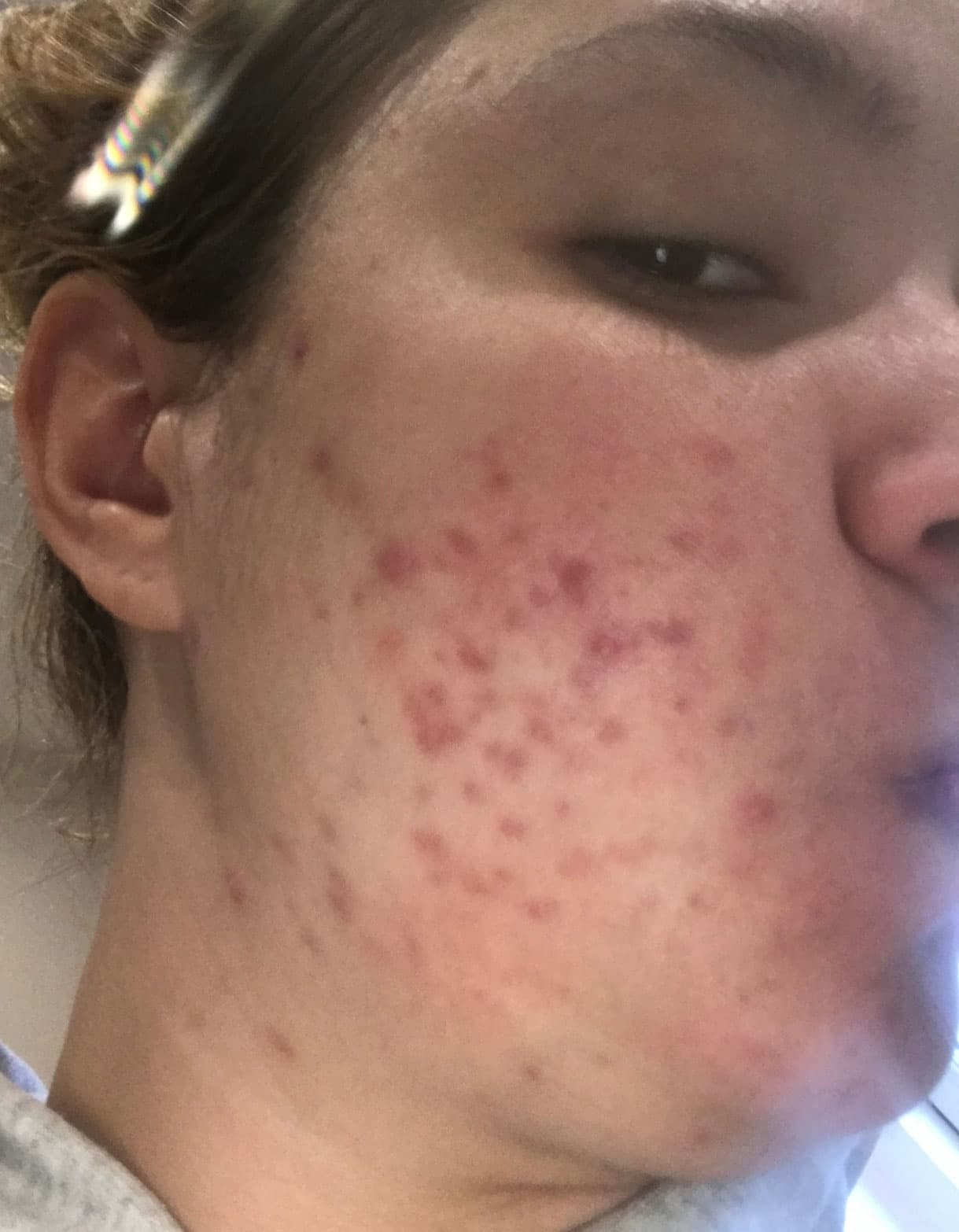 Before
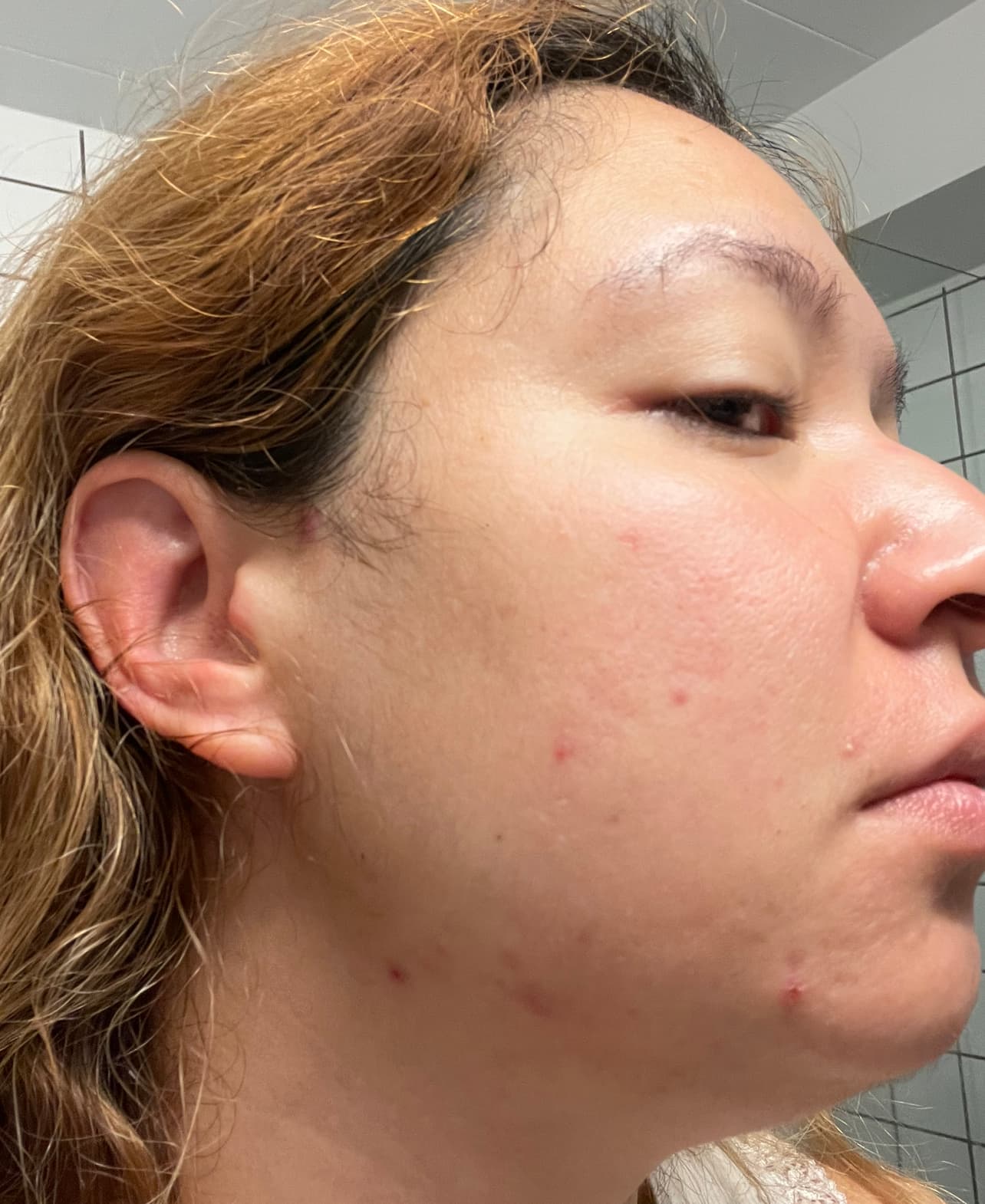 After
After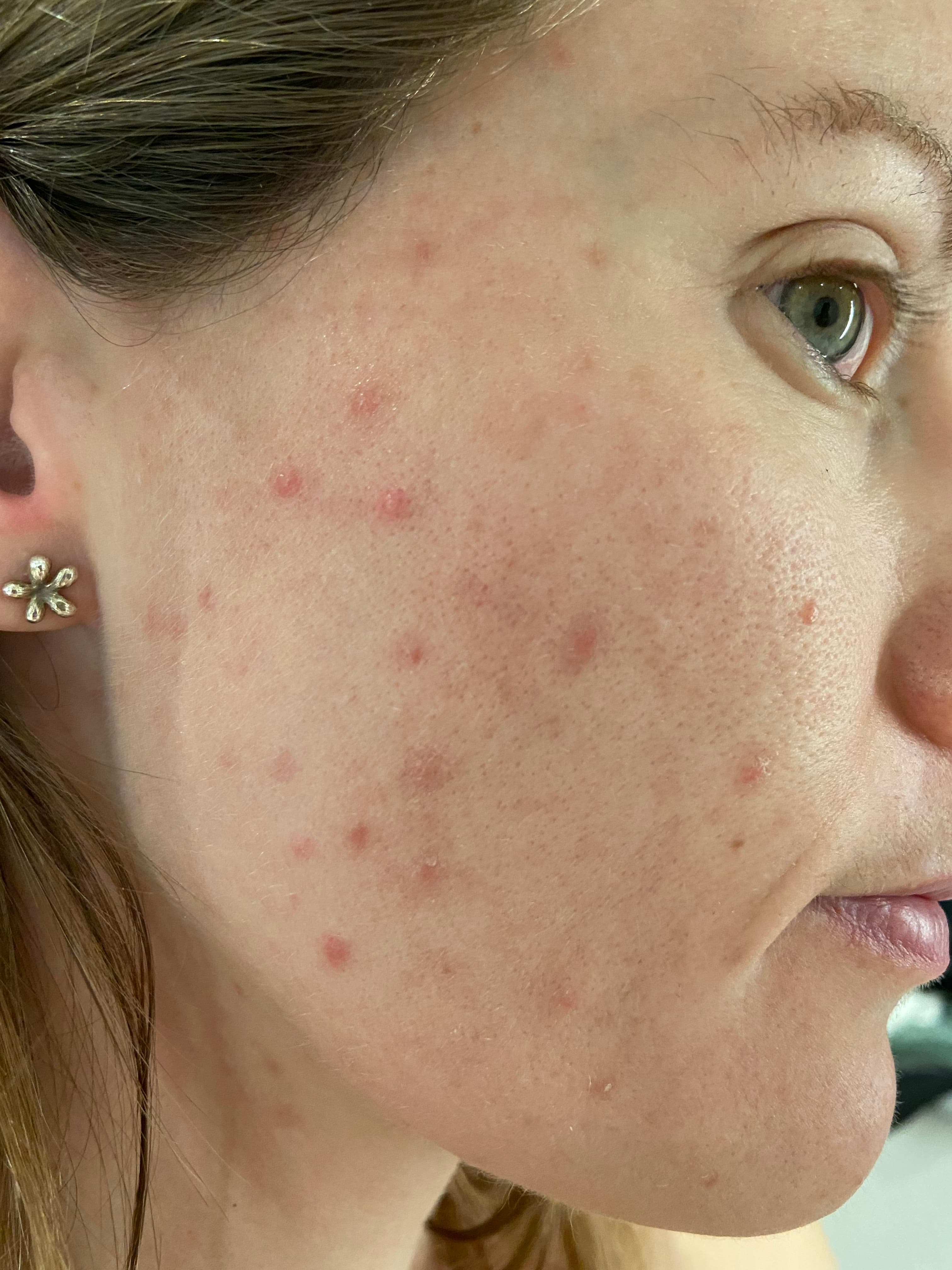 Before
 After
AfterKeep reading
- Ingredient · salicylic acid
- Ingredient · niacinamide
- Ingredient · retinol
- Ingredient · sulfur
- Ingredient · sodium hyaluronate
- Condition · blackheads
- Condition · oily skin
- Condition · acne and blemishes
- Condition · combination skin
- Condition · sensitive skin
- Read · what are blackheads
- Read · how to get rid of blackheads on nose
- Read · best skincare routine for clogged pores
- Read · black masks
- Read · how to get rid of oily skin
- Read · how to get rid of pimples
- Read · how to get rid of forehead acne
- Read · types of acne
Citations
- Williams HC, Dellavalle RP, Garner S. Acne vulgaris. Lancet. 2012;379(9813):361-372.PMID 21880356
- Decker A, Graber EM. Over-the-counter Acne Treatments: A Review. J Clin Aesthet Dermatol. 2012;5(5):32-40.PMID 22808307
- Arif T. Salicylic acid as a peeling agent: a comprehensive review. Clin Cosmet Investig Dermatol. 2015;8:455-461.PMID 26347269
- Zander E, Weisman S. Treatment of acne vulgaris with salicylic acid pads. Clin Ther. 1992;14(2):247-253.PMID 1535349
- Picardo M, Ottaviani M, Camera E, Mastrofrancesco A. Sebaceous gland lipids. Dermatoendocrinol. 2009;1(2):68-71.PMID 20224686
- Draelos ZD, Matsubara A, Smiles K. The effect of 2% niacinamide on facial sebum production. J Cosmet Laser Ther. 2006;8(2):96-101.PMID 16766489