
Sulfur
An old-school acne and keratolytic active with antibacterial bite and a distinctive smell. Modest evidence, but useful for some oily and blemish-prone skin types.
At a glance
What Sulfur does for skin, and how to read the practical safety signals.
- Keratolytic at higher concentrations and keratoplastic at lower ones, helping loosen dead cells in clogged pores.
- Has antibacterial and antifungal activity, which is why it appears in acne masks, spot treatments, and dandruff products.
- Often combined with sodium sulfacetamide or salicylic acid in clinical formulas.
- Type
- Active
- Rating
- Pregnancy
- Considered safe
- Comedogenic rating
- 0/5 (Won't clog pores)
- Vegan
- Yes
- Suited skin types
- Oily,Acne-prone,Combination
On this page
The short answer
Sulfur is elemental sulfur, listed on ingredient labels as Sulfur. It has been used in dermatology for centuries because it kills bacteria, slows fungi, and loosens dead skin cells in the pore. If benzoyl peroxide feels too harsh and salicylic acid is not quite enough for your mix of oil and inflamed bumps, sulfur sits in the middle ground: old, slightly smelly, but still useful.
You will find it in acne masks, spot treatments, and some rosacea formulas, often paired with sodium sulfacetamide. It is not the first active I reach for in 2026, but readers with oily skin and mild acne still report good results when the rest of the routine stays simple.
What the evidence actually shows
Historical role and mechanism. Gupta's 2004 review summarised sulfur's antifungal, antibacterial, and keratolytic properties. At lower concentrations it is keratoplastic, normalising cell turnover. At higher concentrations it becomes more aggressively keratolytic. That dual behaviour is why the same ingredient appears in both gentle washes and intense overnight masks.
Acne trials. Pochi's 1966 study of 113 acne patients found that a topical cream with 10% benzoyl peroxide and 2–5% sulfur produced good to excellent results with few side effects. Old data, but it established the BPO-sulfur pairing that still appears in pharmacy aisles today.
Modern systematic review. Chien's 2020 Cochrane review assessed sulfur alongside azelaic acid, salicylic acid, niacinamide, and other topical acne options. The evidence base for sulfur alone is thinner than for benzoyl peroxide or retinoids, and many included trials used combination products. Still, sulfur remained part of the dermatological toolkit for mild acne and seborrheic conditions, particularly when antibacterial action without antibiotics was the goal.
How to use it
- Format: masks, spot treatments, and cleansers. Leave-on sulfur products exist but are less common because of odour and dryness.
- Concentration: 3–10% in OTC products. Start with lower strength or short contact time.
- Frequency: two to three times per week for masks; daily only if your skin clearly tolerates a low-strength wash.
- Contact time: a 10-minute sulfur mask is different from a leave-on cream. Read the label and do not treat them the same.
Apply to clean, dry skin. Follow with a plain moisturiser. Sulfur is drying by nature.
How to keep it comfortable
- Niacinamide helps with redness and post-spot pigmentation once sulfur has done its job on the active blemish.
- Allantoin and barrier-support moisturisers offset the dryness sulfur can leave behind.
- Alternate with salicylic acid rather than doubling keratolytics on the same night when starting out.
When sulfur is the wrong tool
Sulfur is a supporting player, not a headline act for moderate to severe acne. If you have widespread inflammatory breakouts, benzoyl peroxide or prescription combinations will usually outperform sulfur alone.
The smell bothers some people enough to kill adherence, and adherence is the whole game. If you dread using a product, you will skip it, and then blame the ingredient for not working.
Readers with very dry or eczematous sensitive skin often find sulfur too stripping. And while sulfur appears in some rosacea formulas, it can irritate reactive faces. Patch test first.
The practical takeaway
My goal with this guide was to gather the useful science on sulfur in one place, so you can stop hunting for the next clever fix and do the simple, effective things your skin actually needs.
That is also why I made the Danish Skin Care Kit: a calm routine built around documented ingredients, and one that has helped more than 100,000 people with problem skin. If even the smallest question is still nagging you, send me an email at info@danishskincare.com.
Common questions
What percentage of sulfur is used for acne?
Over-the-counter products typically contain 3–10% sulfur. Higher concentrations are more keratolytic but also more drying. Masks and spot treatments often sit at 5–10%; washes may be lower.
Does sulfur smell bad?
Elemental sulfur has a distinctive rotten-egg note when it reacts on skin. Modern formulas add fragrance or partner sulfur with other actives to soften the experience, but the smell is part of the ingredient's personality.
Can I use sulfur with salicylic acid?
Yes, carefully. Both are keratolytic. Many people alternate nights or use sulfur as a short-contact mask while salicylic acid stays in the leave-on step. Watch for dryness and dial back if the skin feels tight or sore.
Reading a real label?
Scan a product to see how it is formulated
Upload a photo of the ingredient list and get a quick ingredient-by-ingredient read against the evidence-led database.
I recommend these products

Salicylic acid is the brand's leave-on congestion step. Sulfur fills a similar niche for some people who prefer its antibacterial profile over BHA alone.

A stable cleanser-and-moisturiser foundation makes it easier to trial sulfur masks or spot treatments without overcomplicating the routine.

Niacinamide and azelaic acid help with the redness and post-breakout marks that sulfur spot treatments leave behind once the active pimple calms.
Skin conditions it actively helps with
Where the published evidence puts Sulfur on the short list of active ingredients worth reaching for.
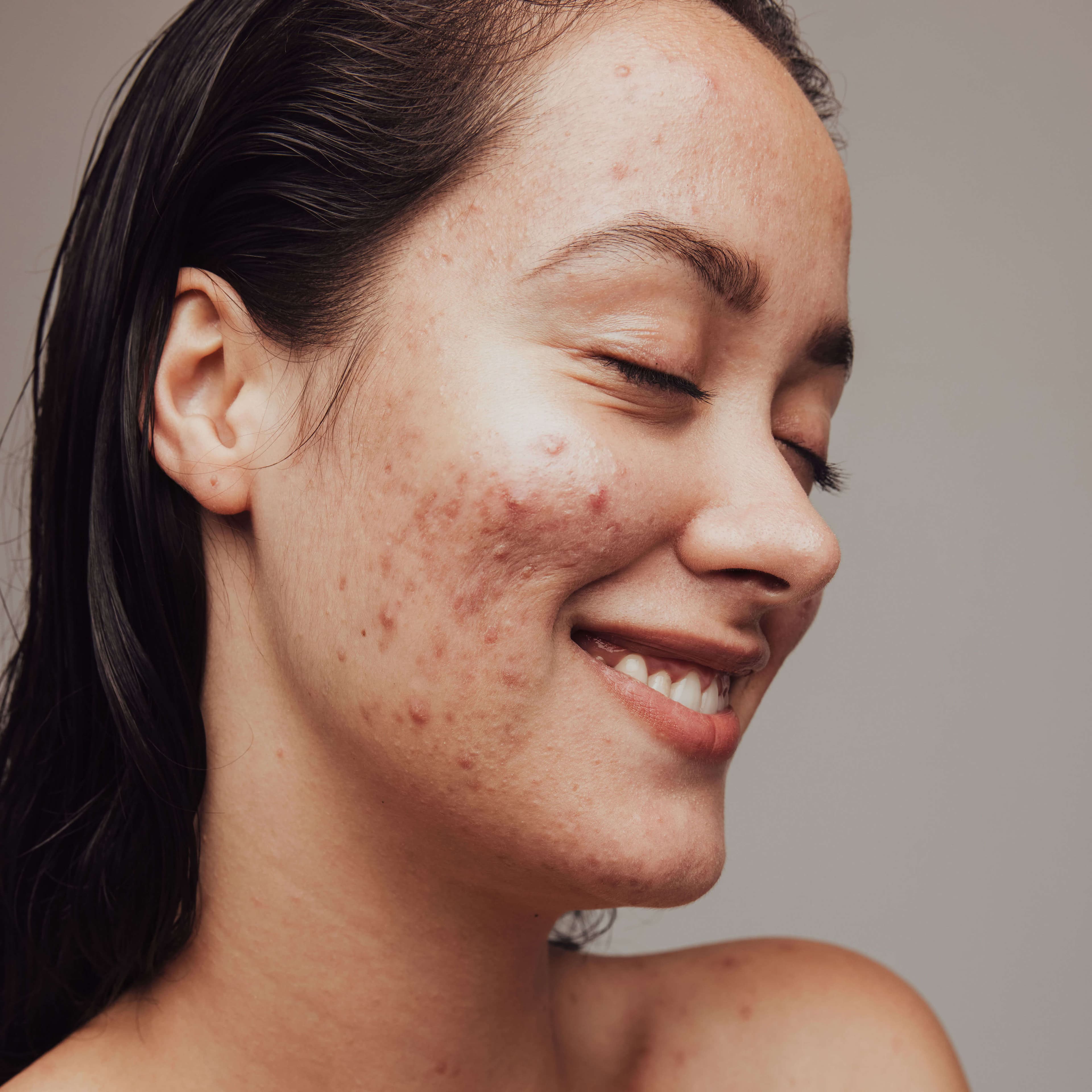
Acne and blemishes
A clear-headed guide to acne: what's actually happening in your skin, what the evidence says works, and a simple routine that doesn't make things worse.
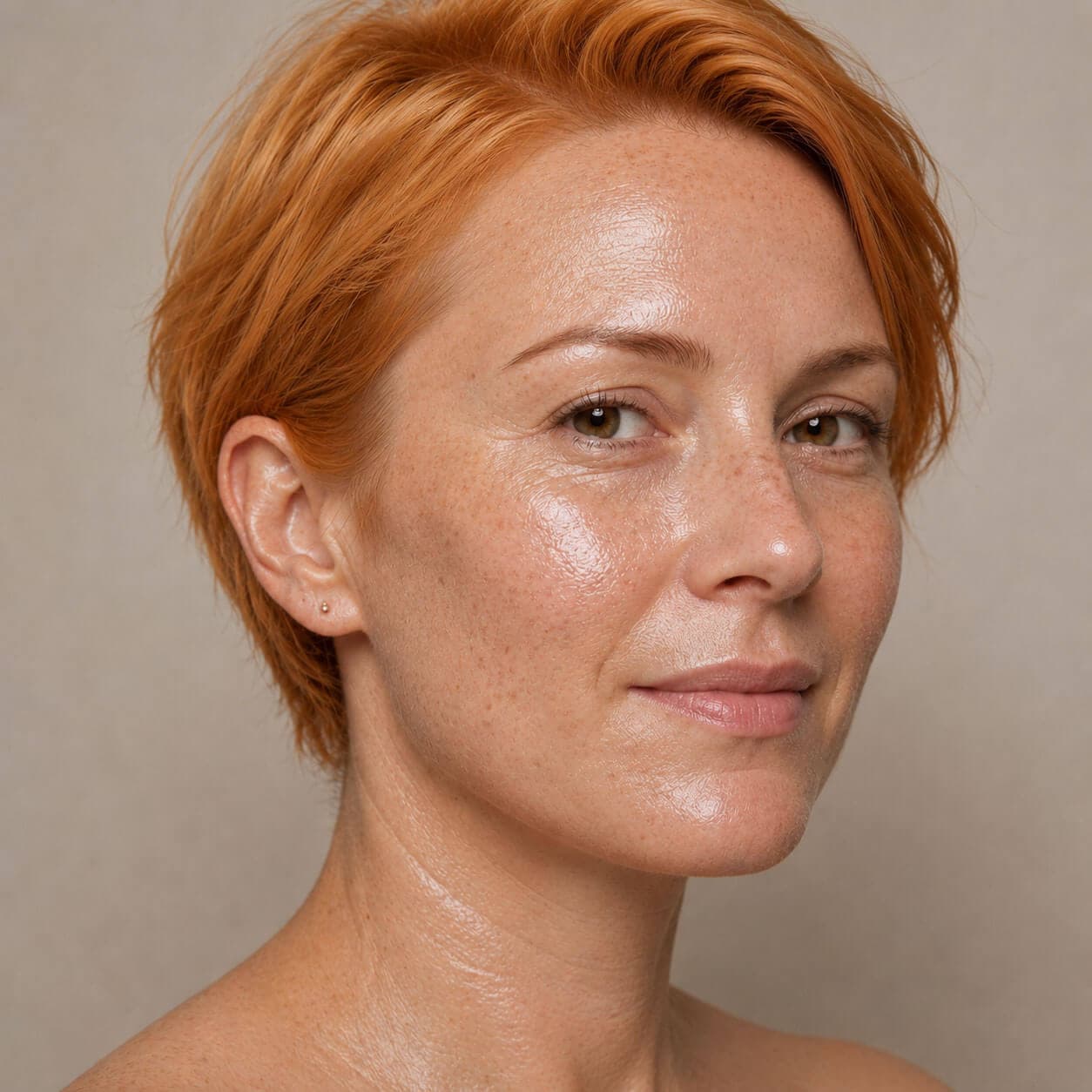
Oily skin
Oily skin isn't a problem to "fix". It's a feature with trade-offs. Here's what actually controls sebum, what doesn't, and the routine that works without stripping.

Blackheads
Blackheads are oxidised sebum, not dirt. Here's what they actually are, why pore strips and squeezing make them worse, and the routine that genuinely clears them.
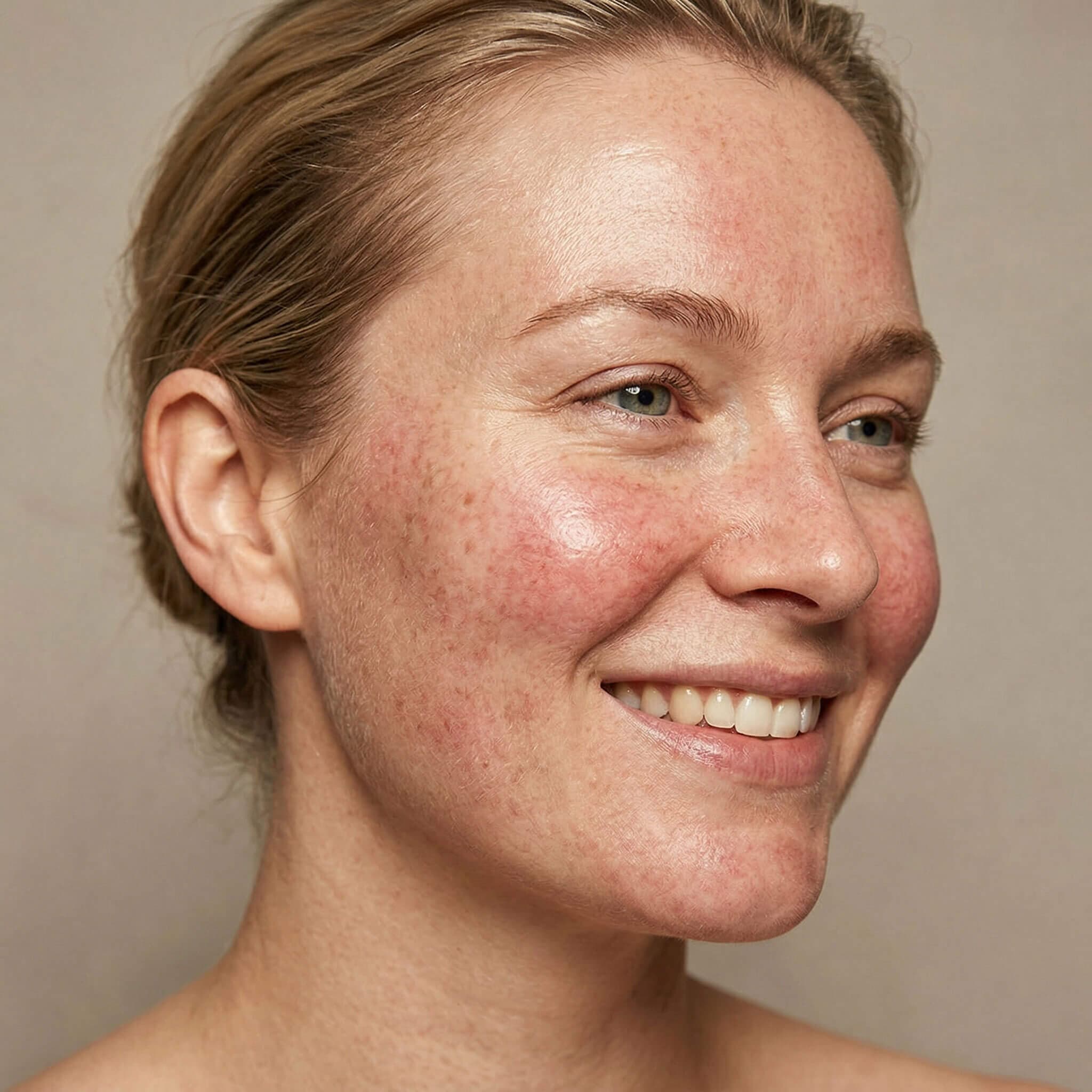
Rosacea and redness
Rosacea is a chronic inflammatory condition, not a temporary flush. Here's what causes it, what calms it, and the routine that doesn't make the reactivity worse.
Related ingredients
Citations
- Gupta AK, Nicol K. The use of sulfur in dermatology. J Drugs Dermatol. 2004;3(4):427–31. — PMID 15303787
- Chien A, et al. Topical azelaic acid, salicylic acid, nicotinamide, sulphur, zinc and fruit acid (alpha-hydroxy acid) for acne. Cochrane Database Syst Rev. 2020;(5):CD011368. — PMID 32356369
- Pochi PE, et al. Benzoyl peroxide and sulfur: foundation for acne management. Can Med Assoc J. 1966;95(1):28–9. — PMID 4223133