
Black masks for blackheads: helpful, harmless, or too aggressive?
Black peel-off masks look satisfying, but they mostly remove surface oil and debris. Here is when a charcoal mask is fine, when it irritates, and what clears blackheads better.
On this page
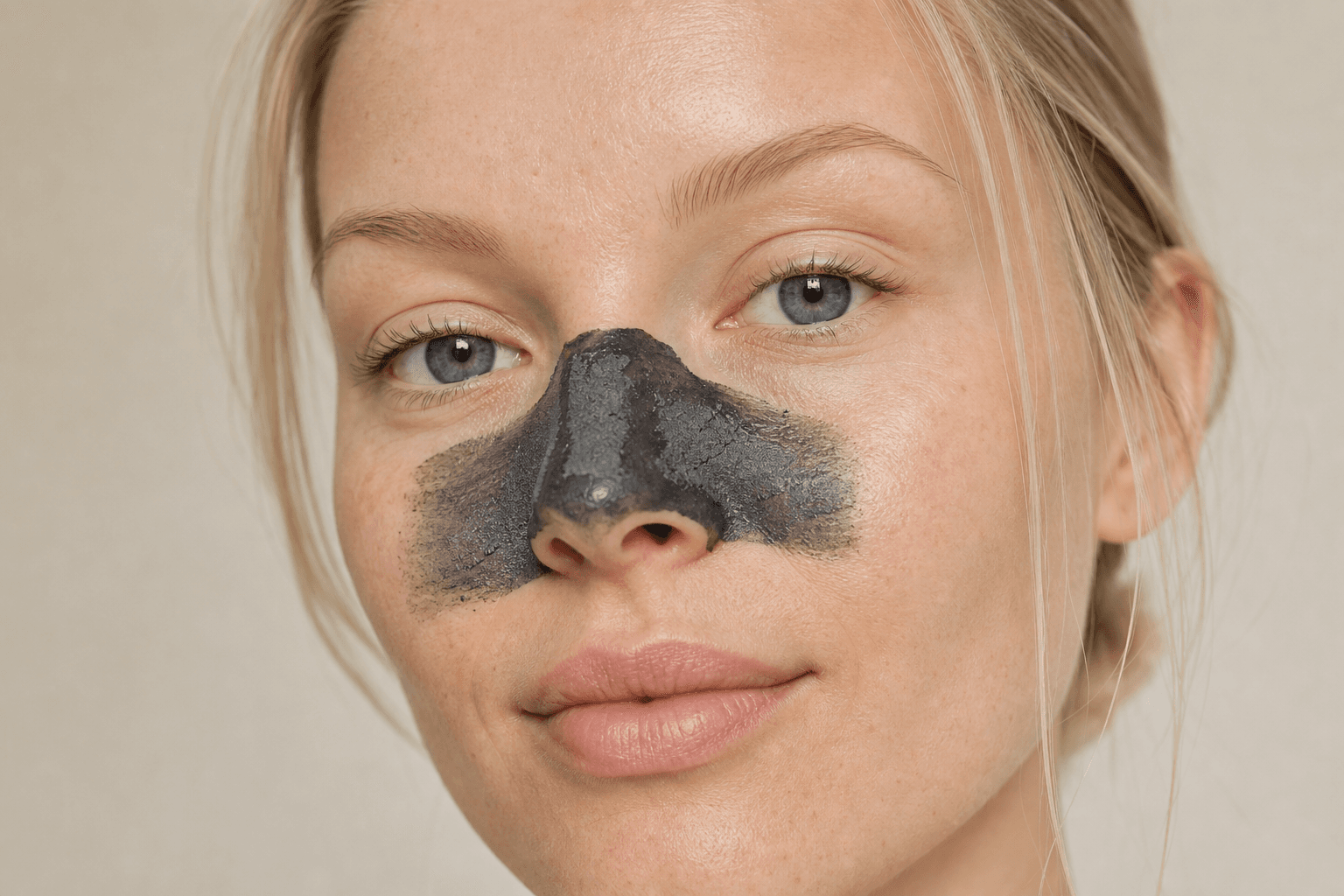
Black masks became famous because they look convincing.
You peel them off, inspect the little dots stuck to the strip, and for a moment it feels like justice has happened.
I understand the appeal. When I struggled with acne and clogged pores, I also wanted proof. I wanted to see something leave my skin. Preferably with dramatic evidence.
But skincare is annoying like that. The most satisfying thing is not always the most useful thing.
After helping more than 100,000 people with problem skin, I have seen many blackhead routines go wrong for the same reason: people treat blackheads like dirt stuck to the surface. Blackheads are deeper than that.
The short answer
Black masks can temporarily remove surface oil, loose dead skin, tiny hairs, and the top part of some pore plugs.
They do not detox the skin. They do not pull toxins out of pores. They do not reliably clear the deeper process behind blackheads.
A 2020 dermatology review[1] notes that charcoal is popular in cosmetic products, but clinical evidence does not support many claims around acne, exfoliation, or anti-ageing. Another review of cosmetic charcoal use[2] reaches a similar practical point: charcoal is widely marketed, but direct skin-condition evidence is limited.
So the calm answer is this:
Use a gentle charcoal mask if you enjoy it and your skin tolerates it. Be careful with strong peel-off masks. For real blackheads, use ingredients that work inside the follicle, especially salicylic acid.
Less theatre. Better biology.
If you are deciding between a mask, pore strip, squeezing, salicylic acid, or professional extraction, the blackheads removal decision guide is the safer next stop.
Why black masks feel so convincing
Black masks give visible feedback.
That matters psychologically. A cream disappears into the skin. A cleanser rinses away. A leave-on treatment asks you to believe in Week 8, which is not very exciting.
A peel-off mask gives you evidence in your hand.
The problem is that the evidence can be misleading.
What you see on the peeled mask may include:
- Sebum from the surface.
- Dead skin flakes.
- Tiny facial hairs.
- Sebaceous filament material.
- The top of a blackhead plug.
- Normal skin debris.
That does not mean the follicle is now treated. It often means the surface has been pulled.
Blackheads are not surface dirt
A blackhead is an open clogged follicle.
Inside that follicle, sebum and dead skin cells collect. The top stays open to air, and the surface oxidises, which makes it look dark. The full blackhead guide explains this in more detail.
This is why blackheads return after masks.
If the follicle keeps clogging, the dark dot comes back. You did not fail. The mask simply did not change the process.
Blackheads need steady follicle care, not one dramatic rip.
What charcoal can do
Charcoal can adsorb substances on its surface. In cosmetics, that usually means it can help bind some surface oil and debris.
That can make skin look temporarily less shiny.
For oily skin, that may feel nice. I have no problem with a mask that makes the skin feel fresh for an evening, as long as everyone understands the assignment.
Charcoal is not an acne treatment in the same way a proven acne active is. It is not replacing salicylic acid, benzoyl peroxide, retinoids, or prescription care when acne needs those tools.
Why peel-off masks can irritate
Peel-off masks rely on adhesion.
They stick to the skin, dry down, then pull away. That pulling can remove more than the thing you wanted gone.
It can also tug at:
- Fine hairs.
- The outer skin layer.
- Healing pimples.
- Dry flakes.
- Irritated patches.
- Sensitive blood-vessel-prone areas around the nose.
If your skin is acne-prone, rosacea-prone, dry, recently exfoliated, sunburned, or using retinoids, that tugging can be too much.
The face should not need recovery time from a mask.
If you peel it off and your skin feels hot, shiny, sore, or tight, that is not "deep cleansing." That is your barrier asking why everyone is shouting.
Wash-off masks are usually kinder
If you like the mask experience, choose a wash-off mask.
A gentle charcoal or clay mask can be used occasionally on oily areas if it does not leave your face tight.
Simple rules:
- Apply it only where you need oil control.
- Do not let it crack into a desert.
- Rinse gently.
- Moisturise afterward.
- Do not use acids, scrubs, retinoids, and a mask all in the same evening.
The goal is less shine, not punishment.
What works better for blackheads
For blackheads, the most useful over-the-counter starting point is often 2% salicylic acid.
Salicylic acid is oil-soluble, which makes it especially relevant for clogged, oily follicles. A 2012 review of over-the-counter acne treatments[3] discusses salicylic acid as a common acne-care ingredient, and a 2015 review[4] explains its keratolytic role in helping loosen skin-cell build-up.
In normal language: it helps the plug loosen from inside the pore more sensibly than pulling at the surface.
Use it calmly:
- Cleanse gently.
- Apply a leave-on salicylic acid product 2 to 4 nights per week.
- Moisturise.
- Use SPF every morning.
- Give it 6 to 8 weeks.
That routine will not give you a dramatic strip to inspect. It will give the follicle repeated help.
Repeated help is how blackheads improve.
When a black mask is fine
A black mask is fine if:
- Your skin is oily and not sensitive.
- It is a gentle wash-off formula.
- You use it occasionally.
- Your skin feels normal afterward.
- You do not treat it as your main blackhead treatment.
Skincare can include enjoyable rituals. I am not here to confiscate every mask from every bathroom.
I am here to stop one mask from becoming a weekly skin argument.
When to skip black masks
Skip them if your skin is:
- Dry or flaky.
- Stinging or compromised.
- Rosacea-prone.
- Actively inflamed with acne.
- Recently waxed, peeled, lasered, or microneedled.
- Using strong retinoids or exfoliating acids often.
- Easily marked by redness or pigmentation.
Also skip them if you cannot remove the mask without wincing. Pain is not proof that skincare is working.
Sometimes pain is proof that you bought glue for your nose.
The simple routine I prefer
For blackheads, keep it boring enough to repeat.
Morning
Cleanse gently, moisturise or use a lightweight SPF moisturiser, and do not scrub the nose.
Evening
Cleanse, apply a 2% salicylic acid leave-on to blackhead-prone areas a few nights per week, then moisturise.
Occasionally
Use a gentle wash-off mask if you like the feeling and your skin stays comfortable.
That is it.
No peel-off ritual. No pore strip schedule. No bathroom investigation under lighting that makes every pore look criminal.
The bottom line
Black masks are satisfying. They are not magic.
They can remove surface oil and debris. Strong peel-off versions can irritate the skin. For blackheads, salicylic acid and consistency usually beat the dramatic peel.
If you love a mask and your skin loves it back, use it occasionally.
If your skin feels worse afterward, believe your skin.
People also ask
Do black masks remove blackheads?
They may remove surface oil, loose debris, and the top of some plugs, so the skin can look clearer briefly. They do not treat the deeper clogged-follicle process that creates blackheads.
Are charcoal peel-off masks bad for skin?
They are not automatically bad, but strong peel-off masks can irritate, strip, and pull at sensitive or acne-prone skin. If your skin feels sore or tight afterward, it is too aggressive.
What works better than black masks for blackheads?
For many people, a leave-on 2% salicylic acid product used consistently works better because salicylic acid can get into oily clogged follicles.
How often should I use a black mask?
If your skin tolerates it, use one occasionally rather than as a daily routine. Once weekly or less is plenty for most people, and you should stop if irritation appears.
A better blackhead routine than peel-off masks
Black masks can feel satisfying, but blackheads usually need repeated follicle care, not one dramatic peel. I developed the Danish Skin Care Kit to keep that routine simple: cleanse gently, use salicylic acid consistently, support the skin barrier, and protect the skin during the day.

The calmer alternative to chasing blackheads with masks: gentle cleanser, leave-on salicylic acid, moisturiser, and SPF in one simple routine.
Full transparency: Danish Skin Care is my own company — I formulated these products and earn from every sale. That's exactly why I only recommend them where they genuinely fit the guide you just read.
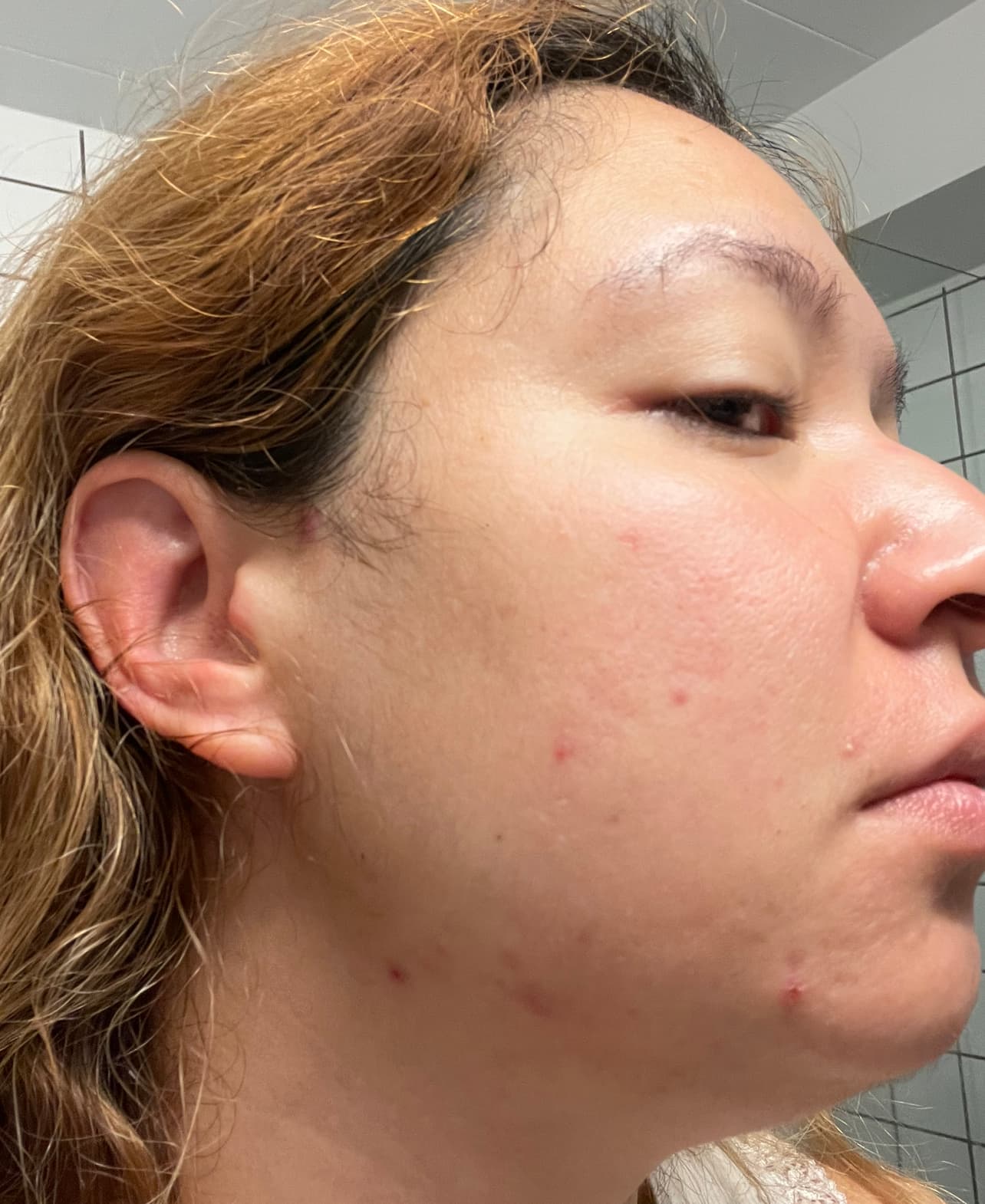
Real results from simple routines
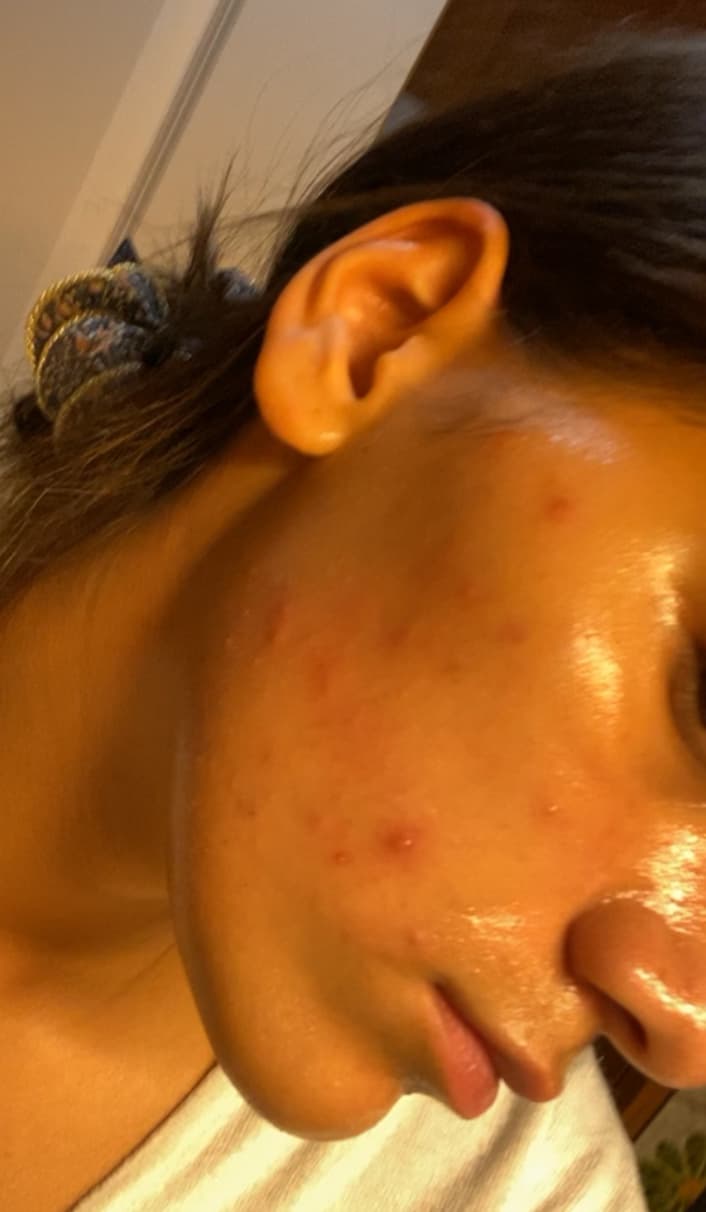
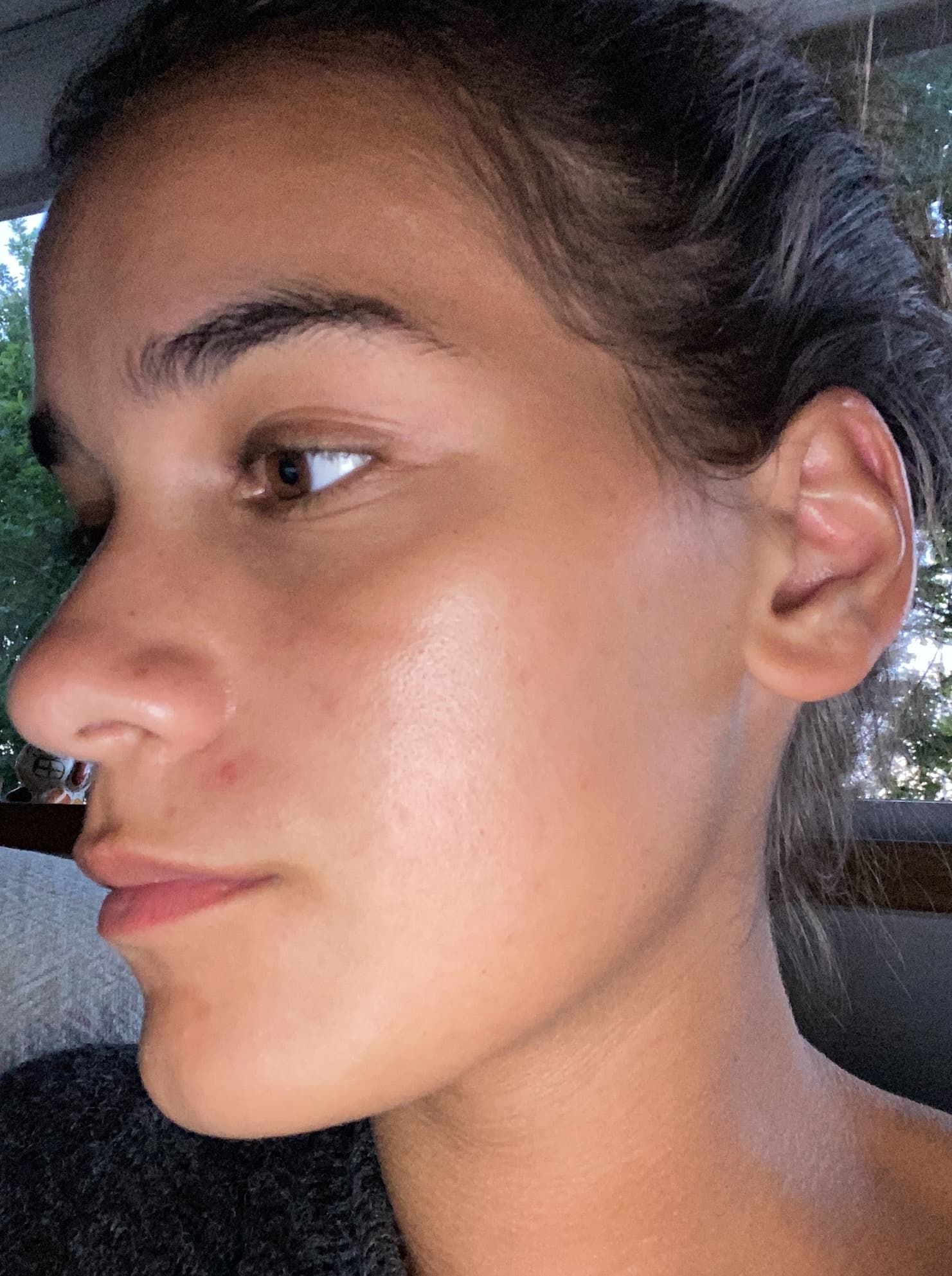
A few real before-and-after cases from people using Danish Skin Care for skin concerns related to this guide. No filters, no miracle promise. Consistent skincare over time.
 Before
 After
After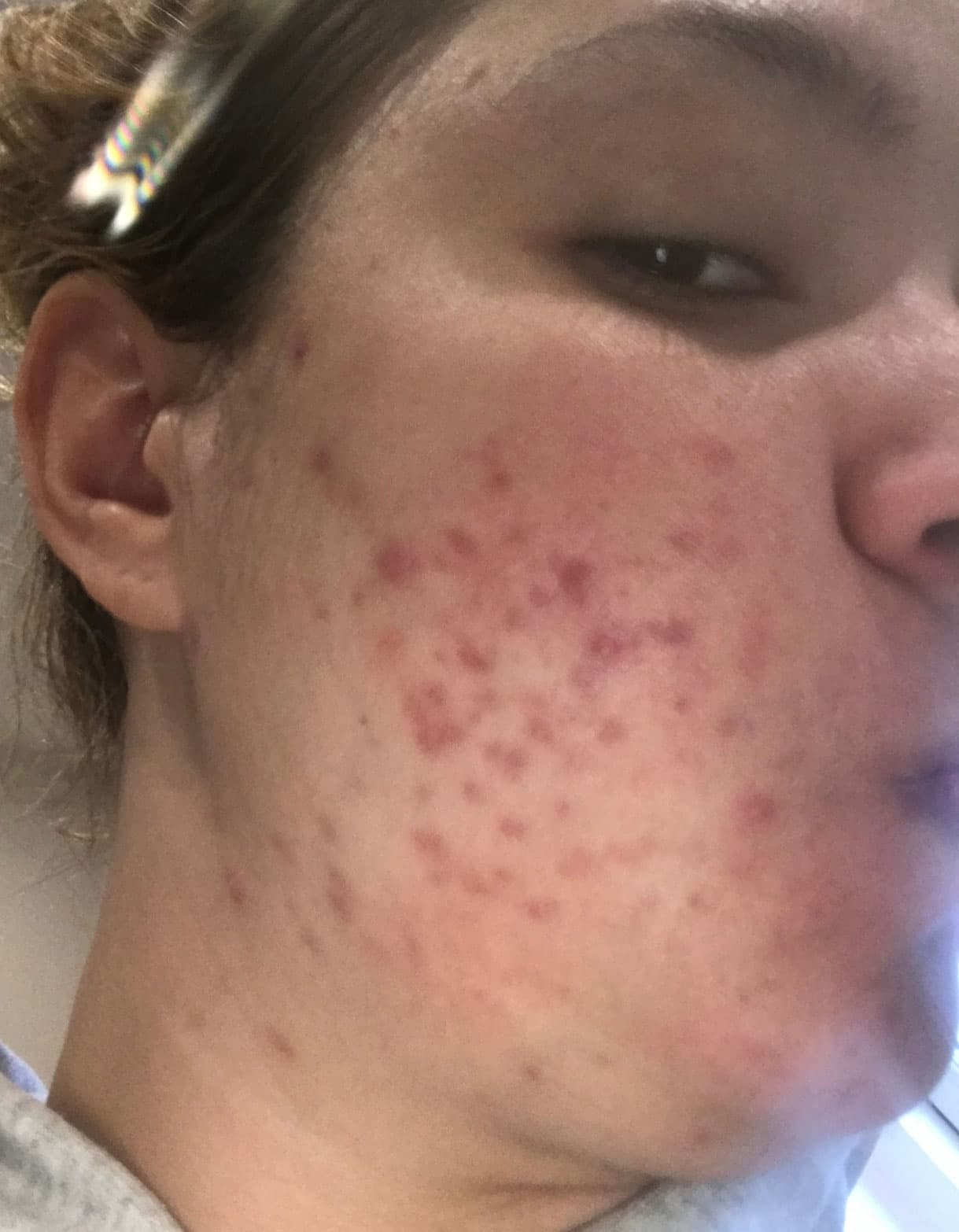 Before
 After
After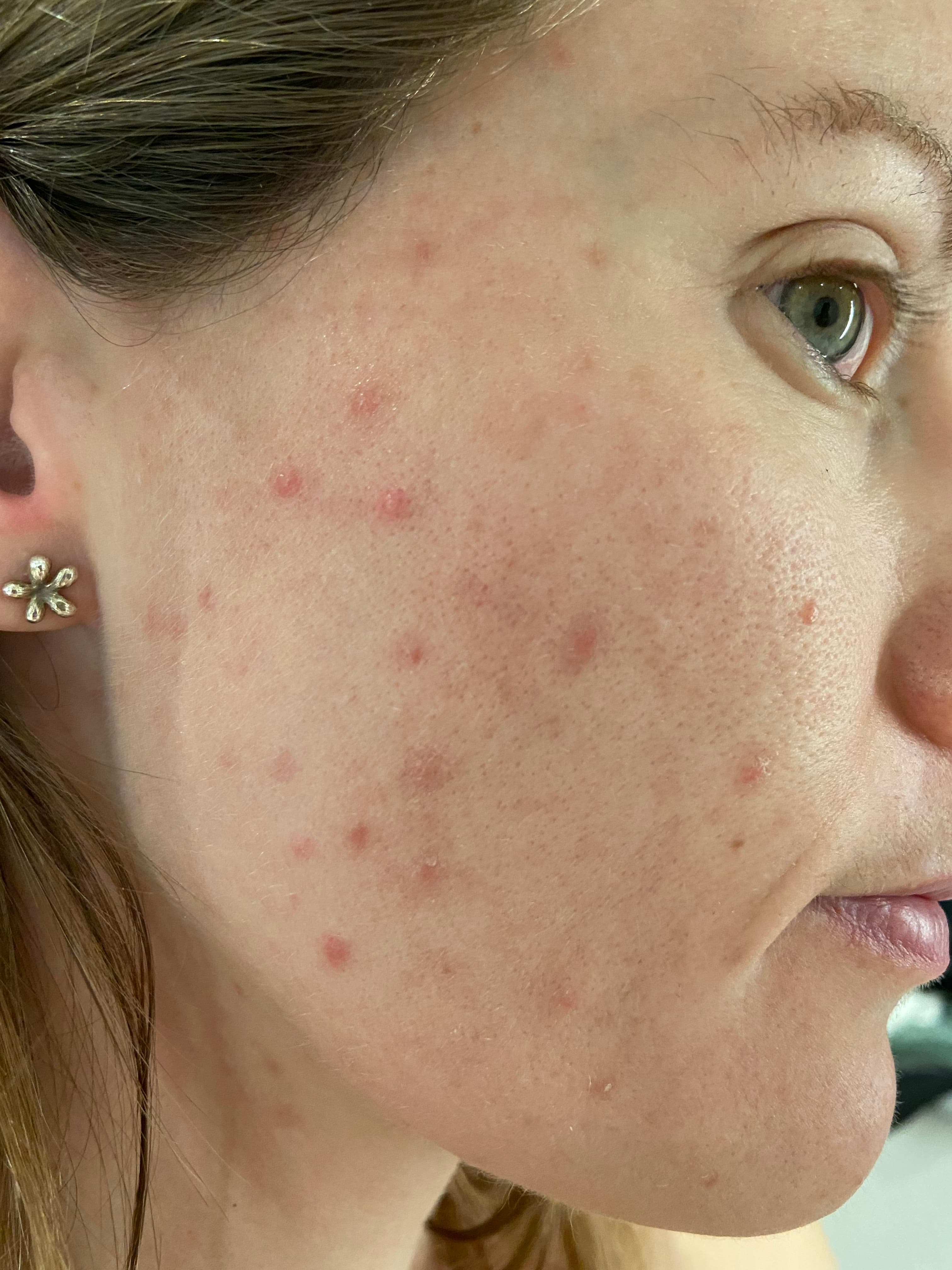 Before
 After
AfterKeep reading
- Ingredient · salicylic acid
- Ingredient · niacinamide
- Ingredient · sulfur
- Ingredient · sodium hyaluronate
- Condition · blackheads
- Condition · acne and blemishes
- Condition · oily skin
- Condition · sensitive skin
- Read · blackheads removal
- Read · what are blackheads
- Read · how to get rid of oily skin
- Read · how to get rid of pimples
- Read · how to get rid of forehead acne
- Read · types of acne
Citations
- Sanchez N, Fayne R, Burroway B. Charcoal: An ancient material with a new face. Clin Dermatol. 2020;38(2):262-264.PMID 32513407
- Sajjad M, Sarwar R, Ali T, Khan L, Mahmood SU. Cosmetic uses of activated charcoal. Int J Community Med Public Health. 2021;8(9):4572-4574.DOI 10.18203/2394-6040.ijcmph20213569
- Decker A, Graber EM. Over-the-counter Acne Treatments: A Review. J Clin Aesthet Dermatol. 2012;5(5):32-40.PMID 22808307
- Arif T. Salicylic acid as a peeling agent: a comprehensive review. Clin Cosmet Investig Dermatol. 2015;8:455-461.PMID 26347269