
How to get rid of blackheads on your nose
Nose blackheads need gentle cleansing, salicylic acid, moisturiser, SPF, and patience - plus knowing when they are sebaceous filaments instead.
On this page
Blackheads on the nose are dangerously easy to over-treat.
When I had acne and clogged pores, the nose felt like the place where I could "do something" quickly. Squeeze one dot. Try one strip. Inspect under one terrible bathroom light. Suddenly the nose is red, shiny, and somehow still has dots.
After helping more than 100,000 people with problem skin, I would start with a less dramatic question: are they true blackheads, or are you fighting normal sebaceous filaments?
The short answer
To get rid of blackheads on your nose:
- Confirm the dots are blackheads, not sebaceous filaments.
- Stop squeezing and scrubbing.
- Use 2% salicylic acid 2 to 4 nights per week.
- Cleanse gently.
- Moisturise so the barrier stays calm.
- Wear SPF.
- Consider professional extraction for stubborn plugs.
Blackheads are open comedones. A 2012 acne study[1] describes acne as a disorder of the pilosebaceous unit - the hair follicle and oil gland - involving oil, abnormal cell shedding, bacteria, and inflammation. A blackhead is a clogged follicle with an open surface.
Blackheads vs sebaceous filaments
This distinction saves a lot of nose suffering.
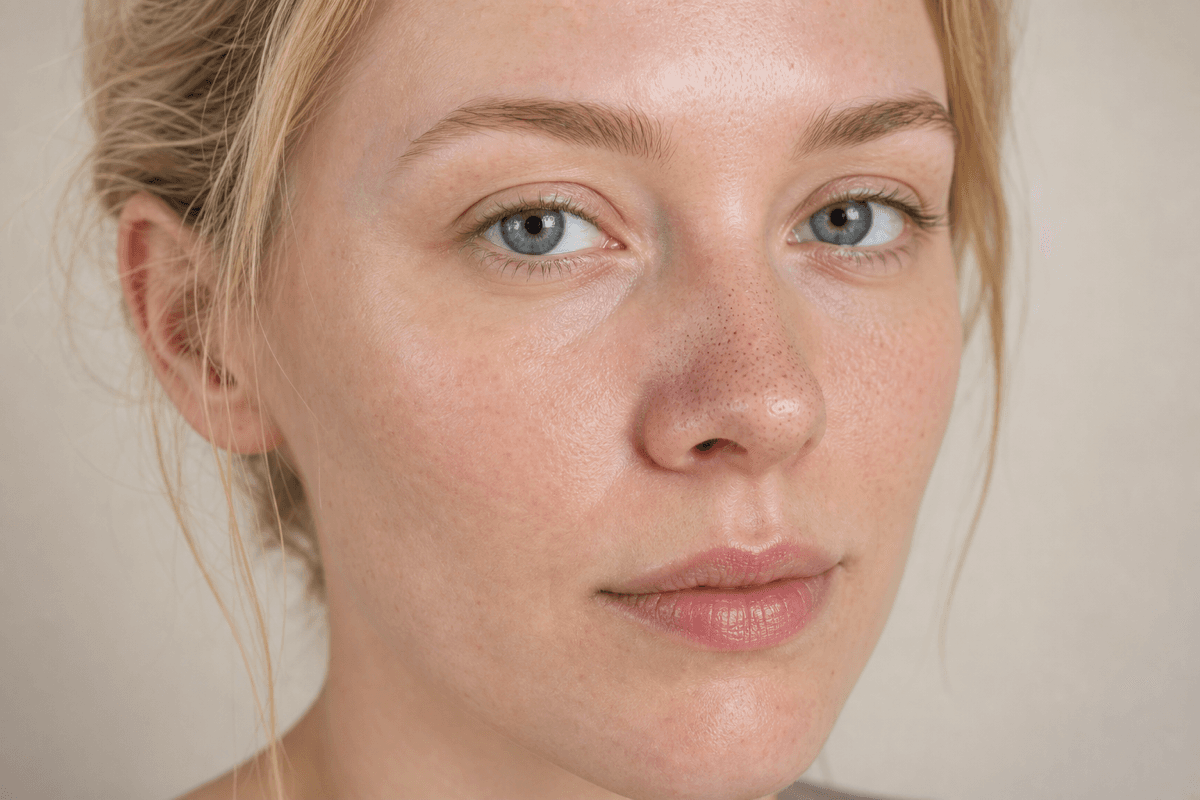
Blackheads usually look like darker, more defined plugs. They may appear with other clogged pores or acne.
Sebaceous filaments are normal oil-flow structures inside pores. They often look like tiny grey, tan, or yellow dots spread evenly across the nose. They refill quickly after squeezing because they are not a plug you can permanently remove.
Sebum is part of normal skin biology. A 2009 study[4] explains that sebaceous gland lipids contribute to the skin surface environment. In plain language: your nose has oil plumbing. You can manage how visible it looks, but you cannot evict it.
Why salicylic acid is the best first step
Salicylic acid is oil-soluble, so it can work in the oily follicle environment where nose blackheads form. A salicylic acid review[2] explains that this lipophilic quality is part of why salicylic acid is useful for acne and comedones.
A clinical study[3] found salicylic acid pads improved acne lesions, including comedonal lesions. That does not promise a perfectly clear nose by Friday. It supports salicylic acid as a reasonable, evidence-backed starting point.
Use it like this:
- start 2 nights per week
- apply a thin layer to the nose and clogged areas
- moisturise after
- increase slowly if skin stays calm
- stop if your nose becomes raw or flaky
Why squeezing backfires
Squeezing feels logical because the dot is visible. The follicle does not care how logical it feels.
Too much pressure can irritate the pore wall, create redness, and leave marks. If you have medium or deep skin tone, one squeezed blackhead can become a brown mark that lasts much longer than the original plug.
The goal is to loosen the clog, not win a wrestling match.
What about pore strips?
Pore strips can remove surface oil, tiny hairs, sebaceous filament material, or the top of a blackhead. That is why the strip looks satisfying.
But they do not treat the deeper clogging process. Repeated stripping can also irritate sensitive skin. If you love them, keep them rare. If your nose gets red after, your skin has already voted.
The routine
Morning
Cleanse gently if oily. Apply lightweight moisturiser if needed. Use SPF.
Evening
Cleanse. Apply salicylic acid 2 to 4 nights per week. Moisturise. On off nights, cleanse and moisturise only.
If you use retinol, alternate it with salicylic acid rather than stacking both on the nose. The nose may look tough. It is still skin.
When to get professional help
Consider professional extraction if blackheads are large, stubborn, inflamed, or leaving marks. See a clinician for any spot that changes, bleeds, grows, looks irregular, or does not behave like your normal pores.
Skincare advice should never train you to ignore an unusual changing spot because you want it to be a blackhead.
For most nose blackheads, the calm plan wins: salicylic acid, gentle cleansing, moisturiser, SPF, and fewer emergency meetings with the mirror.
People also ask
What is the best way to get rid of nose blackheads?
Use gentle cleansing, 2% salicylic acid a few nights weekly, moisturiser, and SPF. Avoid squeezing and harsh scrubs. Stubborn blackheads are safer with professional extraction.
Are the dots on my nose blackheads or sebaceous filaments?
True blackheads are darker, more defined plugs. Sebaceous filaments are tiny grey or yellow dots that appear evenly across the nose and return quickly because they are normal oil-flow structures.
Do pore strips remove nose blackheads?
They can pull surface debris or the top of a plug, but they do not prevent refilling and can irritate the skin if used often.
How long does salicylic acid take for nose blackheads?
Give it 6 to 8 weeks of consistent use. Some plugs soften earlier, but lasting improvement needs repeated gentle care.
The nose-blackhead routine I would test first
Blackheads on the nose make people impatient because they are so visible. The Danish Skin Care Kit keeps the plan calmer: cleanse, use salicylic acid, moisturise, protect, and stop attacking every dot with fingernails.

A simple nose-blackhead routine: cleanser, 2% salicylic acid treatment, moisturiser, and daily SPF.
Full transparency: Danish Skin Care is my own company — I formulated these products and earn from every sale. That's exactly why I only recommend them where they genuinely fit the guide you just read.
Real results from simple routines
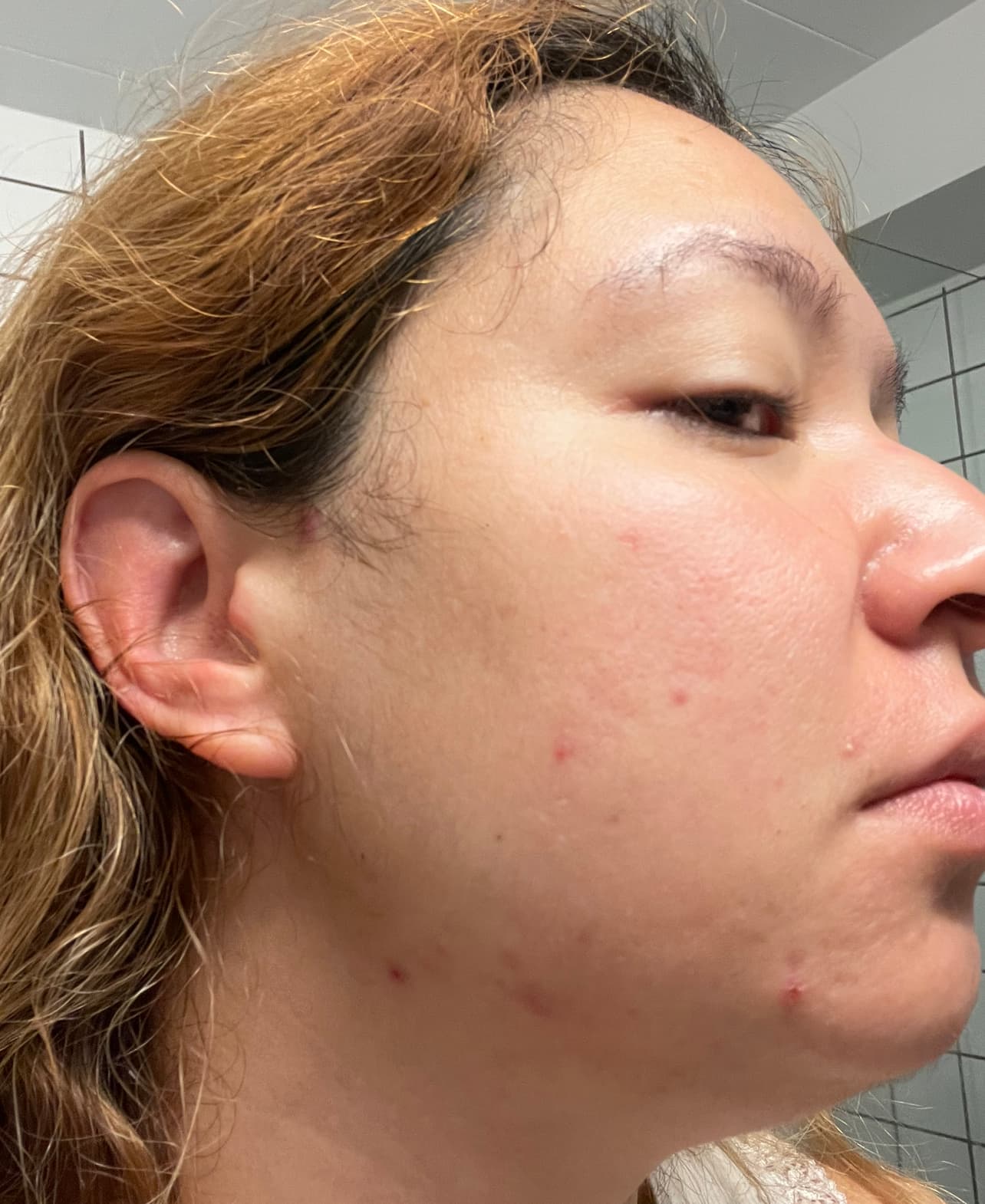
A few real before-and-after cases from people using Danish Skin Care for skin concerns related to this guide. No filters, no miracle promise. Consistent skincare over time.
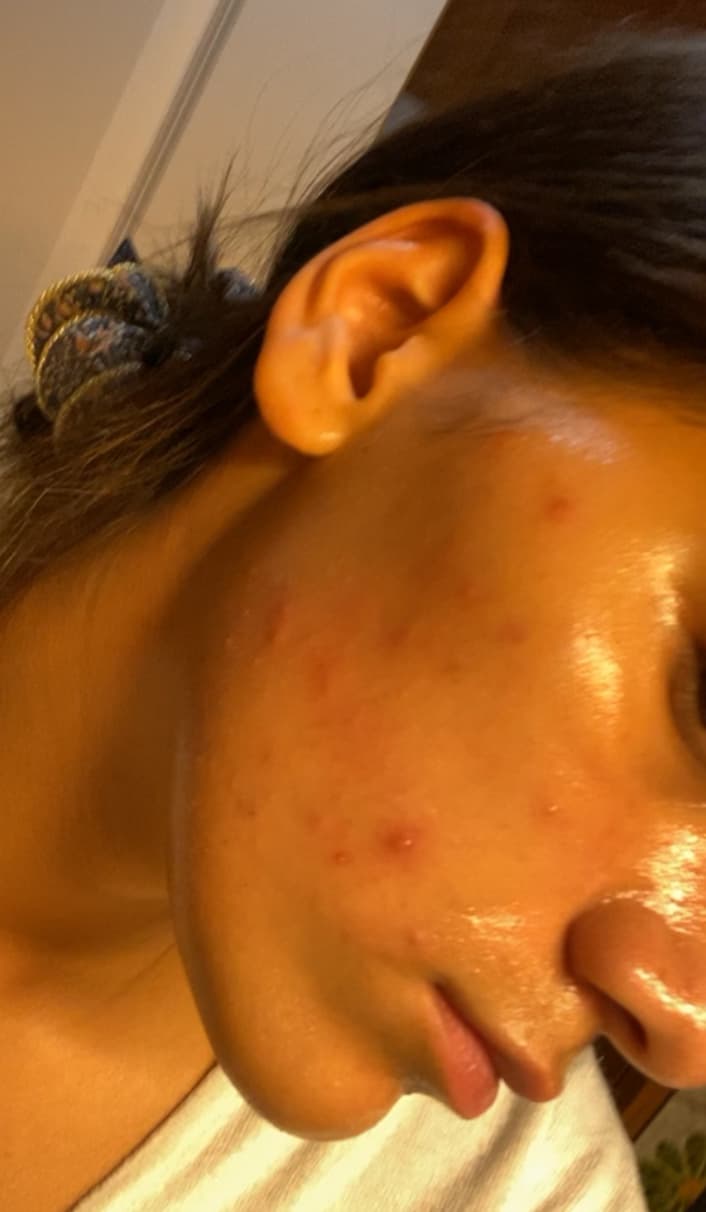 Before
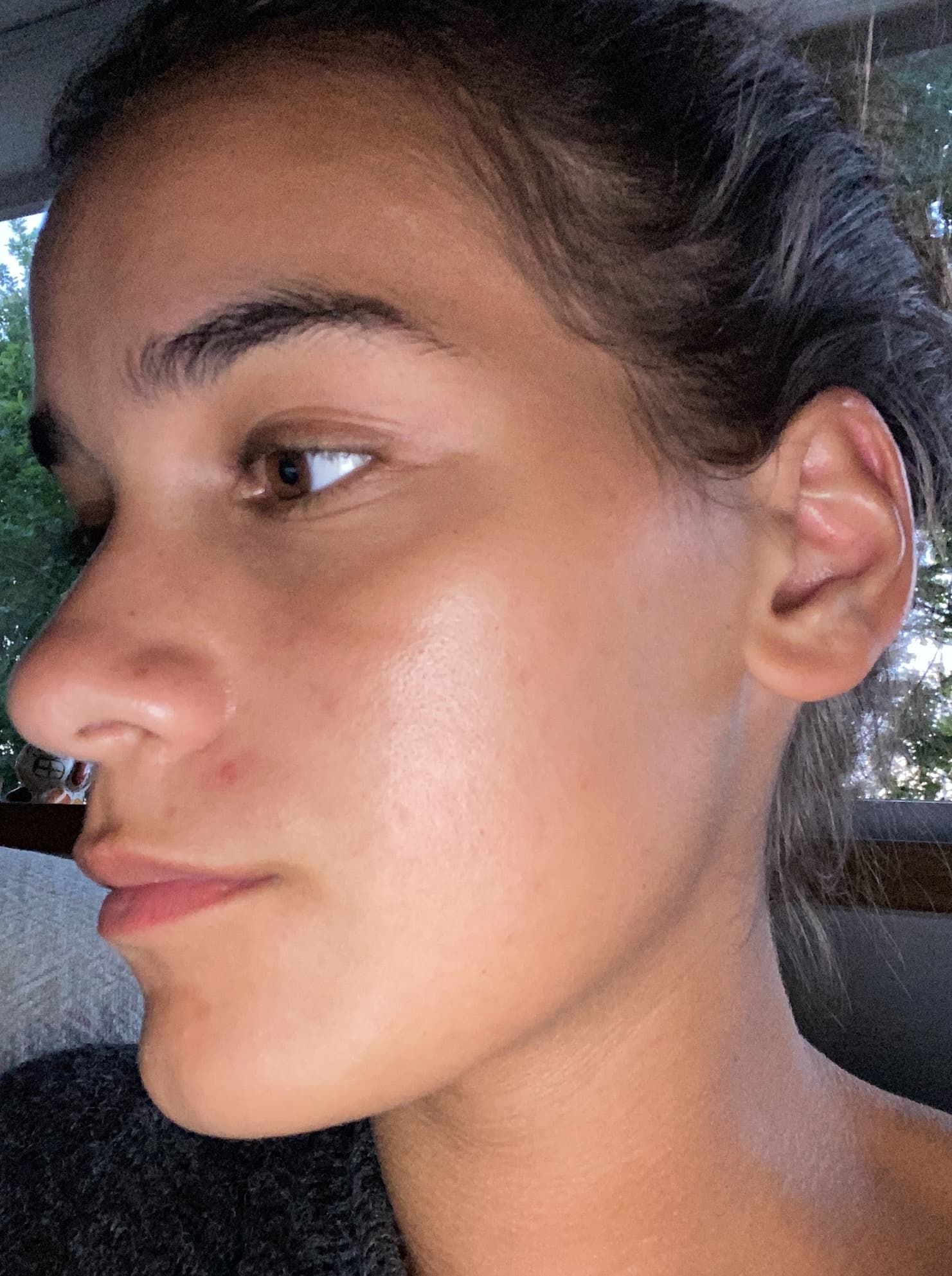 After
After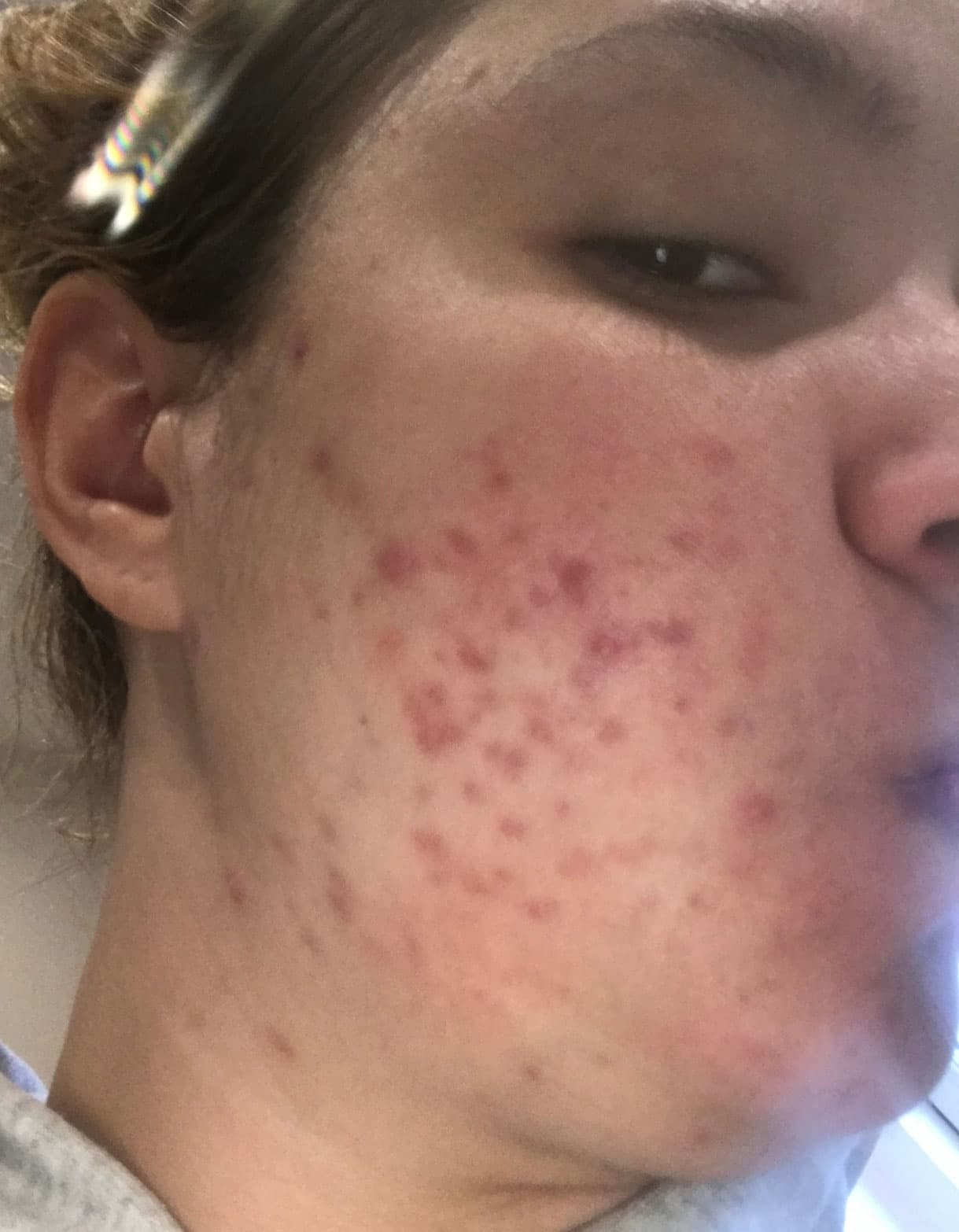 Before
 After
After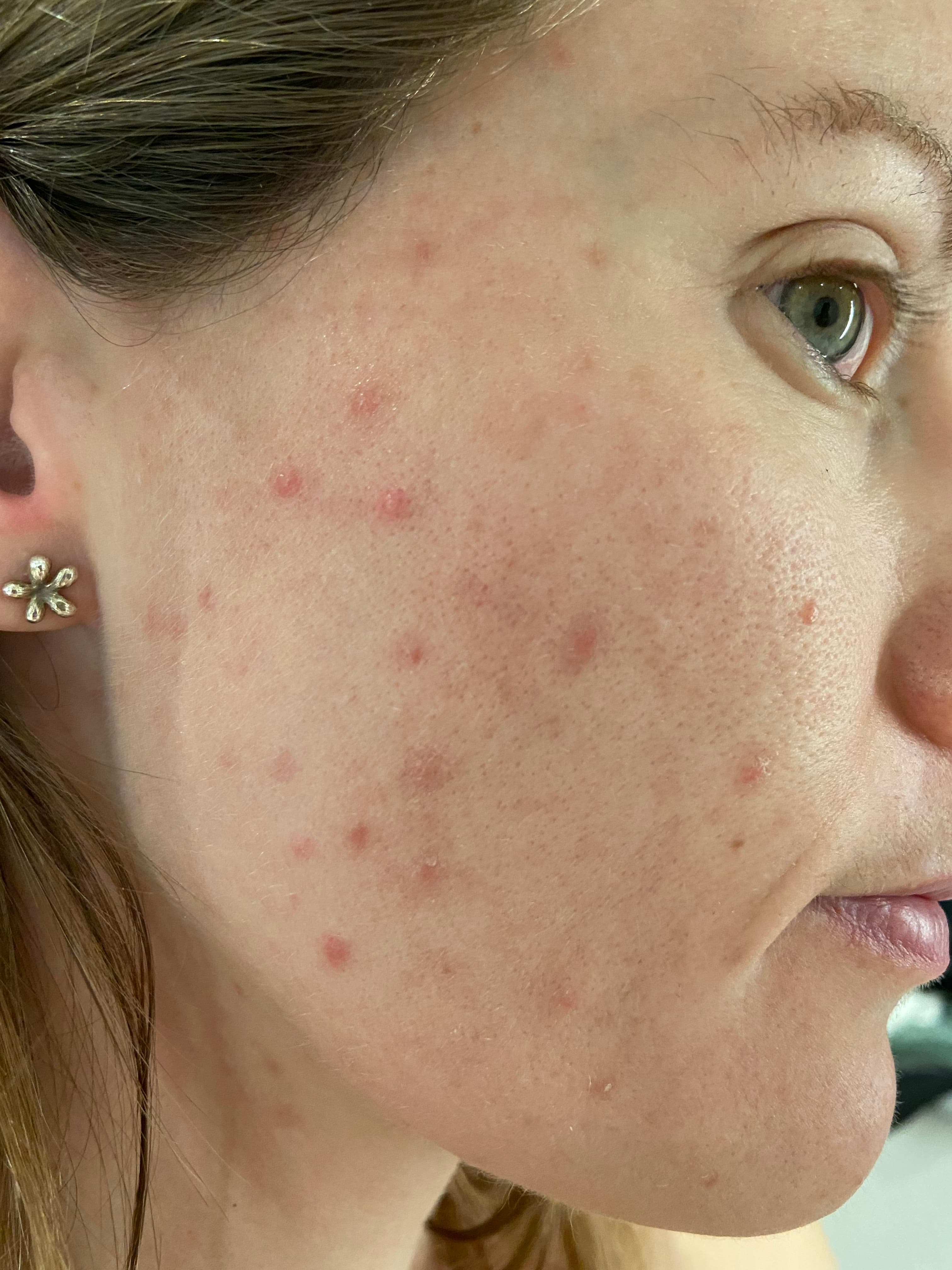 Before
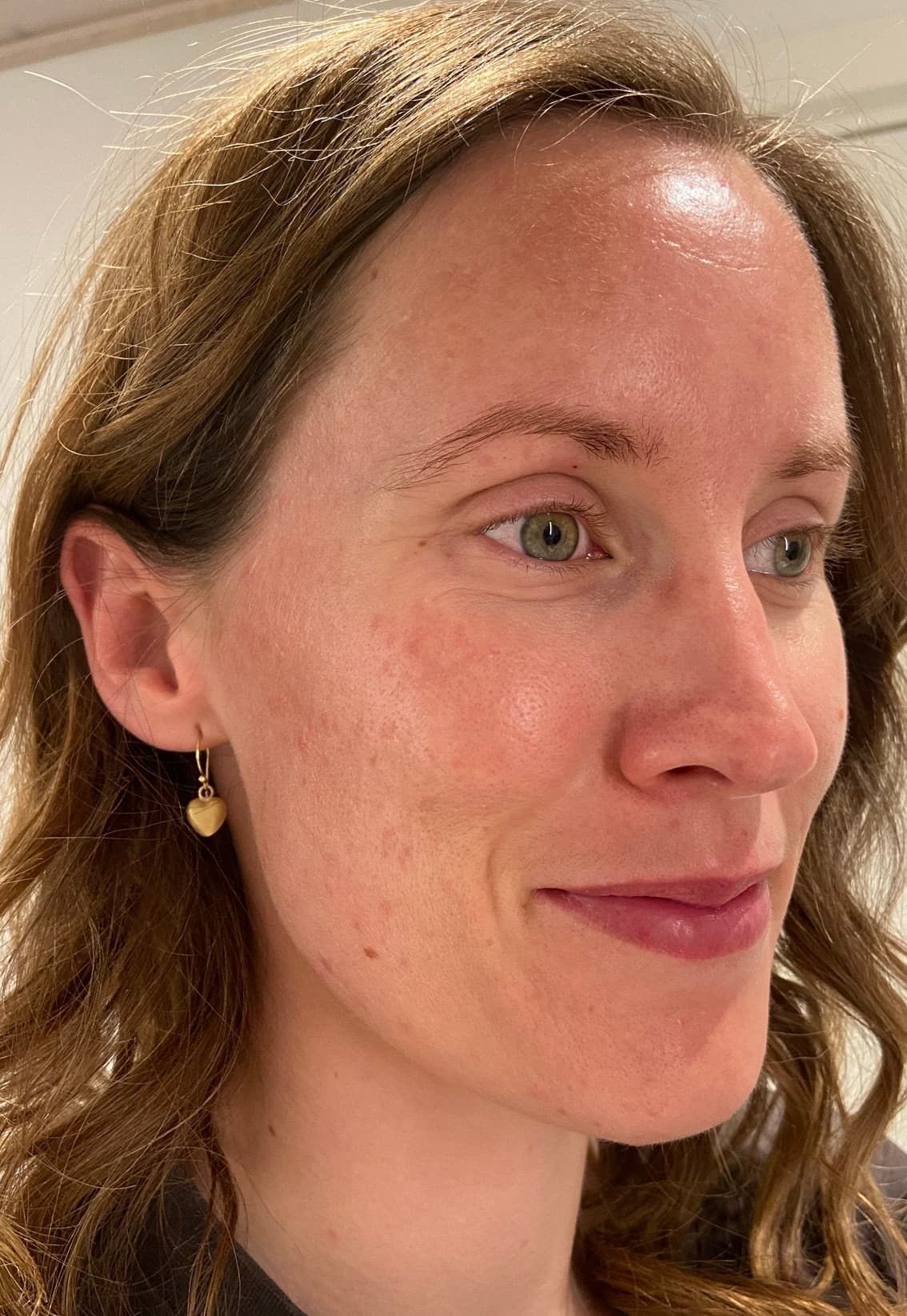 After
AfterKeep reading
- Ingredient · salicylic acid
- Ingredient · niacinamide
- Ingredient · retinol
- Ingredient · sulfur
- Ingredient · glycerin
- Condition · blackheads
- Condition · oily skin
- Condition · acne and blemishes
- Condition · combination skin
- Read · blackheads removal
- Read · what are blackheads
- Read · black masks
- Read · best skincare routine for clogged pores
- Read · how to get rid of oily skin
Citations
- Williams HC, Dellavalle RP, Garner S. Acne vulgaris. Lancet. 2012;379(9813):361-372.PMID 21880356
- Arif T. Salicylic acid as a peeling agent: a comprehensive review. Clin Cosmet Investig Dermatol. 2015;8:455-461.PMID 26347269
- Zander E, Weisman S. Treatment of acne vulgaris with salicylic acid pads. Clin Ther. 1992;14(2):247-253.PMID 1535349
- Picardo M, Ottaviani M, Camera E, Mastrofrancesco A. Sebaceous gland lipids. Dermatoendocrinol. 2009;1(2):68-71.PMID 20224686