
How to get rid of forehead acne without attacking your whole face
Forehead acne is often clogged follicles, oil, sweat, hair products, friction, or irritation. Here is the calm routine that clears it without stripping your skin.

On this page
Forehead acne has a special talent for making your whole face feel chaotic.
It sits right there in the middle of everything. You raise your eyebrows, and there it is. You style your hair, and there it is. You catch yourself in bathroom lighting that should frankly be illegal, and suddenly three tiny bumps have become a full research project.
When I struggled with acne, the forehead was one of the areas where I made the classic mistake: I treated the skin like it needed discipline. More washing. More drying. More checking. More touching. Very little patience. Excellent enthusiasm, terrible strategy.
Forehead acne is one of those patterns where the small habits often matter as much as the skincare product. I have seen that many times after helping more than 100,000 people with problem skin. Hair products. Sweat. Hats. Helmets. Fringes. Heavy sunscreen. Over-cleansing because the forehead feels oily.
The better plan is less dramatic than that, and usually more useful.
The short answer
To get rid of forehead acne, treat the acne process and remove the obvious forehead triggers.
Most forehead acne is still acne: oil, sticky dead skin cells, a clogged follicle, Cutibacterium acnes, and inflammation. A 2012 acne study[1] describes acne as a disorder of the pilosebaceous unit, which is the tiny hair follicle plus oil gland. In normal language: the problem begins inside the pore, not because your forehead is dirty.
The starting routine is simple:
- Cleanse gently once or twice daily.
- Keep heavy hair products off the forehead and hairline.
- Use salicylic acid 2 to 4 nights per week if your skin tolerates it.
- Support the barrier with moisturiser and niacinamide.
- Wear SPF, especially if forehead pimples leave marks.
- Wash hats, helmets, pillowcases, and anything that repeatedly touches the area.
- See a dermatologist if the acne is deep, painful, scarring, very itchy, or not improving.
That is not as dramatic as a 12-step "forehead reset". Good. Your skin does not need a personality overhaul. It needs fewer clogs, less irritation, and enough repetition to respond.
Why forehead acne happens
The forehead is part of the T-zone, so it often produces more oil than the cheeks. More oil does not mean bad skin. Sebum is normal and useful. But when oil mixes with sticky dead skin cells inside a follicle, the exit narrows and a clog can form.
That clog can show up as:
- Tiny skin-coloured bumps.
- Closed comedones.
- Whiteheads.
- Blackheads.
- Red pimples.
- Pustules.
- Sometimes deeper tender bumps.
The forehead also has a few very ordinary real-life triggers:
- Hair products that migrate onto the skin.
- Conditioner residue near the hairline.
- Sweat drying under a hat, helmet, headband, or fringe.
- Repeated rubbing from sports gear or workwear.
- Heavy sunscreen or makeup that is not removed properly.
- Over-cleansing because the area feels shiny.
None of this means you are unhygienic. It means the forehead is a busy place: oil glands, hairline, sweat, styling products, sun protection, facial expressions, and hands that keep "just checking" the bumps.
If the bumps sit lower in the glabella, the guide to pimples between the eyebrows gives that smaller zone its own routine check.
Very efficient little troublemaker.
Is it forehead acne or something else?
Before treating every bump as acne, check the pattern.
Forehead acne usually includes a mix of clogged pores, whiteheads, blackheads, red pimples, and bumps at different stages.
Hair-product breakouts often cluster along the hairline, temples, or upper forehead. They may look like lots of small closed bumps. A 2021 study[3] found that switching to a non-comedogenic hair-care regimen improved mild to moderate facial and truncal acne over 8 weeks, which fits the practical point: hair products can matter when residue reaches acne-prone skin.
Acne mechanica appears where friction, pressure, heat, and sweat repeatedly meet the skin. A classic 1975 study[2] described acne mechanica from repeated mechanical stress. On the forehead, think helmets, caps, headbands, and anything that presses in the same place.
Fungal folliculitis can mimic acne but often looks like many similar small bumps and may itch more than typical acne. If your forehead bumps are very uniform, itchy, and getting worse with normal acne care, pause and get the diagnosis checked.
Treating the wrong condition more aggressively is how a small forehead problem becomes a group project.
The forehead acne routine that makes sense
The goal is not to make your forehead squeaky clean.
Squeaky is for windows.
Morning
Cleanse gently if your skin is oily, sweaty, or covered in product residue. If your skin is dry or sensitive in the morning, a water rinse may be enough. The rule is comfort, not punishment.
Then use lightweight barrier support. Niacinamide is useful in acne-prone routines because it is generally well tolerated, supports the barrier, and may help with oiliness. A 2006 controlled study[5] found that 2% niacinamide reduced facial sebum measures over several weeks.
Finish with SPF. Forehead pimples often leave red or brown marks, and UV exposure can make pigmentation more stubborn. Choose a sunscreen texture you will actually wear and remove properly at night.
The perfect SPF that you hate using is mostly shelf decoration.
Evening
Cleanse gently. If you use hair products, sunscreen, or makeup around the forehead, take removal seriously, but do not turn cleansing into sanding.
Use a 2% leave-on salicylic acid product on the forehead 2 nights per week to start. If your skin stays calm, build to 3 or 4 nights per week over several weeks.
Salicylic acid is useful here because it is oil-soluble, so it can work inside sebum-heavy clogged follicles. A 1992 clinical study[4] found salicylic acid pads improved acne lesions, and guideline literature continues to include salicylic acid as a useful over-the-counter option for mild acne.
On the other nights, cleanse and moisturise only. If you already use retinol, alternate it with salicylic acid instead of stacking both in the same routine.
More actives at once is not faster. It is irritation wearing a lab coat.
Fix the hairline problem
This is the part many people miss.
If your forehead acne sits mostly along the hairline or temples, audit what touches that area:
- Hair oil.
- Pomade.
- Wax.
- Leave-in conditioner.
- Heavy styling cream.
- Dry shampoo.
- Conditioner that rinses down over the forehead.
- A fringe that carries product onto the skin.
You do not need to demonise every hair product. Please do not start a household investigation with the tone of a detective drama. Test the obvious.
If the bumps sit mainly where styling products, conditioner, oils, or dry shampoo touch the skin, the guide to hair-product breakouts walks through that test in more detail.
For 4 to 8 weeks:
- Keep styling products away from the hairline.
- Rinse conditioner thoroughly.
- Wash your face after applying oily hair products.
- Choose lighter, non-comedogenic or water-based styling products when possible.
- Keep your fringe cleaner or pinned away if it sits on active breakouts all day.
If the bumps improve, you learned something useful. If they do not, you can stop blaming your hair with such confidence.
What to stop doing
Forehead acne mistakes are predictable because shiny skin makes everyone slightly irrational.
- Stop scrubbing. Acne is inside the follicle. Scrubbing the surface adds irritation.
- Stop using alcohol-heavy toners. Tight skin is not clear skin. It is irritated skin pretending to be productive.
- Stop picking tiny bumps. Closed comedones do not extract neatly. They mostly become redder and more memorable.
- Stop wearing the same sweaty hat every day. Fabric that touches acne-prone skin needs washing. Annoying but true.
- Stop letting helmets and headbands stay grimy. Clean the surfaces that repeatedly press against your forehead.
- Stop changing routines every week. Forehead texture often needs 8 to 12 weeks of consistency.
If your forehead is oily, the answer is not to remove all oil from existence. The answer is to reduce clogged follicles while keeping the barrier calm enough to tolerate treatment.
When salicylic acid may be enough
A calm over-the-counter routine may be enough when your forehead acne is mostly:
- Small clogged bumps.
- Whiteheads.
- Blackheads.
- Mild red pimples.
- Hairline breakouts linked to products.
- Sweat or hat-related bumps that are not deep or scarring.
Give the routine 8 to 12 weeks. The forehead can be stubborn because tiny closed comedones are slow, and because hairline triggers keep reappearing if habits do not change.
This is why I like simple routines. Not because simple is cute. Because simple is repeatable when life is busy and your bathroom counter is not trying to become a pharmacy.
When you need a dermatologist
See a dermatologist sooner if your forehead acne is:
- Deep, painful, or cyst-like.
- Leaving scars.
- Suddenly severe.
- Very itchy and made of many similar bumps.
- Not improving after 12 weeks of consistent care.
- Spreading beyond the forehead despite removing obvious triggers.
The 2016 acne guidelines[6] include prescription options such as topical retinoids, benzoyl peroxide combinations, oral antibiotics in specific cases, hormonal options for some patients, and isotretinoin for severe acne. Prescription care is not "giving up". It is using the right tool when the pattern asks for it.
The 12-week forehead acne plan
Weeks 1 to 2
Start calmly.
Cleanse gently. Use salicylic acid 2 nights per week. Moisturise every night. Wear SPF every morning. Keep heavy hair products away from the forehead and clean anything that repeatedly touches the area.
If your skin stings, flakes, burns, or feels tight, reduce the salicylic acid frequency. Irritation is feedback, not a challenge.
Weeks 3 to 6
Increase salicylic acid to 3 nights per week if tolerated.
Keep the hairline audit going. This is where people often lose patience and add three new products, which makes it impossible to know what helped or hurt.
Stay boring. Boring has excellent clinical vibes.
Weeks 7 to 12
Look for fewer new bumps, smoother texture, less redness, and faster healing.
Do not judge the routine by one dramatic pimple. Judge the trend. Acne is not a daily performance review.
If your forehead is still covered in bumps, if the acne is painful, or if the pattern looks more itchy and uniform than acne-like, get help. Sometimes the smartest routine is the one that stops guessing.
What about forehead acne marks?
Forehead acne can leave red or brown marks after the bump is gone.
These are often post-inflammatory marks, not permanent scars. They fade slowly, especially if new pimples keep appearing in the same area. Picking, friction, and UV exposure can make them last longer.
The simple mark plan is:
- Prevent new inflamed pimples.
- Do not pick.
- Use SPF.
- Keep the barrier calm.
- Give pigment time.
True indented scars or raised scars need professional treatment. Creams can support skin quality, but they cannot erase established texture like a photo-editing tool. Skin remains deeply committed to being real.
The bottom line
Forehead acne usually clears best when you stop treating the whole face like a problem and start looking at what is actually happening on the forehead: clogged follicles, oil, sweat, hair products, friction, and irritation.
Cleanse gently. Use salicylic acid consistently if your skin tolerates it. Keep hair products off the skin. Wash hats and helmets. Support the barrier. Give it 8 to 12 weeks.
And if the bumps are deep, painful, scarring, very itchy, or not improving, involve a dermatologist. Calm skin is the goal. Not a heroic forehead campaign.
People also ask
What causes forehead acne?
Forehead acne is usually caused by the normal acne process: oil, sticky dead skin cells, clogged follicles, bacteria, and inflammation. Hair products, sweat, hats, helmets, fringe contact, heavy SPF, and over-cleansing can make the forehead more prone to clogged bumps.
How do I know if hair products are causing forehead acne?
Hair products are worth suspecting if bumps cluster along the hairline, temples, or upper forehead, especially after using oils, waxes, pomades, heavy conditioners, dry shampoo, or styling products. Try keeping products off the skin and switching to lighter non-comedogenic options for several weeks.
How long does forehead acne take to clear?
Mild forehead acne often needs 8 to 12 weeks of a consistent routine before the trend is clearly better. Small clogged bumps can be slow. If the acne is painful, scarring, very itchy, suddenly severe, or not improving, involve a dermatologist.
Should I scrub forehead acne?
No. Scrubbing can irritate inflamed follicles, worsen redness, and damage the barrier. Forehead acne responds better to gentle cleansing, tolerated salicylic acid, lighter hair-product habits, and consistency.
A calmer routine for forehead acne
Forehead acne often tempts people into treating the whole face more aggressively, even when the real problem is clogged follicles, hair-product residue, sweat, friction, or an irritated barrier. The Danish Skin Care Kit is the routine I would start with here: gentle cleansing, salicylic acid, barrier support, and daily SPF. Doing the right few things consistently matters more than doing more.

A simple starting system when forehead acne comes with oil, clogged pores, hairline bumps, and routine confusion. Cleanse gently, treat clogged follicles, support the barrier, and protect the skin with SPF.
Full transparency: Danish Skin Care is my own company — I formulated these products and earn from every sale. That's exactly why I only recommend them where they genuinely fit the guide you just read.
Real results from simple routines
A few real before-and-after cases from people using Danish Skin Care for skin concerns related to this guide. No filters, no miracle promise. Consistent skincare over time.
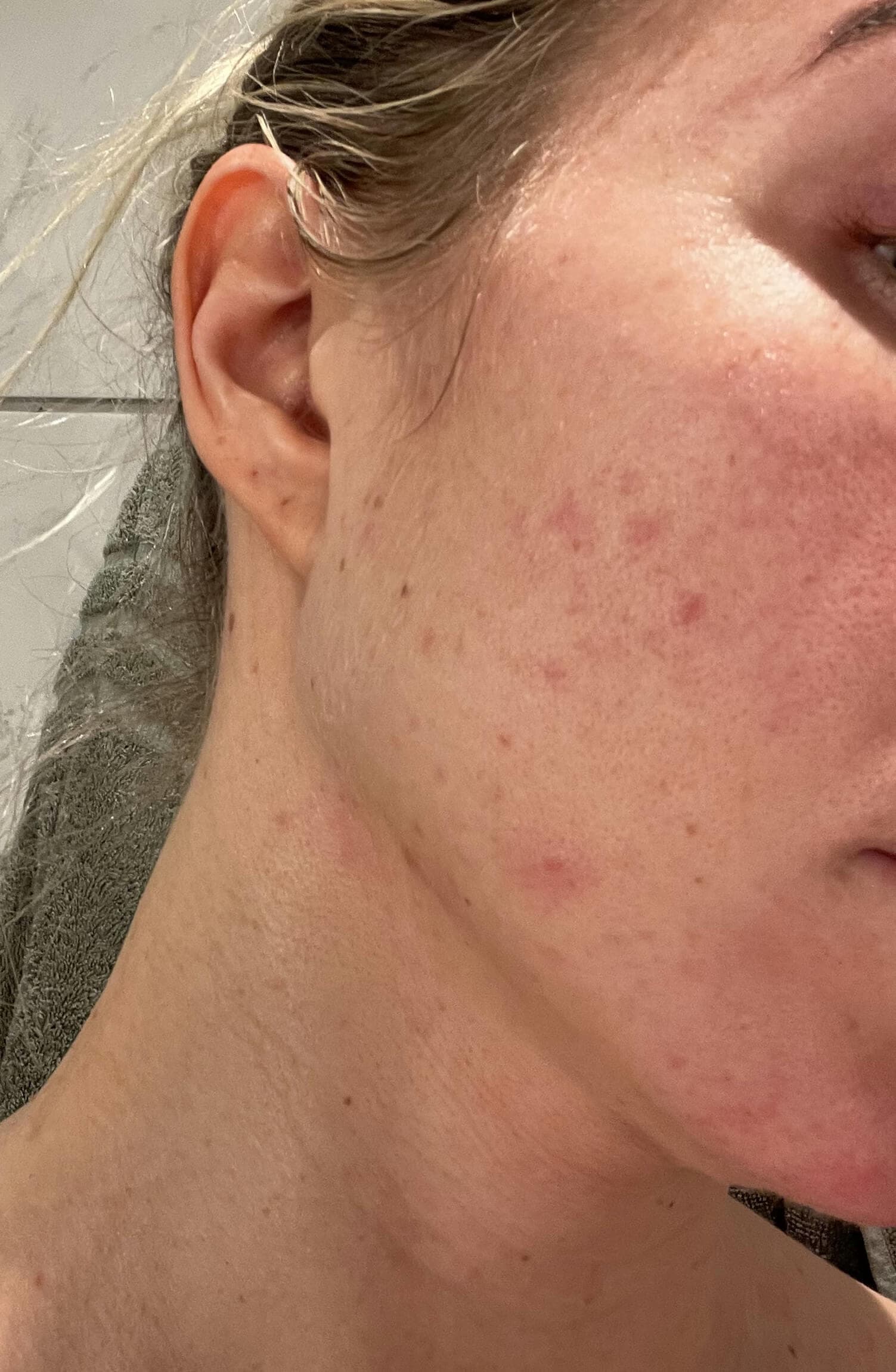 Before
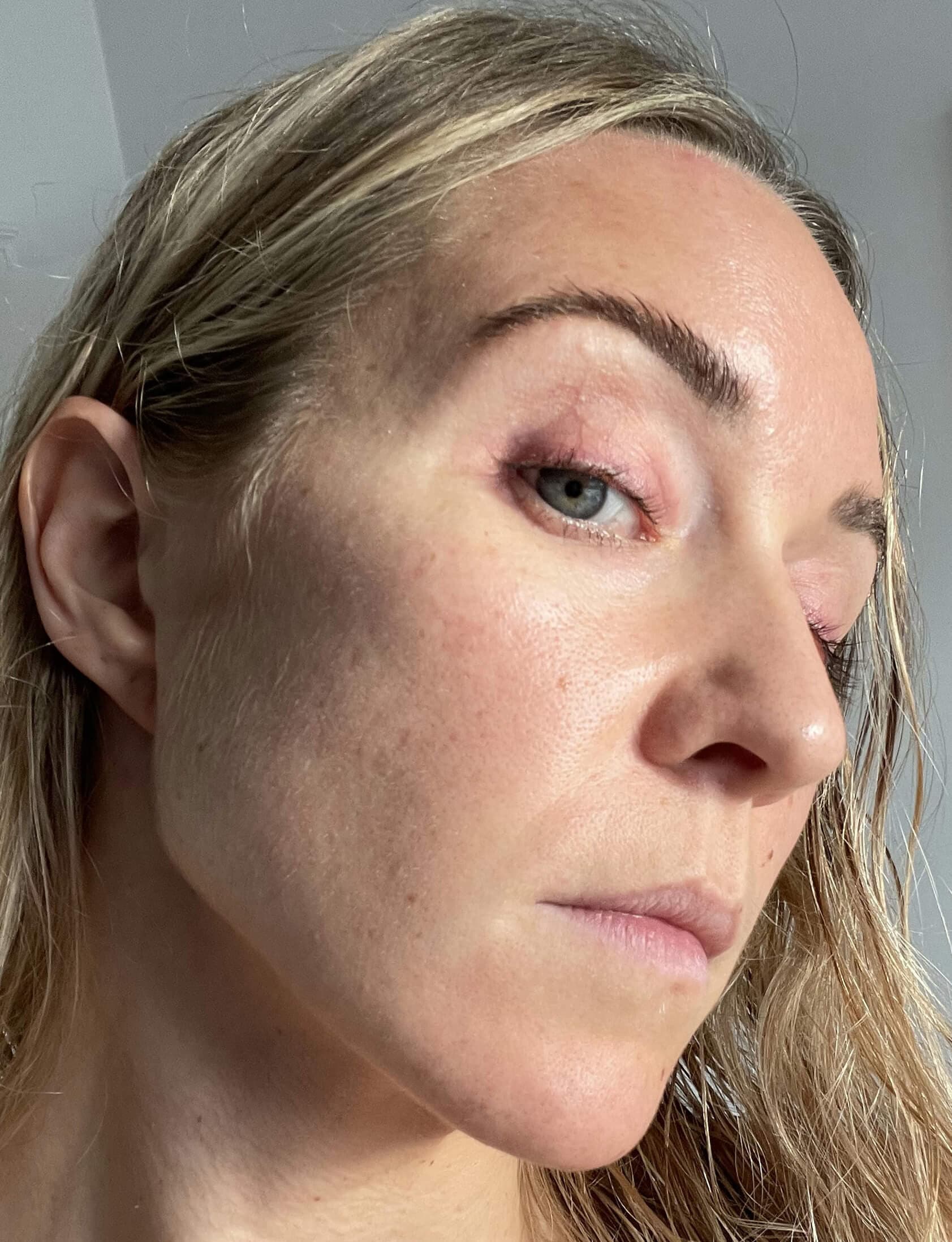 After
After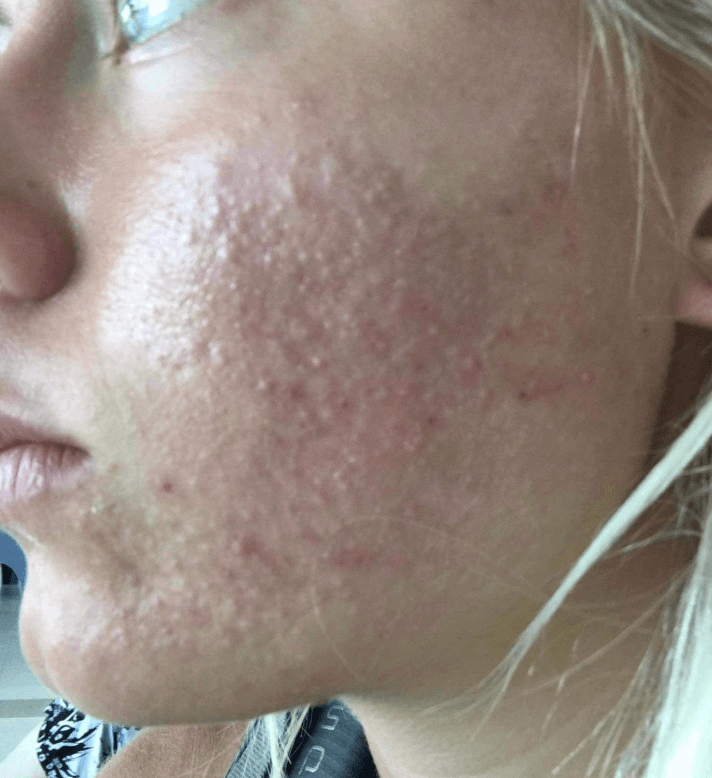 Before
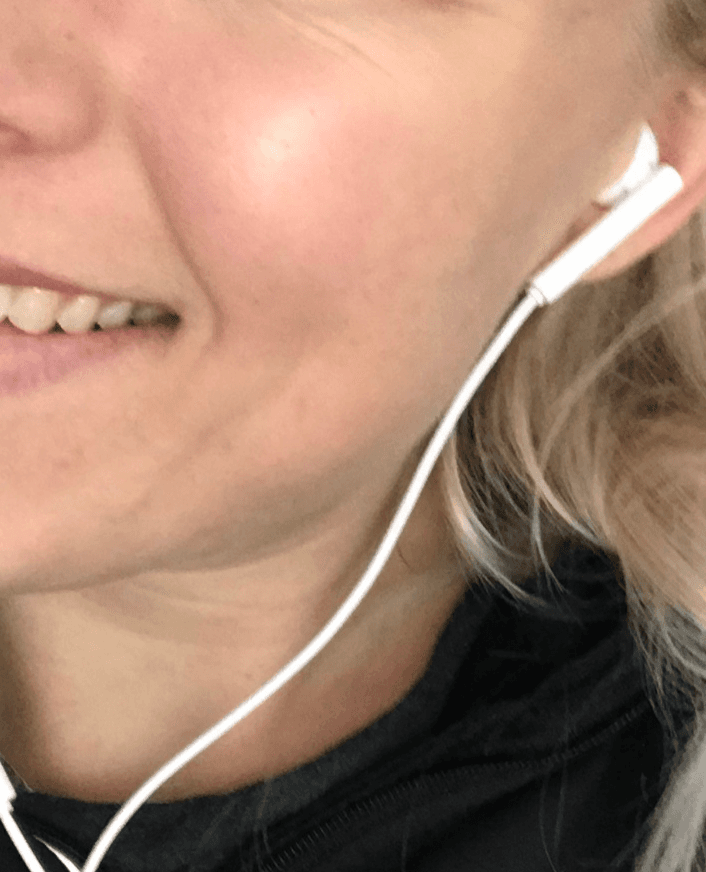 After
After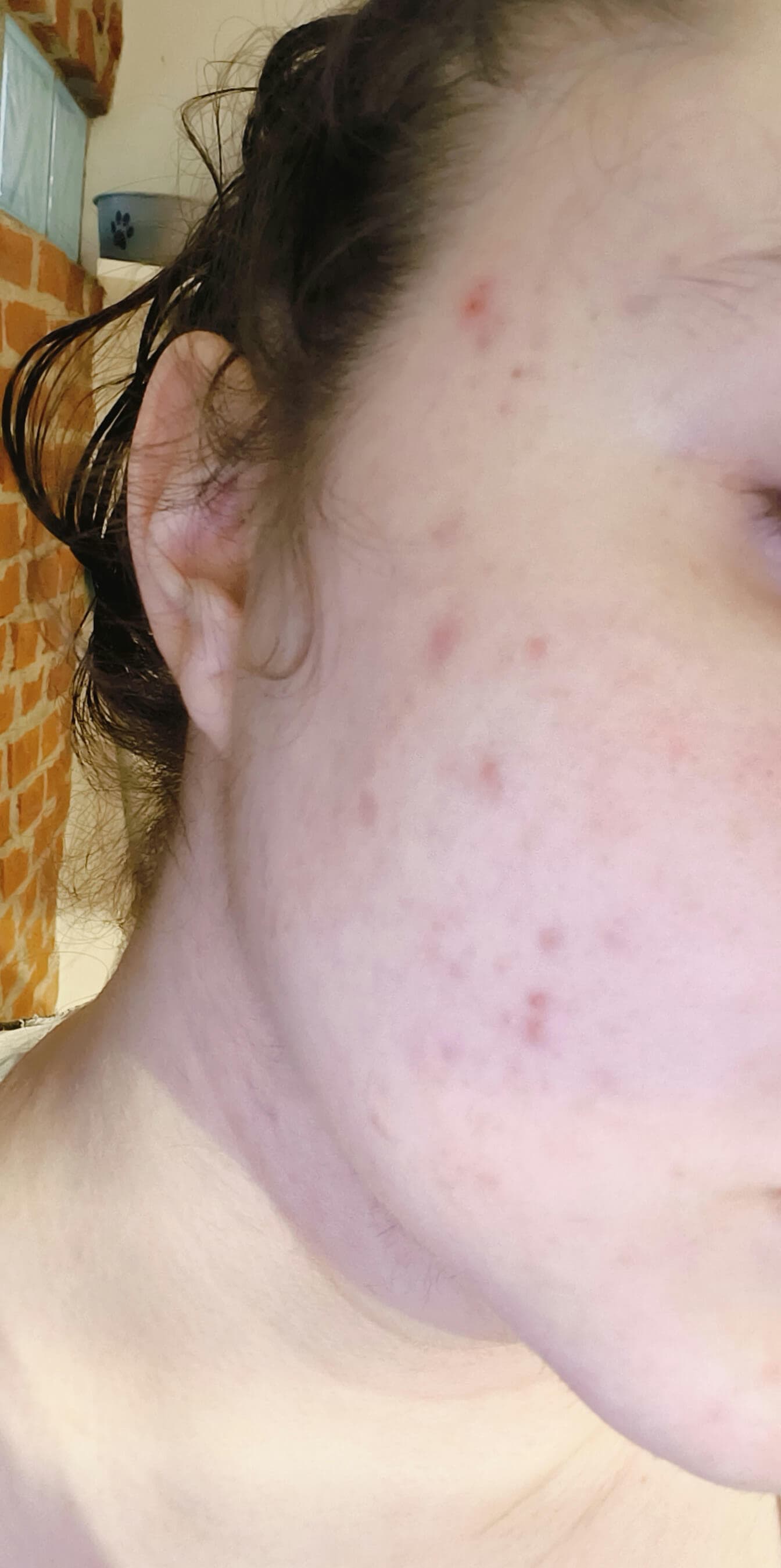 Before
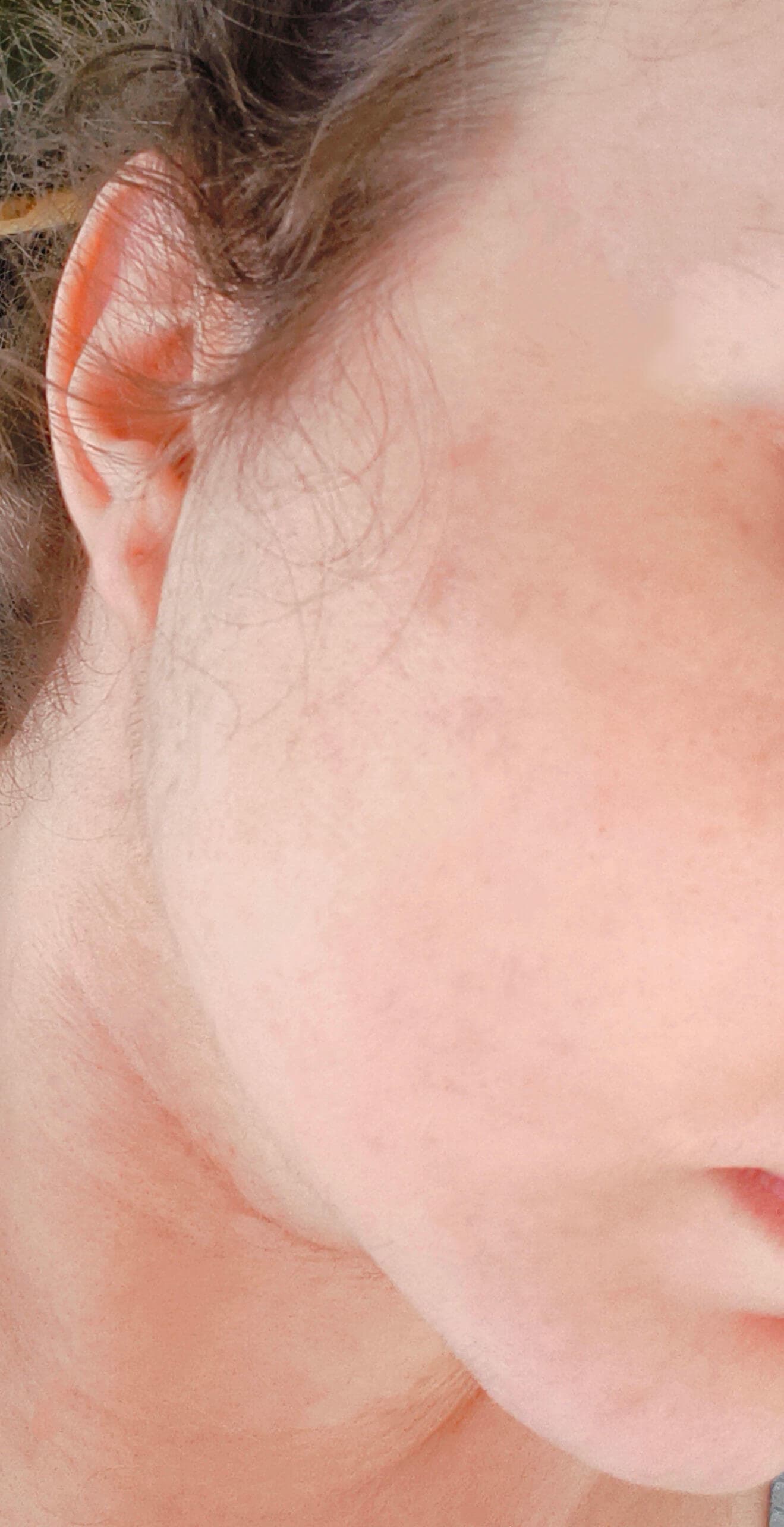 After
AfterKeep reading
- Ingredient · salicylic acid
- Ingredient · niacinamide
- Ingredient · retinol
- Ingredient · sodium hyaluronate
- Condition · acne and blemishes
- Condition · oily skin
- Condition · blackheads
- Condition · combination skin
- Read · why do i get pimples between my eyebrows
- Read · are hair products breaking you out
- Read · how to prevent workout breakouts
- Read · how to get rid of pimples
- Read · how to get rid of chin acne
- Read · how to get rid of back acne
- Read · what are blackheads
Citations
- Williams HC, et al. Acne vulgaris. Lancet. 2012;379(9813):361-72.PMID 21880356
- Mills OH Jr, Kligman AM. Acne mechanica. Arch Dermatol. 1975;111(4):481-3.PMID 123732
- Draelos ZD, et al. Efficacy of a Non-Comedogenic Hair Care Regimen for the Reduction of Mild-to-Moderate Truncal and Facial Acne: A Single-Arm 8-Week Study. J Drugs Dermatol. 2021;20(6):690-693.DOI 10.36849/JDD.5772
- Zander E, Weisman S. Treatment of acne vulgaris with salicylic acid pads. Clin Ther. 1992;14(2):247-53.PMID 1535349
- Draelos ZD, et al. The effect of 2% niacinamide on facial sebum production. J Cosmet Laser Ther. 2006;8(2):96-101.PMID 16766489
- Zaenglein AL, et al. Guidelines of care for the management of acne vulgaris. J Am Acad Dermatol. 2016;74(5):945-73.PMID 26897386