
What are blackheads? The dark dots are not dirt
Blackheads are open clogged follicles where oil and dead skin oxidise at the surface. Here is what they are, why they happen, and how to clear them calmly.

On this page
I used to think blackheads meant my skin was dirty.
So I cleaned harder. Scrubbed harder. Stared at my nose harder, which, scientifically speaking, did not help.
If you have ever leaned into the mirror and wondered how one nose can contain so many tiny dark dots, you are not alone. Blackheads are one of the most common concerns I hear about, partly because they feel so visible and so stubborn.
The good news is that blackheads are not mysterious.
The slightly annoying news is that most popular blackhead tricks treat the wrong problem.
The short answer
A blackhead is an open comedone.
That means a hair follicle has become partly blocked with sebum and dead skin cells, but the top stays open to the air. The material at the surface oxidises and turns dark.
So the dark colour is not dirt.
It is more like a sliced apple browning when air hits it. Less poetic on the nose, admittedly, but much more useful than blaming your cleanser.
A 2012 acne study[1] describes comedones as part of acne vulgaris, where oil, abnormal shedding inside the follicle, bacteria, and inflammation can all play a role. A blackhead is usually the less inflamed, open version of that clogged-follicle process.
What is inside a blackhead?
Mostly three things:
- Sebum, the oily substance your sebaceous glands naturally produce.
- Dead skin cells, especially cells that do not shed cleanly inside the follicle.
- Oxidised material at the opening, which makes the plug look dark.
A 2009 study[4] on sebaceous gland lipids explains that sebum is a complex mixture of skin-surface lipids rather than simple "grease". It helps form part of the skin's surface environment. The problem is not that sebum exists. The problem is that sebum and cells can collect inside a follicle and form a plug.
This is why blackheads often show up where pores are more visible and oil glands are active:
- Nose.
- Chin.
- Inner cheeks.
- Forehead.
- Sometimes the chest or back.
Your skin is not failing hygiene class. The follicle is clogging.
If the clogged bumps are mainly on the forehead or hairline, forehead acne has its own extra triggers, especially hair products, sweat, hats, and friction.
If the dots are mostly on the nose, the nose blackheads guide explains the blackhead-versus-sebaceous filament decision in more detail.
Why blackheads turn black
The black part is the most misunderstood bit.
When the top of the clogged follicle remains open, the contents meet oxygen. That exposure changes the colour of the surface material.
That is oxidation.
It is not dirt. It is not pollution stuck inside your pore because you forgot to cleanse with moral commitment. It is chemistry.
This matters because if you think blackheads are dirt, you reach for:
- Scrubs.
- Pore strips.
- Harsh foaming cleansers.
- Cleansing brushes.
- "Detox" masks that make your face feel like cardboard.
Those can make the surface feel cleaner for five minutes, but they do not solve the follicle plug. Often, they irritate the skin around it.
Blackheads vs sebaceous filaments
This is where many people accidentally chase normal skin.
Blackheads are clogged follicles. They tend to be darker, more distinct, and may sit as visible plugs.
Sebaceous filaments are normal oil-flow structures inside pores. They often look like tiny grey, tan, or yellow dots on the nose and central face. They come back quickly because they are part of how oil moves through the follicle.
If your "blackheads" are:
- Very evenly spaced on the nose.
- Tiny and pale grey rather than clearly black.
- Back again the next morning after extraction.
- Not raised or inflamed.
They may be sebaceous filaments.
You can make sebaceous filaments look less obvious with a good routine, but you cannot permanently remove them because they are not a disease. They are your skin doing plumbing.
Why pore strips look satisfying but disappoint
Pore strips are the skincare equivalent of dramatic reality television.
They show you something. It feels intense. You think progress has happened. Then the same drama returns next week.
A pore strip can pull away the top of a plug or remove surface oil and filaments. That is why it looks satisfying on the strip.
But the follicle does not become healthier because something sticky ripped at the surface. The deeper clogging process remains, and the pore can refill quickly.
Repeated stripping can also irritate the skin barrier and make the area red, flaky, or more sensitive. If you have skin that pigments easily, irritation can leave marks that last much longer than the original blackhead.
Very unfair exchange rate.
What actually helps blackheads
The goal is to clear the follicle gradually from inside, not punish the surface.
If your main question is whether to squeeze, use pore strips, try salicylic acid, or book professional extraction, use the blackheads removal decision guide next. This page explains what blackheads are; that guide helps you choose the safest removal path.
1. Gentle cleansing
Cleansing helps remove sweat, sunscreen, makeup, and excess surface oil.
But more cleansing is not automatically better. If your skin feels tight, shiny, or squeaky after washing, the cleanser is probably too harsh or you are cleansing too often.
2. Salicylic acid
Salicylic acid is usually the most useful over-the-counter ingredient for blackheads.
A 2012 study[2] of over-the-counter acne treatments includes salicylic acid as a common acne ingredient, and a 2015 salicylic acid study[3] explains why it is useful in oily, clogged skin: salicylic acid is lipophilic, meaning it can work in the oil-rich environment of the follicle.
In practical terms, it helps loosen the dead-skin-cell buildup and oily plug gradually.
Start with a 2% leave-on salicylic acid product 2 nights per week. If your skin handles that well, build to 3 or 4 nights per week.
3. Niacinamide and barrier support
Niacinamide is not a blackhead vacuum. Nothing is, sadly.
But it can be useful in blackhead-prone routines because it supports the barrier and may help regulate the look of oiliness. A 2006 controlled study[5] on 2% niacinamide found reductions in facial sebum over several weeks, which is relevant when blackheads come with oily skin.
The routine works best when the skin can tolerate it. Barrier support is not the boring extra. It is the reason you can keep going long enough to see results.
The simple blackhead routine
Morning
- Cleanse gently or rinse if your skin is dry.
- Apply a lightweight moisturiser.
- Use SPF.
Yes, even if your skin is oily. Oily skin is not sun-proof. Biology missed a design opportunity there.
Evening
On 2 to 4 nights per week:
- Cleanse gently.
- Apply a 2% salicylic acid leave-on to blackhead-prone areas.
- Moisturise.
On other nights:
- Cleanse.
- Moisturise.
That is it.
No daily scrub. No pore strip schedule. No extraction ritual under bathroom lighting that makes every pore look like a personal attack.
How long do blackheads take to clear?
Give it 6 to 8 weeks.
Some plugs may look softer sooner, but blackheads are not usually a 48-hour problem. The follicle needs repeated, gentle help so the contents loosen and new clogs form less easily.
If you change products every week, you never learn what worked.
If your skin gets dry, flaky, stingy, or red, reduce salicylic acid nights. More irritation does not equal more progress. It usually means your barrier would like to speak to management.
When blackheads are not blackheads
Not every dark dot is a blackhead.
It may be:
- Sebaceous filaments.
- Tiny hairs.
- Post-inflammatory pigmentation.
- Enlarged pores.
- Freckles or sun spots.
- Dermatosis papulosa nigra in deeper skin tones.
- A mole or changing lesion that should be checked.
If a spot is changing, bleeding, irregular, growing, or looks unlike your normal pores, do not treat it as a blackhead. Get it checked.
The bottom line
Blackheads are open clogged follicles. The dark colour is oxidation, not dirt.
That one fact should make your routine calmer immediately. You do not need to scrub your face into submission. You need steady follicle care: gentle cleansing, salicylic acid a few nights per week, barrier support, SPF, and patience.
The boring routine wins because blackheads are boring biology.
Annoying, yes. But very treatable.
People also ask
Are blackheads dirt?
No. Blackheads are open clogged follicles filled with sebum and dead skin cells. The dark colour comes mainly from oxidation at the surface, not dirt sitting on your face.
Why do I get blackheads on my nose?
The nose has many oil-rich follicles and often more visible pores, so sebum and dead skin can collect there easily. Pore size, oil production, hormones, and product build-up all play a role.
Do pore strips remove blackheads?
Pore strips can pull off the surface of a plug, so they may look satisfying for a day. They do not treat the deeper follicle process, and repeated stripping can irritate skin.
What ingredient helps blackheads most?
For many people, a leave-on 2% salicylic acid product is the best over-the-counter starting point because salicylic acid is oil-soluble and can work inside clogged, oily follicles.
A simple routine for blackhead-prone skin
For blackheads, I would keep the routine very simple: cleanse gently, use salicylic acid consistently, support the barrier, and protect the skin during the day. The Danish Skin Care Kit gives you that full routine without turning every visible pore into a separate product problem.

The simplest start when blackheads come with oily skin, clogged pores, and routine confusion: gentle cleanser, salicylic acid treatment, moisturiser, and SPF.
Full transparency: Danish Skin Care is my own company — I formulated these products and earn from every sale. That's exactly why I only recommend them where they genuinely fit the guide you just read.
Real results from simple routines
A few real before-and-after cases from people using Danish Skin Care for skin concerns related to this guide. No filters, no miracle promise. Consistent skincare over time.
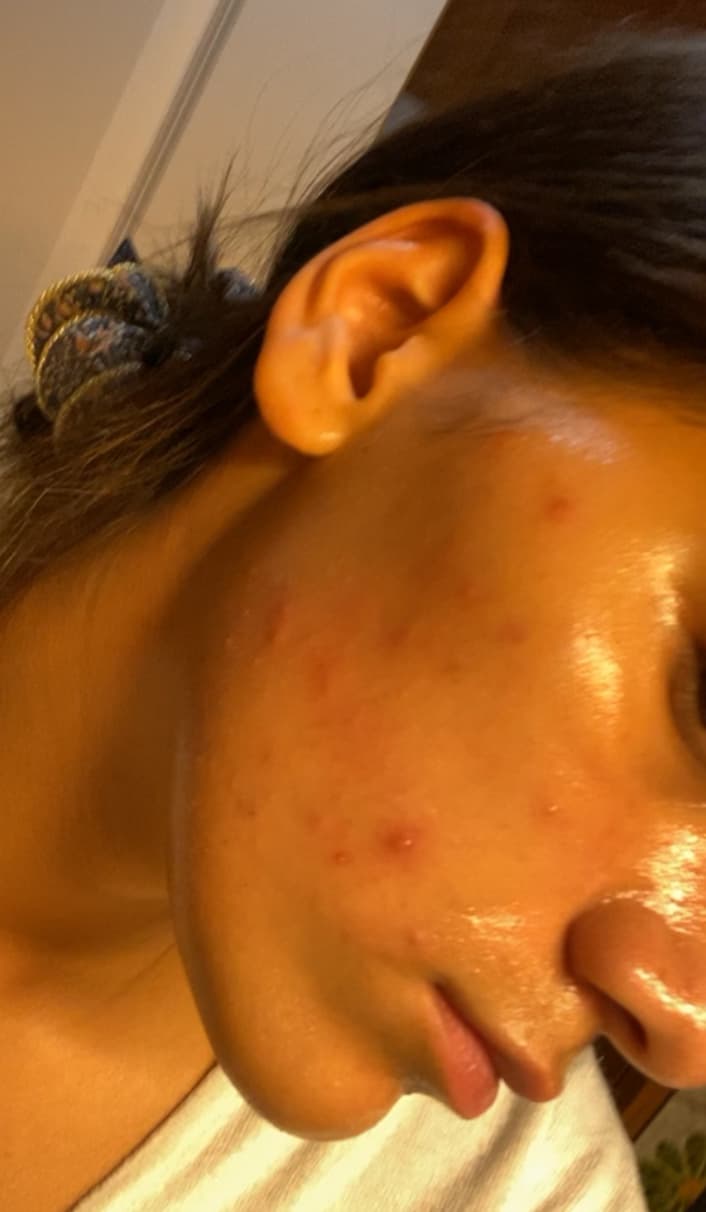 Before
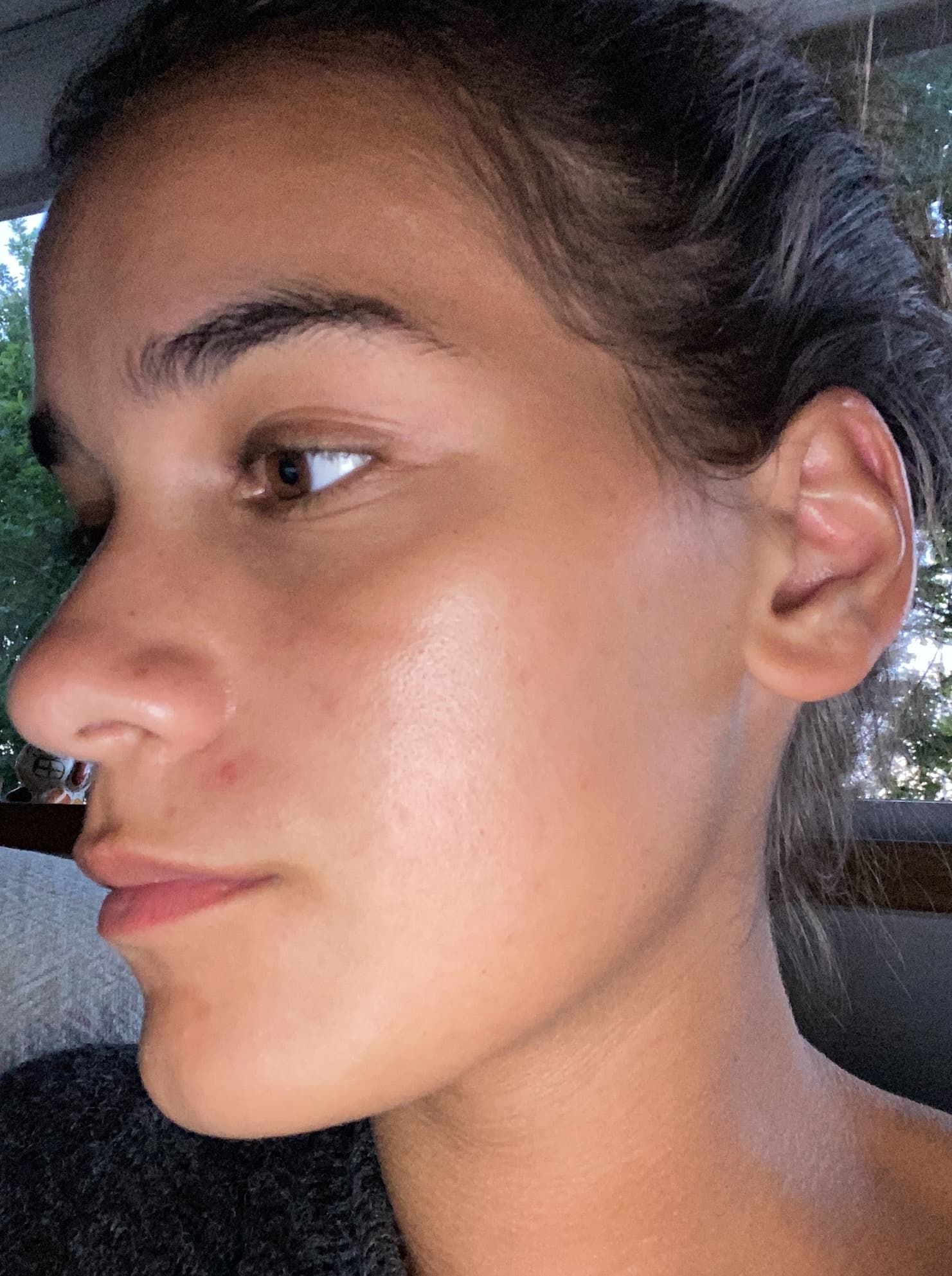 After
After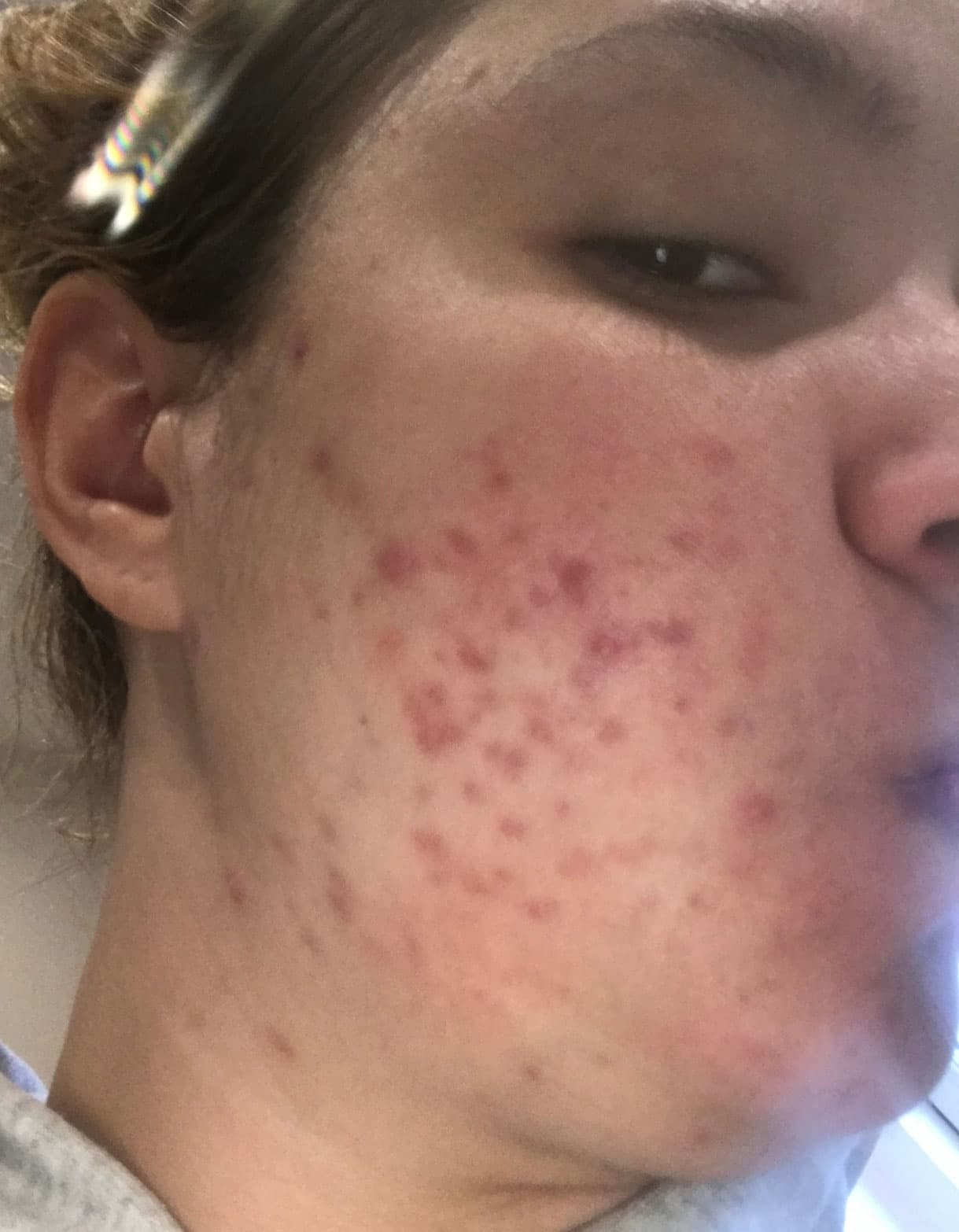 Before
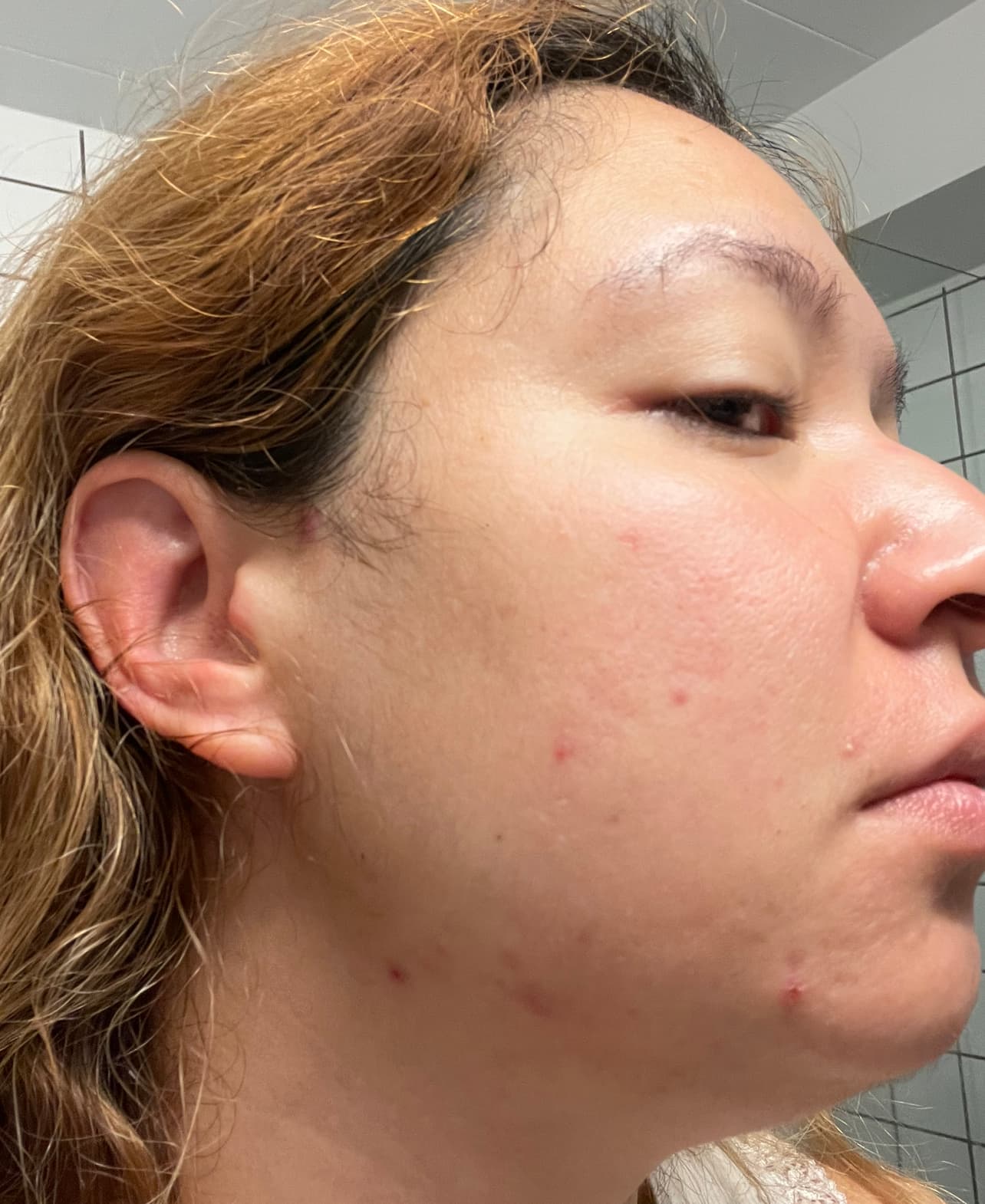 After
After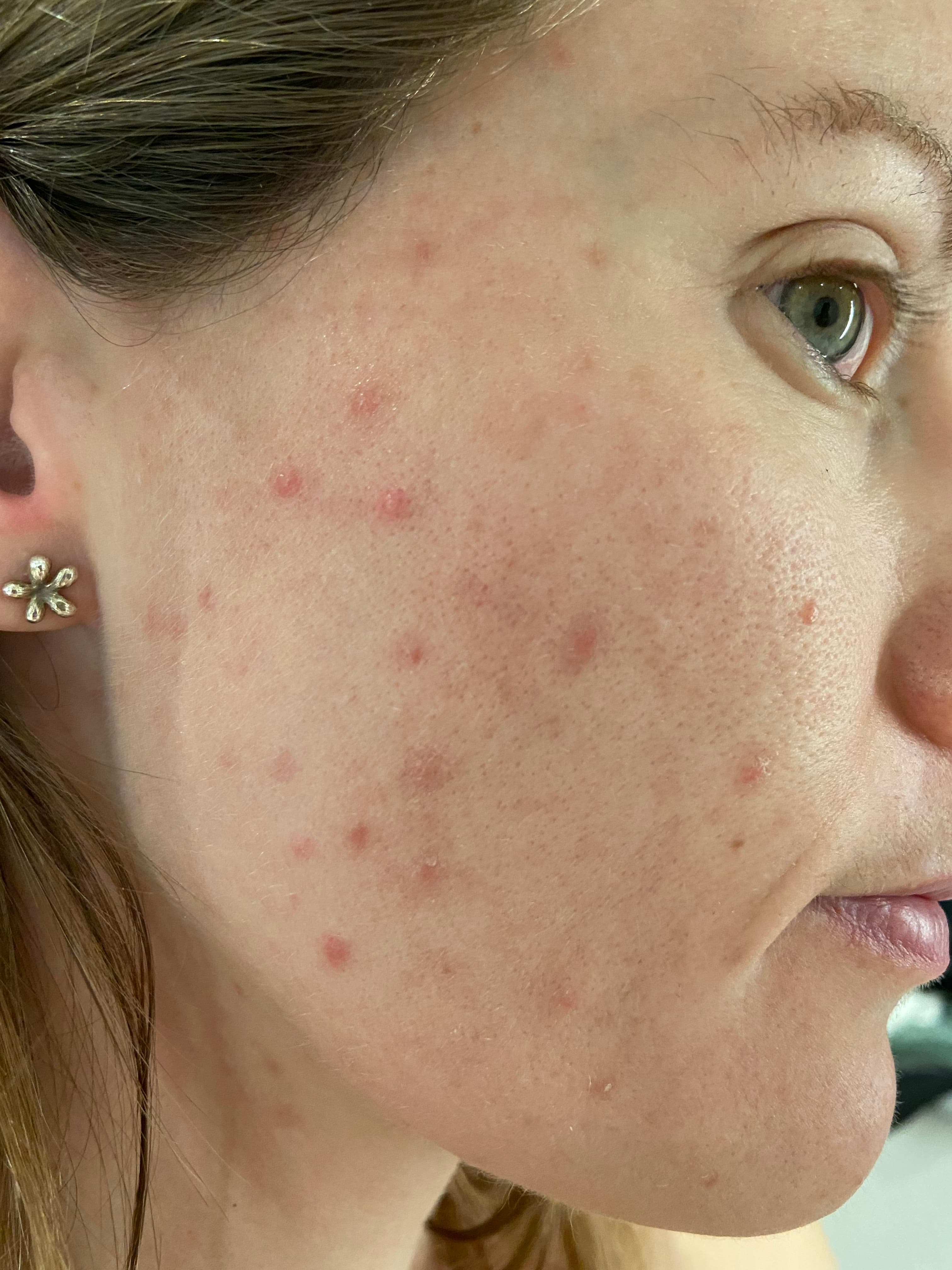 Before
 After
AfterKeep reading
- Ingredient · salicylic acid
- Ingredient · niacinamide
- Ingredient · retinol
- Ingredient · sodium hyaluronate
- Condition · blackheads
- Condition · acne and blemishes
- Condition · oily skin
- Condition · combination skin
- Read · blackheads removal
- Read · how to get rid of blackheads on nose
- Read · black masks
- Read · best skincare routine for clogged pores
- Read · how to get rid of oily skin
- Read · how to get rid of pimples
- Read · how to get rid of forehead acne
- Read · how to get rid of chin acne
- Read · acne scars
Citations
- Williams HC, et al. Acne vulgaris. Lancet. 2012;379(9813):361-372.PMID 21880356
- Decker A, Graber EM. Over-the-counter Acne Treatments: A Review. J Clin Aesthet Dermatol. 2012;5(5):32-40.PMID 22808307
- Arif T. Salicylic acid as a peeling agent: a comprehensive review. Clin Cosmet Investig Dermatol. 2015;8:455-461.PMID 26347269
- Picardo M, et al. Sebaceous gland lipids. Dermatoendocrinol. 2009;1(2):68-71.PMID 20224686
- Draelos ZD, et al. The effect of 2% niacinamide on facial sebum production. J Cosmet Laser Ther. 2006;8(2):96-101.PMID 16766489