
Korean snail cream: what snail mucin can really do for skin
Snail cream became famous through Korean skincare, and the ingredient is more interesting than the name suggests. Here is what snail mucin can help, what it cannot fix, and how to use it without overcomplicating your routine.
On this page
Korean snail cream is one of those skincare trends where the name does half the marketing.
Snail cream.
You hear it once and you remember it. Maybe you feel curious. Maybe you feel slightly betrayed by the beauty industry. Both are reasonable.
When I struggled with acne, oily skin, and irritation, I tried plenty of products because they sounded clever. Some helped. Some made my skin angrier. Some mostly made my bathroom shelf look like a tiny laboratory with poor leadership.
That is why I like to ask a boring question about every trend:
What problem is this product actually solving?
The short answer
Korean snail cream usually contains snail secretion filtrate, often called snail mucin.
It can be a useful hydrating and soothing support ingredient in some formulas. It may help the skin feel softer, smoother, and more comfortable. Some small clinical studies suggest snail-derived ingredients can improve hydration, roughness, elasticity, and signs of photoaging in specific products.
A 2020 randomised study[1] of a regimen containing snail secretion filtrate and snail egg extract found improvements in transepidermal water loss, roughness, firmness, and elasticity over three months. A smaller 2013 study[2] found improvement in periocular wrinkles and texture with products containing Cryptomphalus aspersa secretion filtrate.
That is interesting.
It is not magic.
Snail cream is not a proven acne cure. It does not remove pitted acne scars. It does not replace sunscreen. And if your routine is already irritating your skin, adding one more trendy cream may not solve the real problem.
What is snail mucin?
Snail mucin is a filtered secretion from snails, used in skincare as snail secretion filtrate.
Depending on the source and processing, snail-derived ingredients may contain a mix of compounds such as glycoproteins, glycosaminoglycans, allantoin, glycolic-acid-like components, peptides, and other molecules. A 2024 overview[4] describes snail mucus as a complex biological material with wound-healing and skin-care interest.
In skincare language, that usually translates into:
- Hydration.
- A smoother feel.
- Barrier comfort.
- A slightly plumper look.
- Support for skin that feels dry or stressed.
The formula still matters. "Contains snail mucin" tells you one ingredient story, not the whole product.
Why Korean snail cream became popular
Korean skincare made snail mucin famous because it fits a very K-beauty idea: lightweight hydration, bounce, glow, and barrier comfort.
That can be lovely.
Where it goes wrong is when one hydrating ingredient gets promoted as if it can solve every skin concern.
Dryness? Snail cream.
Acne? Snail cream.
Scars? Snail cream.
Ageing? Snail cream.
A product can be nice without being a universal remote for your face.
What snail cream can help
Snail cream may be useful if your skin is:
- Dry or dehydrated.
- Slightly rough.
- Tight after cleansing.
- Looking dull from barrier stress.
- Recovering from irritation, if the formula is gentle.
- In need of a lightweight moisture layer.
It can be especially appealing if you dislike heavy creams but still want comfort.
Some formulas feel serum-light. Others feel richer and more moisturising. That texture difference matters more than the trend name.
What snail cream cannot do
Snail cream cannot do everything the internet asks of it.
It will not:
- Cure acne.
- Pull blackheads out.
- Remove pitted acne scars.
- Replace professional scar procedures.
- Replace retinoids for well-studied ageing care.
- Replace sunscreen.
- Repair a damaged barrier if the rest of the routine keeps damaging it.
This last point is important.
If your cleanser strips your skin, your exfoliant stings, your retinoid is too frequent, and your sunscreen is skipped, snail cream becomes a polite guest at a chaotic dinner.
It may help a little. It cannot control the room.
Is snail mucin good for acne?
Snail mucin may be fine for some acne-prone skin, especially if the formula is lightweight and non-greasy.
But acne needs acne logic.
For clogged pores, blackheads, and pimples, I would look first at:
- Gentle cleansing.
- Salicylic acid for clogged follicles.
- Moisturiser that does not feel heavy.
- Daily SPF.
- Medical treatment if acne is deep, painful, scarring, or persistent.
Snail cream can sit beside that plan if your skin likes it. It should not replace the plan.
If you start a snail cream and notice more closed comedones, whiteheads, or itching, stop. Your skin gets a vote.
Can snail cream help acne scars?
This is where wording matters.
If by "scars" you mean dry, rough, post-breakout skin that looks uneven, a hydrating cream may help the skin look better.
If you mean true indented scars - rolling scars, boxcar scars, ice-pick scars - no snail cream is going to lift those reliably.
True texture scars usually need professional treatments. The microneedling guide explains one option, and the acne scars guide explains why scar type matters so much.
Creams can support the skin. They cannot rebuild a dent like a construction crew.
Snail cream after procedures
One interesting area is post-procedure hydration.
A 2021 split-face randomised study[3] found that a snail soothing and repairing cream improved skin hydration after ablative fractional CO2 laser treatment compared with placebo, with no significant adverse events reported.
That does not mean every snail cream is automatically a post-laser treatment.
It means the category is worth studying, and certain formulas may support hydration after controlled skin injury under medical guidance.
After procedures, always follow your clinician's instructions. Freshly treated skin is not the time to improvise because an ingredient sounds soothing.
Is snail cream safe for sensitive skin?
Often, but not always.
Sensitive skin can react to almost anything, including ingredients that are marketed as gentle. The snail mucin may be fine; the fragrance, preservative system, plant extracts, or texture may not be.
Patch test if you:
- React easily.
- Have eczema-prone skin.
- Have rosacea-prone skin.
- Are allergy-prone.
- Are using strong actives already.
Apply a small amount to one area for a few days before putting it all over your face. Very glamorous? No. Very useful? Yes.
How to use snail cream
Keep it simple.
Morning
Cleanse gently or rinse with water, apply snail cream if you like it, then sunscreen.
Evening
Cleanse, apply snail cream, then moisturiser if your skin needs more comfort.
If the snail product is more like an essence or serum, use it before moisturiser. If it is a cream, it may replace moisturiser for oilier skin or sit under a richer cream for dry skin.
Do not add snail essence, snail serum, snail cream, snail sleeping mask, and three toners because the first product felt nice.
That is not a routine. That is a snail-themed side quest.
What to look for in a formula
If you want to try snail cream, look for:
- Fragrance-free or low-fragrance if you are sensitive.
- A texture that suits your skin type.
- Humectants such as glycerin or sodium hyaluronate.
- Barrier-supporting ingredients such as panthenol, niacinamide, or squalane.
- Packaging that keeps the formula clean and easy to use.
Avoid formulas that make your skin sting, itch, flush, or feel coated.
The best product is not the one with the funniest ingredient story. It is the one you can use consistently without your skin complaining.
The simple routine I prefer
For dry or irritated skin, I would not build the routine around a trend.
I would build it around comfort:
- Cleanse gently.
- Hydrate while the skin is slightly damp.
- Use a barrier-supporting moisturiser.
- Wear SPF every morning.
- Add treatment actives only when the skin is stable.
Snail cream can fit into that. It does not need to become the personality of the routine.
If your skin feels calmer, softer, and less tight with it, lovely. If nothing changes, you have not missed the secret of skincare. You tried a moisturising product and learned something.
The bottom line
Korean snail cream is more reasonable than it sounds.
It can be a nice hydrating, smoothing, barrier-comfort step. Some early clinical evidence is interesting, especially for hydration and signs of photoaging in specific formulas.
But it is still skincare, not magic.
Use it if your skin likes it. Skip it if it clogs, irritates, or makes your routine more complicated. The foundation stays the same: gentle cleansing, moisturiser, sunscreen, and proven actives when your skin needs them.
The snail can be optional. The routine cannot.
People also ask
What does Korean snail cream do?
Snail cream is usually used for hydration, comfort, and smoother-looking texture. Some studies suggest snail-derived ingredients may improve hydration and signs of photoaging, but results are formula-dependent.
Is snail mucin good for acne?
Snail mucin is not a primary acne treatment. It may be a soothing support product for some acne-prone skin, but clogged pores and pimples usually need proven acne care such as salicylic acid, benzoyl peroxide, retinoids, or medical treatment when appropriate.
Can snail cream remove acne scars?
No cream reliably removes pitted acne scars. Snail cream may support hydration and comfort, but true indented scars usually need professional treatments such as microneedling, laser, subcision, or other scar-specific procedures.
Can sensitive skin use snail cream?
Some sensitive skin tolerates snail cream well, but reactions are possible. Patch test first, avoid fragranced formulas if you react easily, and stop if you develop itching, redness, or bumps.
A simpler routine than chasing every K-beauty trend
Snail cream can be a nice hydrating step, but dry or reactive skin usually improves most when the whole routine becomes calmer. The Danish Skin Care Kit gives that foundation: gentle cleansing, barrier support, treatment where needed, and daily SPF - without turning one interesting ingredient into a 10-step project.

The simpler foundation if dry or irritated skin has become a product experiment: gentle cleanser, moisturiser, SPF, and a calm treatment step without a 10-step routine.
Full transparency: Danish Skin Care is my own company — I formulated these products and earn from every sale. That's exactly why I only recommend them where they genuinely fit the guide you just read.
Real results from simple routines
A few real before-and-after cases from people using Danish Skin Care for skin concerns related to this guide. No filters, no miracle promise. Consistent skincare over time.
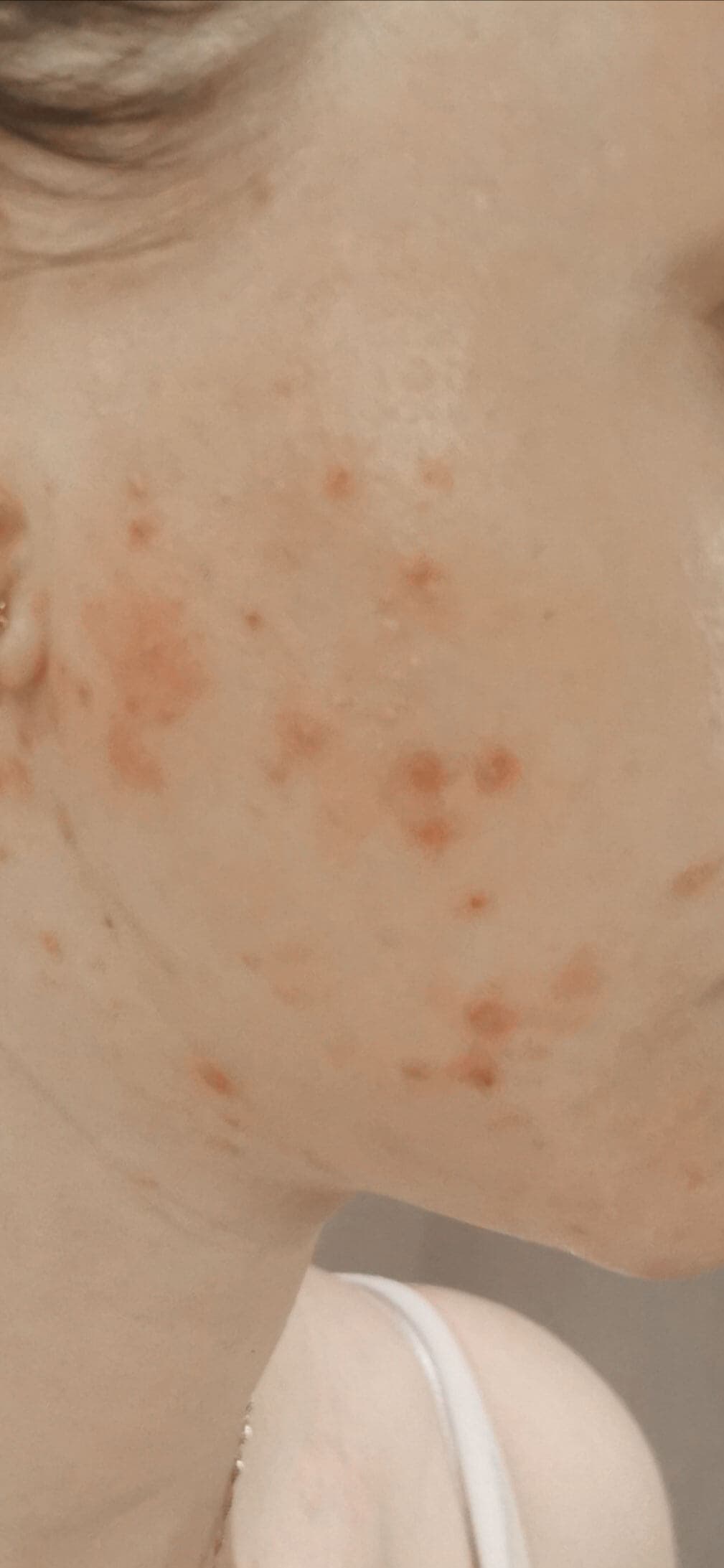 Before
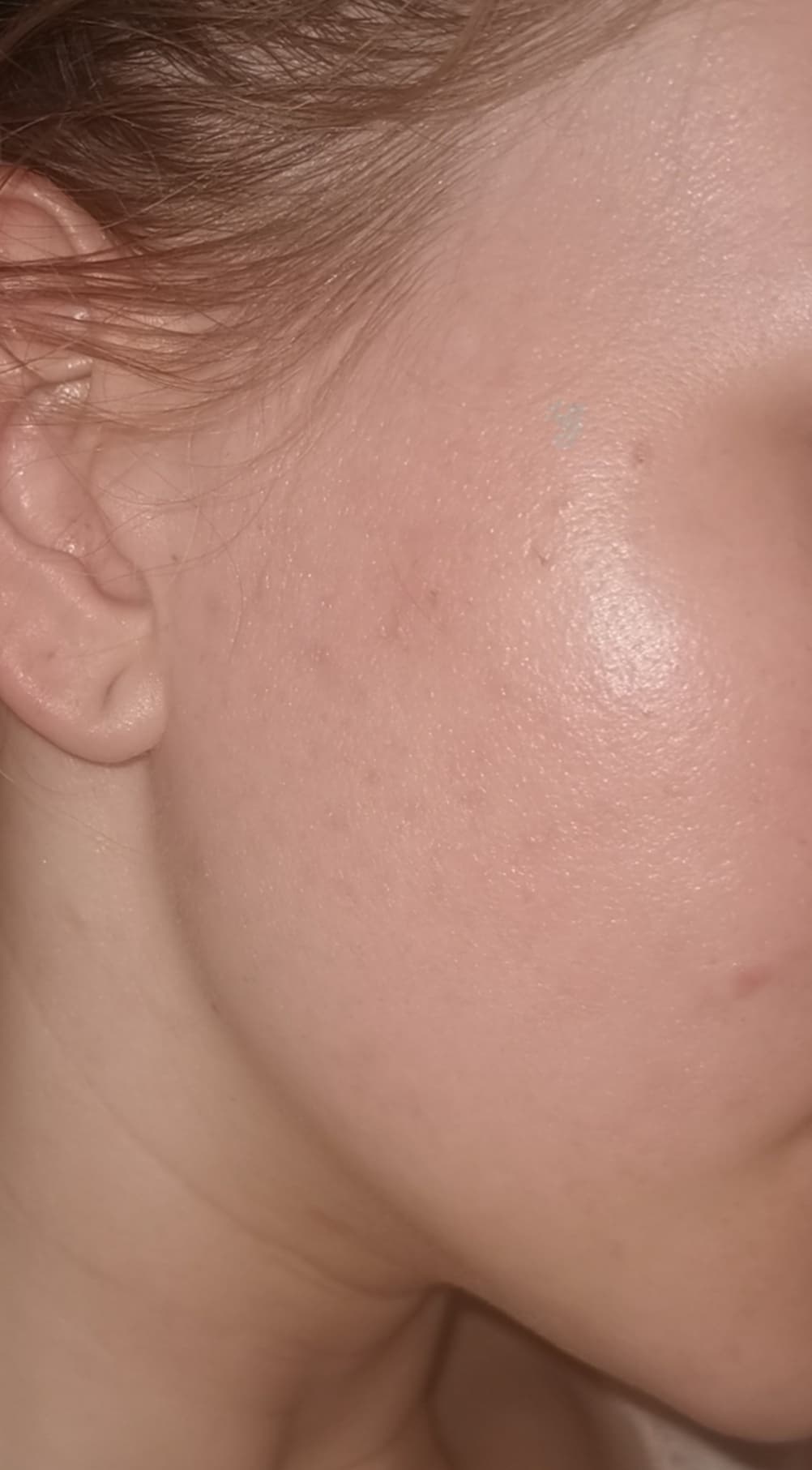 After
AfterKeep reading
- Ingredient · sodium hyaluronate
- Ingredient · niacinamide
- Ingredient · urea
- Ingredient · panthenol
- Ingredient · retinol
- Condition · dry skin
- Condition · sensitive skin
- Condition · signs of ageing
- Condition · acne and blemishes
- Read · how to treat dry skin on face
- Read · acne scars
- Read · microneedling
- Read · how to get rid of pimples
- Read · best ingredients for rosacea
Citations
- Lim VZ, Yong AA, Tan WPM, Zhao X, Vitale M, Goh CL. Efficacy and Safety of a New Cosmeceutical Regimen Based on the Combination of Snail Secretion Filtrate and Snail Egg Extract to Improve Signs of Skin Aging. J Clin Aesthet Dermatol. 2020;13(3):31-36.PMID 32308795
- Fabi SG, Cohen JL, Peterson JD, Kiripolsky MG, Goldman MP. The effects of filtrate of the secretion of the Cryptomphalus aspersa on photoaged skin. J Drugs Dermatol. 2013;12(4):453-457.J Drugs Dermatol 2013;12(4):453-457
- Tempark T, et al. Snail Soothing and Repairing Cream Improves Skin Hydration after Ablative Fractional CO2 Laser: A Split-Face Randomized Double-Blinded Placebo-Controlled Trial. J Clin Aesthet Dermatol. 2021;14(5):32-37.PMID 34038904
- Bazeer AB, Nagarajan P, Gayathiri E. Hidden benefits of snail mucus: A natural skincare marvel. Biomol Biomed. 2024.PMID 39145612