
Why does retinol make my skin peel?
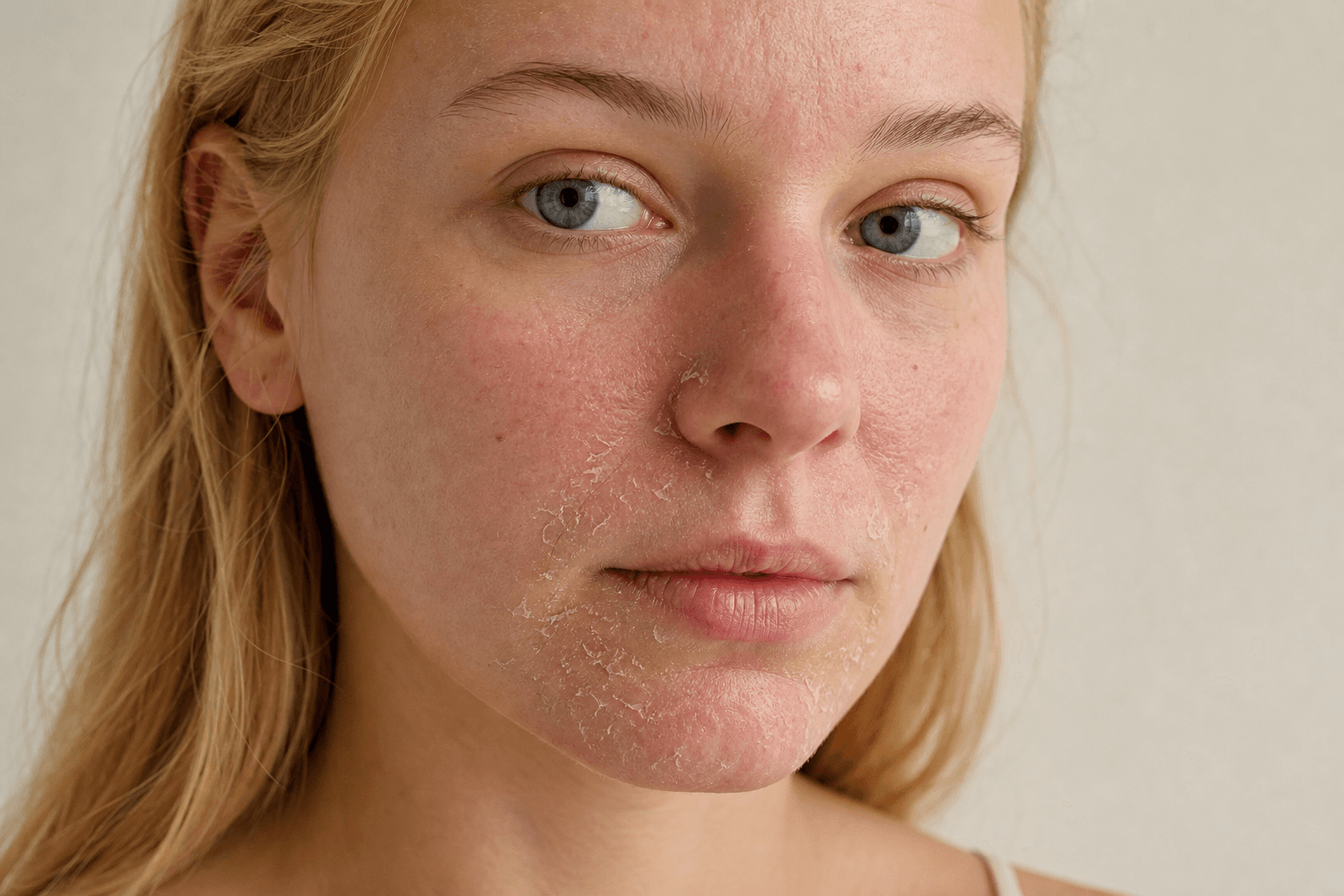
Retinol peeling is usually a tolerance problem: too much, too often, too soon, or a barrier that needed support before renewal.
On this page
I learned retinol impatience the ordinary way: by being impatient.
When I had acne and uneven texture, I wanted visible change quickly. Retinol sounded like discipline in a tube. So naturally, I used it too often and then acted surprised when my skin answered with flakes.
If this is happening to you, your face is not ruined. It is giving feedback.
Why does retinol make your skin peel?
Retinol can make skin peel because it changes how surface skin cells renew and because your barrier may not tolerate the speed, strength, or frequency you chose. The retinol ingredient guide explains what it can do when the routine is paced well.
Retinoids are well studied for photoaging, acne, and texture because they influence epidermal turnover and collagen-related pathways[1]. That usefulness comes with a practical cost: dryness, redness, stinging, and peeling are common when people start too fast.
The fix is not to prove you can suffer through it. The fix is to make retinol repeatable.
Mild flaking versus angry peeling
Mild retinization can look like:
- small flakes around the mouth or nose
- slight dryness
- temporary tightness
- skin that needs more moisturiser
Too much retinol looks like:
- burning
- raw shiny patches
- cracks
- swelling
- intense redness
- products that suddenly sting
- peeling that gets worse each application
Retinoids work through real biological pathways[2]. But your barrier still sets the pace. A 2023 barrier review[3] explains that moisturisation depends on barrier structure, water handling, and lipids. If that system is stressed, retinol feels louder.
The most common reasons retinol peels
You started too often
Nightly retinol from day one is a classic.
Start with two nights weekly for a few weeks. If the skin is calm, move to three. Then alternate nights. Daily use is a destination for some people, not the opening scene.
You layered too many actives
Retinol plus glycolic acid plus salicylic acid plus vitamin C plus a cleanser that leaves you squeaky is not a routine. It is a group project where everyone is doing too much.
Use retinol on its own night. Keep acids on separate nights or pause them while you adapt.
You applied it to damp skin
Damp skin can increase penetration and irritation for some formulas.
Apply retinol to fully dry skin if you peel easily. Wait after cleansing. Your skin does not need to be bone-dry forever, but it helps during the learning phase.
You forgot the moisturiser
Moisturiser is not cheating. It is how many people stay consistent long enough for retinol to matter.
Try:
- Cleanse gently.
- Apply moisturiser.
- Wait a few minutes.
- Apply retinol.
Or apply retinol first and moisturiser after. Choose the version your skin tolerates.
What to do if you are peeling now
If peeling is mild:
- reduce frequency
- moisturise more consistently
- skip acids and scrubs
- use SPF every morning
- avoid picking flakes
If peeling is raw or painful:
- Stop retinol.
- Cleanse gently only when needed.
- Moisturise.
- Use sun protection.
- Restart only after your skin feels normal for several days.
Please do not scrub peeling skin into obedience. It never becomes obedient. It becomes angrier. If your skin feels reactive even with mild products, use the sensitive skin guide as your slower reset point.
When to get help
Ask a dermatologist or qualified clinician if you have severe burning, swelling, crusting, eye-area irritation, dermatitis that keeps returning, or acne that is scarring despite careful over-the-counter care.
Retinol is useful. It is not a loyalty test.
My final advice
The best retinol routine is not the strongest one. It is the one your skin can tolerate in month three.
Peeling is information. Slow down, moisturise, separate your actives, and protect your skin in the morning. Results come from repeated calm nights, not one heroic week that ends with your face shedding like a tiny office plant.
People also ask
Is peeling normal with retinol?
Mild dryness or flaking can happen when starting retinol. Heavy peeling, burning, cracking, or swelling means the routine is too much for your skin.
Should I stop retinol if my skin peels?
Pause if the peeling is uncomfortable or raw. Once calm, restart less often, use moisturiser, and avoid acids on retinol nights.
How long does retinol peeling last?
Mild retinol adjustment often improves over a few weeks when frequency is sensible. Persistent irritation means you should reduce, pause, or ask a clinician.
Can I exfoliate peeling skin from retinol?
Usually no. Peeling from retinol is already irritation-prone skin. Add moisturiser and time before you add acids or scrubs.
How do I stop retinol peeling?
Pause if your skin is raw, moisturise, avoid acids and scrubs, and use SPF. Once the skin feels normal again, restart retinol less often on dry skin and increase only when it stays comfortable.
The retinol routine I would slow down
If retinol makes your skin peel, I would not answer with a stronger exfoliant. I would lower the speed. The Danish Skin Care Kit places retinol inside a calmer routine: gentle cleansing, moisturising support, and SPF every morning, so renewal has a better chance of becoming a habit.

A calmer way to use retinol: the Kit keeps the nightly moisturiser buffered by cleanser, hydration support, and morning SPF.
Full transparency: Danish Skin Care is my own company — I formulated these products and earn from every sale. That's exactly why I only recommend them where they genuinely fit the guide you just read.
Real results from simple routines
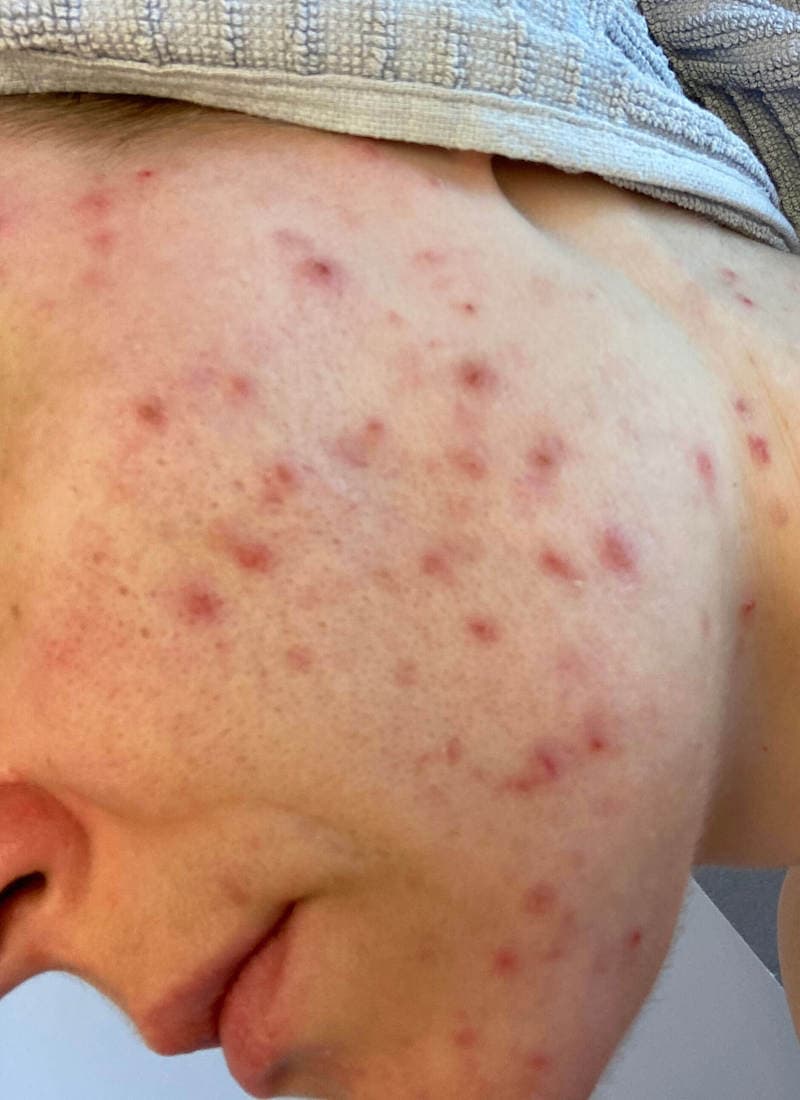
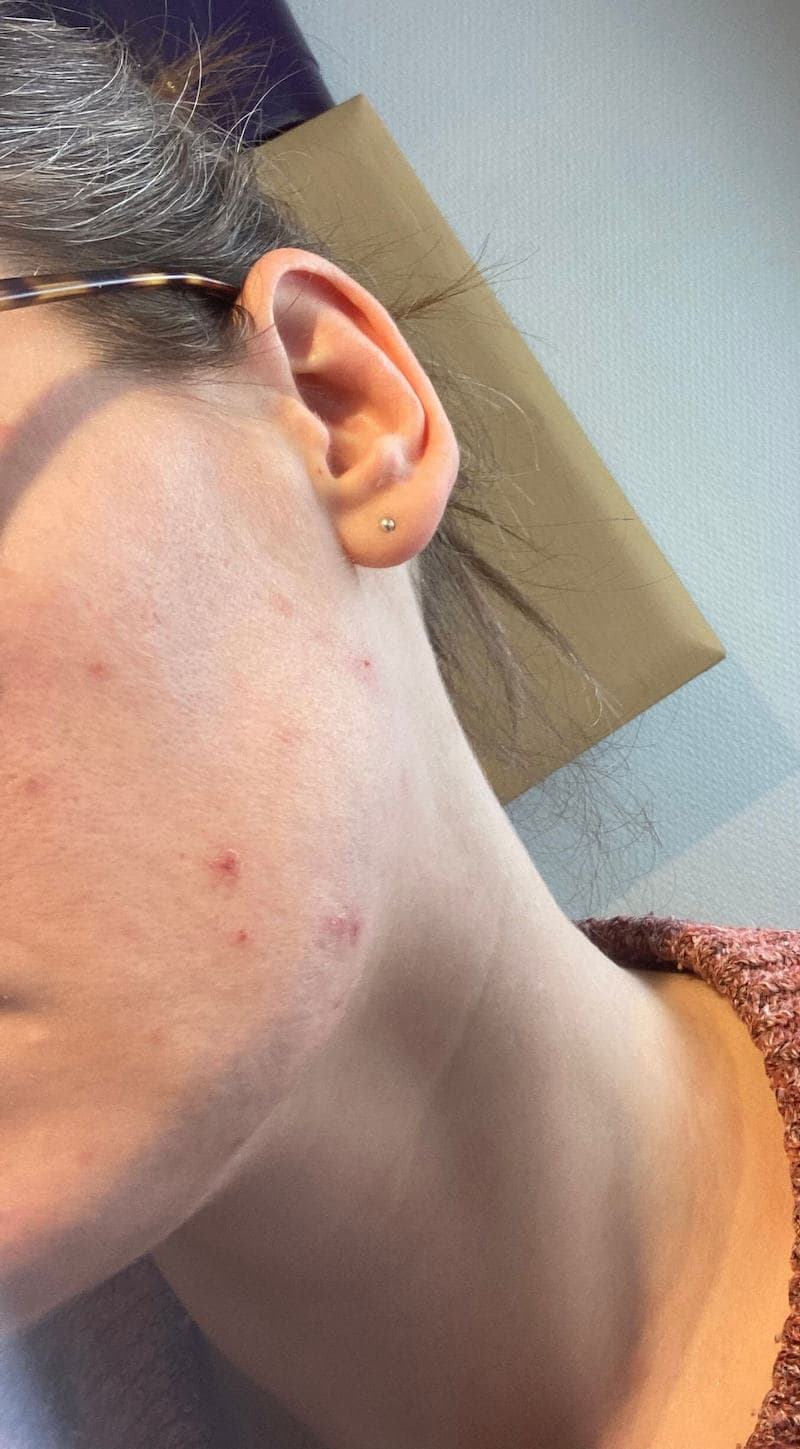
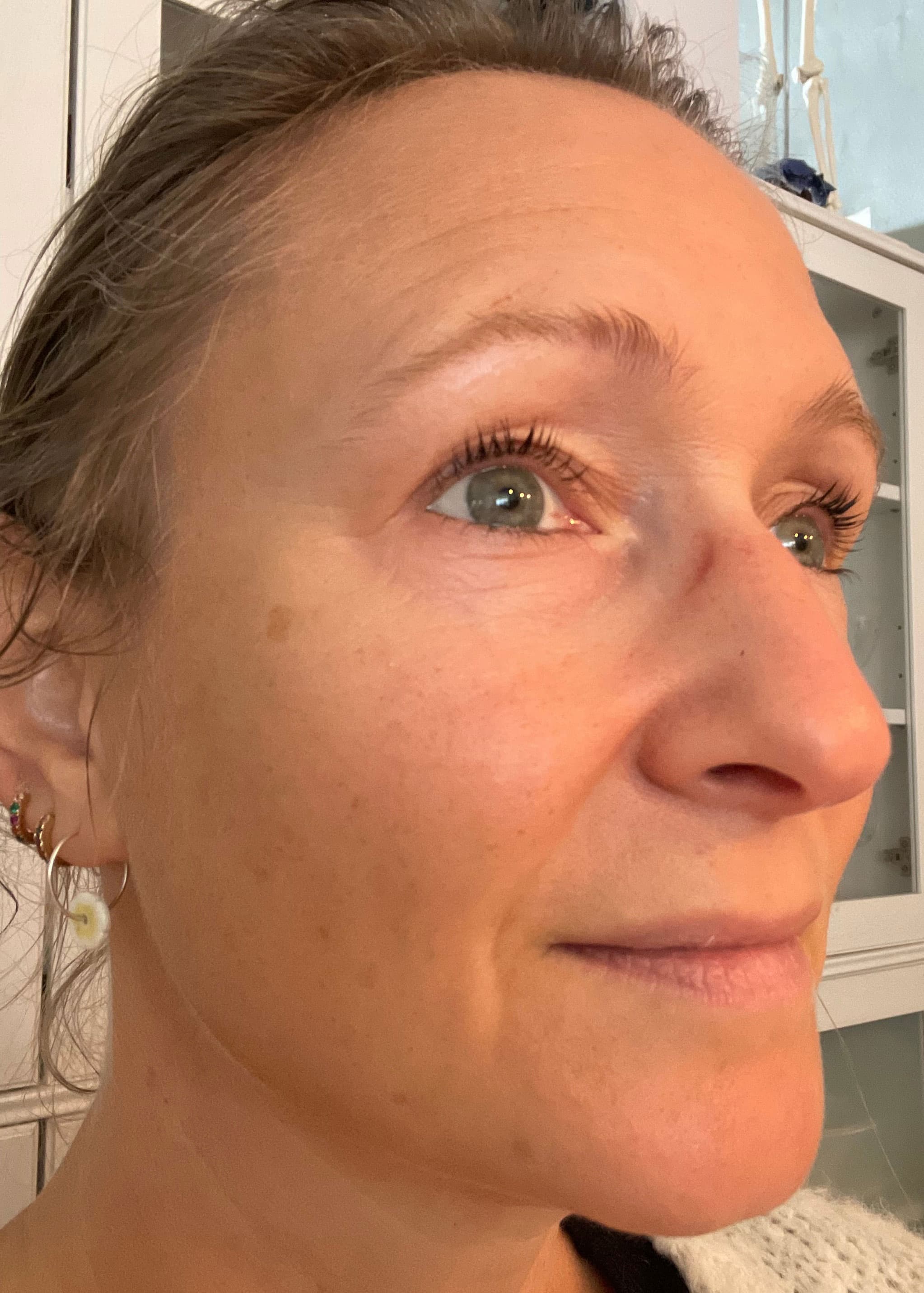
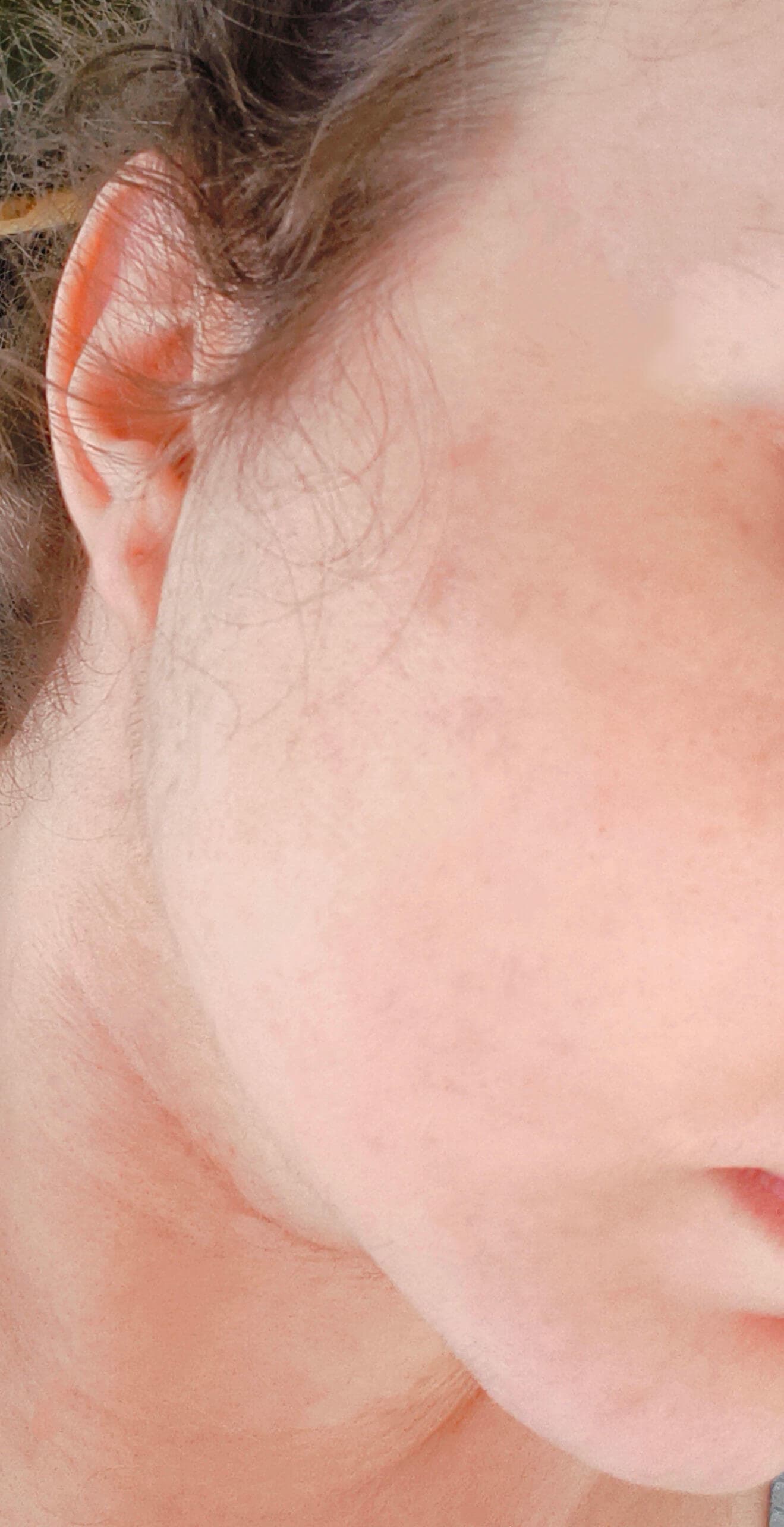
A few real before-and-after cases from people using Danish Skin Care for skin concerns related to this guide. No filters, no miracle promise. Consistent skincare over time.
 Before
 After
After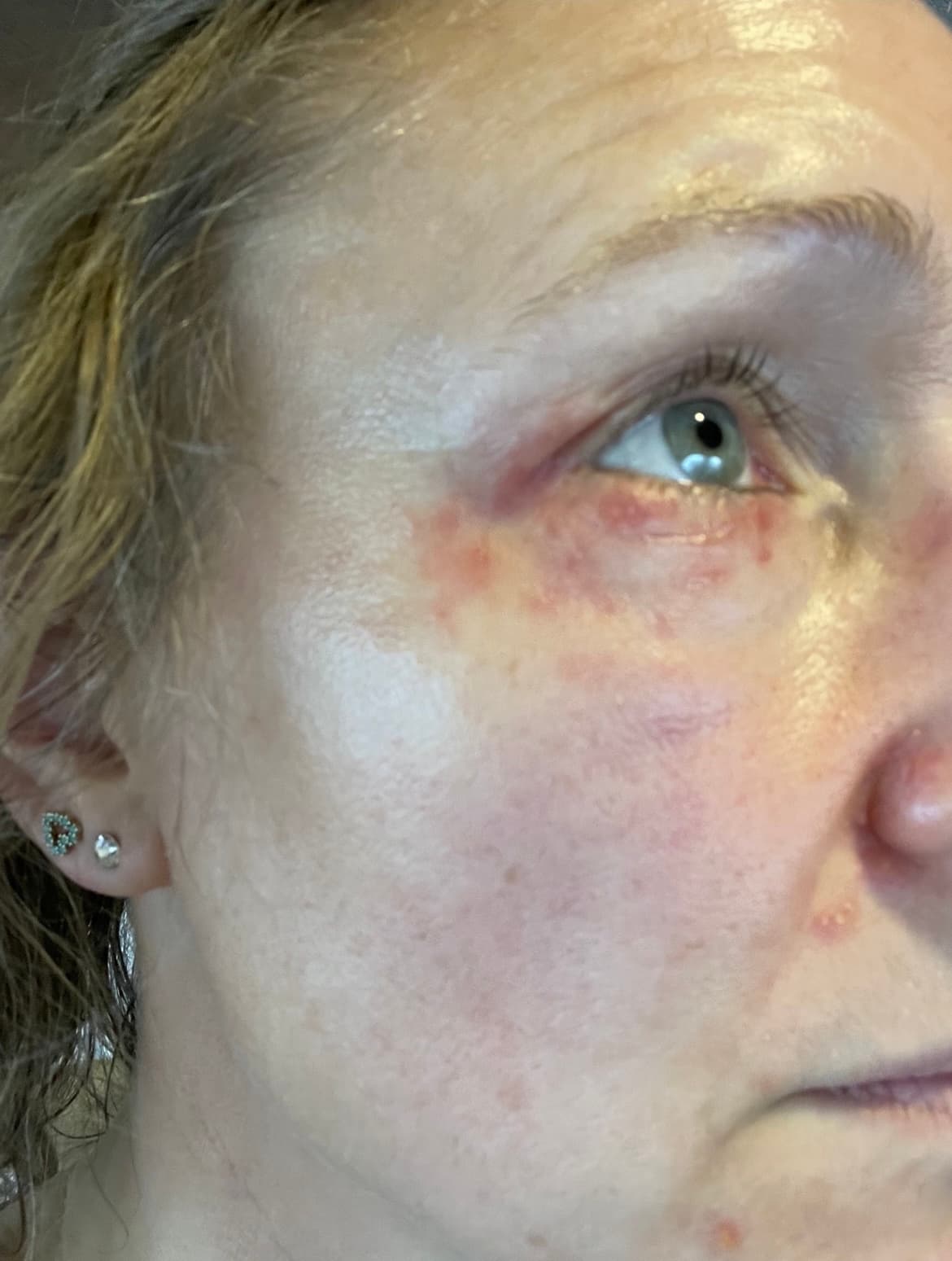 Before
 After
After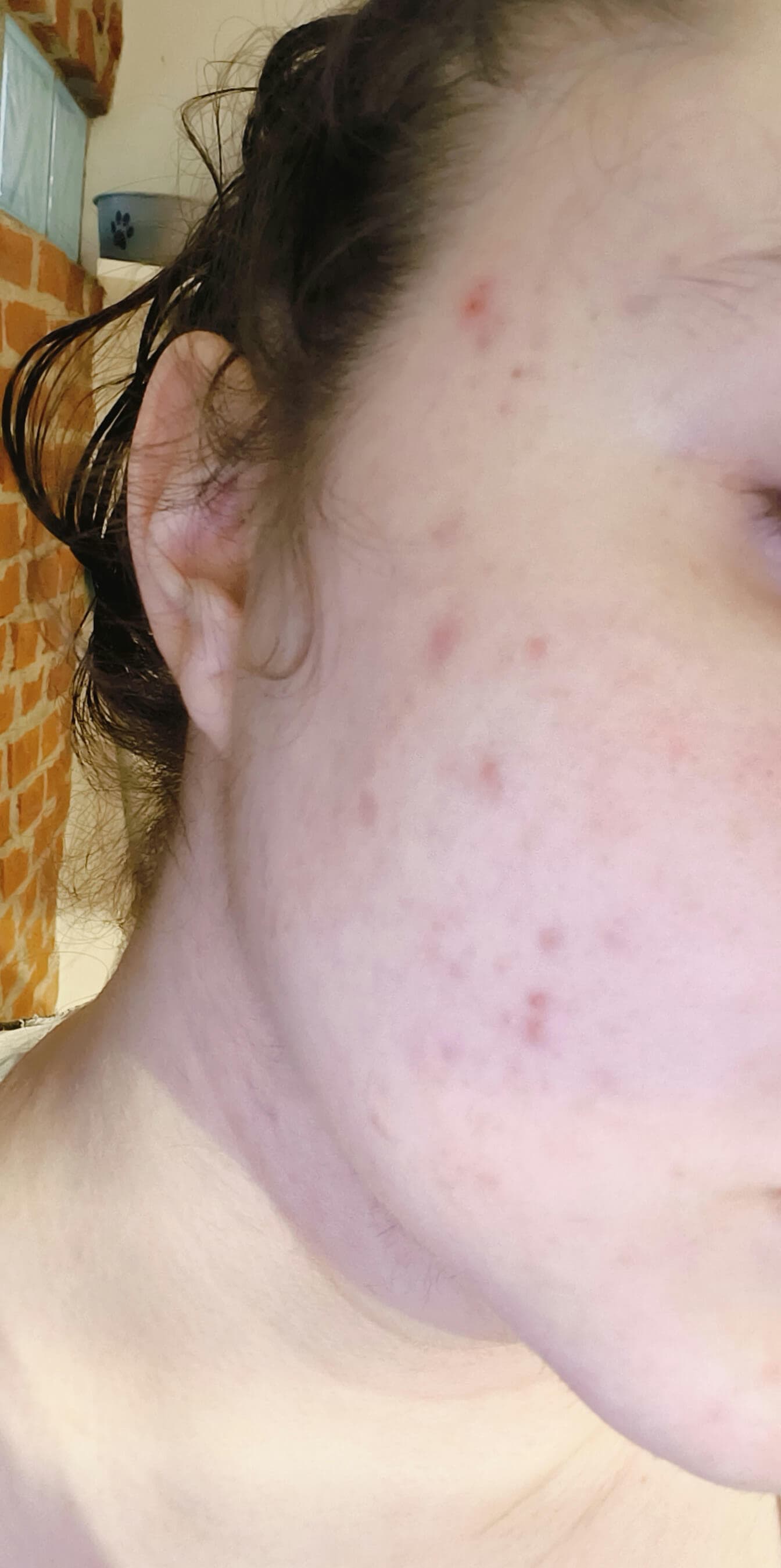 Before
 After
AfterKeep reading
- Ingredient · retinol
- Ingredient · retinaldehyde
- Ingredient · niacinamide
- Ingredient · panthenol
- Ingredient · ceramides
- Condition · sensitive skin
- Condition · signs of ageing
- Condition · acne and blemishes
- Condition · pigmentation
- Read · how to repair skin barrier after over exfoliating
- Read · skin cycling
- Read · slugging
- Read · why does my skin burn when i apply moisturizer
- Read · how to fade post acne marks
Citations
- Mukherjee S, et al. Retinoids in the treatment of skin aging: an overview of clinical efficacy and safety. Clin Interv Aging. 2006;1(4):327-348.PMID 18046911
- Riahi RR, Bush AE, Cohen PR. Topical Retinoids: Therapeutic Mechanisms in the Treatment of Photodamaged Skin. Am J Clin Dermatol. 2016;17(3):265-276.PMID 26818063
- The Skin Barrier and Moisturization: Function, Disruption, and Mechanisms of Repair. Skin Pharmacol Physiol. 2023.PMID 37717558