
Microneedling: what it can and cannot do for acne scars and texture
Microneedling can help atrophic acne scars and rough texture when it is done professionally. It is not a home shortcut, and it works best after active breakouts are under control.
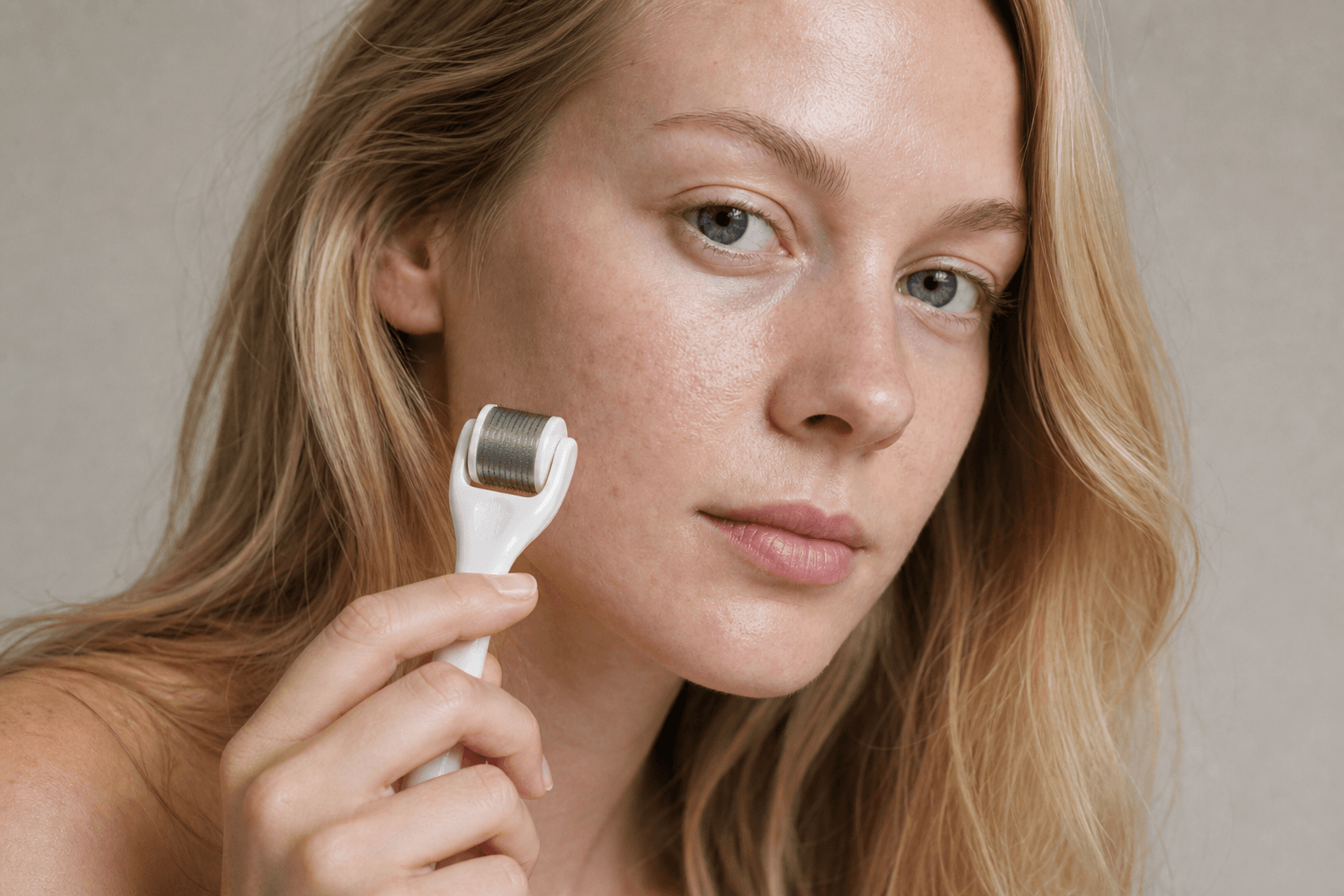
On this page
Microneedling is one of those treatments that sounds almost too simple.
Tiny needles. Tiny injuries. Bigger promises.
When I struggled with acne, I would have loved any treatment that promised smoother skin after the breakouts. Acne can already take up too much space in your life. When it leaves dents, marks, or rough texture behind, it can feel like the skin is keeping receipts.
After helping more than 100,000 people with problem skin, I have learned to separate two questions:
- Can a treatment work?
- Is it the right next step for this skin, right now?
Microneedling can work for some acne scars. That does not mean every derma roller on the internet deserves a place in your bathroom.
The short answer
Microneedling is a professional skin treatment that creates controlled micro-injuries in the skin. The point is to trigger repair signalling and collagen remodelling.
For atrophic acne scars - the indented type - the evidence is fairly encouraging. A 2021 review of randomised trials[1] found microneedling to be a well-tolerated and effective option for atrophic acne scars, though better long-term studies are still needed. A 2022 meta-analysis[2] also found microneedling monotherapy improved acne scars in randomised trials.
That is the useful part.
The less exciting part is equally important: microneedling is not for active inflamed acne, infected skin, irritated skin, or at-home experimenting with questionable devices.
If your skin is still breaking out every week, start there first.
What microneedling does in plain language
Microneedling makes tiny controlled punctures in the skin.
The skin reads that controlled injury as a repair signal. Over time, that repair process can encourage new collagen and elastin support in the dermis. A 2017 dermatology review[3] describes microneedling as a minimally invasive procedure used for scars, wrinkles, stretch marks, and other texture concerns.
Think of it as asking the skin to remodel a small area.
Not erase it overnight. Not polish it flat. Remodel it.
That difference matters because scar tissue changes slowly. Collagen does not work on influencer timelines.
What microneedling can help
Microneedling is most relevant for texture.
It may help:
- Atrophic acne scars.
- Rolling scars.
- Some shallow boxcar scars.
- Rough-looking texture after acne.
- Fine lines in some cases.
- General skin smoothness when the skin is healthy enough for a procedure.
It is less useful for:
- Active pimples.
- Blackheads.
- Clogged pores.
- Red or brown post-acne marks without texture change.
- Raised scars or keloids.
- Deep ice-pick scars as a single treatment.
This is why I would not treat microneedling as "acne skincare." It is scar and texture treatment. Acne control comes first.
Acne scars or acne marks?
Before considering microneedling, check what you are trying to treat.
Acne marks are colour changes: red, purple, brown, or darker spots after inflammation. The skin surface is still flat.
Acne scars are texture changes: dents, pits, rolling depressions, or raised tissue.
Microneedling is mainly about texture. If the problem is pigment, daily SPF, time, acne control, and pigment-supporting ingredients are usually more relevant. The broader acne scars guide and acne scars condition hub explain that difference in more detail.
This distinction saves money. It also saves your skin from being needled for a problem sunscreen and patience may handle better.
Why active acne should come first
Microneedling over inflamed acne is a bad idea.
You are creating tiny channels in skin that is already inflamed, bacteria-prone, and trying to heal. That can increase irritation and may spread inflammation. A clinician will usually want active acne controlled before treating scars.
The order I prefer is:
- Calm new breakouts.
- Stop picking.
- Use SPF daily so marks do not darken.
- Keep the barrier comfortable.
- Then assess scars after the skin has been stable for a while.
If you are still getting new painful pimples, your best scar treatment is preventing the next scar.
Not glamorous. Very true.
Professional microneedling vs home rollers
This is where the trend gets messy.
Professional microneedling uses sterile equipment, controlled depth, proper skin preparation, and aftercare. A good clinician also knows when not to treat.
Home devices are different.
The risks include:
- Infection from poor sterility.
- Uneven pressure and depth.
- More irritation than benefit.
- Post-inflammatory hyperpigmentation, especially if you pigment easily.
- Worsening active acne.
- Using acids or retinoids too soon after treatment.
I understand the temptation. A home roller looks cheaper than a clinic. But if the goal is acne scars, random injury is not the same as controlled treatment.
Skin is not sourdough. You do not need to poke it at home to prove commitment.
Who should be careful
Microneedling is not a casual treatment for everyone.
Be especially careful if you:
- Have active acne, eczema, infection, cold sores, or open wounds.
- Scar easily or have keloid tendencies.
- Are pregnant or have medical conditions that affect healing.
- Use isotretinoin or recently used it.
- Have deeper skin that pigments easily.
- Have rosacea-prone or very reactive skin.
- Cannot commit to strict sunscreen after treatment.
This is where a dermatologist or experienced clinic matters. Not because skincare should be scary, but because procedures deserve proper judgement.
What to do before microneedling
Do not arrive with irritated skin.
In the weeks before treatment, the goal is boring stability:
- Gentle cleansing.
- Moisturiser.
- Daily SPF.
- Acne control if needed.
- No picking.
- No last-minute peels, scrubs, or "skin reset" experiments.
If you use retinoids, acids, benzoyl peroxide, or prescription acne products, ask your clinician when to pause them. Do not guess.
Good microneedling starts before the appointment.
What to do after microneedling
After microneedling, your skin barrier has been deliberately disrupted.
That is the entire point, and also the reason aftercare matters.
Keep it simple:
- Use only gentle cleansing when your clinician says cleansing is okay.
- Use bland hydration.
- Avoid acids, retinoids, scrubs, vitamin C, and fragrance until healed.
- Avoid heavy sweating, saunas, and sun exposure during early recovery.
- Wear SPF once the skin is ready for sunscreen again.
- Follow the exact clinic instructions.
This is not the week to test three new Korean ampoules because your skin feels "open." Open skin needs peace.
How long results take
Microneedling results are gradual.
The first change may be temporary swelling. That can make texture look smoother for a few days, which feels exciting. Real scar remodelling takes longer.
Many people need several sessions spaced weeks apart. The final result depends on scar type, depth, skin tone, age, healing response, and whether microneedling is combined with treatments such as subcision, laser, chemical peels, or platelet-rich plasma.
If a clinic promises flawless skin after one session, take a calm step backward.
When microneedling is not enough
Acne scars are not one thing.
A 2017 acne-scar review[4] explains that scar treatments depend on scar type. Ice-pick scars, boxcar scars, rolling scars, and raised scars often need different tools.
That means microneedling may be part of the plan, not the whole plan.
For example:
- Rolling scars may need subcision.
- Ice-pick scars may need TCA CROSS or punch techniques.
- Raised scars may need scar-specific medical treatment.
- Pigment marks may need sunscreen and pigment care more than needling.
The best acne-scar plan is usually boringly specific.
The routine I would use first
Before microneedling, I would want the skin calm enough to judge.
For acne-prone skin, that usually means:
Morning
Cleanse gently, moisturise if needed, and use SPF.
Evening
Cleanse, use a tolerated 2% salicylic acid product on clogged areas a few nights per week, then moisturise.
Always
Do not pick. Do not scrub. Do not declare war on every pore.
If the skin becomes less inflamed over 8 to 12 weeks, you can see what texture remains. That is the moment where microneedling becomes a more sensible conversation.
The bottom line
Microneedling can be worth it for the right kind of acne scars, done by the right professional, at the right time.
It is not a treatment for active acne. It is not a blackhead routine. It is not a home device hobby.
If breakouts are still active, build the boring foundation first: gentle cleansing, salicylic acid when tolerated, barrier support, daily SPF, and no picking. Then look at the remaining texture with a calm head.
Procedures work best when the daily routine is no longer fighting the skin.
People also ask
Is microneedling good for acne scars?
Microneedling can help atrophic acne scars, especially rolling or shallow boxcar-type texture, when done professionally. Ice-pick scars, raised scars, and active acne may need a different plan.
Can I do microneedling at home?
I would not recommend home microneedling for acne scars. Infection risk, irritation, pigment changes, and uneven technique make it a poor shortcut compared with a trained professional.
How many microneedling sessions do acne scars need?
Many people need a series of treatments, often spaced weeks apart. The exact number depends on scar type, depth, skin tone, downtime tolerance, and whether other treatments are combined.
Should I use salicylic acid after microneedling?
Not immediately. After microneedling, follow your clinician's recovery instructions and keep the routine gentle. Acids and retinoids usually need to pause until the skin barrier has healed.
Start with calm skin before procedures
Microneedling is a procedure, not a daily routine. Before you spend money on texture treatment, I would first make the skin calmer, reduce new breakouts, and protect marks from UV. That is where the Danish Skin Care Kit fits: a simple acne-prone routine that helps you stop creating new inflammation while you decide whether professional scar treatment is worth it.

The simple foundation before and after professional texture treatments: gentle cleanser, salicylic acid for clogged pores when the skin is healed, moisturiser, and daily SPF.
Full transparency: Danish Skin Care is my own company — I formulated these products and earn from every sale. That's exactly why I only recommend them where they genuinely fit the guide you just read.
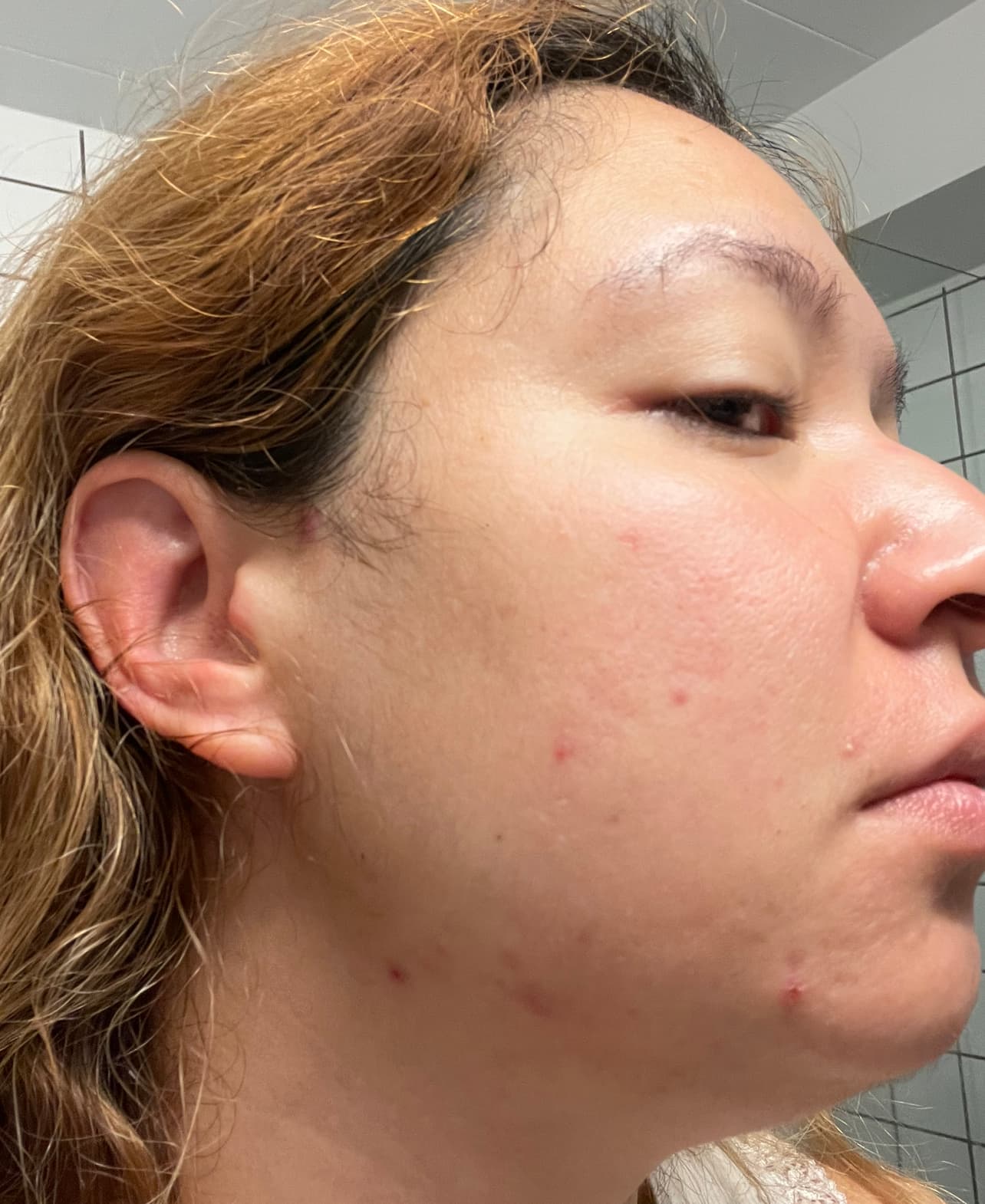
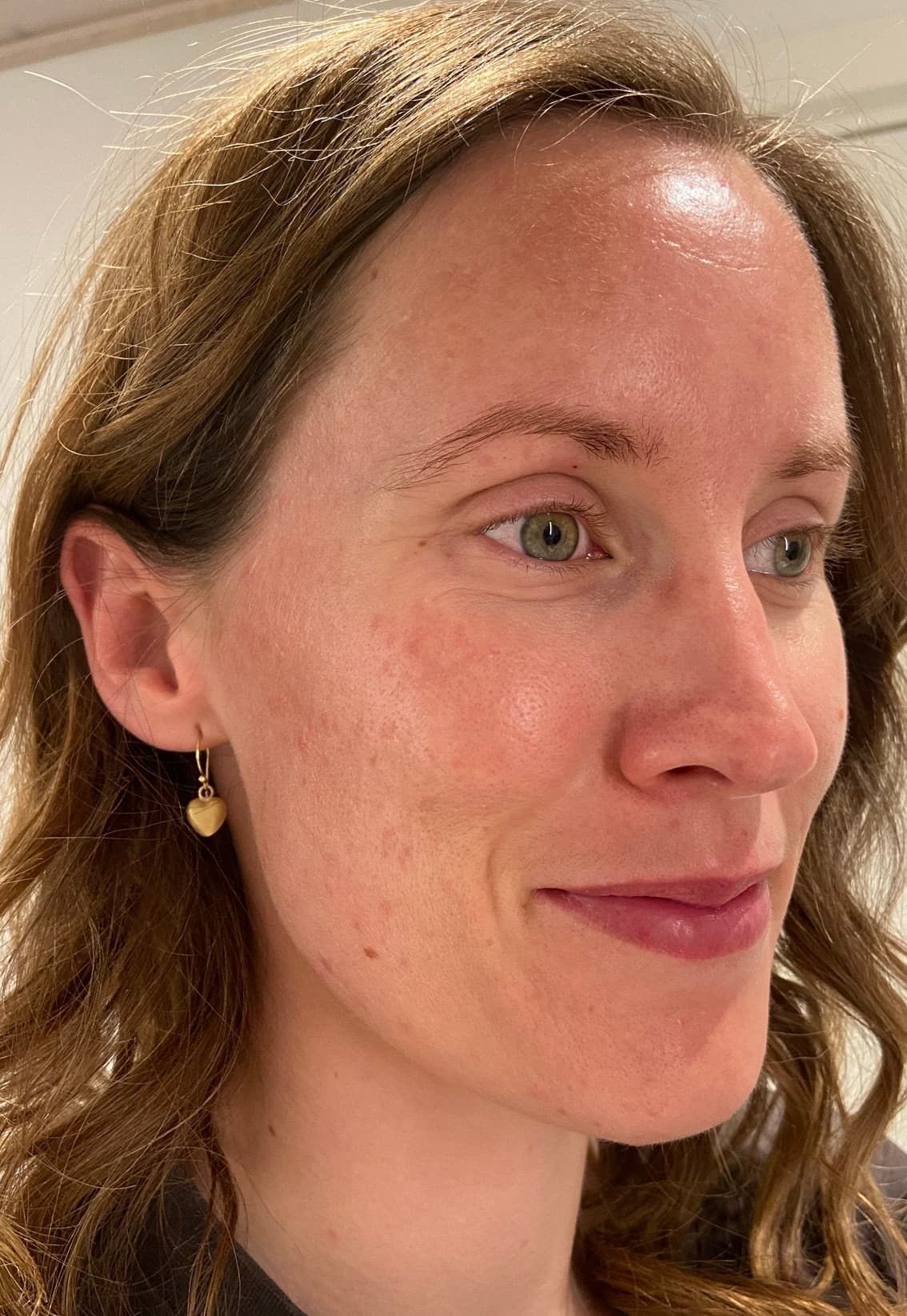
Real results from simple routines
A few real before-and-after cases from people using Danish Skin Care for skin concerns related to this guide. No filters, no miracle promise. Consistent skincare over time.
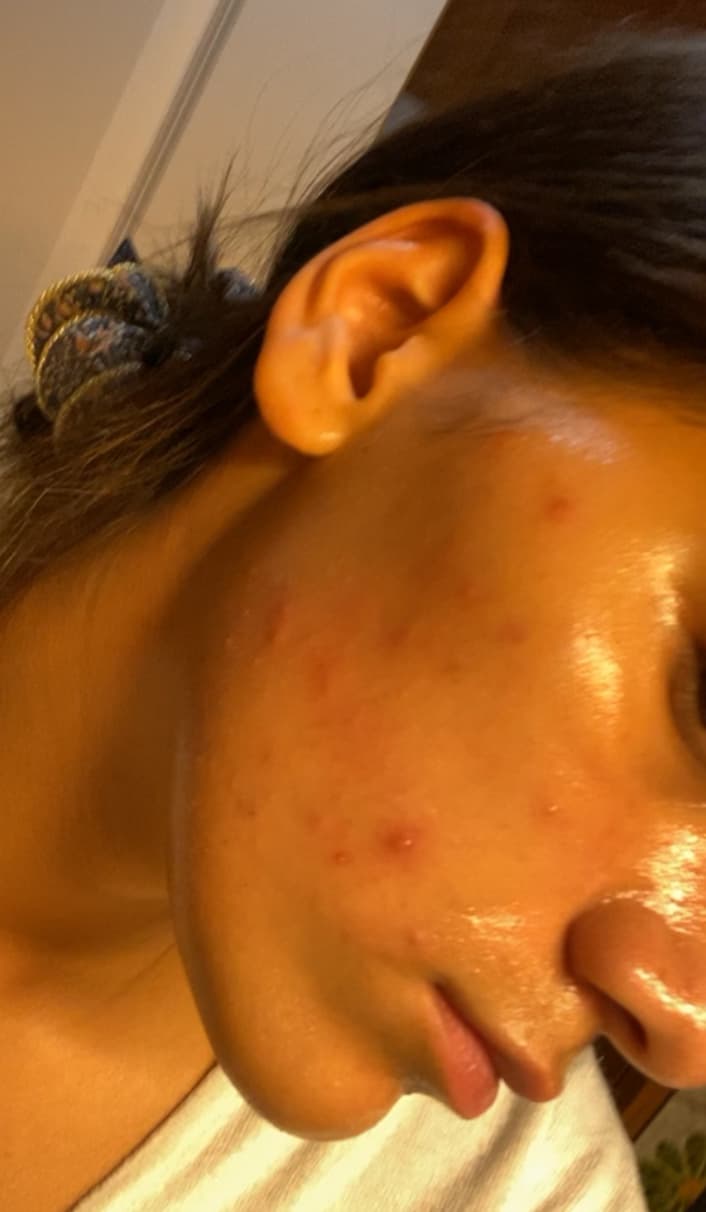 Before
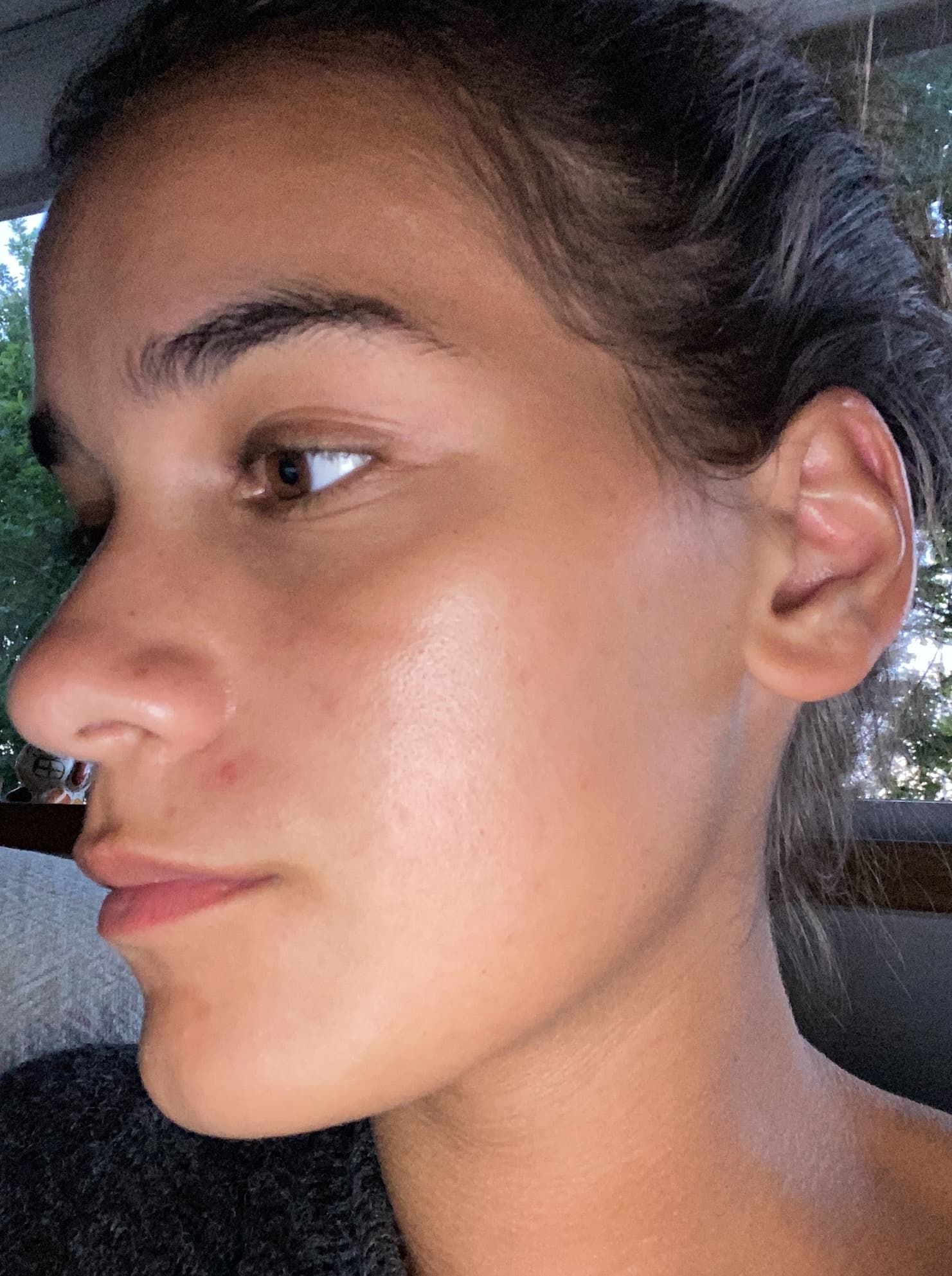 After
After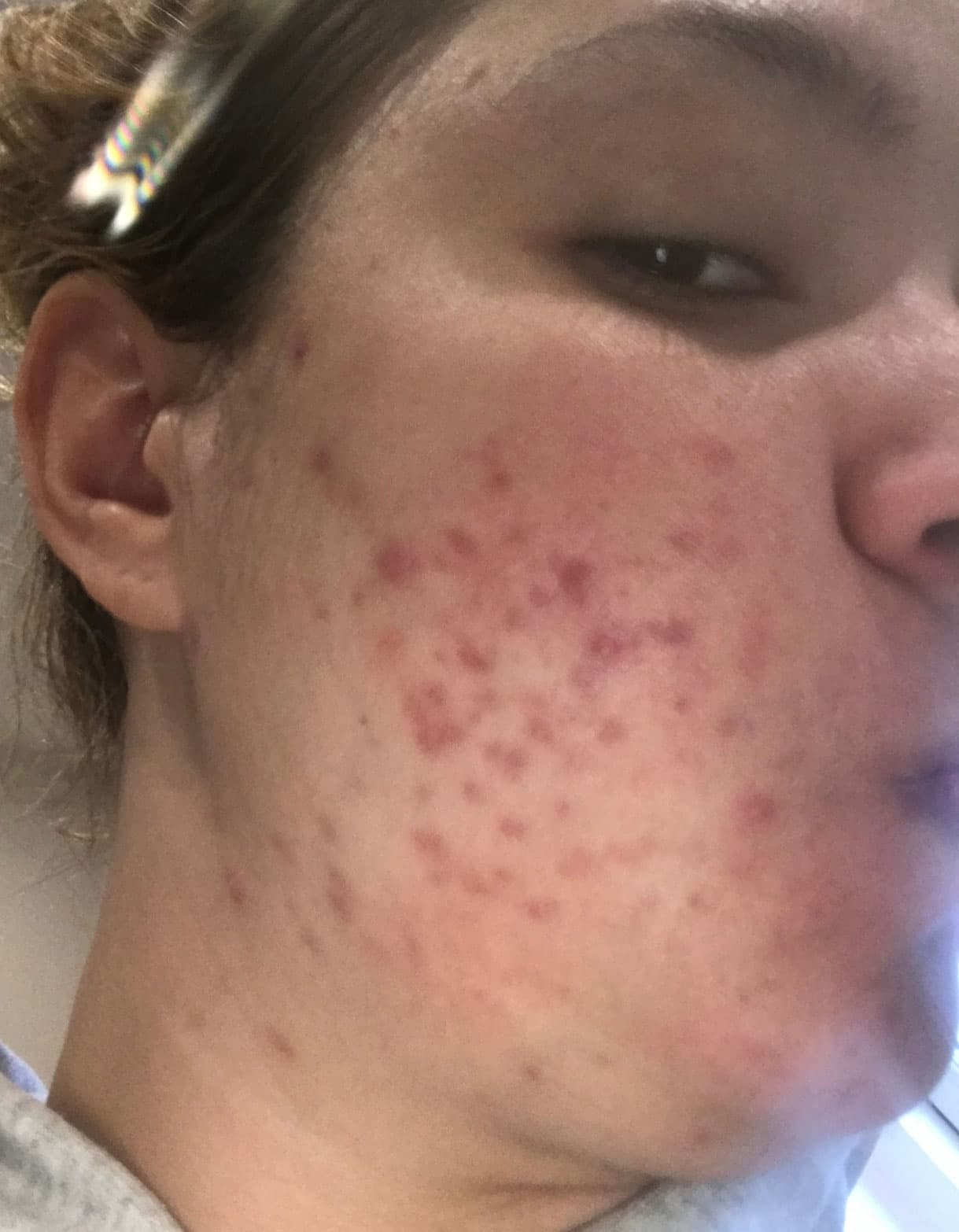 Before
 After
After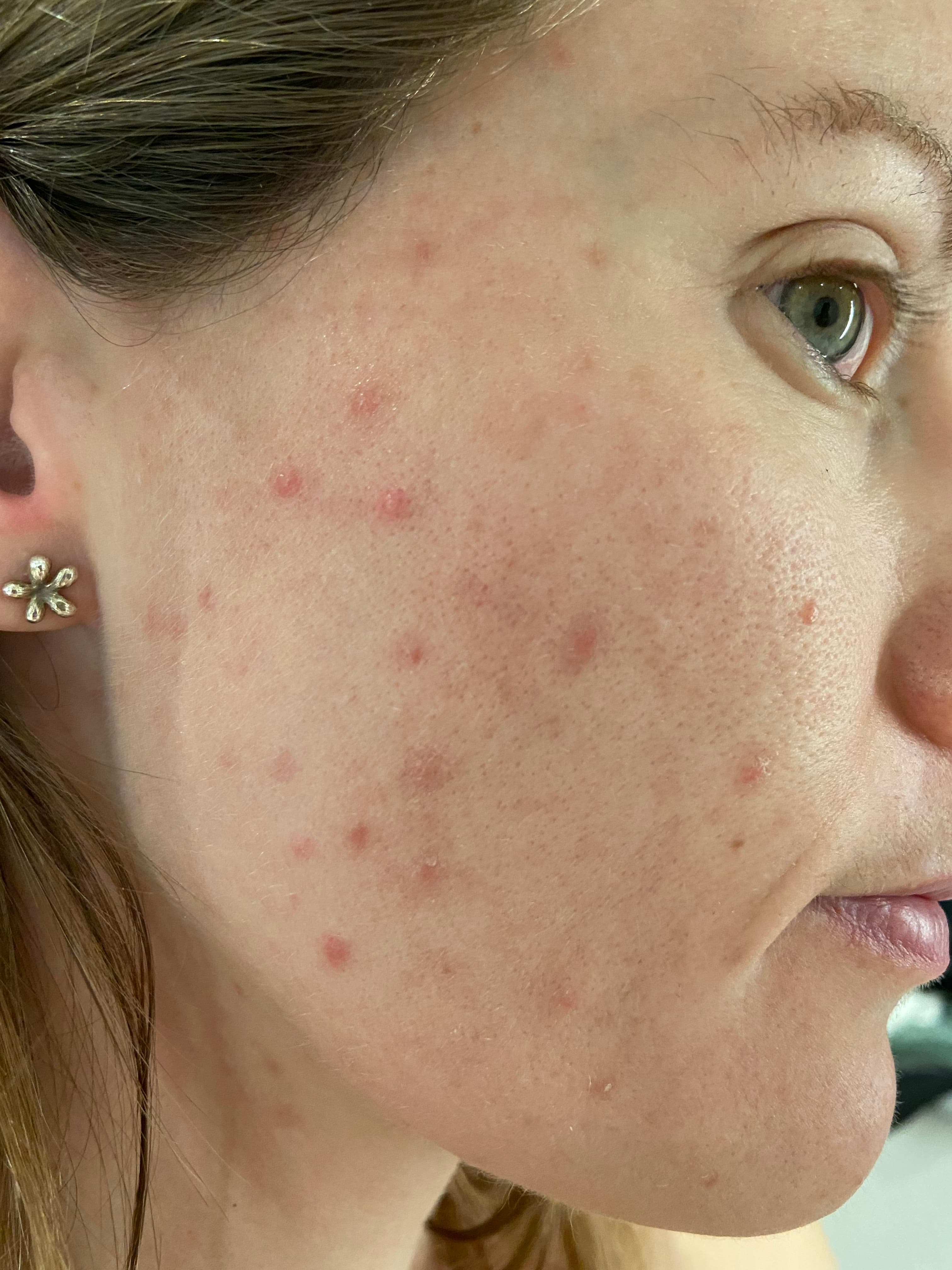 Before
 After
AfterKeep reading
- Ingredient · salicylic acid
- Ingredient · niacinamide
- Ingredient · retinol
- Ingredient · sodium hyaluronate
- Condition · acne scars and marks
- Condition · acne and blemishes
- Condition · pigmentation
- Condition · signs of ageing
- Condition · sensitive skin
- Read · acne scars
- Read · how to fade post acne marks
- Read · pie vs pih acne marks
- Read · best ingredients for acne scars and marks
- Read · how to get rid of pimples
Citations
- Sitohang IBS, Sirait SAP, Suryanegara J. Microneedling in the treatment of atrophic scars: A systematic review of randomised controlled trials. Int Wound J. 2021;18(5):577-585.PMID 33538106
- Shen YC, Chiu WK, Kang YN, Chen C. Microneedling Monotherapy for Acne Scar: Systematic Review and Meta-Analysis of Randomized Controlled Trials. Aesthet Plast Surg. 2022;46(4):1913-1922.PMID 35426044
- Iriarte C, Awosika O, Rengifo-Pardo M, Ehrlich A. Review of applications of microneedling in dermatology. Clin Cosmet Investig Dermatol. 2017;10:289-298.PMID 28690124
- Connolly D, Vu HL, Mariwalla K, Saedi N. Acne Scarring-Pathogenesis, Evaluation, and Treatment Options. J Clin Aesthet Dermatol. 2017;10(9):12-23.PMID 29344322