
Red light therapy for skin: what LED masks can and cannot do
Red light therapy is one of the more interesting skincare trends, but it is not a replacement for sunscreen, retinol, acne treatment, or a simple routine. Here is what the evidence says.
On this page
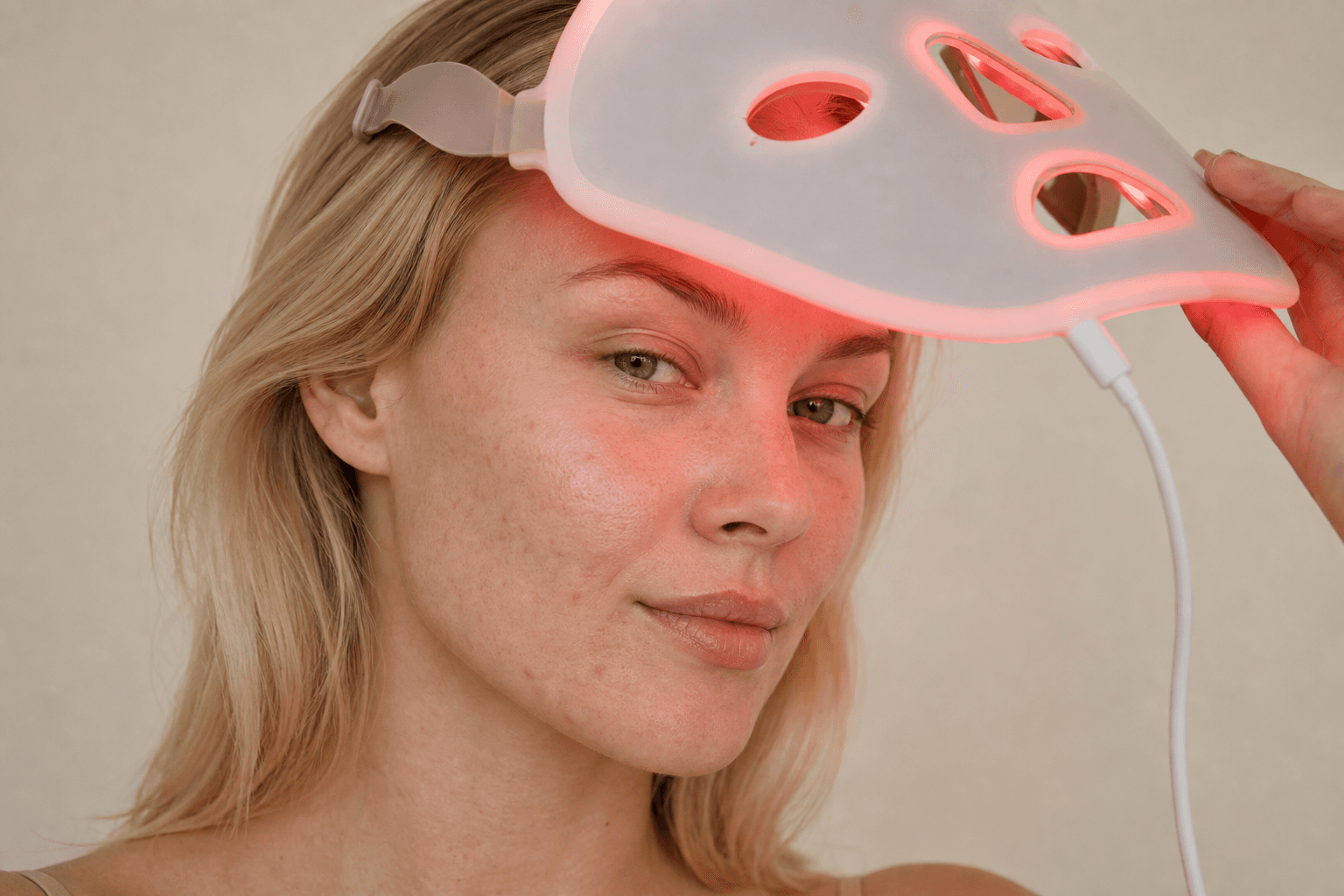
Red light therapy is the rare skincare trend that looks both futuristic and slightly ridiculous.
You sit there wearing a glowing mask, looking like you are either treating inflammation or preparing to join a very polite sci-fi cult.
I understand the appeal. When you have dealt with acne, post-acne marks, irritation, or early lines, a device feels attractive because it does not ask you to add another cream. No greasy texture. No peeling. No "will this clog me?" spiral.
But devices still need the same question as products:
What problem is this solving, and is it better than the basics?
The short answer
Red light therapy uses specific wavelengths of visible red light, often around the 630 to 660 nm range, to influence skin biology. Many at-home LED masks also include near-infrared light or blue light.
For the light from your phone or laptop, see the separate guide to blue light from screens and skin.
The evidence is interesting, but not magical.
A 2018 systematic review of randomised LED trials[1] found the strongest recommendations for acne, herpes simplex and zoster, and acute wound healing, while other uses had weaker evidence because studies were small, varied, or less well blinded. A 2023 systematic review and meta-analysis[2] also found LED therapy promising for acne and skin rejuvenation, while noting variation across conditions.
So yes, LED can be useful.
No, it does not replace sunscreen, retinol, acne treatment, scar procedures, or a routine your skin can tolerate.
How red light therapy is supposed to work
Red light therapy is often described as photobiomodulation.
In plain language, certain wavelengths of light can interact with cells and influence signalling related to inflammation, repair, and energy metabolism. That is the theory behind using LED devices for acne, redness, wound healing, and signs of ageing.
This does not mean "light fixes skin."
It means dose, wavelength, time, distance, device quality, and skin condition matter.
Skincare loves simple claims. Biology prefers paperwork.
What red light may help
Red light and LED therapy may help:
- Mild inflammatory acne in some people.
- Redness linked to inflammation.
- General skin texture.
- Mild signs of photoageing.
- Post-procedure recovery under professional guidance.
- Wound-healing contexts in specific settings.
The best evidence tends to come from controlled devices, defined treatment schedules, and measured wavelengths.
At-home masks are more variable. Some are decent. Some are expensive mood lighting with straps.
Red light for acne
For acne, the picture is mixed but interesting.
Blue light is often used because it targets porphyrins produced by Cutibacterium acnes. Red light is often used because it may help inflammation. Many acne devices combine blue and red light.
A 2021 meta-analysis on red light for moderate-to-severe acne[3] found no clear superiority over traditional treatments and warned that results should be interpreted carefully because of heterogeneity and small study sizes.
That is a very skincare sentence, so here is the translation:
Red light may help some acne, but do not throw away proven acne treatment because a mask glows.
If your acne is mild and mostly inflammatory, LED might be a low-irritation add-on.
If your acne is deep, painful, scarring, hormonal, or persistent, see a dermatologist. Light therapy should not delay better tools.
Red light for signs of ageing
Red light therapy is often sold for collagen, wrinkles, firmness, and glow.
Some LED studies do suggest skin rejuvenation benefits. The evidence is not as strong or as straightforward as the evidence for daily sunscreen and retinoids.
For comparison, a 2007 retinol study[4] found that topical retinol improved fine wrinkles over 24 weeks and increased markers linked to skin matrix support. That does not mean everyone should use retinol every night. It means retinol has a clear evidence base as a topical anti-ageing ingredient.
Red light may be a useful extra.
SPF and retinol are still the boring adults in the room.
What red light cannot do
Red light therapy will not:
- Remove pitted acne scars.
- Replace microneedling, laser, subcision, or scar-specific procedures.
- Cure severe acne.
- Replace sunscreen.
- Replace retinol.
- Erase pigmentation quickly.
- Fix a routine that keeps irritating your skin.
It can support. It cannot carry the whole routine on its glowing plastic forehead.
At-home masks vs clinic devices
Clinic devices are usually stronger, more controlled, and used by people trained to choose settings and candidates.
At-home devices are more convenient but vary widely:
- Wavelengths.
- Irradiance.
- Treatment time.
- Distance from skin.
- Fit against the face.
- Eye protection.
- Whether the advertised dose reaches the skin.
This is why two LED masks can produce different results even if both glow red.
If you buy one, choose a reputable device with clear wavelength, safety, and usage instructions. If the product page is all vibes and no specifications, be careful.
Safety: boring but important
LED therapy is generally well tolerated in studies, but at-home use still needs common sense.
Be careful or ask a clinician first if you have:
- Light sensitivity.
- A condition triggered by light.
- Photosensitising medication.
- Eye disease or recent eye surgery.
- Melasma that worsens with heat or visible light.
- Active skin cancer concerns or suspicious lesions.
- Seizures triggered by flashing light.
Use eye protection if the device requires it. Do not stare into LEDs because the mask came with a playlist and a dream.
More time is not better. Follow the instructions.
How to use red light in a routine
Keep the skin clean and product-light before the device unless the instructions say otherwise.
A simple order:
- Cleanse gently.
- Use the LED device as directed.
- Apply moisturiser.
- Use your active products on their normal schedule if tolerated.
- Use SPF every morning.
Do not use LED as an excuse to skip the boring things. Boring things are doing a lot.
When LED makes sense
Red light therapy makes the most sense if:
- Your basic routine is already stable.
- You are consistent enough to use the device for weeks.
- Your acne is mild or moderate and not scarring.
- You want a low-irritation add-on.
- You understand the result may be subtle.
- You are not choosing LED instead of medical care you need.
It makes less sense if:
- You hate routines.
- You will use it twice and forget it.
- You expect scar removal.
- You are skipping SPF.
- You are buying it because your skin is panicking and you want one expensive solution.
No device can make inconsistency consistent.
Red light vs skincare
This is the hierarchy I would use:
First: cleanser, moisturiser, SPF.
Then: proven actives for your concern, such as salicylic acid for clogged pores or retinol for signs of ageing if tolerated.
Then: optional extras like LED.
That order prevents a common mistake: spending money on the most exciting step while the basic routine still irritates the skin every morning.
If your cleanser strips, your sunscreen stings, and your moisturiser is wrong, a red light mask is not the first fix.
The bottom line
Red light therapy is not nonsense.
It is also not skincare magic.
The evidence is promising for some uses, especially acne and skin-rejuvenation contexts, but the details matter: wavelength, dose, device quality, schedule, and the skin concern being treated.
Use LED as an add-on if you enjoy it and can use it consistently.
Keep the foundation boring: gentle cleansing, moisturiser, SPF, and proven actives when needed. The glowing mask can join the routine after the routine already makes sense.
People also ask
Does red light therapy really work for skin?
Some studies suggest LED therapy can help acne and skin rejuvenation, but results depend on wavelength, dose, device quality, consistency, and the skin concern. It is best treated as an add-on.
Can red light therapy clear acne?
It may help mild inflammatory acne for some people, especially when red and blue light are used appropriately. It is not a replacement for proven acne treatment or medical care for deep, painful, or scarring acne.
How often should I use a red light mask?
Follow your device instructions. Many devices use short sessions several times per week. Using it longer than directed is not automatically better and may increase irritation or eye risk.
Does red light therapy replace retinol?
No. Red light and retinol work differently. Retinol has strong topical evidence for visible ageing, while LED can be an optional support if the basics are already consistent.
Use LED as an add-on, not the whole routine
Red light therapy can be an interesting extra, but I would not build a routine around a device before the basics are handled. The Danish Skin Care Kit gives the daily structure first: cleanse gently, treat clogged pores when needed, moisturise with barrier support, and use SPF every morning. Then LED can be judged as an optional add-on instead of carrying the whole plan.

The foundation before optional devices: gentle cleanser, salicylic acid when needed, retinol-supported moisturiser, and daily SPF.
Full transparency: Danish Skin Care is my own company — I formulated these products and earn from every sale. That's exactly why I only recommend them where they genuinely fit the guide you just read.
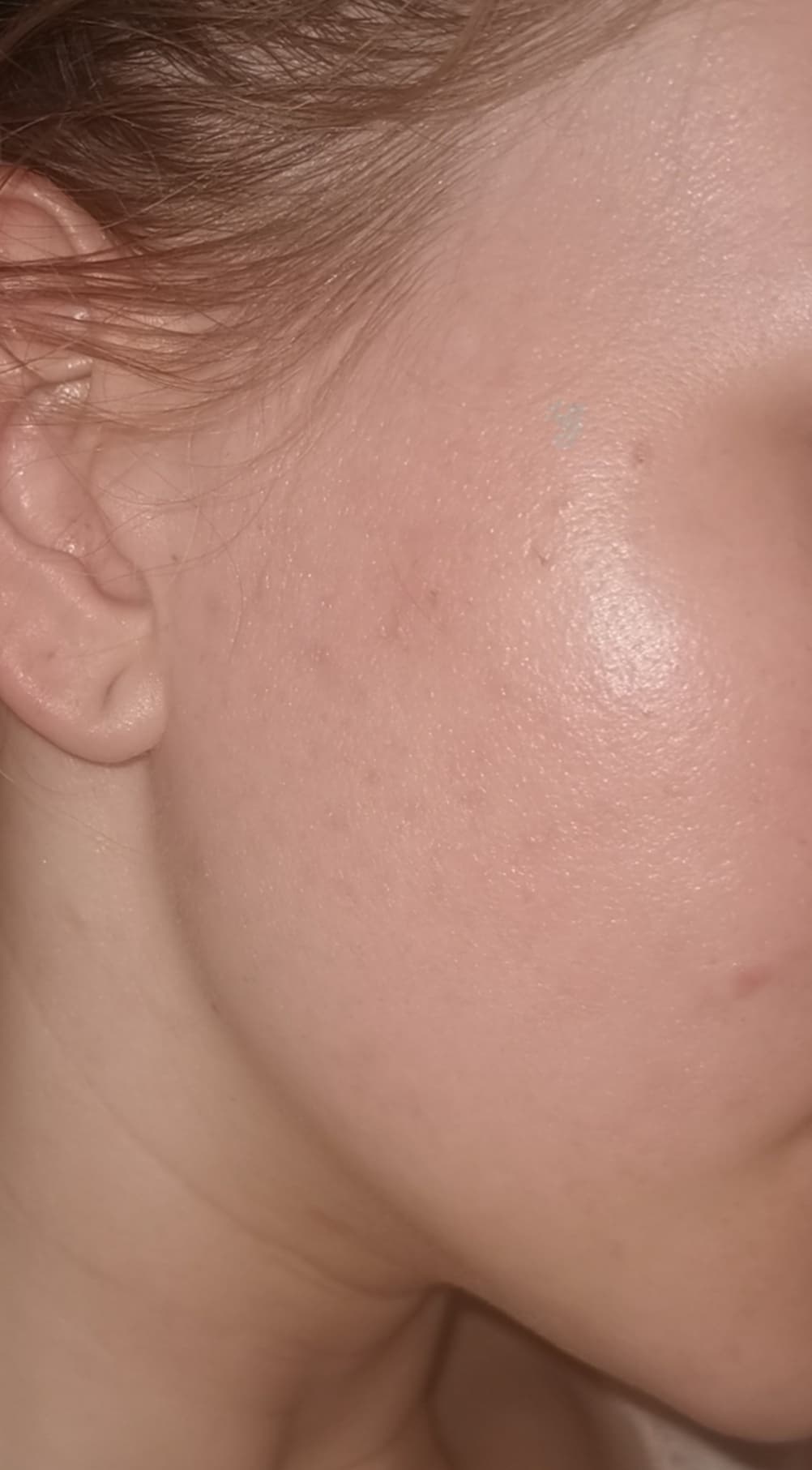
Real results from simple routines
A few real before-and-after cases from people using Danish Skin Care for skin concerns related to this guide. No filters, no miracle promise. Consistent skincare over time.
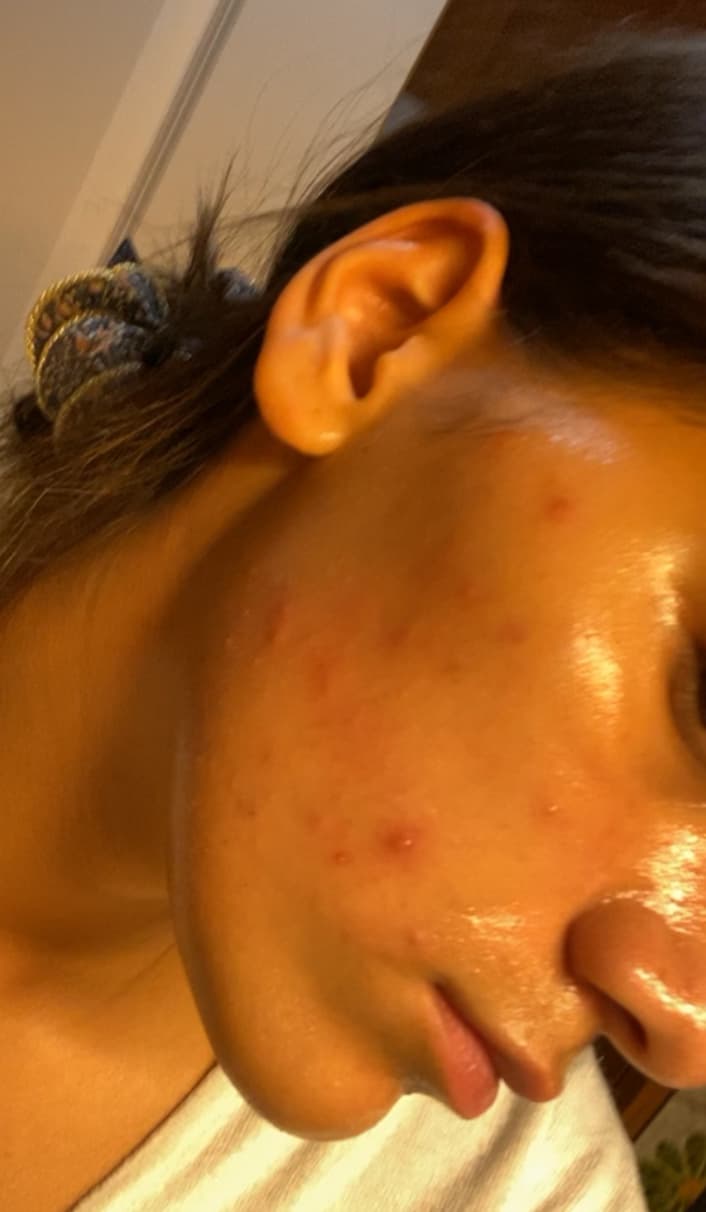 Before
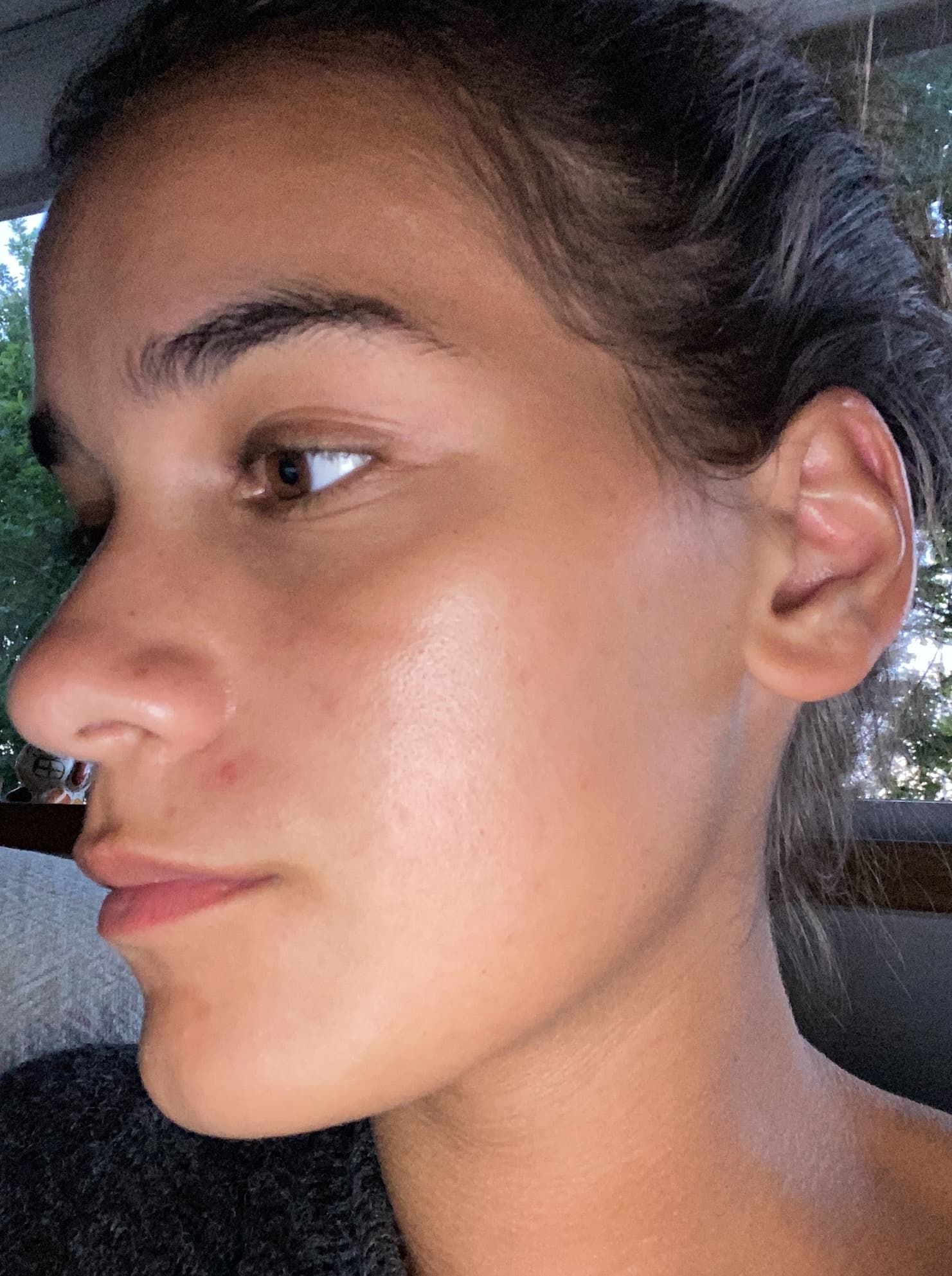 After
After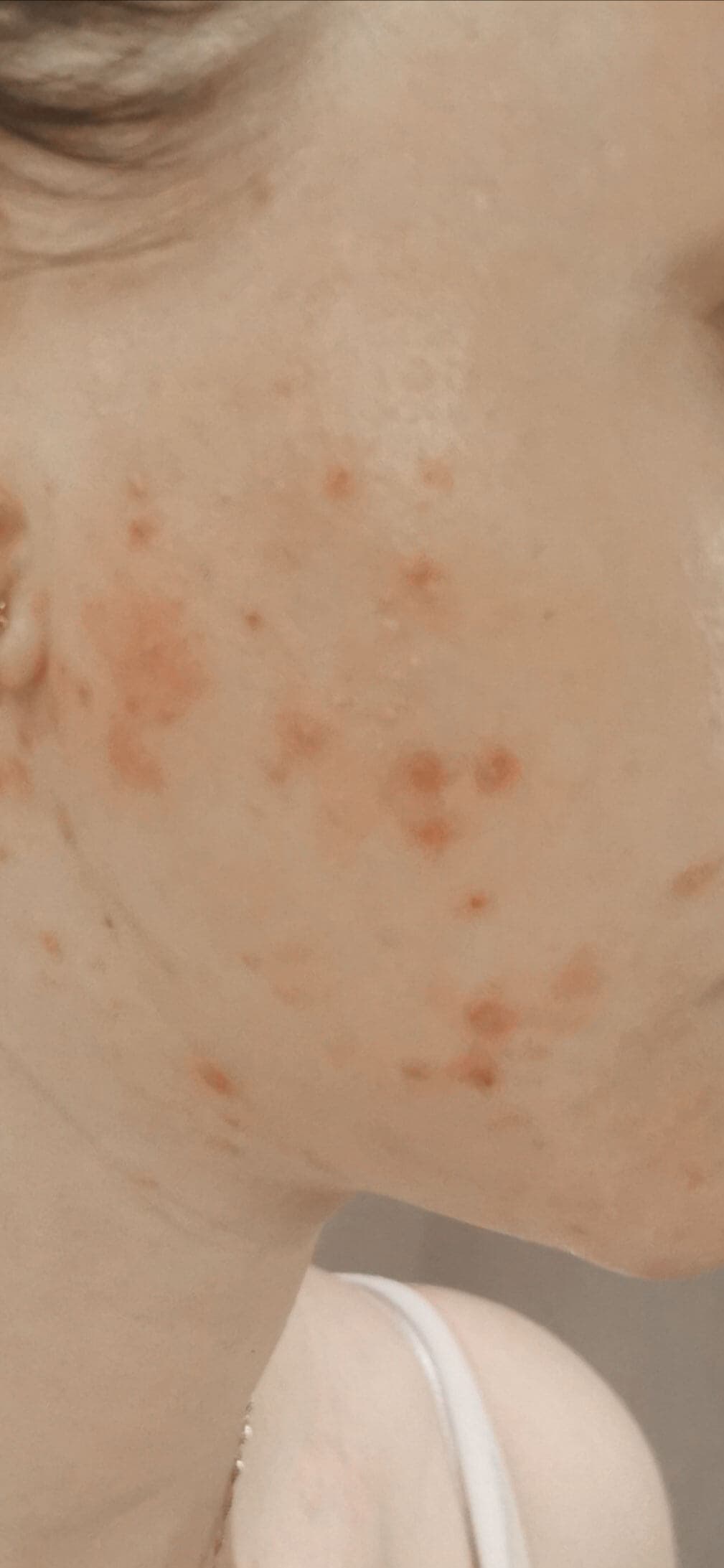 Before
 After
AfterKeep reading
- Ingredient · retinol
- Ingredient · niacinamide
- Ingredient · salicylic acid
- Ingredient · sodium hyaluronate
- Ingredient · l ascorbic acid
- Condition · signs of ageing
- Condition · acne scars and marks
- Condition · acne and blemishes
- Condition · pigmentation
- Condition · sensitive skin
- Read · skin cycling
- Read · acne scars
- Read · how to fade post acne marks
- Read · microneedling
- Read · how to get rid of pimples
Citations
- Jagdeo J, Austin E, Mamalis A, Wong C, Ho D, Siegel DM. Light-emitting diodes in dermatology: A systematic review of randomized controlled trials. Lasers Surg Med. 2018;50(6):613-628.PMID 29356026
- Ngoc LTN, Moon JY, Lee YC. Utilization of light-emitting diodes for skin therapy: Systematic review and meta-analysis. Photodermatol Photoimmunol Photomed. 2023;39(4):303-317.PMID 36310510
- Wu Y, Deng Y, Huang P. Application of red light therapy for moderate-to-severe acne vulgaris: A systematic review and meta-analysis. J Cosmet Dermatol. 2021;20(11):3498-3508.PMID 34363730
- Kafi R, et al. Improvement of naturally aged skin with vitamin A (retinol). Arch Dermatol. 2007;143(5):606-612.PMID 17515510