
Peptides
Short chains of amino acids that signal skin to repair itself. Modest, well-tolerated anti-aging support — not a retinol replacement, but a useful second act.
At a glance
What Peptides does for skin, and how to read the practical safety signals.
- Peptides are messenger molecules; different sequences tell skin cells to make more collagen, elastin, or other matrix proteins.
- Palmitoyl Pentapeptide-4 (Matrixyl) is the best-studied cosmetic peptide for fine lines, usually at very low ppm concentrations.
- Evidence is real but smaller than for retinol or niacinamide. Think supporting cast, not headline act.
- Type
- Active
- Rating
- Pregnancy
- Considered safe
- Comedogenic rating
- 0/5 (Won't clog pores)
- Vegan
- Yes
- Suited skin types
- All skin types
On this page
The short answer
Peptides are short chains of amino acids that act as messengers in skin. On an INCI label you will see specific names like Palmitoyl Pentapeptide-4, Palmitoyl Tripeptide-1, or Palmitoyl Tetrapeptide-7, rather than the word "peptides" alone. Different sequences nudge fibroblasts to produce more collagen, elastin, or other structural proteins. The result, when it works, is smoother texture and softer fine lines over time.
If you are hoping peptides will replace retinol, they will not. The evidence base is thinner and the effects are subtler. But as a well-tolerated add-on in a simple routine, especially for people whose skin cannot tolerate strong retinoids, peptides earn their place without the drama.
What the evidence actually shows
Palmitoyl Pentapeptide-4. Robinson's 2005 double-blind study tested moisturiser with 3 ppm Palmitoyl Pentapeptide-4 (pal-KTTKS, also known as Matrixyl) against the same base without it. After 12 weeks, the peptide side showed significant improvement in wrinkles and fine lines by both image analysis and expert grading. Subjects noticed the difference too. The concentration was tiny, which tells you peptides are potent signal molecules, not bulk fillers.
Combination peptide formulas. Kim's 2016 study evaluated creams containing palmitoyl peptides alongside vitamin E and other functional ingredients on aged skin. After four weeks, instrumental measures showed improvements in wrinkle depth, elasticity, and dermal density. Modest numbers, but directionally consistent and without notable irritation.
How the category works. Lintner's 2000 review traced peptides from lab curiosity to cosmetic staple. The key idea is matrikines: fragments of matrix proteins that tell skin "repair needed here." When a fatty acid tail like palmitoyl is attached, penetration through the lipid-rich outer skin improves. That is why most proven cosmetic peptides on labels look like Palmitoyl-something rather than plain amino acid chains.
How to use it
- Format: serums or moisturisers. Peptides are not picky about vehicle, but they should not sit in a formula with very low pH acids that might break the chains down.
- Concentration: effective levels are often in the parts-per-million range for Palmitoyl Pentapeptide-4. Do not assume a higher percentage on the marketing copy means better science.
- When: morning or evening. Many people pair peptides with niacinamide and hyaluronic acid for hydration and barrier support.
- Timeline: think 8–12 weeks before judging. This is compound-interest skincare, not overnight filler.
How to keep it comfortable
- Retinol handles cell turnover and collagen from a different angle. Peptides and retinol complement each other when the skin tolerates both.
- Allantoin and barrier moisturisers keep the skin calm so peptide signalling happens in healthy tissue, not over an irritated surface.
- Do not stack ten peptide products. One well-formulated serum or moisturiser is enough. More labels on the shelf does not mean more collagen.
When peptides are the wrong tool
Peptides will not clear acne, fade deep pigmentation on their own, or fix significant photoaging the way prescription retinoids can. If your main concern is active breakouts, start with salicylic acid and a simple cleanser routine before spending on anti-aging peptides.
And manage expectations. The category has more marketing heat than retinol or niacinamide. Some peptide claims in the industry outrun the published data. Stick to ingredients with actual facial skin trials, starting with Palmitoyl Pentapeptide-4.
The practical takeaway
My goal with this guide was to gather the useful science on peptides in one place, so you can stop hunting for the next clever fix and do the simple, effective things your skin actually needs.
That is also why I made the Danish Skin Care Kit: a calm routine built around documented ingredients, and one that has helped more than 100,000 people with problem skin. If even the smallest question is still nagging you, send me an email at info@danishskincare.com.
Common questions
Do peptides actually work on wrinkles?
Some do, modestly. Robinson's 2005 study on Palmitoyl Pentapeptide-4 showed significant fine-line improvement versus placebo over 12 weeks at just 3 ppm. That is real data, but the effect size is smaller than what retinol typically delivers.
Which peptide should I look for on the label?
Palmitoyl Pentapeptide-4 (also sold as Matrixyl) has the most facial skin data. Palmitoyl Tripeptide-1 and Palmitoyl Tetrapeptide-7 appear in many combination formulas. Copper peptides have a separate, smaller evidence base.
Can I use peptides with retinol?
Yes. They work through different pathways. Many people use retinol at night and a peptide moisturiser or serum on top once the skin has adjusted. If irritation appears, simplify before adding more.
Reading a real label?
Scan a product to see how it is formulated
Upload a photo of the ingredient list and get a quick ingredient-by-ingredient read against the evidence-led database.
I recommend these products

Retinol and niacinamide carry the heavier anti-aging evidence. Peptide serums layer best on top of a simple foundation like the Kit.

Azelaic acid and niacinamide address tone and redness. Peptides can sit alongside for texture and fine lines if you want an extra step.

Salicylic acid keeps congestion clear so peptide products sit on smooth, calm skin rather than over active breakouts.
Skin conditions it actively helps with
Where the published evidence puts Peptides on the short list of active ingredients worth reaching for.
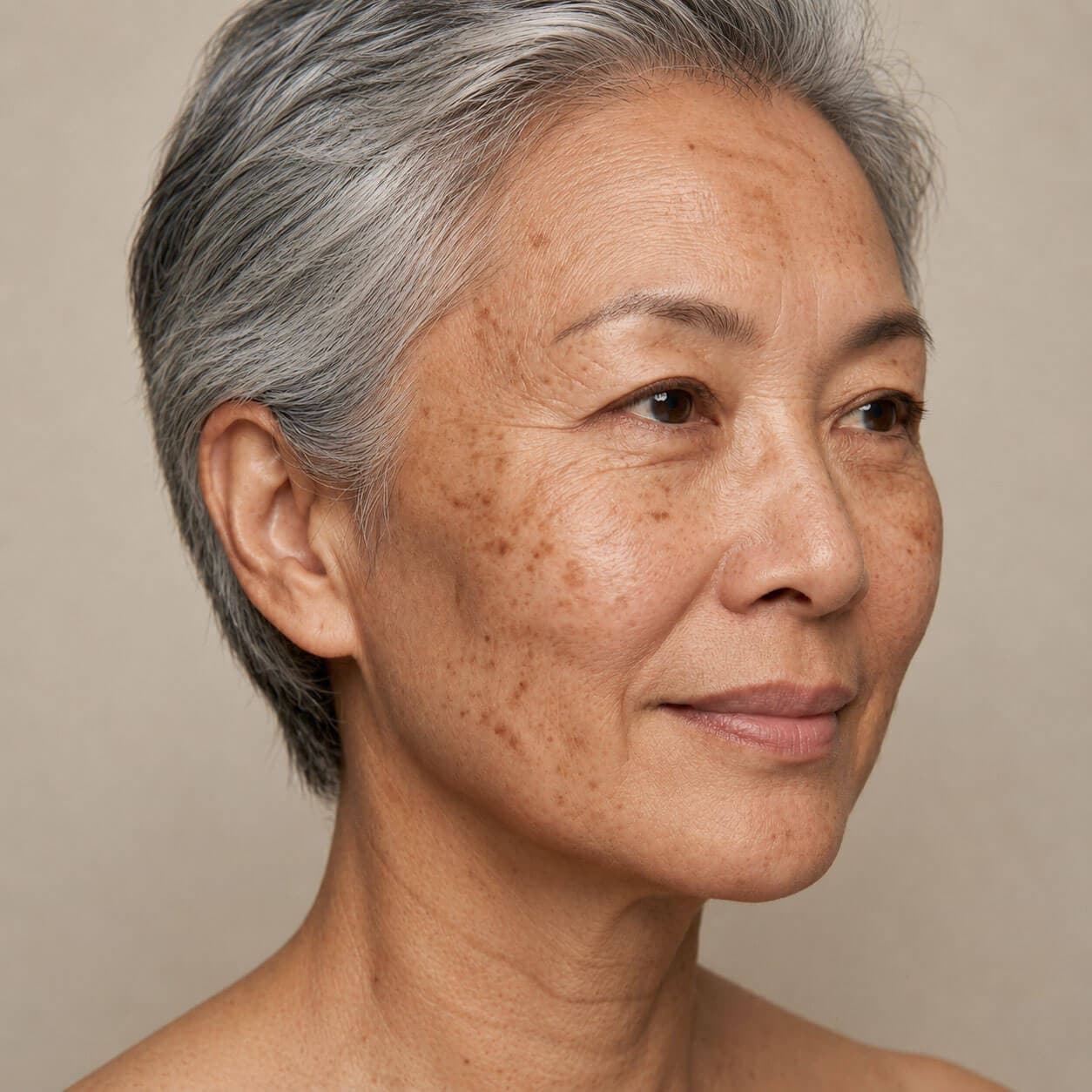
Pigmentation
Pigmentation is one of the most-asked-about, most-misunderstood skin concerns. Here's what's happening in your skin and the slow, evidence-led routine that actually fades it.
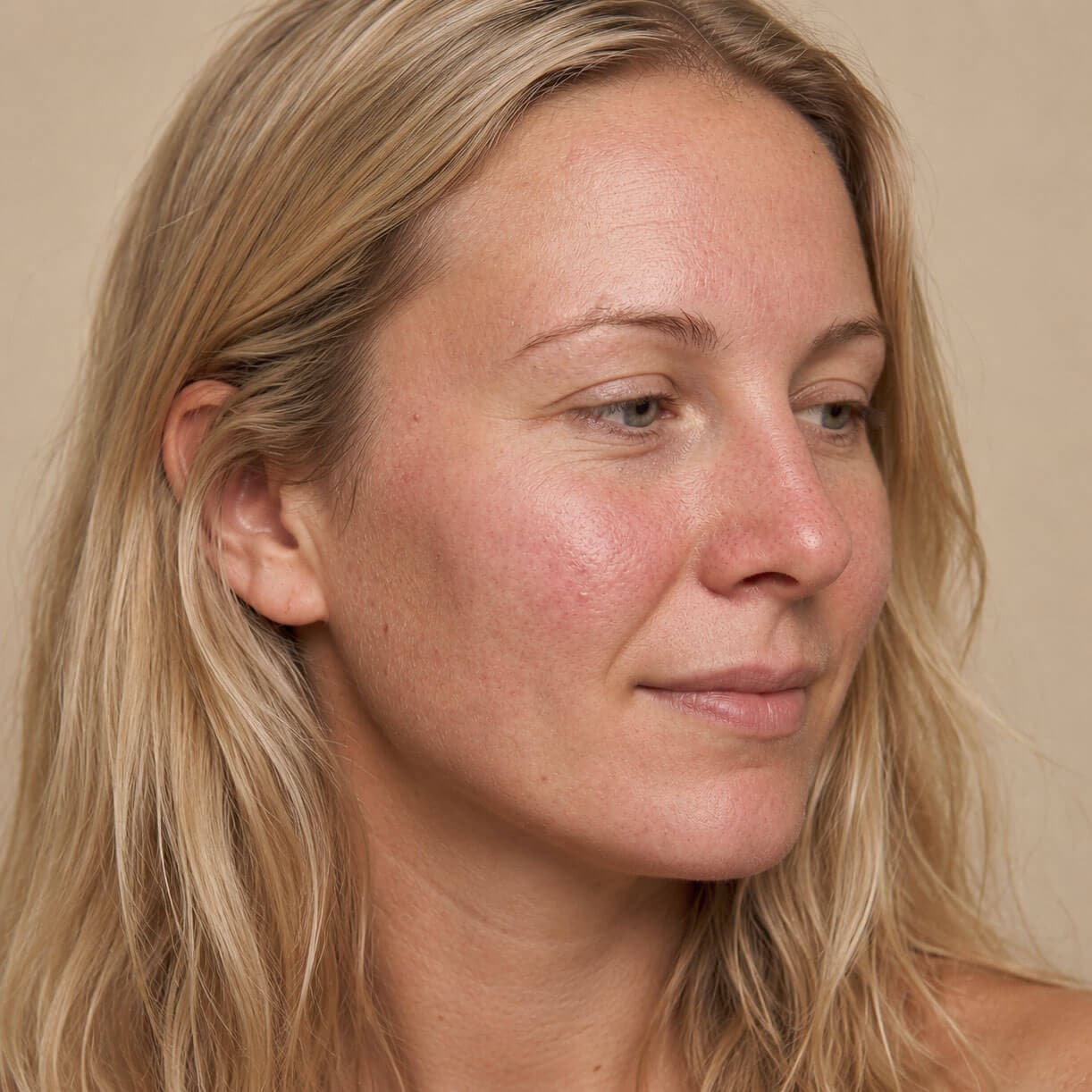
Sensitive skin
"Sensitive" is a symptom, not a diagnosis. Learn what drives reactive skin, the routine that calms it, and what to leave out.
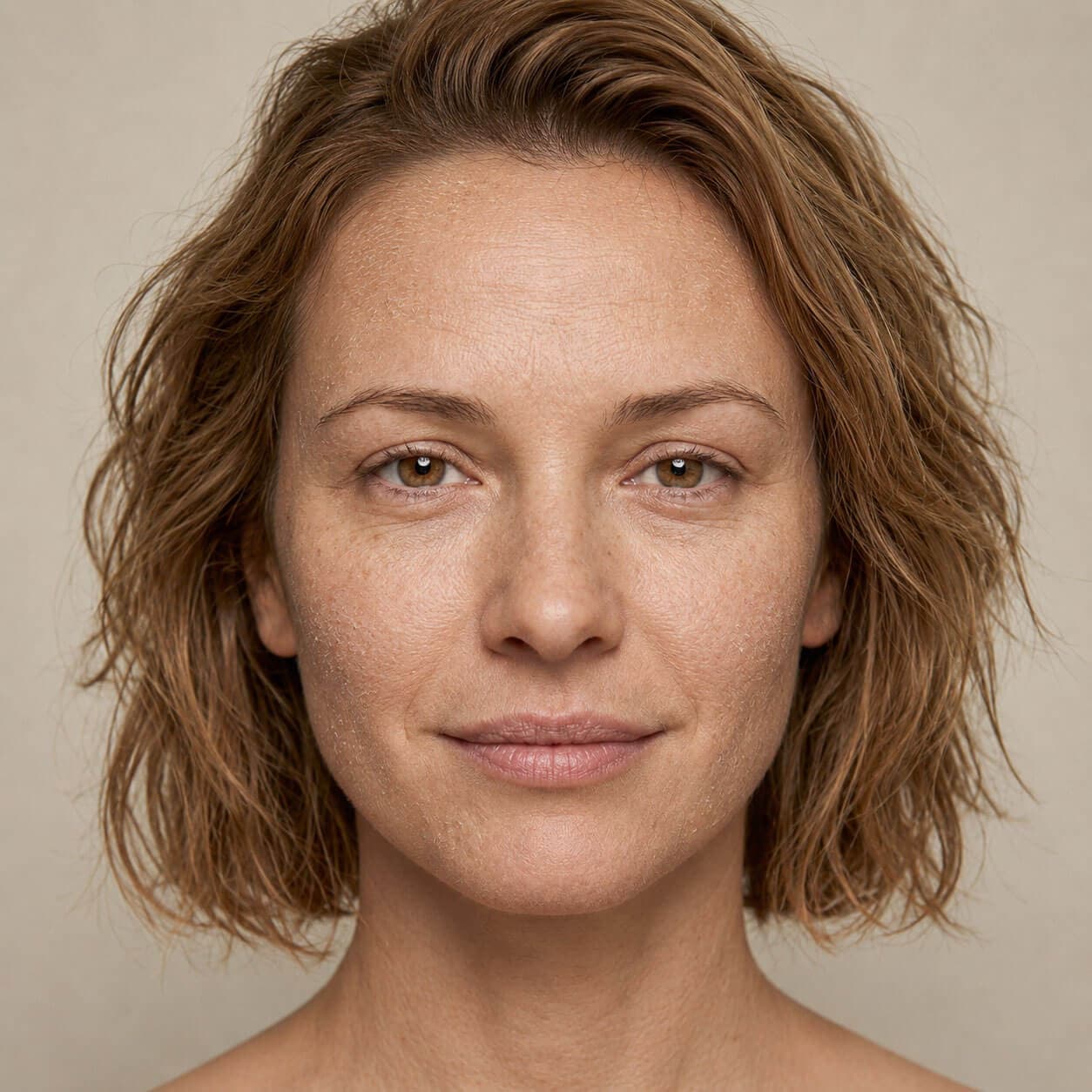
Dry skin
Dry skin is usually a barrier problem, not simply a water problem. Here's the difference between dry and dehydrated, why it matters, and the routine that actually helps.
Related ingredients
Citations
- Robinson LR, et al. Topical palmitoyl pentapeptide provides improvement in photoaged human facial skin. Int J Cosmet Sci. 2005;27(3):155–60. — PMID 18492182
- Kim HK, et al. Instrumental evaluation of anti-aging effects of cosmetic formulations containing palmitoyl peptides on aged human skin. Exp Ther Med. 2016;12(2):929–932. — PMID 27446338
- Lintner K, Peschard O. Biologically active peptides: from a laboratory bench curiosity to a functional skin care product. Int J Cosmet Sci. 2000;22(3):207–18. — PMID 18503476