Acne scars and post-acne marks
A calm guide to what acne leaves behind: red marks, brown marks, indented scars, raised scars, and the routine that helps without making skin angrier.

On this page
First, separate marks from scars
One of the most useful things you can do after acne is pause before treating everything as a scar.
I know that sounds like a small detail. It is not. When I struggled with acne, the leftover red and brown marks felt like proof that the breakout had won a second round. But marks and scars are different problems, and the wrong plan wastes time, money, and patience.
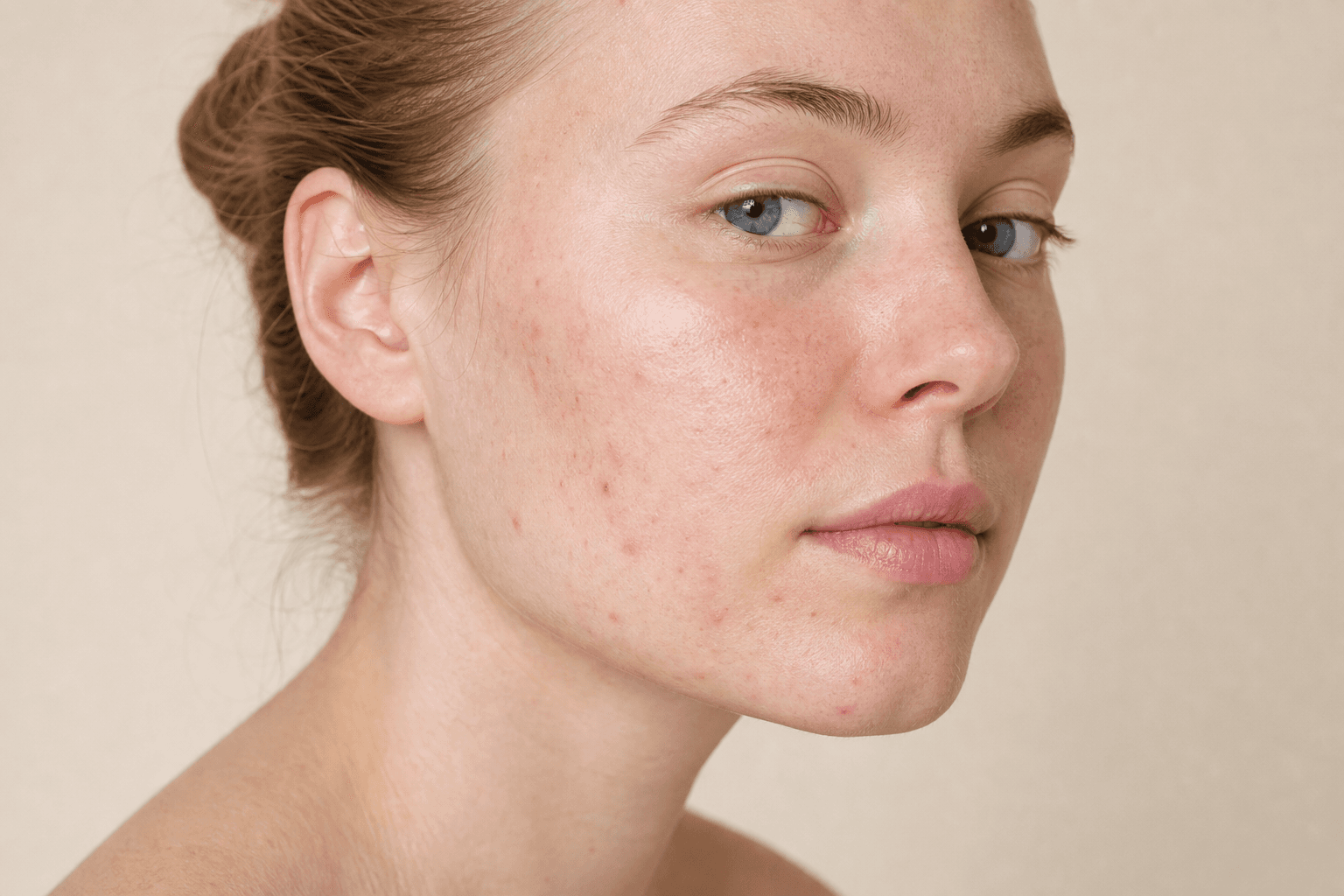
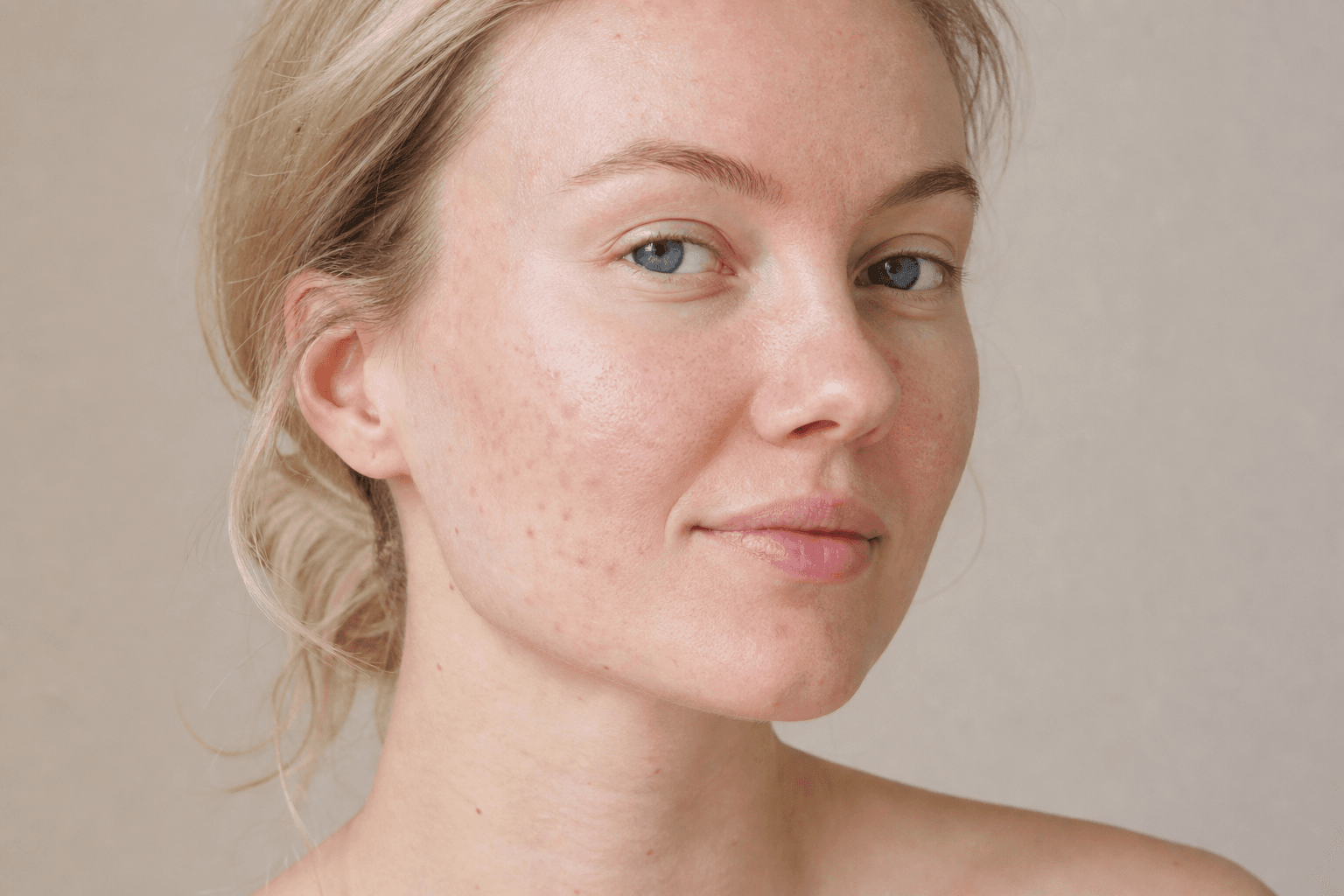
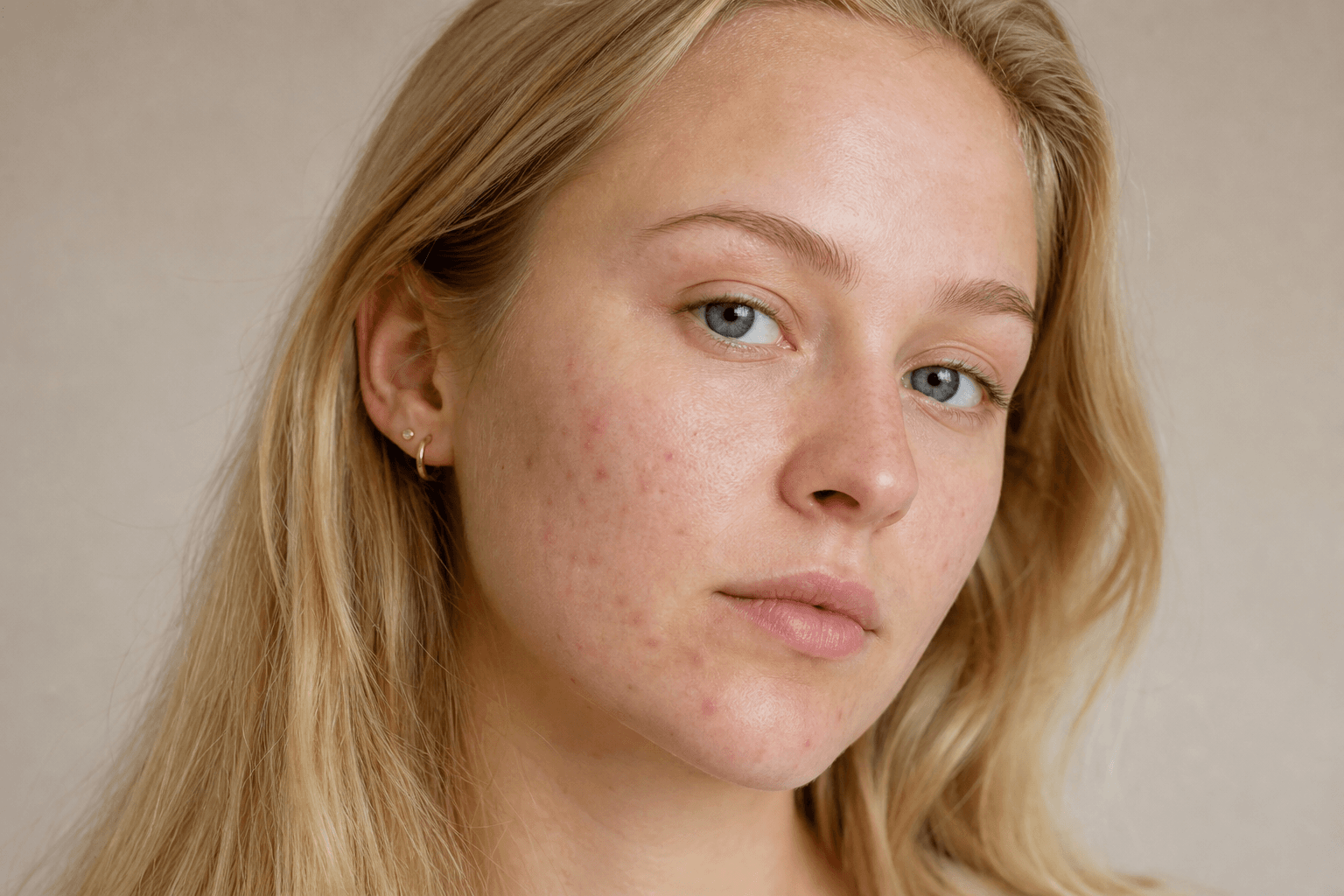
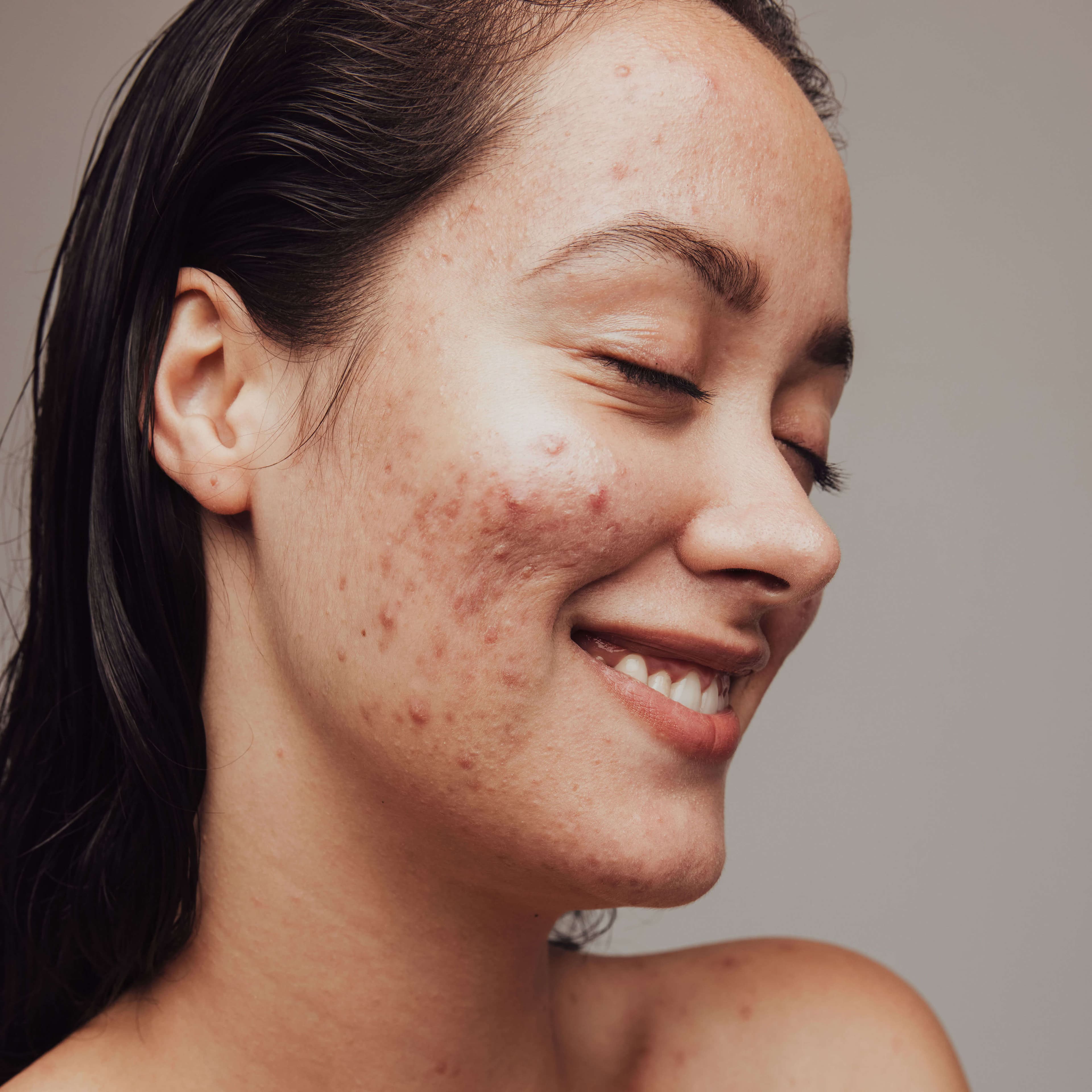
Post-acne marks are flat colour changes. They can be red, pink, purple, brown, grey, or darker than your surrounding skin.
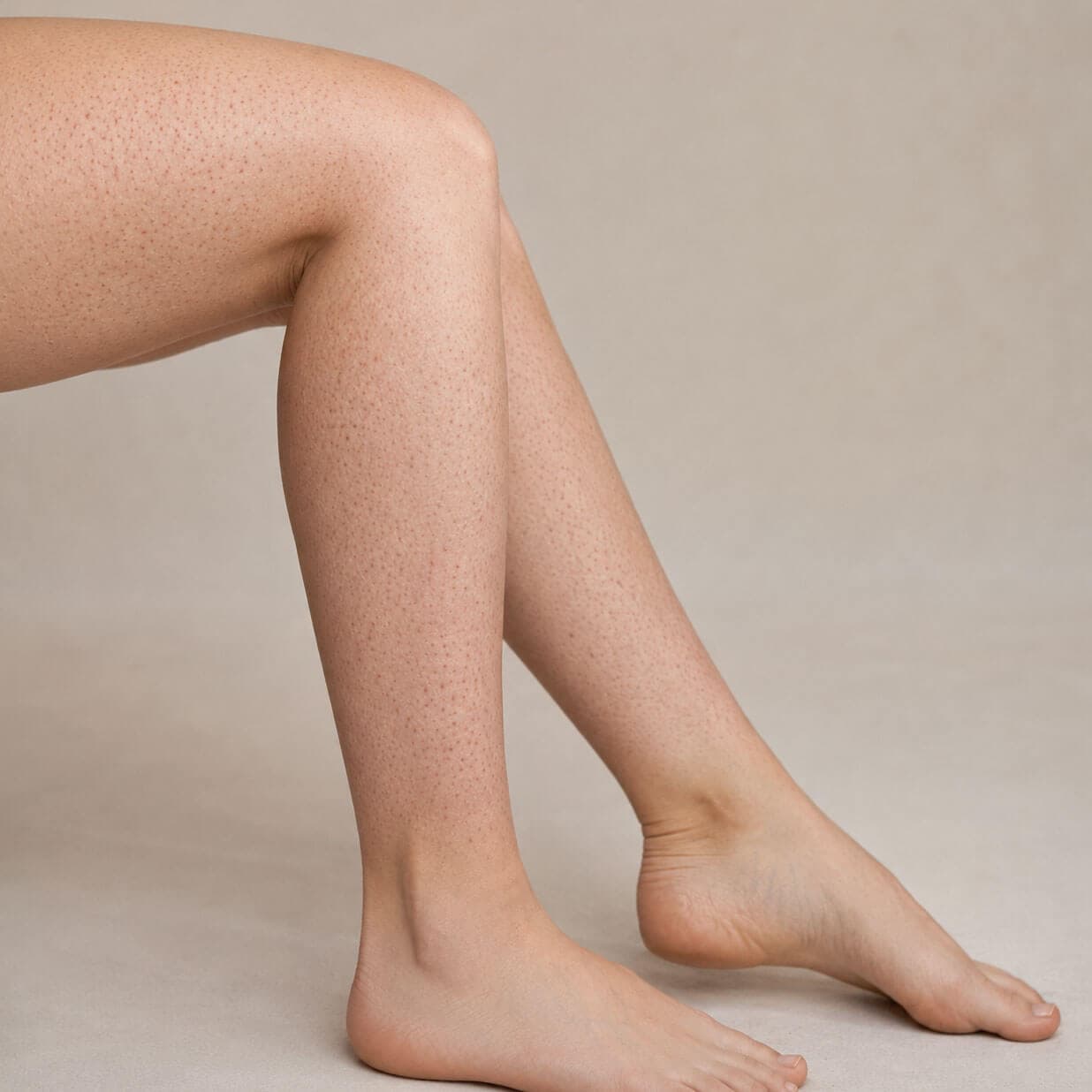
Acne scars are texture changes. They create dents, pits, rolling shadows, or raised tissue.
A 2017 clinical review[1] explains acne scarring as a wound-healing problem where collagen is lost or overproduced after inflammation. In simpler language: marks are colour. Scars are structure.
Why acne leaves marks
Inflamed acne is a tiny injury, even when you treat it gently.
As the skin repairs itself, two common leftovers can appear:
- Post-inflammatory erythema, or PIE, where tiny surface blood vessels and healing inflammation leave a red or pink mark.
- Post-inflammatory hyperpigmentation, or PIH, where inflammation triggers extra melanin and leaves a brown, grey, or darker mark.
A 2010 review[2] describes PIH as a common result of inflammatory skin conditions, especially in skin of colour. It also stresses the boring but important part: treat the inflammation and protect the skin from light while it heals.
If you are comparing flat red marks with brown marks, the PIE vs PIH acne marks guide goes deeper into that difference.
Why acne leaves scars
Scars are more structural.
Deep, painful, inflamed acne can disturb collagen repair in the dermis. Sometimes the skin loses support and creates an indented scar. Sometimes it makes too much collagen and creates a raised scar.
This is why the best scar treatment is often prevention:
- Use the acne and blemishes guide to calm active acne early.
- Do not pick.
- Keep the barrier comfortable.
- Use sunscreen.
- See a dermatologist quickly for painful, cyst-like, or scarring acne.
A 2019 review[4] on topical retinoids and atrophic acne scarring highlights early, effective acne treatment as a key prevention step. That does not mean every person needs a prescription. It means new inflammation deserves respect.
The routine that helps most people start
The best routine for acne scars and post-acne marks is not dramatic.
In the morning, keep the skin calm and protected:
- Cleanse gently.
- Use tone-supporting ingredients such as niacinamide or azelaic acid if tolerated.
- Moisturise if your skin needs it.
- Use SPF every morning.
At night, prevent the next breakout:
- Cleanse.
- Use a tolerated acne-control active, such as salicylic acid for clogged pores.
- Moisturise.
- Build retinoids slowly if your skin tolerates them.
This routine does not promise to erase a deep ice pick scar. It does something more realistic: it reduces new breakouts, helps flat marks fade, and keeps the skin stable enough that professional scar treatment can be judged honestly later.
What red marks need
Red or pink post-acne marks are often vascular and inflammatory.
They usually need time, calm skin, sunscreen, and fewer new breakouts. The guide on how to fade post-acne marks walks through that patient routine in more detail. If they persist for months or bother you a lot, a dermatologist may discuss laser or light treatment. A 2022 systematic review[3] found that laser and light-based devices were frequently used for post-acne erythema, but also noted that there is no single gold-standard treatment.
That nuance matters. A laser can be useful. It is still a procedure, not a casual shopping-cart add-on.
What brown marks need
Brown, grey, or darker post-acne marks are pigment-driven.
Here the foundation is especially clear:
- SPF every morning.
- Stop picking.
- Reduce new acne.
- Avoid irritating the skin into more pigment.
- Use pigment-supporting ingredients patiently.
Helpful ingredient families include niacinamide, azelaic acid, retinoids, vitamin C, and sometimes dermatologist-supervised hydroquinone or procedures for stubborn cases. The best ingredients for acne scars and marks guide compares those options more directly.
The key word is patiently. Pigment fades on skin biology time, not calendar impatience.
When skincare is not enough
If the skin has dents, pits, rolling shadows, or raised thick scars, skincare can support the skin but usually cannot rebuild the scar alone.
Professional options may include microneedling, fractional laser, subcision, TCA CROSS, fillers, or steroid injections for raised scars. The right choice depends on scar type, skin tone, active acne, budget, and downtime.
Start with diagnosis. Then choose the tool.
My practical take
If acne is still active, treat the acne first.
If the leftover issue is flat colour, give your routine and sunscreen time.
If the leftover issue is texture, be kind to yourself and get proper advice before buying aggressive at-home devices or acids. Your skin does not need punishment for having healed imperfectly.
The calm path is not always the fastest-looking path. It is usually the one your skin can stay with long enough to matter.
A simple routine
Morning
- Gentle cleanse — Keep the skin clean without stripping it. Irritated healing skin marks more easily.
- Pigment and redness support — Niacinamide and azelaic acid are useful for tone, redness, and acne-prone skin when tolerated.
- Daily SPF — This is the quiet workhorse for brown post-acne marks. Use it every morning.
Evening
- Gentle cleanse
- Acne control first — Use a tolerated acne treatment so fewer new inflamed spots become tomorrow's marks.
- Barrier support — Retinol-supported moisturising can help texture over time, but tolerance matters more than force.
What to avoid
- Picking or squeezing healing pimples
- Treating red or brown marks like deep pitted scars
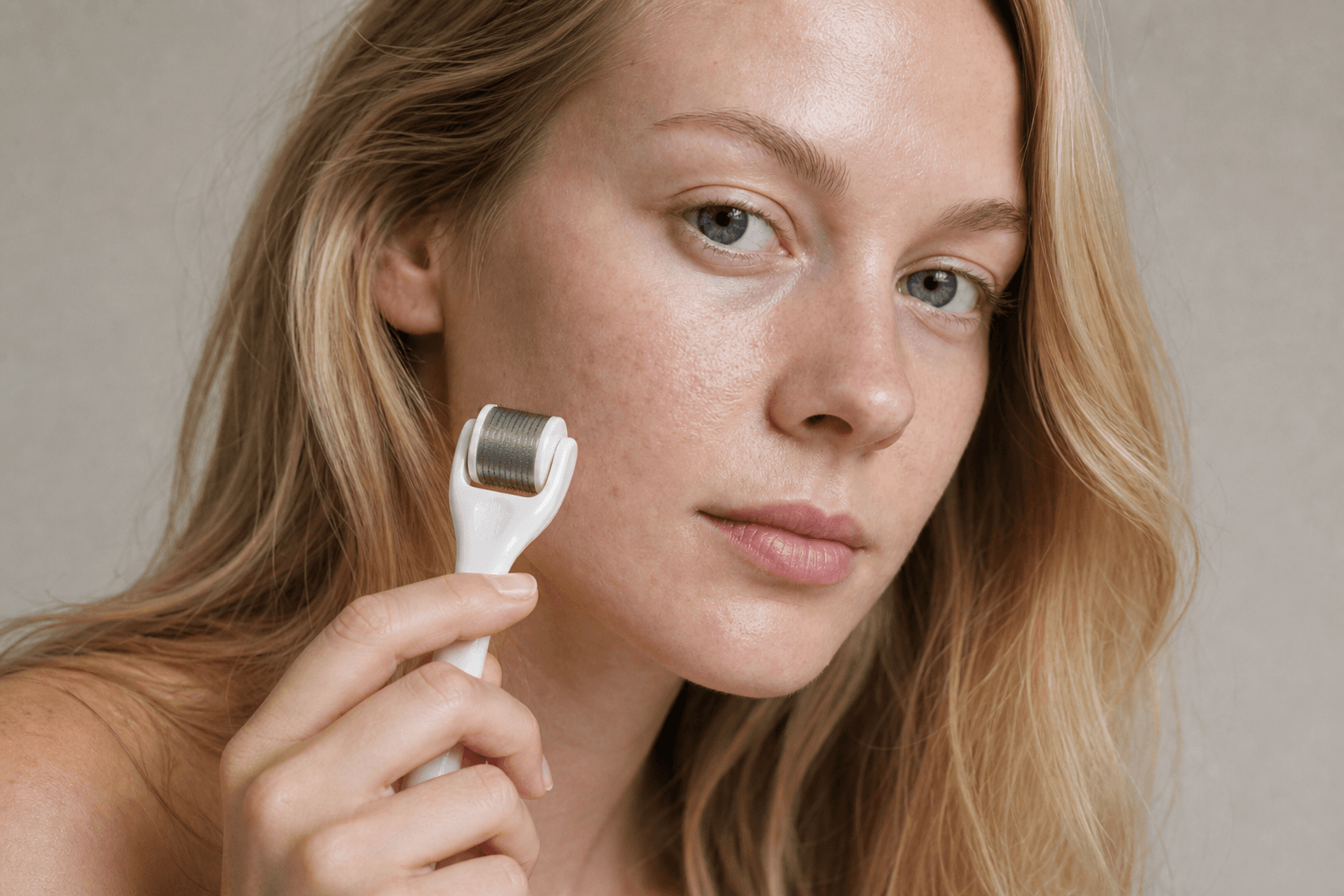
- At-home deep peels, TCA CROSS, dermarolling, or strong acids bought online
- Skipping SPF while trying to fade pigmentation
- Starting several scar or pigment treatments in the same week
Real results
From the Danish Skin Care community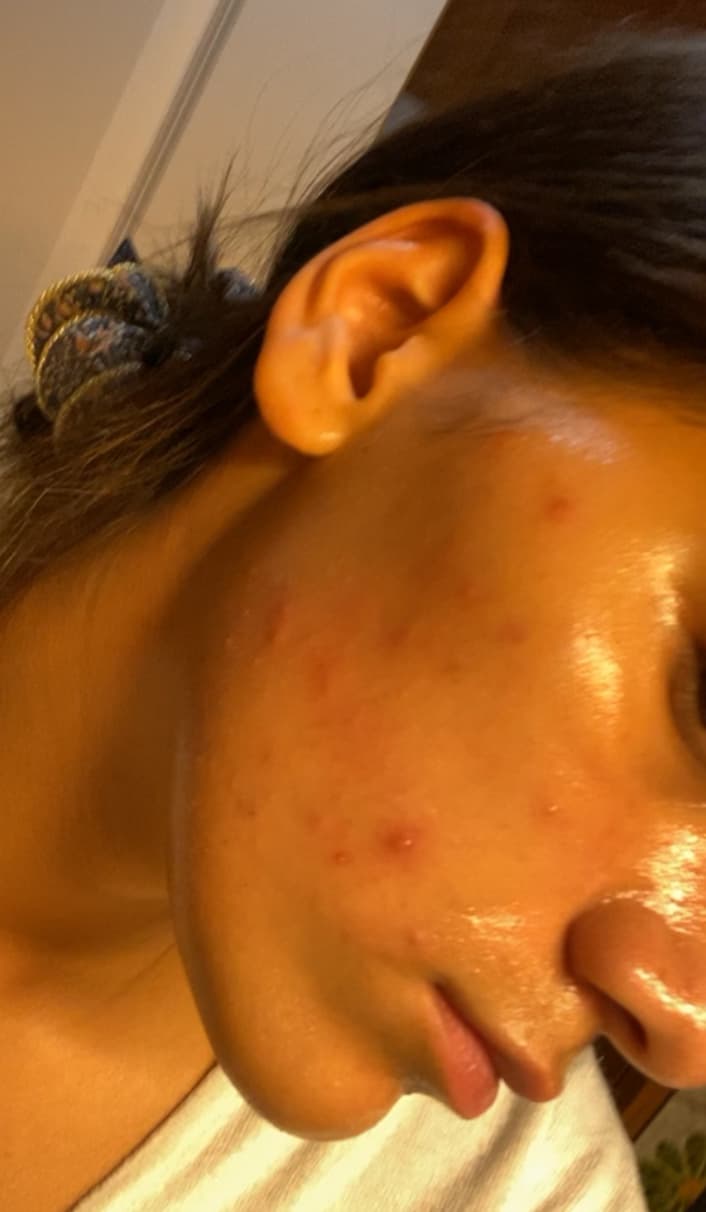 Before
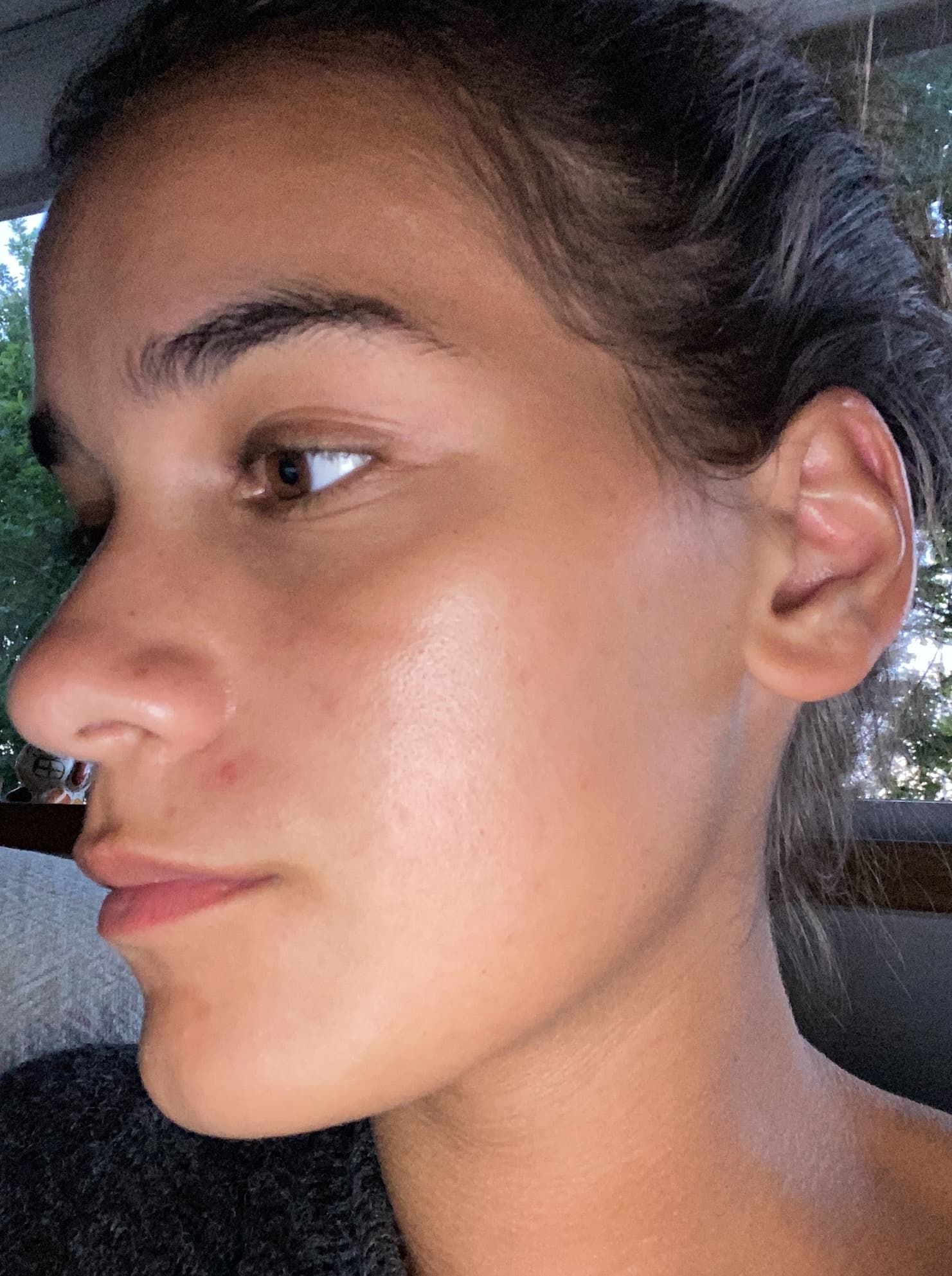 After
After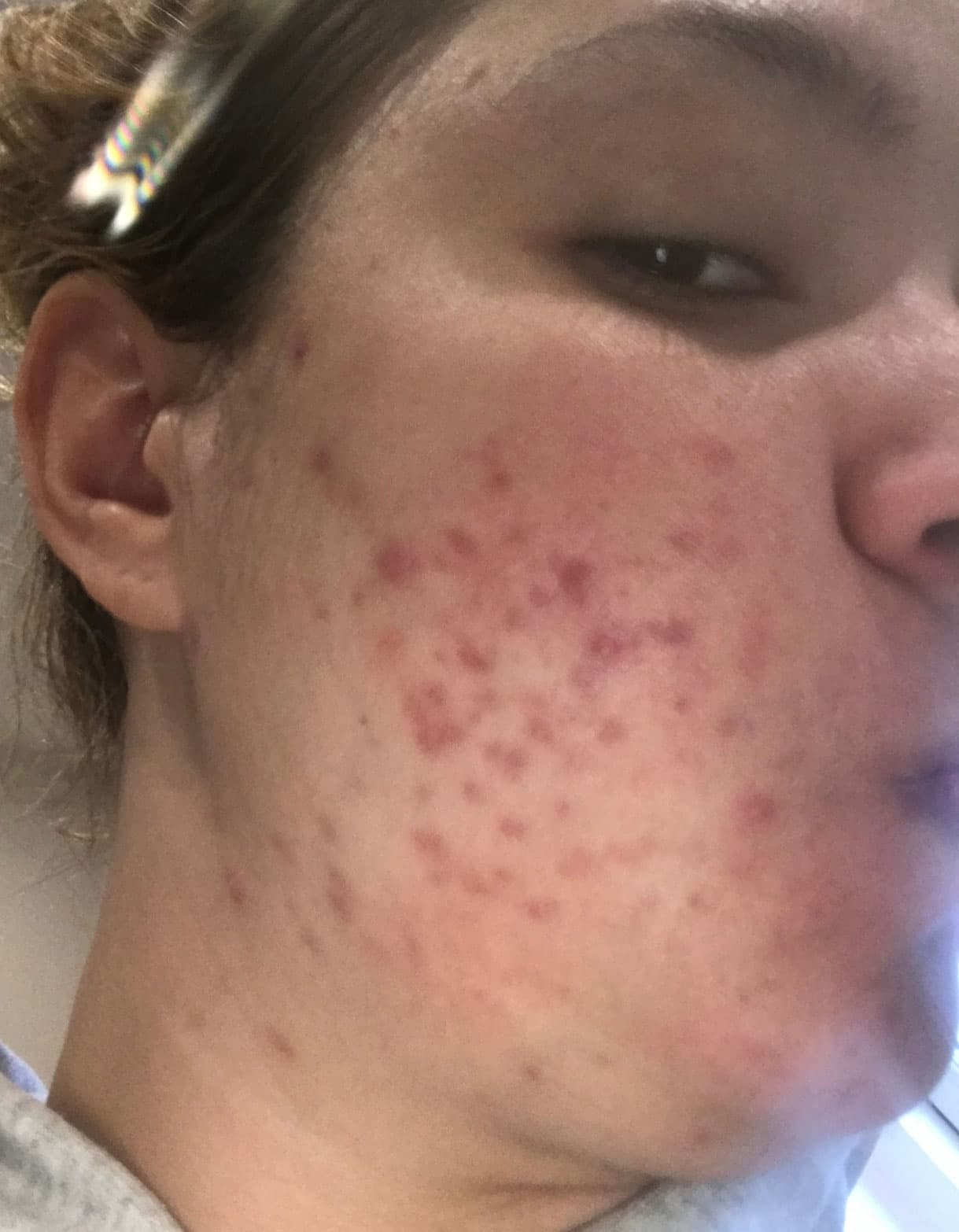 Before
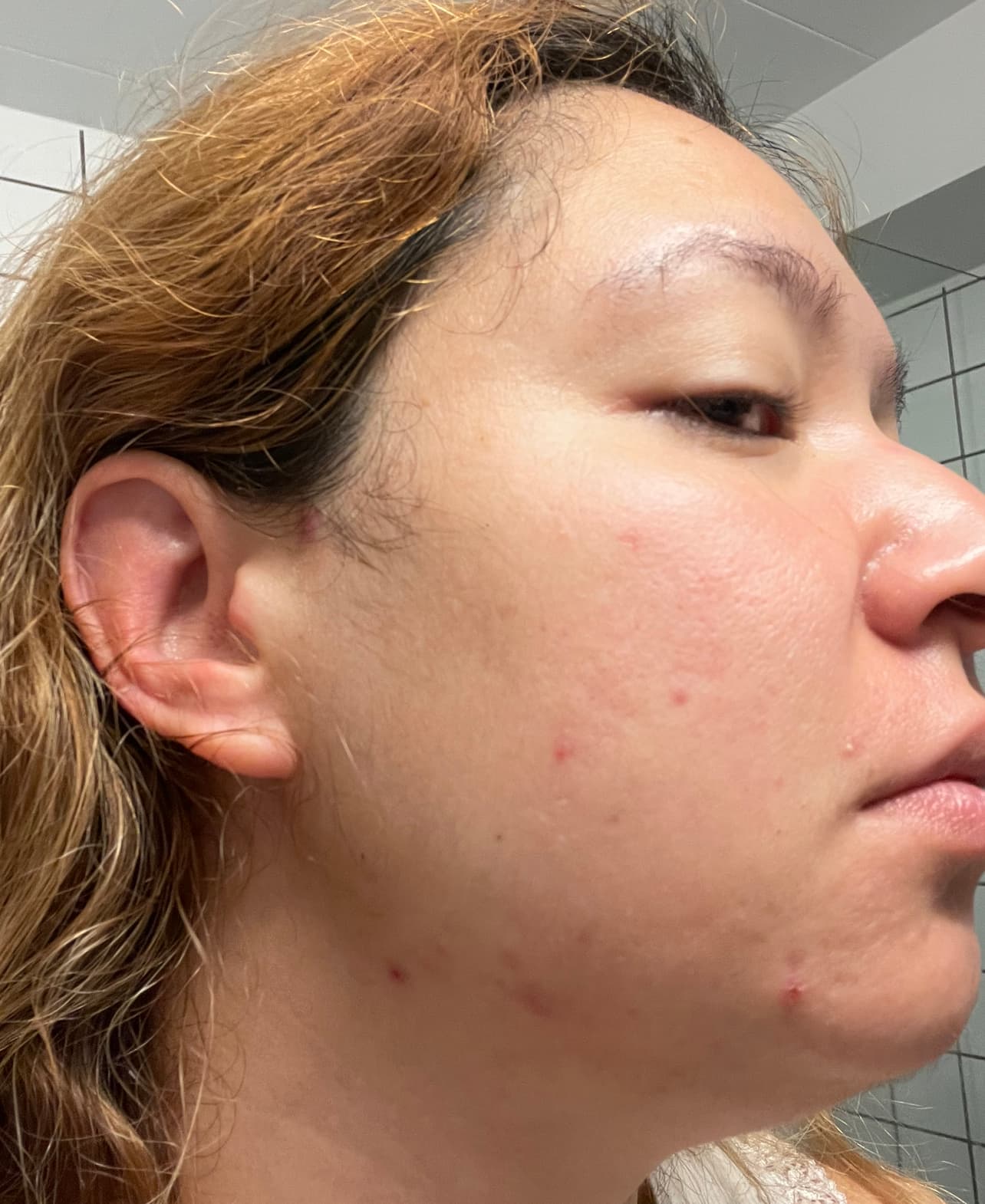 After
After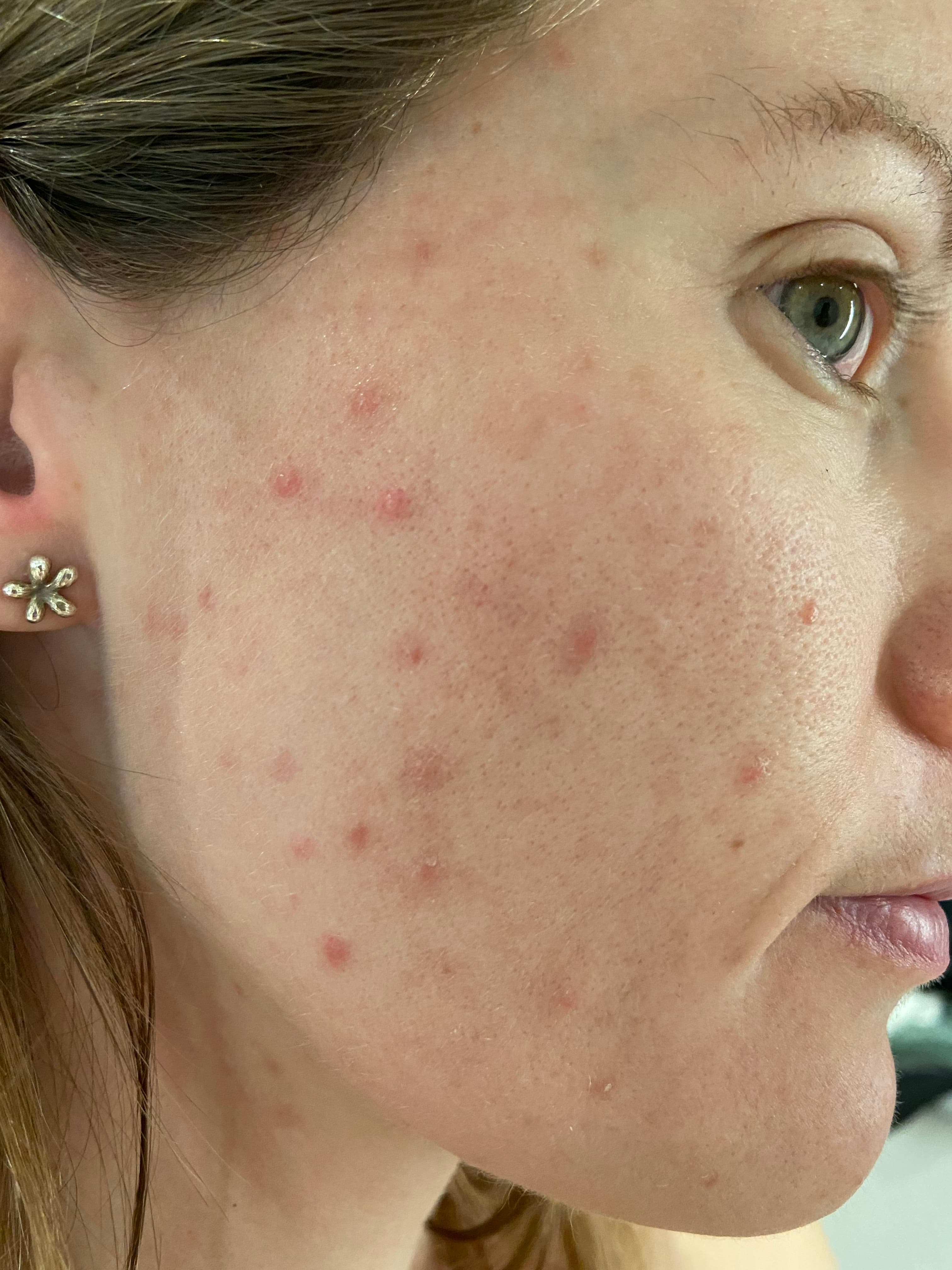 Before
 After
AfterRecommended Danish Skin Care routine

The simple foundation: gentle cleansing, salicylic acid for acne control, moisturiser, and daily SPF.

Azelaic acid plus niacinamide for uneven tone, visible redness, and acne-prone skin that needs extra support.

Daily SPF with niacinamide, especially useful while brown post-acne marks are fading.

Salicylic acid helps reduce clogged pores and recurring breakouts that can become new marks.
Full transparency: Danish Skin Care is my own company — I formulated these products and earn from every sale. That's exactly why I only recommend them where they genuinely fit the condition described above.
Key ingredients to look for
Common questions
Are acne scars and acne marks the same?
No. Acne marks are flat colour changes after inflammation. Acne scars are texture changes such as pits, dents, rolling shadows, or raised tissue. The treatment plan depends on which one you have.
Can skincare fade post-acne marks?
Skincare can help many red or brown post-acne marks fade by reducing new acne, protecting skin from UV, calming inflammation, and supporting pigment turnover. True indented scars usually need professional treatment.
How long do post-acne marks take to fade?
Red marks and brown marks often take weeks to months. Brown marks can last longer if UV exposure, picking, or irritation keep triggering pigment. Deep texture scars usually do not fade fully on their own.
Citations
- Connolly D, Vu HL, Mariwalla K, Saedi N. Acne Scarring-Pathogenesis, Evaluation, and Treatment Options. J Clin Aesthet Dermatol. 2017;10(9):12-23. — PMID 29344322
- Davis EC, Callender VD. Postinflammatory hyperpigmentation: a review of the epidemiology, clinical features, and treatment options in skin of color. J Clin Aesthet Dermatol. 2010;3(7):20-31. — PMID 20725554
- Madan S, et al. Post-acne erythema treatment: A systematic review of the literature. J Cosmet Dermatol. 2022;21(4):1379-1392. — PMID 35076997
- Gollnick HPM, et al. The role of topical retinoids in prevention and treatment of atrophic acne scarring. J Eur Acad Dermatol Venereol. 2019;33(3):421-430. — PMID 30909329