
Avena Sativa Kernel Extract
A well-tolerated oat-derived soothing ingredient, especially useful for dry, itchy, or easily irritated skin. Helpful inside a balanced formula, but not a stand-alone acne or eczema treatment.
At a glance
What Avena Sativa Kernel Extract does for skin, and how to read the practical safety signals.
- Colloidal oatmeal is finely milled oat prepared for topical use; on INCI lists it often appears as Avena Sativa Kernel Extract.
- Best known for calming itch and supporting comfort in dry, sensitive, or eczema-prone skin.
- Works as formula support alongside humectants and barrier ingredients, not as a single-ingredient cure.
- Type
- Botanical extract
- Rating
- Pregnancy
- Considered safe
- Comedogenic rating
- 0/5 (Won't clog pores)
- Vegan
- Yes
- Suited skin types
- All skin types
On this page
The short answer
Avena Sativa Kernel Extract is the INCI name you will often see for oat-derived soothing ingredients in skincare. On shelves and in pharmacy aisles, the same idea usually shows up as colloidal oatmeal or oat extract. One reason oat is useful is its beta-glucan content, alongside other starches, lipids, and phenolic compounds.
It is not a flashy active. It is the kind of ingredient that makes a sensible formula feel calmer on skin that is dry, itchy, tight, or easily annoyed.
In our Perfect Skin Day Protector, oat sits in the morning base alongside niacinamide, panthenol, glycerin, and SPF filters. The goal is comfort you can actually use every day, not another layer to negotiate with.
What the evidence actually shows
Anti-inflammatory and itch support. A 2015 study[1] on colloidal oatmeal found that its anti-inflammatory activity contributes to relief of itch linked with dry, irritated skin. That matches what many people notice in real life: less scratching, less frantic moisturising, slightly more patience with their face.
Mild to moderate atopic dermatitis. A 2016 clinical study[2] tested a 1% colloidal oatmeal cream on its own in mild to moderate atopic dermatitis and reported meaningful symptom reduction. That is useful context, but it is still a specific concentration in a dedicated oat cream, not proof that a tiny sprinkle of oat extract in any random product fixes everything.
OTC oat creams in daily management. A 2024 retrospective analysis[3] of two clinical studies concluded that a 1% colloidal oatmeal OTC cream was clinically effective for managing mild to moderate atopic dermatitis. Again, the honest cosmetic claim is comfort and barrier-friendly support in a well-built formula, not "replaces prescription eczema care."
The pattern is clear: oat earns its place on soothing, itch-prone, and barrier-compromised skin. It is weaker evidence for using oat as your only strategy against acne or pigmentation.
How to use it
You rarely need a standalone oat serum.
Oat works best when it is already inside:
- a morning moisturiser with SPF for dry or sensitive skin
- a gentle treatment base when stronger actives need calming support
- short contact oat baths or masks for flare-ups, if your dermatologist suggests them
Patch test if your skin reacts to botanicals. Oat is generally well tolerated, but no ingredient gets a free pass from biology.
Where it fits in a routine
Oat pairs naturally with:
- Niacinamide and zinc PCA: morning balance for blemish-prone or redness-prone skin.
- Glycerin and sodium hyaluronate: hydration so soothing goes beyond surface-level comfort.
- Aloe, allantoin, and chamomile water: the usual gentle support team around actives.
- Retinol or salicylic acid: oat in the surrounding formula can make those steps easier to keep using.
There is no famous feud between oat and other routine ingredients. If a product stings, look at fragrance, exfoliant load, pH, or your overall barrier before blaming the oat line on the INCI list.
When it won't help
Oat will not replace targeted treatment for moderate to severe acne, rosacea flares that need medical care, or stubborn signs of ageing on its own.
It also will not fix dehydration if your cleanser strips the skin and you never seal in hydration with humectants and emollients. Oat is comfort support, not the whole architecture.
And please do not turn "oat is soothing" into "oat allergy does not exist." Coeliac and oat sensitivity are real; if you have a known oat allergy, avoid the ingredient entirely.
The practical takeaway
My goal with this guide was to gather the useful science on Avena Sativa Kernel Extract in one place, so you can stop hunting for the next clever fix and do the simple, effective things your skin actually needs.
That is also why I made the Danish Skin Care Kit: a calm routine built around documented ingredients, and one that has helped more than 100,000 people with problem skin. If even the smallest question is still nagging you, send me an email at info@danishskincare.com.
Common questions
Is colloidal oatmeal the same as Avena Sativa Kernel Extract?
In practice, yes for most shoppers. Colloidal oatmeal is the prepared oat form used in soothing products; INCI lists often name it Avena Sativa Kernel Extract or related oat terms depending on the supplier.
Is oat extract good for acne-prone skin?
Often yes as comfort support. It will not clear clogged pores by itself, but it can help a niacinamide-and-SPF morning routine feel calmer on irritated, blemish-prone skin.
Can I use oat extract with retinol or salicylic acid?
Yes. Oat is commonly used in formulas built around stronger actives because it supports soothing and tolerability rather than fighting them.
Reading a real label?
Scan a product to see how it is formulated
Upload a photo of the ingredient list and get a quick ingredient-by-ingredient read against the evidence-led database.
Found in these Danish Skin Care products

Avena Sativa Kernel Extract sits in both Day Protector variants for lightweight soothing support alongside niacinamide, zinc PCA, panthenol, and broad-spectrum SPF.

The Kit includes oat through the morning step, where it supports a calmer daily routine without adding another serum layer.
Skin conditions it actively helps with
Where the published evidence puts Avena Sativa Kernel Extract on the short list of active ingredients worth reaching for.

Dry skin
Dry skin is usually a barrier problem, not simply a water problem. Here's the difference between dry and dehydrated, why it matters, and the routine that actually helps.
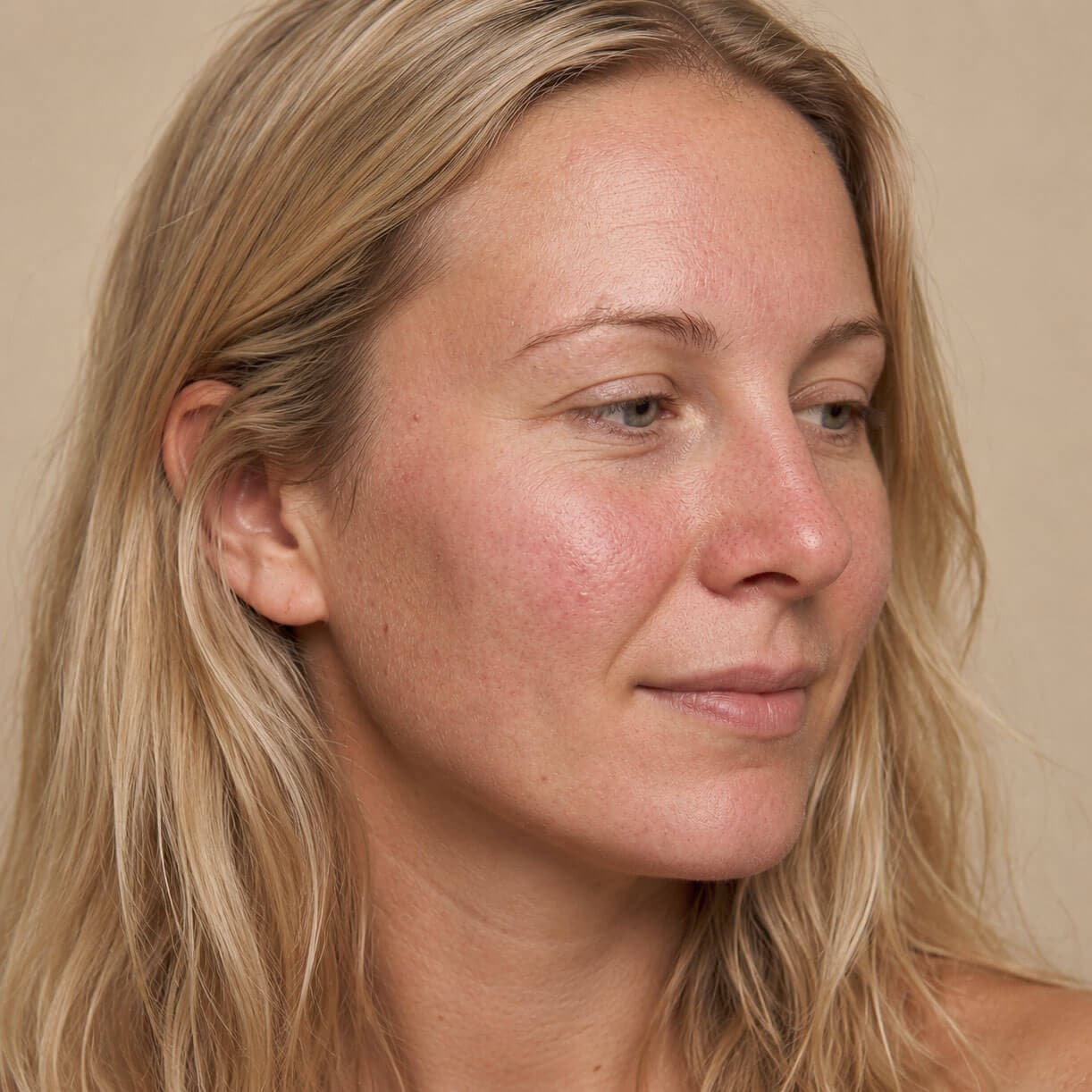
Sensitive skin
"Sensitive" is a symptom, not a diagnosis. Learn what drives reactive skin, the routine that calms it, and what to leave out.
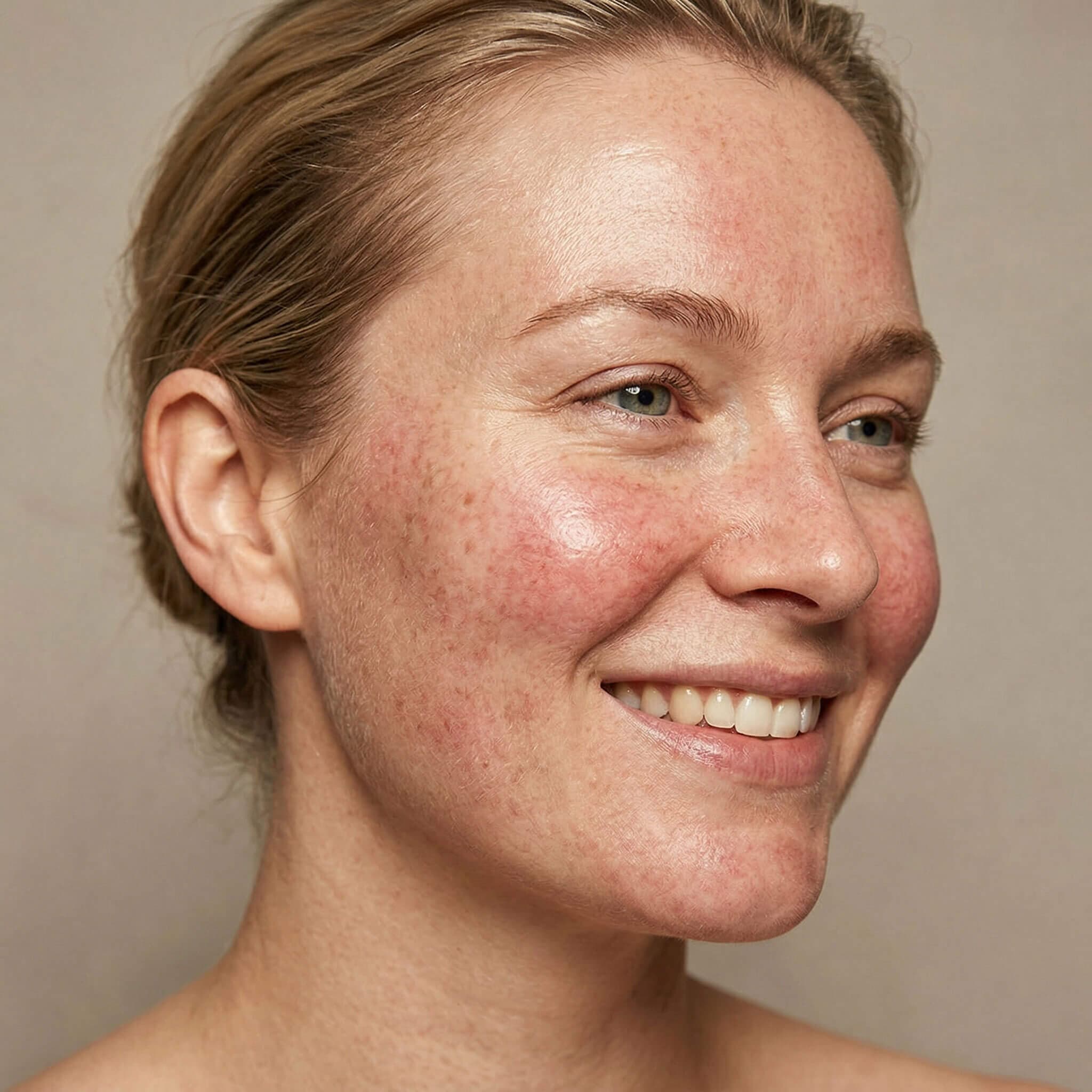
Rosacea and redness
Rosacea is a chronic inflammatory condition, not a temporary flush. Here's what causes it, what calms it, and the routine that doesn't make the reactivity worse.
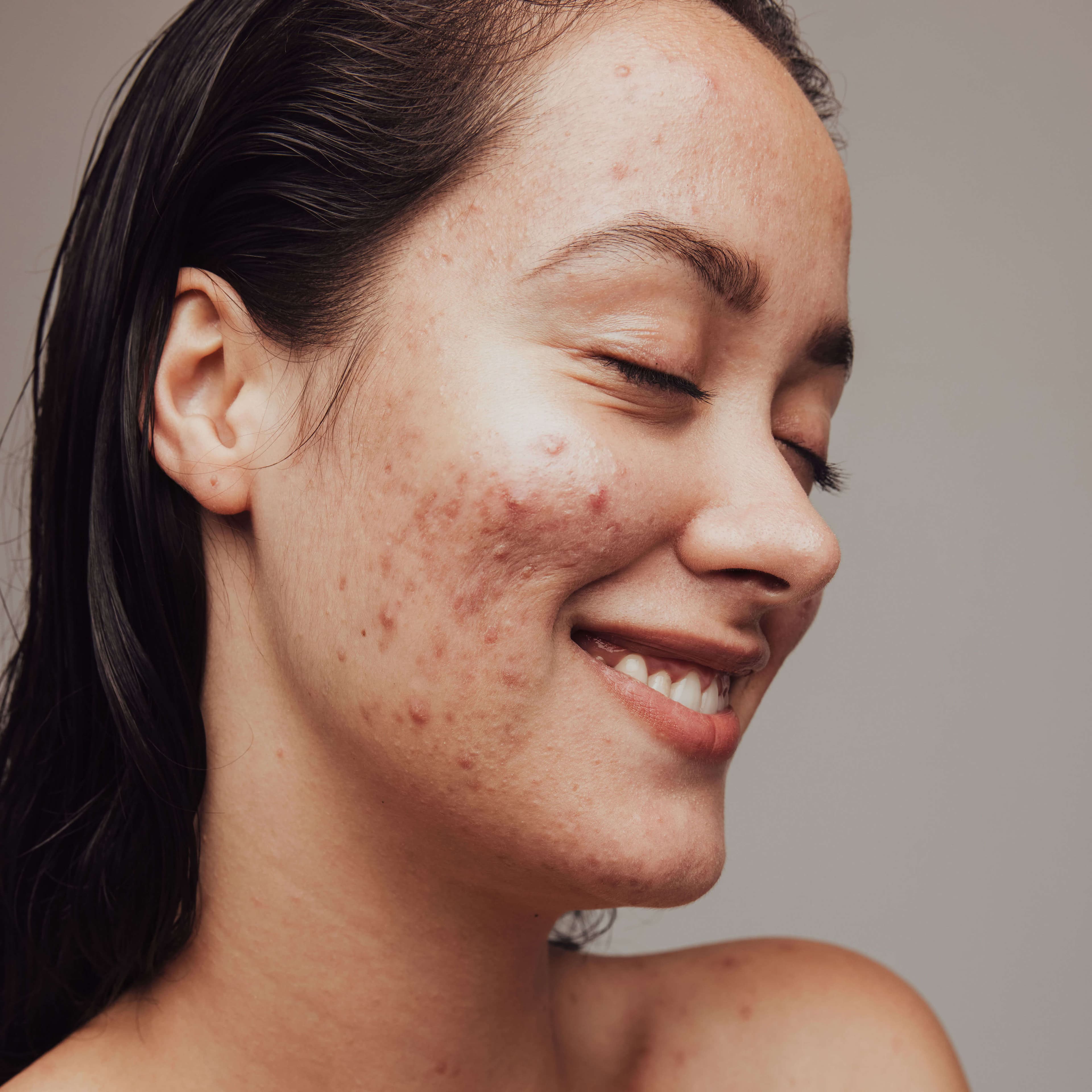
Acne and blemishes
A clear-headed guide to acne: what's actually happening in your skin, what the evidence says works, and a simple routine that doesn't make things worse.
Related ingredients
Citations
- Reynertson KA, Garay M, Nebus J, et al. Anti-inflammatory activities of colloidal oatmeal (Avena sativa) contribute to the effectiveness of oats in treatment of itch associated with dry, irritated skin. J Drugs Dermatol. 2015;14(1):43-48. — PMID 25607907
- Nebus J, Reuter J, Schmucker G, et al. A 1% Colloidal Oatmeal Cream Alone is Effective in Reducing Symptoms of Mild to Moderate Atopic Dermatitis: Results from Two Clinical Studies. J Drugs Dermatol. 2016;15(6):718-724. — PMID 28697218
- Reuter J, Schmucker G, Nebus J, et al. A 1% colloidal oatmeal OTC cream is clinically effective for the management of mild to moderate atopic dermatitis: a retrospective analysis of two clinical studies. J Dermatolog Treat. 2024;35(1):2293518. — PMID 37592879