
Beta-glucan
A water-binding polysaccharide with promising barrier and recovery data. Useful for dry, sensitive, or over-treated skin, but still best viewed as support inside a complete formula.
At a glance
What Beta-glucan does for skin, and how to read the practical safety signals.
- Water-binding support: Helps formulas hold comfort and hydration at the skin surface.
- Source matters: Beta-glucans can come from oats, yeast, mushrooms, barley, and other sources.
- Recovery data is promising: Small clinical and wound-care studies support barrier and post-procedure comfort.
- Type
- Polysaccharide
- Rating
- Pregnancy
- Considered safe
- Comedogenic rating
- 0/5 (Won't clog pores)
- Vegan
- Yes
- Suited skin types
- All skin types
On this page
The short answer
Beta-glucan is a water-binding polysaccharide used in skincare for hydration, soothing, and barrier support.
You may see it from oats, yeast, mushrooms, barley, or other sources. In practical skincare, the source matters less than the formula: beta-glucan works best when it sits inside a calm moisturiser, serum, or recovery product.
It is a good ingredient for skin that feels dry, tight, sensitive, or tired from too many actives. It is not a tiny dermatologist living inside a bottle.
What the evidence actually shows
Oat barrier support. A 2016 study on colloidal oatmeal[1] found that oat extracts, which include beta-glucan among other oat components, supported skin-barrier-related gene expression, pH buffering, moisturisation, and clinical improvement in dry skin. That does not prove isolated beta-glucan does everything alone, but it explains why oat-derived polysaccharides keep showing up in comfort formulas.
Wound-healing biology. A 2018 review[2] describes beta-glucans as molecules that interact with macrophages, keratinocytes, and fibroblasts in wound-repair research. This is useful background, but most everyday skincare should not borrow wound-care language too aggressively. Cosmetic skin is not the same as a chronic wound.
Post-procedure recovery. A split-face study after fractional laser therapy[3] found that beta-glucan-containing skincare improved hydration, transepidermal water loss, and redness-related measures compared with vehicle at early follow-up points. That is promising recovery data, though it still applies to a specific regimen after a professional procedure.
My read: beta-glucan is a sensible support ingredient for barrier-stressed skin. It is not a reason to ignore the boring basics.
How to use it
Use beta-glucan the easy way:
- in a moisturiser
- in a calming serum
- in a post-active recovery formula
- once or twice daily if the product is designed for that
- under SPF in the morning if the texture layers well
You do not need to chase a separate beta-glucan product if your routine already feels calm and hydrated.
Where it fits in a routine
Beta-glucan pairs naturally with:
- Glycerin: basic, reliable hydration.
- Sodium hyaluronate: another water-binding support ingredient.
- Panthenol and allantoin: comfort around tight or irritated skin.
- Avena Sativa Kernel Extract: oat-derived soothing support.
- Retinoids or acids: useful in the surrounding formula when stronger actives make skin feel dry.
If your skin is breaking out, beta-glucan will not replace salicylic acid. It can make the rest of the routine easier to tolerate while the acne-specific ingredient does its job.
Who benefits most
Beta-glucan makes the most sense for:
- dry skin
- sensitive skin
- over-exfoliated skin
- acne-prone skin using drying treatments
- post-procedure routines, if your clinician approves it
- winter skin that feels tight by mid-afternoon
If your skin is oily and comfortable, you may not need it. If your skin is oily and irritated, it can be useful because oiliness does not protect you from barrier stress.
When it will not help
Beta-glucan will not:
- clear blackheads
- treat cystic acne
- replace sunscreen
- replace prescription eczema or rosacea care
- make a harsh routine gentle enough to keep abusing your skin
If your skin is inflamed, cracked, oozing, swollen, or painful, get medical advice. A soothing ingredient can support comfort. It should not delay proper care.
The practical takeaway
My goal with this guide was to gather the useful science on beta-glucan in one place, so you can stop hunting for the next clever fix and focus on a simple, effective routine.
That is also why I made the Danish Skin Care Kit: a calm routine built around documented ingredients, and one that has helped more than 100,000 people with problem skin. If even the smallest question is still nagging you, send me an email at info@danishskincare.com.
Common questions
Is beta-glucan good for sensitive skin?
Yes, as a support ingredient. It is used for hydration, soothing, and barrier comfort, but the complete formula still determines how sensitive skin responds.
Is beta-glucan better than hyaluronic acid?
Not automatically. Both can support hydration. Beta-glucan brings more barrier and recovery context, while sodium hyaluronate is a straightforward humectant.
Can beta-glucan help acne-prone skin?
It will not unclog pores, but it can support comfort in acne routines that use drying actives such as salicylic acid or retinoids.
Reading a real label?
Scan a product to see how it is formulated
Upload a photo of the ingredient list and get a quick ingredient-by-ingredient read against the evidence-led database.
I recommend these products

The Kit keeps barrier support simple with documented comfort ingredients instead of asking you to build a separate soothing-serum routine.
Skin conditions it actively helps with
Where the published evidence puts Beta-glucan on the short list of active ingredients worth reaching for.

Dry skin
Dry skin is usually a barrier problem, not simply a water problem. Here's the difference between dry and dehydrated, why it matters, and the routine that actually helps.
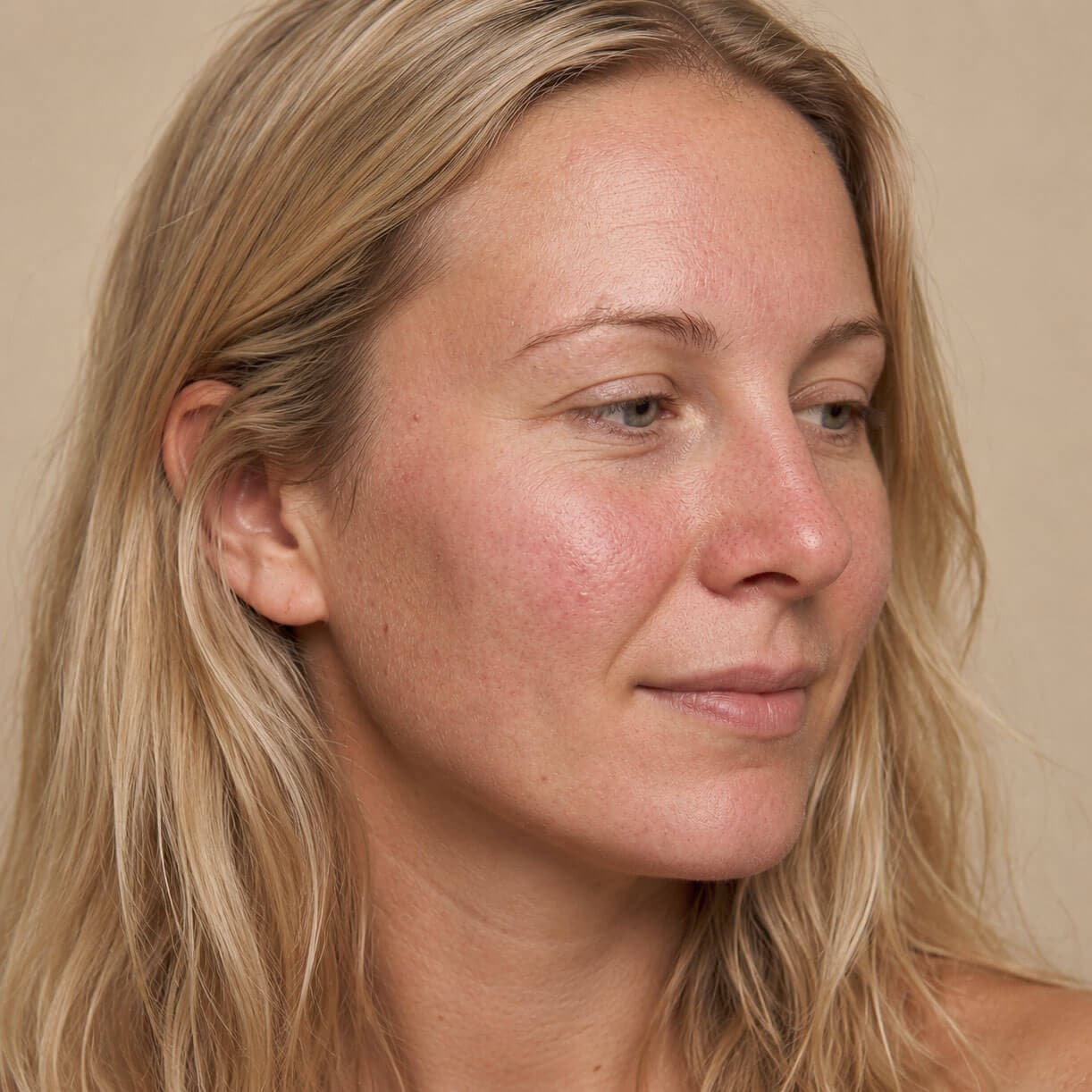
Sensitive skin
"Sensitive" is a symptom, not a diagnosis. Learn what drives reactive skin, the routine that calms it, and what to leave out.
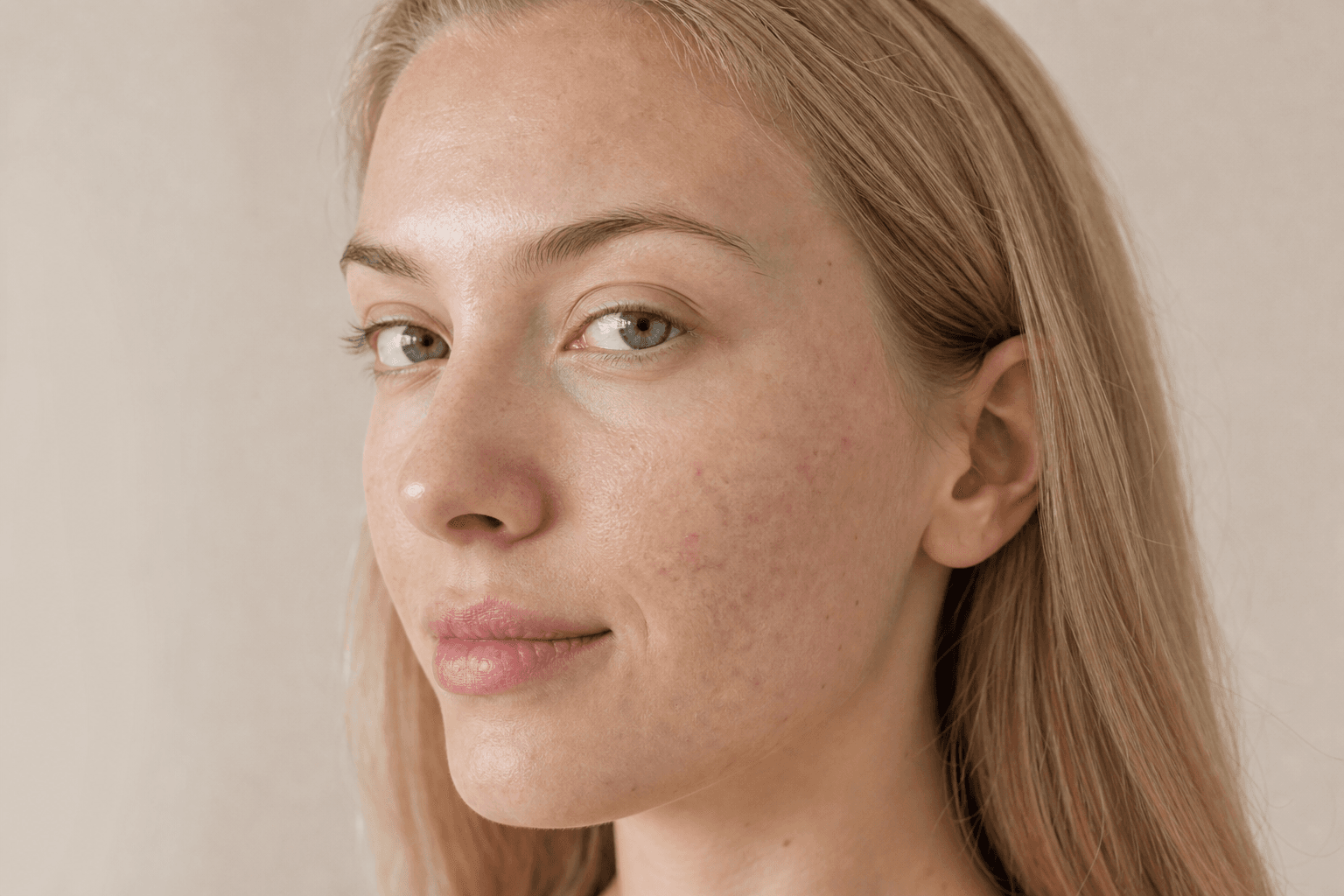
Acne scars and post-acne marks
A calm guide to what acne leaves behind: red marks, brown marks, indented scars, raised scars, and the routine that helps without making skin angrier.
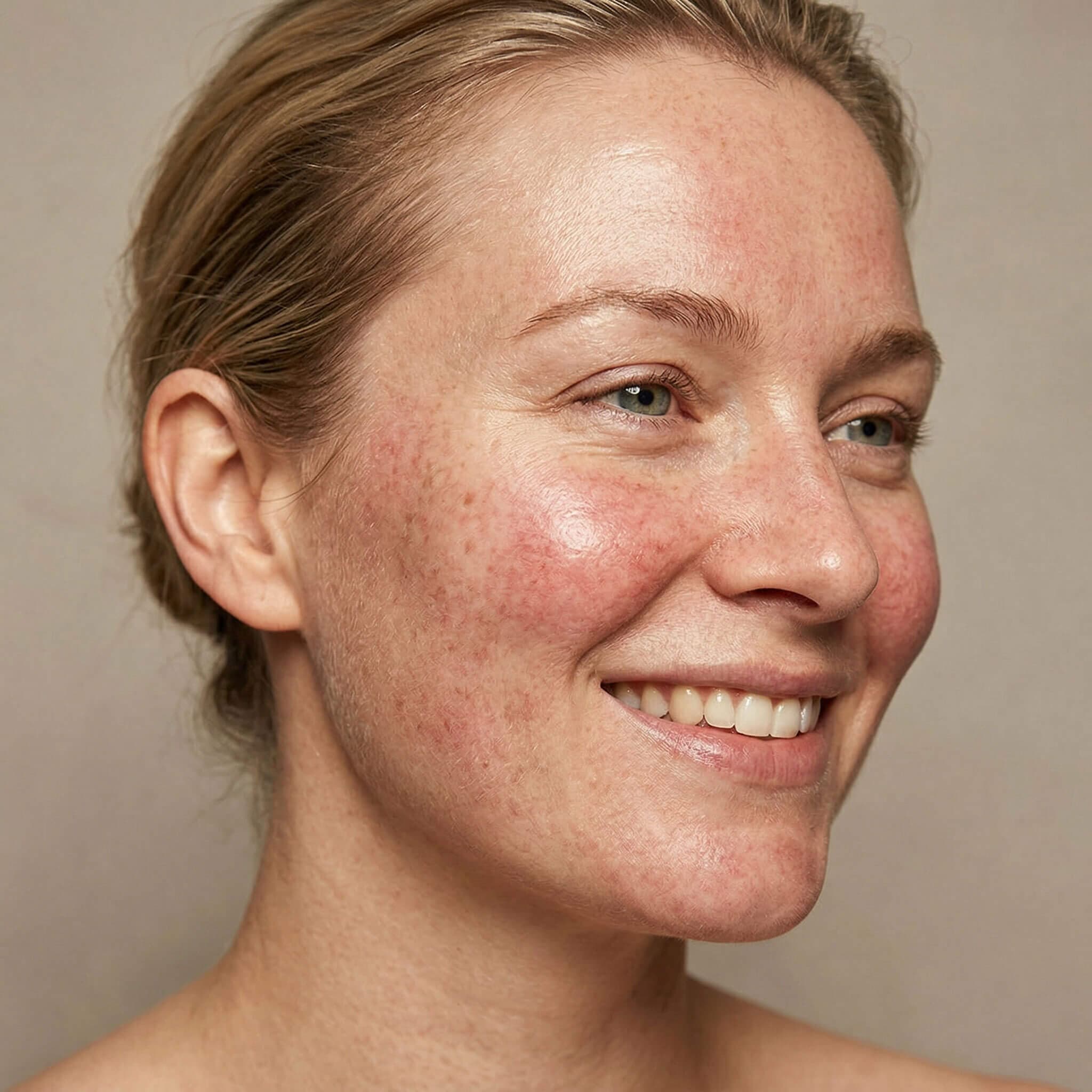
Rosacea and redness
Rosacea is a chronic inflammatory condition, not a temporary flush. Here's what causes it, what calms it, and the routine that doesn't make the reactivity worse.
Related ingredients
Citations
- Ilnytska O, Kaur S, Chon S, et al. Colloidal Oatmeal (Avena Sativa) Improves Skin Barrier Through Multi-Therapy Activity. J Drugs Dermatol. 2016;15(6):684-690. — PMID 27272074
- Majtan J, Jesenak M. β-Glucans: Multi-Functional Modulator of Wound Healing. Molecules. 2018;23(4):806. — PMID 29614757
- Zhang Y, et al. Administration of skin care regimens containing β-glucan for skin recovery after fractional laser therapy: A split-face, double-blinded, vehicle-controlled study. J Cosmet Dermatol. 2021;20(3):812-819. — PMID 33128496