
Why does my skin get worse in winter?
Winter can make skin feel dry, tight, red, stingy, or suddenly breakout-prone. Here is why cold air and indoor heating upset the barrier - and how to calm it.
On this page
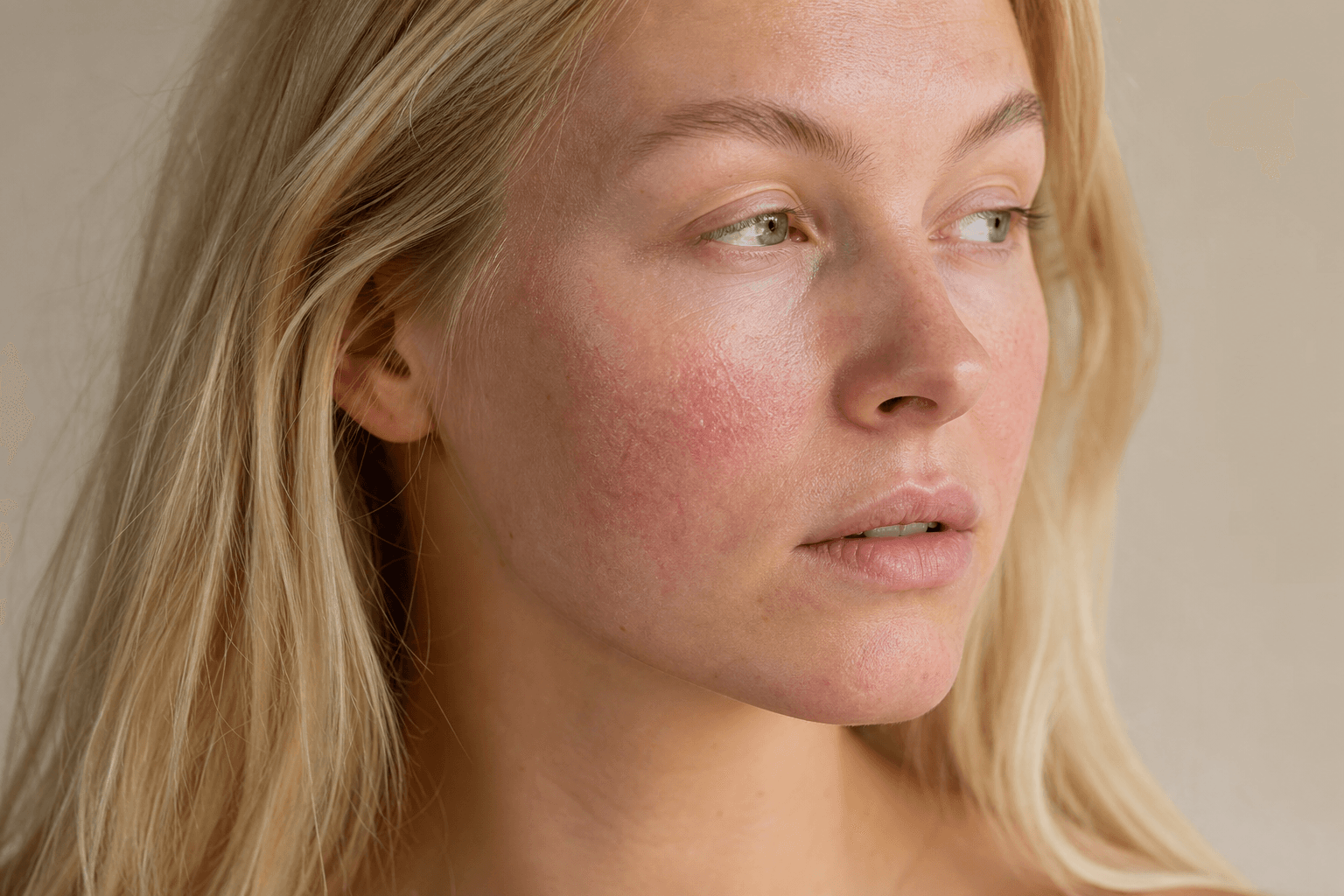
My skin used to become strangely dramatic every winter.
Not cinematic dramatic. More like: tight after washing, shiny in the wrong places, flaky around the nose, and annoyed by products that behaved perfectly fine in September. If you have acne-prone or irritated skin, winter can feel especially unfair because dryness and breakouts can arrive together, like two bad guests who did not bring wine.
Over the last 15 years, I have helped more than 100,000 people with problem skin, and winter brings the same pattern back every year. Skin gets tighter. Products sting sooner. People scrub the flakes. Then the barrier complains louder.
The short answer
Your skin often gets worse in winter because cold air, lower humidity, indoor heating, wind, and hotter washing all make the skin barrier work harder.
A review on humidity, temperature, and skin barrier function[1] found that low humidity and low temperatures can reduce barrier function and make skin more reactive to irritants and allergens. That is the winter story in one sentence: the outside world becomes drier, and the skin has less patience.
Winter skin can show up as:
- tightness after cleansing
- flaky patches
- redness
- burning when you apply moisturiser
- rough texture
- more visible fine lines from dehydration
- small irritation bumps
- acne that feels drier and angrier than usual
If your main symptom is tightness after washing, read the guide to why skin feels tight after cleansing. If moisturiser suddenly stings, the guide to moisturiser burning is the next useful stop.
Why cold air and heating are such a rude combination
Winter air often carries less moisture. Then we go indoors and turn on heating, which can make the air feel even drier.
A humidity review[2] explains that air humidity can affect water content in the stratum corneum, skin roughness, elasticity, and barrier measurements. In plain skin language: your outer layer can become less flexible and more easily irritated.
Winter dryness is bigger than "lack of oil." Water loss, barrier stress, and irritation often travel together.
The indoor-heating problem
One winter indoor-environment study[3] found that after 6 hours in a heated, low-humidity indoor setting, facial skin showed increases in roughness and redness, while forearm skin showed lower hydration and higher transepidermal water loss. The study also found that a ceramide-containing cream improved several measured skin parameters.
You do not need to memorise the measurements. Remember this:
Dry indoor air can make normal skin act more sensitive.
That is why a routine that felt fine in summer may suddenly feel too sharp in January.
Why winter can trigger breakouts too
Winter breakouts confuse people because the skin can feel dry and clogged at the same time.
That can happen when:
- the barrier is irritated, so inflammation is higher
- heavy balms or oils are layered over acne-prone zones
- flakes mix with sebum inside pores
- you cleanse harder to remove the heavy products
- scarves, hats, and collars add friction
- you keep changing products because nothing feels right
If the bumps are mostly clogged pores, keep your acne routine steady and gentle. Salicylic acid can still help when tolerated, but winter is not the season for heroic overuse. If your face is burning, peeling, or red, calm the barrier first.
The calmer winter routine
Start with the least dramatic changes.
1. Make cleansing shorter and gentler
Use lukewarm water. Cleanse once in the evening if your skin tolerates that better. Avoid the squeaky-clean feeling.
Winter skin often needs less force, not more foam.
2. Apply moisturiser before the skin is fully dry
Slightly damp skin gives humectants something useful to hold onto. A moisturiser review[4] describes moisturisers as formulas that usually combine humectants, emollients, and occlusive support to improve the stratum corneum.
That trio matters:
- humectants help bind water
- emollients soften roughness
- occlusives help slow water loss
Ingredients like glycerin, ceramides, panthenol, and petrolatum can all make sense depending on the formula and your skin type.
3. Do not exfoliate your way through irritation
Flakes are tempting. I know. They sit there looking removable.
But if the skin stings, burns, or looks raw, strong exfoliation usually makes the winter cycle worse. The better first move is moisture, gentler cleansing, and fewer actives for a short period.
4. Keep sunscreen in the routine
Winter light still reaches exposed skin. If you are pigmentation-prone, rosacea-prone, using retinoids, or spending time near snow, SPF still earns its place.
Choose a broad-spectrum sunscreen you will wear daily. If sunscreen tends to pill over richer winter moisturiser, the guide to sunscreen pilling can help you adjust the layers without rebuilding the whole routine.
When to get help
See a qualified clinician if your winter flare includes severe cracking, bleeding, oozing, swelling, intense itching, eye-area involvement, or a rash that keeps returning. Eczema, contact dermatitis, rosacea, and perioral dermatitis can all look like "dry winter skin" at first glance.
For everyday winter tightness, the plan is gentler: cleanse less aggressively, moisturise better, protect exposed skin, and stop asking a stressed barrier to behave like summer skin.
Skincare should feel like support, not a weather punishment. Winter asks more from your skin. Your routine should ask less.
People also ask
Why does my skin get dry and red in winter?
Cold air, low humidity, indoor heating, wind, and hotter washing can all stress the skin barrier. When the barrier loses water more easily, skin can feel tight, flaky, red, or stingy.
Should I exfoliate flaky winter skin?
Only gently, and not while the skin burns or feels raw. Many flaky winter faces need more barrier support first, not stronger exfoliation.
Do I still need sunscreen in winter?
Yes, for exposed skin during daylight. UV exposure does not disappear in cold weather, and pigmentation-prone or rosacea-prone skin often does better with consistent protection.
What should I change first in a winter skincare routine?
Start with gentler cleansing and a better moisturising step. Those two changes often calm winter tightness before you need to add anything complicated.
The winter routine I would keep boring
Winter skin often improves when the routine gets calmer, not when the bathroom shelf gets taller. I created the Danish Skin Care Kit to keep the basics repeatable: cleanse gently, treat clogged pores without overdoing it, moisturise well, and protect exposed skin with SPF. After helping more than 100,000 people with problem skin, I keep coming back to the same winter lesson: the barrier likes consistency more than drama.

A simple winter baseline: gentle cleansing, barrier support, salicylic acid only where it is tolerated, and daily SPF without turning dry skin into a product experiment.
Full transparency: Danish Skin Care is my own company — I formulated these products and earn from every sale. That's exactly why I only recommend them where they genuinely fit the guide you just read.
Real results from simple routines
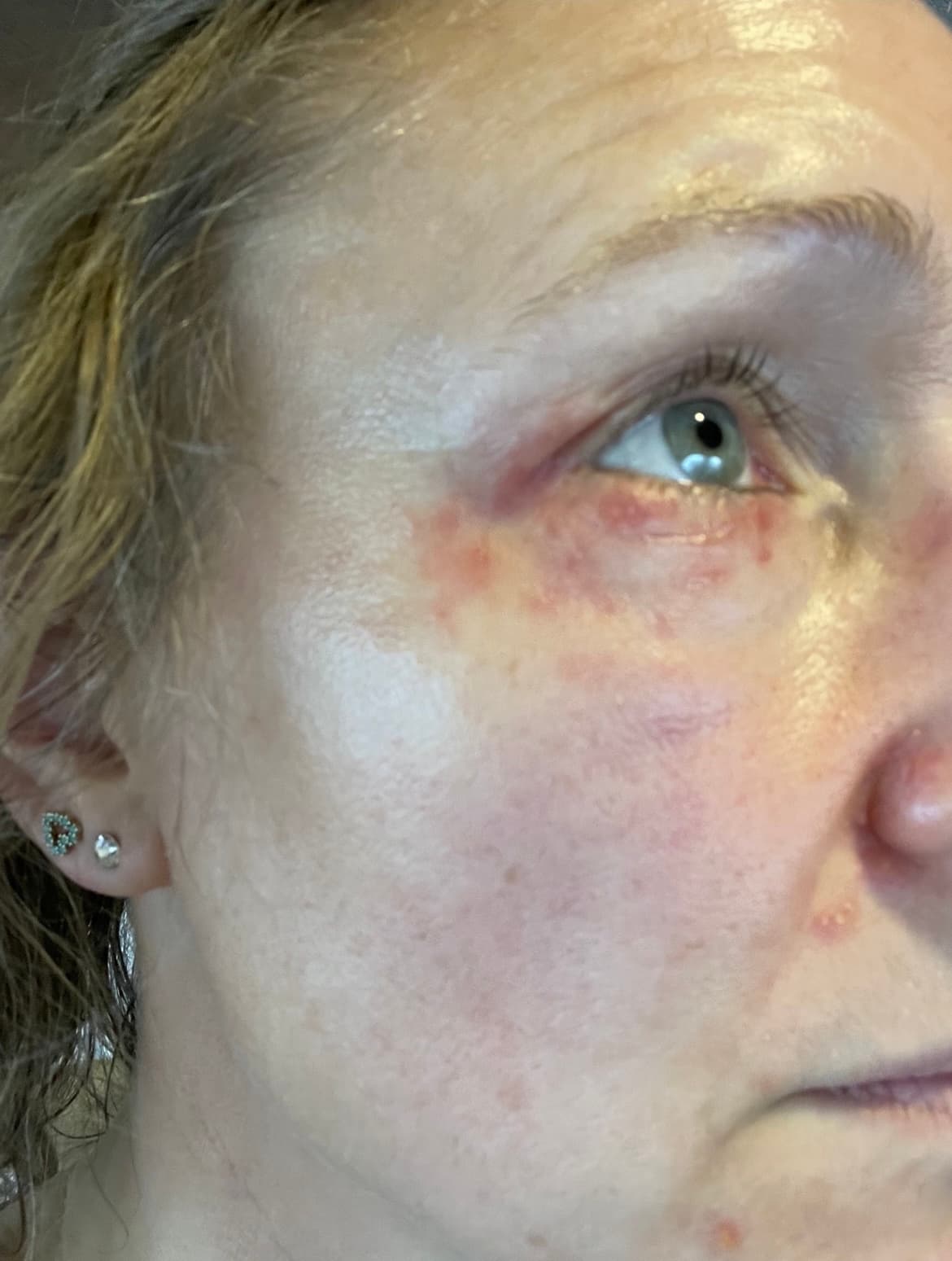
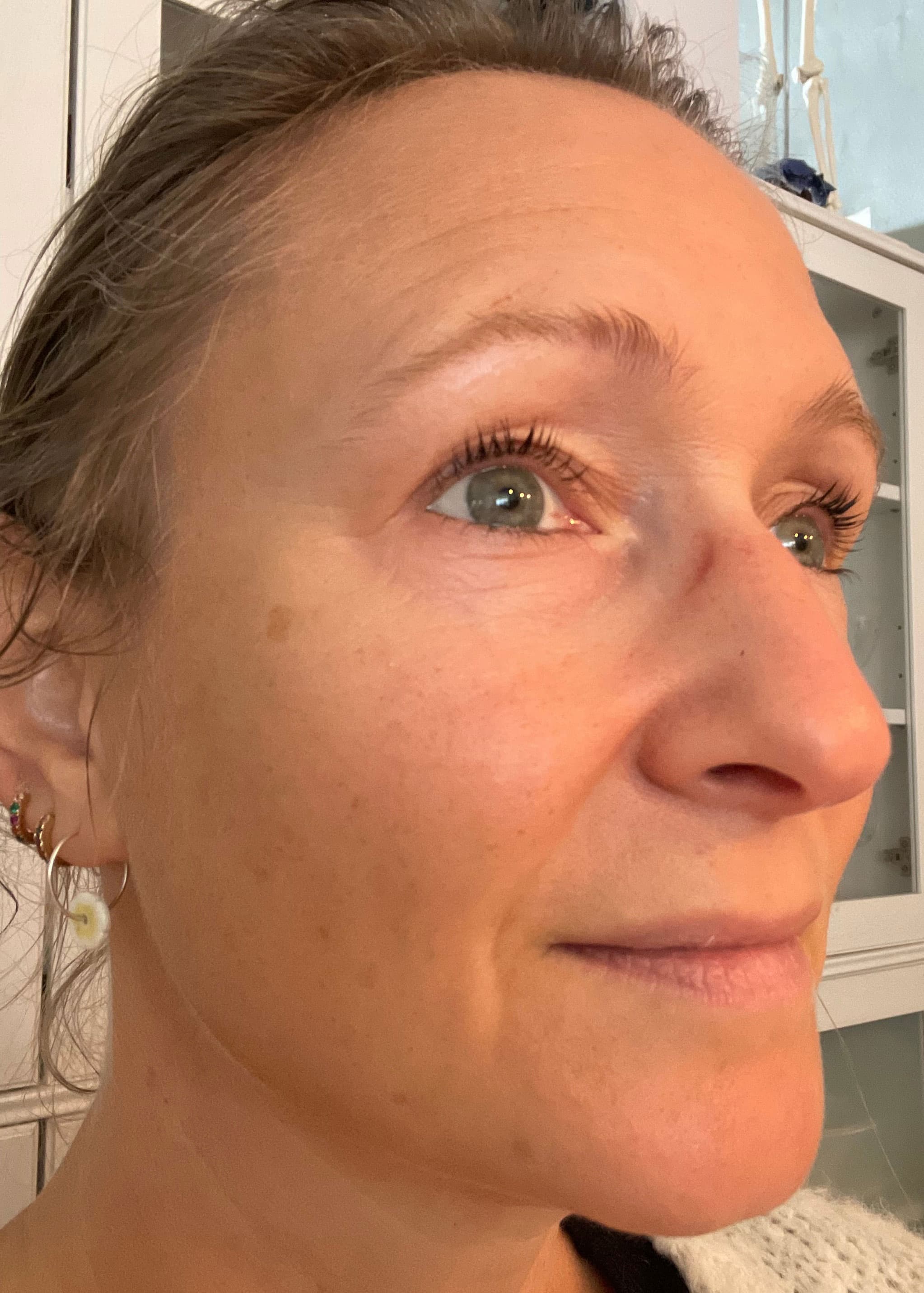
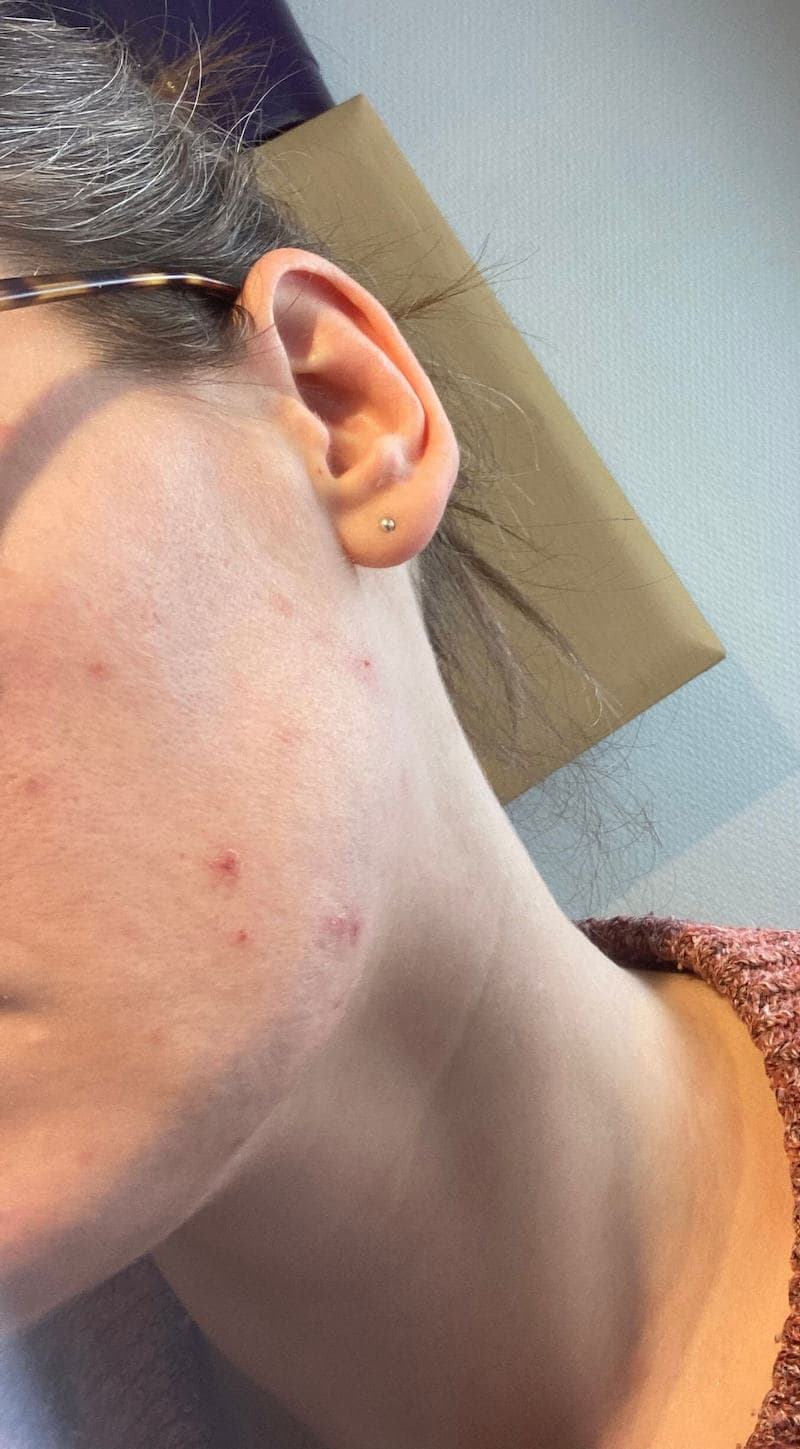
A few real before-and-after cases from people using Danish Skin Care for skin concerns related to this guide. No filters, no miracle promise. Consistent skincare over time.
 Before
 After
After Before
 After
After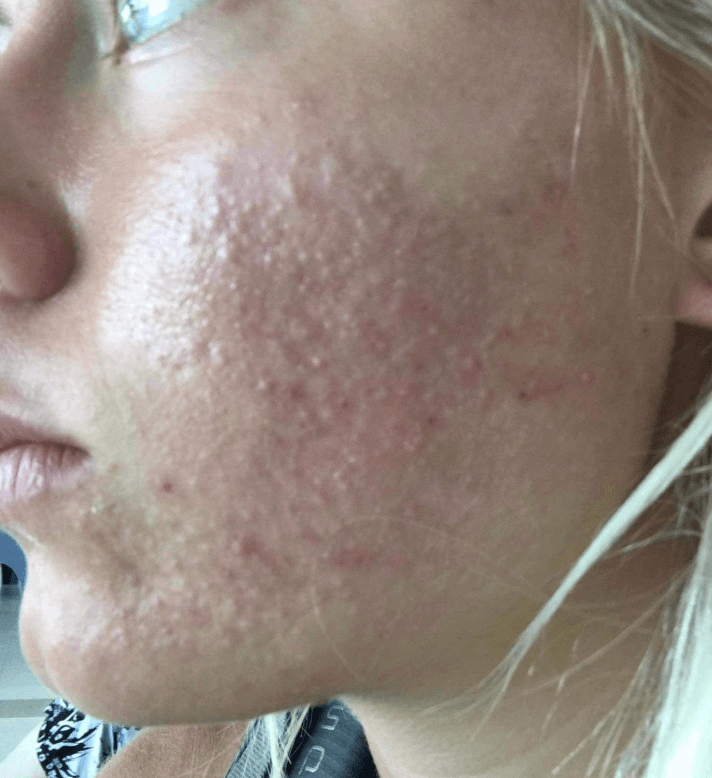 Before
 After
AfterKeep reading
- Ingredient · glycerin
- Ingredient · ceramides
- Ingredient · petrolatum
- Ingredient · panthenol
- Ingredient · sodium hyaluronate
- Condition · dry skin
- Condition · sensitive skin
- Condition · combination skin
- Condition · rosacea
- Read · how to treat dry skin on face
- Read · why does my skin feel tight after washing
- Read · why does my skin burn when i apply moisturizer
- Read · slugging
- Read · how to repair skin barrier after over exfoliating
Citations
- Engebretsen KA, et al. The effect of environmental humidity and temperature on skin barrier function and dermatitis. J Eur Acad Dermatol Venereol. 2016;30(2):223-249.PMID 26449379
- Goad N, Gawkrodger DJ. Ambient humidity and the skin: the impact of air humidity in healthy and diseased states. J Eur Acad Dermatol Venereol. 2016;30(8):1285-1294.PMID 27306376
- Lee HJ, et al. Effects of winter indoor environment on the skin: Unveiling skin condition changes in Korea. Skin Res Technol. 2023;29(6):e13361.PMC10264749
- Sethi A, Kaur T, Malhotra SK, Gambhir ML. Moisturizers: The slippery road. Indian J Dermatol. 2016;61(3):279-287.PMID 27293248