
Slugging: when petroleum jelly helps dry skin and when it is too much
Slugging can help dry, compromised skin hold on to moisture, but it is not for every face or every routine. Here is how to use an occlusive layer without trapping irritation under it.
On this page
Slugging is a funny name for something dermatology has understood for a long time.
You put an occlusive layer over the skin at night so water does not evaporate as easily. The internet made it sound new because "slugging" is more memorable than "strategic petrolatum application", which admittedly would have struggled on TikTok.
When my own skin was irritated and dehydrated, I would have tried almost anything that promised comfort by morning. That is the emotional hook with slugging. Dry skin makes you impatient. You want one thick layer to fix the whole situation while you sleep.
Sometimes that helps.
Sometimes it turns your face into a warm little greenhouse for products your skin did not like in the first place.
The short answer
Slugging means applying a thin layer of petrolatum - petroleum jelly - as the final step in your evening routine.
Petrolatum is an occlusive moisturiser. It forms a protective film that reduces transepidermal water loss, so water stays in the upper skin layers longer. A 2024 review of petroleum jelly[1] describes petrolatum as a widely used dermatologic staple and discusses its low allergenic potential, safety profile, and usefulness as a moisturising and wound-care agent.
For dry or compromised skin, that can be useful.
For oily, acne-prone, hot, sweaty, or over-treated skin, it can be too much.
The rule is simple: slugging seals. Make sure you like what you are sealing in.
Why slugging works
Your skin barrier is built to keep water in and irritants out.
A 2003 skin-barrier study[2] explains why the outer layer matters so much. The usual brick-wall analogy is still the best one: skin cells are the bricks, and lipids are the mortar. When that mortar is disrupted, water escapes and the skin becomes tight, flaky, rough, and more reactive.
Slugging adds a temporary protective sheet over the wall.
It does not rebuild the wall by itself. It slows water loss while the moisturiser and the skin do their work underneath.
That distinction matters. Petrolatum is excellent at sealing. It is not a complete routine.
Who usually benefits
Slugging is most useful for:
- Dry, flaky patches.
- Wind-chapped skin.
- Irritated skin from cold weather.
- A barrier that feels tight after cleansing.
- Dry lips or corners of the nose.
- Hands, elbows, and other stubborn dry areas.
- Occasional recovery nights after too much exfoliation.
If exfoliation has already made your moisturiser sting, start with the over-exfoliation barrier repair guide before adding an occlusive layer.
For these situations, a thin layer can feel very comforting.
The key word is thin. You are not frosting a cake.
Who should be careful
Slugging is not automatically wrong for acne-prone skin, but it deserves caution.
Be careful if your skin is:
- Very oily.
- Congested with closed comedones.
- Breaking out actively.
- Sweaty at night.
- Rosacea-prone and heat-reactive.
- Using strong actives often.
- Prone to perioral dermatitis.
Petrolatum itself is generally considered non-comedogenic in dermatology literature, and the 2024 review[1] specifically discusses misconceptions around comedogenicity. But real routines are messier than one ingredient.
If you seal sweat, heavy moisturiser, fragrance, acids, retinoids, or a product that already irritates you, your skin may complain.
The ingredient may be innocent. The situation may be the problem.
Do not slug over every active
This is the mistake I worry about most.
People use retinol, exfoliating acids, benzoyl peroxide, or a strong treatment, then seal it under petrolatum because the internet said slugging repairs the barrier.
That can backfire.
Occlusion can make some products feel more intense because it slows evaporation and keeps contact close to the skin. If your barrier is already irritated, sealing an active underneath can turn a sensible treatment into an overnight negotiation with redness.
On active nights, keep the routine lighter unless your dermatologist has given a specific plan.
Slug on recovery nights.
How to slug properly
Use the smallest useful amount.
Evening
- Cleanse gently.
- Apply moisturiser while the skin is slightly damp.
- Wait a minute.
- Press a tiny amount of petrolatum over dry areas.
- Leave the rest of your face alone if it does not need it.
For most people, a rice-grain amount per dry area is enough. A pea-size amount can cover several dry patches.
If your pillowcase looks like it was involved in the routine, you used too much.
What to put underneath
Slugging works best over hydration and barrier support.
Good layers underneath can include:
- Glycerin.
- Sodium hyaluronate.
- Urea.
- Panthenol.
- Niacinamide if tolerated.
- A simple moisturiser.
A 2016 moisturiser review[3] explains the classic categories: humectants draw water, emollients smooth, and occlusives reduce water loss. A 2014 moisturiser study discussion[4] also supports the idea that barrier-supporting moisturisers can work alongside other treatments.
In plain language: hydrate first, moisturise second, seal last.
Petrolatum is the lid. It is not the soup.
Slugging vs a rich moisturiser
Many people do not need slugging. They need a better moisturiser.
If your face feels dry every night, start by choosing a moisturiser that gives the skin more of what it lacks: humectants, emollients, and barrier support.
Slugging is useful when:
- The moisturiser helps but does not quite last.
- Certain patches stay rough.
- Winter air is making everything evaporate.
- You need a short-term recovery boost.
It is less useful when:
- Your whole routine is too harsh.
- Your cleanser leaves skin tight.
- You exfoliate too often.
- You are skipping moisturiser and trying to seal bare skin.
Slugging cannot compensate for a routine that keeps picking fights with the barrier.
Can oily skin slug?
Sometimes, but I would be selective.
If you have oily skin with one dry patch around the nose, slug the patch. Do not cover the entire face because one corner is dramatic.
If your skin is oily and dehydrated, try a lightweight moisturiser first. Oily and dehydrated skin often needs water-binding ingredients and barrier support, not a heavy seal over the whole face.
If slugging gives you more bumps, stop. You do not need to prove loyalty to a trend.
The bottom line
Slugging is useful when the skin needs help holding on to moisture.
It is not a magic repair method. It is not ideal over every active. It is not necessary for every skin type. And it should not turn a simple routine into a nightly grease ceremony.
Cleanse gently. Moisturise well. Seal only the dry areas that need it.
The best slugging routine is the one where your skin wakes up comfortable, not trapped.
People also ask
Is slugging good for dry skin?
It can be, especially on dry or barrier-stressed areas. Slugging helps reduce water loss by sealing moisture in, but it works best over a gentle moisturiser rather than on bare, dehydrated skin.
Can slugging cause acne?
Petrolatum itself is generally considered non-comedogenic, but a heavy occlusive layer can feel too much for oily or acne-prone skin and may trap sweat, oil, or irritating products underneath.
Should I slug after retinol?
Usually not when you are new to retinol or easily irritated. Petrolatum can increase the intensity of what sits underneath, so keep slugging for recovery nights unless your clinician says otherwise.
How often should I slug my face?
Use it as needed, not as a personality. A few nights per week on dry patches may be enough. If your whole face needs it every night, your basic moisturiser may be too light.
Start with moisture before you seal
Slugging only makes sense when the routine underneath is already gentle. I would start with the Danish Skin Care Kit, especially the Normal to dry variants, so the skin gets a calm cleanse, barrier support, and daily SPF first. If a small dry area still needs extra help, then a thin occlusive layer can be useful.

A calmer foundation before adding any occlusive trend: gentle cleanser, barrier support, treatment only when tolerated, and daily SPF.
Full transparency: Danish Skin Care is my own company — I formulated these products and earn from every sale. That's exactly why I only recommend them where they genuinely fit the guide you just read.
Real results from simple routines
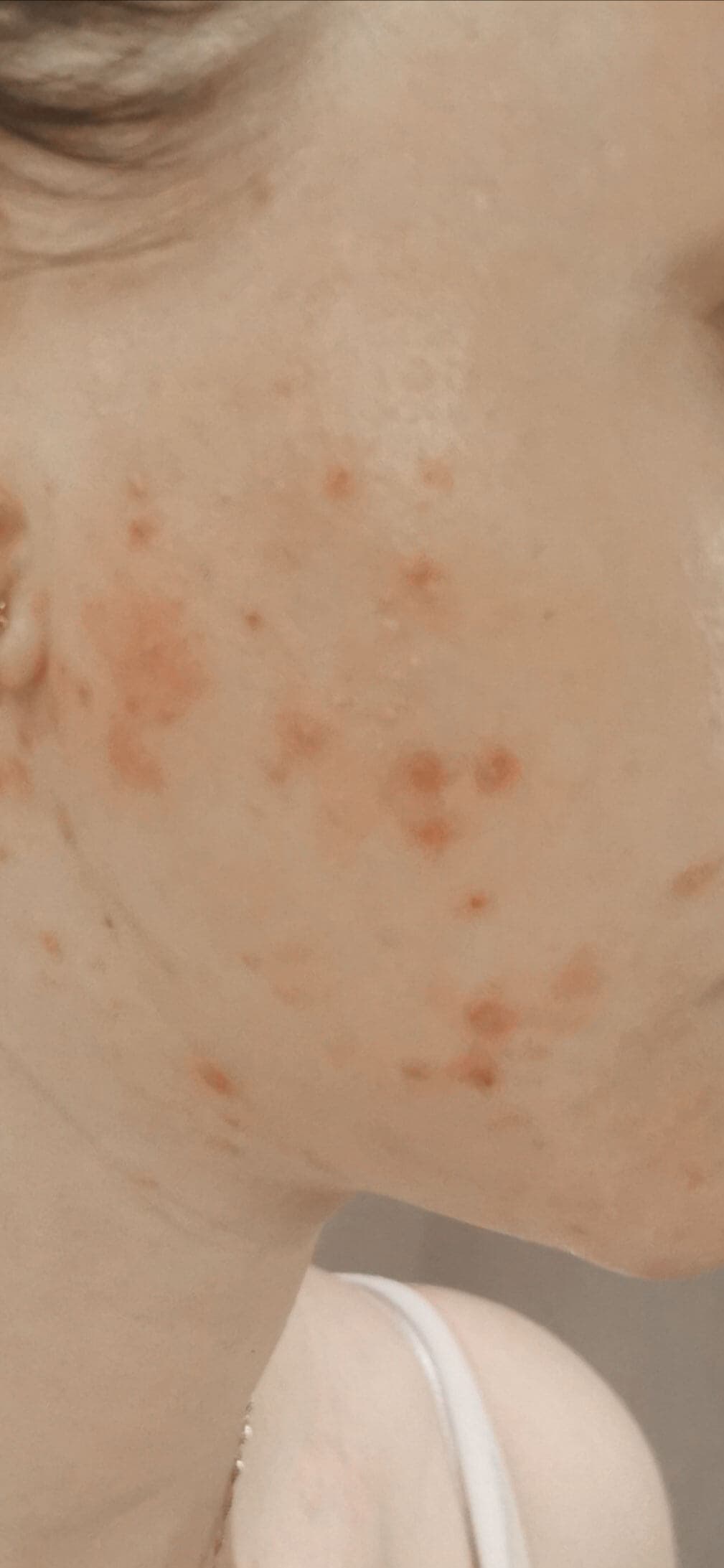
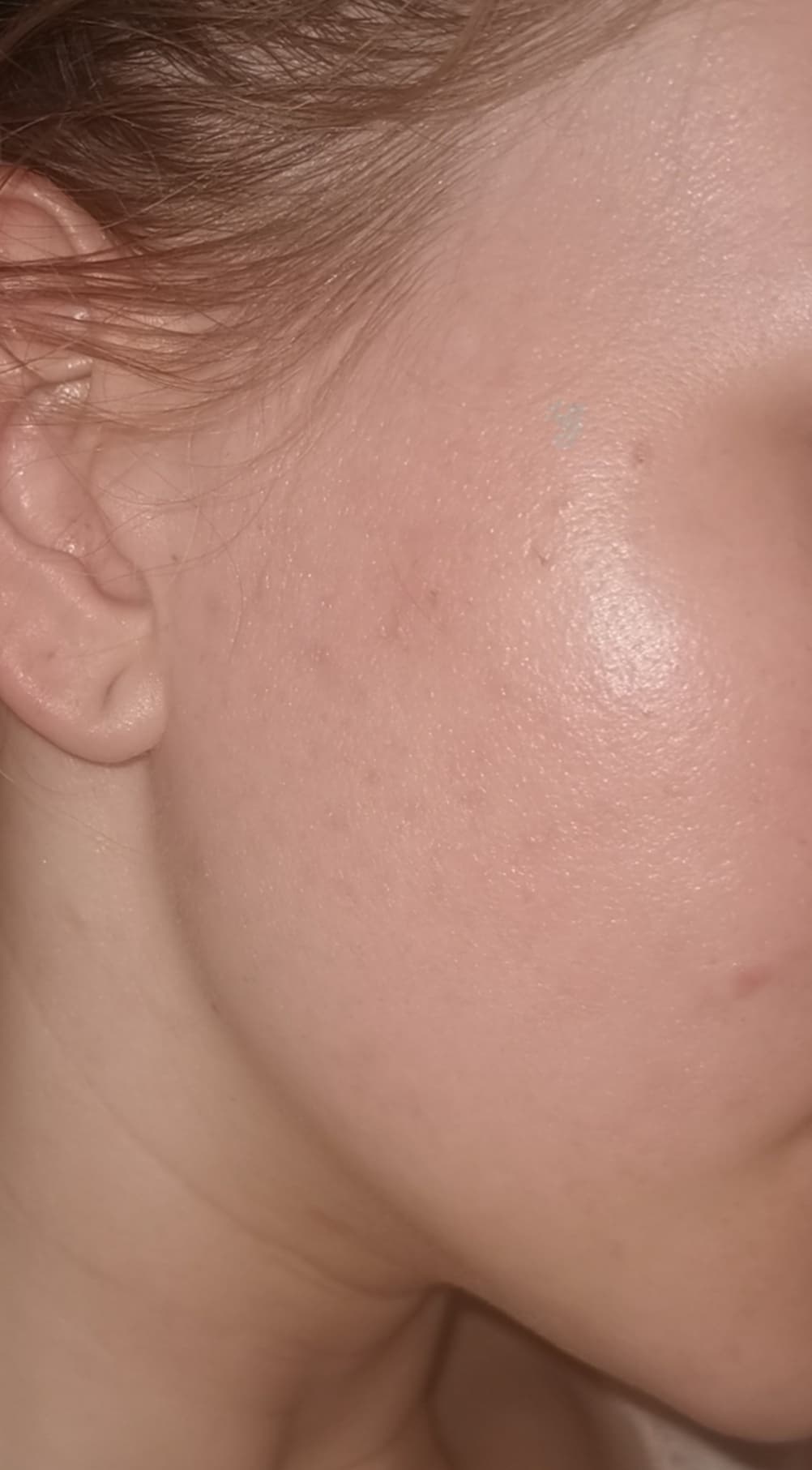
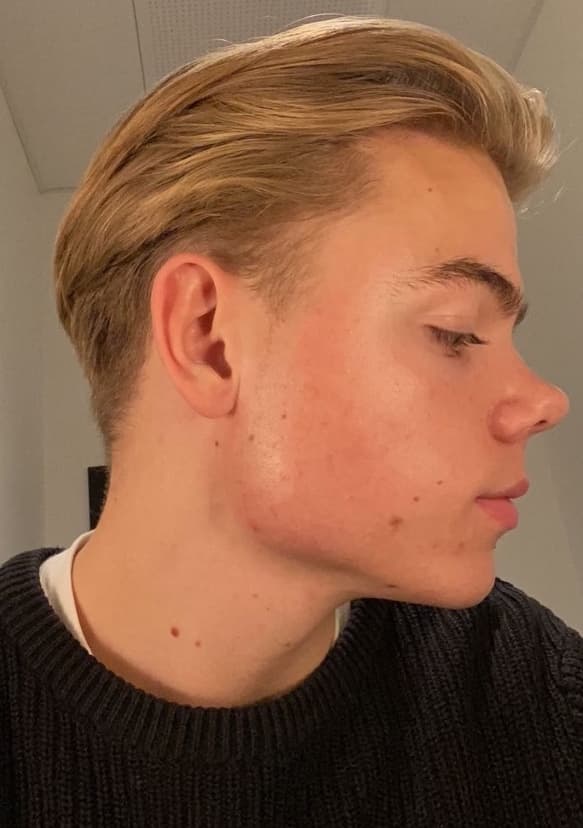
A few real before-and-after cases from people using Danish Skin Care for skin concerns related to this guide. No filters, no miracle promise. Consistent skincare over time.
 Before
 After
After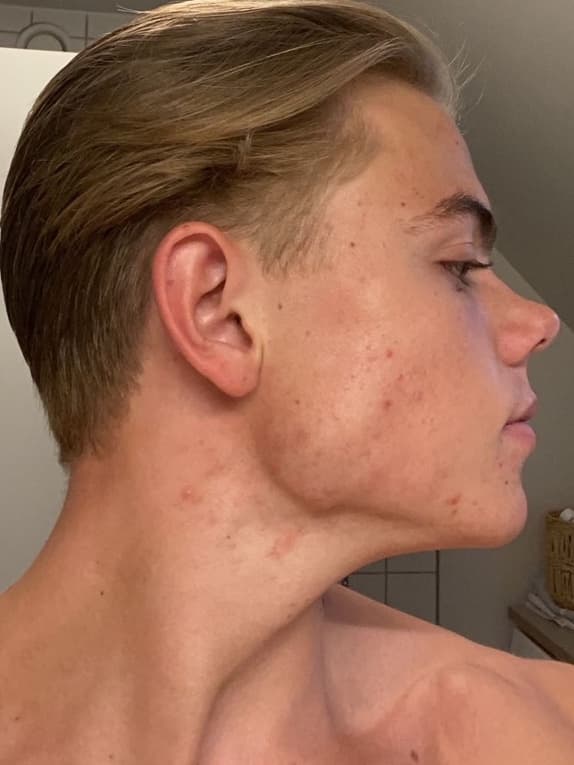 Before
 After
AfterKeep reading
- Ingredient · sodium hyaluronate
- Ingredient · urea
- Ingredient · niacinamide
- Ingredient · panthenol
- Ingredient · retinol
- Condition · dry skin
- Condition · sensitive skin
- Condition · rosacea
- Condition · acne and blemishes
- Read · how to treat dry skin on face
- Read · how to repair skin barrier after over exfoliating
- Read · korean snail cream
- Read · skin cycling
- Read · how to calm rosacea flare
- Read · best sunscreen for rosacea
Citations
- Kamrani P, Hedrick J, Marks JG, Zaenglein AL. Petroleum jelly: A comprehensive review of its history, uses, and safety. J Am Acad Dermatol. 2024;90(4):807-813.PMID 37315800
- Madison KC. Barrier function of the skin: 'la raison d'etre' of the epidermis. J Invest Dermatol. 2003;121(2):231-241.PMID 12880413
- Sethi A, Kaur T, Malhotra SK, Gambhir ML. Moisturizers: The slippery road. Indian J Dermatol. 2016;61(3):279-287.PMID 27293248
- Lynde CW, et al. Moisturizers and ceramide-containing moisturizers may offer concomitant therapy with benefits. J Clin Aesthet Dermatol. 2014;7(3):18-26.PMID 24688623