
Why does my skin feel tight after washing?
Skin that feels tight after washing is usually asking for gentler cleansing, better barrier support, or fewer active products around the cleanser.

On this page
I used to think tight skin after washing meant clean skin.
When I had acne and oily skin, that squeaky feeling felt almost reassuring. Like the cleanser had finally taken charge. Then ten minutes later my face felt shiny, pulled, and oddly dry at the same time. A small skincare comedy, except I was not laughing.
I have seen the same pattern in many before-and-after cases: the turning point is often not a stronger cleanser. It is a cleanser the skin can forgive.
The short answer
Skin feels tight after washing when the cleanser, water temperature, cleansing frequency, or nearby active products disturb the outer skin barrier.
That barrier is supposed to keep water in and irritants out. A 2023 barrier review[2] explains that moisturisation depends on barrier structure, water-binding ingredients, and lipids working together. When that system is stressed, washing can leave the skin feeling pulled, shiny, or stingy.
In normal bathroom language, tightness usually means one of these:
- The cleanser is too stripping.
- You are cleansing too often.
- The water is too hot.
- You are overusing acids, retinoids, scrubs, or drying masks.
- Your skin is dry, sensitive, or inflamed before you even cleanse.
If the problem started after moving home, the guide to hard water and the skin barrier explains what minerals may change - and why gentler washing still comes first.
Tight does not mean properly clean
This is the part oily skin often gets wrong.
Clean skin should feel comfortable. It should not feel like a newly washed plate.
A moisturiser review[1] describes moisturisers as formulas that support the stratum corneum through humectants, emollients, and occlusives. If cleansing leaves that outer layer short on water and comfort, the rest of your routine has to spend the evening apologising for the first step.
The cleanser's job is simple:
- remove sweat, sunscreen, makeup, dirt, and excess oil
- rinse away without leaving the skin angry
- prepare the skin for the next step
It is not supposed to discipline your face.
Why pH can matter
Healthy skin is naturally slightly acidic. That surface is often called the acid mantle. A 2018 review[3] explains that skin surface pH influences barrier enzymes, shedding, and microbial balance.
That does not mean you need to buy pH strips and turn your sink into a laboratory.
It means very alkaline, harsh, or soap-like cleansers can leave some skin feeling tight, especially if the barrier is already struggling. A mild, well-formulated cleanser is usually kinder than a dramatic "deep clean" product that makes the skin feel polished and punished.
If you are washing this way because acne makes your face feel dirty, read the guide to washing your face when you have acne. The fix is slightly different when oil, SPF, and pimples are all part of the same routine.
What to do tonight
Keep it calm:
- Wash with lukewarm water.
- Cleanse once, not twice, unless you truly need it.
- Use fingertips, not brushes or scrubs.
- Rinse well.
- Pat dry, leaving the skin slightly damp.
- Apply moisturiser within a minute or two.
If your skin is very tight, pause exfoliating acids, retinoids, strong vitamin C, clay masks, and anything that stings. Tight skin after washing is not asking for a motivational speech from more actives.
Morning cleansing is optional for many people
If you wake up oily, sweaty, or with residue from a rich night product, a gentle morning cleanse can make sense.
If you wake up dry and tight, rinse with lukewarm water or skip cleansing in the morning and moisturise instead.
Skincare rules often sound stricter than skin needs. Your skin does not know it is 7:13 in the morning and therefore time for foam.
How to choose a better cleanser
Look for:
- mild surfactants
- no gritty scrub particles
- no strong fragrance if you are sensitive
- a texture that rinses clean without squeakiness
- skin that feels comfortable ten minutes later
Do not judge a cleanser by how dramatic it feels during use. Judge it by how your skin behaves after.
When tightness needs more attention
See a qualified clinician if tightness comes with:
- rash
- swelling
- cracking or bleeding
- oozing
- severe burning
- eye-area irritation
- symptoms that keep returning despite a gentle routine
Tight skin after washing is usually fixable with a calmer routine. But persistent dermatitis, allergy, eczema, or rosacea-prone irritation deserves proper help.
My final advice
If your face feels tight after washing, make the first step gentler before adding another product.
Cleanse less aggressively. Moisturise sooner. Give the barrier a few quiet weeks. In my experience, skin often improves when we stop trying to make it feel impressively clean and start helping it feel safe enough to repeat the routine.
People also ask
Why does my face feel tight after washing?
The most common reasons are a cleanser that is too harsh, water that is too hot, over-cleansing, over-exfoliation, or a skin barrier that is already dry or irritated.
Is tight skin after cleansing normal?
A little fresh feeling is normal. Tight, shiny, stingy, or papery skin is usually a sign to cleanse more gently and moisturise sooner.
Should I stop washing my face if it feels tight?
Not necessarily. Try cleansing once daily, using lukewarm water, and switching to a mild cleanser. If even water stings or a rash appears, get medical guidance.
What should I apply after washing tight skin?
Apply a simple moisturiser while the skin is slightly damp. Pause strong acids, scrubs, and retinoids until the tightness settles.
The cleansing reset I would start from
When skin feels tight after washing, I would not answer with a stronger routine. I would rebuild the baseline. The Danish Skin Care Kit keeps the routine calm: cleanse gently, moisturise, protect in the morning, and give the barrier fewer daily arguments. After helping more than 100,000 people with problem skin, I have seen tight skin improve most often when the routine becomes easier to tolerate.

A simple reset for post-cleansing tightness: gentle cleanser, barrier support, SPF, and fewer irritating experiments.
Full transparency: Danish Skin Care is my own company — I formulated these products and earn from every sale. That's exactly why I only recommend them where they genuinely fit the guide you just read.
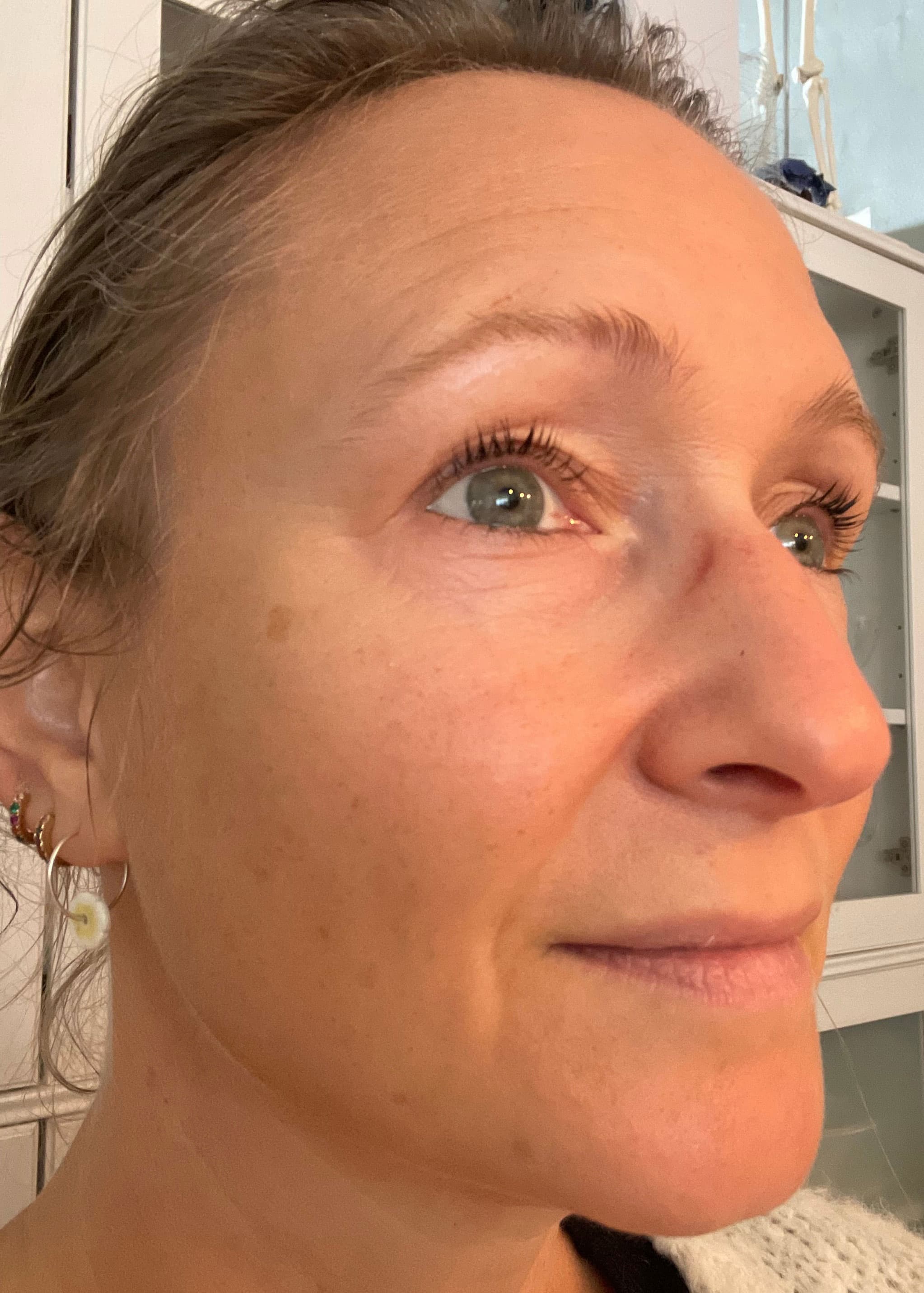
Real results from simple routines
A few real before-and-after cases from people using Danish Skin Care for skin concerns related to this guide. No filters, no miracle promise. Consistent skincare over time.
 Before
 After
After Before
 After
After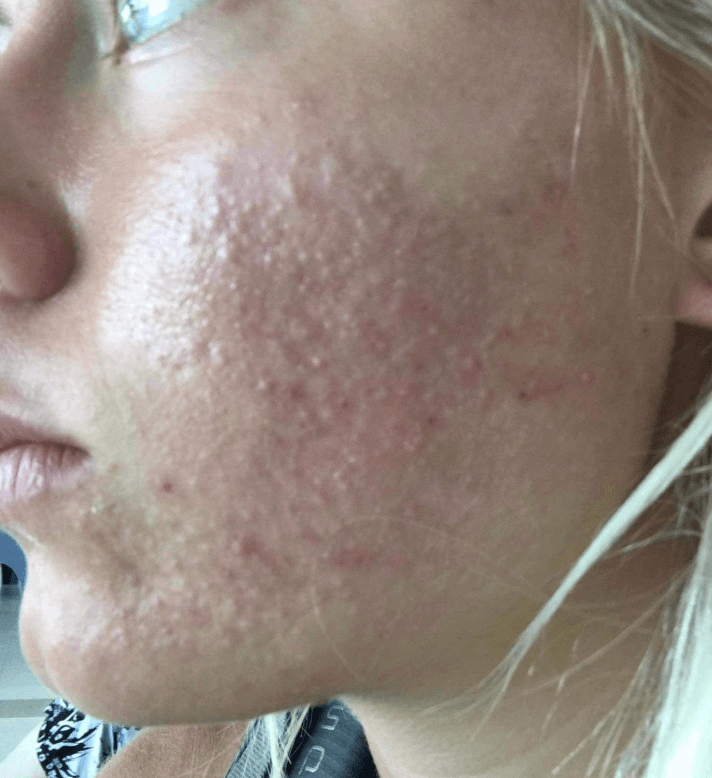 Before
 After
AfterKeep reading
- Ingredient · glycerin
- Ingredient · panthenol
- Ingredient · allantoin
- Ingredient · sodium hyaluronate
- Ingredient · ceramides
- Condition · sensitive skin
- Condition · dry skin
- Condition · rosacea
- Read · how to wash your face with acne
- Read · why does my skin burn when i apply moisturizer
- Read · how to repair skin barrier after over exfoliating
- Read · how to treat dry skin on face
- Read · redness after shower
- Read · why is my skin oily and dry at the same time
Citations
- Sethi A, Kaur T, Malhotra SK, Gambhir ML. Moisturizers: The slippery road. Indian J Dermatol. 2016;61(3):279-287.PMID 27293248
- The Skin Barrier and Moisturization: Function, Disruption, and Mechanisms of Repair. Skin Pharmacol Physiol. 2023.PMID 37717558
- Proksch E. pH in nature, humans and skin. J Dermatol. 2018;45(9):1044-1052.PMID 29863755