
How to repair your skin barrier after over-exfoliating
Over-exfoliated skin needs fewer actives, gentler cleansing, barrier support, and patience. Here is the practical reset plan.
On this page
I have over-exfoliated my own skin. More than once, which is how you know optimism is not always a skincare strategy.
When I had acne and clogged pores, acids felt logical. If a little exfoliation helped, more should help faster. Then my moisturiser stung, my face looked shiny and tight, and every product felt like it had developed an attitude.
That pattern is common. After helping more than 100,000 people with problem skin, I have seen many routines fail because the skin was never given time to recover.
The short answer
To repair your skin barrier after over-exfoliating, stop the exfoliation first.
Then use a very simple routine:
- Gentle cleanse only when needed.
- No acids, scrubs, retinoids, peel pads, or cleansing brushes.
- Moisturise with humectants, emollients, and barrier support.
- Use SPF in the morning if tolerated.
- Wait until stinging and tightness settle before reintroducing actives.
A 2023 barrier review[1] explains that the stratum corneum depends on organised lipids, water handling, and structural integrity. Over-exfoliation disturbs that system. Repair starts when you stop disturbing it.
Signs you over-exfoliated
Over-exfoliated skin often feels:
- tight but shiny
- hot or stingy
- rough in a raw way
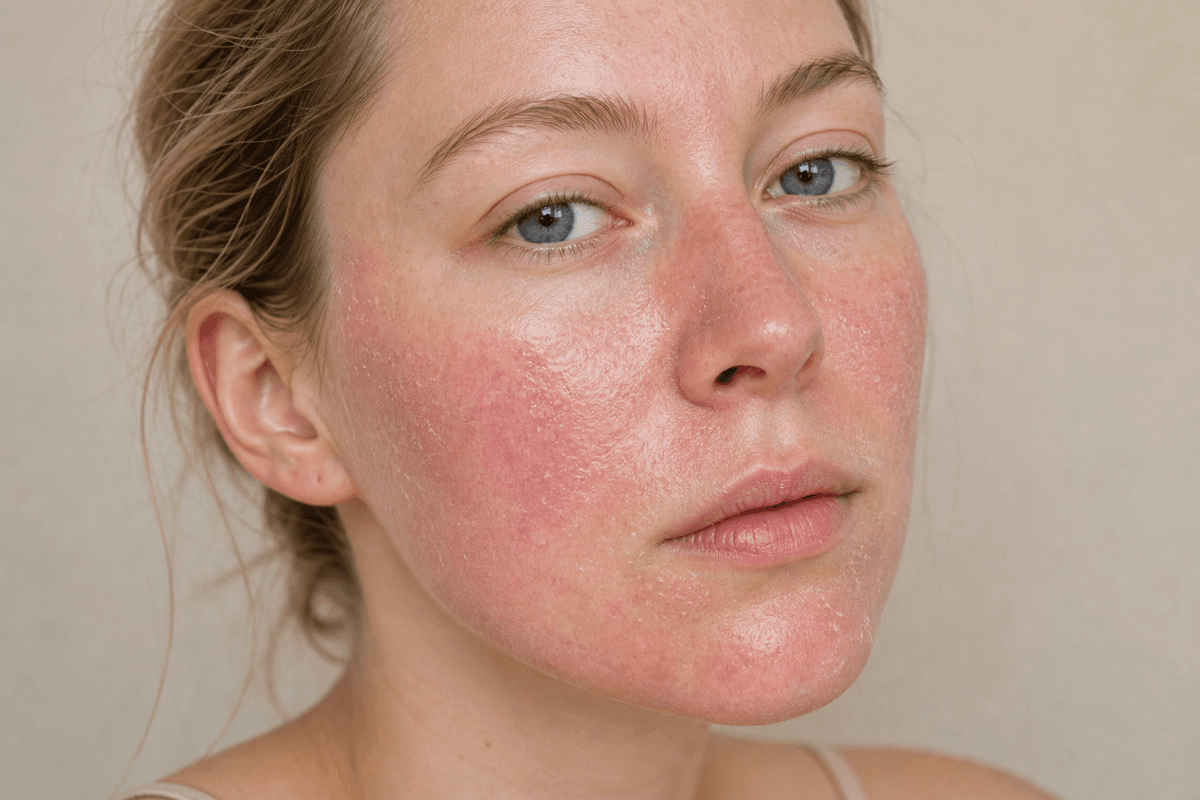
- redder than usual
- unusually reactive to moisturiser
- flaky around the mouth, nose, or cheeks
- worse after cleansing
It can also break out more. That does not always mean you need stronger acne treatment. Sometimes the breakouts are the irritation tax.
The 7-day calm-down plan
Morning
Rinse with lukewarm water if cleanser stings. If you are oily or sweaty, use a gentle cleanser and stop before the skin feels squeaky.
Apply a simple moisturiser. A moisturiser review[2] describes humectants, emollients, and occlusives as the basic moisturising team. That is what you want now: water support, softness, and less water loss.
Finish with SPF if your skin tolerates it. If every sunscreen burns, use shade, hats, and avoidance while you find a gentler option.
Evening
Cleanse gently. Remove sunscreen and daily residue, but do not massage for three minutes like you are polishing a shoe.
Moisturise. Then stop. This is the whole evening routine for now.
The skin barrier does not heal faster because you keep checking it every hour. I wish it did. We would all be very hydrated and emotionally stable.
Ingredients that make sense
Look for:
Dexpanthenol is a good example of barrier-support logic. In a 2009 study[3], dexpanthenol improved barrier repair and reduced inflammation after sodium lauryl sulphate irritation.
Another study[4] found that improving barrier function and lipid synthesis reduced lactic acid stinging sensations in sensitive skin. In plain language: when the barrier improves, skin often becomes less reactive.
What to avoid
For now, avoid:
- salicylic acid
- glycolic acid
- lactic acid
- retinol or retinal
- vitamin C if it stings
- scrubs
- cleansing brushes
- peel masks
- alcohol-heavy toners
- fragrance if your skin is reactive
This is temporary. You are not breaking up with actives forever. You are asking them to leave the room while the adults calm down.
When to bring exfoliation back
Wait until your skin has felt normal for at least one week.
Then restart with one active:
- one night per week for very sensitive skin
- two nights per week for normal or oily skin
- no exfoliation on retinoid nights
- moisturiser every night
If the burning returns, the skin answered. Reduce frequency or stop again.
When to get help
See a clinician if you have severe burning, swelling, cracked skin, oozing, infection signs, eye-area symptoms, or persistent dermatitis.
Barrier repair is not glamorous. That is the point. The skin needs a quiet stretch where nothing exciting happens, and then one day you realise your moisturiser feels normal again.
People also ask
How long does it take to repair an over-exfoliated skin barrier?
Mild irritation may calm within days, but a truly stressed barrier often needs a few weeks of gentle care. If symptoms are severe or persistent, involve a clinician.
Should I moisturise over-exfoliated skin?
Yes, if the moisturiser does not burn strongly. Use a simple barrier-support formula and avoid active-heavy products until the skin settles.
Can I use retinol while repairing my barrier?
Usually pause retinol until the burning, flaking, and stinging settle. Bring it back slowly, not on the same nights as exfoliation.
Is slugging good after over-exfoliating?
It can help some dry, non-acne-prone skin, but it can trap irritation if you apply it over active products. Keep the routine plain first.
The reset routine I would use after over-exfoliating
Over-exfoliation makes people want a rescue product. I would rather rebuild a quiet routine. The Danish Skin Care Kit gives the skin fewer moving parts: gentle cleansing, moisturiser, SPF, and a treatment step you can pause until the barrier behaves again.

A practical reset routine when exfoliation got too enthusiastic: gentle cleanse, barrier support, SPF, and a controlled treatment step only when the skin is ready.
Full transparency: Danish Skin Care is my own company — I formulated these products and earn from every sale. That's exactly why I only recommend them where they genuinely fit the guide you just read.
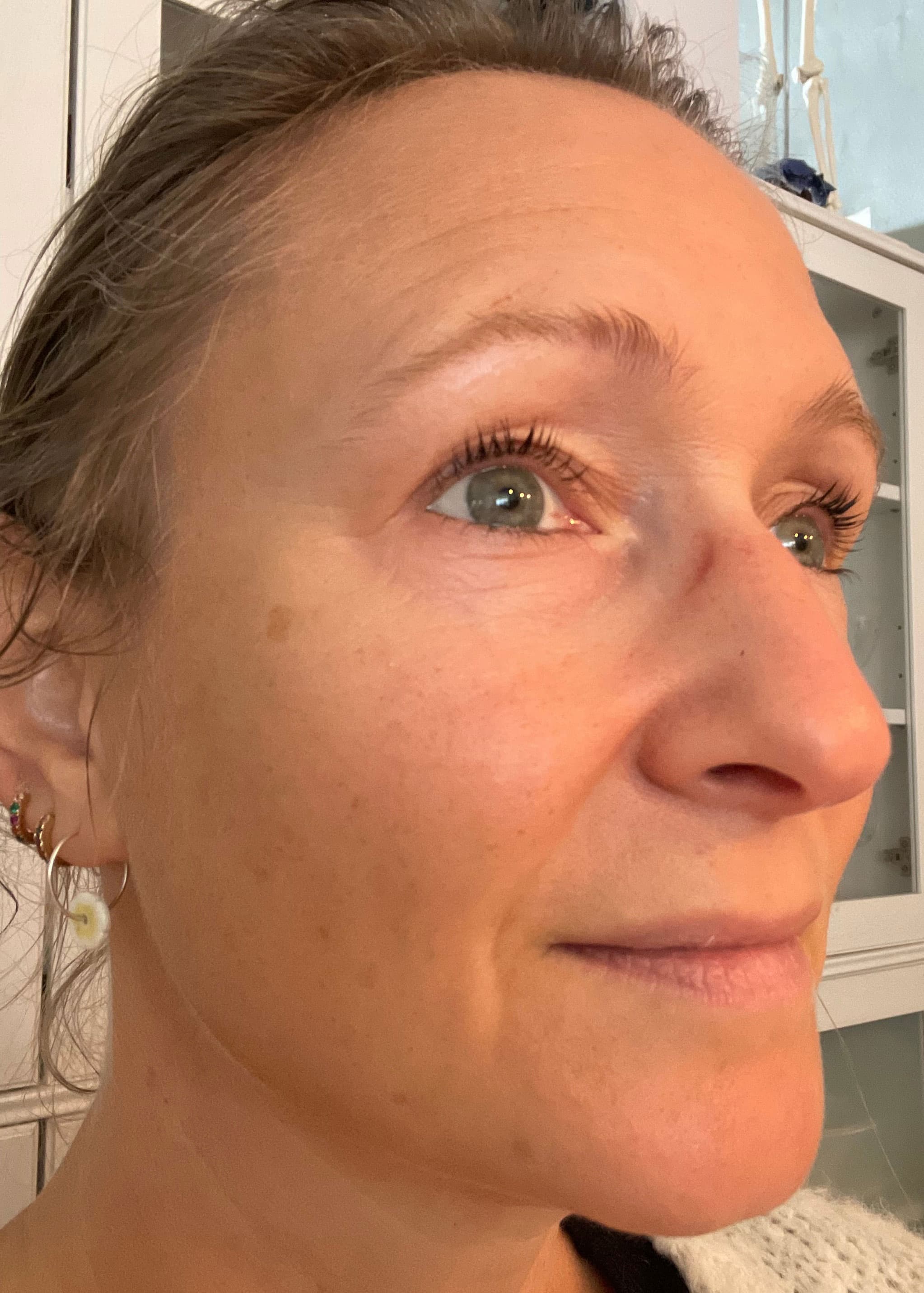
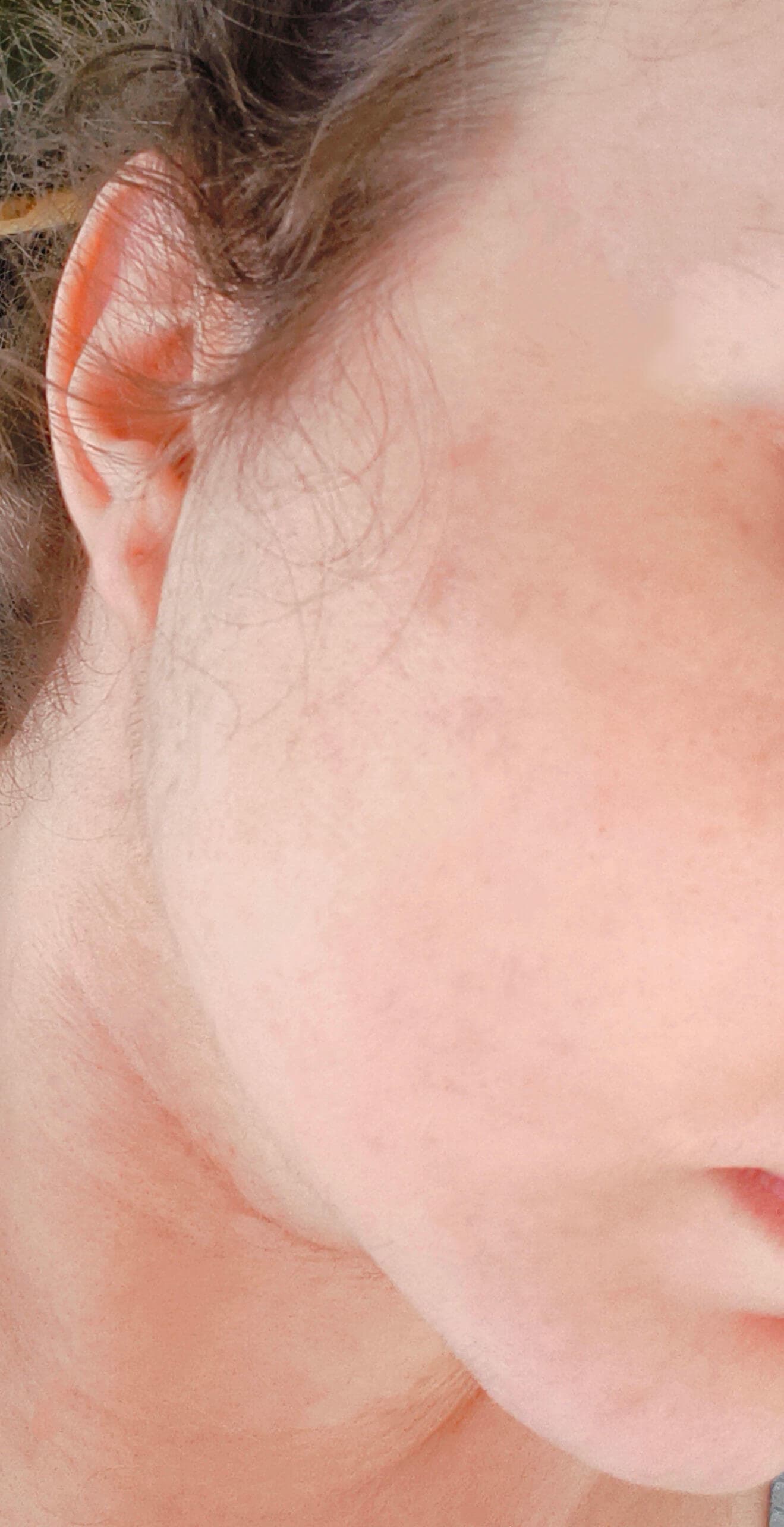
Real results from simple routines
A few real before-and-after cases from people using Danish Skin Care for skin concerns related to this guide. No filters, no miracle promise. Consistent skincare over time.
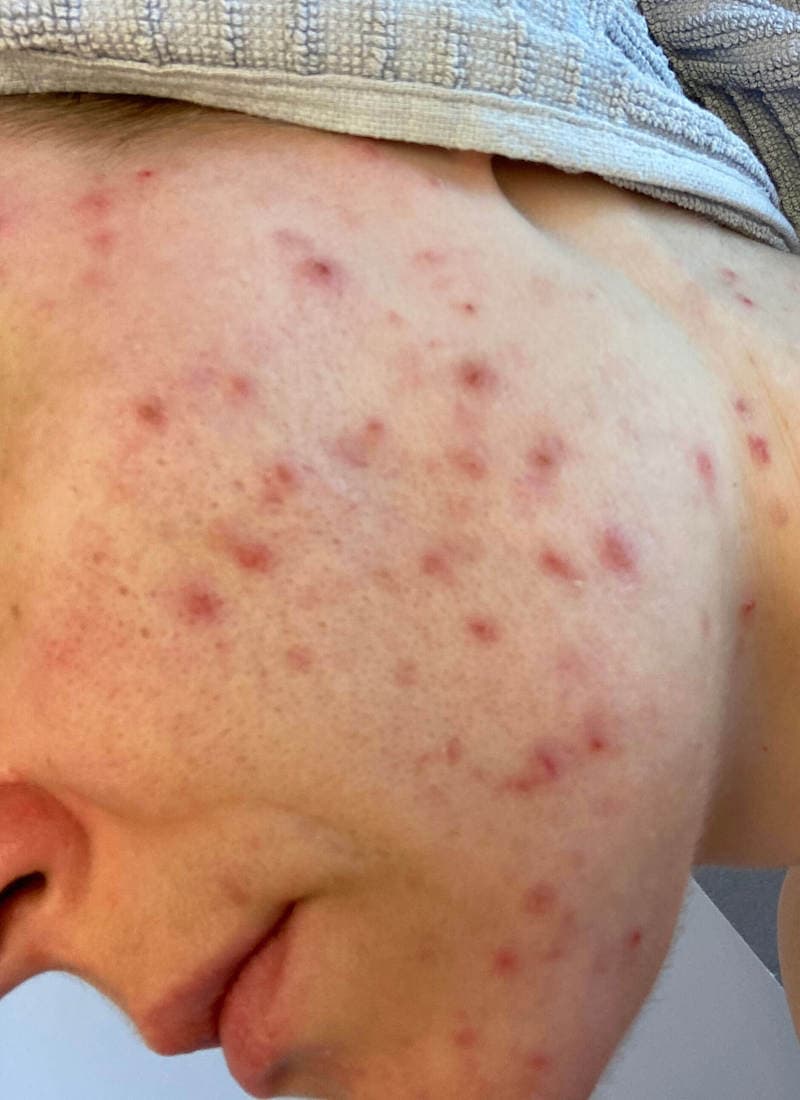 Before
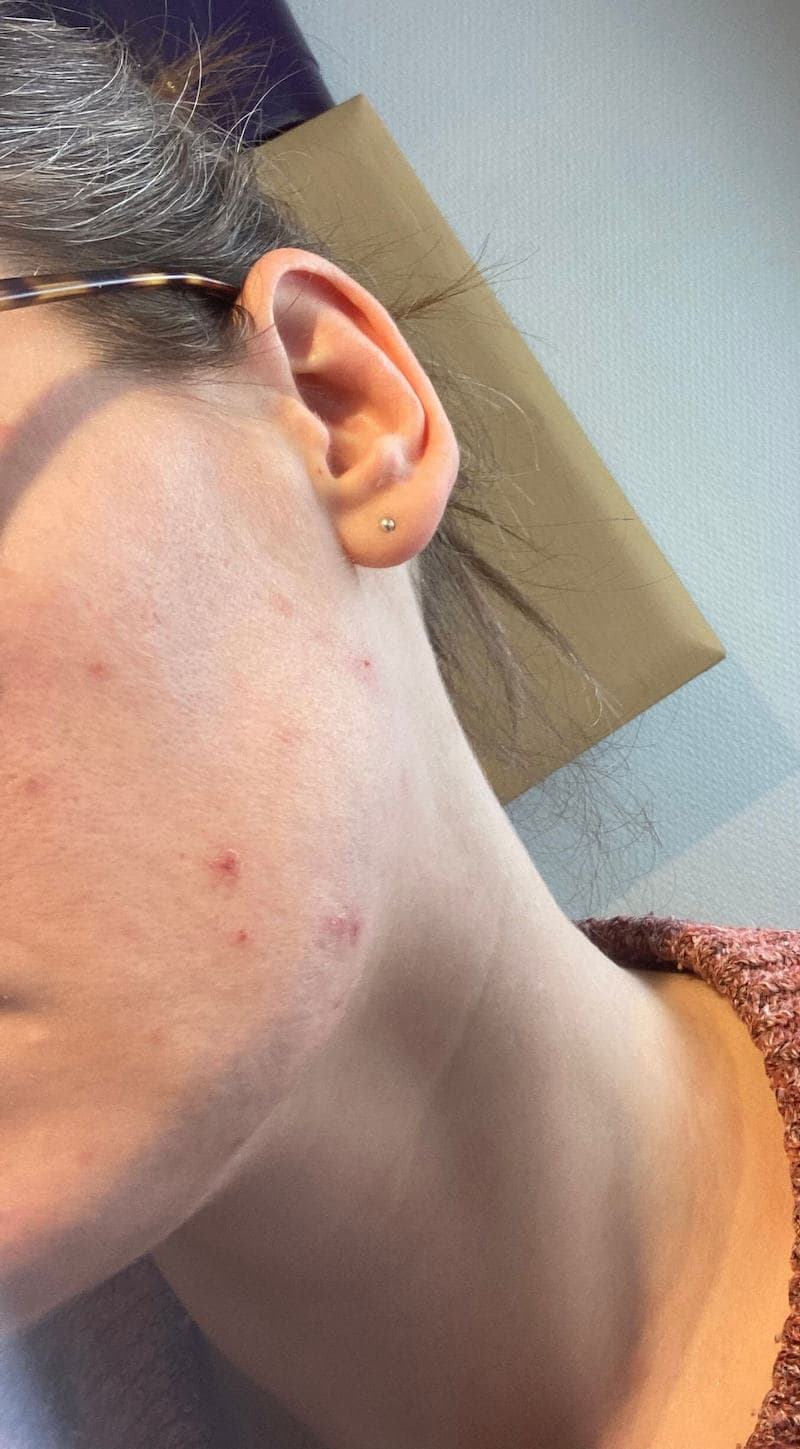 After
After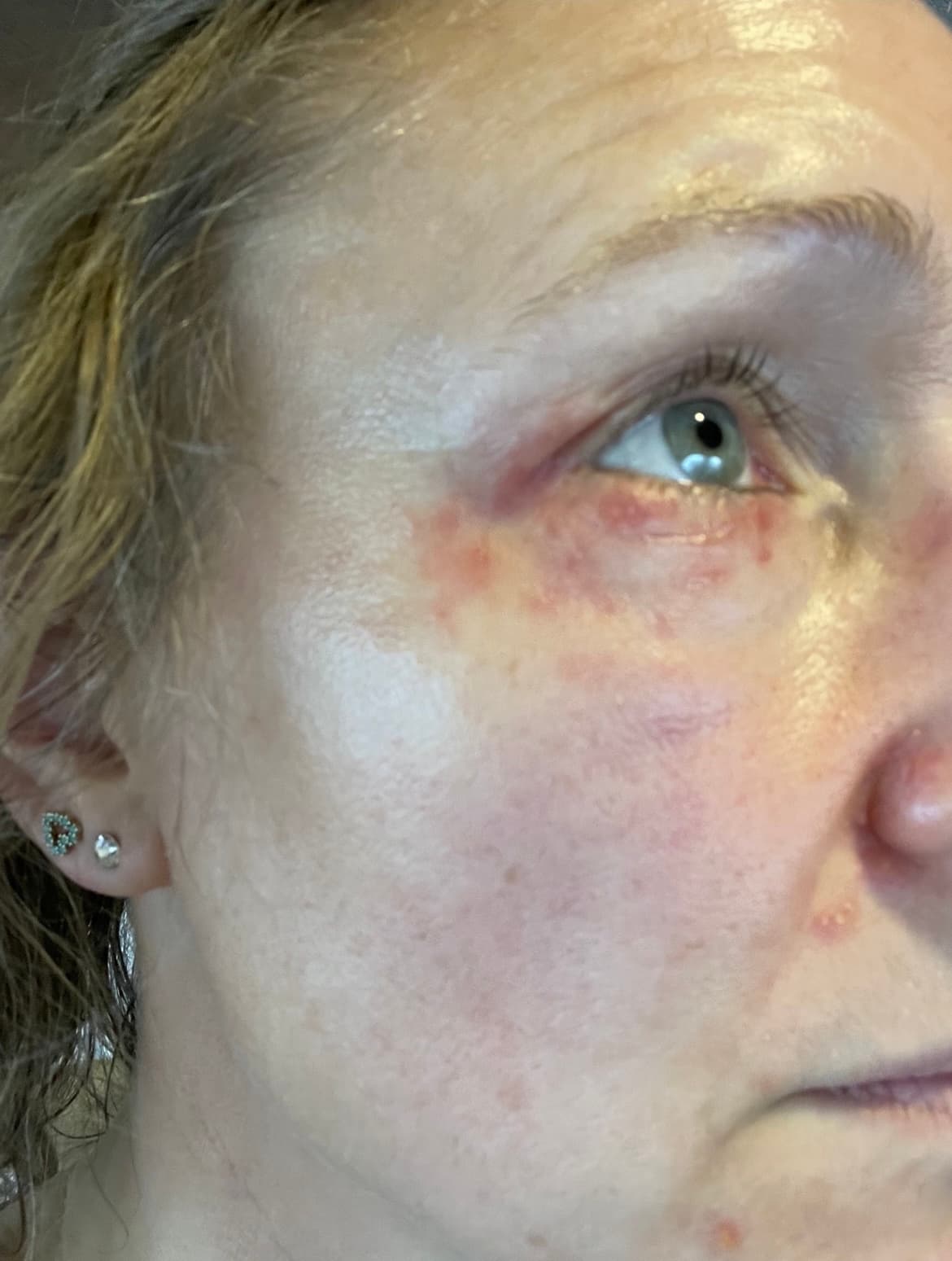 Before
 After
After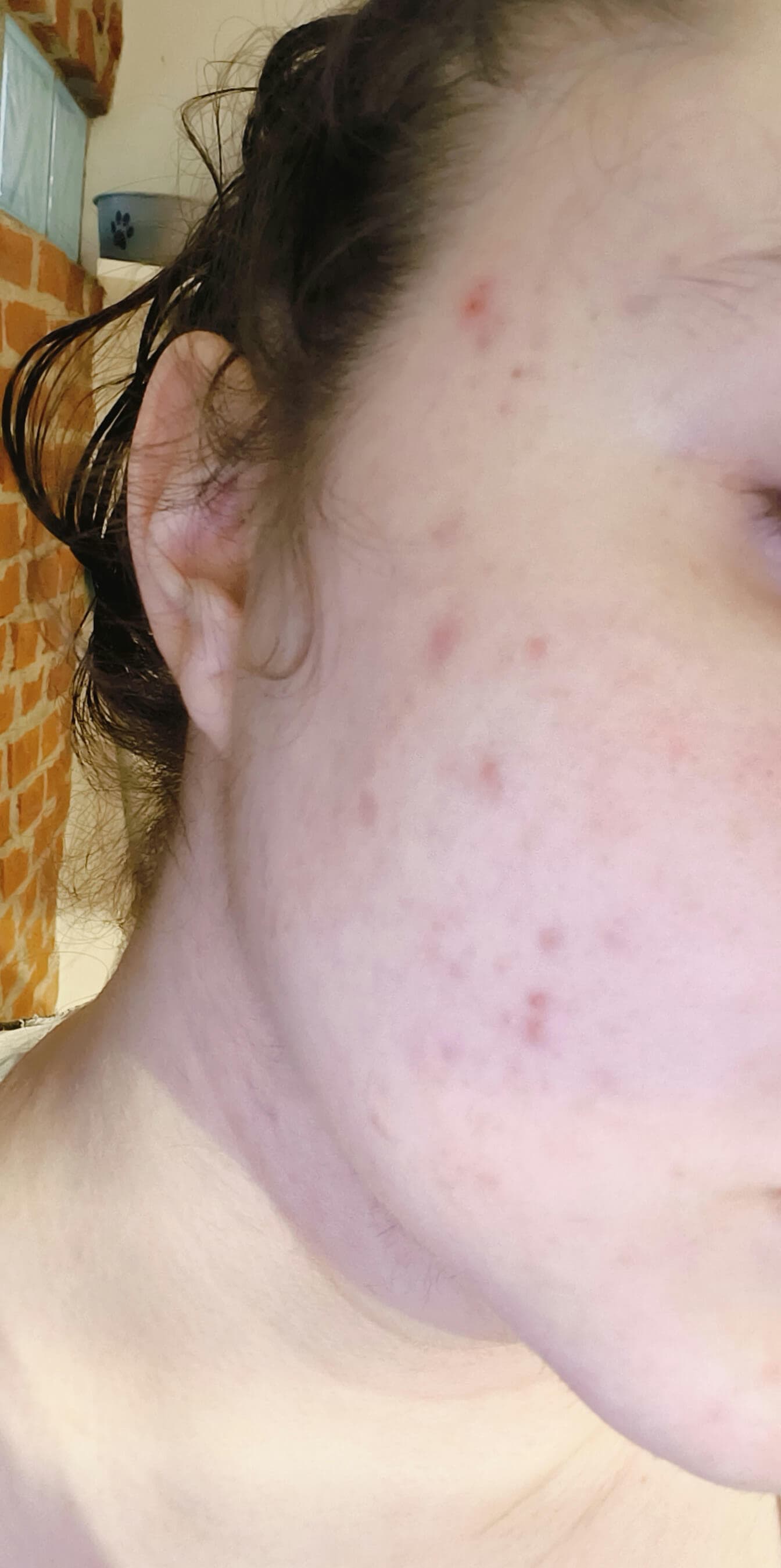 Before
 After
AfterKeep reading
- Ingredient · panthenol
- Ingredient · allantoin
- Ingredient · ceramides
- Ingredient · glycerin
- Ingredient · cholesterol
- Condition · sensitive skin
- Condition · dry skin
- Condition · rosacea
- Condition · acne and blemishes
- Read · why does my skin burn when i apply moisturizer
- Read · skin cycling
- Read · slugging
- Read · how to treat dry skin on face
- Read · redness after shower
Citations
- The Skin Barrier and Moisturization: Function, Disruption, and Mechanisms of Repair. Skin Pharmacol Physiol. 2023.PMID 37717558
- Sethi A, Kaur T, Malhotra SK, Gambhir ML. Moisturizers: The slippery road. Indian J Dermatol. 2016;61(3):279-287.PMID 27293248
- Proksch E, Nissen HP. Dexpanthenol enhances skin barrier repair and reduces inflammation after sodium lauryl sulphate-induced irritation. J Dermatolog Treat. 2009;20(3):175-181.PMID 19753737
- Guéniche A, et al. Amelioration of lactic acid sensations in sensitive skin by stimulating the barrier function and improving lipid synthesis. J Cosmet Dermatol. 2018;17(6):1077-1083.PMID 29728858