
Cholesterol
A skin-identical barrier lipid that works best in moisturisers alongside ceramides and fatty acids, especially for dry, sensitive, or barrier-compromised skin.
At a glance
What Cholesterol does for skin, and how to read the practical safety signals.
- Barrier lipid: Cholesterol is one of the key lipid families in the stratum corneum.
- Team ingredient: Works best with ceramides and fatty acids rather than as a single-ingredient hero.
- Best fit: Dry, sensitive, eczema-prone, or over-treated skin that needs barrier support.
- Type
- Barrier lipid
- Rating
- Pregnancy
- Considered safe
- Comedogenic rating
- 0/5 (Won't clog pores)
- Vegan
- No
- Suited skin types
- All skin types
On this page
The short answer
Cholesterol in skincare is not about blood cholesterol. It is a skin-identical lipid - one of the materials your outer barrier uses to stay flexible, hydrated, and less reactive.
If ceramides are the famous barrier lipids, cholesterol is one of the sensible colleagues doing real work without demanding applause.
What the evidence actually shows
Barrier repair with lipid creams. A 2022 randomised study[1] tested a cream containing ceramides, triglycerides, and cholesterol on adults with dry, eczema-prone skin. After four weeks, the test cream improved barrier integrity, reduced transepidermal water loss, increased hydration, and reduced irritant sensitivity compared with a reference emollient.
Complete regimens matter. A 2021 randomised trial[2] found that a ceramide-dominant moisturiser and cleanser regimen improved hydration and barrier measurements in adults with moderate eczema. Cholesterol is part of that broader physiological-lipid logic: the barrier is a structure, not one ingredient.
The evidence supports cholesterol as part of well-built moisturisers for dry and compromised skin. It does not support buying a cholesterol-only product and expecting your barrier to reorganise itself overnight.
How to use it
Look for cholesterol in:
- barrier creams
- ceramide moisturisers
- products for dry or eczema-prone skin
- recovery moisturisers after over-exfoliation or retinoid irritation
Use it once or twice daily depending on the product and your skin. If your skin is oily, choose the texture carefully. Barrier support should not feel like wearing a winter coat in July.
Where it fits in a routine
Cholesterol belongs beside ceramides, fatty acids such as linoleic acid, squalane, and humectants such as glycerin.
For dry skin, that lipid-plus-water approach usually beats chasing one more active. For sensitive skin, it can help the skin tolerate the routine you already have.
When it won't help
Cholesterol will not treat acne, rosacea, pigmentation, or eczema by itself. It also will not make a stripping cleanser gentle. If the routine keeps removing barrier lipids faster than your moisturiser can support them, the first repair step is subtraction.
Less damage is a skincare ingredient too. It just does not fit on an INCI list.
The practical takeaway
My goal with this guide was to gather the useful science on cholesterol in one place, so you can stop hunting for the next clever fix and focus on a simple, effective routine.
That is also why I made the Danish Skin Care Kit: a calm routine built around documented ingredients, and one that has helped more than 100,000 people with problem skin. If even the smallest question is still nagging you, send me an email at info@danishskincare.com.
Common questions
Why is cholesterol in skincare?
Cholesterol is one of the natural lipids in the stratum corneum. In moisturisers, it helps support the lipid matrix that keeps water in and irritants out.
Is cholesterol in skincare bad for acne?
Not automatically. Cholesterol in a balanced moisturiser is different from a heavy greasy product. Acne-prone skin should judge the full formula and texture.
Should cholesterol be paired with ceramides?
Yes, ideally. Barrier-lipid research usually points to ceramides, cholesterol, and fatty acids working as a team.
Reading a real label?
Scan a product to see how it is formulated
Upload a photo of the ingredient list and get a quick ingredient-by-ingredient read against the evidence-led database.
I recommend these products

The Normal to dry Moisturizer uses a barrier-support approach with squalane, urea, sodium hyaluronate, panthenol, and retinol support.

The Kit keeps barrier care consistent instead of turning lipid repair into a separate product hunt.
Skin conditions it actively helps with
Where the published evidence puts Cholesterol on the short list of active ingredients worth reaching for.

Dry skin
Dry skin is usually a barrier problem, not simply a water problem. Here's the difference between dry and dehydrated, why it matters, and the routine that actually helps.
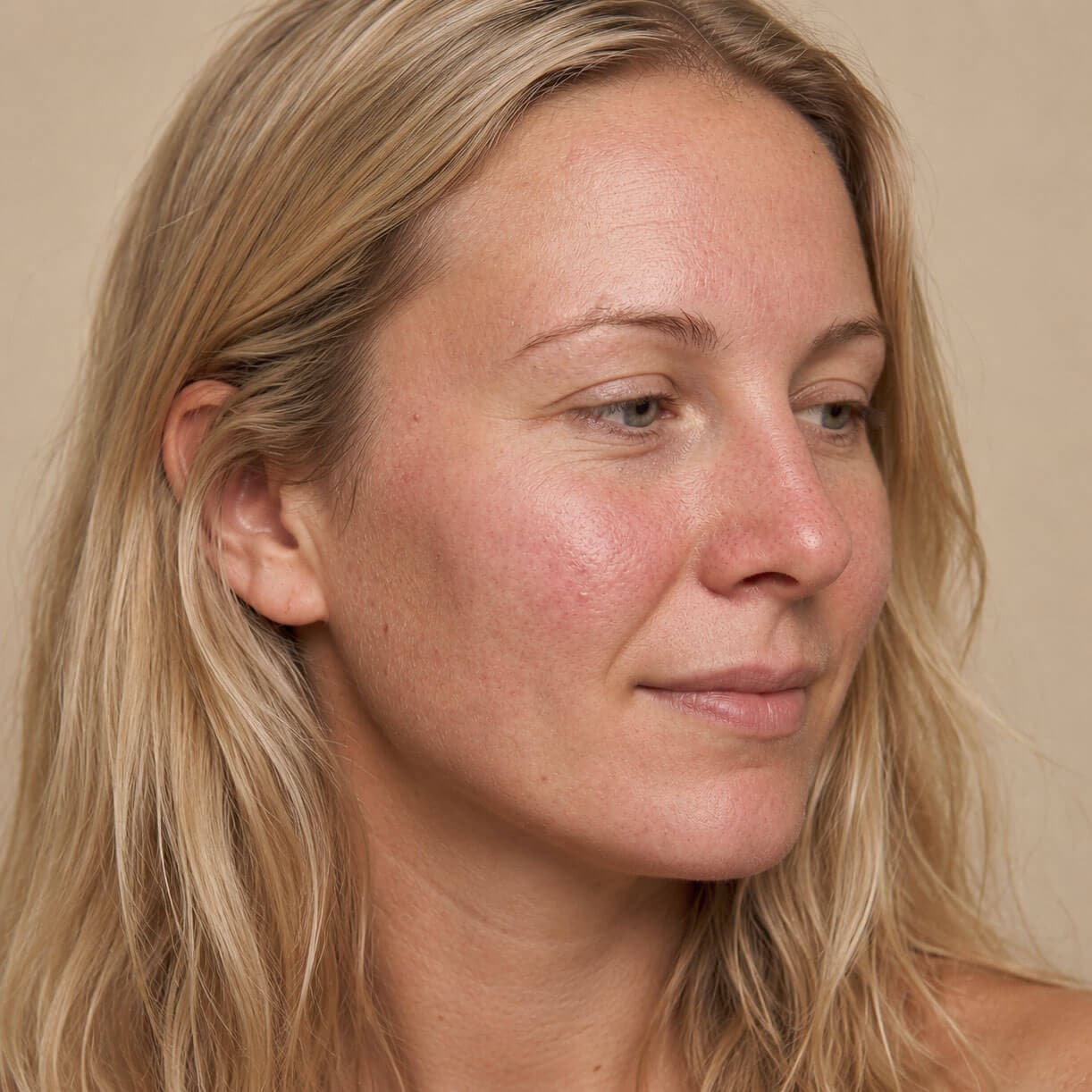
Sensitive skin
"Sensitive" is a symptom, not a diagnosis. Learn what drives reactive skin, the routine that calms it, and what to leave out.
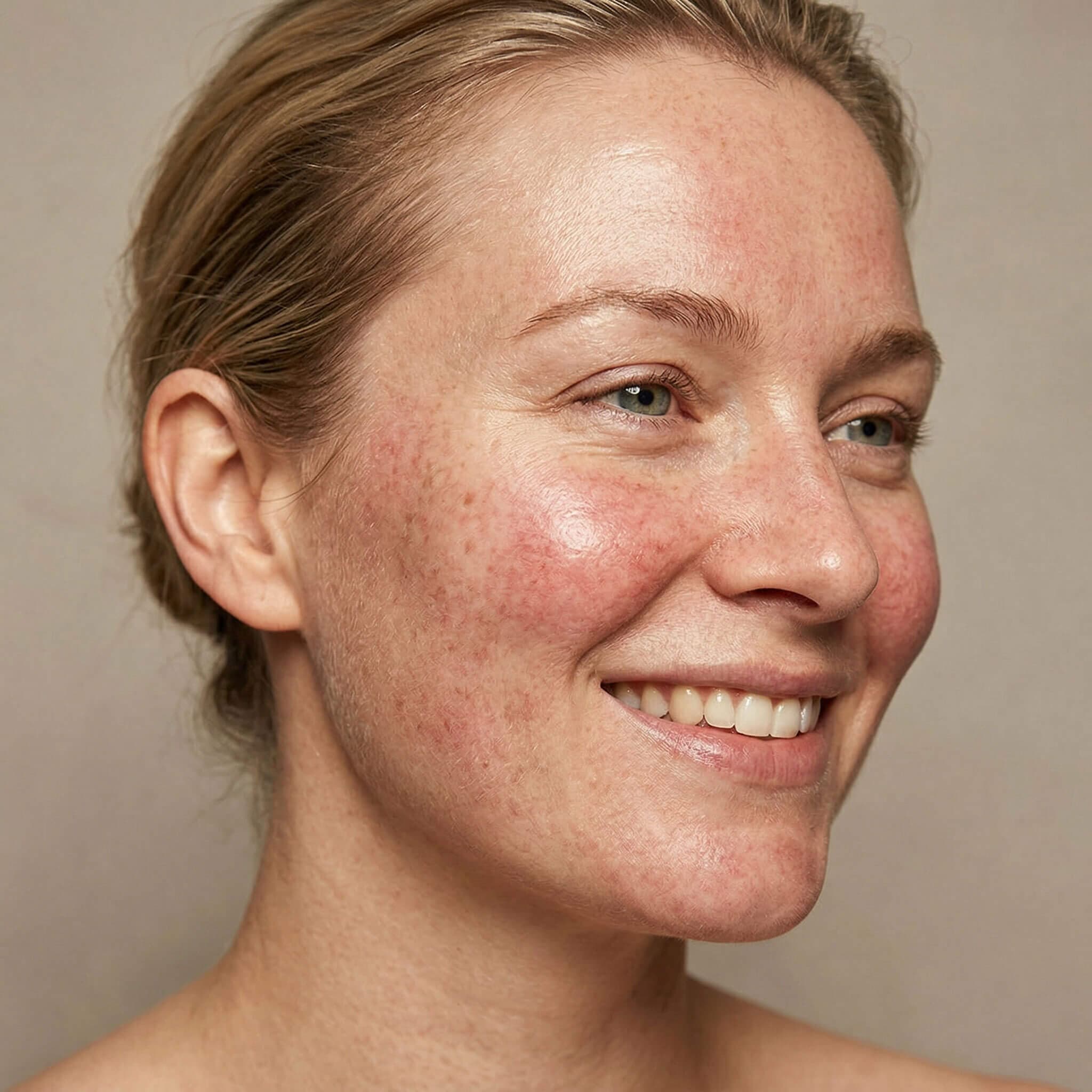
Rosacea and redness
Rosacea is a chronic inflammatory condition, not a temporary flush. Here's what causes it, what calms it, and the routine that doesn't make the reactivity worse.

Signs of ageing
Wrinkles, sallowness, slack tone, and uneven pigment all share the same drivers. Here's the unglamorous routine that genuinely slows them.
Related ingredients
Citations
- Danby SG, et al. Enhancement of stratum corneum lipid structure improves skin barrier function and protects against irritation in adults with dry, eczema-prone skin. Br J Dermatol. 2022;186(3):514-524. — PMID 34921679
- Spada F, et al. A daily regimen of a ceramide-dominant moisturizing cream and cleanser restores the skin permeability barrier in adults with moderate eczema: A randomized trial. Dermatol Ther (Heidelb). 2021;11(3):887-896. — PMID 33984185